
Australia is one of the world’s most developed and urbanised countries in the world with stunning landscapes and friendly people. Famous for beautiful beaches, lush national parks, unique wildlife and vibrant cities, Australia stands out as one of the most fascinating continents; it’s a destination worthy of anyone’s travel list! If you’re planning a trip and need ideas on where to go, what to see, where to stay, how to get around, and how much time to plan for your adventure, you’re in the right place!
*This post may contain affiliate links, as a result, we may receive a small commission (at no extra cost to you) on any bookings/purchases you make through the links in this post. As an Amazon Associate, we earn from qualifying purchases. Read our full disclosure
If you are one of the lucky travellers heading to Australia, here are some Australia travel tips you need to know before you go.
You Will Need A Visa Or An ETA
All visitors to Australia are required to obtain a Visa.
There are several different types of Australian visas available, such as work, study, tourism, and permanent residency visas. Needless to say, you will also need a valid passport to travel to Australia.
Tourist visas, the most popular type of visa for Australia, can be obtained online. Electronic visas take only a few days to be processed, but we recommend giving yourself at least 1 week of buffer time, just in case.
As for the costs, for $20 Australian Dollars, residents of the US can obtain a visa online that is valid for up to three months. Citizens of the UK and Canada do not need a visa, but they will need to apply electronically for and receive an ETA (Electronic Travel Authorization) before they go.
Traveling Soon? Here is a list of our favourite travel providers and accessories to help get you ready for your upcoming trip!
Australia Is A Huge Country and Extremely Diverse
Unless you are planning to spend 6 months travelling around the country, you are not going to see it all. It may look small, but looks are deceiving.
Imagine trying to see the Golden Gate Bridge, New York City, the Grand Canyon, and the beaches of Florida all in one 2 week trip to the USA. Yes, these sights are all in one country, but seeing them all in one trip is nearly impossible unless you plan to spend a long time in the country.
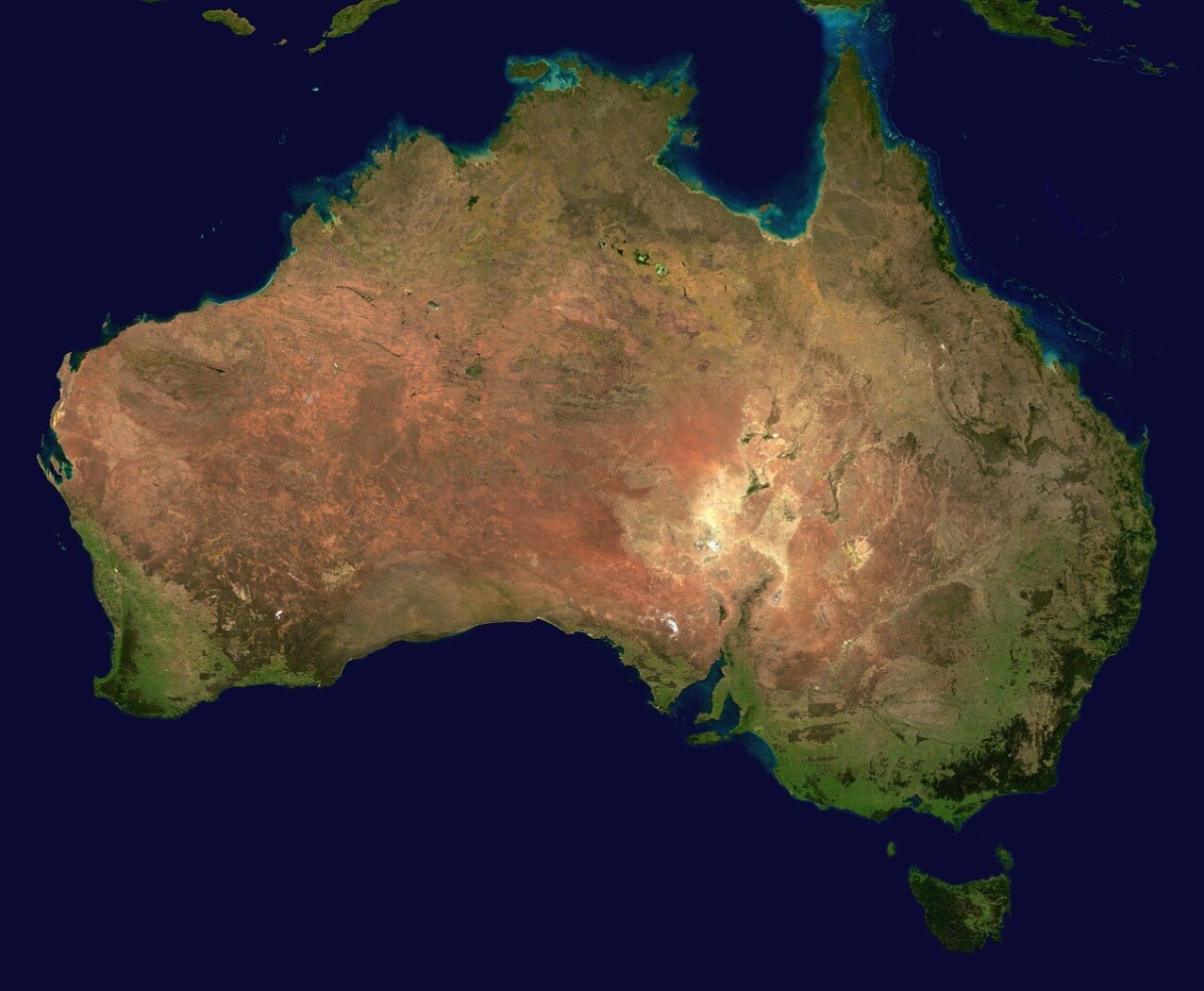
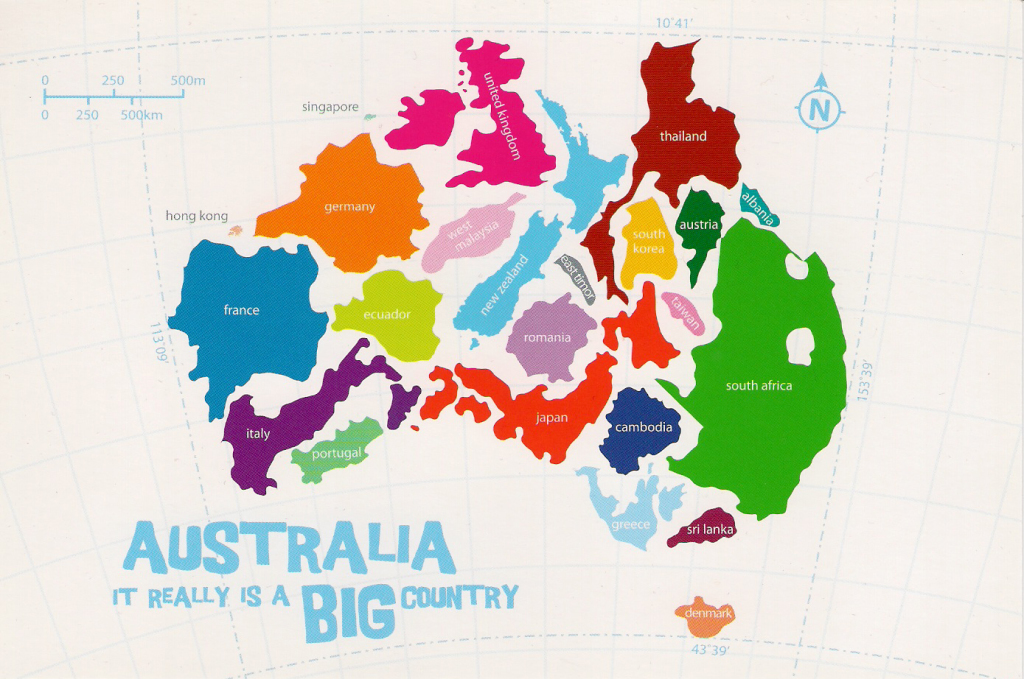
Consider this: Australia is the 6th largest country in the world, occupying a territory of 7 692 024 sq. km, which is more than the size of ALL European Union countries. Yet it has one of the lowest population densities in the world, of only 3.1 people/km. Any Australia travel guide would tell you that you need to spend a lot of time in the country or make multiple visits to see all of the best places to visit in Australia.
It Takes Time To Get Around
A flight from the East Coast (Brisbane) to the West Coast (Perth) will take you 5.5 hours. That’s almost as far as flying coast to coast across the USA. You might also get to know these airlines: Qantas, Virgin Australia, Jetstar, Bonza, and Rex. Their routes can help you plan your itinerary and budget in advance! If you are considering travelling around Australia by car, you’ll want to give yourself at least a few months.
Keep in mind that the majority of the Australian population lives along the coast, so unless you are travelling Australia by road-tripping along the East Coast, prepare to be en route for days on end without any interesting sites or towns to check out along the way. There are parts of Australia with a whole lot of nothingness.
A road trip from Cairns to Brisbane is practically impossible in less than 3 days. And even then, it’s really rushed. The same goes for road-tripping from Brisbane to Sydney.
It will take you over 9 hours to drive from Sydney to Melbourne.
If you want to city-hop, flying is an option, although there are better ways if you want to travel sustainably. As for travelling with a group, consider renting a car. Otherwise, trains offer another great option for travelling in Australia.
In case you want to check out off-the-beaten-path towns – give yourself at least a month or two to explore. If you plan with the mindset of spending more time in fewer places, you’ll enjoy Australia a lot more!
There Are Some Destinations In Australia You Should Not Miss
The diversity within Australia is great. Some of the best places to see in Australia are stunning beaches, beautiful rainforests, metropolitan areas, and fantastic wine regions.
The variety of the landscapes also makes travel in Australia enjoyable for every kind of traveller, as there are so many different things to do in this beautiful country. There are one hundred and one possible ways to spend 2-3 weeks in Australia, depending on your travel interests and your ideal Australia holiday dream.
But if you are planning your very first trip to Australia, there are some destinations that you should not miss.
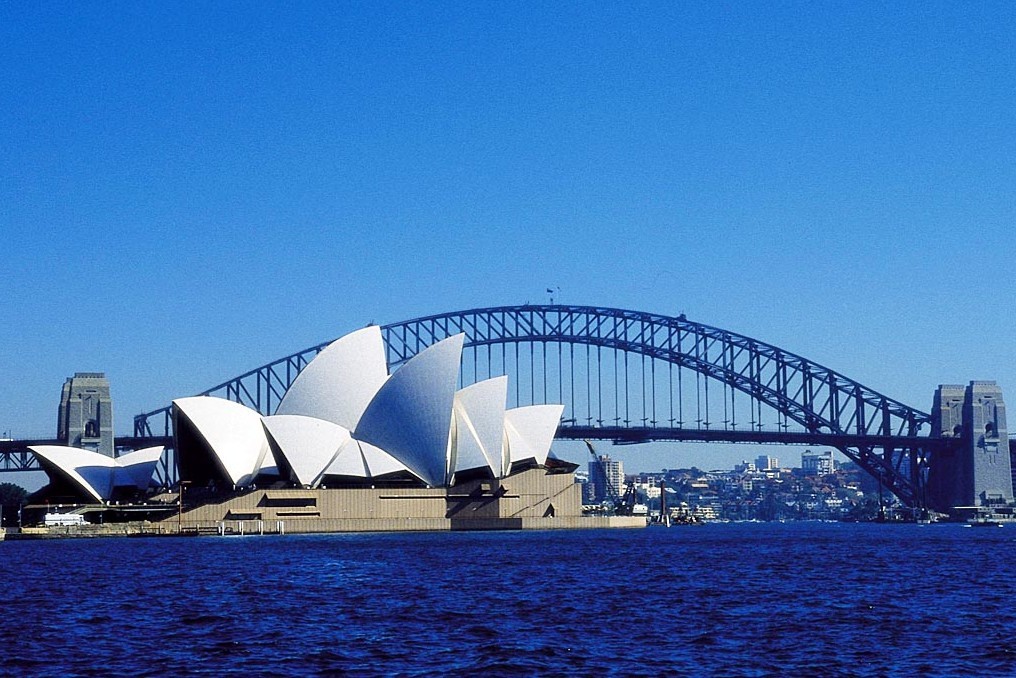
- Sydney – Tour the famous Sydney Opera House or see the sights by boat.
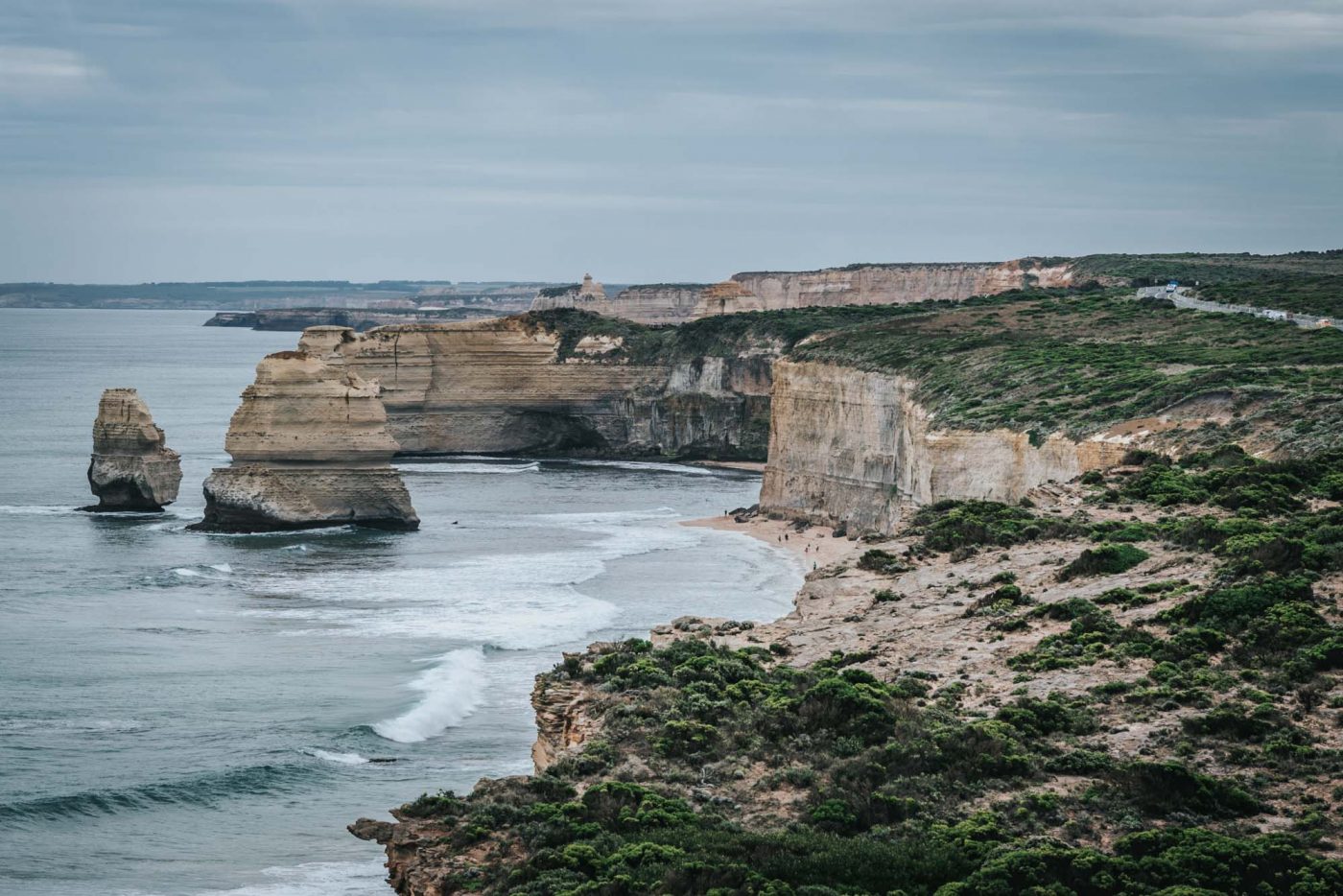
- Melbourne and the beautiful Great Ocean Road, one of the best road trips in Australia
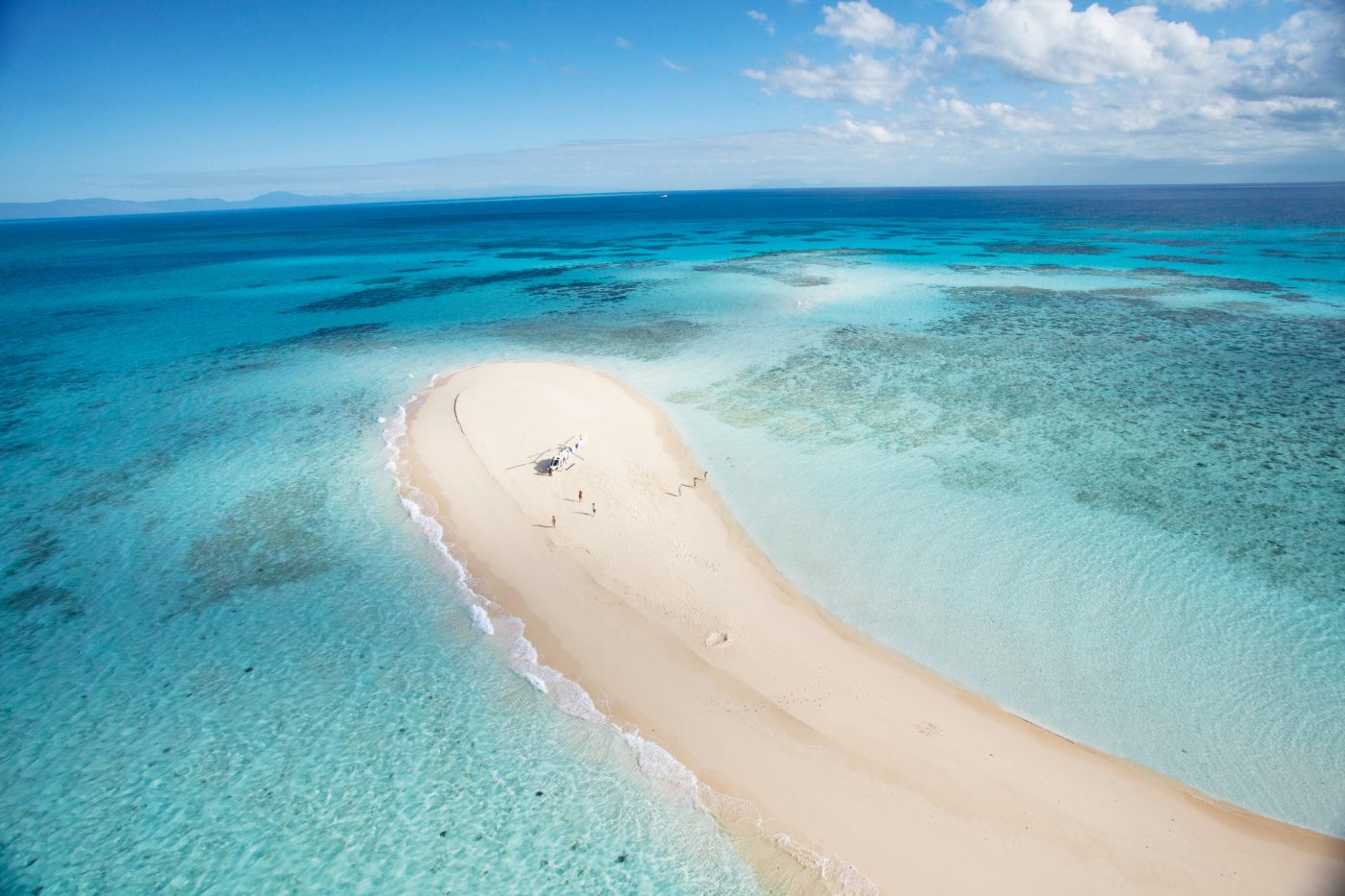
- Great Barrier Reef – Visit the largest reef in the world for a chance to snorkel or dive with some of its curious inhabitants.
- Uluru – Experience a small group, visit Kakadu National Park, or enjoy a sunrise walk around the base.
- Adelaide – Take a ferry to explore Kangaroo Island.
- Gold Coast – Learn to surf on the Gold Coast.
- Brisbane – Head out on a day tour to the rainforest and glow worm caves
READ NEXT: Top 10 Things To Do In Australia
Take Advantage Of Unique Activities In Australia
One of our best Australia travel tips is to experience as much as you can during your time Down Under. There are several unique activities and things that you can only do in Australia, so it’s worth considering adding these to your Australia bucket list.
Our suggestions below include tours/activities in specific locations but note that you can have these experiences in several places around Australia.
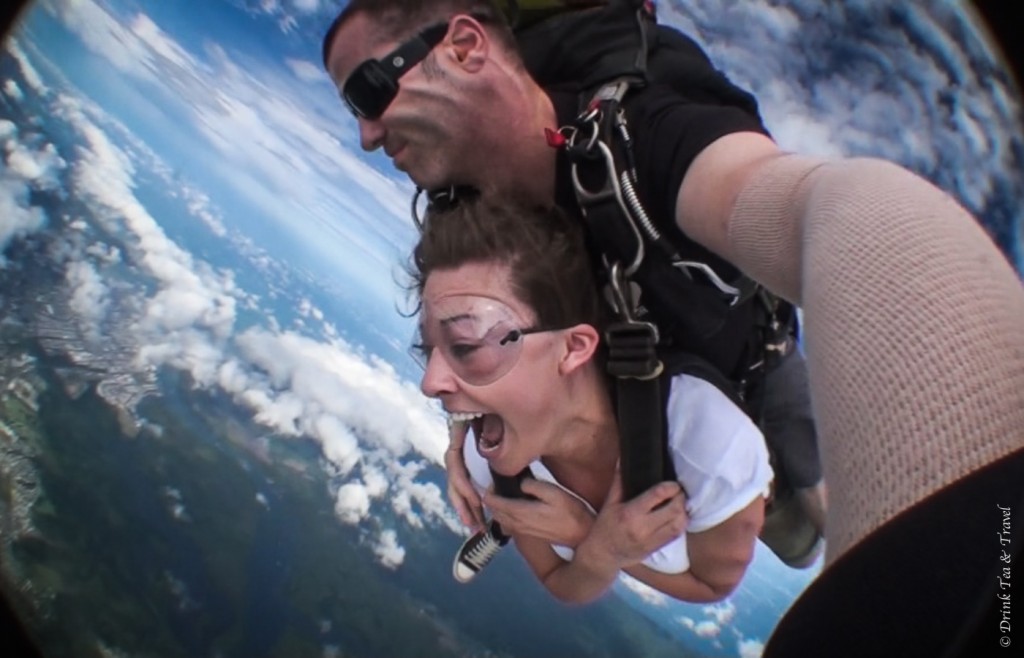
- Go skydiving! Tandem skydive in Sydney, as you have a gorgeous view from above. This is such a fun and exhilarating way to explore the island. You can also skydive in Byron Bay and Mission Beach.
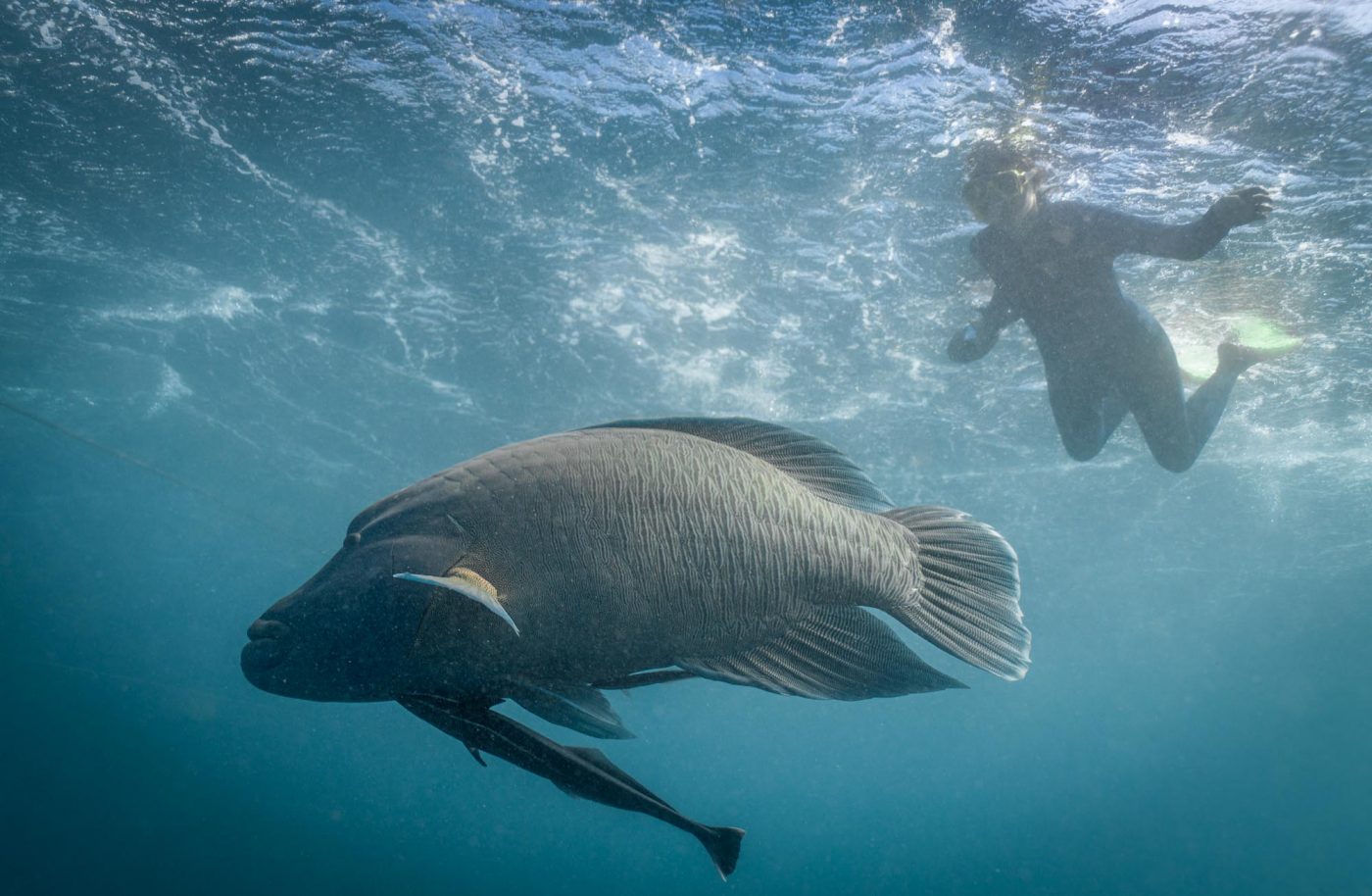
- Dive and snorkel. See turtles, fish, and reefs as you snorkel and dive the Ningaloo Reef area. You can also snorkel and dive at the Great Barrier Reef from Cairns.
- Whale watching in Exmouth allows you to view humpback whales in their natural habitat. You can also experience a 4-hour whale-watching tour from Hervey Bay.
- Go kayaking with dolphins. Paddle alongside dolphins, whales, and turtles during a tour in Byron Bay.
- While in Sydney, tour the Opera House. Learn the Australian history of this UNESCO World Heritage Site during a 1-hour guided tour.
Don’t Forget To Visit The Wine Regions
One of the things to know before going to Australia is that wine regions in the country are plentiful and fantastic destinations to visit! The country is actually the fifth largest wine exporter in the world and sends 60% of its wines to other countries. If you want to go winery hopping or merely want to go to one, here are a few Australian wine regions to consider.
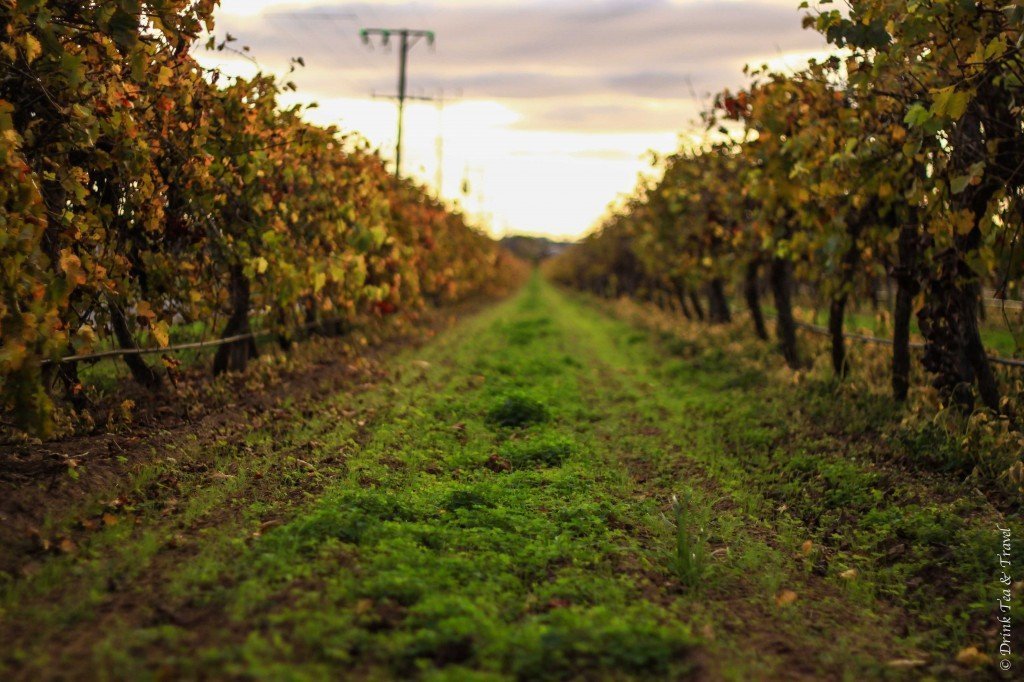
South Australia – Barossa Valley
If you love red wine, Barossa Valley is a destination you should not miss. It’s one of our favourite wine regions in Australia, and for a good reason. The region is about 70 km north of Adelaide. If you want to head to several wineries, you can rent a bike to go from place to place for about $20/day.
The food in the Barossa Valley is also excellent, so plan on budgeting for a few meals while you are there.
Near Melbourne – Yarra Valley
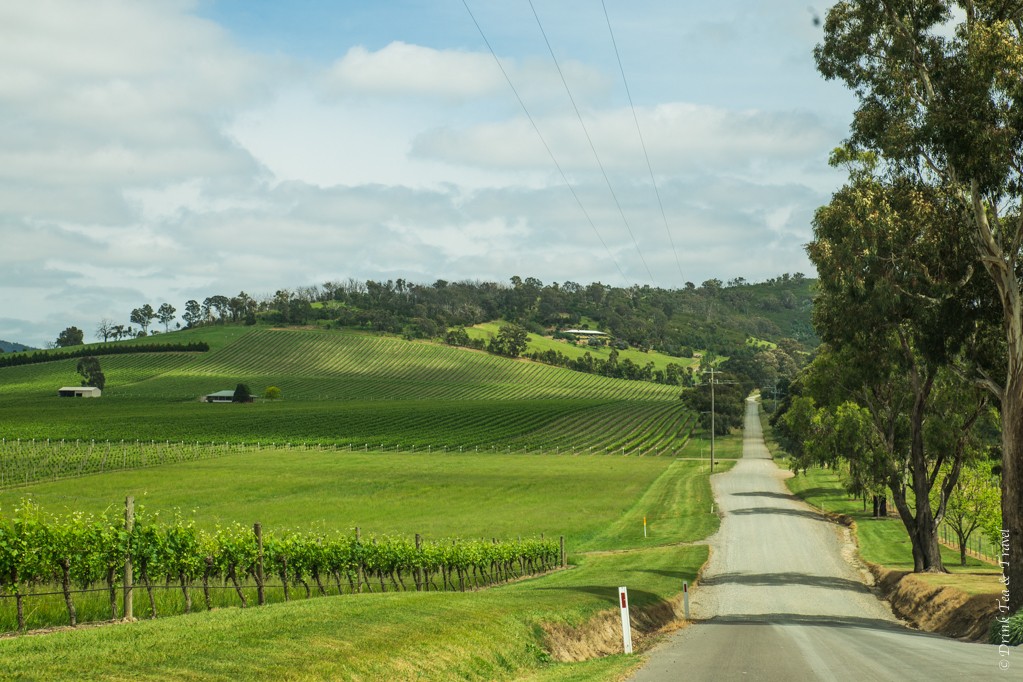
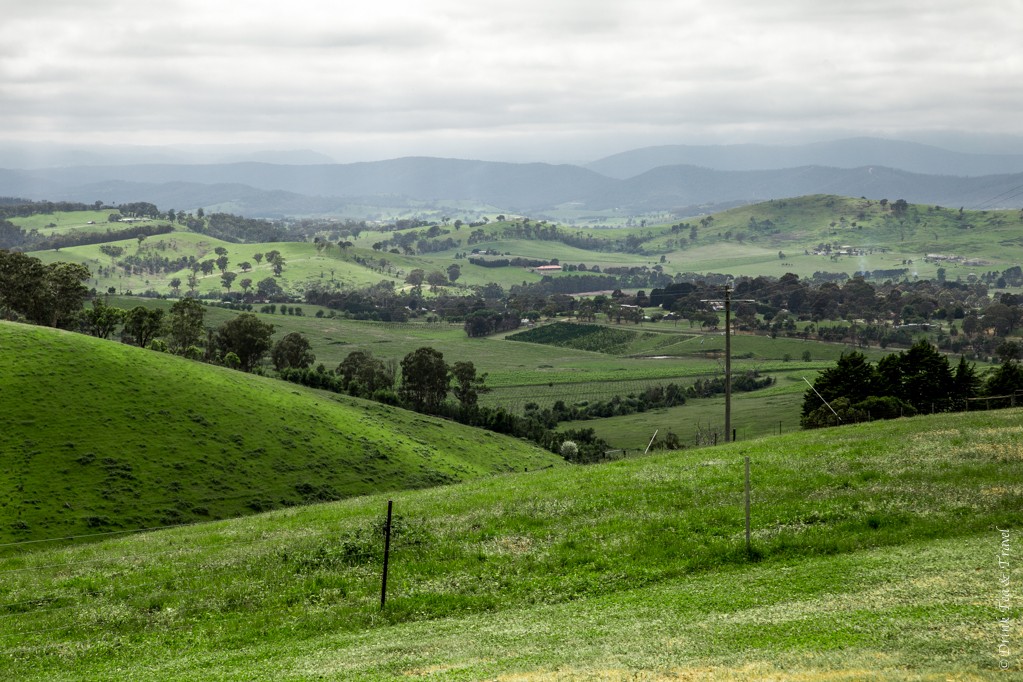
Yarra Valley, located just an hour outside of Melbourne, is another great wine region to visit.
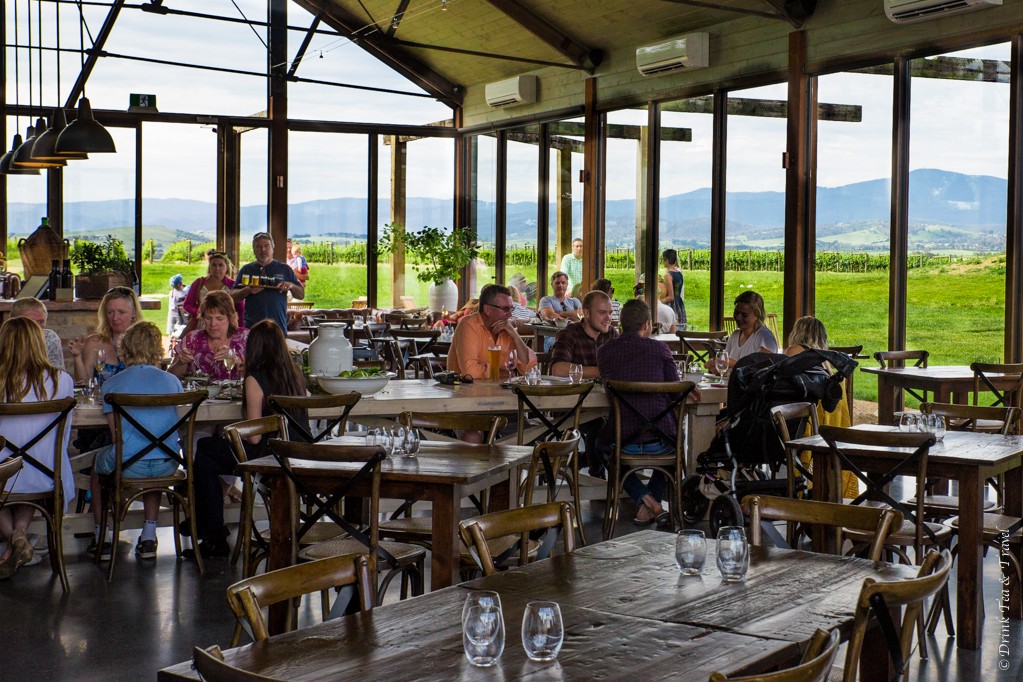
The area boasts over 80 wineries, and there are varieties to suit any taste. The cool, sun-kissed climate in the Yarra Valley is ideal for a variety of fine wines from world-renowned wineries. Whether you fancy a smooth Pinot Noir, a crisp Chardonnay, or a playful glass of sparkling wine, the options are plentiful.
The views in the area are quite unmatched. Our favourites in the Yarra Valley were at TarraWarra Estate and Domaine Chandon, but the top prize goes to the sunset at SkyHigh Mount Dandenong. It was a perfect blend of colours with the sun setting over downtown Melbourne.
Near Sydney – Hunter Valley
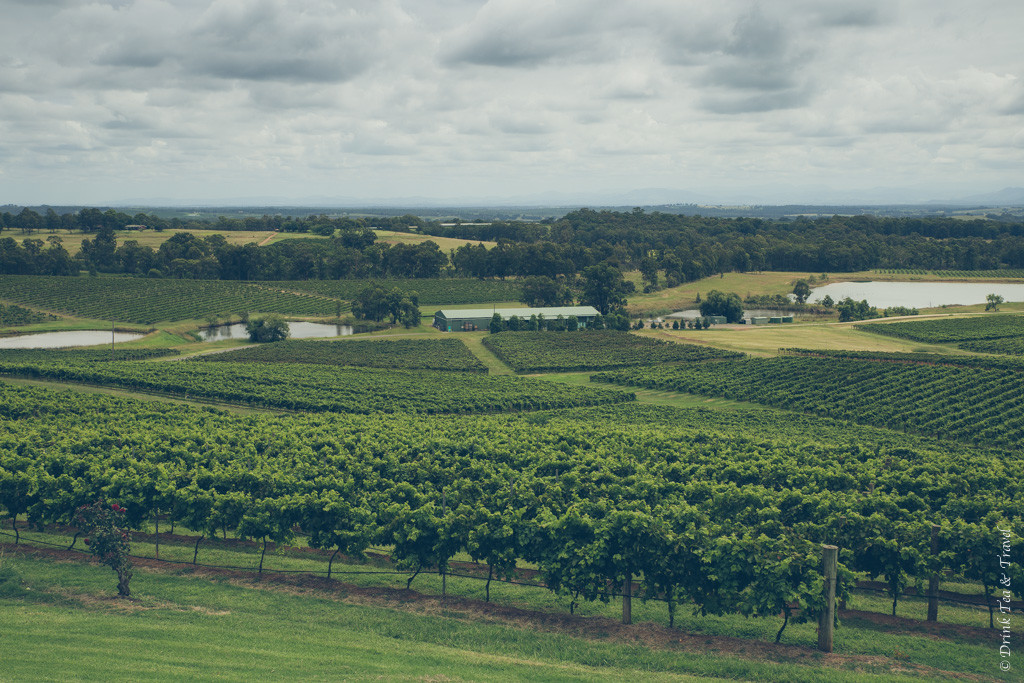
Northwest of Sydney in New South Wales is where our favourite wine region – Hunter Valley – lies. This area has smaller, more boutique wineries that offer free tastings. Hunter Valley is known for its fantastic offerings of sweeter white wine varieties. Semillon, Verdelho, and Shiraz are the specialties of this region. You can check out Lambloch Estate for their Late Harvest Wine, Tyrell’s for the Seven Harvest Shiraz, and Peterson House for those famous pink bubbles.
Western Australia – Margaret River
With over 200 wineries, the romantic region of Margaret River is an idyllic and quaint getaway for couples enjoying Australian holidays. The climate for growing grapes is also very influenced by the ocean, and the region has lower temperatures. This area is famous for many varieties of wine, including Cabernet Franc, Merlot, Moscato, Sauvignon Blanc, and Rose. We recommend visiting Wills Domain for their renowned sparkling wine and rosé, or indulge in wine tasting at Pierro, a charming boutique winery with amazing wines!
READ NEXT: Best Wine Regions In Australia
Wildlife In Australia May Be Hard To Find
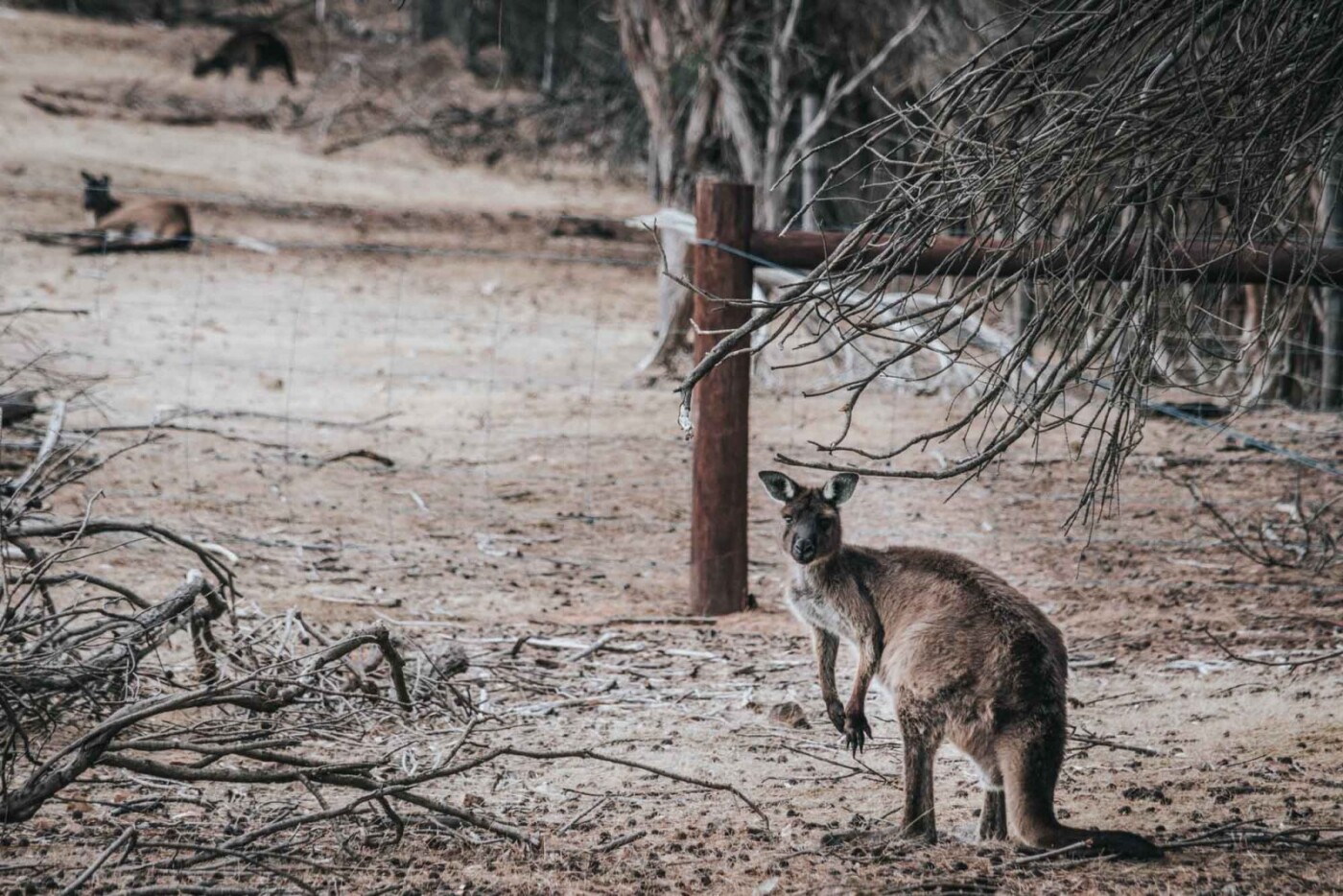
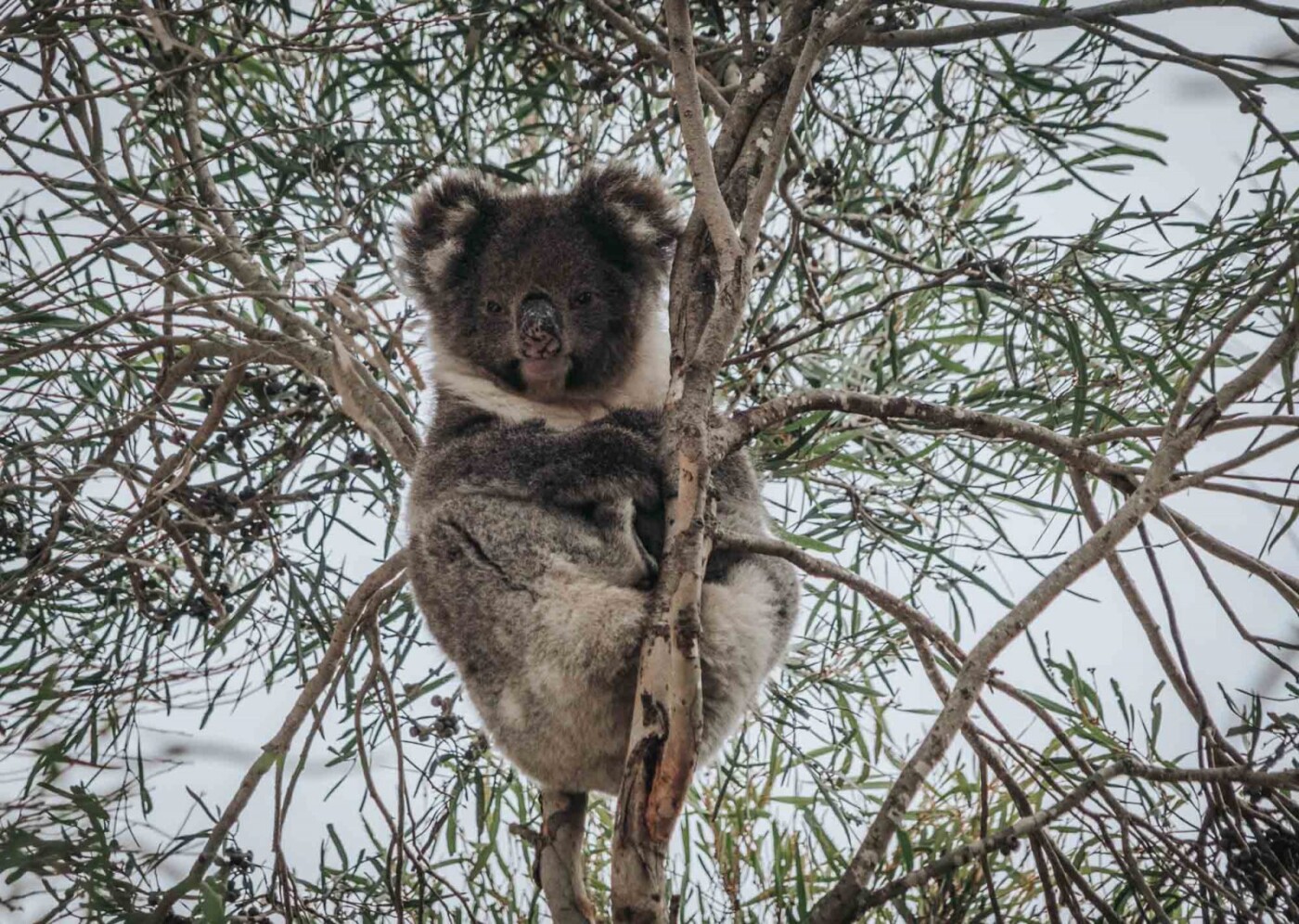
It is possible to spot kangaroos and koalas in the wild while travelling in Australia, but you’d have to venture out to a national park/reserve or further inland, away from the city buzz, to find them. But you may be lucky enough to spot them in the suburbs or on a golf course.
If seeing wildlife is one of the reasons you are traveling to Australia, then there are a few specific regions we recommend that you visit:
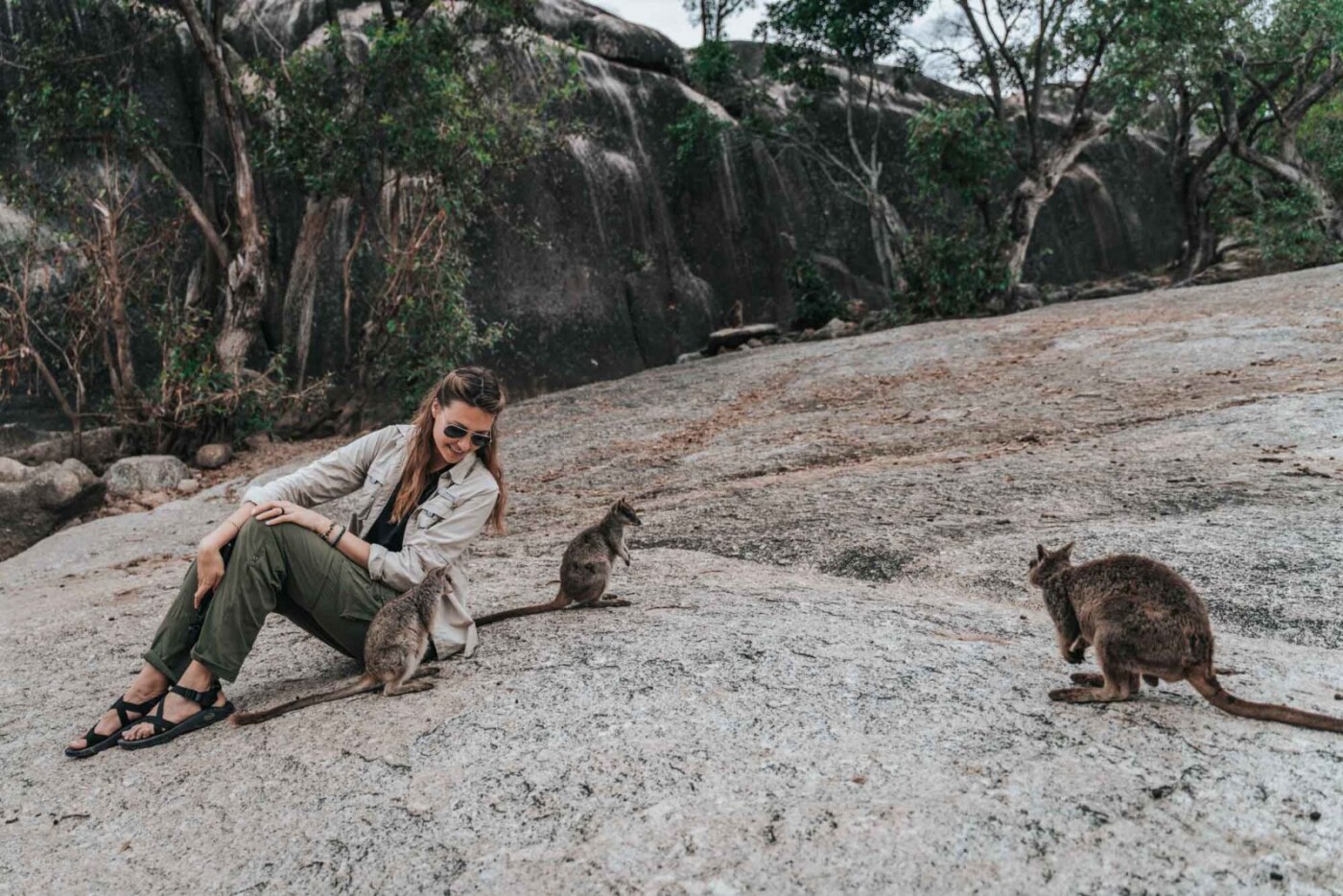
- Atherton Tablelands region in far North Queensland, near Cairns, is great for wildlife. Here, you can see platypuses, tree kangaroos, wallabies, and various reptiles and birds.
- Kangaroo Island, located about an hour from Adelaide, offers sightings of seals, cockatoos, koalas, and, of course – kangaroos.
- The ecosystem at the Great Barrier Reef is very diverse. It contains 400 species of coral and 1500 types of fish across its 900 different islands.
- The Lone Pine Koala Sanctuary is a great day trip from Brisbane. You can take a 40-minute river cruise before you arrive at the sanctuary to see the koalas.
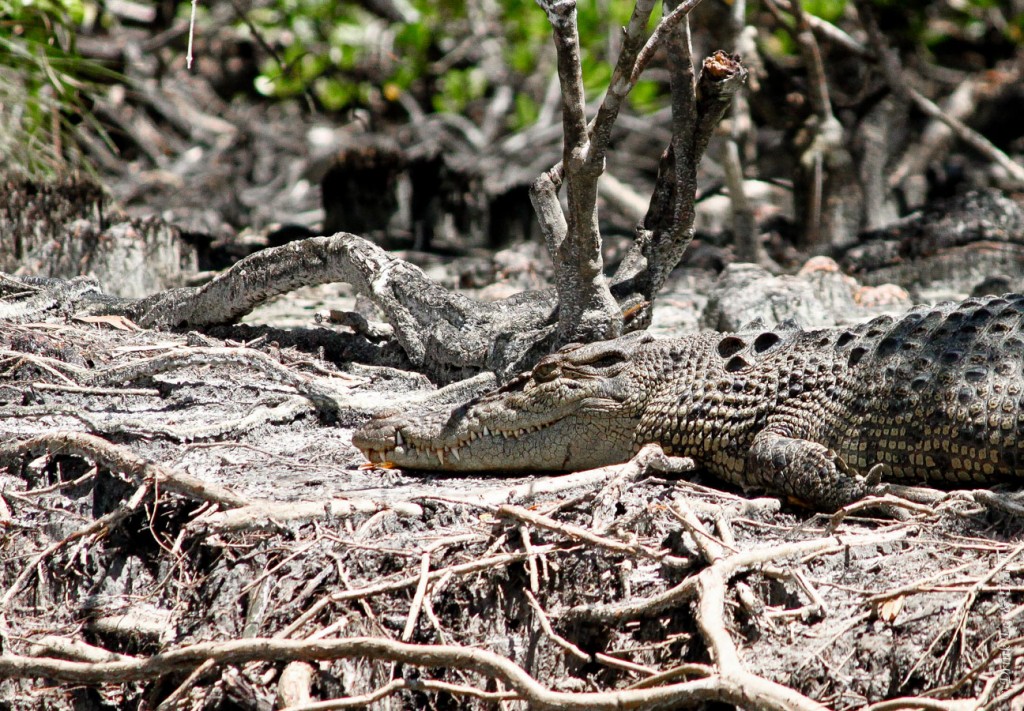
- If you want to spot crocodiles while travelling to Australia, the Daintree Rainforest in Queensland is the place to go on a Daintree River tour.
While kangaroos and koalas aren’t common in highly populated areas, other Australian residents are. When going to Australia you will likely see a lot of bats, possums, some snakes, lizards, plenty of spiders and other bugs.
There are also plenty of cool birds around. We lived just outside the city centre, and we saw cockatoos and rainbow lorikeets on our patio on a weekly basis.
Australian Weather May Surprise You
Australian summer (December to March) isn’t always lovely like the summers are in North America and Europe. It’s hot, like really hot. So hot that over the last few years, bushfires have caused a lot of destruction for both humans and wildlife.
From the tropical north in Northern Australia, like Cairns, to the temperate climates of the Australian Capital Territory, like Melbourne and Sydney, in the south, the continent sees a range of conditions. Central desert areas like Alice Springs face arid climates. Coastal climates, influenced by surrounding oceans, make cities like Brisbane more subtropical. Seasonal changes in the Southern Hemisphere further contribute to the varied weather across Australia’s different regions. In some parts of the country, it rains a lot. In 2010, there was so much rain on the East Coast that the whole city of Brisbane flooded.
If you are flexible, plan to visit Australia during the shoulder season – which is October/November or April/May. It’s still really warm and sunny, but there is a lot less rain and unbearable humidity/heat. And if you must come during the high season – pack an umbrella or a rain jacket.
At the same time, don’t assume that Australia is hot all year round. The northern territory of the country, like Darwin and Cairns, is actually fairly warm all year round, but temperatures in other parts of Australia can go down to -5 °C or lower. Sometimes, it ever snows! Eeeeek!
Spring And Fall Are The Best Seasons For Australia Holidays
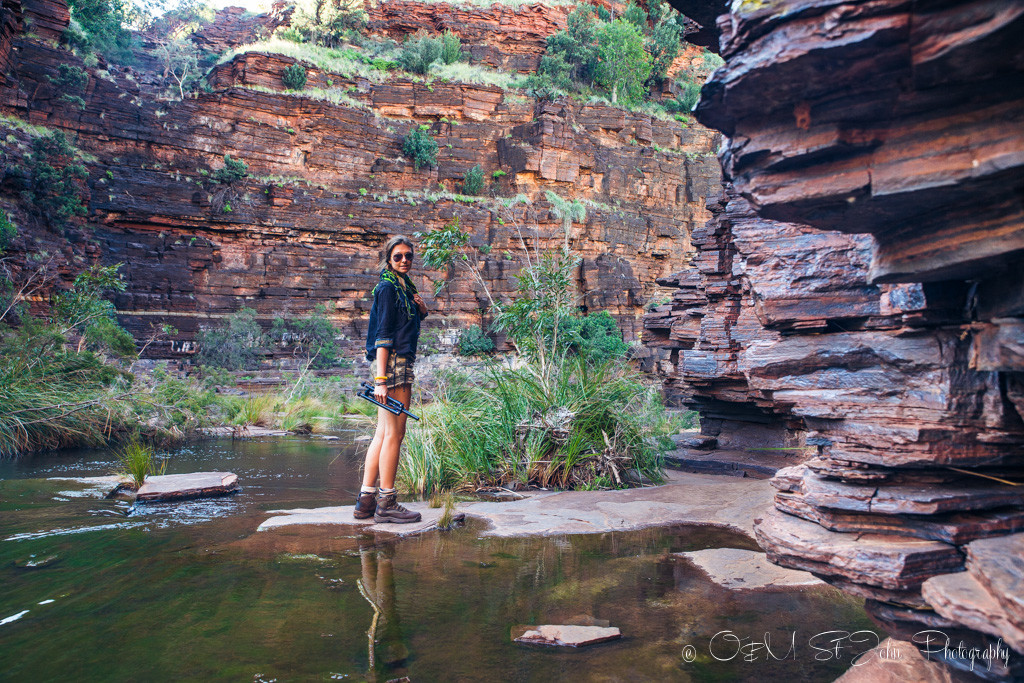
One of the things to know about Australia is that the seasons here are the opposite of the Northern Hemisphere. So, while Europe and North America are freezing in sub-zero-degree weather, Australia is enjoying the heat of summer.
Our favourite time to plan an Australia trip is during the shoulder seasons of March through May or September through November. The weather during these times isn’t as extreme as during the winter and summer months, prices aren’t as high, and you don’t have to deal with sold-out tours or overbooked experiences.
Is A Trip to Australia Expensive?
Yes, Australia can be pricey, requiring a bit more savings compared to other destinations. However, if it’s the destination that truly captivates you and you see the value in what it has to offer, cost aside, don’t hesitate to make the trip down under! Budget at least $100-$200 USD per day for accommodation, food, and activities when travelling Australia, we’d say it’s not that expensive for US travellers. Transportation is extra and will depend on the mode of transport you choose. If you are looking for Australia travel tips to help you save money on your trip, consider the following suggestions.
Travel Overland
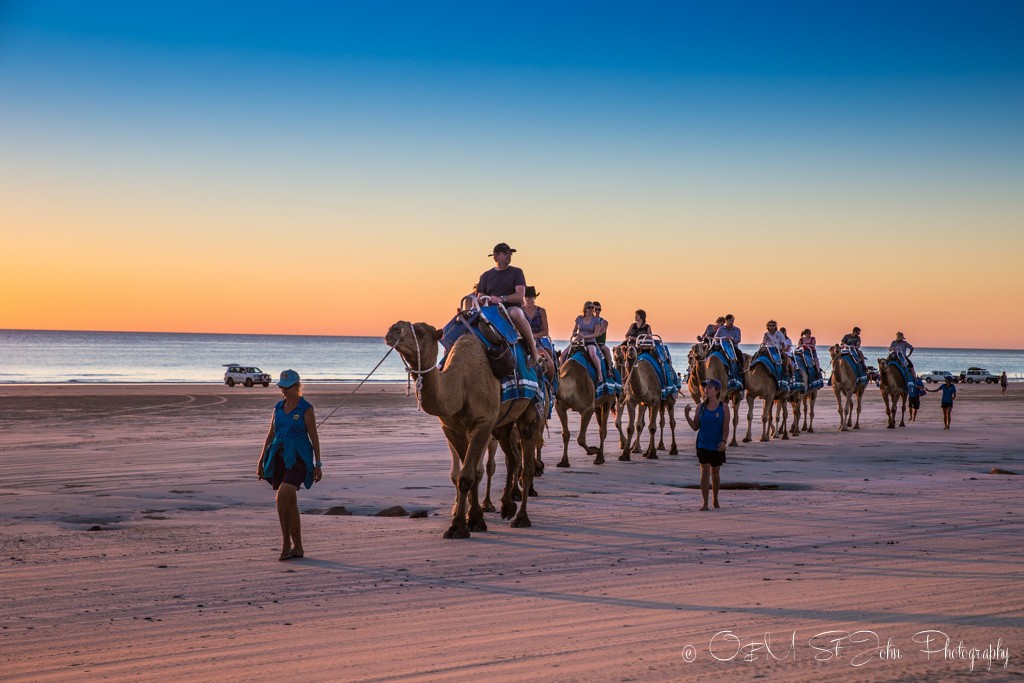
Buy a Greyhound hop-on/hop-off bus pass instead of individual tickets to get from city to city. It is affordable and one of the greenest ways to see the country. Alternatively, consider taking the train. Australia’s landscapes are really beautiful, and utilising the rail system is an easy, affordable way to take in the sights when going from place to place.
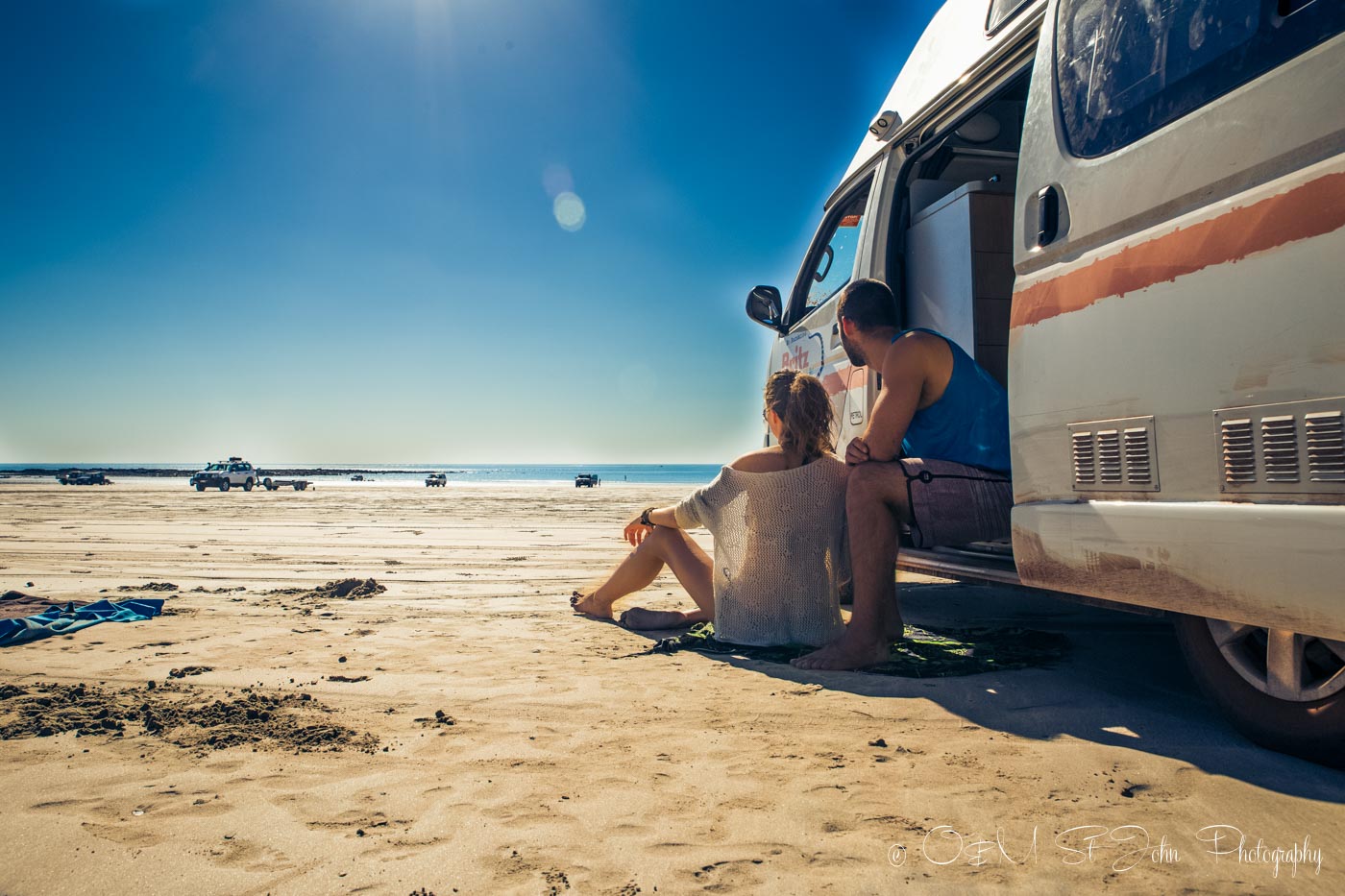
If you want the luxury of travelling on your own time without spending a fortune on renting a car, consider renting a relocation campervan and secure your accommodation and transportation for travelling in Australia. Campervan relocation deals can be as cheap as $1/day plus gas!
WANT TO EXPLORE AUSTRALIA BY CAR OR CAMPERVAN?
Get the best car rental rates by booking ahead! Discover Cars compare prices across all major car rental companies, so you are guaranteed to get the best deal.
Opt For B&B Type Of Accommodation
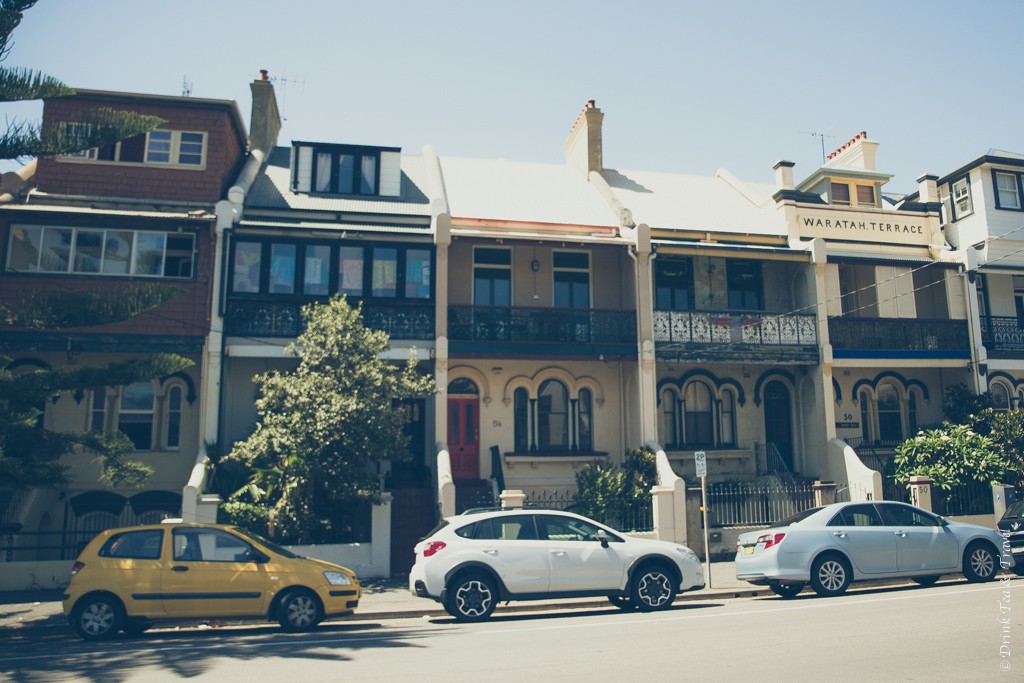
If you are travelling as a couple or with friends, consider staying in Airbnb accommodation or opt for the smaller family-run B&Bs, as nice hotels across Australia will set you back by no less than$100/night.
Many Airbnb accommodations can cost half that price, or you can pay just as much as a hotel room but have more space and amenities, such as a kitchen and living room to yourself. This is a great way to save a bit of money during your Australia trip.
For example, one apartment in Sydney with a kitchen, living room, and laundry facilities that sleeps up to 4 people lists for half the cost of a similar hotel in the same area. Be sure to book Airbnbs early as they can fill up quickly if the price is right.
Cook Your Own Food
There are lots of great restaurants in Australia, but this isn’t Vietnam or Thailand where local food is incredible and cheap. You don’t need to eat out every meal when travelling around Australia as the prices can range from $18-$30 AUD for an average meal or around $50 AUD for a meal at a nice restaurant.
There are free public BBQs available in most parks all over Australia. You don’t even need your own kitchen, and you’ll see plenty of Australians doing the exact same thing! Thumbs up for local experiences.
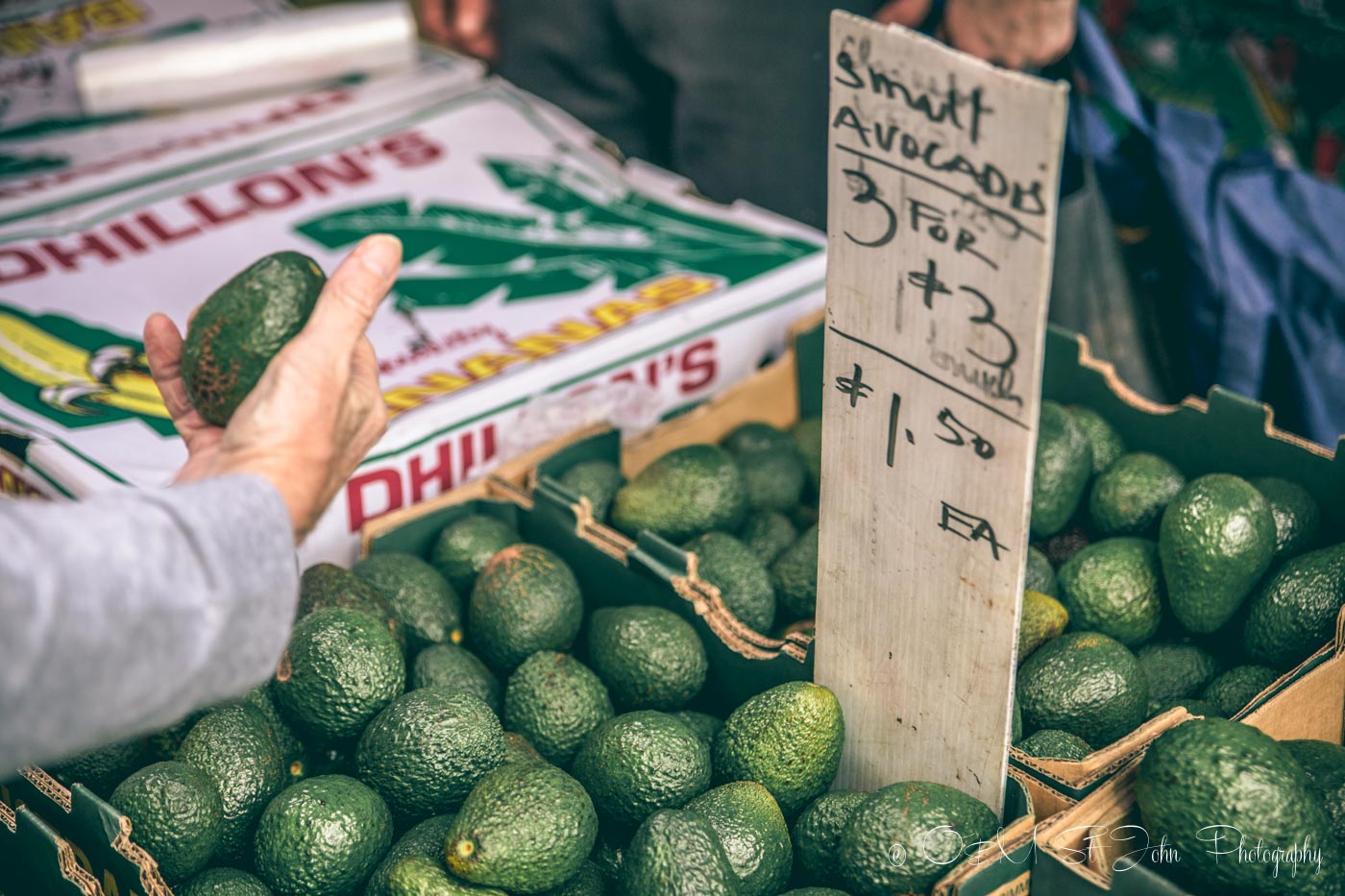
Support local businesses by going to the farmers’ markets instead of visiting Australia’s local grocery chains. You’ll end up paying less for your food and will be making a positive impact on the local community as well!
Drink less. And when you do drink, opt to pre-drink before you head out to a bar, or drink at BYO (bring your own alcohol) restaurants.
Drinking out in Australia can be expensive, so consider saving some budget by purchasing drinks and enjoying them in. If the budget is really tight, goon (boxed wine) is your best friend while travelling in Australia. This cheap wine only costs around $15 per 4-5 litres.
Consider Camping
Camping is one of the most budget-friendly ways to explore the country, and it’s a fun way to soak in the Australian landscape at your own pace.
You could choose to camp under the stars near the rainforest or along the coast, or you could incorporate a campervan into your Australia trip. Australia has great public toilets and shower facilities to utilise while on the go, so you don’t need a fully equipped camper for your travels.
READ NEXT: How To Save On Your Trip To Australia On A Budget
Australian English Is A Bit Strange
There are actually quite a few slang and differences in Australian English vs American English. Here are just a few examples that you will likely come across while you are travelling to Australia.
Australian To American English Dictionary
- Thongs = flip flops
- Bum bag = fanny pack
- Togs/swimmers = bathing suit
- Capsicums = peppers
- Ketchup = tomato sauce
- Chips = fries
- Lollies = candy
- Bushwalking = hiking/trekking
- Boot = trunk
- Bonnet = hood of a car
- Gas = petrol
- Ute =pick up truck
- Fortnightly = every 2 weeks.
If you are watching a sport with some new “mates”, don’t ask them who they are rooting for. Rooting means having sex, not cheering. Whenever you want to find the city’s centre, don’t ask for directions downtown – they call it CBD (Central Business District).
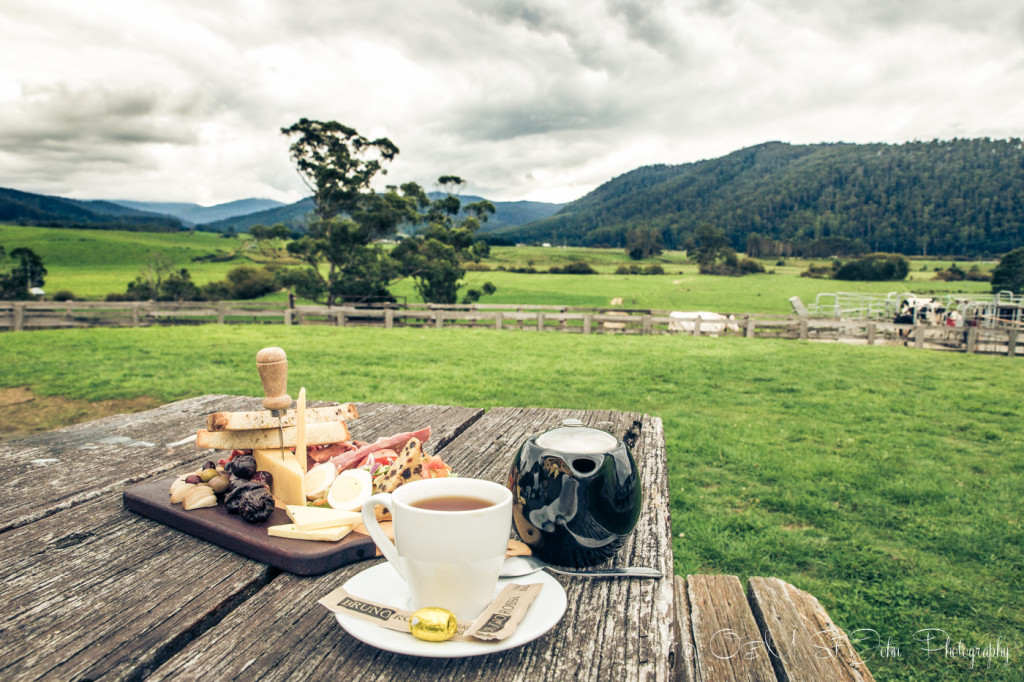
If you get sick and need some meds, ask for the nearest chemist, not a pharmacy. Whenever someone invites you to come over for tea, it often means you are being invited for dinner.
A lot of other words are shortened, like arvo = afternoon, not to be confused with avo = avocado, barbie = bbq, bickies = biscuits or cookies, breaky = breakfast and so on.
Your name will most likely also be shortened to something that ends in “y”/”ie” or “z”. (Stevie, Robbie, Marky, Caz, Loz, etc)
Mind Your Generosity
Tipping in Australia is not a common practice. You are not expected to tip in restaurants, bars, or taxis. You don’t need to add a tip to your haircut bill or give any money to staff in hotels since they generally charge plenty as is, so no one ever expects a tip.
All workers in Australia are paid significantly better than elsewhere in the world. Minimum wage in Australia is a whopping $23.23 AUD, so the busboys and bartenders here aren’t relying on tips to make a decent living.
Of course, if you really want to acknowledge excellent service, especially if you are dining at a high-end restaurant, you can leave a tip. Tipping is becoming more common in Australia, the typical tipping rate in Australia is approximately 10%, but it’s entirely optional and depends on how you feel about the service.
If you’re tight on a budget, you can save up those tips and use them to splurge on eco-friendly accommodation for a few days or dine at slightly nicer restaurants, or spend them on ethical tours while in Australia.
Mind The Sun
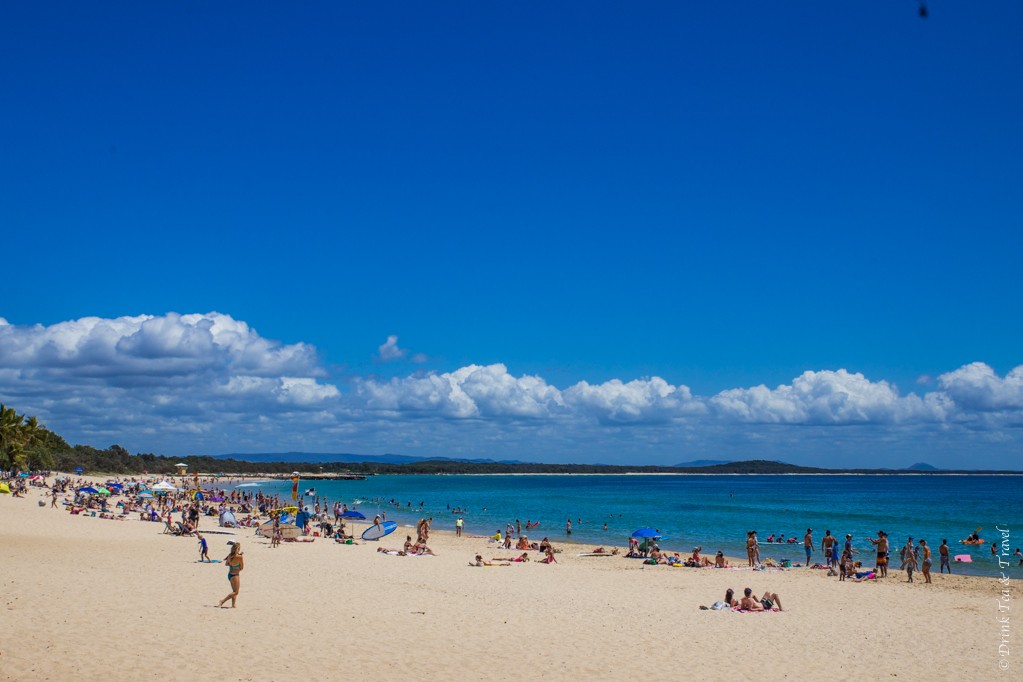
The Aussie sun can be risky without sunscreen due to the infamous ozone hole. This hole over Antarctica lets in more harmful UV rays in the Southern Hemisphere, including Australia. Exposure to these rays increases the risk of skin damage, sunburn, and long-term issues like skin cancer. So, slathering on sunscreen is key to shielding your skin from the intensified and potentially harmful effects of the sun Down Under.
We don’t want to sound like your parents telling you to cover up or don’t spend too much time in the sun, but don’t! The sun is really strong there, so stock up on sunblock and respect the fact that you may get burned a LOT faster than you would back home or anywhere else in the world.
No, it’s not because the sun here is “different”. It’s the same sun, but for one environmental reason or another, it has a much stronger effect on the skin there.
South Eastern Queensland has the highest rate of skin cancer in the world! Just 30 minutes in the Australian sun is enough to burn you to a crisp. Trust us, we speak from experience.
So balance your time in the sun with time in the shade, wear a sunscreen cover-up, and don’t forget to stay hydrated to avoid heatstroke. And no, hydrating yourself with beer/cider/goon isn’t good enough.
Sunscreen is a MUST on your Australia packing list, and we recommend you choose a reef-safe, environmentally-friendly sunscreen brand. You’ll be spending a lot of time in nature, so be kind to the environment, especially if you plan on going into the ocean.
Stay hydrated with a good insulated reusable water bottle with you and refill it straight out of a tap. We recommend LARQ, it’ll keep your water cold for up to 12 hours, even in the hot sun on the beach.
Drink Local
When choosing drinks for the night, go local. Australia has a ton of great local brands and plenty of microbreweries that are worth trying while you are in Australia.
Just please don’t ask for a pint of Fosters. If you want to go mainstream, try XXXX Gold, Coopers, or Hahn instead or even better, opt to support one of the many eco-conscious craft breweries across the country!
Here are a few that we recommend:
Eco-Friendly Australian Beer
Even better, stick with local “green beer” like the following.
- Bare Cove Radler was the first certified carbon-neutral beer to enter the Australian market.
- Coopers Pale Ale has won heaps of environmental awards, and its brewery produces a surplus of renewable energy that is sent back to the South Australian energy grid.
- Mountain Goat Organic Steam Ale was Australia’s first organic beer. They use renewable energy at their factory and have water
- Cascade Green produces preservative-free and carbon-neutral beers. They use recycled and biodegradable products and vegetable ink for their packaging.
- 4Pines Brewing Company is known for their Save The Pines Program which advocates for a plastic-free Manly Beach, sustainable farming operations and marine and nature conservation.
- In other news, Australia’s Broo Ltd. is in talks to create the world’s most environmentally friendly brewery, which will run on renewable energy and turn out carbon-neutral brews.
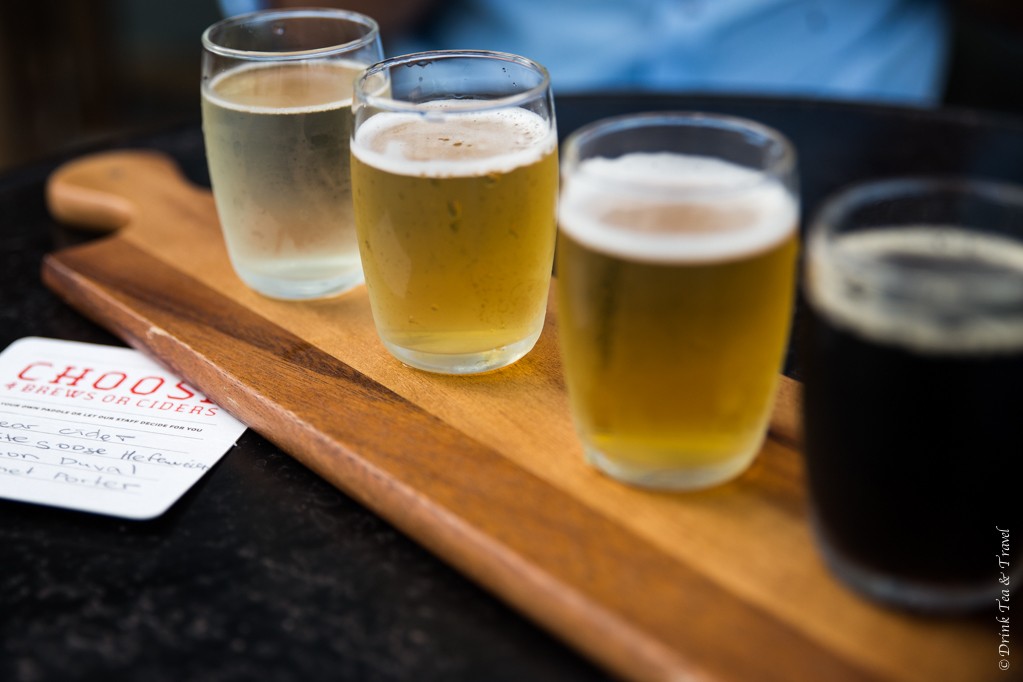
Other Craft Breweries In Australia
- ACT – Capital Brewing Company offers tours and is making great strides in creating a zero-waste brewhouse.
- NSW – If you like spirits other than beer, Murray’s Craft Brewing Co. also has a distillery and winery.
- NT – For a true craft experience, Six Tanks Brew Pub’s beers are only served on tap at their location alongside more popular Australian beers.
- QLD – Bacchus Brewing Co. is a micro-brewery creating, on average, over 3 brand new beers a week.
- VIC – Moon Dog Craft Brewery offers tours and specialises in a variety of things, from pale ales to stouts and everything in between.
- SA – Pirate Life Brewing is breathing new life into Adelaide with its craft beer selections.
- TAS – If you want to experience beer on the waterfront, then Hobart Brewing Co. is the place to be.
- WA – Froth Craft Brewery has 12 beers on tap, and they also have an extensive list of eats at their on-site restaurant.
Take Steps To Stay Connected
The Internet in Australia has improved by leaps and bounds over the last few years. Wifi is now available in every hotel/hostel/Airbnb and in almost every cafe, every restaurant and every shop. Some cities even have an open free city-wide wifi hotspot network that allows you to stay connected while being outside.
But if you want to stay connected 24/7 while in Australia, you’ll want to unlock your phone and get a local SIM or invest in a Global Hotspot.
Unlock Your Phone Before You Arrive In Australia
One of the best ways to stay connected on the road is to unlock your mobile phone before you leave home and pick up an eSIM Card before your departure for a smooth Aussie journey. Avoid using your home mobile in Australia to dodge hefty roaming charges. Unlock your phone, grab an e-SIM card before you leave, and save money on hefty charges. Holafly and Alosim are solid choices with good plans. For a budget-friendly option, try Truphone e-SIM from Nomad, operating on Vodafone’s network at just A$0.76 per Gigabyte. Another good pick is the Three Hong Kong e-SIM via SimOptions, which is a bit pricier but handy for multi-country trips. Ensure your phone is unlocked before making the switch.
Alternatively, you can always get a local sim like Telstra; it has the best coverage across the country and is our recommended telecommunications provider in Australia.
A SIM Card with a Telstra Plan will set you back by about $30/month, depending on how much data you want to have, but it might be well worth it in the end.
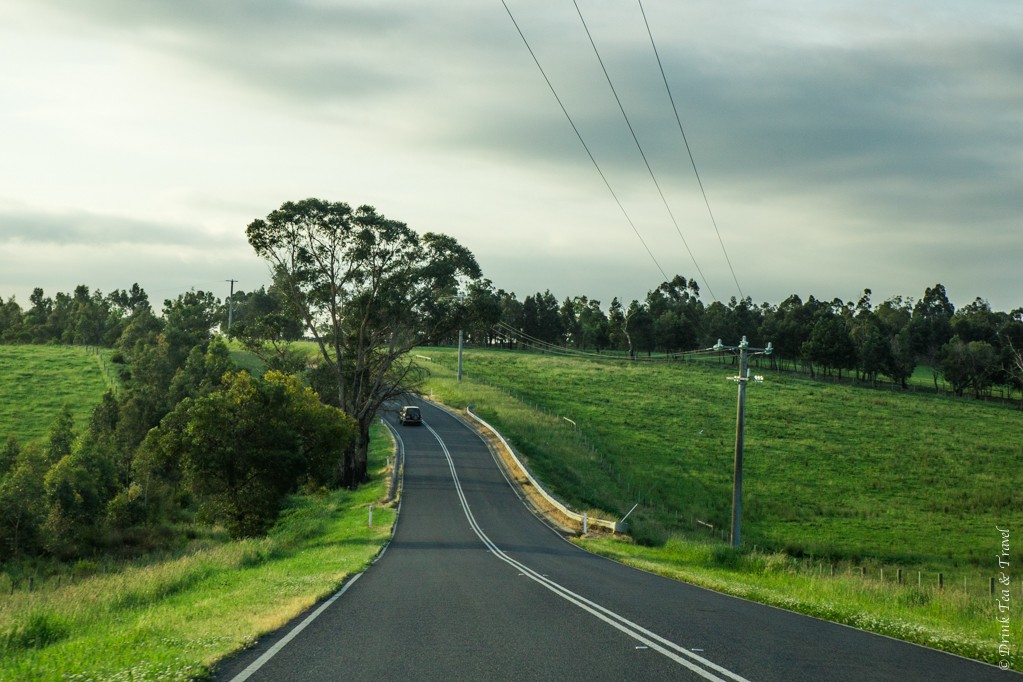
Can’t Unlock Your Phone?
Unfortunately, some providers will not allow you to unlock your phone; in this case, we recommend that you check what types of plans they offer overseas. You may be able to upgrade your current plan to give you data overseas or buy increments of data to use on an as-needed basis. This should be done before you leave your home country for Australia.
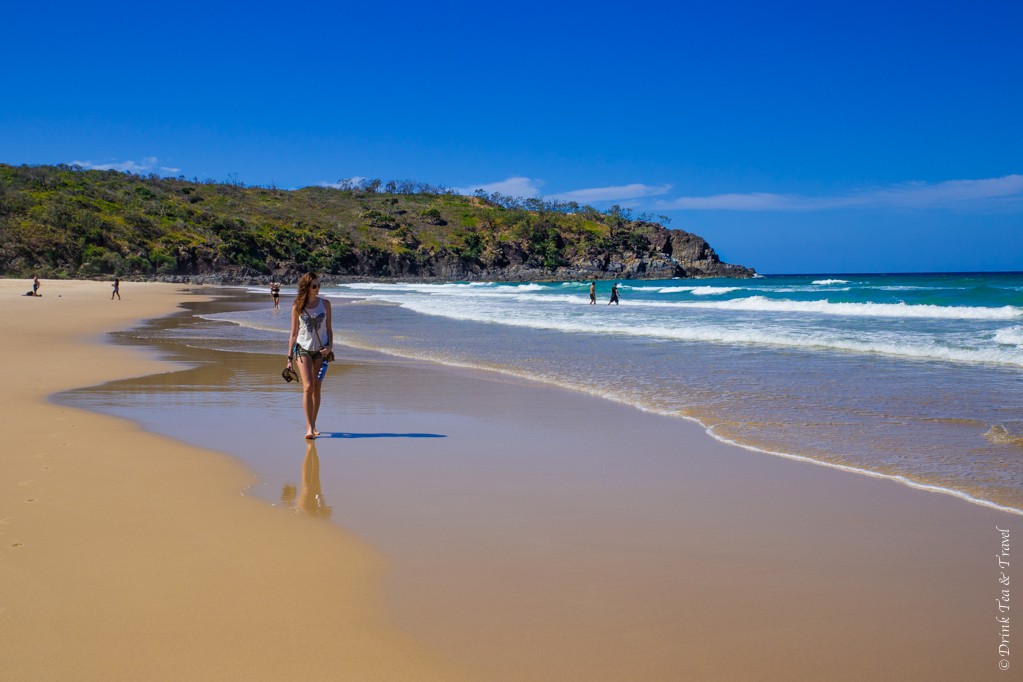
What To Do If You Need Medical Help While Travelling Australia
One of the things to know before travelling to Australia is that it is good to get travel insurance. It can save you from being hassled before you travel to Australia. Consider it a necessity because you might get hurt as you travel to Australia.
If you do get injured, contact your travel insurance agent first. They will give you a list of places in the area where you can obtain treatment. In case of an emergency, be sure to contact them as soon as you can.
In the case that you are not insured, head to the nearest doctor or hospital, and the US Embassy (or the embassy of your own home country) can also assist. Again, it is best to travel with peace of mind and have insurance just in case!
Be Prepared To Really Like It Here
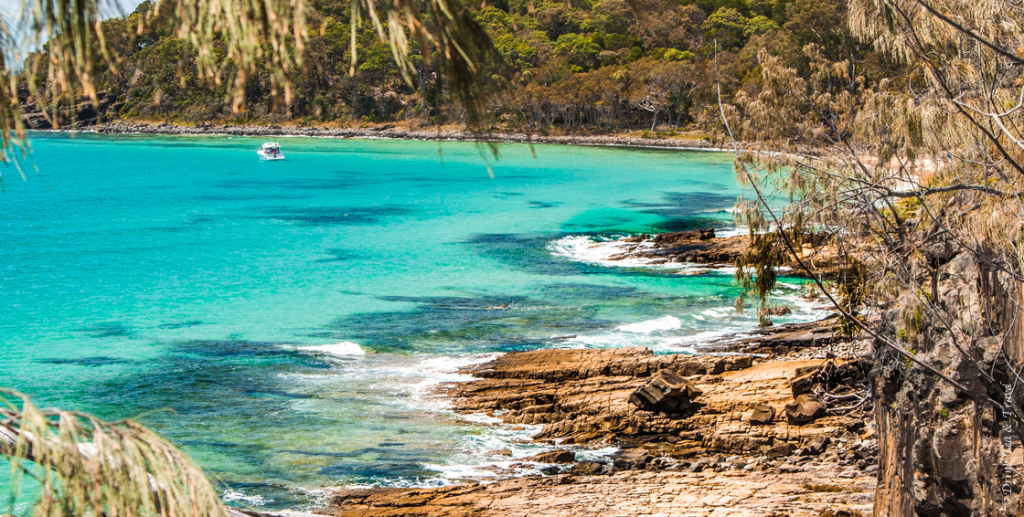
No actually, you will LOVE it here! You will see the most amazing sunsets, trek through lush green rainforests, swim in the most crystal clear waters and sunbathe on the most beautiful beaches as you travel to Australia.
You’ll meet great people, hear great stories, and go on amazing adventures. You might even jump out of an airplane, learn how to dive, learn how to surf or fall in love with sailing.
You’ll see all the amazing things Australia has to offer and be devastated when you have to say goodbye and board your plane back home, but at least you’ll be able to answer questions about how to go to Australia.
In fact, why not scrap your idea of a holiday in Australia and consider a temporary move here? It’s a lot easier than you think! Then you can spend more time travelling around Australia!


Definitely want to go to Australia and spend some time and have a cup of tea!
We’re headed to Australia near the end of our trip in January/February. Thanks for this great post, a lot of it really helps. Thankfully we have family to stay with and so won’t spend much on accommodation, but we will be in New Zealand for a few weeks on our own, where we know our budget will take a beating too.
Will have to come back here in a few months to brush up on our Aussie slang!
Well shared! Very true, Australia is the perfect location for spending holidays. You have shared informative tips about planning holidays. I must say if people are planning for holidays then they must go through your post to get some useful tips about planning holidays.
Thanks Alice! Glad you find the post helpful!
You hit the nail on the head, Oksana. I was an exchange student to Australia and have been back twice- and I also worked as a travel agent here in the States. I would about lose my mind when people would ask if they could go to Australia and only spend 4-5 days there, yet they wanted to see Sydney and Uluru, etc! Australia is massive and diverse! These are all great tips and I’ll be sharing on my Facebook page. 🙂
Hi. I’m planing to come over can you give me more details. Since you work in a traveling agence
Am very pleased with the information i find here. Am a Nigerien seeking a relocation to Australia by 2016, a professional with a high level or work experience. I need direction on how to obtain a working visa. recommendations are welcome please
Regards
Hi Edward, best of luck to you in your relocation efforts. I obtained my working visa after applying for a job that I found on seek.com.au. I arrived in Australia on a tourist visa and was able to conduct interviews in person which helped me to secure a great job. I was lucky that the company I wanted to work for was able to sponsor me for a 5-year temporary working visa (457).
There might also be other avenues for you, depending on your profession and skill level. We are in no way qualified to provide visa and immigration advice, so we suggest that you reach out to one of the qualified immigration specialists for advice and assistance.
Hi! I am considering relocating from the US. Can you tell me the best way to obtain a working visa and the expected cost?
My ten-month old baby and I are joining our father/husband in a months time in Melbourne, I am already excited and can’t wait to see beautiful Australia
That’s fantastic! Enjoy your time in Melbourne and make sure you find the time to get out and explore beyond the city!
Thank you so much for the great post, i want to ask that if i apply sun cream whenever i go outside is there still any possibility to have skin cancer?
Sunscreen is meant to reduce the chances of getting skin cancer, but we are not medical professionals, so it’s best that you consult with your family doctor who will advise you on the best sunscreen and SPF rating to use for your skin.
This for Canadians especially but unlike Canadians, many Sydneysiders are some of the worse drivers you will come across. They are impatient and aggressive where allowing you out into a line of traffic is seen as a slight against their manhood (even if they’re a woman). I found Canadians to be extremely patient, don’t expect the same.
P.s. I live in Sydney and a biker so this is from experience.
Good point! We never had to drive in Sydney, so we didn’t have to experience this first hand!
The must do in Australia is the Scuba diving to explore the beautiful coral reef. The view deep inside the sea is just one beautiful thing ever! In my last visit to Australia, we had booked a stay from Heybnb and the owner was so friendly that he helped us in exploring the place so well. We explored the coral reef through the scuba dive.
Thank you for the tips. Going to use it when i am visiting in januari and februari from holland starting at melbourne!
Enjoy your trip!
All you did was put Australia down .There is plenty to see on the East Coast as i live here .You said a whole lot of nothingness.Well that isn’t true ,unless if you mean lack of historical buildings and vibrant cities .There are beautiful national parks not far from Brisbane eg Glass house mountains which is 90 min drive from Brisbane ,then Kondadilla National Park which is also a 90 min drive from Brisbane .There is also The beautiful Black all ranges ,with it’s green country side and beautiful cottage houses and you can buy beautiful ornaments etc .If you are going to stick driving on the Bruce highway in Queensland ,you won’t see as much natural beauty,as you need to get off that highway and then you will see hidden gems.Tourists need to speak to locals that now their country too well ,rather than speak to an overseas traveller ,who only visit the places the travel brochures tell you
Hi Louisa,
Sorry you feel like we put Australia down. But contrary to what you think, we are not tourist to Australian. I myself lived in Australia for 6 years and have travelled around a lot, including many of the parks you mentioned, and also became an Australian citizen. While Oksana spent over 3 years in Australia and we travelled around as much as we could.
I don’t know how we put down Australia with this list of things for people to keep in mind when coming to Australia. We mentioned how the country is big, how it is expensive, told people to get acquainted with the local language, to not expect kangaroo’s everywhere, that tipping is not custom but welcomed, to watch out for the sun, that the weather can surprise you across the country, to drink local, to be ok with being offline, and that people will actually really like it here.
I don’t know how any of those things put down Australia. To the contrary we love Australia.
Excellent blog you have got here.. It’s hard to find high quality writing like yours nowadays.
I honestly appreciate individuals like you! Take
care!!
I am sorry to say this but it is really not possible to see the sun setting over the ocean from Byron Bay in NSW.
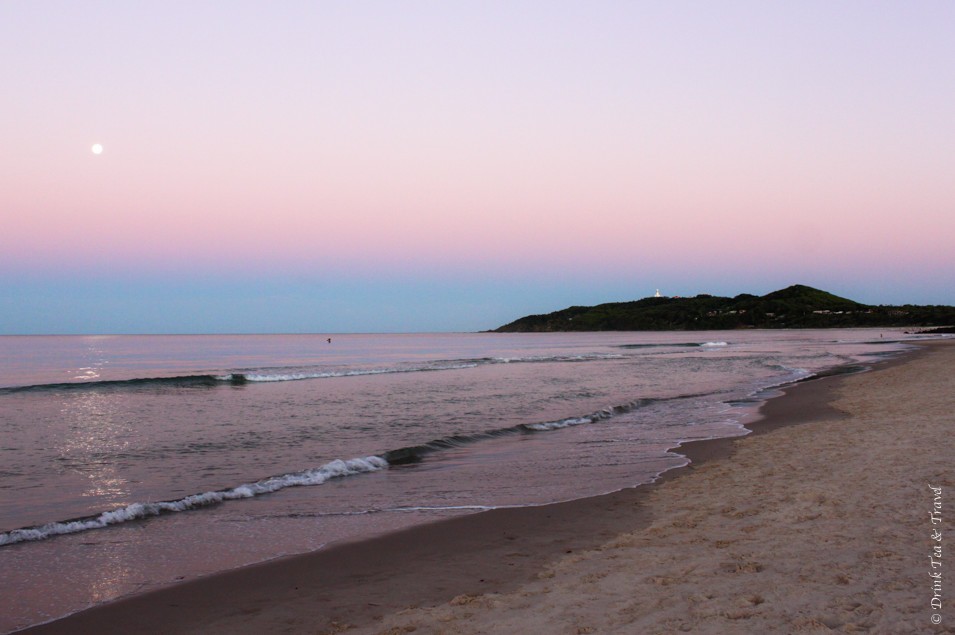
You are absolutely right, Max. You can’t. The sun doesn’t set over the water, but you can still catch beautiful sunset hues that make sunset a great time to hang out on the beach 🙂
I spent a year in Oz way back in 99. Great adventure and I totally disagree with your persuasion to not drive to Perth. That was one of the highlights; the Great Australian Bight is immense and there were many opportunities to take it in along the Nullabor Plain which should be mentioned. There is something to “nothingness” alone amongst the barrens shows us solitude and the vastness that is Oz. Then the gradual change brings forth the giant tingle forests of the southwest and the welcoming Indian Ocean. So much to see and then there’s the North which was my favourite….
Interesting perspective on the “nothingness” drive, Brent. Thanks for sharing. I’m sure other readers might appreciate it too. Especially since you made it sound very appealing 🙂
Hi Oksana Simakina
Thanks! I know that Australia is the perfect location for spending holiday and I think if anyone planning travels to Australia they should follow this article. It’s really informative and help full article Can I share this Article? Tell me please!
Thanks! in again.
Of course you can, feel free to share the link anywhere you like.
Thanks for the article and loved reading about Australia. Ive been to NZ and stayed for 6 months but didn’t get a chance to visit it. I am planing on visiting Australia and this would be a great help. Of course I drink Local. 🙂
Honestly, you will be impressed wherever you stay in Australia. I have been living here my whole life and I’m still left speechless by the beautiful scenery of the national parks and beaches. I would recommended not just sticking to the tourist attractions in the city, though. Much of Australia natural beauty can be found a short drive from the city. I live in Queensland which is really such a beautiful state so I have a few spots there to recommend. They are; Lamington national park, Mt Coot-tha, Gold Coast,
Great Barrier Reef (Hamilton island, Moreton island), Brisbane markets and Kakadu national park. If you are considering coming to Australia, then you should definitely come to Queensland, it’s a beautiful state and the local food and people are lovely.
Thanks for the recos! We have actually visited all of the destinations you recommend in QLD and have written about many of them on the blog. Kakadu is the only place we have yet to get to. Hopefully this year!
Also, sorry but please don’t try an Aussie accent. I have not once met a tourist who can get even close to getting it right. Sorry
sorry but can i just point out that ‘rooting’, does not mean ‘to have sex’. this is coming from someone who is australian and lives in NSW
Maybe its different in NSW, but in Maroon country root or rooted, are all synonyms for f**k.
You could say;
Im rooted – Im f*ck*d
If ya wanna root just ask! (If ya wanna f**k just ask)
Did you root her?, etc
I know it is not clean and proper, but nevertheless it is used across Australia.
Coming to Australia with a tourist visa, can I be able to get a job?
HI Rash, no you won’t be able to get a job in Australia on a tourist visa. At least not a legal job. Australia does offer a working travel visa that you might want to look into instead. This will give you working rights for up to 6 months with a single employer. Good luck!
Hi oksana, I world love to come live in Australia, work,get married become a citizen and spend the rest of my life there in Australia. Please how do I go about it?
Moving to Australia is easier than some might think. Check out our post for more info: https://drinkteatravel.com/moving-to-australia-debunking-myths-and-misconceptions/
Nice post. Yes Australia is really an amazing place for vacation. Recently I finished my vacation trip with Goflyla and gota discount coupon for hotels, flights. I enjoyed my trip a lot.
Hey Oksana and Max!Thanks for this very informative article. It gave me so much information about Australia. So now I won’t be disappointed if I don’t get to see a kangaroo lol!
Hi, do you allow guest posting on drinkteatravel.com ? 🙂 Let me know on my email
Yes, please visit our Contribute page for more info.
I never seen any Kangaroo roaming around the snow in Canberra, looks very very cute. They survive in the snow? I enjoy reading your post. I never been around to the whole country and I know there are plenty of things that worth to visit. I invited many foreign friends to travel to Australia and one day, I will hit the road and drive the great ocean road.
Thank you for inspiring me and experience the beauty of Australia.
The Great Ocean Road is definitely a bucket list item!
Excellent article Oksana and Max, thanks a bunch. Im plannibg a trip in August for 2 weeks with wife and 2 kids 8 and 5 yr. I know its not best time to visit, but is it a terrible time or could we still have fun vacation, and where should we visit and what parts to avoid?
thanks in advance for your helpful suggestions.
You can definitely have a fun vacation in August. It’s definitely not terrible! It’ll be a bit chilly on the East Coast, but if you get lucky with the sunny weather it’ll still be nice. Sydney and Melbourne might be cold, so if you don’t like cold weather, you might want to avoid the south.
Thanks for share this information about Australia. This information helps those readers who are looking to visit in Australia.
I want to travel and work in australia but i dnt know how to go about it,
This is so helpful! I am planning to go to Australia next year and, as usual, I always research in advance everything that there is to know. I heard Australia is amazing and also expensive, that’s why I’m taking a few months in advance to save some money in order for the experience to be truly amazing.
Also, I knew it was a big country, but I had no idea.. that big? It takes you a lot to travel in France by car, or in Japan, I can’t even imagine how awful it would be to try and visit all the cities without flying by plane.
But this is so nice to read! I’ve absorbed every single word you wrote and I’ve bookmarked your blog! You are truly an inspiration.
Thank you!
My dream is to travel Australia once in my life.
that’s great
Thank you for sharing such a nice and informative blog.
I know you mentioned how big Australia is and that you will not be able to see everything in one trip. What would your suggestion be to a first time Australia traveler as far as what city to stay in?
It’s hard to make a suggestion, as there is so much more to Australia than its cities. But if you had to choose one city, then probably Sydney or Melbourne. You can take lots of day trips from either one.
Hi, yes, agreed – pleased to find your site ;-). I’m an American citizen planning on visiting friends in Australia for an unknown amount of time (1-3 months) & so want to purchase a one-way ticket. Is this something that is ok? Will I get turned away at the security gate for not having a departure ticket?
Thanks!
It is always better to travel with proof of onward travel, so we would recommend booking a flexible return flight to proof at customs, or you can use a service to book a cancellable ticket and cancel it once you arrive in Australia.
Hi. I live in South Africa and we are thinking of visiting Australia. We were thinking of going early November. Is this a good time to visit Australia? Any suggestions on where to visit and to stay for our first time there? South Africa is also a huge place to vacation, so we can understand that 2 weeks isn’t a lot of time ..
Regards,
Edda xx
There is never a bad time to visit Australia, but the weather will depend on what part of the country you are visiting. The temperatures vary greatly between Queensland and Victoria, for example. Check out this post for our suggested itineraries across the country: https://drinkteatravel.com/australia-itinerary/
Australia is a dreamland and I really want to travel there. Your post and the pictures are amazing. Thanks for sharing all these useful information.
Hey Oksana and Max Thanks for sharing such an informative article never knew this.
Great, it’s okay. Congratulations.
really awesome site
thanks for sharing
I found your blog while searching for travel tips I found some great stuff on your blog as your main focus was on luggage. I faced this problem as I am an everyday traveller and I used to forget luggage at home
Visiting Australia is at the top of my bucket list and I’d love to study abroad there if I could. This is very helpful, thank you!
Australia is among the most amazing places I have visited in the past year and really these places mentioned in the post are very good for sightseeing and sightseeing. I like the region because of the variety of options for having fun with friends.
A very interesting and informative article about travel to Australia which I enjoyed reading
Take care and keep up the great work
Australia is really nice country. I like to travel in Australia. Your blog gives a lot of information regarding Australia travel trip. Thanks for such post and please keep it up.
I’m dying to visit here. I haven’t experienced Australia till now, but after reading this post I will surely add it to my bucket list.
Australia is one of the majestic destination to visit. Australia is also the expensive destination. I love the way this blog share the pragmatic information.
I’m thinking of visiting Australia but I did not know that it is sooo expensive. Maybe I should reconsider visiting and working for a longer period of time. Do you think it is possible?
Love this list, Almost all of them are on either my “recently traveled” list of my “want to get there soon” list–except for Mexico, because I’m there now! Nothing like good value when you’re on the road.
Lovely and nice post. Yes Australia is really an amazing place for vacation for solo travelers or even for those who travels together with their family. Thanks for such a beautiful post! Glad I found your blog.
Regards,
Lexy
Thank you for sharing your travelling experience via these travel tips. Some of these really essential for every traveller. Happy Travelling.
We are traveling to Brisbaine first & Melbourne last in early January. Wont get to Sydney. Wondering about the order for our 2 in between places – Whitsundays ( with time on a live aboard ship) & the Outback.
– could use suggestions about where to go & what to do in the outback since it will be so hot
Alice Rock and Uluru are worth visiting if you are thinking about heading to the Outback. We have an article about a tour to Uluru, you can read more about it here: https://drinkteatravel.com/alice-springs-to-uluru-ayers-rock-a-journey-to-the-middle-of-a-desert/
I love how you mentioned that one should buy their own food to cook when traveling, as it can really help save money. Exotic birds are one of my favorite animals, so I’ve been thinking that it would be a great idea to visit Australia. Thank you so much for all the great traveling tips!
Do hair driers and electrical devices work the same in Australia as in the US. Someone said we need an adapter. What about charging are phones and rechargeable devises?
Hi Michael, no. High wattage items from the US, like hair dryers, straighteners, or electric kettles, will NOT work in Australia. The voltage is different and it will damage your devices. Laptops and other low wattage devices are fine. It’s best to purchase a voltage converter before you go or opt to travel without these high wattage items.
Your article is very good and helpful too. thanks to these suggestions!
thanks for the information
Nicely researched and then served to the audience. Not all bloggers do this. Thanks for delivering the genuine information.
What a great article, Chock full of vital information for traveling in Australia. We spent 5 months with a little baby in Sydney and it was a beautiful place as we went on a business trip there. Anyway, we still did tonnes of free camping. Thanks for sharing the views with us. nice article.
Very helpful tips, thank you, but I have a question about the visa, I leave in USA, I am a permanent resident( green card holder) but I have a Costa Rica passport do you know if the ETA visa will work for me?
Don’t think you would qualify for the ETA, but you can still apply for a regular tourist visa. You can find more information about visa to Australia here: https://immi.homeaffairs.gov.au/visas/getting-a-visa/visa-finder
Excellent blog! It’s hard to find high quality writing like yours nowadays, it’s very informative and explained very well. Australia is the perfect location for spending a holiday and I think if anyone planning travels to Australia they should follow this article. Thank you for letting us know the important tips before traveling to Australia. I have never been there, but now I will definitely planning to. Thank you so much for sharing this great Blog.
It is my great pleasure to visit your website and to enjoy your excellent post here and thanks for share your a good piece of content with us.
I really liked your article! I have a question regarding what you wrote about Australia being expensive. How much do I have to count on spending if I want to stay in Australia for a month and not have a very ” cheap budget” but not overly luxurious either?
Hi Mathilda, you should budget $75-100 per day at a minimum. You will find that accommodation alone will be $50 or more, even for a bunk bed in a hostel and the rest of the expenses will depend on what you do for meals and activities. Have a look at this article for more info: https://drinkteatravel.com/travel-australia-on-a-budget/
Oh lovely guides and helpful info such as booking ticket . Yeah as you told australia is quite expensive to visit but there are lot of food spaces to visit. Photographs you have posted are lovely. Thanks again for this beautiful trip.
Thanks for the article. Hoping to visit Australia this winter. I am especially looking forward to all the exotic wildlife!
Awesome! Enjoy your trip!
I see many statements about Australia’s size and the difficulties of getting around driving. But, no one explains what makes it so slow. For instance, you say 3 days from Cairns to Brisbane. Google Maps indicates it is just under 19 hours to drive (1,684 km). Where I live in the US, I make a 19 hour drive 2-3 times per year – either in one day or over 2 days. We don’t think twice or plan for a 4 or 5 hour drive – we just go. A 12 hour drive is a simple day trip. Granted, I’m not on either coast, but I’m really puzzled about the dissuasion regarding driving. I am planning a first trip to Australia a year from now and planned on touring by car, since I want to see the countryside – I really enjoy the prospect of the immensity and lack of people in the interior. At any rate, please can you give some insights into what makes cross-country driving so challenging in Australia?
Thanks for the great write-up – it helps to shape my expectations.
Hi Jeremy,
Driving around Australia is not challenging and if you are just looking to go from point A to point B, then, of course, Google is correct – a trip from Brisbane to Cairns will take you around 18-19 hours. Our suggestion of spending at least 3 days along that route assumes that you will want to stop in some destinations along the way, do some activities, visit some National Parks, etc. There is lots to see on that stretch of the road, so we recommend slowing down and taking the time to really experience the region instead of just driving through it.
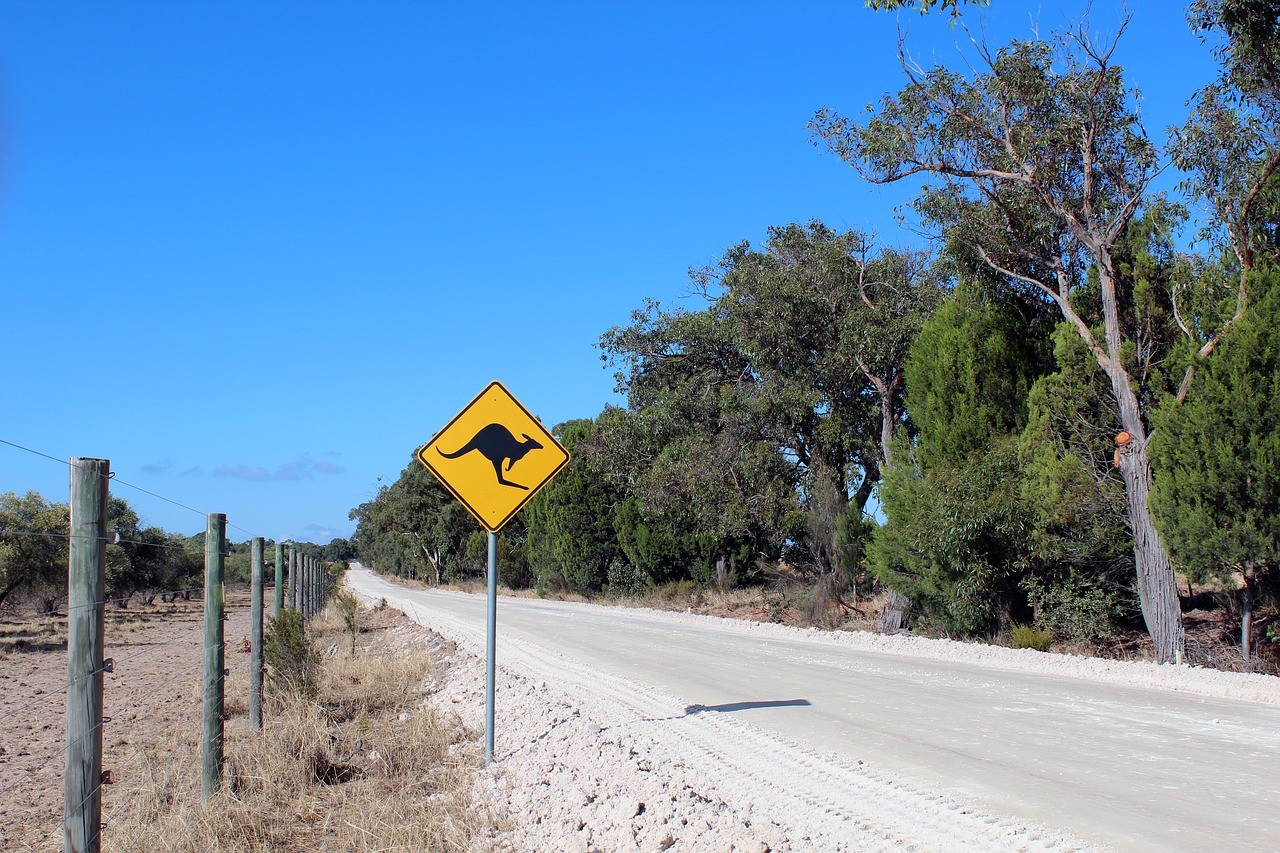
The only thing that you need to consider when it comes to driving in Australia is that for safety reasons, you are somewhat limited to only driving during the day. There is a lot of wildlife roaming around the Australian countryside, so driving at night can be really dangerous and is not something we recommend. We’ve done it before and it is possible, but especially in areas where the risks of Kangaroos jumping into the middle of the road are high, we recommend limiting nighttime driving as much as possible.
Thanks for information.i really like your blog and information keep it up and i m also waiting for your next blog
Thank you for sharing 10 travel destinations in Australia, very interesting and felt like carrying a backpack and going.
Such a detailed and awesome guide. Thanks for that. It was shocking to see the map of Australia and how actually big the country is! I’m planning to do a van trip around the country next year. Can’t wait! 🙂
Happy to help! Hope you enjoy your trip!
I’m planning a trip to Australia in January 2020 going to Melbourne, Alice Springs, Uluru, Palm Cove, The Great Barrier Reef and Daintree and Sydney. I’m a little concerned about the fires and particularly the smoke since I have Asthma. I don’t know if I should cancel the trip or not. Can you give me any insight or advise?
Hi Mary, hope you have joined our mailing list and have read our most recent email. We strongly encourage our readers NOT to cancel their trips to Australia. We recommend that you contact the hotels/tours operators in the areas you plan on visiting to find out what effect the smoke is having on the air in those destinations and plan your trip around it. Some rain is forecasted in the affected areas in January so everyone hopes that it will help with air quality and overall impact. But now more than ever these areas are relying on tourism to help them “weather the storm”. Most of the area you are visiting, aside from maybe Sydney, should still be ok to visit.
Thank you for your response. We are heading to the airport in about 15 minutes, heading to Australia. I’ve got my asthma meds and N95 masks in my carry on. I’m keeping my fingers crossed.
I have some questions relating to the current crisis in Australia Thank for the Amazing information I’m looking to go somewhere in Noosa as we have family in that area
So I’m asking is it OK to travel to Australia whilst there is so much sadly with the horrendous fires? And I cannot travel there without offering some of my time to help in some way with the Animal charities. Thank You
Hi Francesca, it is definitely OK to travel to Australia now. The majority of the fires have now been put out and the country is in need of tourism! You can donate to a number of organizations but just visiting the country, particularly the smaller towns in the affected regions, and adding some tourism dollars to the economy can have a very positive impact on those communities!
Great tips! I have always been fascinated by Australia and its places. Might plan for visiting there. The blog will be helpful for me for the same.
Great information, thank you for sharing !
Excellent guideline offer via this. This blog best for all travelers especially for those who are going first time on an Australian trip.
Can’t wait to visit relatives and friends in Melbourne and the Strathbogies Australia again. Seasons greetings.
Well, early on this year, we planned to go to Australia for a 1-month vacation and go to all of the places like this but due to covid, our plan disappears. Maybe hopefully next year covid will vanish and we will celebrate the new year in a beautiful country Australia.
Being new to travelling I found each and every tip to be very useful and, these guys shared some of the most genuine and helpful tips that should be kept in mind before planning any trip.
Kudos, for the nice work guys.
Excellent content
I loved the content, congratulations
Nice Article. Keep Going On
That’s amazing
helpful post
We have to also consult a language translator while travelling in other countries.
I have next month’s plans to travel to Australia. This article really helped me in my packing and travel plan. Thank you for sharing such helpful tips!!
I hope you are aware that Australia is currently closed to all incoming travelers. Only Australian citizens may enter Australia at this time. We encourage you to do additional research on border closures before embarking on your trip.
Thanks for sharing this article. Next year i will go australia .
Excellent content
I have next month’s plans to travel to Australia. This article really helped me in my packing and travel plan. Thank you for sharing such helpful tips
Great tips! I have always been fascinated by Australia and its places. Might plan for visiting there. The blog will be helpful for me for the same..
Such a detailed and awesome guide. Thanks for that. It was shocking to see the map of Australia and how actually big the country is! I’m planning to do a van trip around the country next year. Can’t wait!
Such a detailed and awesome guide. Thanks for that. It was shocking to see the map of Australia and how actually big the country is! I’m planning to do a van trip around the country next year. Can’t wait!
Really loved the article. Amazing travel planning tips. Thanks a lot.
Thank You OKSANA & MAX ST JOHN for you thoughts about Australia!
Glad you have included my town of Margaret River and open an invitation for you to join us on a wine tour next time you are in Western Australia.
Keep up the good work and get in touch!
Great info, thank you for sharing!
Great travel tips for Australia, thank you for sharing! Always been fascinated by Australia.
Great information of australia travel, thank you for sharing !
which can be helpful for travelers to better understand and appreciate the country.
The author’s writing style is engaging, informative, and easy to read, making it an enjoyable read for both seasoned and first-time travelers. The article is well-structured and organized, with useful headings that make it easy to navigate and find the information you need.
Overall, I would say that this article is an excellent resource for anyone planning a trip to Australia. It covers all the basics and provides some valuable insights that can help you make the most of your travel experience Down Under.
Australia experiences a range of climates, from tropical to temperate, so packing is always a problem. My family should pack every layer for cooler weather, and sunscreen, hats, and water bottles for warmer weather. Also, the outback or remote areas are always very hot.
What a great list! If I could pick only place from this list to visit, I’d be at a complete loss. Many of them are amazing. Such an inspiring blog for travel lovers.
Good experience! enjoy your trip.
Thank you for sharing such an interesting post.
What an interesting article.