

There is more to the Barossa Valley than bold Shiraz, though the wine is a very good place to start. About an hour north of Adelaide, this South Australian valley packs more than 150 wineries, a world-class food scene and rolling vineyard country into a region you can happily explore over a day or a long weekend. Narrowing down the best things to do in Barossa Valley is the hard part, so this guide does it for you.
We first visited the Barossa back in 2014, and returned more recently with a more refined palate and a bigger appetite. Between the two trips we have tasted at the historic cellar doors, wandered Maggie Beer’s farm, driven the palm-lined Seppeltsfield Road and based ourselves in a century-old German cottage in Light Pass. Here is how we would spend your time.
Wine is the headline, but the Barossa rewards travellers who slow down: long lunches at vineyard restaurants, artisan cheese and chocolate, quiet lookouts over the valley, and small-town charm across Tanunda, Nuriootpa, Angaston and Lyndoch. Treat this as the planning base for your whole trip, from what to do to where to stay.
Key Takeaways
- The Barossa Valley sits about 70 km (under an hour’s drive) north of Adelaide, making it an easy day trip or weekend escape.
- A car is essential for getting around the cellar doors, so pick a designated driver or join a small-group wine tour for tasting days.
- Beyond wine, the standout things to do are Maggie Beer’s Farm, Seppeltsfield Road, artisan cheese and chocolate, valley lookouts and the quirky Whispering Wall.
- Autumn (March to May) brings the vintage harvest and festivals; spring is green and mild; the region is rarely crowded year-round.
- Plan no more than three tastings a day, one to two hours each, to actually enjoy them rather than rush.
Barossa Valley at a Glance
Here is the quick version, before the detail below, to size up a Barossa trip at a glance.
| Where | Barossa Region, South Australia, ~70 km north of Adelaide |
| Towns | Tanunda, Nuriootpa, Angaston, Lyndoch (plus Eden Valley) |
| Known for | Bold Shiraz, historic cellar doors, gourmet food, vintage heritage |
| Getting around | By car (essential) or a guided wine tour with a driver |
| How long | A day covers the highlights; two days lets you slow down |
| Best time | Autumn (harvest/festivals) and spring (green and mild) |
| Don’t miss | Maggie Beer’s Farm, Seppeltsfield Road, a cellar-door tasting |

Get to Know the Barossa Region
Before you plan, it helps to know that the Barossa Region is actually two subregions, and the difference shows up in your glass.
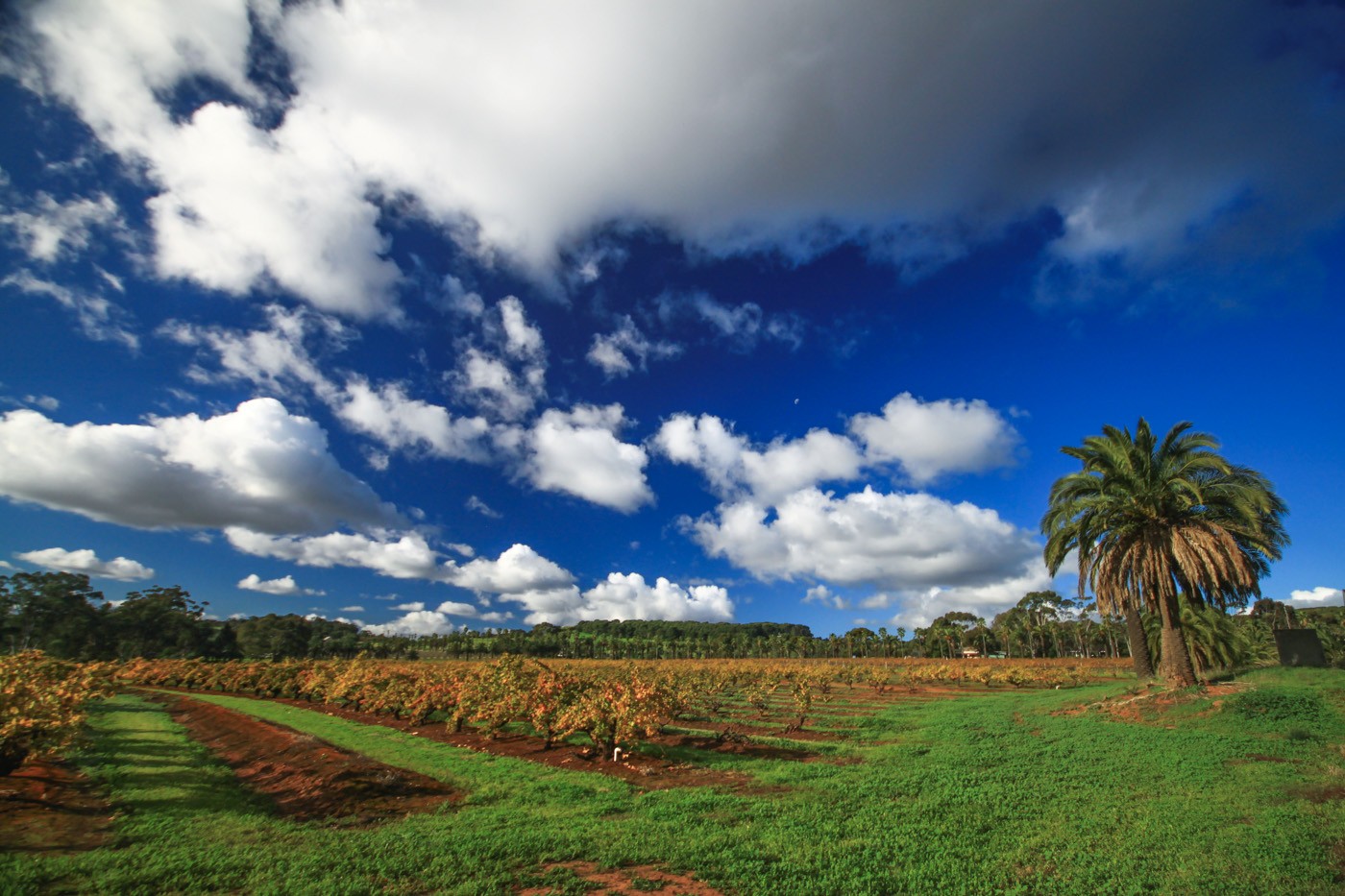
Barossa Valley lies at a lower elevation with a warm climate, and it is famous for robust reds, above all the bold Shiraz and Cabernet Sauvignon the region built its name on. Eden Valley, higher and cooler, is prized for elegant whites, especially crisp Riesling, along with cool-climate Chardonnay and Pinot Noir. Many itineraries cover both, and some of the most famous vineyards (like Henschke’s Hill of Grace) actually sit in Eden Valley.
The region spans about 900 square kilometres and links four main towns: Tanunda, Nuriootpa, Angaston and Lyndoch. Any of them makes a good base, and none is more than a short drive from the cellar doors.
How to Get to and Around the Barossa
The Barossa Region is in South Australia, about 70 km north of Adelaide. The easiest way to reach it is by car, and the drive from Adelaide takes under an hour, which is exactly why it works so well as a day trip or a weekend away.
Once you are there, a car is genuinely essential. The towns are spread out, the cellar doors and attractions are dotted across the valley, and public transport is close to non-existent. If you plan to taste at several wineries, choose a designated driver for the day, or skip the logistics entirely and join a tour.
Prefer to leave the driving to someone else? A small-group premium wine tour of the Barossa visits several prestigious wineries and includes lunch, and there is even an e-bike food and wine tour through Angaston that takes you behind the scenes at Artisans of Barossa and Yalumba. Both are a relaxed way to taste without nominating a driver.
A car is essential for reaching the cellar doors and lookouts, and Discover Cars compares the major agencies at Adelaide Airport in a single search.
Pick up in Adelaide · Compare all agencies · Free cancellation on most bookings

Best Time to Visit the Barossa Valley
There is no bad time to visit the Barossa. With dozens of cellar doors and four towns to spread across, the region is rarely crowded, though accommodation prices climb around major events.
Autumn (March to May)
Autumn is our pick. The weather is pleasant, the crowds thin, and the vintage harvest brings the valley to life with celebrations. The Barossa Vintage Festival, held in odd-numbered years in April, is the region’s signature event and well worth timing a trip around.
Spring (September to November)
Spring is green, mild and quiet, with the vines coming back into leaf. It is a lovely, low-key time to drive the valley and linger over long lunches.
Summer (December to February)
Summer runs hot, but South Australia’s dry climate keeps it enjoyable. Visit on weekdays to dodge the holiday crowds, and plan indoor tastings or shady lunches for the middle of the day.
Winter (June to August)
Cool and occasionally damp, winter has its own appeal: quiet cellar doors, cosy fires and a glass of Shiraz with almost no one else around. Don’t write it off.
The Best Things to Do in Barossa Valley
These are the things to do in Barossa Valley we would build an itinerary around, from the obvious wine to the gourmet food, scenic drives and small-town curiosities that make the region more than a tasting trip.
1. Taste at the Cellar Doors
Wine has been part of everyday life in the Barossa since 1842, and today the region is home to more than 150 wineries, with around 80 cellar doors where you can taste straight from the producer. Many of the smaller makers sell only at the cellar door and through their wine clubs, so a visit is the only way to get your hands on their best bottles.
Our advice, learned the hard way: take it slow. Plan one to two hours at each tasting and cap it at three cellar doors a day. That was the sweet spot for us, leaving time to actually enjoy the wine and a long lunch rather than racing between appointments. Standout names to build around include Yalumba (one of Australia’s First Families of Wine), historic Seppeltsfield, Langmeil, Henschke in neighbouring Eden Valley, and the Artisans of Barossa collective, where you can taste six small producers under one roof.
Because the cellar doors deserve their own deep-dive, we keep the full run-down (including the boutique names and what to try at each) in a separate guide. If wine is the main reason you are coming, read that next.
READ NEXT: 15 Amazing Wineries in the Barossa Valley


2. Join a Wine Tour
If you would rather not choose (or nominate a driver), a guided tour is the easy answer. A full-day boutique food and wine tour visits three of the Barossa’s most prestigious wineries and stops for lunch at the award-winning Salters Kitchen, one for the wine connoisseur. For something more active, the gourmet food and wine e-bike tour pedals you between historic estates with behind-the-scenes access you would not get on your own.
3. Have Lunch at Maggie Beer’s Farm
Maggie Beer is a household name in Australia, and her farm is one of the best things to do in Barossa Valley that has nothing to do with wine. She is a cook, food author, restaurateur and Member of the Order of Australia for promoting Australian produce, and her farm is where it all began.
Wander the Farm Shop, where decades of history line the walls and you can taste just about everything she makes. Foodies can join the daily cooking demonstration at 2pm, then assemble a picnic from the shop or eat across the deck at The Farm Eatery, run by Maggie and Colin’s daughter, Elli. It is an easy, delicious way to spend a couple of hours.


4. Craft Your Own Australian Gin
On the ground floor of Maggie Beer’s farm, the Barossa Gin School at Durand Distillery runs a hands-on gin-making experience with native Australian botanicals. You get your own station with a handmade Italian copper still, experiment with botanicals to create a personalised recipe, then enjoy a three-course lunch while your gin is extracted. A fun, different afternoon, and you go home with a bottle you made yourself.
5. Cruise Down Seppeltsfield Road
Seppeltsfield Road is a 10 km stretch lined with hundreds of palm trees, leading to the historic Seppeltsfield winery, and it is one of the prettiest drives in the valley. Pull over to take it in, and keep an eye out for the friendly locals grazing beside the road, we met a very curious llama on ours.

It is the kind of slow, scenic detour the Barossa does so well: no ticket, no booking, just a beautiful stretch of country and a good excuse to stop for photos.

Bring a picnic or simply wind the windows down. Morning light is best for the palm avenue if you are chasing the photo.

6. Soak Up the Valley Views
One of the most underrated things to do in Barossa Valley is simply to appreciate the landscape. Heading south towards Eden Valley, the Eden Valley Lookout delivers sweeping views from Keyneton to High Eden, earning the area its nickname, “the garden of grapes and gums.”
Stop at Keyneton Hills Lookout and Mengler’s Hill Lookout for panoramas over the rolling vineyards, or lace up for a walk at Sandy Creek Conservation Park near Lyndoch, where sand dunes and native scrub make a change from the vines. Slow down and let the valley do the work.
7. Visit a Lavender Farm
The Barossa is not all grapes. The Lyndoch Lavender Farm, South Australia’s largest, is a fragrant detour, especially when the rows are in bloom. Take the farm tour, then relax at the Lavender Kitchen Cafe with lavender-inspired treats, from scones to ice cream, surrounded by purple gardens.
8. Eat at Harvest Kitchen
Just outside Tanunda, Harvest Kitchen is a lovely spot for seasonal, local produce with vineyard views. Order the “Eat Like a Barossan” tasting menu to let the kitchen show off what is in season, it makes for a relaxed long lunch.
9. Try the Local Cheese and Chocolate
Cheese lovers should make time for the Barossa Valley Cheese Company on Murray Street in Angaston, essentially a cellar door for cheese. To pair it properly, the Barossa gourmet food and wine tour with cheese tasting builds a cheese stop into a day of tastings and helps you find the wine to match.
For a sweeter stop, the Barossa Valley Chocolate Company lets you watch chocolatiers at work, take a class, or book a chocolate-and-wine pairing. Something for the sweet tooth and the inner child alike.

10. Dinner at Char Barossa
Inspired by the chargrill, Char Barossa is a relaxed spot doing high-quality grilled dishes, and it is best known for its steaks, a natural match for a big Barossa Shiraz. There are vegan and gluten-free options too, so it suits a mixed table.
11. Walk or Ride the Barossa Heritage Trail
The Barossa Heritage Trail is a self-guided walking and cycling route stretching over 100 km, perfect for an alternative day, or for burning off a few too many tastings. Download the trail app for commentary on the region’s history and wines as you go.
12. Shop the Barossa Farmers Market
Every Saturday morning, the Barossa Farmers Market in Angaston fills with fresh produce, baked goods and local makers. It is a great way to stock a picnic and support the growers behind the region’s food scene.
13. Whisper at the Whispering Wall
No Barossa trip is complete without the Whispering Wall in Williamstown. Built as the dam wall for the Barossa Reservoir, its curved shape carries sound so clearly that words spoken at one end can be heard over 100 metres away at the other. It is a little eerie, genuinely fun, and there is a good picnic spot right there.
A Self-Drive Barossa Day Trip from Adelaide
Short on time? This is how we would shape a single day in the valley, driving up from Adelaide with a designated driver. Treat it as a template and swap in the cellar doors and lunch spots that suit you.
A Barossa Day Trip at a Glance
| Time | Stop | What to do |
|---|---|---|
| 9:00am | Drive from Adelaide | Under an hour up to the valley; arrive fresh for the first tasting |
| 9:45am | First cellar door | A relaxed opening tasting before it gets busy (1 to 2 hours) |
| 11:30am | Seppeltsfield Road | Cruise the palm avenue and stop for photos |
| 12:30pm | Maggie Beer’s Farm | Lunch and a graze through the Farm Shop |
| 2:30pm | Second cellar door | Your must-visit winery, unrushed |
| 4:00pm | Cheese or chocolate stop | Barossa Valley Cheese Co. or the Chocolate Company |
| 5:00pm | Lookout + drive home | Mengler’s Hill for golden hour, then back to Adelaide |
If you can stay overnight, split this across two gentler days: cellar doors and lunch on day one, food, lookouts and the Whispering Wall on day two. A car is the thread that ties it together, and if you would rather not drive, a small-group tour covers the wine-heavy half without the logistics.
Where to Stay in the Barossa Valley
There is a wide spread of accommodation across the valley, from character B&Bs to polished vineyard retreats. Here are three we would happily book, including the cottage we stayed in ourselves.
| Hotel | Area | Price | Best For |
|---|---|---|---|
| Light Pass House B&B | Light Pass | $$ | Character stay, small groups, self-caterers |
| The Louise | Marananga | $$$$ | Luxury villas, couples, special occasions |
| The Station Kapunda | Kapunda | $$$ | Groups up to 14, unique heritage stay |
Light Pass House B&B
Light Pass House B&B is where we based ourselves, and we loved it enough to check it was still going years later (it is). Built in the 1920s by a German immigrant family, the two-bedroom cottage keeps its vintage character, sleeps five to six, and comes with a garden, cosy living room, laundry and a fully stocked kitchen. A charming, homey base for exploring the valley. You can also book directly with the owners.


The Louise
The Louise is the valley’s benchmark for luxury: 15 private villa-style suites with patios, spa baths and outdoor showers, plus an infinity pool, spa and sauna within walking distance of several wineries. Its restaurant, Appellation, is one of the region’s finest, serving contemporary regional dishes. Book it for a special occasion.
The Station Kapunda
The Station Kapunda is a characterful group stay for up to 14 in a converted 1860s train station just north of the valley. The seven-bedroom villa has a private pool, garden and barbecue, plus in-house options like make-your-own wood-fired pizza and a Winemaker in Residence program. A fun, different base for a big group.
How Much Should You Budget for the Barossa?
A wine region can be a splurge, but a few days in the Barossa does not have to break the bank. Here is roughly what we spent on our own trip (prices in AUD).
Transport: $20 to $80 a day
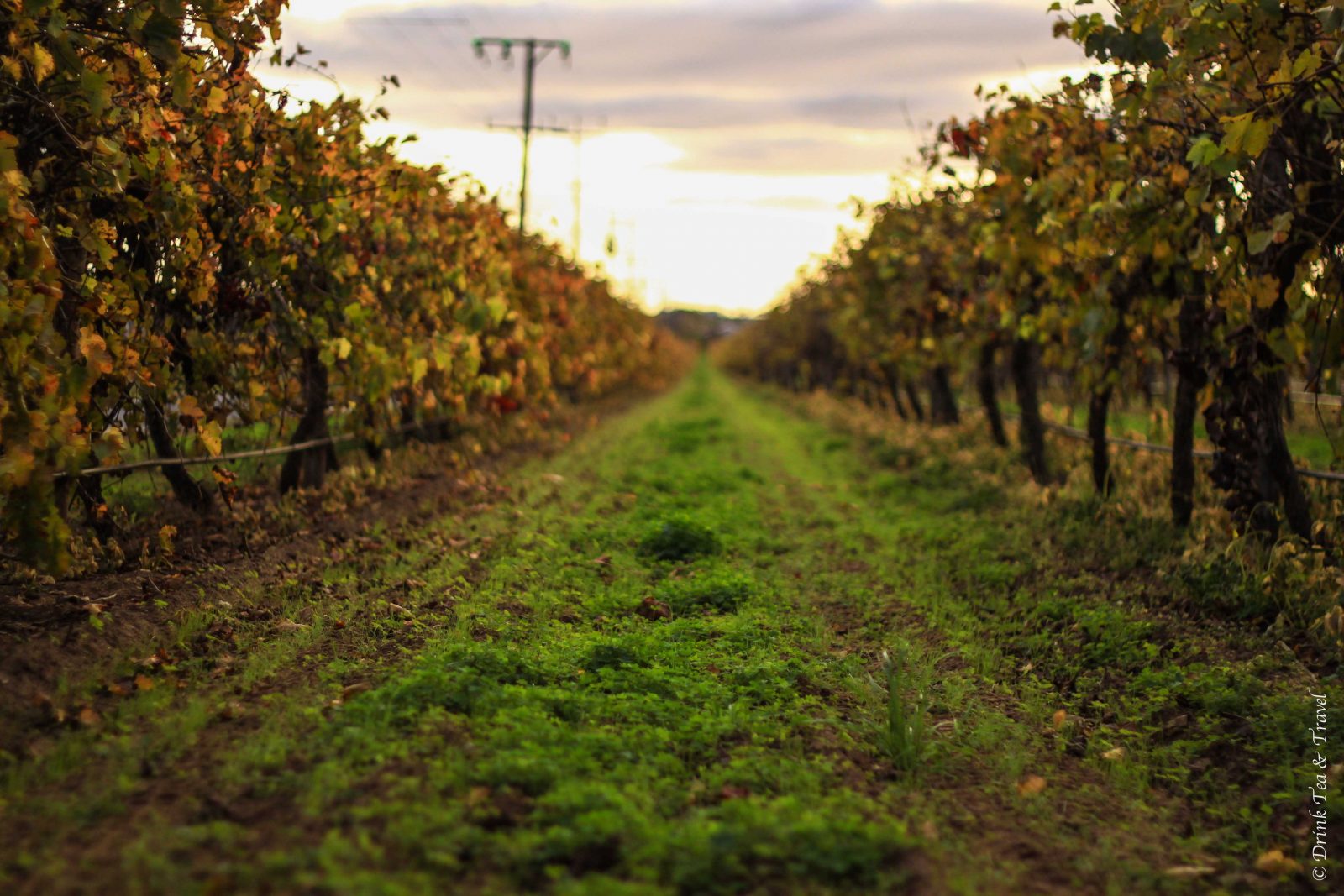
Hiring a car is the usual choice and runs about $50 to $80 a day. Once you are in the valley, some travellers park the car and hire bikes instead (around $20, and many hotels lend them free), which is cheaper and a more eco-friendly way to get between the closer cellar doors. If you do drive, choosing a fuel-efficient car keeps your carbon footprint down.
Accommodation: $100 to $500 a night
There are dozens of hotels and B&Bs across the valley, from budget-friendly rooms around $100 a night up to luxury retreats at the top of the scale. Book ahead around vintage and festival dates, when both prices and availability tighten.
Food: $30 to $100 a meal
Many cellar doors serve a small local menu, from cheese platters to sandwiches, which makes an easy, affordable lunch. On our latest visit we noticed more restaurants offering a “Feed Me” set menu, typically $70 to $150 for three or four chef-selected courses. Worth it once, for a proper long lunch.

Wine Tasting: $10 to $30+
Tastings were often free when we first visited in 2014, but that has changed. Expect $10 for a basic tasting up to $30 or more for a premium or exclusive flight. Many wineries credit the fee against a purchase, and most will ship wine across Australia (some internationally), so you do not have to lug bottles home.

Final Thoughts on Visiting the Barossa Valley
The Barossa is one of those rare destinations that delivers on its reputation and then some. Beyond the bold reds it is famous for, you will find charming towns, gourmet food, scenic drives and genuine warmth, more than enough to fill a day or a lazy weekend. Go slow, taste responsibly, and let the valley set the pace.
Planning more of South Australia? Pair the Barossa with our guide to the best wine regions in Australia, the best things to do on Kangaroo Island and the Ikara-Flinders Ranges, or zoom out with our Australia travel guide and Australia travel tips for the wider trip.
Have you been to the Barossa Valley, or is it on your list? What would you add to a Barossa itinerary?
Frequently Asked Questions
What is the Barossa Valley famous for?
The Barossa Valley, about an hour north of Adelaide, is one of the world’s great wine regions, famous above all for bold Shiraz, along with historic cellar doors, a superb food-and-produce scene and its German-Australian heritage.
How many days do you need in the Barossa Valley?
A day trip covers the highlights and a couple of cellar doors. Two days, with an overnight, lets you add more wineries, a long lunch and the towns at a relaxed pace. That is how we would do it.
Can you visit the Barossa Valley without a car?
It is difficult to explore independently without a car, as public transport is minimal and the cellar doors are spread out. The best car-free option is a small-group wine tour from Adelaide or the Barossa, which handles the driving for you.
What is the best time to visit the Barossa Valley?
Autumn (March to May) brings the vintage harvest and festivals, and spring (September to November) is green and mild. Both are ideal. Summer is hot but manageable, and winter is quiet and cosy.
Is the Barossa Valley worth visiting?
Absolutely. Even beyond the wine, there are more things to do in Barossa Valley than a single day allows, and the food, scenery, history and small-town charm make it one of South Australia’s best destinations, close enough to Adelaide for a day trip or a weekend away.
