
When is the best time to go to Costa Rica? When to go depends on the climate as it varies quite a bit depending on the time of year and the part of the country. With such vastly different geographies from region to region, it’s no wonder this small Central American country sees such diverse weather.
*This post may contain affiliate links, as a result, we may receive a small commission (at no extra cost to you) on any bookings/purchases you make through the links in this post. As an Amazon Associate, we earn from qualifying purchases. Read our full disclosure
Don’t leave your home without Travel Insurance!
From the US? We recommend Allianz Travel Insurance, a world leader in travel protection and our trusted Travel Insurance partner for the last 5 years. Allianz offers Single Trip and Annual Travel Insurance Policies that include medical coverage, trip cancellation, rental car insurance and more! (Benefits vary by state and by plan, so read your policy carefully!)
Not a US resident? Consider Safety Wing, a budget friendly travel insurance provider with travel insurance plans for Digital Nomads and travelers from all around the world
When Is The Best Time Of Year To Visit Costa Rica?
Well, the answer depends on where you’re going and what you want to do there. Are you going for a couple of days or two weeks? Want to go surfing or do some extreme adventure activities? What regions do you want to visit? Answering all of these questions will determine the best time of year to travel to Costa Rica.
Depending on the part of the country you’re visiting, the Costa Rica weather can vary drastically. The country boasts lush jungles, central highland valleys, mountains, and stretches of coastline on both the Pacific and Caribbean sides.
If you want to visit the mountains, they can get quite foggy during the rainy season, so that may not be the best time to travel to Costa Rica. The central valley, however, has very good weather year-round. The coasts deflect the trade winds off the ocean which in turn sustains a hot, rainy, and humid climate throughout the year.
The weather in the Northwest province of Guanacaste is dryer than the rest of the country. In general, the central regions tend to be cooler than the coastal areas, and humidity increases the further south you go. So, deciding the best time of year to go to Costa Rica may depend on the types of activities you like to do.
The temperatures in Costa Rica range between 20 – 30 °C year-round. They can often reach into the mid-’30s during the dry season. The San José, Costa Rica weather is wonderful, staying in the mid-’20s throughout the entire year.
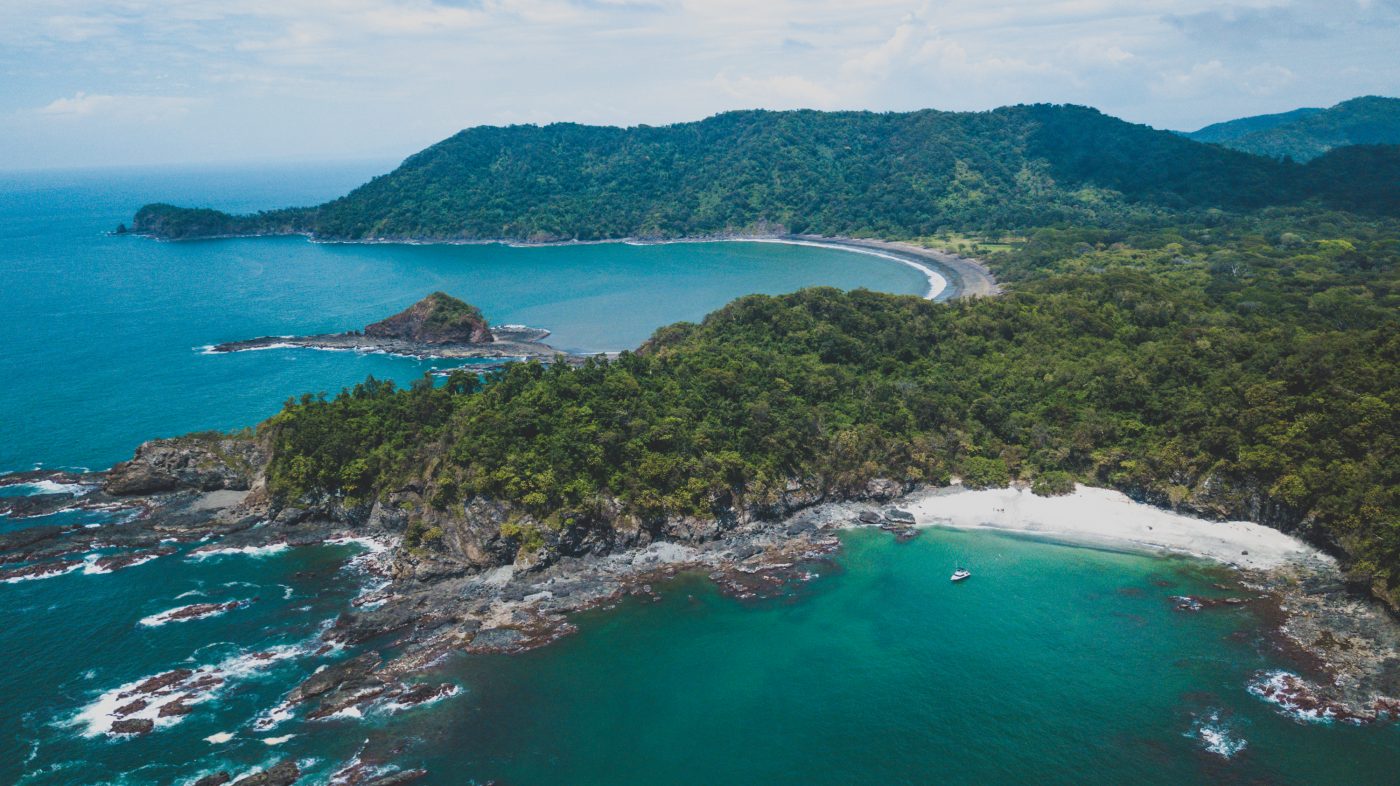
Traveling Soon? Here is a list of our favourite travel providers and accessories to help get you ready for your upcoming trip!
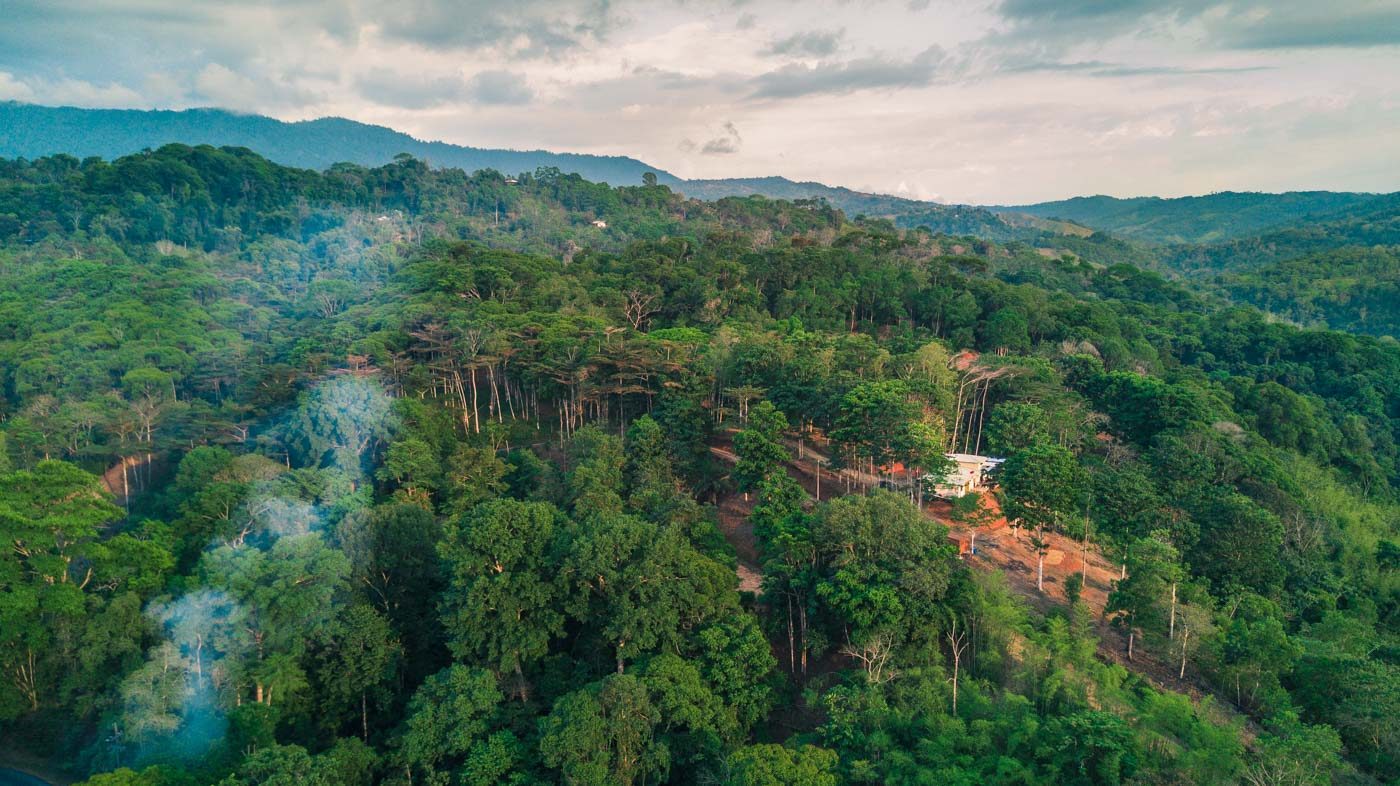
READ NEXT: The REAL Cost Of Living In Costa Rica
Dry Season In Costa Rica
The Costa Rica dry season lasts from December to April and also sees the most tourists. The lack of rain and high temperatures make it a more popular time for vacationers—this is generally known to be the best time to visit Central America. However, prices will also be higher, and the vegetation will be much less beautiful than it is in the green season.

Green Season In Costa Rica
Costa Rica’s rainy season is from May to November. Rainfall is heavier, and prices are lower during this time. There are also fewer crowds, which makes it some of the best months to visit Costa Rica if you are willing to chance a bit of rain.
The rainy season and green season are synonymous in Costa Rica. The heavy rains yield lush and beautiful foliage across the country, which makes it both a very wet and very green time of year. This is generally the cheapest time to fly to Costa Rica.
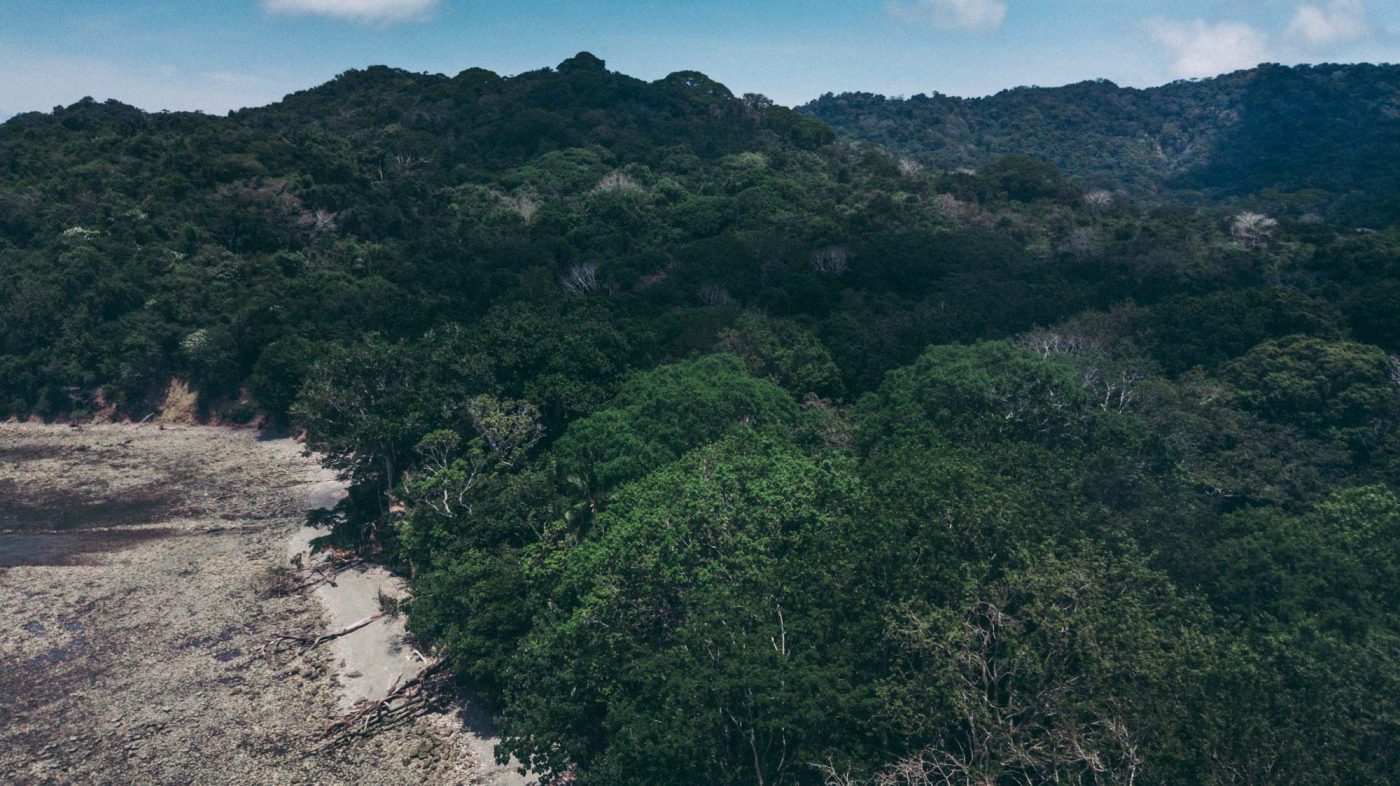
Costa Rica Weather: Month By Month Breakdown
So, what is the best month to go to Costa Rica? Check out our month-by-month breakdown below.
Costa Rica Weather In January
Early in the dry season, January is the peak tourism season in Costa Rica. It’s a particularly attractive month to visit because the foliage is still green and lush from the rainy season, but the rainfall has subsided.
However, if you plan on travelling to Costa Rica in January, be prepared for high prices. Hotels and car rental companies run their High Season pricing, activities fill up quickly and planning ahead is essential. Many Costa Ricans are also on holiday for a good chunk of January, so domestic tourism further drives up prices across the country. This may not be one of the best times for visiting Costa Rica if you are looking for a bit of solitude.

Costa Rica Weather In February
The vegetation begins to dry up in February and is no longer lush and beautiful. The average temperatures begin to rise drastically, often hovering in the mid-’20s and ’30s. You can expect plenty of sunshine and practically no rainfall during February in Costa Rica. This makes it perhaps one of the driest and hottest months of the year. Guanacaste, Costa Rica, and the weather on the Pacific Coast are particularly hot. Beachgoers consider this one of the best times to travel to Costa Rica.
February is still considered High Season, with prices and availability reflecting the seasonality.
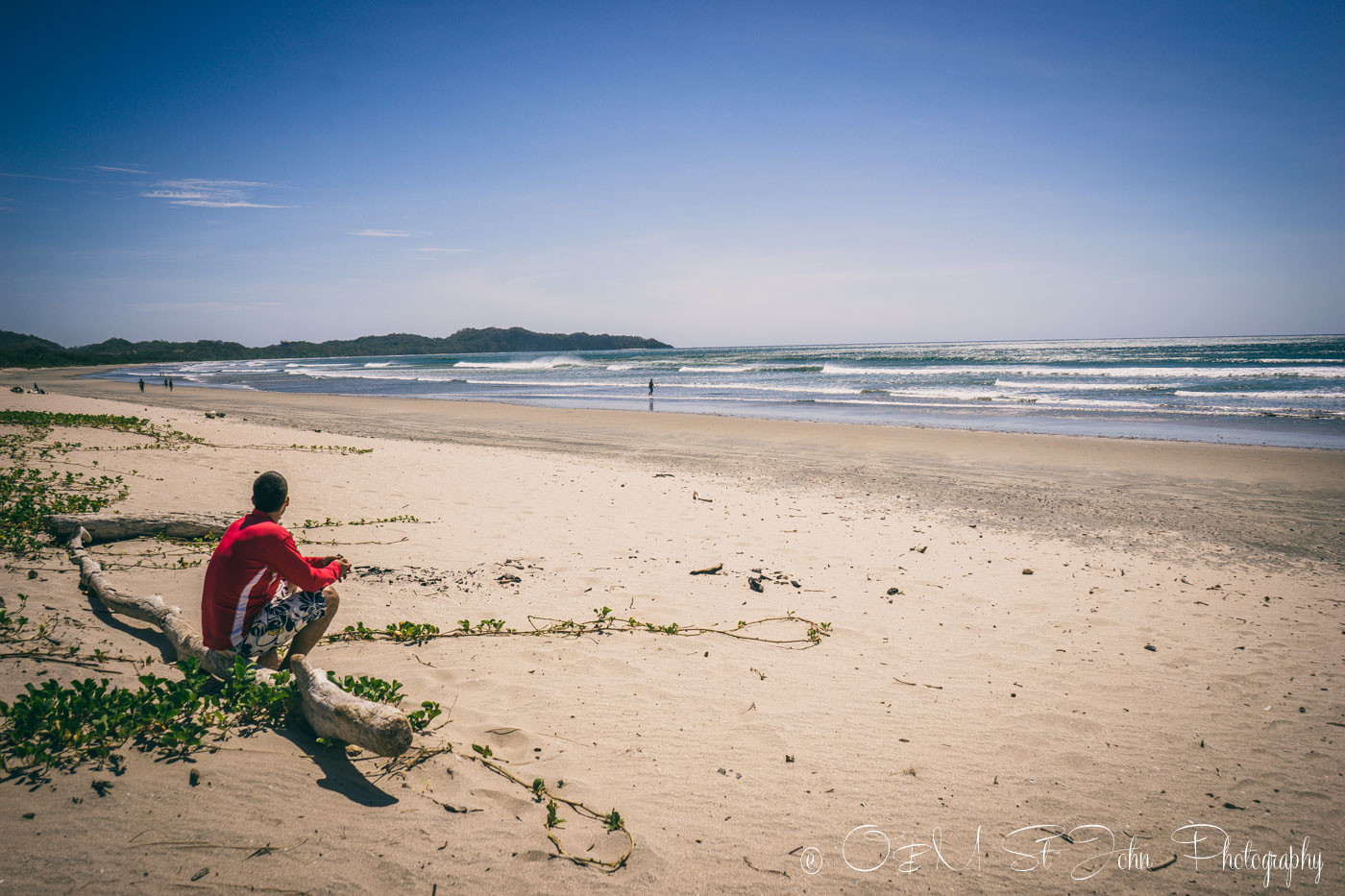
Costa Rica Weather In March
March is the driest and hottest month in Costa Rica. By this time, most of the greenery from the rainy season has disappeared, and parts of the country, especially the Pacific Coast, is struggling for water, which doesn’t make it the best time to go to Costa Rica. It is also a very crowded month due to the Easter holidays and spring break that happens around this time of year. Trips to Costa Rica in March can often be pricey and get booked up quickly.

Costa Rica Weather In April
Over the past 50 years, April has seen an average temperature of 26°C. If visiting during this month, definitely consider travelling to some of the higher elevation areas where the temperatures are more bearable. It is also worth noting that if Easter falls in March, then April is the start of the green season prices in Costa Rica. Best time to visit? Probably not if you are on a budget—trips to Costa Rica in April can be expensive.

Costa Rica Weather In May
May is another transition month between the dry and rainy seasons. The weather can be a bit unpredictable during this month, feeling more like a dry season or rainy season month, depending on the year. Rainfall gets heavier but is not often unbearable, and temperatures begin to cool. The prices and volume of tourists have decreased significantly, and low-season pricing is now in full effect across the country, which marks the beginning of one of the best times to go to Costa Rica.
This is the best time to visit Costa Rica if you are on a budget.

Costa Rica Weather In June
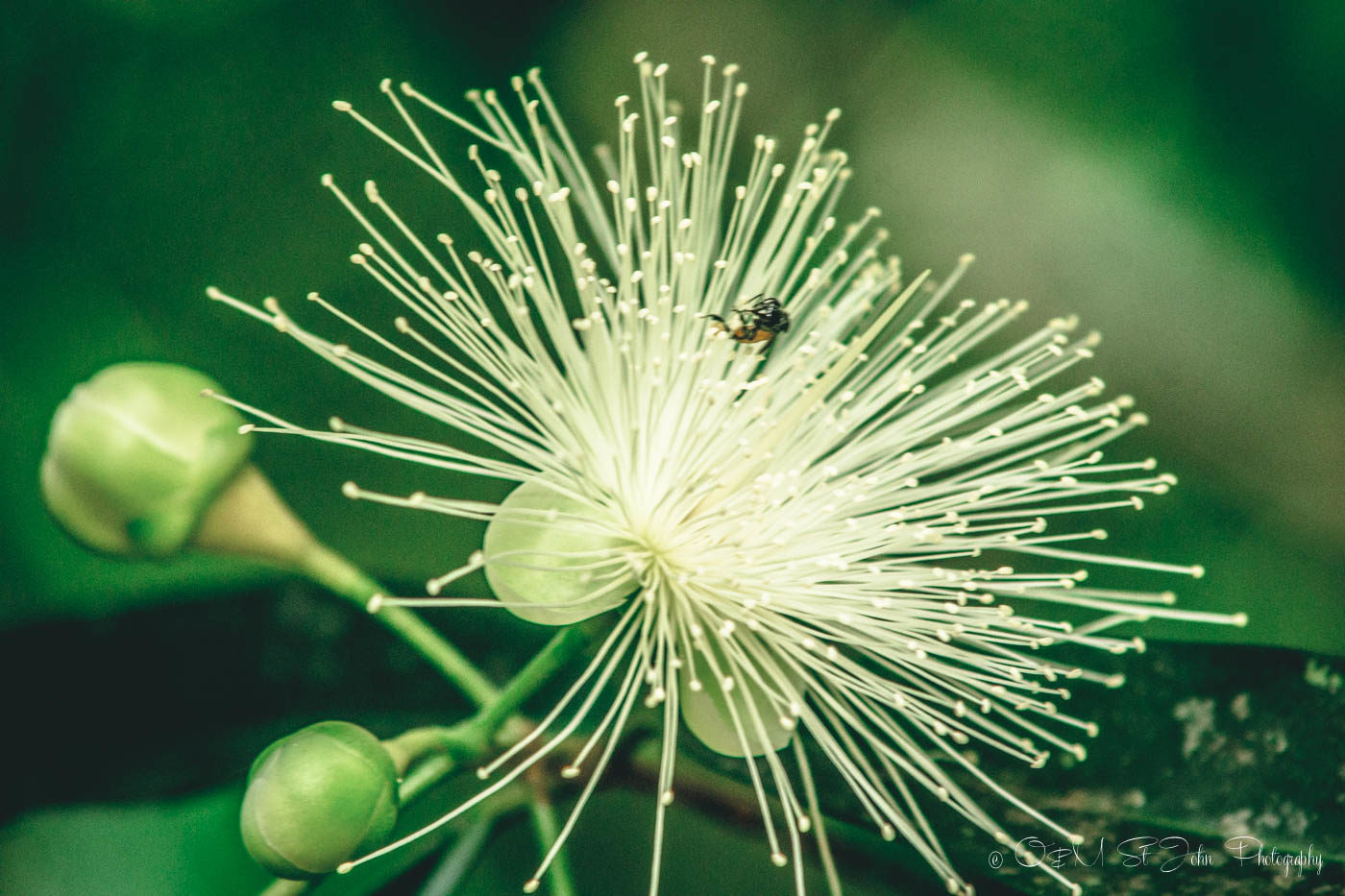
Lots of people wonder, “How is the weather in Costa Rica in June?” and more specifically, “Does it rain a lot in Costa Rica in June?” Well, the rain picks up somewhat in June, but this transition to the rainy season happens slowly with time. Most days will be clear in the morning, with some afternoon showers to be expected. The rainforests start getting greener, and plants begin to bloom, so it still ranks as the best month to go to Costa Rica due to the foliage.
READ NEXT: Renting A Car In Costa Rica: Tips & Warnings
Costa Rica Weather In July
July is further into the rainy season, and although there will likely be more precipitation, there may also be some stretches of brilliantly sunny days. This phenomenon is known locally as veranillo de San Juan, the Spanish word for “Indian Summer.”
If you are travelling in the Osa Peninsula during June or July, you can expect especially strong rainstorms. They can sometimes get so bad as to ground flight, so be aware if this is when you choose to head there, as it may not be the best time to go. Costa Rica may not be a travel option in June or July due to these storms.
Costa Rica Weather In August
There are still some chances of catching a veranillo in August as well, but the chance of storms increases too. Especially towards the end of the month, you can expect rainfall nearly every day, so it may not be the best time for Costa Rica travel plans.
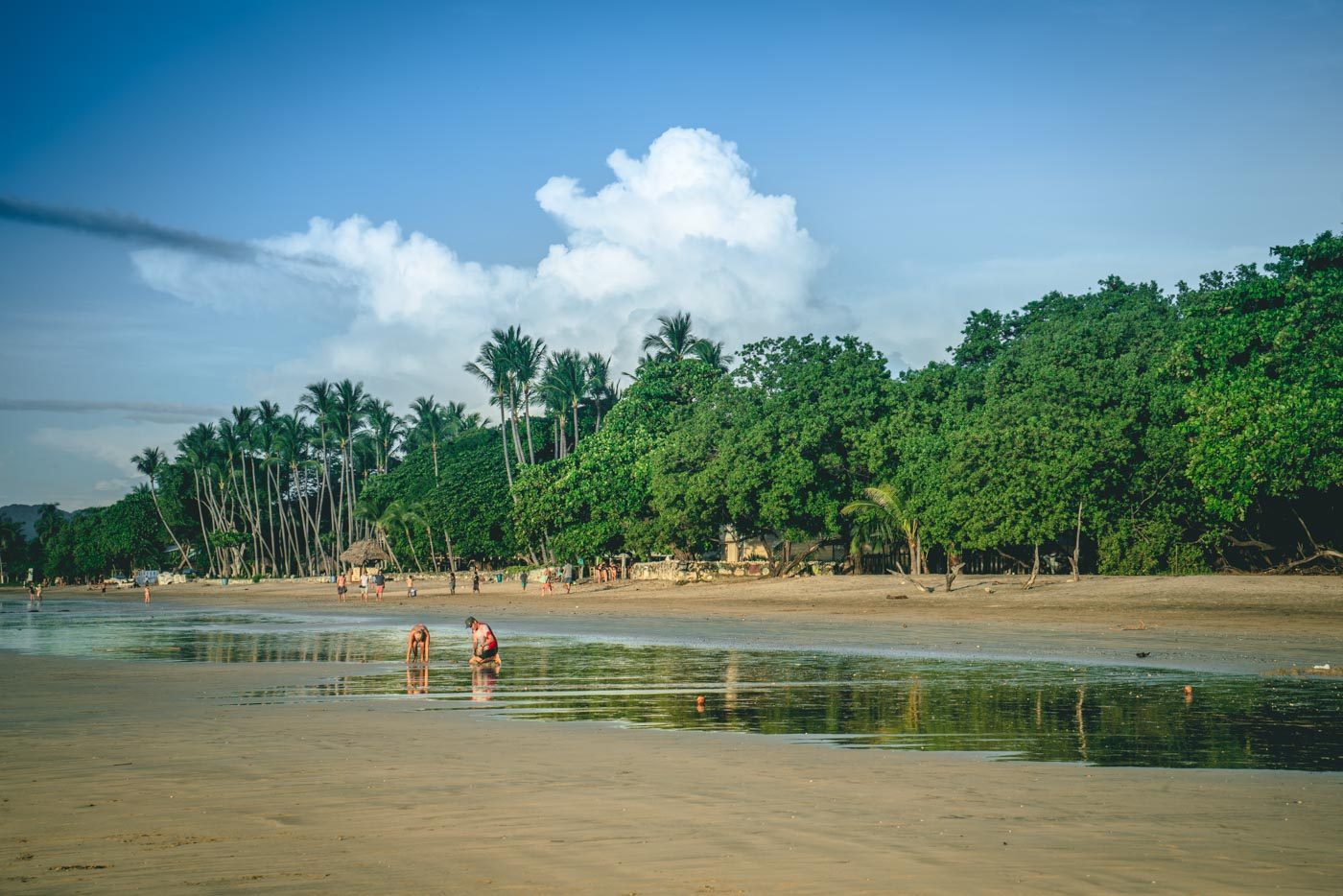
The best places to visit in Costa Rica in August are usually around Northern Guanacaste and Costa Rica’s Caribbean Coast. We suggest somewhere like Tamarindo as the best place to stay in Costa Rica in August since the crowds are smaller. August can also be the best time to visit San Jose since it’s (slightly) less busy, and dodging the rain is easier with more indoor activities.

Costa Rica Weather In September
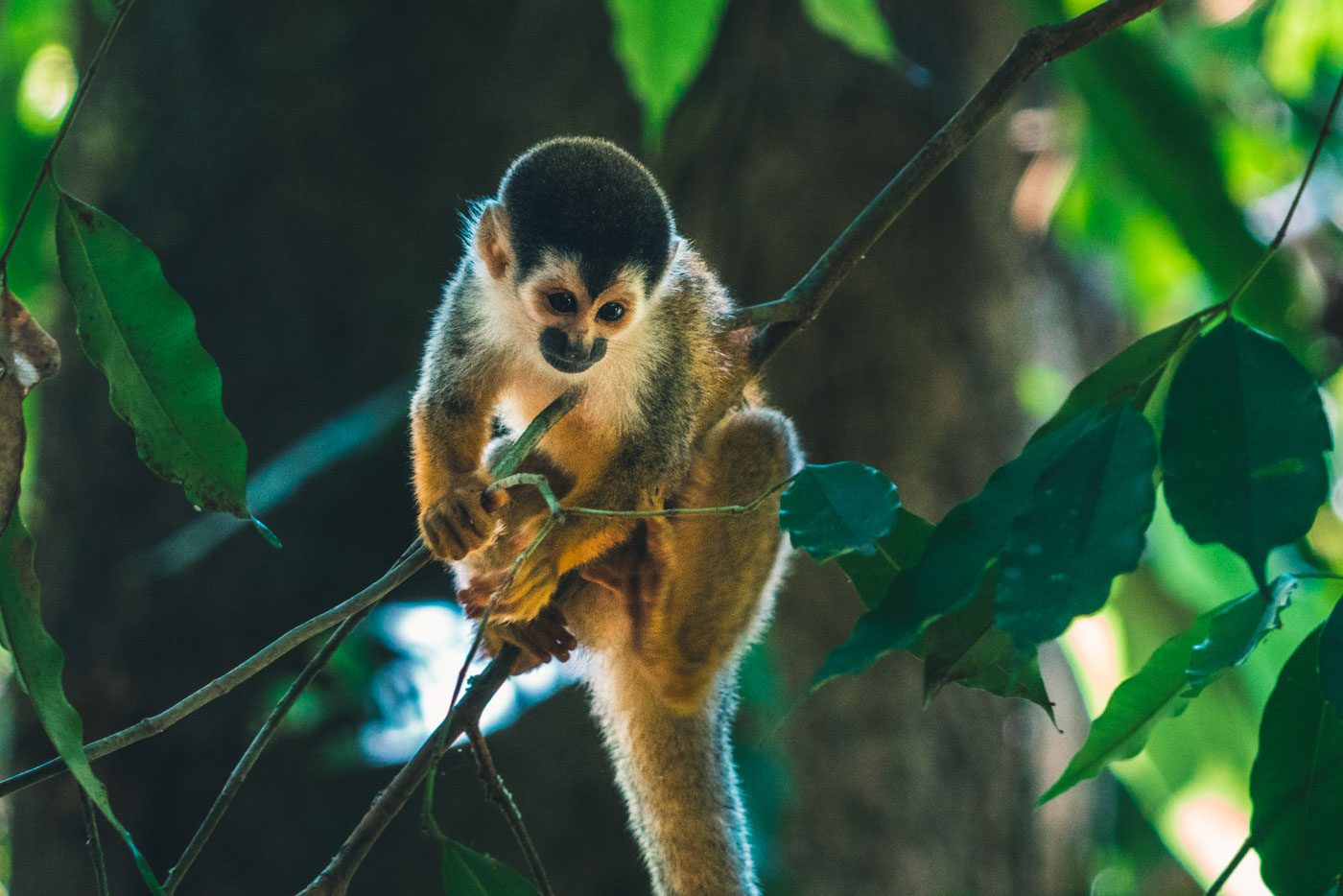
Is Costa Rica nice in September? Well, in September, the Costa Rican rain picks up quite a bit. Costa Rica’s Pacific Coast gets more wet weather than the Caribbean side in general. This is the best time of year to witness Costa Rica’s wildlife, so don’t miss the chance to go wildlife-watching in the jungle. However, long rainy days and heavy storms become more common. This can also be the best time for visiting Costa Rica if you want to go scuba diving or want to see the sea turtles hatching. The cooler temps and rainy Papagayo, Costa Rica weather, attract lots of fish and macro-species.
Costa Rica Weather In October
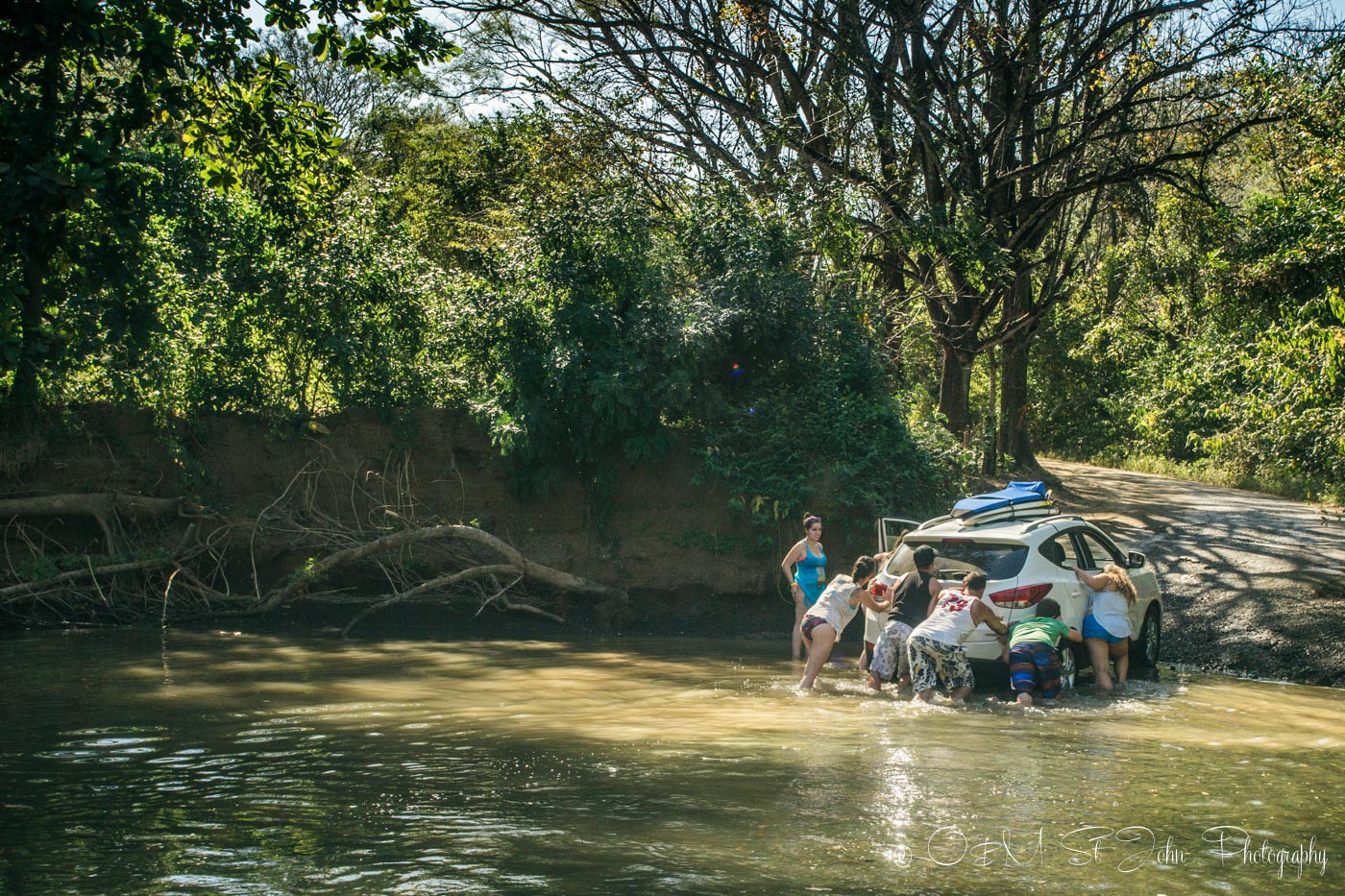
October is the rainiest month in Costa Rica. Extreme flooding is not uncommon, as are power outages across the country. If you plan to visit Costa Rica during the month of October, be prepared for a real hit-or-miss Costa Rica vacation. You may get lucky, especially if visiting in the later part of the month and see lots of sunshine, but you may have an entire week or nothing but rain.
If you want to have guaranteed sun, it may be best to stick to the Caribbean side, where there is less precipitation. These rainy months are also usually the cheapest time to go to Caribbean destinations.
Costa Rica Weather In November
The rain begins to subside in November, the coolest month of the year. Depending on the year, the rain may lessen at the beginning or the end of the month, making it a more unpredictable time for weather in Costa Rica. Precipitation is still common, so be prepared for some rainy evenings and nights, but most mornings should be clear. Rain is more common in the Central Valley and in the rainforest.
The weather is pleasant during this time of the year, even along the Pacific Coast. Prices remain low, so if you can score some vacation time before the Christmas holidays, take advantage of it! It can be a beautiful time for visiting Costa Rica.

Sunsets after a rainy day can be spectacular!
Costa Rica Weather In December
December marks the transition from the rainy season to the dry season. The foliage begins to lose its vibrancy, and tourism begins to pick up again. There may be a few scattered showers in December, but for the most part, it is dry, so this change makes it one of the best times to travel to Costa Rica.

The Ultimate Best Time To Visit Costa Rica?
The best time to visit Costa Rica ultimately depends on why you are going. If you really want to experience some heat and avoid the rain, the dry season is naturally your best choice. However, going in the rainy season can have many advantages, including more beautiful scenery, fewer tourists, and lower prices.
As a general rule, keep in mind that January to April is very dry, especially in Guanacaste, Costa Rica. This intense heat and lack of natural beauty can make a visit unpleasant. On the flip side, San José, Costa Rica, has weather that is so consistent that it is a great place to visit year-round.
Also, remember that the rainiest time to visit Costa Rica is between September and October, so it is best to avoid visiting during this time if precipitation (or lack thereof) is important to you.

READ NEXT: Best Places To Stay In Costa Rica
Our Recommended Best Time To Visit Costa Rica
If you ask us, “When is the best time to visit Costa Rica?” we personally have two specific recommendations for you.
In our opinion, the best time to go to Costa Rica is at the end of November or early December. Costa Rica’s rainy season is typically over by these months. There’s lots of sunshine to enjoy, but the landscape is still super green and lush from the rainy season. You can time your visit right before peak tourist season starts to get reasonable rates on restaurants, accommodations, and attractions. We recommend starting on the Northern Guanacaste side, which is the driest during this time. Then, work your way to the Southern Peninsula as the rain sometimes lasts a little longer down there.
An alternative recommendation is to visit Costa Rica between June and July. These months kick off the enchanting green season. June will likely see less rain and isn’t as crowded as July, but both are great for appreciating Costa Rica’s beautiful foliage. Costa Rica’s cloud forests and rainforests start to come to life, and many plants begin to bloom, which is a special sight to see.