
The Nicoya Peninsula is the largest peninsula in Costa Rica, extending out into the Pacific Ocean from the northern coast of the country. The northern part of the peninsula is part of Guanacaste province, while the southern Nicoya Peninsula is part of Puntarenas province. The Nicoya Peninsula is quintessential Costa Rica; it has everything we love about the country.
*This post may contain affiliate links, as a result, we may receive a small commission (at no extra cost to you) on any bookings/purchases you make through the links in this post. As an Amazon Associate, we earn from qualifying purchases. Read our full disclosure
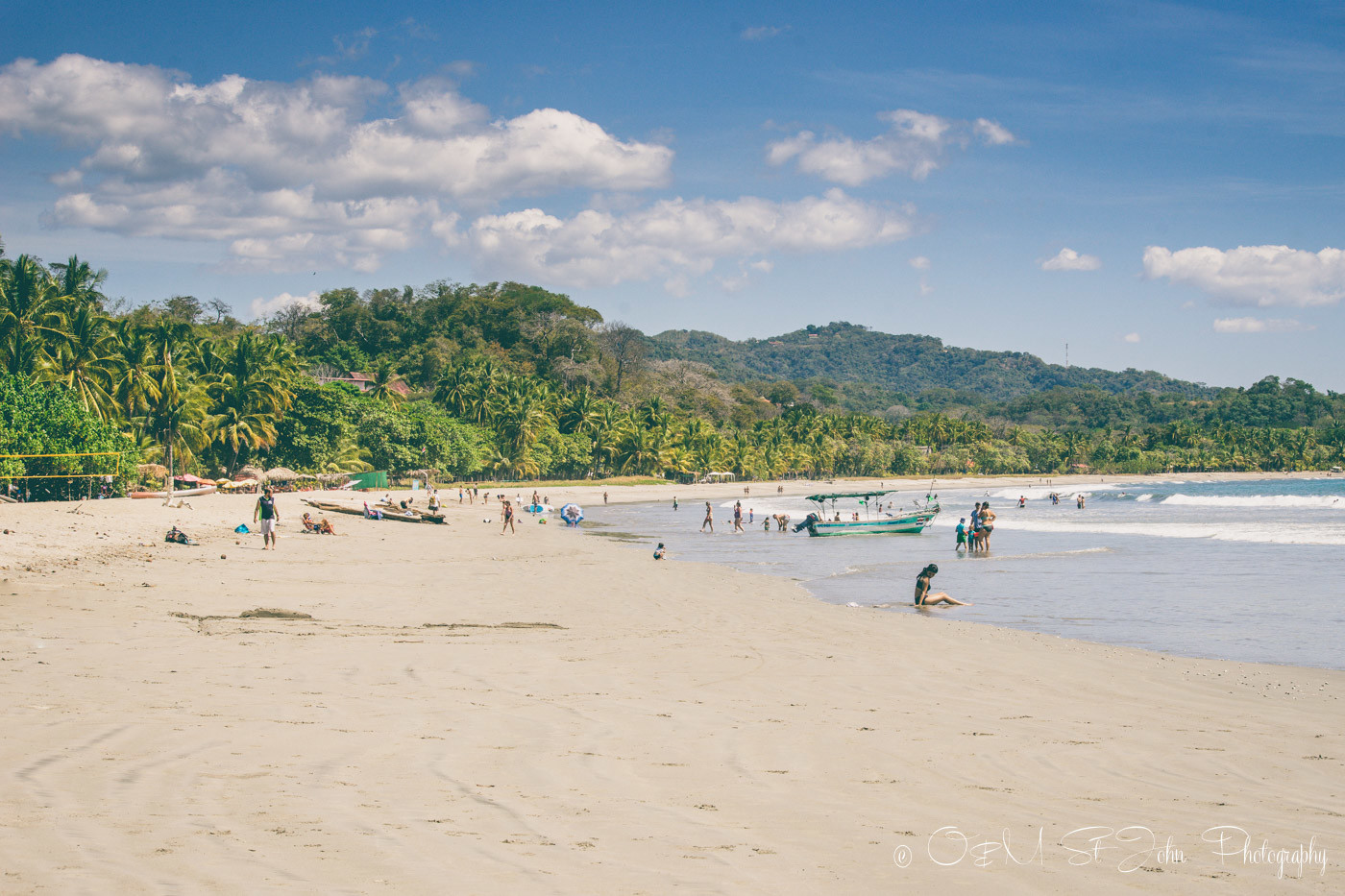
The coastal region is home to some of the best surf beaches in the country, wildlife refuges and national parks protecting endangered species, untouched, pristine landscapes, and small towns with a buzzing, laid-back vibe. For nature lovers and water sports enthusiasts, it’s a dream destination for a vacation.
It’s no wonder, then, that local residents on the peninsula live a bit longer than most. Named a so-called “Blue Zone,” which are places in the world where people generally live past the age of 100, it has the lowest middle-age mortality rate in the world and an average life expectancy of 80 (older than the US). The exact reason for this is unclear, but research has pointed to the tight-knit family unit, daily physical activity, a sensible level of sun exposure for vitamin D, and a healthy, balanced diet of mostly whole grains, dairy and vegetables. The peninsula has become one of the most visited Blue Zones in the world.
Traveling Soon? Here is a list of our favourite travel providers and accessories to help get you ready for your upcoming trip!
Main Towns on the Nicoya Peninsula
The Nicoya Peninsula is home to several popular towns which offer great bases for exploring more of the region. Here are the main towns on the peninsula:
Tamarindo
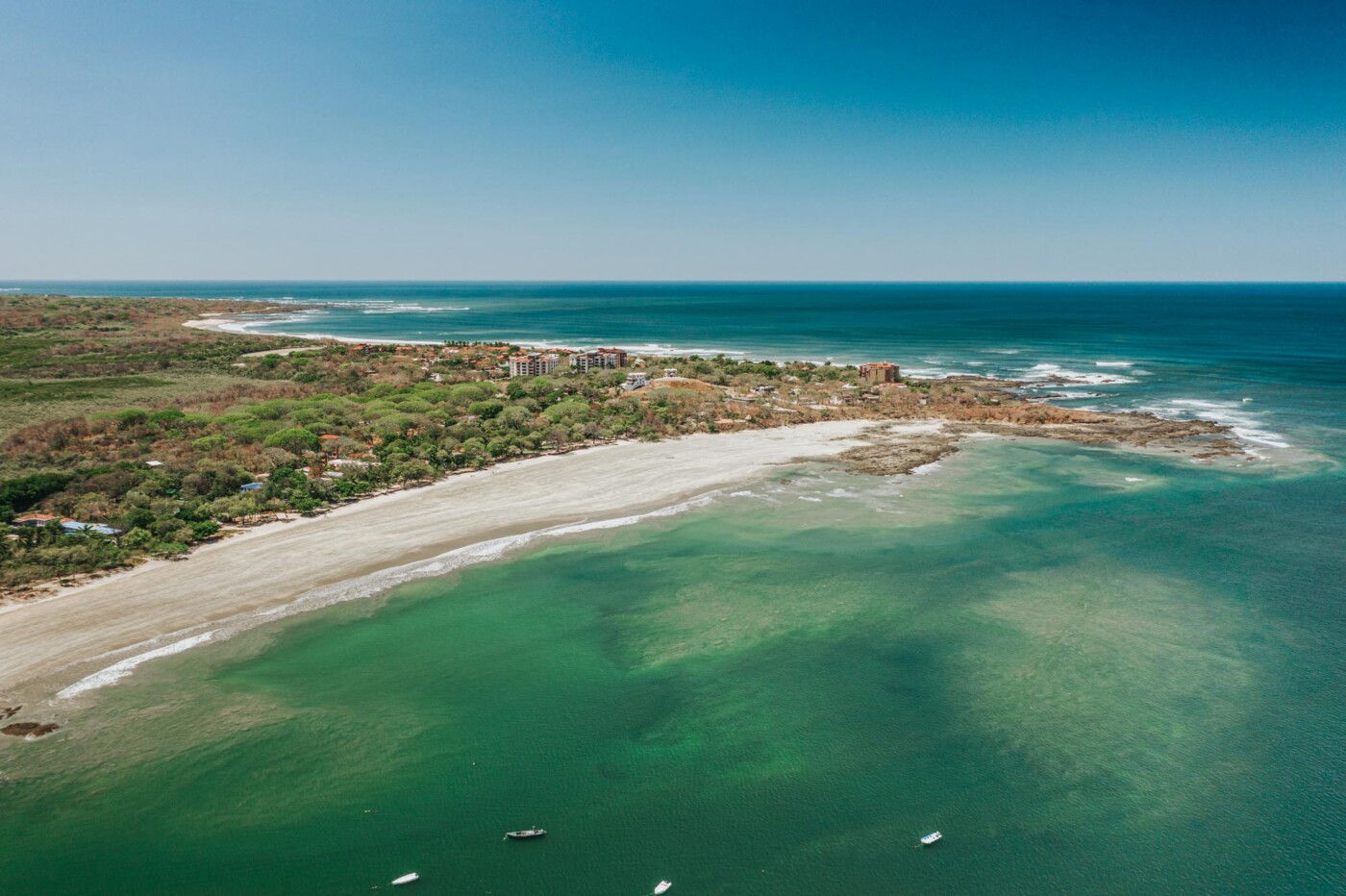
Tamarindo is the tourism hub of the Nicoya Peninsula. This was once a small fishing village but has transformed quickly over the last couple of decades into one of the most sought-after places to visit on Costa Rica’s Pacific coast. It’s one of the top places to surf in the country, attracting surfers all year round. Also, backpackers swarm the cafes, and families explore surrounding beaches. With a great party scene and plenty of activities going on, there are always exciting things to do in Tamarindo.
Nosara
Less of a party town and more of a beach town, Nosara is a spread-out community near the famous Playa Guiones beach. A popular hub for expats living the Blue Zone lifestyle, it has plenty of natural beauty to explore. With stunning beaches, epic surf spots, waterfalls, and yoga classes, it’s perfect for those wanting to explore the area.

Samara
Another beach town just south of Nosara, Samara, has a bit more of an “off the beaten path” vibe than other towns on Nicoya Peninsula, Costa Rica. The small town is easy to navigate on foot, plus the uncrowded beaches, yoga retreats, trendy restaurants, and cute shops make it a wonderful little escape. With little overdevelopment but plenty of comforts, Samara has plenty of things to do without the hassle of tourist crowds.
Santa Teresa
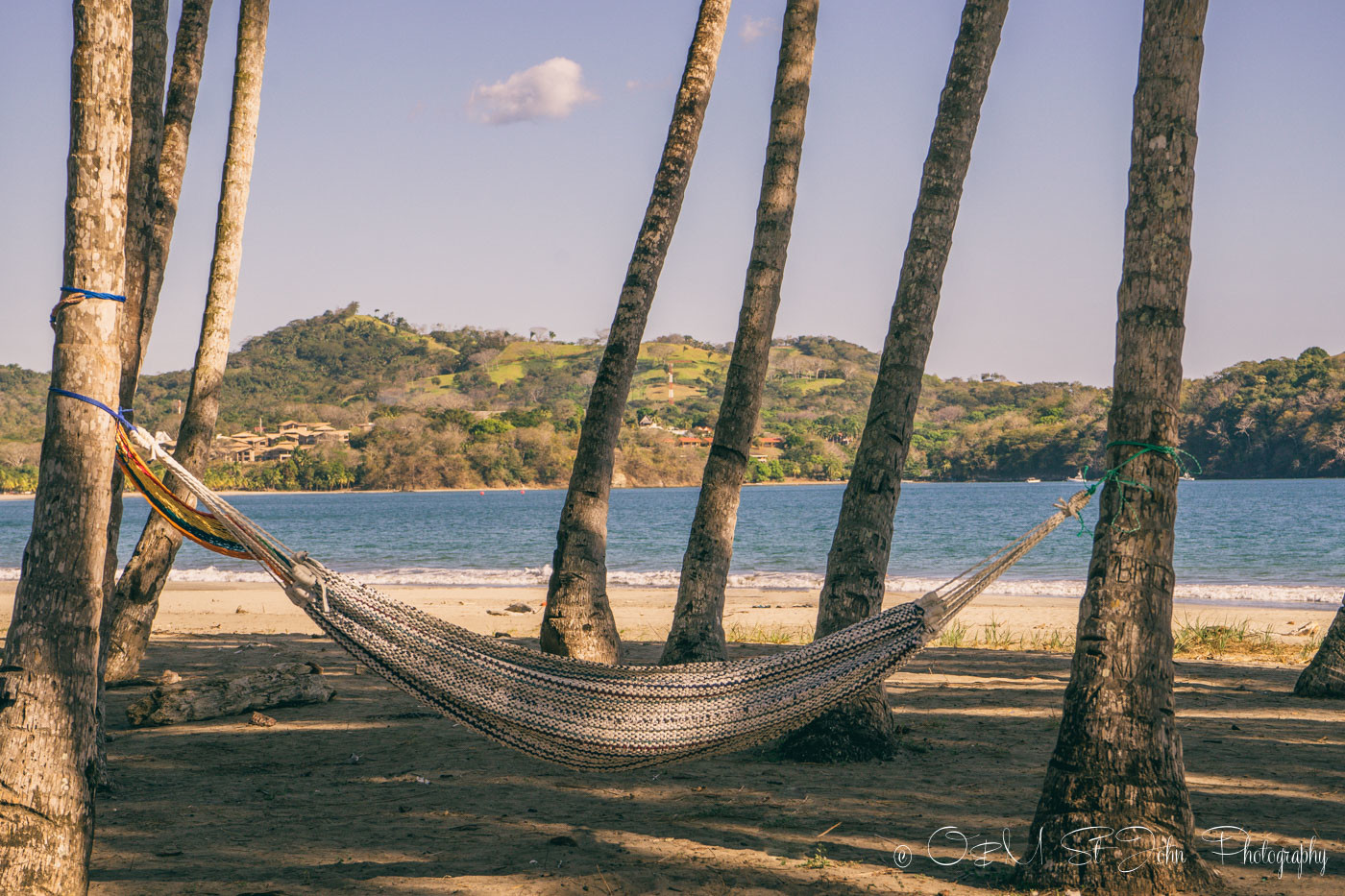
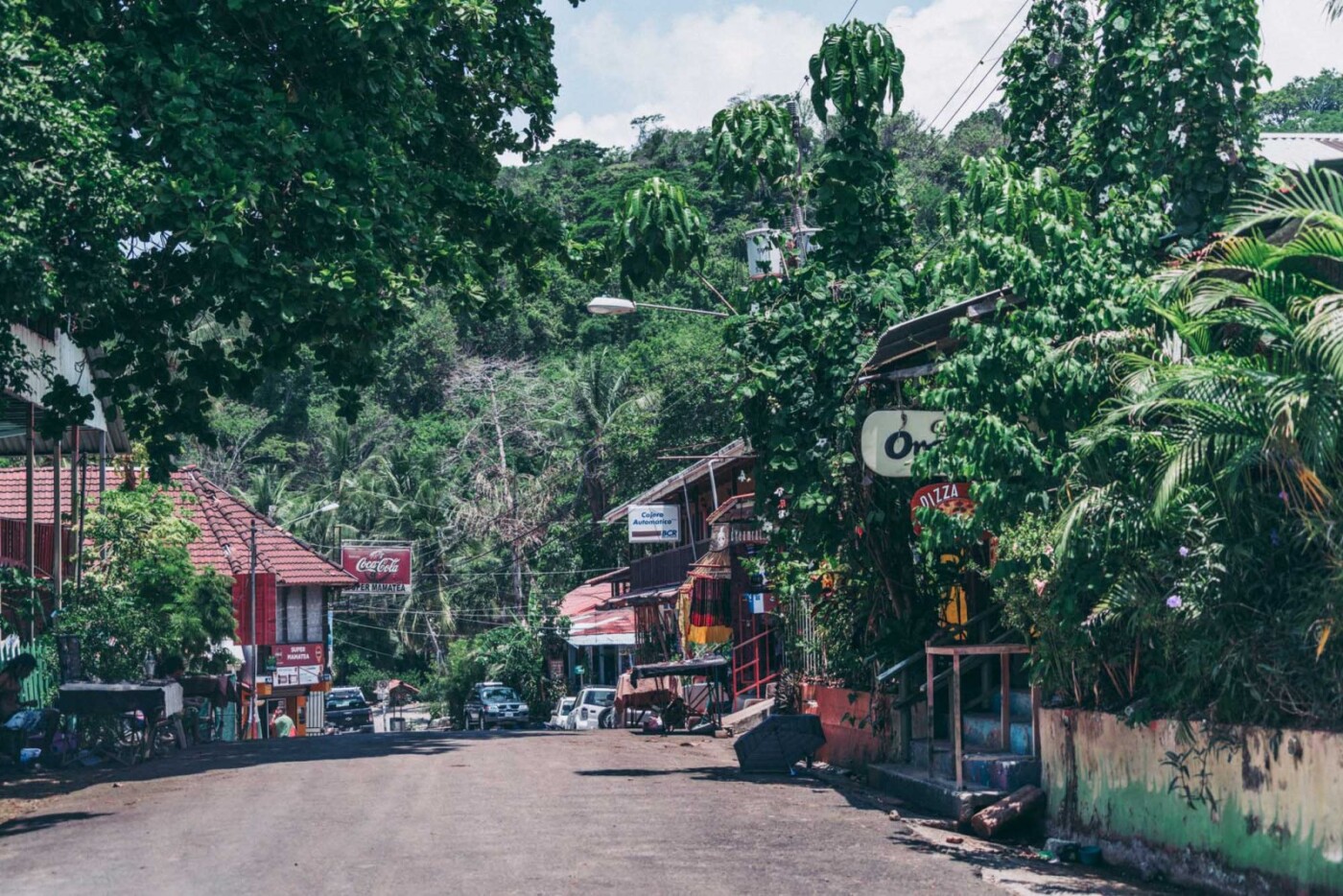
Way down near the southern tip of the Nicoya Peninsula, those with extra time head to Santa Teresa and its neighbours like Montezuma. A quieter alternative to Tamarindo, this part of the peninsula is known for its rolling green hills, hidden beaches with world-class surf breaks, and slow-traveling backpackers who end up staying longer than planned. It’s a great base for exploring the lesser-known things to do around the southern end of the peninsula.
Montezuma
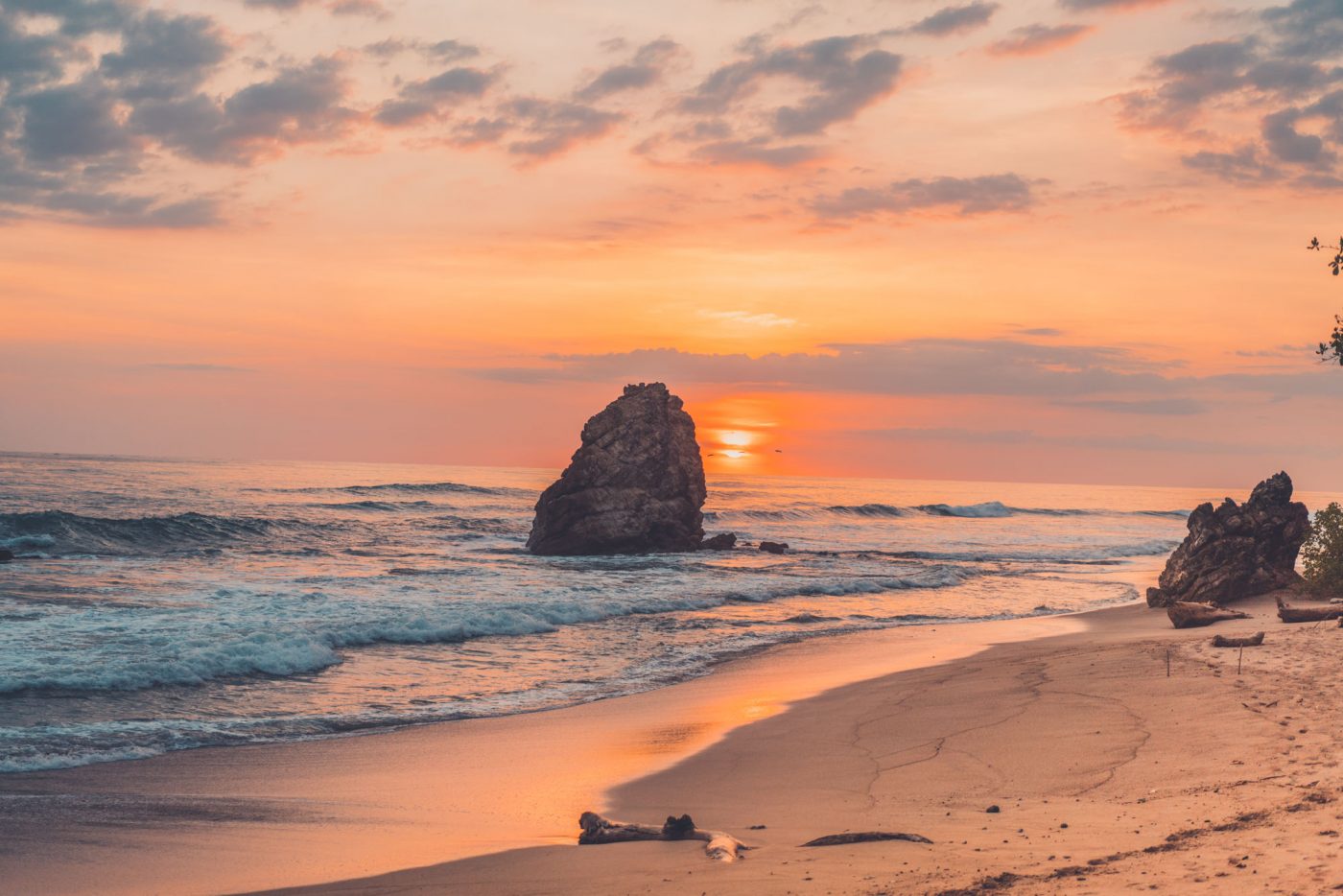
On the southeastern tip of Nicoya Peninsula, this small fishing village turned bohemian backpacker hangout draws surfers and yogis to relax amidst beautiful nature away from the crowds. With nearby stunning waterfalls, pristine beaches, and plenty of wildlife, it’s a wonderful town to spend a few days of relaxation in, with plenty of things to do to keep you busy.
How to Get to Nicoya Peninsula
If you want to arrive by air, fly into Daniel Oduber International Airport (LIR) in Liberia, the closest major airport. This airport has many flights from major cities in North America, like Toronto, New York, and Miami. However, you can also plan to land in the capital, San Jose. From San Jose, it’s a much longer drive to reach the peninsula.
By Car
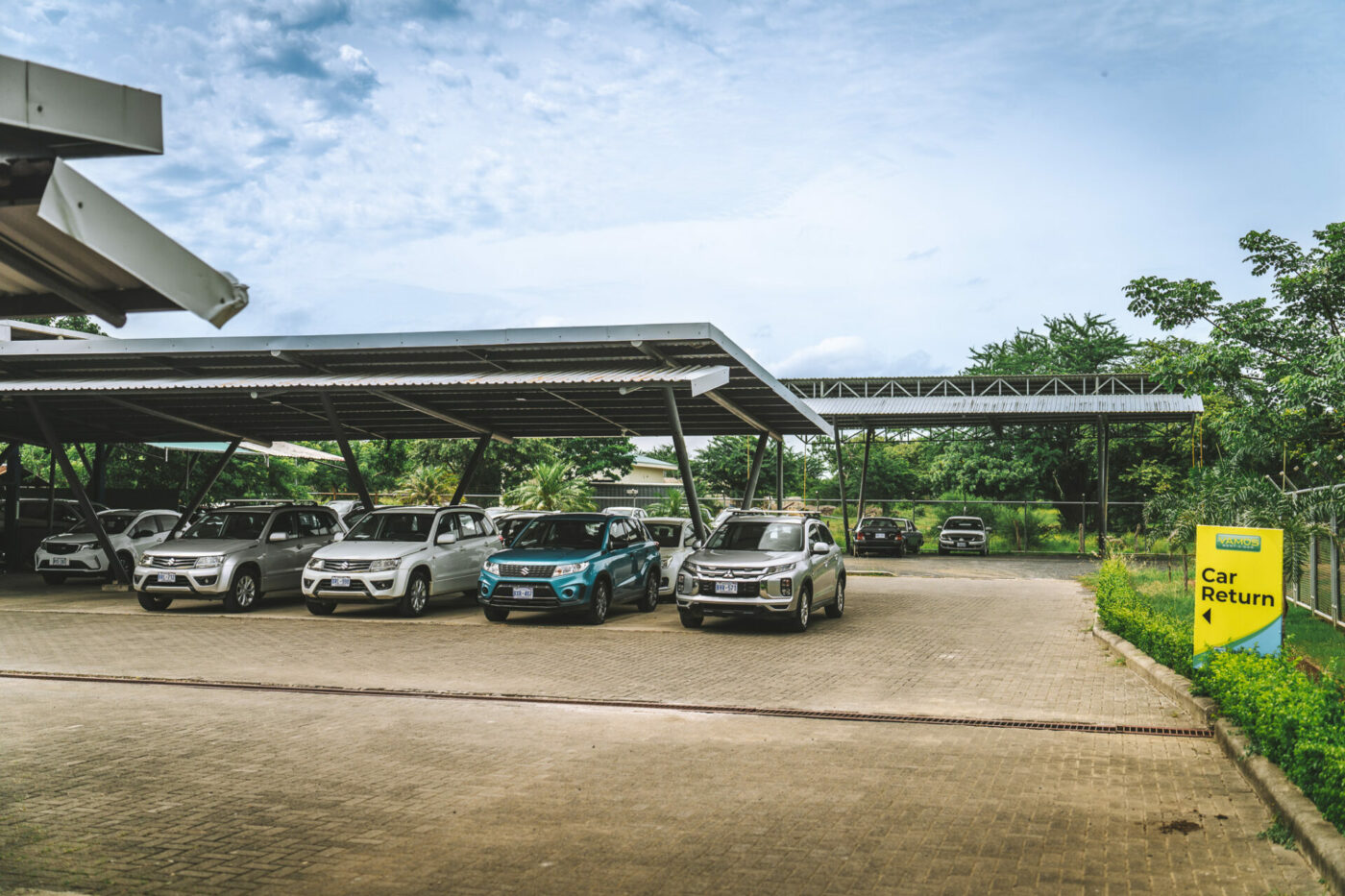
If you rent a car from the airport, then getting to the Nicoya Peninsula is easy. For example, Tamarindo is just 1 hour from Liberia Airport by car or 4 hours from San Jose. Having a rental car is ideal for exploring all the hidden spots on the peninsula at your own pace. Just make sure to follow all of our great tips about driving in Costa Rica.
By Bus/Shuttle
Liberia Airport and San Jose Airport both offer various daily shuttles for reaching different destinations on the Nicoya Peninsula. These shuttles can be shared with other travellers or arranged for private groups.
For those on a budget, you can also opt for public buses. From Liberia Airport, there are regular buses running to Nicoya and Tamarindo every 30 minutes, costing $2-5.
By Ferry
The Puntarenas Ferry departs several times a day and takes approximately 1 hour and 30 minutes to arrive at Paquera, on the southern tip of the peninsula. The ferry’s availability and schedule depend on the season, so we recommend booking your tickets ahead.
Best Time to Visit Nicoya Peninsula
Here’s when you’ll want to make a trip to Peninsula de Nicoya, according to the best time to visit the region.
Dry Season
The dry season on the peninsula runs from December until April. This is generally the most popular time to visit, so expect an influx of tourists. With little to no rain, it’s very hot, with temperatures hovering around 30 degrees Celsius most days.
As it’s considered high season, prices will be high, and places like Tamarindo will be buzzing with activity and nightlife.
Rainy Season / Green Season
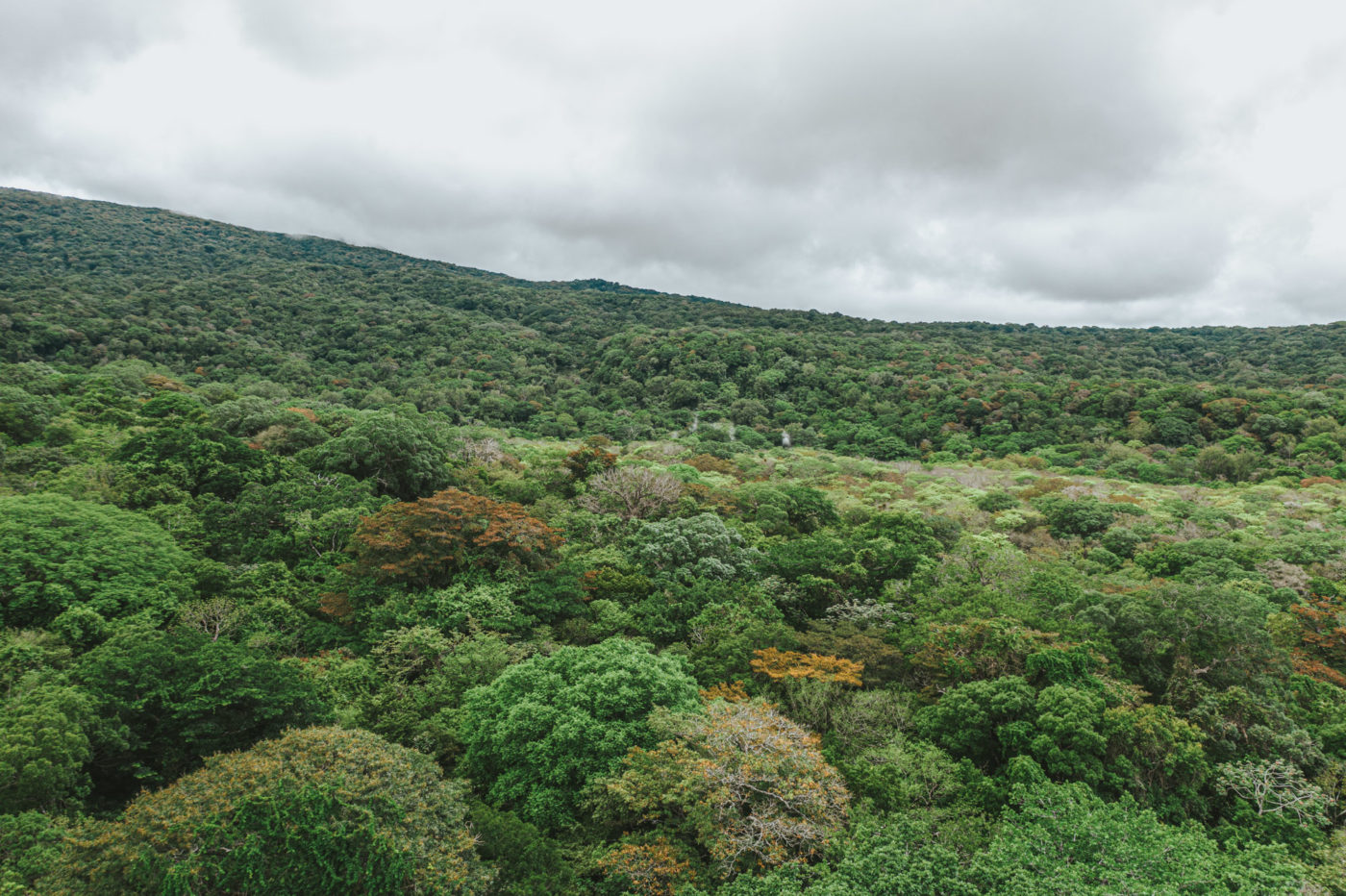
The rainy season runs from May to November, and it is also known as the green season because the rain turns the landscape into a deep, lush green. While most assume it’s not the best time to visit, we seem to disagree. The peninsula doesn’t see too much rain, with mostly some showers and otherwise bright, clear days. It also means lower prices and fewer crowds, making the experience a little nicer.
The wet season is also considered the best time to go surfing. The South Pacific brings sizable, long-period swells toward this region, offering large waves for experienced surfers.
Top Things to Do in the Nicoya Peninsula
With an endless amount of things to do on the peninsula, there’s something for everyone. But we’re going to break down the must-do activities and things to see.
Go Surfing
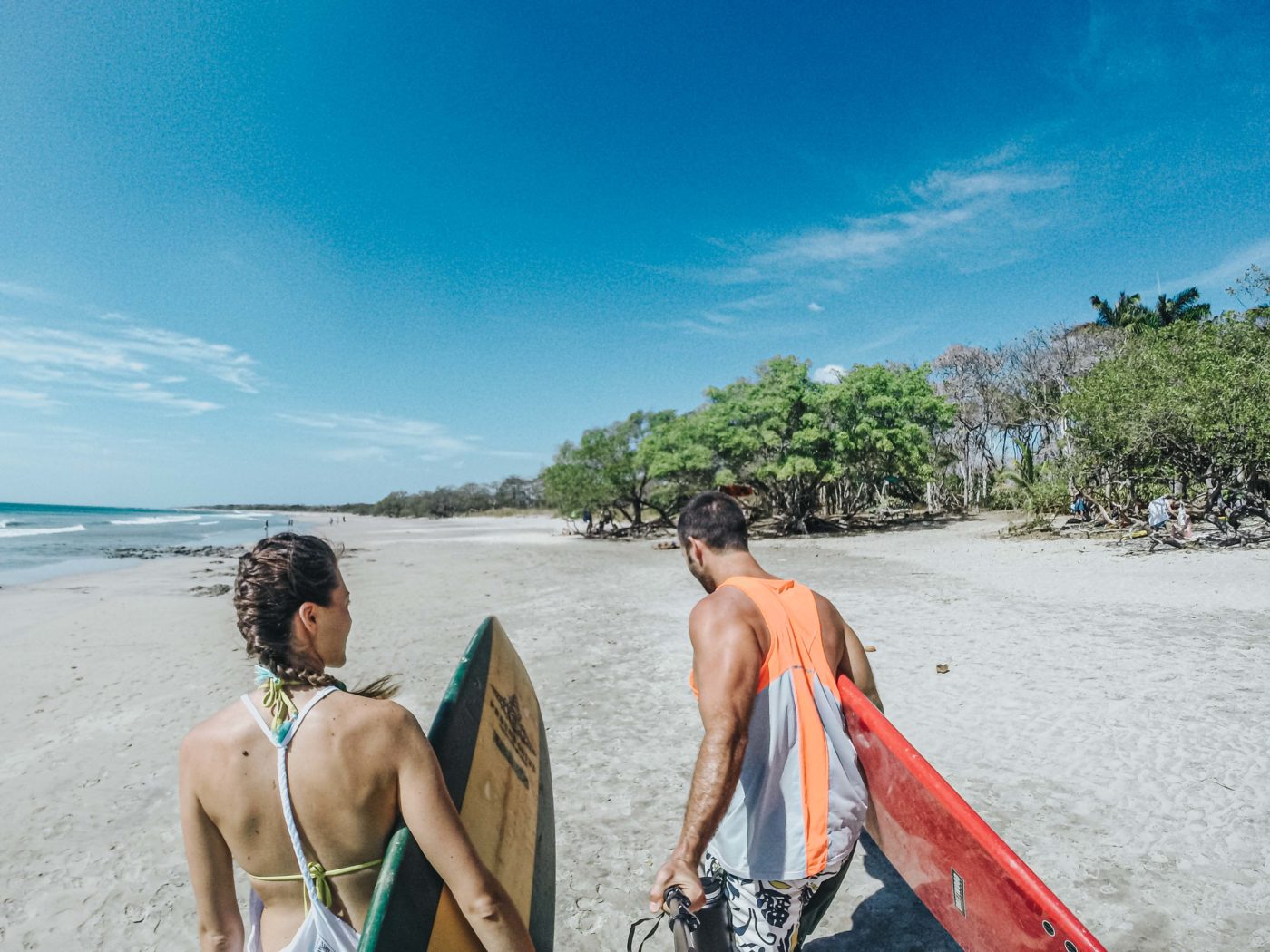
Whether you’re a beginner or intermediate-level surfer, Nicoya Peninsula is the place to go. There’s an endless variety of surf spots, from popular beach towns to hidden reef breaks away from the crowds. The most famous spot is Tamarindo, the bustling tourist town with a big beach break that works for all levels.
Whereas some of the lesser-known places on the peninsula include Witches Rock at Playa Naranjo, Playa Negra for experienced surfers, Nosara, and Santa Teresa, home to the legendary surf break known as Suck Rock.
Snorkelling Trips
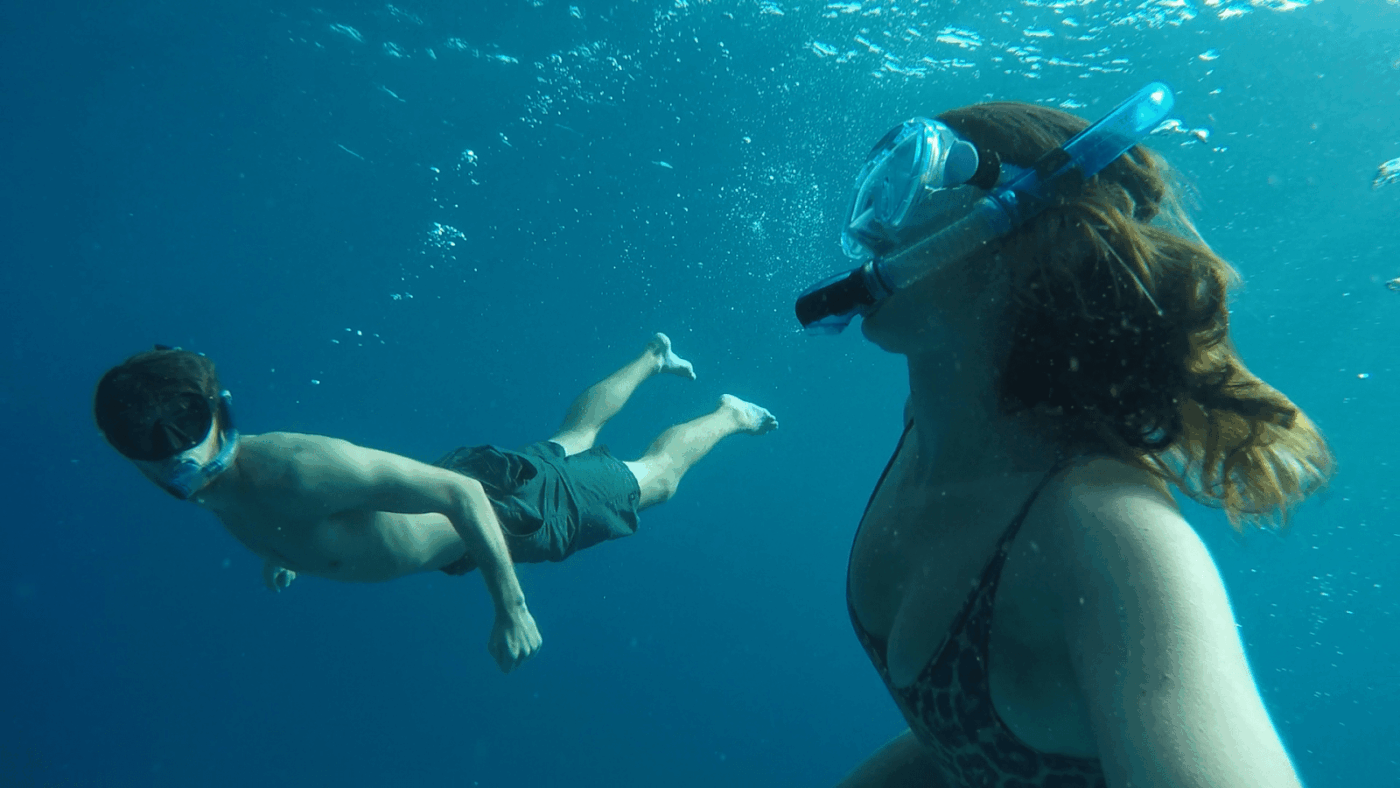
Just like surfing, there are countless incredible places to go snorkelling or scuba diving on the peninsula. The average water visibility ranges from 30 to 50 feet or more, especially in the dry season (mid-December to April). The warm, tropical waters are teeming with spotted eagle rays, stingrays, angel fish, parrot fish, sea horses, octopus, needlefish, starfish, frogfish, reef sharks, dolphins, and more.
Many tour companies on the peninsula offer day trips for snorkelling, including to the spectacular Tortuga Island off the coast of the southern end of the peninsula near Paquera.
Visit Cabo Blanco Nature Reserve
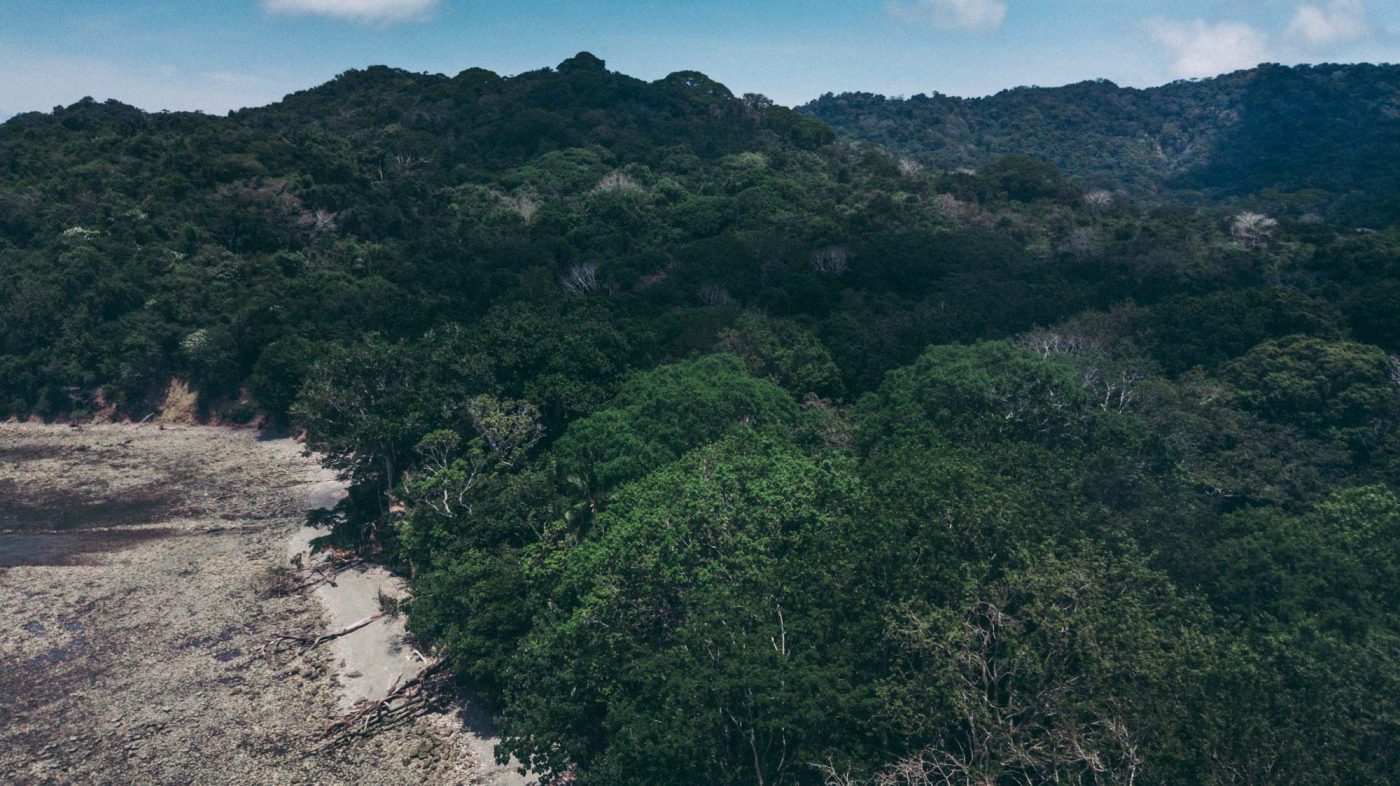
Covering the southernmost tip of the Nicoya Peninsula, Cabo Blanco was the first reserve to be established for the protection of nature. It’s one of the most important nature reserves for seabirds, hosting large numbers of brown pelicans, common terns, laughing gulls, frigate birds, ospreys and brown boobies.
Visitors can explore the park on a couple of hiking trails, where you can go wildlife watching and visit the white-sand beach of Playa Cabo Blanco. It’s easily reached from nearby towns like Santa Teresa Beach on the southwest coast of the peninsula.
Witness the Arribada at Ostional Nacional Wildlife Refuge
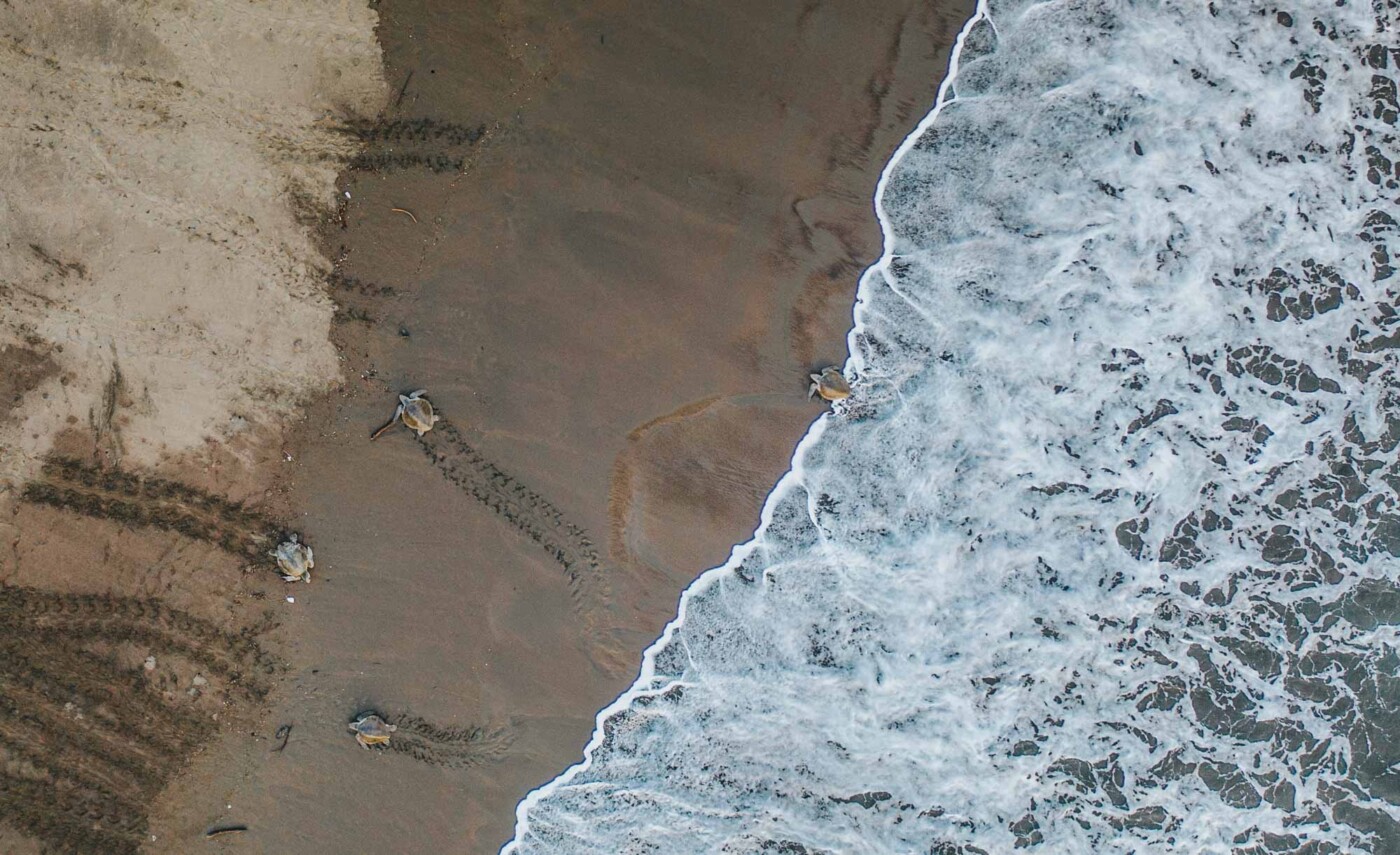
The Ostional Wildlife Refuge on the western coast of the peninsula is an important nesting ground for sea turtles. The arribada on Playa Ostional is when hundreds and sometimes thousands of Olive Ridley sea turtles come ashore to lay their eggs, and it’s an incredibly special thing to witness.
This event occurs every month on Ostional Beach during the nesting season between August – December. Guided tours are recommended so visitors can learn about the ecology and conservation of the Olive Ridley turtles and their baby turtles from trained naturalist guides.
Visit the Montezuma Waterfall
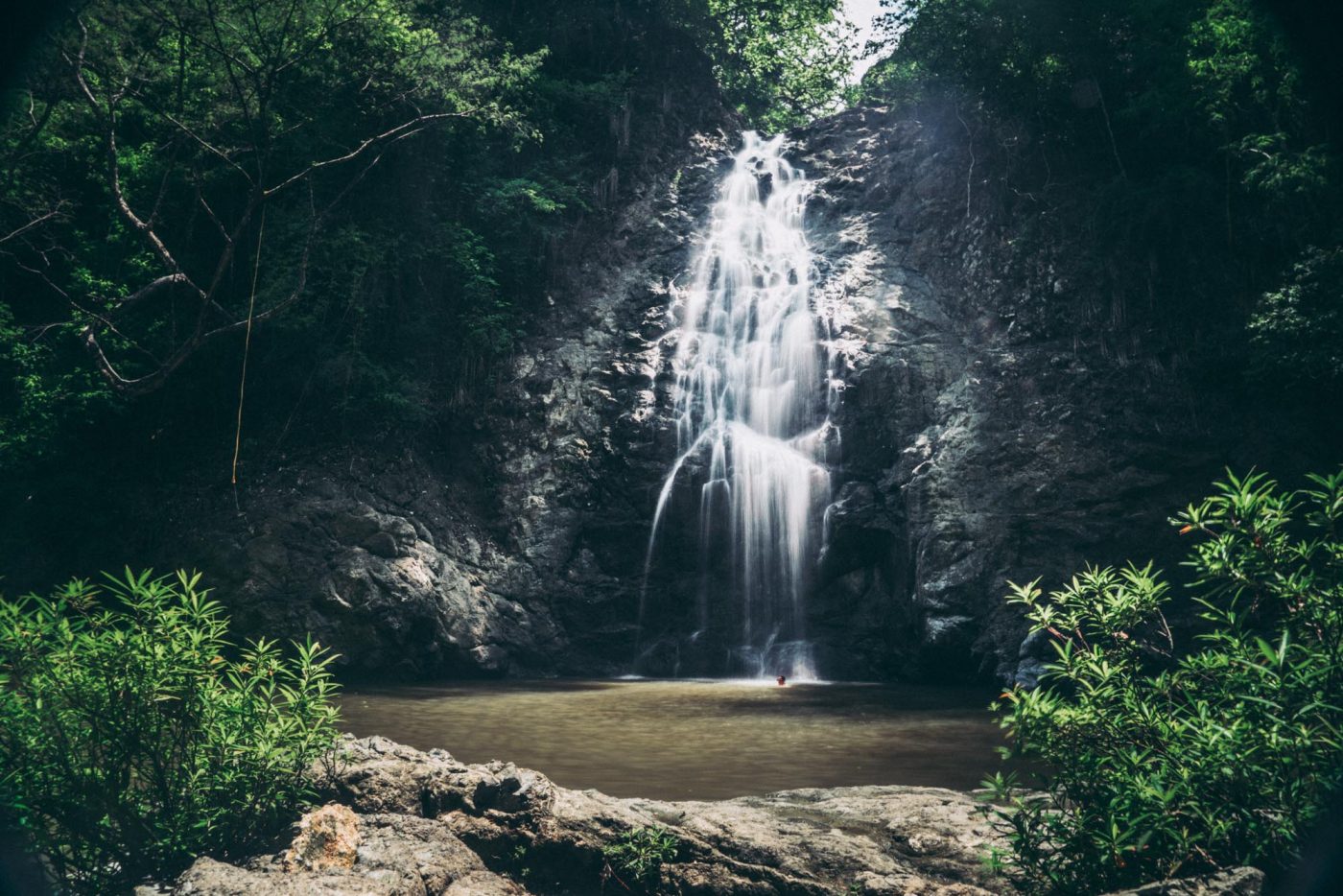
The Montezuma waterfalls are made up of three separate falls in the lush rainforest near Montezuma Beach. The convenient aspect is that they can be easily reached via a 1km (0.6 miles) hike from the centre of town.
Families should head to the upper falls, which are smaller and easier to view with little ones. The falls in the middle offer a glimpse into the natural beauty of the area, while the largest falls at the lower portion are 25 meters (82 feet) high and the most popular section to visit.
Join a Yoga Retreat
To match the laid-back vibe and Blue Zone hype, you’ll find plenty of yoga retreats and wellness hubs on the Nicoya Peninsula. Playa Negra, south of Tamarindo, is home to one of the best yoga retreats in Costa Rica, the Peace Retreat Center. Playa Negra Yoga also offers drop-in classes on Playa Negra Beach.
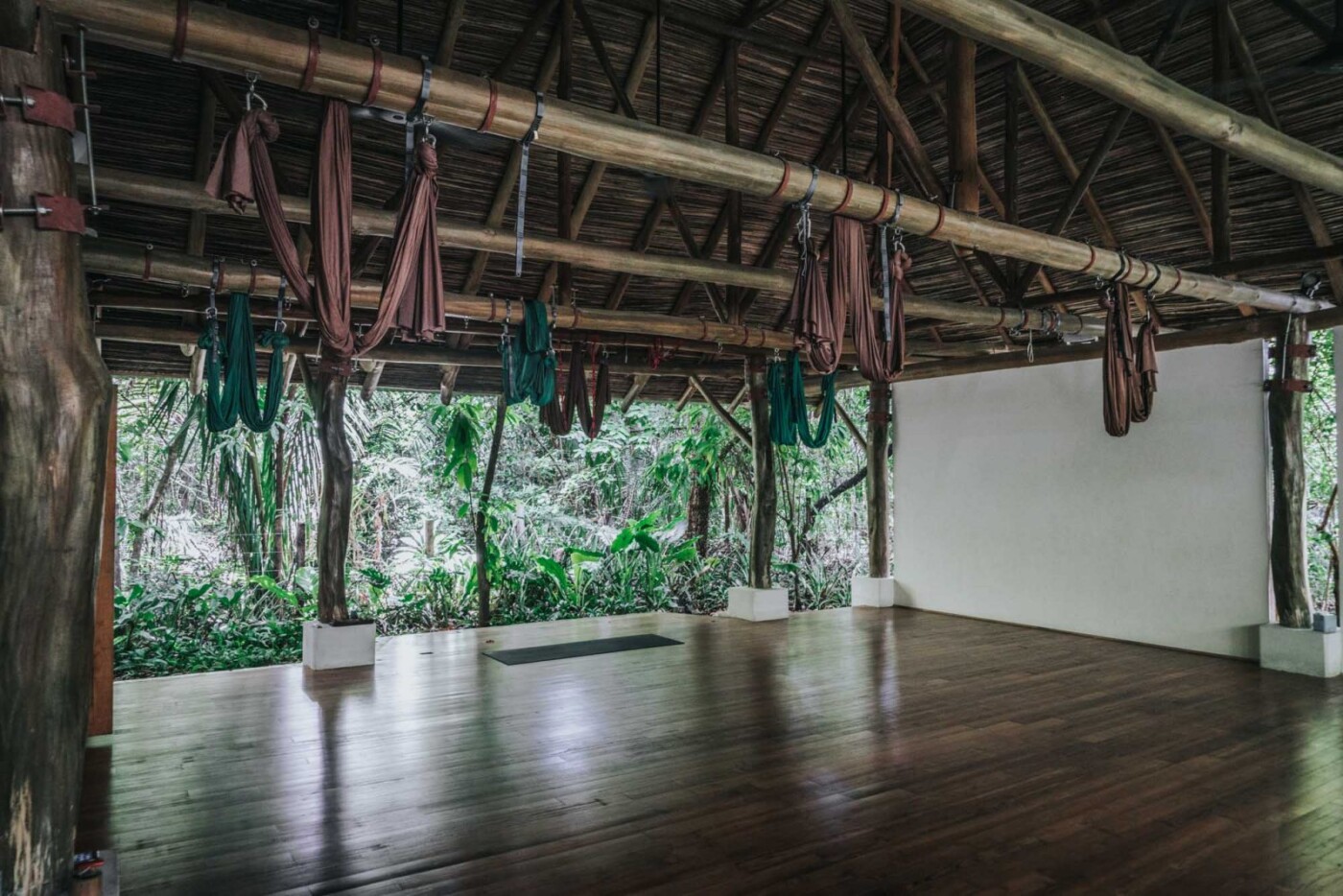
Another big yoga hub is Nosara Beach. The town started as a quiet fishing village, but it’s now home to some of the best yoga retreats in Guanacaste. Harmony Nosara is frequently named one of the best yoga retreats in Costa Rica. They offer an assortment of yoga styles, including aerial, in their open-air Nosara yoga retreat classrooms.
Explore Nearby National Parks
The Nicoya Peninsula is also a great base for exploring some of the popular national parks in the northwest region of Costa Rica. Tours from places like Tamarindo offer plenty of day trips to nearby parks to explore the inland tropical rainforest.
From Tamarindo, you can head 1.5 hours inland to Rincon de la Vieja to explore the incredible rivers, wide canopy and lush forest for the entire day. You can go zip lining, horseback riding, and soak in the hot springs on a day trip.
Another day trip for nature lovers is to Palo Verde National Park in Guanacaste. Located about 2 hours from Tamarindo, the park is covered by interesting wetlands, housing many different bird species, including migratory birds. The best way to visit the park is on a boat tour through the wetlands and mangroves. Palo Verde Boat Tours runs 90-minute boat trips, with a traditional local lunch, from the remote village of Ortega Village.
Hang Out in Tamarindo
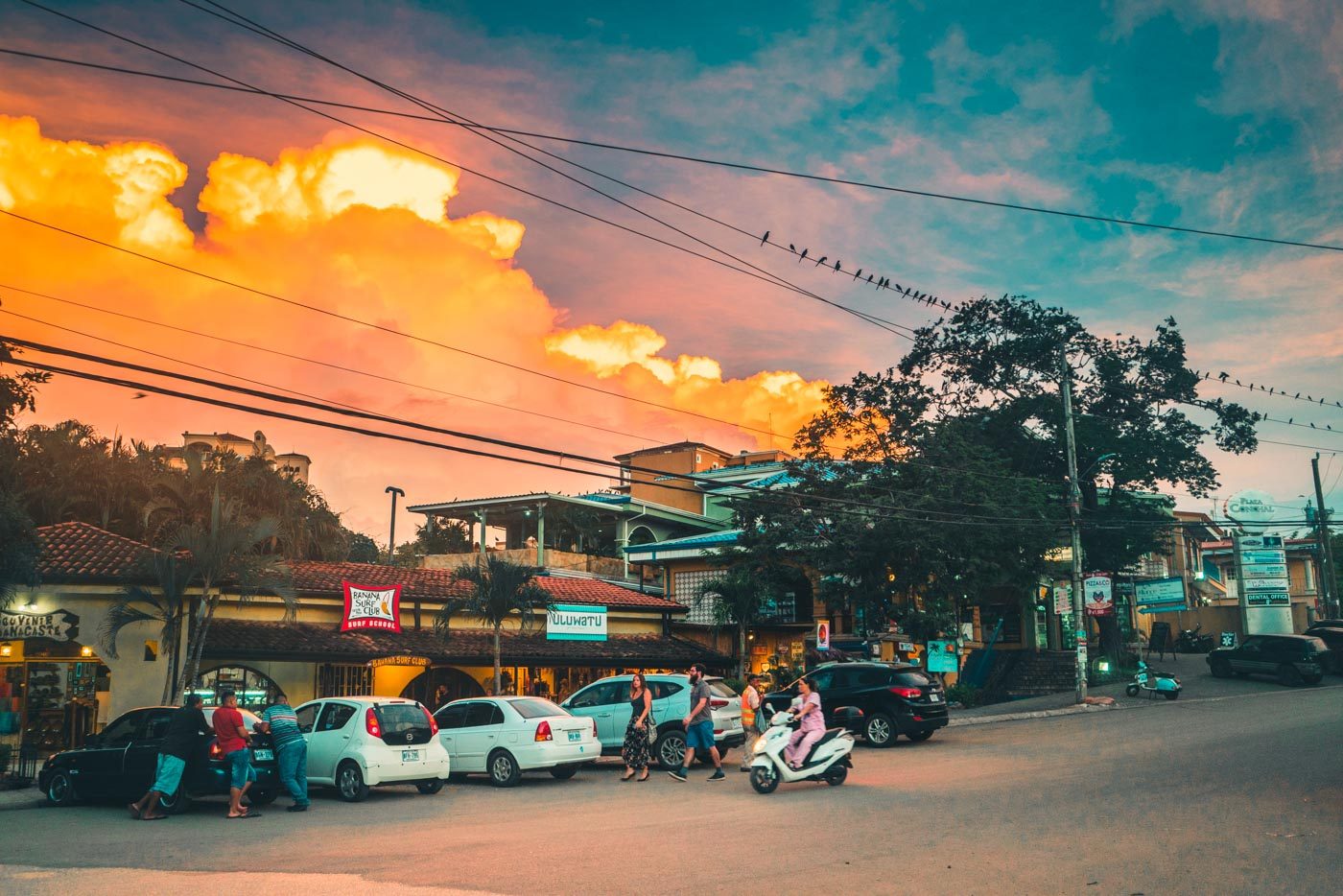
Tamarindo is the hub of activity and tourism on the peninsula. If you’re looking for a bustling town to meet people and join in on day trips, then Tamarindo is the ideal base. The lively town has an abundance of cafes, hotels, hostels, and shops, which are swarming with tourists in the high season from December to April. It’s also the main spot for some nightlife, with beachfront bars and parties especially during these months.
Tamarindo is also surrounded by beautiful beaches, perfect for surfing and chilling out. South of Playa Tamarindo, Playa Avellanas and Playa Negra both offer a more low-key surf spot for both beginners and experts. North of town, Playa Grande is a beach break, offering rights and lefts to surfers of all levels. Further north, you have Playa Hermosa and Playa del Coco.
Where to Stay in Nicoya Peninsula
You can either choose to stay in one place on the peninsula and explore other parts on day trips or move around by bus to various towns to explore what each has to offer. Some of our standout accommodation options include:
Budget:
Selina Hotels
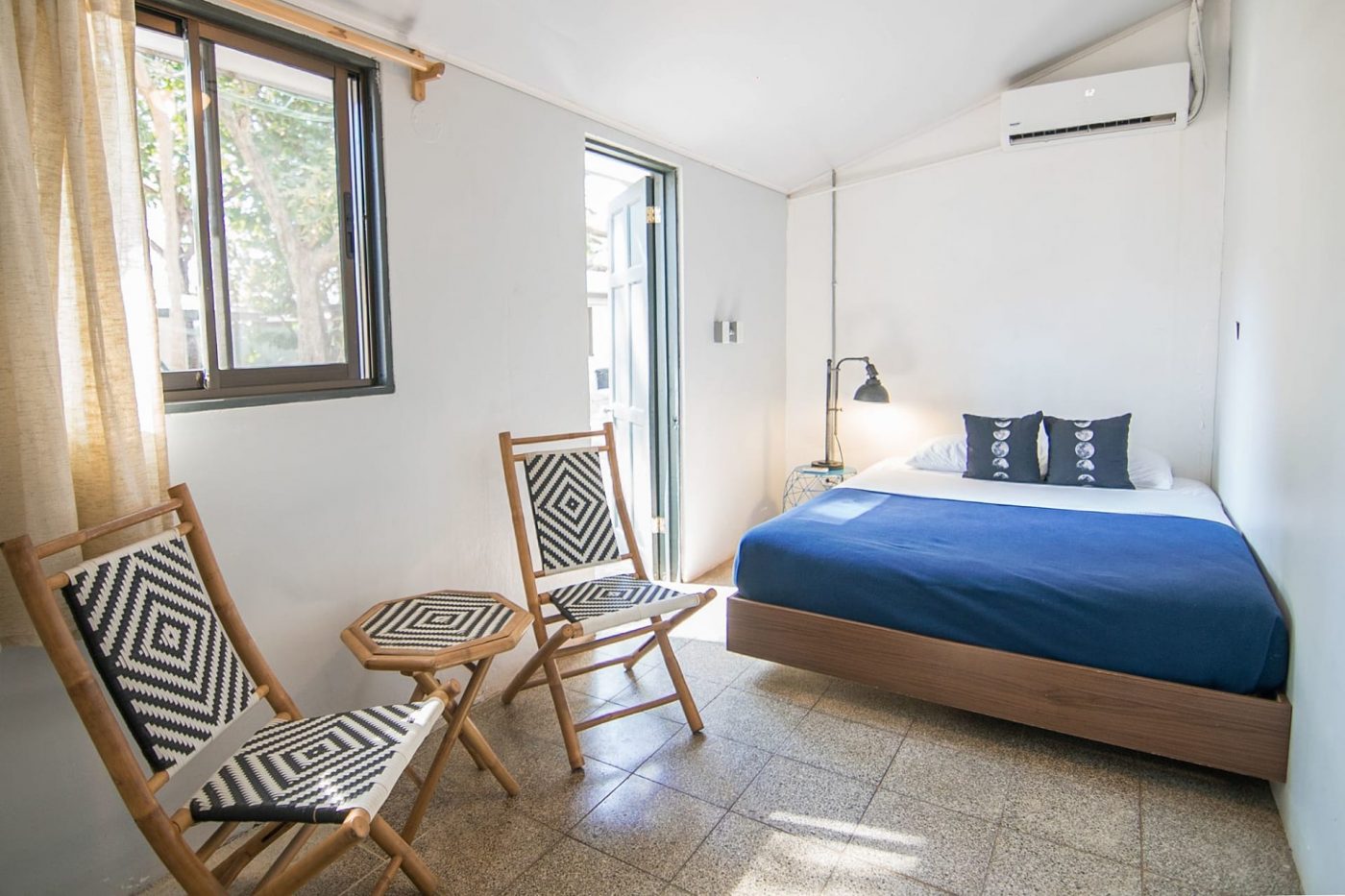
For the budget-minded, there are several Selina Hotels on the west coast of the peninsula. Selina Nosara is a popular bohemian beach resort that caters to backpackers with dormitories as well as budget travellers, with private rooms. Set out nicely for everyone to mingle, there are lots of communal areas and an onsite vegan-friendly cafe. They also have a similar offering near Playa Santa Teresa, with dorms, private rooms, an outdoor pool, shared communal kitchen, and included breakfast, as well as a popular hostel and digital nomad hub in Tamarindo.
Mid Range:
Amor de Mar, Montezuma
Amor de Mar is a wonderful boutique eco-hotel that helps respect the local ecosystem and benefits the local community. They offer traditional rooms and villas in Montezuma Beach for short or long stays. There’s also a restaurant and several wellness options, including yoga classes and a spa. Most of the rooms have a patio or a balcony with a stunning view of the water.
Jardin Del Eden, Tamarindo
This boutique hotel is located just a few steps away from the popular Tamarindo Beach and is surrounded by beautiful tropical gardens. Jardin del Eden offers guests a relaxing, eco-friendly atmosphere committed to using local materials, solar heating, and eco-friendly toiletries. This is an adult-only resort, with 46 rooms ranging from $180-$450 USD a night.
Luxury:
Lagarta Lodge
Built on the concept of “living in harmony with nature,” it’s an award-winning sustainable tourism concept. They offer 36 suites to choose from, with views of the jungle or ocean. Onsite are the Restaurant Chirriboca and the Sunset Bar, and a wine cellar available for romantic dinners. Adjacent to the lodge is Reserva Biologica, where guests can join a guided tour or freely explore the nature reserve.
Mikado Natural Lodge, Playa Avellanas
Nestled among the tropical trees, Mikado Natural Lodge offers 6 private bungalows and a luxe infinity pool. Private terraces and large windows boast panoramic views that make you feel like you’re in a treehouse. There’s also a private chef for hire on-site with rooms starting at USD $279 per night.
Where to Eat: Best Restaurants in the Nicoya Peninsula
There are so many restaurants to choose from across all the towns – these are some of our favourites:
Mycelium in Playa Avellanas
Chef Kamu’s culinary gem in Playa Negra, this fusion of Asian flavours defies the norm, offering a refreshing alternative to the usual coastal cuisine. Amidst Guanacaste’s beauty, Mycelium is a must-visit foodie experience for those craving a unique gastronomic adventure. Cocktails are also a must!
La Luna in Nosara
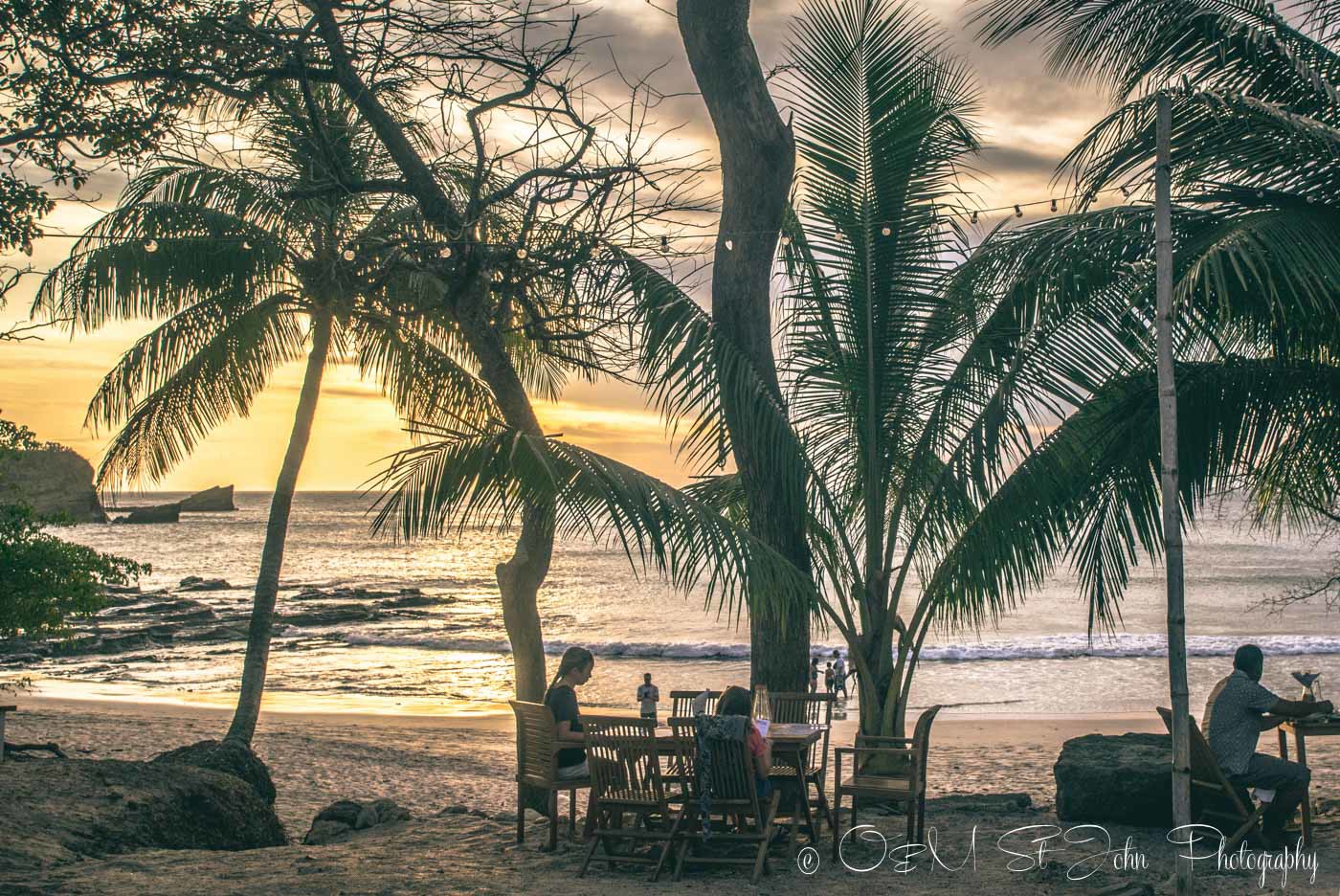
While not the cheapest spot to dine in town, it’s worthy of a splurge for a special occasion. With a Mediterranean feel, La Luna has incredible views of the coast and is a popular place for upmarket local food. Order a cocktail as the sun sets, and don’t forget about the fresh seafood for a truly indulgent meal.
Dragonfly Bar and Grill
A long-time favourite in Tamarindo, it’s a casual restaurant with romantic mood lighting and a lively atmosphere. They’re known for their consistent service, delicious seafood, sandwiches, and salads, as well as wines, cocktails, and craft beers. They’re open every night.
The Bottom Line
The Nicoya Peninsula is a tropical paradise. Whether you’re exploring nature, learning to surf, relaxing on some of the best beaches in the country, or interacting with the friendly locals, the peninsula is the perfect place to experience Costa Rica.
READ NEXT: The Best Things to do in Costa Rica

