Playa Junquillal Guide: Beach, Surf, Turtles & Hotels (2026)

·

·

·

,

Playa Junquillal is one of the quieter beach finds on Costa Rica’s Guanacaste coast: a long flat-sand crescent with consistent surf, low-tide rock pools, an active sea-turtle hatchery, and noticeably less development than the better-known Tamarindo and Conchal beaches further north. Max grew up in Guanacaste, and Max & Oksana have had Playa Avellanas as their home base since they married there New Year’s 2015. Junquillal is only a 15-minute drive south of Avellanas, and we make the trip often. Max’s family lives in the Avellanas area, and Max attended school in Los Pargos / Playa Negra and Paraíso, so the whole southern-Guanacaste beach strip is familiar territory. This 2026 guide covers what Junquillal actually delivers, how to drive in (including the rough Tamarindo–Avellanas–Junquillal dirt road), the best beach activities, where to stay, where to eat, the Verdiazul turtle conservation work most travel guides miss, and our honest answers to whether Playa Junquillal is worth a day-trip or a multi-night stay, and whether it’s safe.

*This post may contain affiliate links. We may earn a small commission at no extra cost to you. As an Amazon Associate, we earn from qualifying purchases. Read our full disclosure.

Key Takeaways

  • Playa Junquillal is a long flat-sand beach in southern Guanacaste, about a 15-minute drive south of Playa Avellanas and roughly 90 minutes from Liberia (LIR) airport. It sits inside the Nicoya Blue Zone, one of five regions worldwide where people consistently live to 100+.
  • The beach itself is consistent surf with a sandy bottom (better for intermediate surfers than absolute beginners), tide pools at the north end at low tide (excellent for kids), and a working sea-turtle hatchery run by the Verdiazul conservation project.
  • Junquillal is the quieter alternative to Tamarindo and Conchal: fewer hotels, fewer restaurants, far fewer tourists. Best for travellers who want a quiet 1–2 night stay or a half-day trip from a Tamarindo base, not for first-time CR visitors who only have time for one beach.
  • Best for surf-comfortable travellers, families with kids who’ll love the rock pools, and quiet-beach seekers. Skip if you want resorts, nightlife, or beach-club logistics.
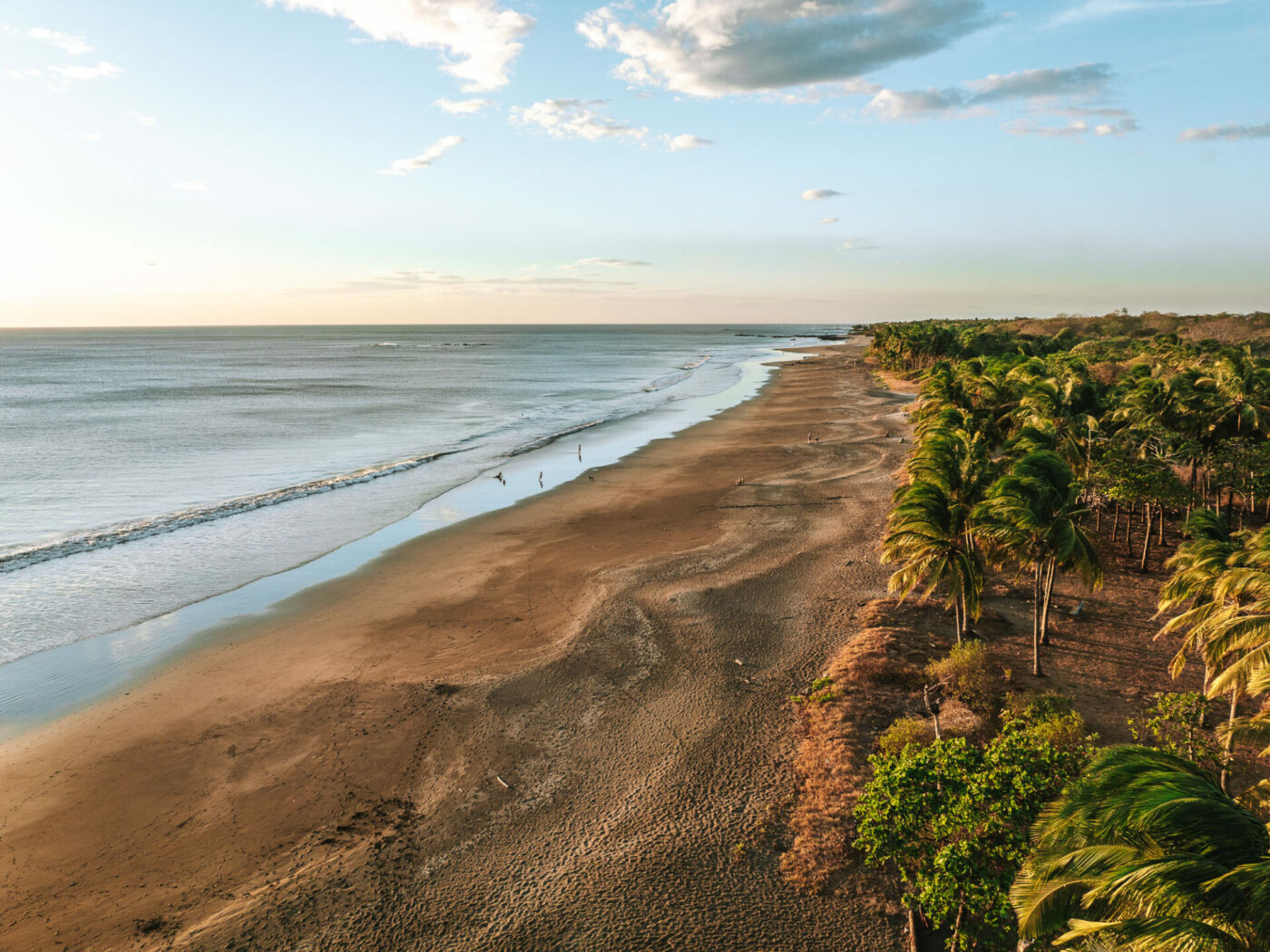
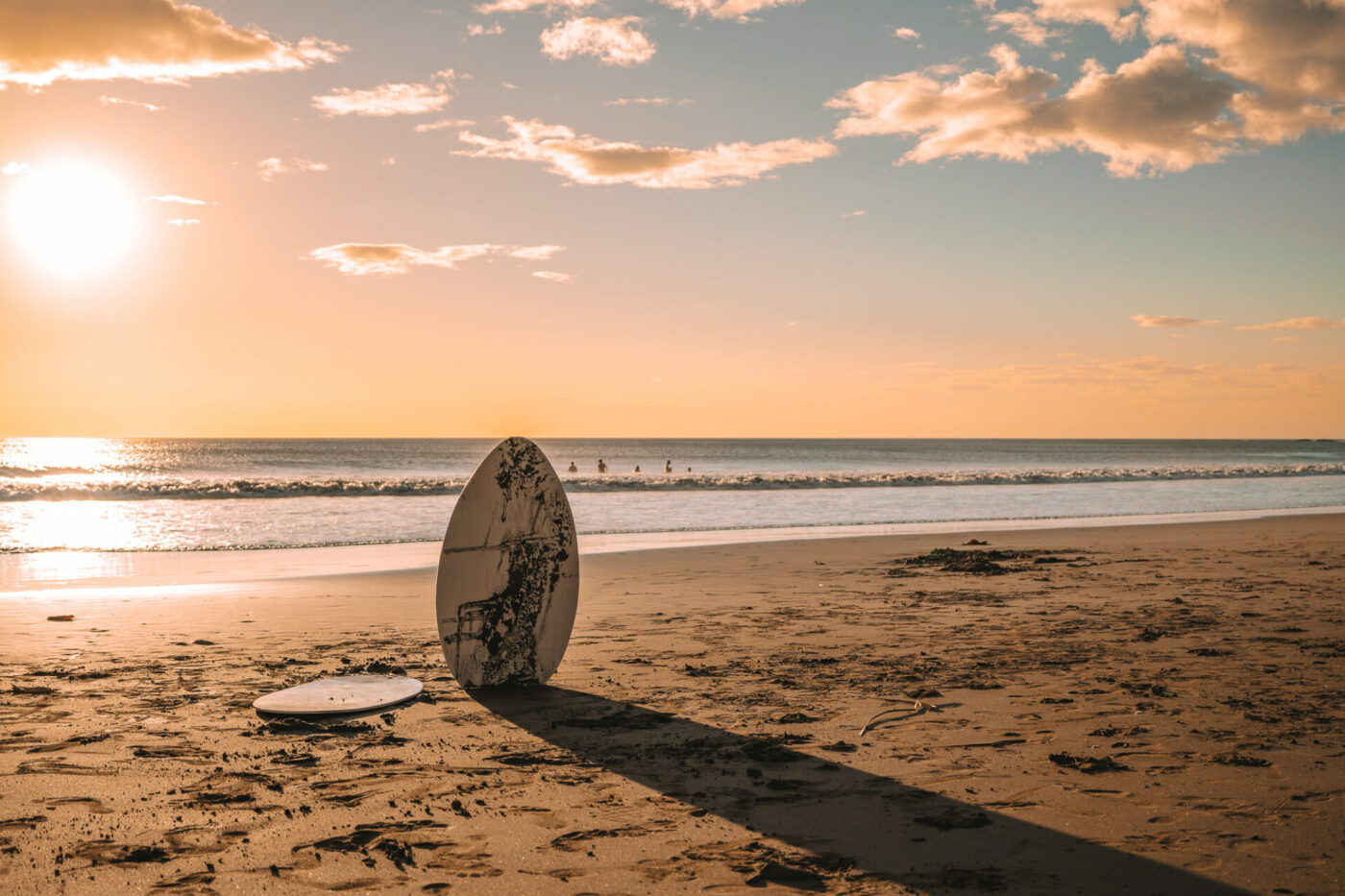
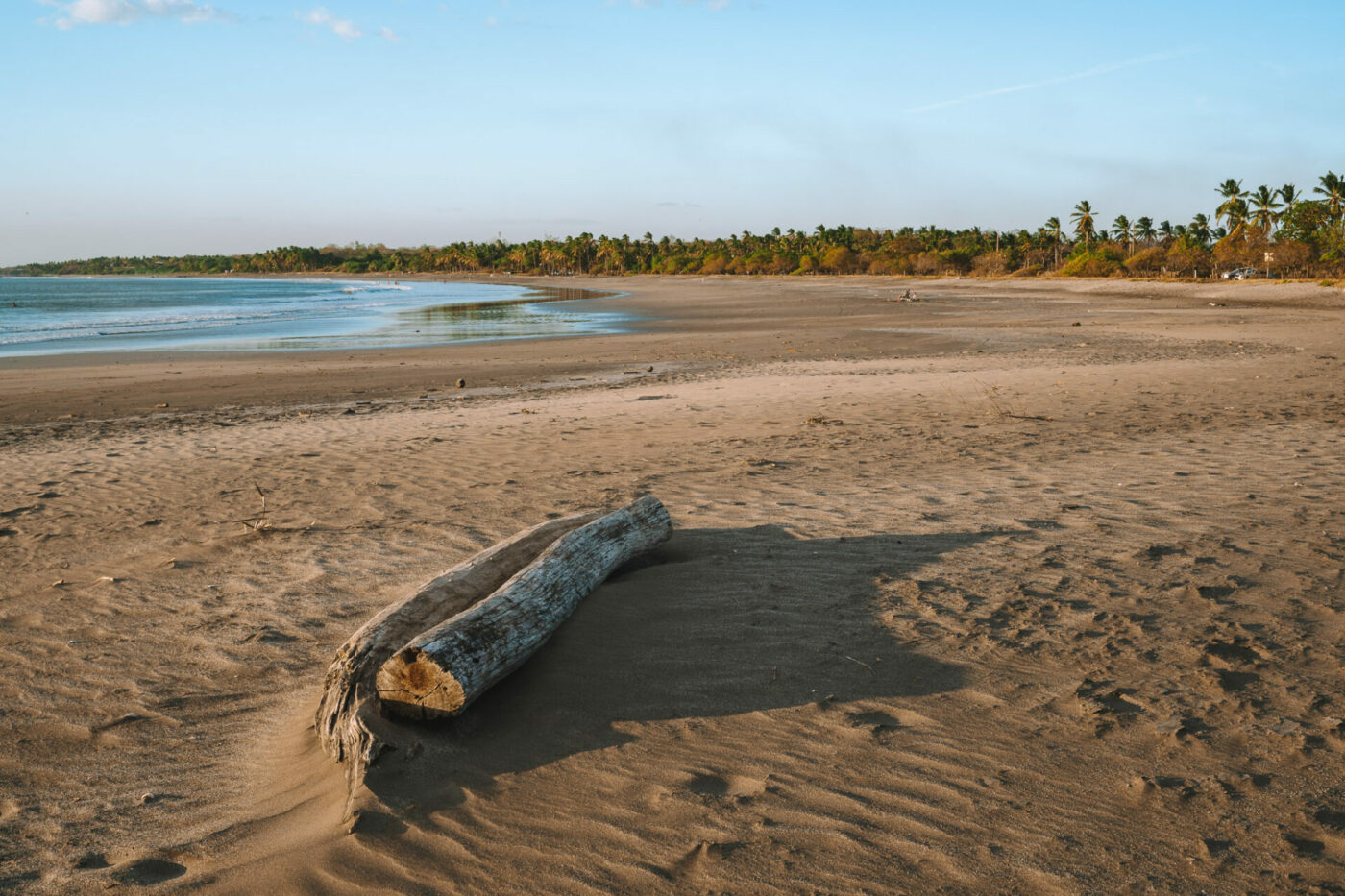
Playa Junquillal in Guanacaste, Costa Rica, long flat-sand beach south of Tamarindo

Playa Junquillal at a Glance

Country / RegionCosta Rica · Guanacaste province · southern Nicoya coast
Blue Zone statusYes. Nicoya Peninsula is one of five documented Blue Zones (Buettner / National Geographic)
Closest international airportLiberia (LIR / Daniel Oduber). ~90 min drive
Closest beach townPlaya Avellanas. ~15 min drive north; Tamarindo ~45–60 min via the same road
Beach characterLong flat-sand crescent, ~2 km of mostly-empty beach
SurfConsistent beach break with sandy bottom; best for intermediate surfers
Family-friendly?Yes, tide pools at the north end at low tide are excellent for kids
Best monthsDecember – April (dry season, best surf, road conditions); May – November (green season, lush, cheaper, fewer crowds, afternoon rain)
Vehicle4×4 strongly recommended year-round, the access roads from Tamarindo south are unpaved
Iconic forQuiet beach · sea-turtle hatchery · tide pools · consistent surf
Recommended staysMundo Milo Eco Lodge (mid-range eco) · Guacamaya Lodge (upscale)

Is Playa Junquillal Worth Visiting?

Yes, if you’re already in Guanacaste and want a quieter, less-developed beach experience than Tamarindo or Conchal. Junquillal works as a half-day trip from a Tamarindo base or as a 1–2 night quiet stay. The beach is long and uncrowded, the tide pools and turtle hatchery give it more variety than a typical surf beach, and Mundo Milo Eco Lodge is one of the better small eco-hotels in southern Guanacaste. Skip if this is your first Costa Rica trip and you only have time for one beach. Tamarindo or Playa Conchal pack more variety per day.

Three honest caveats from our many visits. First, the road in is rough: the dirt stretch from Tamarindo through Playa Negra and Avellanas to Junquillal will rattle anything that isn’t a proper 4×4 in the dry season, and turns into deep mud and washouts after a rainy-season storm. Second, Junquillal is genuinely quiet: if you want restaurants in walking distance, nightlife, or a beach club, you’ll find it underwhelming. Third, the surf is better for intermediates than total beginners; beach breaks are consistent but the lineup is less mellow and less instructor-staffed than Tamarindo or Playa Guiones (Nosara).

Pick Junquillal if you want quiet beach time, the tide-pool and turtle-hatchery angle, and a base for exploring the southern-Guanacaste beach cluster. Pick Tamarindo for first-time-CR convenience; pick Nosara for surf-and-yoga immersion; pick Avellanas for surf-progression without the Tamarindo crowds.

Is Playa Junquillal Safe?

Yes, Playa Junquillal is one of the safer beach stretches on Costa Rica’s Pacific coast. Petty theft from cars at the beach parking is the most common issue, violent crime is rare, the residential character of the area keeps the vibe low-key, and the small expat community keeps the local restaurants and lodges watching out for visitors. The biggest day-to-day risks are oceanic and environmental, not criminal.

Be careful of rip currents. Junquillal has consistent surf and exposed Pacific swell, which means rip currents are common, particularly at mid-tide and on the bigger swell days. There are no lifeguards. If you’re not a confident ocean swimmer, stick to ankle-to-knee depth near the tide pools, never swim alone, and if you do get caught in a rip don’t swim against it (swim parallel to shore until you’re out of the current, then back to the beach).

Don’t leave valuables visible in your rental car at the beach parking. Smash-and-grabs at beach access points are the single most common tourist crime across all of Guanacaste’s quieter beaches including Junquillal. Empty the car at every stop, nothing in the seats, in the boot, or hidden under towels. The parking area is informal (just packed dirt under trees) and not monitored, so don’t leave anything you’d hate to lose.

Wildlife. Howler monkeys are loud overhead but harmless. Iguanas and basilisks (“Jesus Christ lizards”) run across the trails; they’ll dart off long before you reach them. Snakes are rare on the beach itself but possible in the dry-forest behind it; wear closed shoes if you walk the inland trails, particularly in green season. Mosquitoes ease as the dry season progresses but are real in the rainy months, pack repellent. We always travel with SafetyWing travel insurance that covers adventure activities including surfing; standard travel-medical policies often exclude surf-related claims.

How to Get to Playa Junquillal

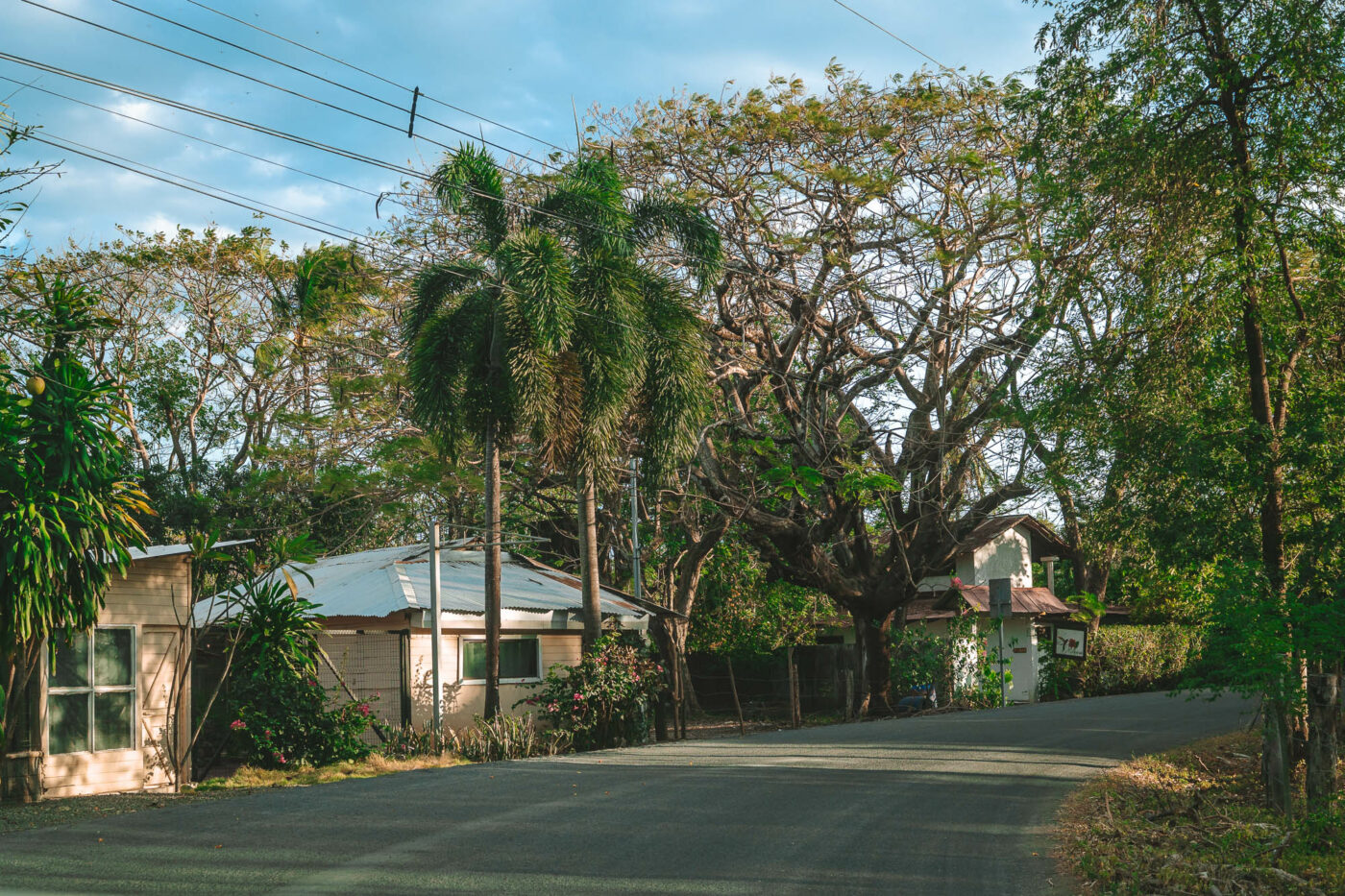
The dirt road to Playa Junquillal in Guanacaste, Costa Rica, the Tamarindo–Avellanas–Junquillal route

By Car (the practical choice for most visitors)

Junquillal is about 90 minutes from Liberia International Airport (LIR / Daniel Oduber Quirós). The fastest route runs south on Highway 21 toward Santa Cruz, then west on the smaller roads through 27 de Abril to Junquillal. About 60 minutes of this drive is paved, the last 30 minutes is unpaved (improving compared to a few years ago but still rough in places).

From Tamarindo, plan for 45–60 minutes via the coastal dirt road through Playa Negra and Avellanas (the route most beach-hoppers use). From Playa Avellanas specifically, Junquillal is about 15 minutes south on the dirt road, we know this stretch well (Avellanas has been our home base since 2015), and it’s the route to take if you want to combine multiple southern-Guanacaste beach visits in one trip.

Our pick for a Liberia rental: Vamos Rent-a-Car

Locally-owned Costa Rica operator. The quoted price includes the mandatory liability insurance, so what you see online is what you pay at pickup, no surprise add-ons at the counter (the standard Costa Rica rental trap).

Liberia (LIR) airport pickup · Free cancellation · 4×4 SUVs available (strongly recommended for the Junquillal access roads)

Check Vamos rates from Liberia airport

With the rental sorted, the next practical question is what the access road south actually looks like, particularly the coastal stretch most beach-hoppers take from Tamarindo. Here’s the honest breakdown from the route we drive regularly:

Driving the Tamarindo–Avellanas–Junquillal Dirt Road (from first-hand experience)
This stretch of road is the practical question every Tamarindo-based visitor faces, and it’s worth a moment of honest framing. The road south of Tamarindo through Playa Negra and Avellanas to Junquillal is unpaved for most of its length. A 4×4 with high clearance is not essentially but recommended in the rainy season (May–November); even in the dry season, a 4×4 makes the drive far more comfortable. Standard 2WD sedans struggle on the corrugated sections. Allow 45–60 minutes Tamarindo–Junquillal in good conditions. add 30+ minutes after a rainy-season downpour. Fuel up in Tamarindo or Santa Cruz before heading south. there are no gas stations on the coastal road. See our Costa Rica road conditions guide for the broader unpaved-vs-paved picture.

By Bus and Shuttle

Public buses serve Junquillal infrequently from Santa Cruz; the connection from San José or Liberia involves multiple transfers and most travellers skip this option entirely. Shared shuttle services from Liberia, Tamarindo, or Santa Cruz are a more practical option for visitors who don’t want to drive, companies including Bookaway-listed operators run scheduled services. Expect USD $50–80 per person for a shared shuttle from LIR, less for shorter Tamarindo runs. Book through Bookaway for Costa Rica-specific routes including the Junquillal stops.

Parking at Playa Junquillal

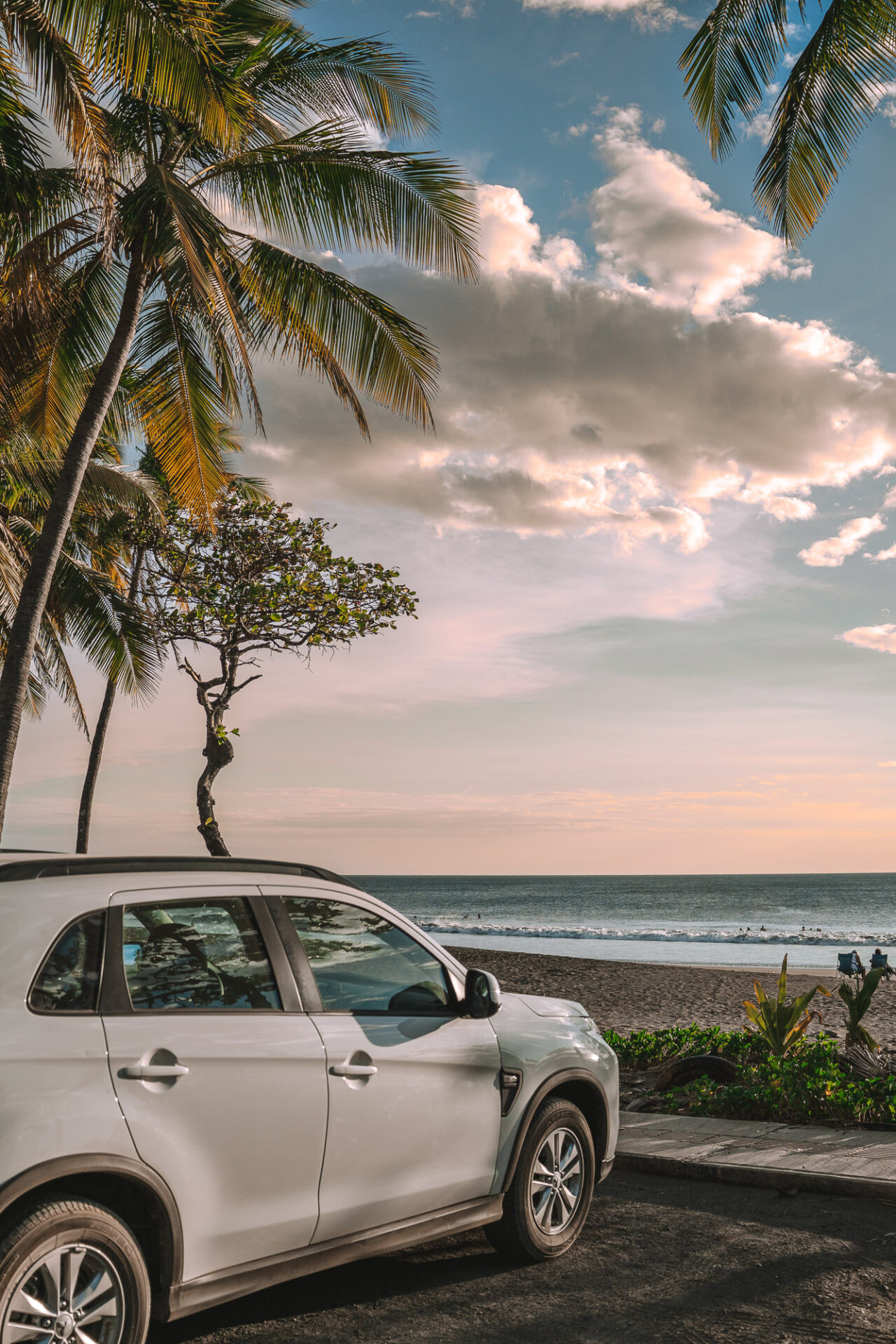
Parking at the Playa Junquillal beach access in Guanacaste, Costa Rica

The beach has an informal parking area under shade trees just before the main beach access. No fee, no attendant, no monitoring. Pull in, park, and follow the short sand path through the dry-forest to the beach. Empty the car completely. nothing visible, nothing under towels. Most visits we’ve made the lot has had only a handful of cars, but the unmonitored character is the reason to be careful regardless of how empty it looks.

Facilities at Playa Junquillal

Minimal beach facilities: no organised lifeguards, no rental kiosks on the beach itself, no beach bar or food vendors at the access point. The nearest restaurants and beach-adjacent hotels are a 5–10 minute drive (or short bike ride) south of the parking area. Bring water, snacks, sunscreen, and any beach gear you need; the closest place to buy more is back in Paraíso or Santa Cruz.

Things to Do at Playa Junquillal

Junquillal is a quiet beach, and the activity menu reflects that, there’s no zipline operator, no big tour scene. The five things below are what we actually did across our multiple visits and what most travellers will spend their time on:

ActivityBest forHalf / full dayNotes
1. Walk the beachEveryoneHalf dayLong flat sand; few people; bring water + sunscreen
2. Surf at the beach breakIntermediate surfersHalf dayConsistent waves; sandy bottom; bring own board or rent in Tamarindo before heading down
3. Visit Verdiazul turtle hatcheryFamilies, conservation-interested visitors (seasonal)1–2 hoursJuly – November nesting season; donation-based; Facebook for current contact
4. Tide pools at the north endFamilies, kids1–2 hours at low tideTime the visit to low tide; bring water shoes
5. Camp on the beachBudget travellers, road-trippersOvernightInformal camping along the beach; no facilities; check current local rules

1. Walk the Long Flat Beach

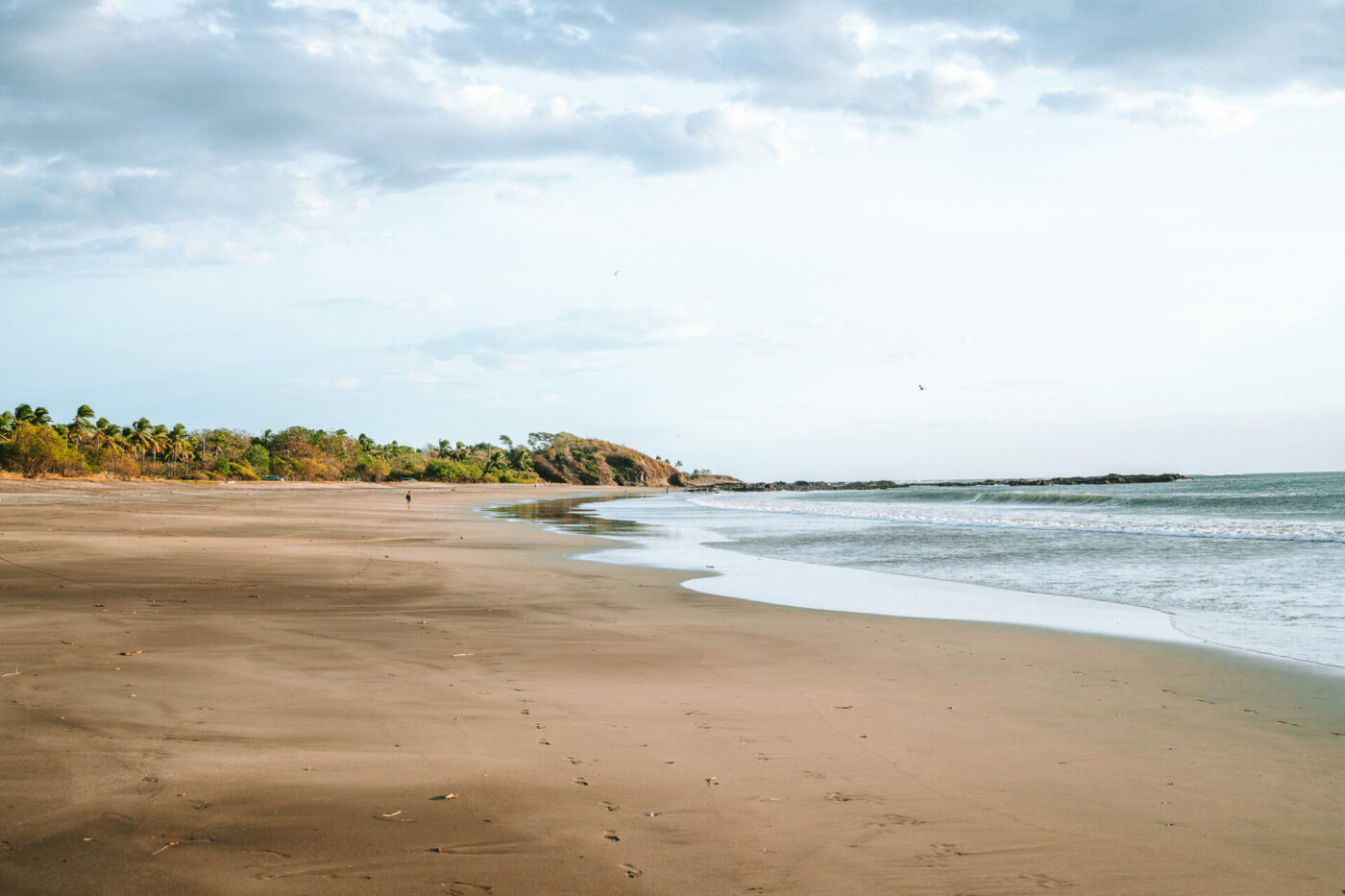
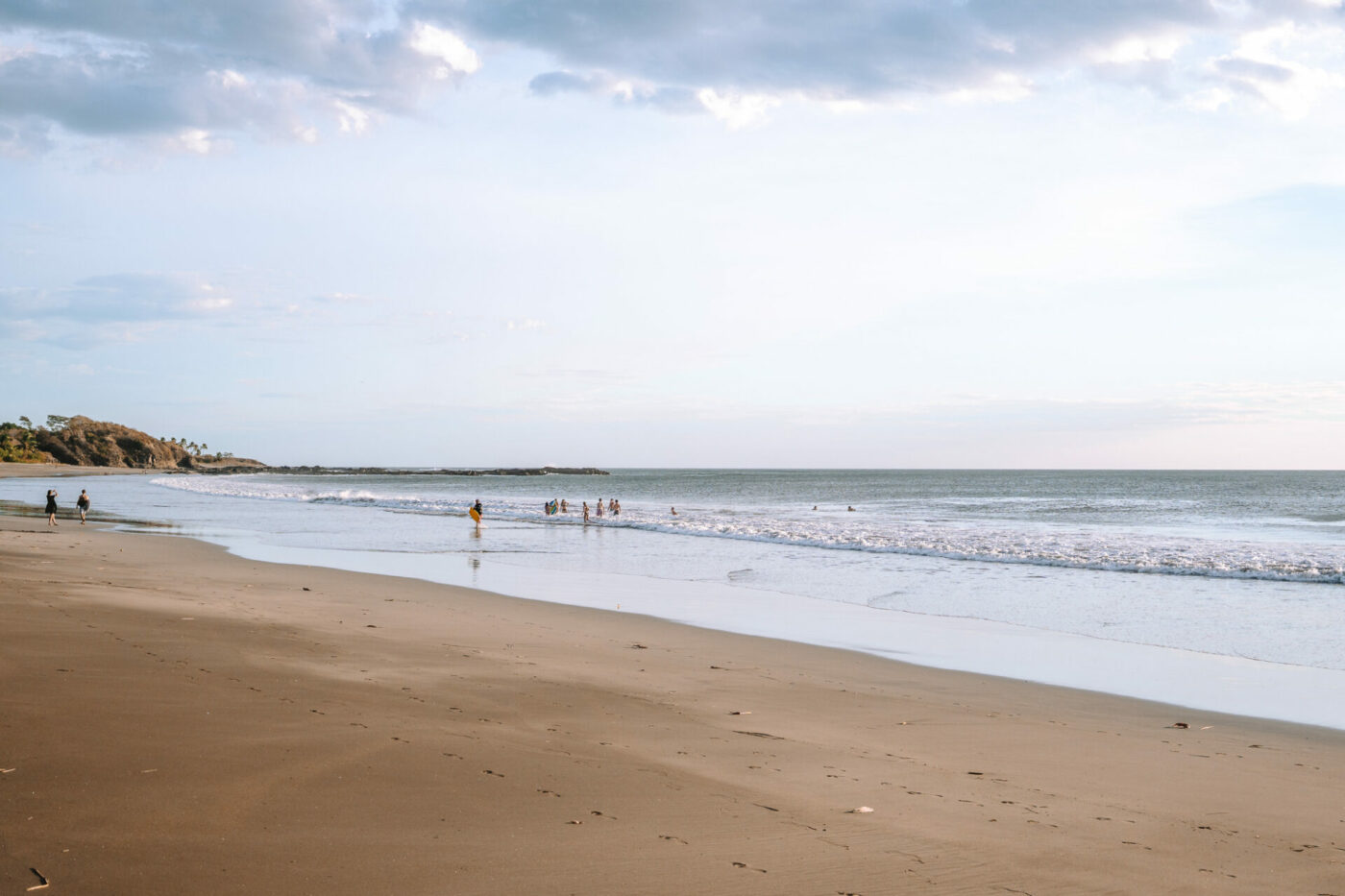
Walking the long flat beach at Playa Junquillal, Costa Rica

The beach itself is about 2 km of mostly-empty flat sand running roughly north-south. Walk the full length and you’ll see a handful of fellow visitors, a few dogs, possibly a horse rider, and almost no commercial development behind the dunes. Start from the parking area and head north toward the tide pools and the Verdiazul hatchery, or south toward the quieter end. The sand stays firm enough for easy walking even at high tide. there’s no need to time the walk to the tide cycle unless you’re heading specifically for the rock pools.

A quieter section of beach at Playa Junquillal. Costa Rica's Guanacaste coast

Bring water, sunscreen, and a hat. there’s no shade on the beach itself and almost no shade options at the parking area. Mid-morning or late afternoon are the best times. midday Pacific sun in Guanacaste is brutal year-round.

2. Surf the Junquillal Beach Break

Surfing the beach break at Playa Junquillal in Guanacaste, Costa Rica

Junquillal is a consistent beach break with a sandy bottom: waves break in multiple peaks along the beach rather than at a single point, which gives surfers room to spread out. The surf is best for intermediate surfers: you’ll find clean shoulder-high to overhead waves on the regular size days and reasonable consistency through the year, but the takeoff zones are less mellow than Tamarindo and the lineup has fewer instructor-supervised beginners.

Absolute beginners are better served at Tamarindo or Playa Guiones (Nosara) where the surf-school infrastructure is well-developed. If you’re already a working surfer wanting a quieter alternative to the Tamarindo crowds, Junquillal is one of the better picks on the southern-Guanacaste coast. Bring or pre-arrange your board in Tamarindo. there’s no full-service surf shop at Junquillal itself.

3. Visit the Verdiazul Turtle Hatchery

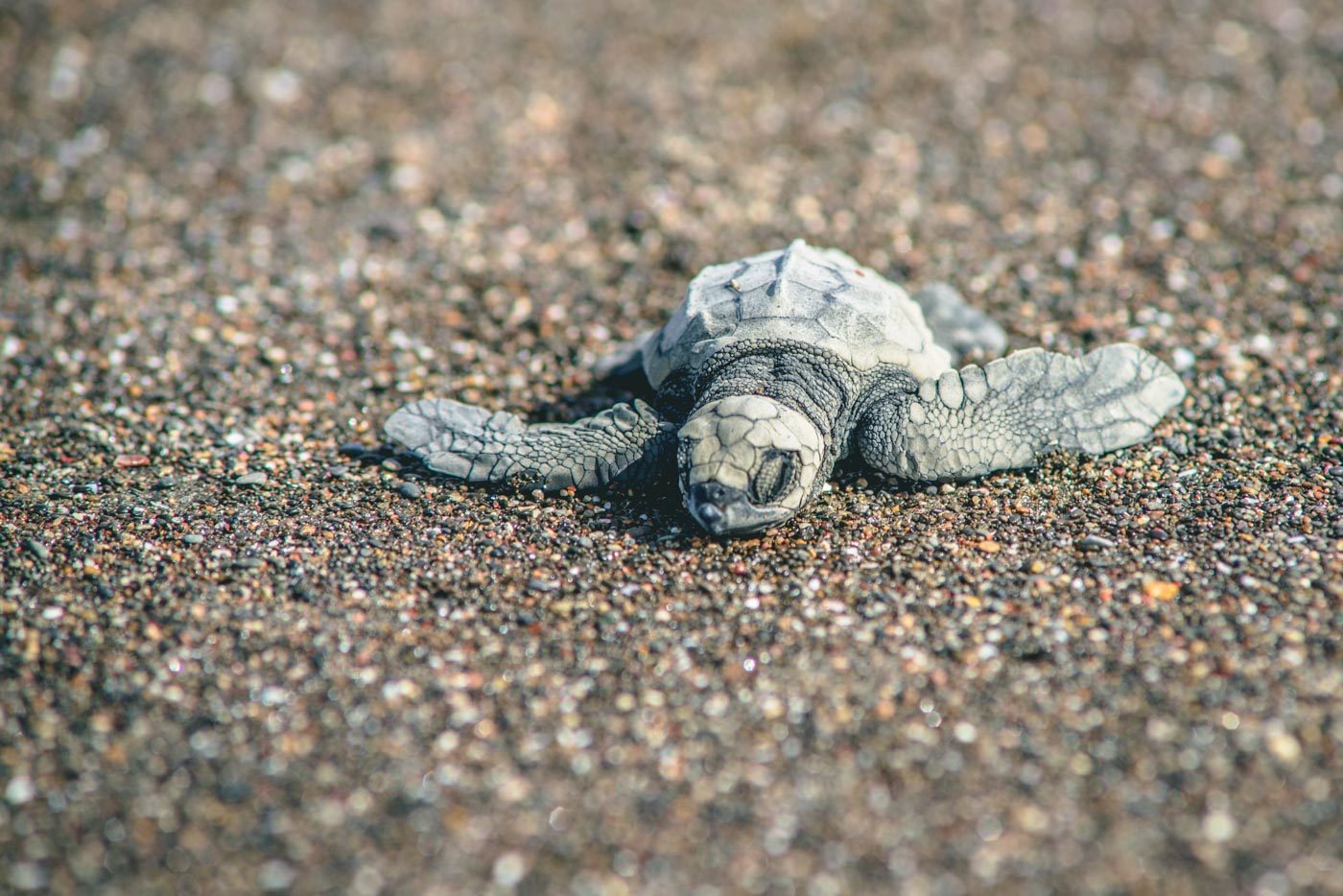
Sea turtle conservation work in Guanacaste, Costa Rica, the Verdiazul hatchery at Playa Junquillal protects nesting Olive Ridley and Pacific Green turtles

The Verdiazul turtle conservation project runs a small hatchery at the north end of Playa Junquillal that protects nesting Olive Ridley and Pacific Green sea-turtle eggs during the nesting season (roughly July through November, peaking August–October). Volunteers collect the nests, relocate them to a protected enclosure on the beach, monitor incubation, and release the hatchlings. Visitors can tour the facility during nesting season, learn about the conservation work, and on lucky evenings witness a hatchling release.

We haven’t done the tour ourselves on our Junquillal visits, but family members of ours in Costa Rica have visited and the work is well-respected on the conservation circuit. The hatchery operates on donations; bring USD or colones to support the project. For current contact and tour timing, search for “Verdiazul Junquillal” on Facebook (their most up-to-date channel) or ask at your hotel reception. The schedule is weather and nesting-dependent and changes year to year. For the bigger sea-turtle event in the area, the Olive Ridley arribada at Playa Ostional further south is one of the world’s largest mass-nesting spectacles and worth a separate visit during the same season.

4. Splash in the Tide Pools

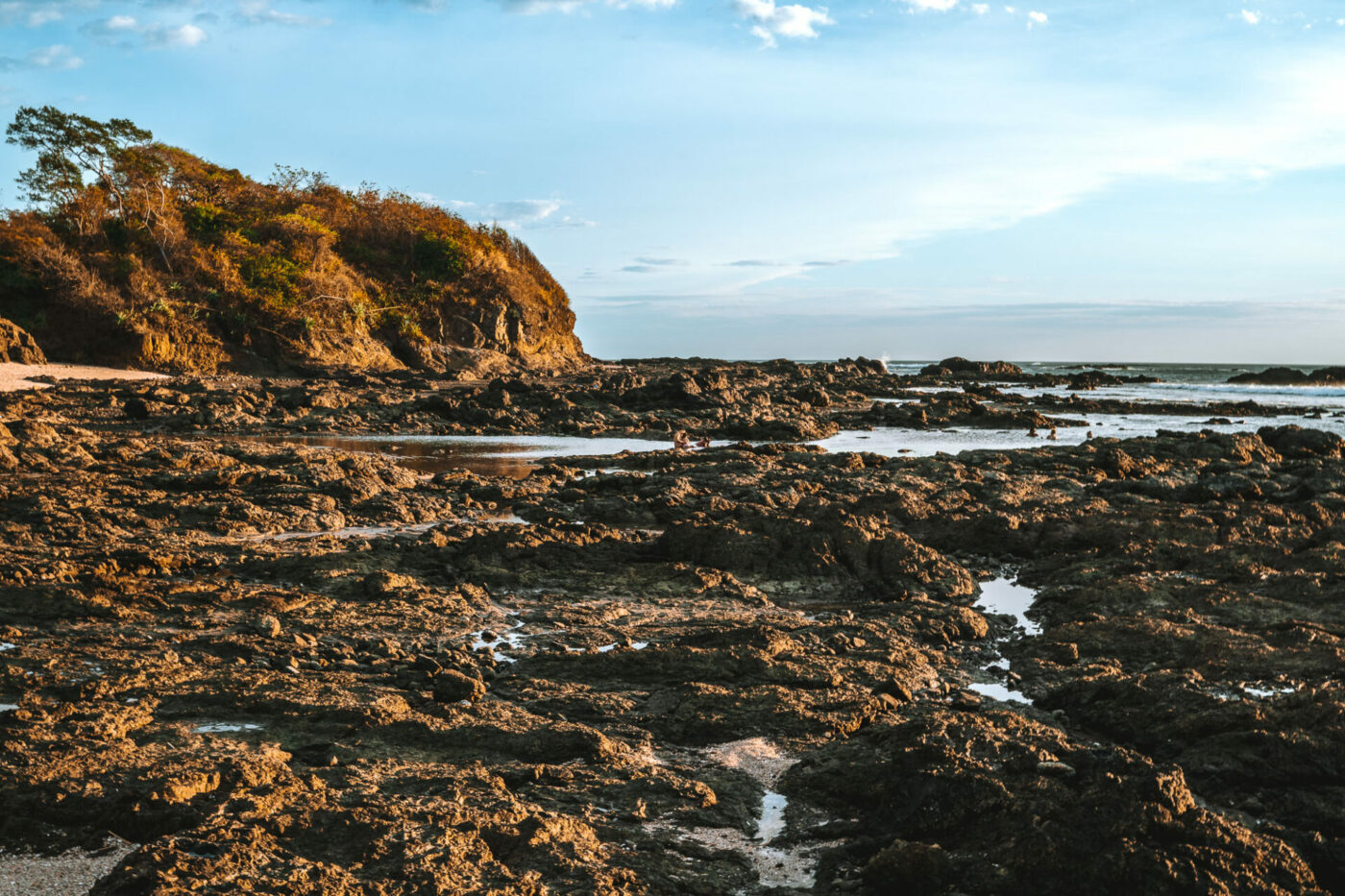
Tide pools at the north end of Playa Junquillal, excellent for families with kids at low tide

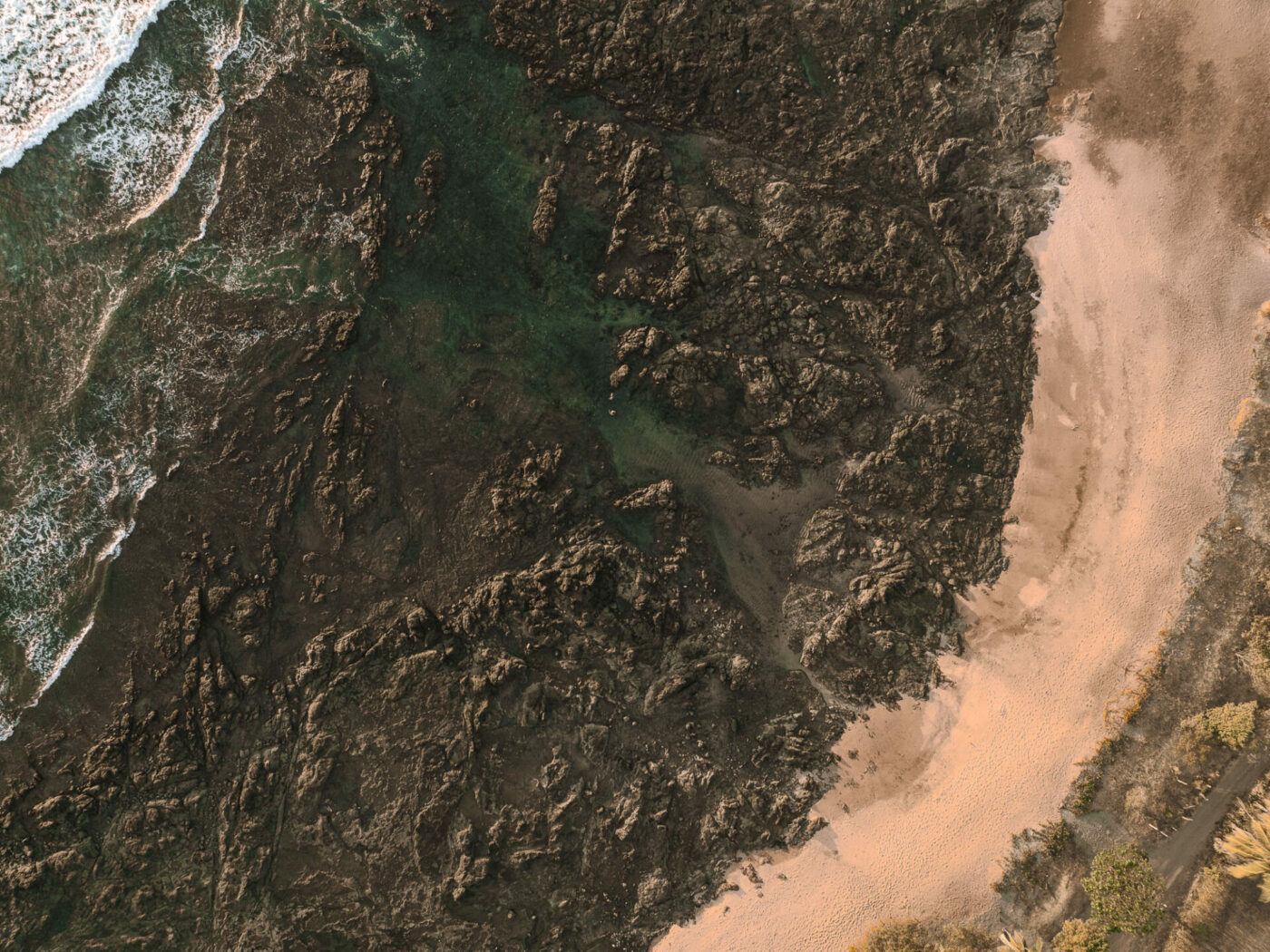
At the north end of the beach, a rocky shelf extends into the surf and forms shallow tide pools at low tide. These are easily the best family-friendly activity at Junquillal. small fish, hermit crabs, occasional sea urchins, and warm-water snorkel-shallow exploration that keeps kids busy for an hour or two. Time the visit to low tide (check a Guanacaste tide chart before you go) and bring water shoes; the rocks are sharp and barefoot exploration ends quickly.

Family-friendly tide pools at Playa Junquillal in Guanacaste, Costa Rica

The tide pools are the answer to the “is Junquillal good for families?” question, they’re the differentiator that makes this beach work for travellers with young kids who wouldn’t get much out of a pure surf-and-beach day.

5. Camp on the Beach

Informal beach camping is possible along the back-beach treeline at Junquillal. there are no organised campgrounds or facilities, but the dry-forest fringe behind the sand has shade and flat ground for tents. Best for budget travellers, road-trippers with overlander vans, and surfers chasing the early-morning sessions. No toilets, no showers, no water; come fully self-sufficient. Check current local rules with someone in the area before pitching. enforcement varies.

Playa Junquillal vs Tamarindo, Avellanas, and Negra

Junquillal sits in a dense cluster of Guanacaste beach towns, and the natural question is how it compares to the better-known options. Quick framing:

BeachVibeBest forDistance to Junquillal
Playa JunquillalQuiet, undeveloped, family-friendly tide poolsQuiet stays, intermediate surf, tide pools
Playa AvellanasSurf-focused, slightly busier, restaurant sceneSurf-progression, day-tripping~15 min north
Playa NegraSurf-village; more intermediate-advanced surfCommitted surfers, surf-camp seekers~30 min north
TamarindoBig beach-town; resorts, restaurants, nightlifeFirst-time CR visitors, beginner surf, easy logistics~45–60 min north

If you’re basing in Tamarindo, Junquillal is a great half-day trip (drive down, walk the beach, lunch at Lochito’s or Tatanka, head back). If you’re basing in Junquillal, day-trips up the coast through Avellanas and Negra are the natural pattern. and Tamarindo’s bigger restaurant scene is an evening option if you want it. The whole southern-Guanacaste-coast cluster works as a 4–5 day exploration if you have the time.

Where to Stay near Playa Junquillal

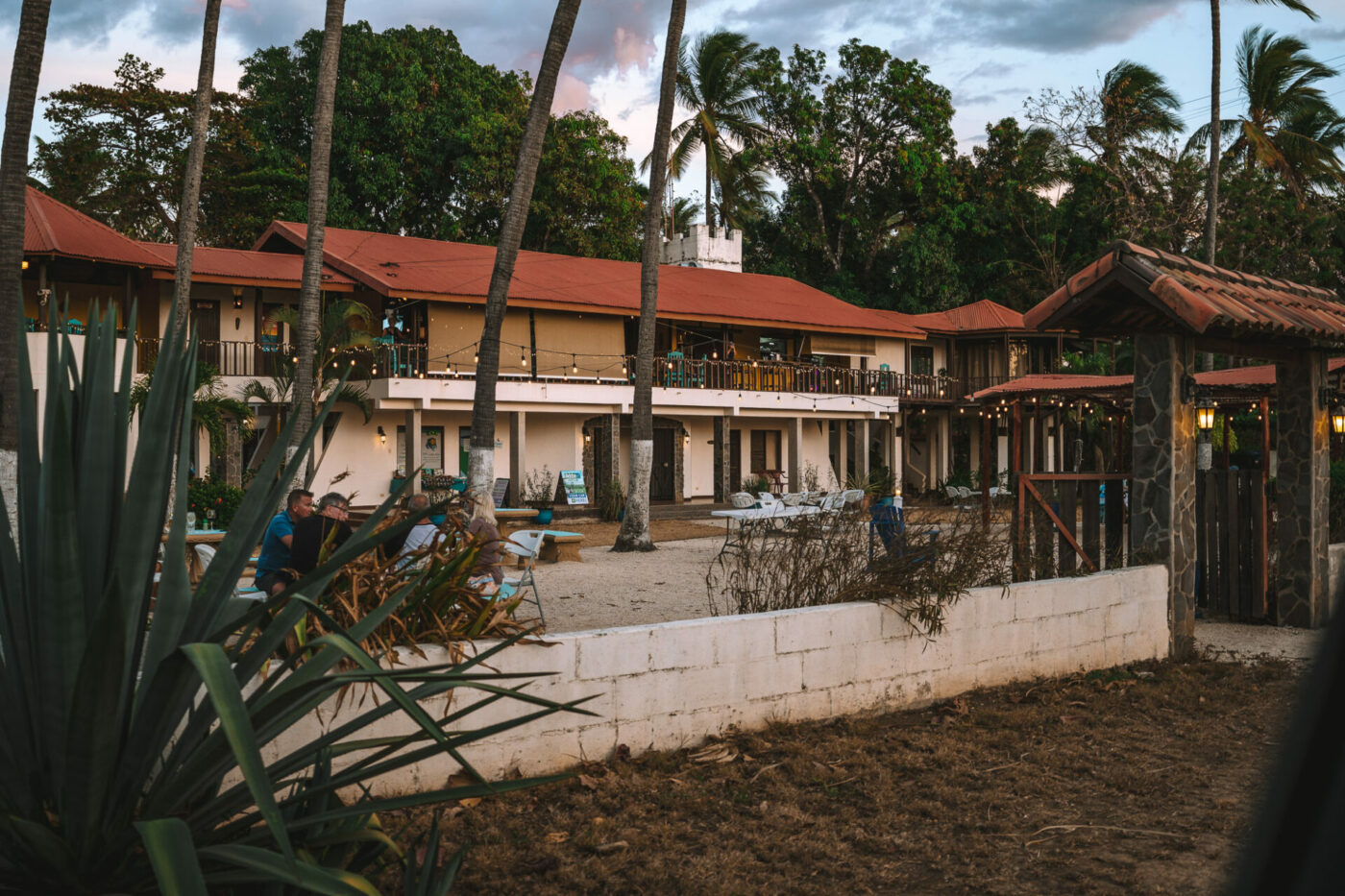
Accommodation at Junquillal is intentionally limited, small eco-lodges and one upscale lodge, no big resorts or chain hotels. The three options below are the ones we’d point friends toward, and Mundo Milo is the standout if you’re searching for “Playa Junquillal eco resort”:

HotelTypeBest forPrice range
Mundo Milo Eco LodgeMid-range eco lodgeEco-conscious couples and familiesMid
Guacamaya LodgeUpscale jungle lodgeQuiet-luxury seekers, couplesUpper-mid to high
Hotel TatankaBudget hotel-restaurant comboBudget travellers wanting on-property diningLow

Mundo Milo Eco Lodge (the standout eco option)

Eco lodge accommodation near Playa Junquillal in Guanacaste, Costa Rica

Mundo Milo Eco Lodge is the answer to the recurring “Playa Junquillal eco resort” search, a small eco-credentialed property a short drive inland from the beach, with thatched-roof bungalows set in tropical gardens, a small pool, organic on-site breakfast, and a genuine eco-lodge feel rather than a marketing-led one. Solar elements, water conservation, locally-sourced food, and a quiet bird-and-monkey-rich setting. Best for couples and small families wanting a comfortable mid-range eco stay; the property has earned strong reviews on the conservation-traveller circuit. Book via Booking.com.

Guacamaya Lodge (upscale option)

Guacamaya Lodge is the upper-end option, a small upscale jungle property with private bungalows, a swimming pool, and an on-site restaurant. Quieter and more secluded than the bigger Tamarindo resorts, with a panoramic position on the slopes above the beach. Best for couples wanting a quiet-luxury beach week away from the Tamarindo crowds. Book via Booking.com.

Hotel Tatanka (budget-friendly with on-site dining)

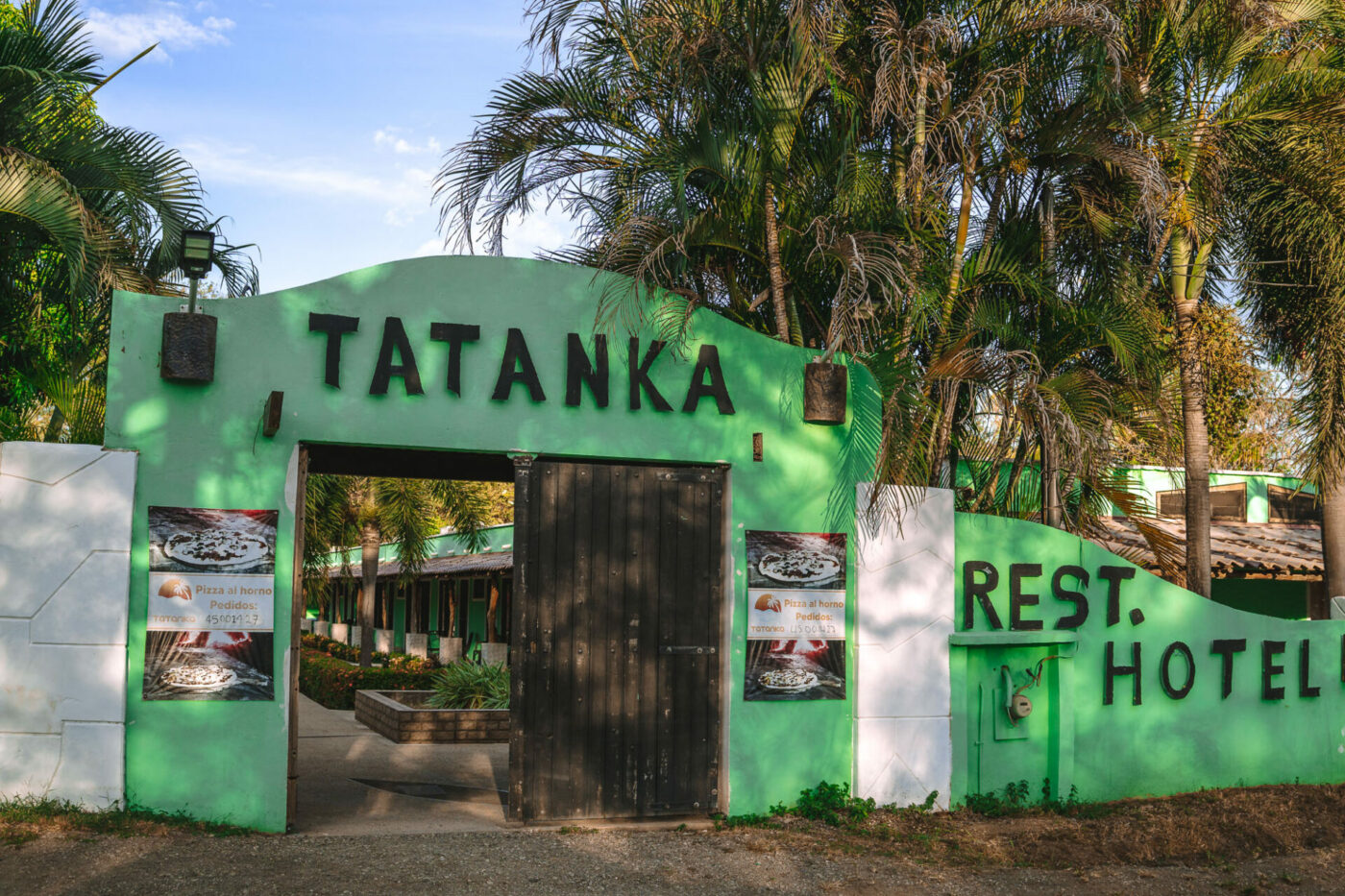
Hotel Tatanka at Playa Junquillal in Guanacaste, Costa Rica, budget-friendly hotel paired with the Restaurante Tatanka

Hotel Tatanka is the budget-friendly option, paired with the popular Restaurante Tatanka on the same property. The rooms are simple but clean, the location is convenient for beach access, and the on-property restaurant means you can walk to dinner. Best for budget travellers and surfers who want functional accommodation with a reliable on-property meal option. Booking via Booking.com.

Where to Eat: Best Restaurants near Playa Junquillal

The restaurant scene at Junquillal is small but solid, three established spots that cover the food range a beach week needs. All three are within a few minutes’ drive of the beach access. nothing here is in walking distance from the parking area itself.

Restaurante Lochito’s

Restaurante Lochito’s is the casual local Costa Rican spot, fresh-caught fish, traditional casados (the rice-beans-protein plate that’s the country’s daily standard), and reasonable prices in a relaxed open-air setting. Best for lunch after a beach morning or a casual dinner. Affordable (USD $10–18 per main).

Restaurante Tatanka

Restaurante Tatanka, paired with Hotel Tatanka on the same property, runs a seafood-leaning menu with reliable fresh fish, ceviche, and the kind of simple-good cooking that suits a quiet-beach week. Open lunch and dinner; the on-property atmosphere is friendly and casual. Mid-range pricing (USD $12–22 per main).

La Flaca Seafood Restaurant

La Flaca Seafood Restaurant in nearby Paraíso (a short drive south of Junquillal) is the area’s standout for fresh-caught seafood. The menu leans heavily on whatever came in that morning. expect grilled fish, ceviche, octopus, and shrimp dishes done well. Mid-range pricing (USD $15–28 per main). Reservations recommended on weekends; the restaurant has built a strong local following and fills up. The kitchen rotates the menu by season and catch, so the exact dishes vary visit to visit.

Frequently Asked Questions

Is Playa Junquillal worth visiting?

Yes, especially for travellers already in Guanacaste who want a quieter, less-developed beach experience than Tamarindo or Conchal. Junquillal is best as a half-day trip from a Tamarindo base or a 1–2 night quiet stay. Skip if this is your first Costa Rica trip and you only have time for one beach.

Is Playa Junquillal safe?

Yes, Junquillal is one of the safer beach stretches on Costa Rica’s Pacific coast. Petty theft from cars at the beach parking is the most common issue, violent crime is rare, and the residential character keeps the vibe low-key. Be careful of rip currents: the beach has strong currents at certain tides and no lifeguards.

Is Junquillal good for families with kids?

Yes, particularly at low tide when the rock pools at the north end of the beach are excellent for kid-friendly exploration. The flat sand is good for walking, the surf is more suitable for intermediate surfers than beginners, and the quiet character suits families wanting a calmer pace. Bring water shoes for the rocks.

What is Playa Junquillal known for?

Junquillal is known for being one of the longer flat-sand beach stretches in Guanacaste, a consistent surf break that’s quieter than Tamarindo or Avellanas, the Verdiazul turtle hatchery that protects nesting sea turtles, and the tide-pool exploration at low tide. It also sits inside the Nicoya Blue Zone: one of five regions worldwide where people consistently live to 100+.

How far is Playa Junquillal from Tamarindo?

About 30 km / 19 mi, roughly a 45–60 minute drive depending on road conditions. The road south of Tamarindo through Playa Negra and Avellanas is partly unpaved and rough in the rainy season; a 4×4 is recommended year-round for this stretch.

Can you surf at Playa Junquillal?

Yes. Junquillal is a consistent beach break with sandy bottom, best for intermediate surfers. Beginners are better served at Tamarindo or Playa Guiones (Nosara) where the breaks are mellower and surf-school infrastructure is more developed. Board rental at Junquillal itself is limited; bring or pre-arrange gear in Tamarindo.

Where is the Verdiazul turtle hatchery?

Verdiazul is a small sea-turtle conservation project at the north end of Playa Junquillal, protecting Olive Ridley and Pacific Green nests during the season (roughly July through November). Visitors can tour during nesting season and sometimes witness hatchling releases. Donations support the work. Search “Verdiazul Junquillal” on Facebook for current contact and tour timing, it’s their most up-to-date channel.

Where should you stay at Playa Junquillal?

Three main options: Mundo Milo Eco Lodge (mid-range eco, the standout if you’re searching for “Playa Junquillal eco resort”), Guacamaya Lodge (upscale jungle lodge), and Hotel Tatanka (budget-friendly hotel-restaurant combo). For more options including resorts, day-tripping from a Tamarindo base broadens the choice significantly.

Do you need a 4×4 to reach Playa Junquillal?

4×4 is strongly recommended year-round, especially in the rainy season. The Tamarindo–Avellanas–Junquillal coastal route is unpaved with several stream crossings; standard 2WD sedans struggle on the corrugated sections and risk getting stuck after rain. The northern Highway 21 → 27 de Abril → Junquillal route is more 2WD-friendly but adds drive time. See our Costa Rica road conditions guide.

Final Thoughts

Playa Junquillal is the quiet alternative to Tamarindo and Conchal, a long flat-sand beach with consistent surf, family-friendly tide pools, and a working turtle hatchery, in a small low-development area inside the Nicoya Blue Zone. From our many visits down the coast from Avellanas, it’s the southern-Guanacaste beach we point friends toward when they want a day-trip escape from busier neighbours or a 1–2 night quiet stay with genuine local character.

If you’re building a wider Costa Rica itinerary around Junquillal, the natural extensions are Playa Avellanas (15 min north), Playa Negra (30 min north), Tamarindo (45–60 min north for the bigger beach-town logistics), Playa Grande (Las Baulas turtle nesting area), Playa Conchal (the white-sand neighbour), the best beaches in Guanacaste guide for the broader cluster, and the complete Nicoya Peninsula guide for the wider region. For travellers interested in the Blue Zone story we touched on in the intro, our Nosara guide covers it more fully. The Verdiazul project at Junquillal and the larger Olive Ridley arribada at Ostional are two simple ways to give back to the destination while you’re in the area.

Have you been to Playa Junquillal, or planning a trip? What’s the one thing about the beach we should mention that we haven’t covered?

READ NEXT: 17 Best Beaches in Guanacaste, Costa Rica

About the Authors

Leave a Reply

Your email address will not be published. Required fields are marked *

This site uses Akismet to reduce spam. Learn how your comment data is processed.