

The road into Playa Avellanas turns to dirt about ten minutes before you arrive, and that single stretch of washboard and dust is the reason this beach still feels the way it does. Fifteen kilometres south of Tamarindo, there is no strip, no nightlife and no supermarket. There is a long crescent of pale sand with a river mouth at one end, a handful of genuinely good restaurants, a surf break that works for beginners and one that very much does not, and howler monkeys that will wake you before your alarm does.
We have used this area as a home base since 2015. We were married on it, Max grew up here as a kid, and his family lives nearby, and in the decade since we have watched Avellanas change more than we expected it to. This guide is what we would tell a friend who called and said they were thinking of coming: how to get here, when to come, where to eat, where to stay, and what this place is honestly like once the day-trippers have driven back to Tamarindo.
Key Takeaways
- A quiet surf beach in southern Guanacaste, not a resort town. Long sand, low development, and almost nothing in the way of shops or services.
- You need a car. There is no bus route worth planning around, and the last stretch of road is unpaved.
- The surf suits both ends of the scale. Gentle beach breaks for learners, and a fast reef break for people who already know what they are doing.
- Come for the quiet, not the convenience. No supermarket, no reliable ATM, and a short list of restaurants you will get to know quickly.
- It is the calmer alternative to Tamarindo. Close enough to visit the town when you want it, far enough that you forget it is there.

Playa Avellanas at a Glance
Playa Avellanas at a Glance
| Where | Southern Guanacaste, Costa Rica’s northern Pacific coast |
| Nearest town | Tamarindo, about 15 km north (25 minutes by car) |
| Nearest airport | Liberia (LIR), roughly 90 minutes by car |
| Best months | December to April for dry-season sun; May to November is greener and quieter |
| Surf | Beach breaks for beginners; Little Hawaii for experienced surfers |
| Services | Restaurants, hotels and surf shops only, no supermarket, no reliable ATM |
| Best for | Surfers, couples and anyone who wants a beach without a town attached |
| How long to stay | Three to five nights, or longer if you are here to surf |
The name is worth knowing before you arrive, because visitors ask about it constantly: avellanas is Spanish for hazelnuts, after the trees that grow through this stretch of coast. It is a small thing, but it tells you something about the place. This is farmland that happens to meet the ocean, not a resort built to a plan.
About Playa Avellanas
Playa Avellanas sits on the southern half of the Guanacaste coast, between Playa Langosta to the north and Playa Negra to the south. It is part of a string of beaches that locals treat as one loose neighbourhood: Avellanas, Lagartillo, Negra, Los Pargos all run into one another, and people who live here move between them without much thought about which one they are technically in.
The beach itself is long, and that length is what makes it work. At low tide you can walk for a couple of kilometres without meeting anyone. There is a river mouth and a strip of mangrove at the northern end, rocks and tide pools at the southern end, and open sand between them. On a weekday in the green season you might share it with a dozen people. On a Saturday in February, closer to a hundred, most of them surfing.

What Avellanas does not have is a town. There is no main street, no bank, no pharmacy and no supermarket. A handful of restaurants, a few hotels, two surf schools and a community centre is close to the complete list. That is either the entire appeal or a dealbreaker, and it is worth being honest with yourself about which before you book. If you want somewhere to walk to at night, Tamarindo is twenty-five minutes up the road and does that far better.
How to Get to Playa Avellanas
Almost everyone arrives by car, and we would recommend planning on one. Public transport to this stretch of coast is thin, the beaches are spread out, and the things worth doing nearby are all a drive away. Comparing rental prices before you fly is usually cheaper than booking at the counter, and a standard car is fine in the dry season.
Driving from Liberia airport
Liberia (LIR) is the practical arrival airport at roughly 90 minutes away. The route runs south through Belen and Huacas toward Tamarindo, then turns inland and south again on smaller roads through Villarreal. The final stretch into Avellanas is unpaved. In the dry season it is dusty and fine in any car. After heavy rain in the green season it develops potholes and a river crossing that is occasionally more than a low-clearance car should attempt, which is when four-wheel drive earns its money. Our full guide to driving in Costa Rica covers what to expect on roads like this one.
Shuttles and taxis
Shared and private shuttles run from Liberia and San Jose to Tamarindo, and most will continue to Avellanas for an extra fare if you arrange it when you book. From Tamarindo itself, a taxi takes about 25 minutes. It is a reasonable way to arrive if you are only here for a few days and plan to stay put, but it leaves you dependent on someone else every time you want to eat somewhere new.
Getting around once you are here
On foot, you can reach the beach and most of the restaurants near it. Everything else. Playa Negra, Los Pargos, the shops in Villarreal, the supermarket run to Tamarindo, is a drive. Some visitors rent an ATV or a golf cart locally, which works well on the flat and is genuinely fun on the dirt roads, though neither is much use if you need to reach Tamarindo in the rain.
Best Time to Visit Playa Avellanas
Guanacaste runs on two seasons. The dry season, roughly December to April, is the reliable one: sun almost every day, dust on the roads, brown hills, and the busiest beaches of the year around Christmas and Easter. The green season, May to November, brings afternoon rain, a landscape that turns genuinely lush, lower prices and far fewer people. Our month-by-month guide to the best time to visit Costa Rica breaks the whole country down if you are still choosing dates.
The local reality has shifted, though, and it is worth saying plainly because most guides have not caught up. Development along this coast has been rapid, hundreds of new houses and gated communities have gone up in the last five years, and with more people living here year-round, most businesses now stay open all year. The old pattern of half the town shutting for the low season has largely gone.
What has survived is a genuine quiet stretch from late October to mid-November. That is the lowest of the low season, and it is the window in which a restaurant might close for a few weeks. There is no published schedule for it and there never has been. It depends entirely on whether an owner feels like taking time off. If you are travelling then, expect the beach largely to yourself and check ahead on anywhere you have your heart set on eating.
Things to Do in Playa Avellanas
This is a beach where the list of things to do is short and the days still fill up. Most of it happens within walking distance of the sand.
Surf the beach breaks
Avellanas is a genuine surf beach and the main reason most people come. For beginners, the two spots worth knowing are the main beach break directly in front of Lola’s, which is forgiving on a small day and close enough to the restaurant that the rest of your group can watch, and the “dead tree” break near the mangrove bridge on the way to Cabinas Las Olas, which is quieter and a good place to make your mistakes with fewer people watching.

At the far end of the scale is Little Hawaii, the fast reef break at the southern end that gives the beach its reputation. It is not a beginner wave and it is not a forgiving one. If you are learning, stay on the sand breaks; if you already surf, this is why you came. Avellanas Surf School runs lessons and board rental on the beach and can tell you which section is working on the day, which is worth more than any guide can be in print.
Spend a day doing nothing on the sand
It sounds like filler advice and it is not. The beach is long enough that a twenty-minute walk in either direction gets you genuine solitude, and the tide pools at the southern end are worth timing a low tide for. Bring water and shade, there is very little natural cover once you leave the treeline, and no one selling anything.

Get out on a paddleboard
The river mouth and the mangrove channel at the northern end are calm when the surf is not, and they are the best paddling on this stretch of coast. Early morning is the window, before the wind picks up. Several of the hotels keep boards for guests, and the surf schools rent them by the hour.

Explore the mangroves by kayak
The same channel rewards a slower look. The mangroves behind the beach are a nursery for a lot of what you see offshore, and an early paddle usually turns up herons, egrets and, if you are lucky and quiet, a crocodile keeping to itself in the shallows. Go with a guide the first time; the channel braids and the tide moves faster than it looks.
Watch for wildlife without leaving the beach
You do not need a tour for this one. Howler monkeys move through the trees behind the sand most mornings and evenings and are impossible to sleep through. Iguanas sit on the fence posts. Magpie jays, parakeets and the occasional trogon work the treeline, and dry-season mornings often turn up coatis crossing the road.

Ride a horse along the sand
The long flat beach is made for it, and late afternoon rides down toward the river mouth are the classic Guanacaste version of this. Several local stables run them, and the hotels can arrange a ride with a day’s notice.

Zip line and go inland for the afternoon
When the surf is flat, the canopy tours in the hills behind the coast are the usual fallback. Pinilla Canopy Tour is the closest, a short drive inland through the cattle country that backs onto the beaches.
Take a yoga class
There is more yoga here than a beach this size has any right to support, which tells you something about who has moved in. Peace Retreat sits back from the beach in the trees, and Playa Negra Yoga runs drop-in classes a few minutes south. Both take visitors, not just retreat guests.

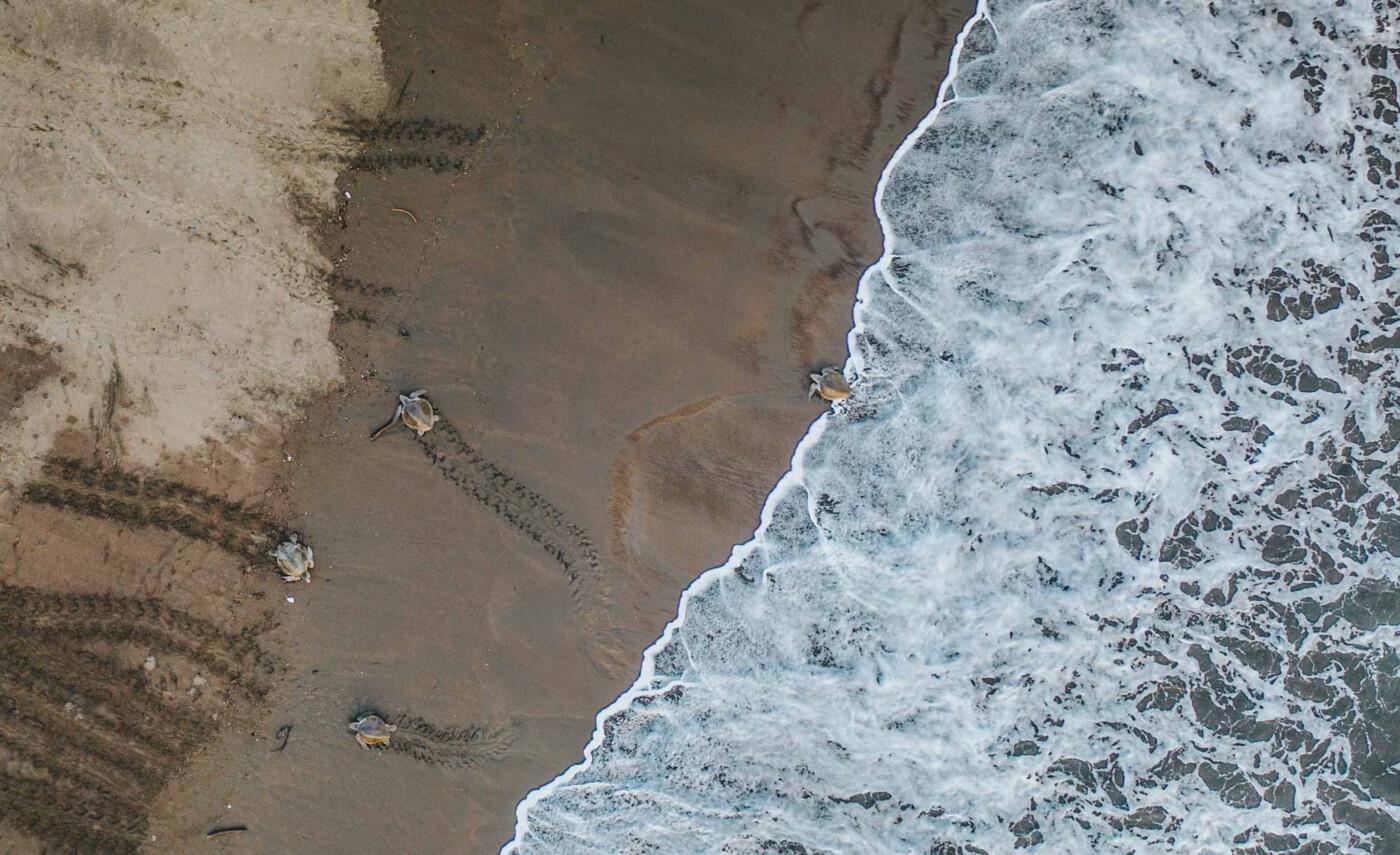
See turtles nesting nearby
Guanacaste’s turtle nesting is one of the genuine spectacles of this coast, and Avellanas is within reach of it. The mass arribada at Ostional is the headline event and deserves its own trip, we have written about witnessing the arribada at Playa Ostional separately. Smaller-scale nesting and hatching happens on beaches much closer to home, and the local conservation groups will tell you when.


Volunteer for a few days
Turtle conservation, beach clean-ups and local school projects all run along this coast and most take short-term help. If you are here for a couple of weeks rather than a couple of days it is a genuinely good use of the time; our guide to volunteering in Costa Rica covers how to pick a project that is actually useful rather than decorative.
Visit the community centre
The old school building has turned into the closest thing Avellanas has to a town square: a cluster of restaurants and an outdoor food court, a few locally owned shops and artisan kiosks, and a rotating programme of classes, workshops and cultural events. It is where you go when you want to be around people for an evening without driving to Tamarindo.
Where to Eat in Playa Avellanas
The restaurant list here is short, and that is genuinely part of the pleasure, you will have eaten at all of them inside a week and you will have a favourite by day three. Every place below was verified as open and trading while we were writing this.
| Restaurant | Style | Known for |
|---|---|---|
| Lola’s | Beachfront, casual | The pig, the smoothie bowls, and the best seats on the sand |
| La Esquina de Avellanas | Local, unfussy | Casados, breakfasts and the best value on the beach |
| La Vida Buena | Neighbourhood restaurant, Playa Negra | Our own favourite dish on this stretch of coast |
| Fuego Blu | Wood-fired, Playa Avellanas | Arguably the best cooking on this stretch of coast |
| Kon Tiki | Pizza, Los Pargos | Our favourite pizza, and the longest-running restaurant here |
Lola’s
Lola’s is the reason a lot of people have heard of this beach at all. It sits directly on the sand with tables under the trees, and it has been the anchor of Avellanas for years. The food is good rather than remarkable and the setting is the point, you eat with your feet in the sand, watching whoever is out on the break in front of you. It gets genuinely busy in the dry season; go early or late, or accept a wait.

La Esquina de Avellanas
La Esquina de Avellanas is where you go for an honest casado without a beachfront markup. It is unpretentious, consistently good and considerably cheaper than eating on the sand, and it is the one locals default to. Breakfast here is a better use of your morning than anywhere else nearby.
La Vida Buena
La Vida Buena is technically down in Playa Negra rather than Avellanas, but the two beaches are close enough that everyone treats them as one place, and it has our favourite dish on this whole stretch of coast. It is worth the ten-minute drive south, and it pairs well with an evening at Playa Negra if you have not been.

Fuego Blu
Fuego Blu is the reopened version of Blue, and it is run by Jose, who is a close friend of our family. That connection is worth declaring, but it is not why it is on this list. The cooking here is, we think, about as good as it gets on this stretch of coast, in the same conversation as Mycelium and Villa Deevena down in Los Pargos. If you are only going to eat somewhere properly once while you are here, make it this one.
Kon Tiki
Kon Tiki is our favourite pizza on the coast and the longest-standing restaurant in the area, open here longer than Lola’s. It is run by Martin and Giovana, who came from Peru and have lived here since the nineties. Max grew up with their children. It sits down in Los Pargos rather than Avellanas proper, which is a ten-minute drive and worth it on any evening you do not feel like cooking.
Where to Stay in Playa Avellanas
Accommodation here is small-scale: a handful of hotels and lodges, no resorts and no chains. Book further ahead than you think for the December-to-April window, because the total number of rooms on this beach is genuinely limited.
| Hotel | Style | Best for |
|---|---|---|
| Cabinas Las Olas | Beachfront cabinas in the trees | Surfers and families who want to walk to the sand |
| Little Hawaii Avellanas | Small, modern, pool | Couples; 100 m from Lola’s |
| Hotel Playa Negra | Round casitas on the beach at Playa Negra | Surfers heading for the Negra reef break |
| Mikado Natural Lodge | Upscale lodge set back inland | A quieter, more comfortable base with a pool |
Whichever you pick, the one thing every option on that list has in common is that you will want your own transport to reach it. Nothing here is walkable from the main road, and the hotels are spread along several kilometres of coast.
There is no useful bus service to this beach, the access road is unpaved, and the supermarket run is a 25-minute drive. A car is not optional here the way it is in Tamarindo.
Book before you fly rather than at the counter, and take four-wheel drive if you are travelling in the green season.
What You Need to Know Before You Go
A few practical things catch people out, and all of them are easier to deal with before you arrive than after.
There is no supermarket and no reliable ATM. Stock up in Tamarindo, Villarreal or Santa Cruz on the way in, and bring more cash than you think you need. Cards work at the hotels and the main restaurants; they are less dependable everywhere else. Our guide to Costa Rica currency covers what to carry and in which currency.
The road matters. The final stretch is unpaved, and how much that matters depends entirely on the season and on how much rain has fallen that week. Ask your hotel about current conditions before you commit to a low-clearance car in the green season.
Bring what you need for the sun. There is very little shade on the beach and nowhere selling sunscreen, hats or water once you are on the sand.
Plan around the tide, not the clock. Low tide opens up the walk south and the tide pools; high tide shortens the beach considerably at the northern end. Any of the surf shops will tell you the day’s tides.
If you are still working out entry paperwork, insurance or the shape of a wider trip, our Costa Rica entry requirements guide and round-up of things to do in Costa Rica are the places to start.
Playa Avellanas vs Tamarindo: Which Should You Choose?
This is the decision most people are actually making, and the honest answer depends on what you want your evenings to look like.

Tamarindo has the infrastructure: restaurants in every direction, bars, surf shops, tour operators, banks, a supermarket and a genuine nightlife. It is easy, it is well set up for visitors, and if it is your first trip to Costa Rica it removes a lot of friction. It is also busy, built up and considerably louder, and the beach reflects that.
Avellanas has almost none of that, which is the point. You trade convenience for quiet and for a beach that still empties out. Given the choice we take Avellanas every time, it is simply more our speed, but we live here, we have a car, and we are not trying to fit a week’s holiday into somewhere that requires planning. A fair way to split it: stay in Tamarindo if you want a town, stay in Avellanas if you want a beach. If you decide to base yourself up the road instead, the best hotels in Tamarindo is the place to start.
Nearby Beaches and Day Trips
Almost nobody visits just one beach in Guanacaste, and Avellanas makes a good base for working through the rest of them.
Playa Negra is the immediate neighbour to the south and the one you will end up at most often, a reef break, a couple of good places to eat, and the same low-key feel. Playa San Juanillo further south is one of the prettiest small beaches on the peninsula. Playa Conchal, north past Tamarindo, has the crushed-shell sand that ends up on every postcard. Nosara is a longer drive south and a different world again, a surf-and-wellness town with its own strong pull. Our guide to the best beaches in Guanacaste maps the whole coast.


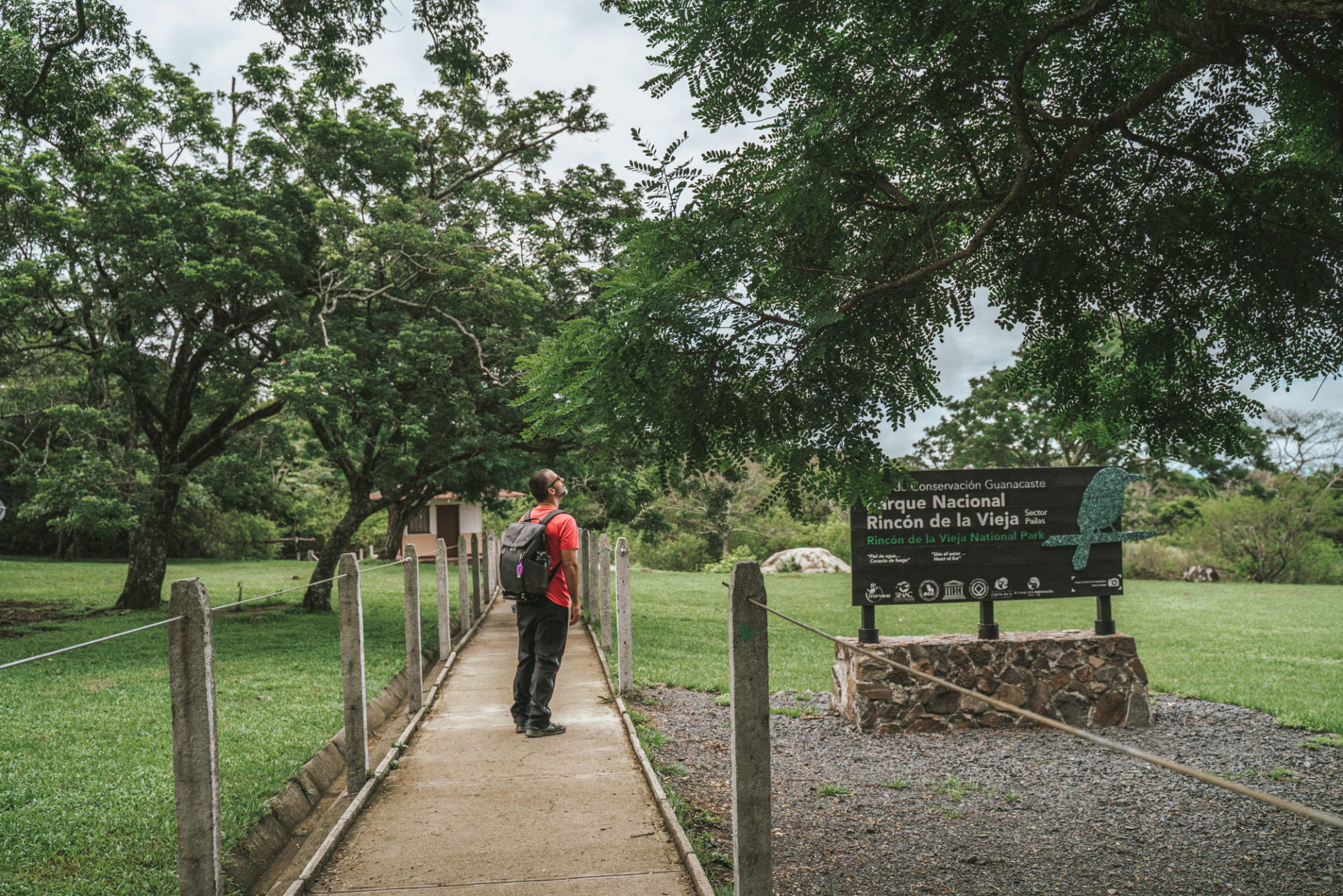
Further afield, Rincon de la Vieja National Park is the big inland day trip, volcanic mud pots, waterfalls and forest, about two hours north. Day trips from Tamarindo covers the rest of what is within reach, since the radius from Avellanas is much the same.
Frequently Asked Questions
Where is Playa Avellanas?
Playa Avellanas is on Costa Rica’s northern Pacific coast in Guanacaste, about 15 kilometres south of Tamarindo and roughly 90 minutes by car from Liberia international airport. It sits between Playa Langosta to the north and Playa Negra to the south.
How do you get to Playa Avellanas?
Almost everyone drives. Rent a car at Liberia airport and allow around an hour and a half, with the last stretch on dirt road. Shuttles run from Liberia and Tamarindo, and a taxi from Tamarindo takes about 25 minutes.
What does “avellanas” mean in English?
Hazelnuts. The beach takes its name from the Spanish word, a reference to the trees that grow in the area.
Is Playa Avellanas good for beginner surfers?
Yes, on the right day. The beach has several breaks across a long stretch of sand, including the main break in front of Lola’s and the quieter “dead tree” break near the mangrove bridge, both of which suit learners. Little Hawaii, the fast reef break at the southern end, does not. A lesson is worth it for reading which section to paddle out at.
How far is Playa Avellanas from Tamarindo?
About 15 kilometres, or roughly 25 minutes by car. The road is partly unpaved and slower in the green season, so allow more time after heavy rain.
Is there a supermarket or ATM at Playa Avellanas?
No. Avellanas is a small beach community with restaurants, hotels and surf shops but no supermarket and no reliable ATM. Bring cash and stock up in Tamarindo or Santa Cruz before you arrive.
When is the best time to visit Playa Avellanas?
December through April is the dry season, with reliable sunshine and the busiest beaches. May through November is greener, quieter and cheaper, with afternoon rain and a rougher access road. Late October to mid-November is the genuine low point and the only time a restaurant is likely to close.
Is Playa Avellanas worth visiting?
If you want a quiet beach with good surf, a handful of genuinely good restaurants and almost no development, yes. If you want nightlife, shops and easy logistics, Tamarindo down the road will suit you better.
Final Thoughts
Avellanas is not a beach that sells itself hard. There is no strip to walk, no view that photographs better than it looks in person, and nothing much to do after dark beyond eat and go to bed early. The pitch is simply that on most days you can walk a long way down a wide beach and not meet anybody, and that a decade in, that has not stopped being the reason we are still here.
It is changing, and it would be dishonest to pretend otherwise, the houses going up behind the treeline are not going to stop. Come while the dirt road is still there. Bring cash, bring a car, and give it longer than a day trip from Tamarindo, because the first afternoon is the one where you are still adjusting to how little there is to do.
Are you heading to this stretch of Guanacaste, or still deciding between Avellanas and somewhere busier? Tell us in the comments, we answer every one.


Leave a Reply