

Our first trip to the Barossa was around 2014, and we’ve been back several times since, most recently in 2023. Each visit we’ve added new cellar doors: a tasting and cheese platter at Artisans of Barossa, the palm-lined drive into Seppeltsfield, old-vine Grenache at Langmeil, and picnic fare and cider from Maggie Beer’s Farm Shop. This guide lists 19 Barossa Valley wineries by town, so you can plan a route, with where to have lunch, how tastings work, how to get around without driving, and where to stay.
Key Takeaways
- Barossa Valley wineries are known for Shiraz, much of it from old vines, plus Grenache, Riesling from the higher Eden Valley, and fortified wines.
- Plan by town. Lyndoch, Tanunda, Seppeltsfield and Marananga, Nuriootpa and Angaston are all within about 20 minutes of each other, so three or four cellar doors a day is relaxed.
- Book ahead at weekends. Many smaller cellar doors now run seated tastings by appointment; the big names still take walk-ins.
- Don’t drive yourself if you’re tasting. A day tour from Adelaide or a local driver takes care of it.
- Lunch is half the day. Maggie Beer’s Farm Shop, Hentley Farm and Seppeltsfield make the Barossa as much about food as wine.

Where Is the Barossa Valley?
| Location | South Australia, north-east of Adelaide |
| From Adelaide | About 70 km (45 mi), roughly 1 hour by car |
| Wineries | More than 150, with around 80 cellar doors |
| Known for | Shiraz, Grenache, Eden Valley Riesling, fortifieds |
| Main towns | Lyndoch, Tanunda, Nuriootpa, Angaston |
| Tasting fees | Free to around A$50; often waived with a purchase |
| Best months | March to May (harvest and autumn), September to November |
| Getting around | Day tour, private driver, bike or a designated driver |
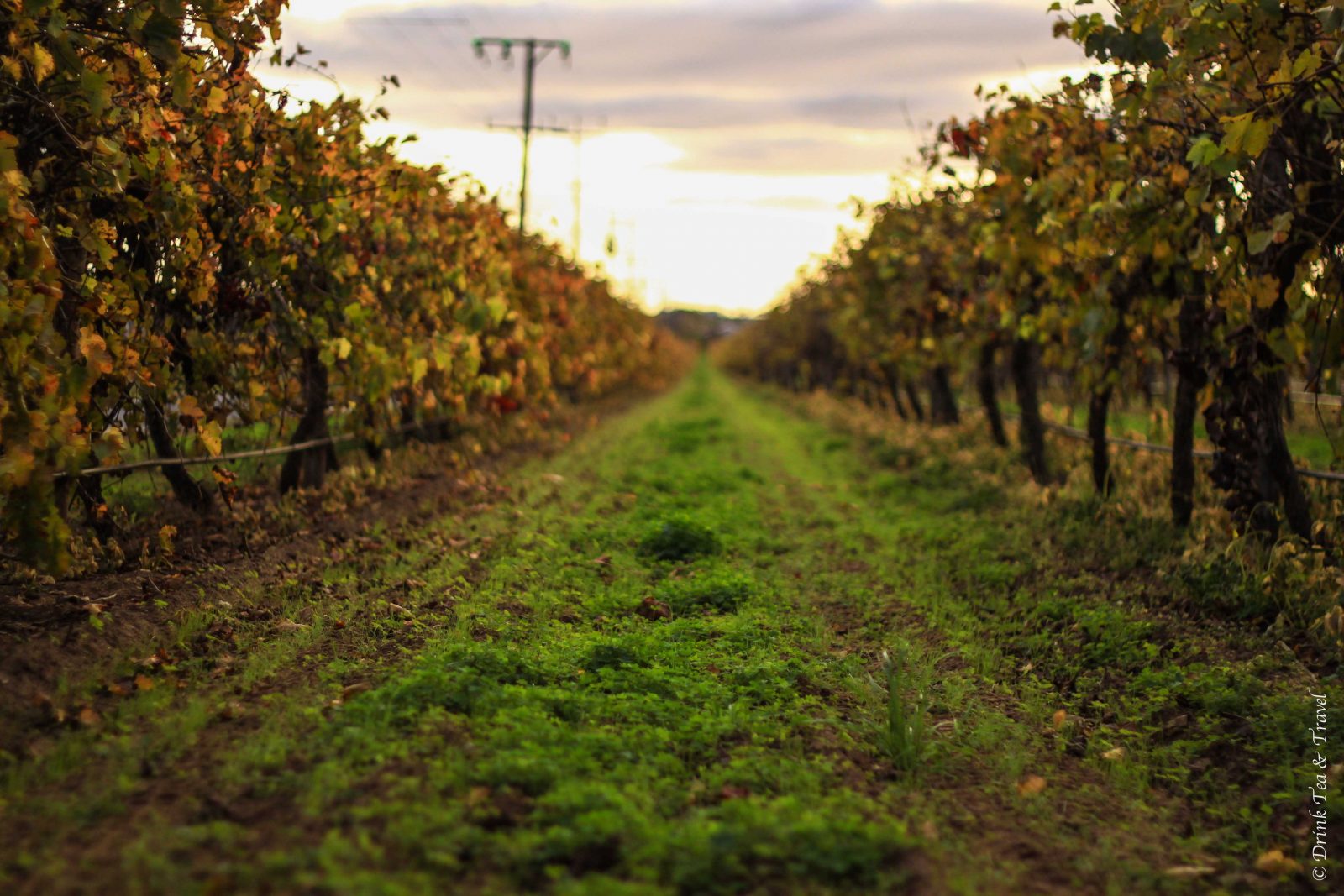
The Barossa is two regions in one. The Barossa Valley floor is warm and produces the rich, full-bodied Shiraz it’s famous for; the Eden Valley, higher in the ranges to the east, is cooler and makes elegant Riesling and lighter reds. German-speaking Lutheran settlers arrived from the 1840s on land that was home to the Kaurna and Peramangk peoples, and their villages, bakeries and bluestone churches still shape the valley. Some vines planted in the 1840s are still producing, which is why “old vine” appears on so many Barossa labels. The official Barossa site lists every cellar door and its hours.
Barossa Valley Wineries at a Glance
The list runs south to north and then east, from Lyndoch up through Tanunda and Seppeltsfield to Nuriootpa and the Eden Valley, so you can pick a cluster and visit three or four without backtracking.
| Winery | Town | Known for | Food on site |
|---|---|---|---|
| 1. Chateau Yaldara | Lyndoch | Historic estate, fortifieds | Cafe |
| 2. Kies Family Wines | Lyndoch | Small-batch, family-run | Cafe |
| 3. Jacob’s Creek | Rowland Flat | The famous name | Restaurant |
| 4. Rockford Wines | Tanunda | Basket-pressed Shiraz | No |
| 5. Langmeil Winery | Tanunda | 1843 Shiraz vines | No |
| 6. Chateau Tanunda | Tanunda | Grand 1890 chateau | Platters |
| 7. Artisans of Barossa | Tanunda | Seven small producers | Platters, lunch |
| 8. Turkey Flat | Tanunda | Rhone-style reds | Restaurant |
| 9. Bethany Wines | Bethany | Family estate since 1852 | Cheese platters |
| 10. Seppeltsfield | Seppeltsfield | 100-year-old tawny | Restaurant |
| 11. Hentley Farm | Seppeltsfield | Degustation dining | Restaurant |
| 12. Greenock Creek | Marananga | Big old-vine Shiraz | No |
| 13. Two Hands | Marananga | Modern single-region Shiraz | No |
| 14. Murray Street Vineyards | Greenock | Small-batch reds | Platters |
| 15. Wolf Blass | Nuriootpa | Big-brand tasting centre | No |
| 16. Elderton | Nuriootpa | Command Shiraz | No |
| 17. Yalumba | Angaston | Family-owned since 1849 | No |
| 18. Henschke | Keyneton (Eden Valley) | Hill of Grace | No |
| 19. Poonawatta | Flaxman Valley (Eden Valley) | Eden Valley Shiraz, Riesling | Platters |
From Adelaide, the drive up to Lyndoch takes about 50 minutes, and the whole valley is only about 30 km (20 mi) from end to end.
Lyndoch and Rowland Flat Wineries
The southern end of the valley is the first you reach from Adelaide, and a good place to start a tasting day.
1. Chateau Yaldara
Chateau Yaldara sits on the North Para River near Lyndoch, in a sandstone estate that looks more European than Australian. Founded by German winemaker Hermann Thumm in 1947, it’s known for fortified wines and easy-drinking reds, and there’s a cafe on site. We’ve visited, and it’s a relaxed first stop coming up from Adelaide.

2. Kies Family Wines
Kies Family Wines is a small, family-run cellar door on Barossa Valley Way, and the Kies family has been growing grapes in the valley since the 1850s. The wines are small-batch, single-vineyard and without fuss, and the tasting is good value. The Monkey Nut Tree Cafe next door is worth a coffee stop; ask how it got its name.
3. Jacob’s Creek
Jacob’s Creek is the name most people outside Australia know, and the visitor centre at Rowland Flat is built for first-timers, with free tastings of a few wines and a restaurant overlooking the creek the winery is named after. It isn’t our favourite Barossa winery for the wine itself, but the double-barrel Shiraz, finished in whisky barrels, is worth trying, and it’s an easy stop with a group.
Tanunda Wineries
Tanunda is the heart of the Barossa, with the most cellar doors within a short drive of one another, plus the best choice of cafes and bakeries.
4. Rockford Wines
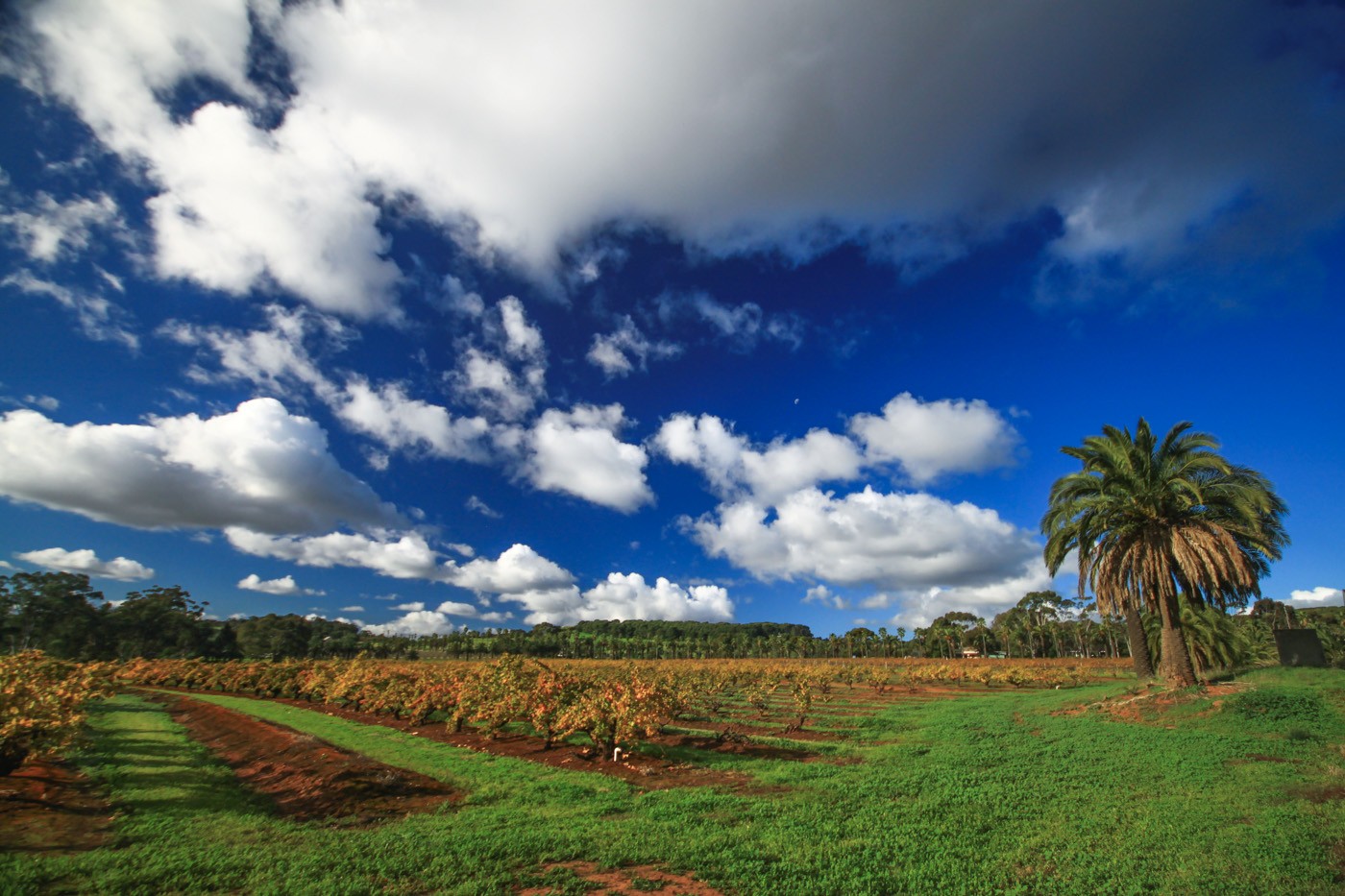
Rockford Wines was founded in 1984 by Robert O’Callaghan and still makes wine the old way, with a hand-operated basket press in the courtyard and old-vine fruit from dry-grown growers. The cellar door is in a small stone building, and it’s one of the best-known in the Barossa for Basket Press Shiraz and Black Shiraz, a sparkling red. Basket Press releases sell out quickly, and harvest in March and April is the time to see the press working.
5. Langmeil Winery
Langmeil Winery, on the edge of Tanunda, is home to the Freedom Vineyard, Shiraz vines planted in 1843 and among the oldest still producing in the world. The cellar door is cosy, and because the old-vine wines are made in small quantities, not everything is open to taste. We particularly enjoyed the old-vine Grenache here.

6. Chateau Tanunda
Chateau Tanunda is the grand bluestone chateau on the edge of Tanunda, built in 1890 and one of the largest cellar-door buildings in Australia. It’s family-owned, the tasting room is set up for groups, and the lawn has a croquet green. Come here for the building as much as for the Shiraz.
7. Artisans of Barossa
Artisans of Barossa is a shared cellar door for a group of small producers who don’t have tasting rooms of their own, including Schwarz Wine Co, so you can try a wide range of boutique wines in one place. We tasted here with a cheese platter, and the view over the vines from the cellar door is part of the appeal. The tasting fee is waived with a purchase.


It’s also one of the easiest places in the valley to turn a tasting into a lazy lunch.
8. Turkey Flat
Turkey Flat Vineyards has been in the Schulz family for six generations, and its Shiraz vines date back to 1847. The cellar door is in an old bluestone butcher’s shop in Tanunda, and the winery is known for Rhone-style reds and rose. There’s a restaurant on site, and the cellar door is dog-friendly.
9. Bethany Wines
Bethany Wines has been run by the Schrapel family since 1852, and its cellar door sits on the hillside above the village of Bethany, just outside Tanunda. The Shiraz and Grenache come from the valley floor and the Riesling from the Eden Valley; add a cheese platter to the tasting. The Barossa Sculpture Park on Mengler Hill, a few minutes away, has one of the best views over the valley.

Seppeltsfield, Marananga and Greenock Wineries
North-west of Tanunda, the road to Seppeltsfield is lined with date palms planted in the 1920s, and this corner of the valley has some of the Barossa’s most famous names.

10. Seppeltsfield
Seppeltsfield is a historic estate founded by Joseph Seppelt in 1851, with bluestone buildings, a restaurant and a Centennial Cellar that holds a barrel of tawny from every year since 1878. The signature experience is tasting a 100-year-old tawny, or one from your birth year. We’ve visited, driving in along the palm avenue, and the estate grounds are worth a walk.

11. Hentley Farm
Hentley Farm sits by Greenock Creek near Seppeltsfield, and its restaurant is one of the most awarded in the Barossa, serving long degustation lunches. The single-estate wines have memorable names: The Beauty, The Beast and The Quintessential. The tasting fee is waived with a purchase, and even if you don’t buy, we think it’s worth it.
12. Greenock Creek Wines
Greenock Creek Wines in Marananga is a small, rustic cellar door with a cult following for big, old-vine Shiraz and Grenache, several of which have scored perfect 100 points from American critics. The focus is squarely on the wine; there’s no restaurant.
13. Two Hands Wines
Two Hands Wines is a newer name, founded in 2000, and one of the most talked-about Barossa producers for modern Shiraz, with a series of wines comparing different regions side by side. The cellar door is in Marananga, and seated tastings are best booked ahead.
14. Murray Street Vineyards
Murray Street Vineyards in Greenock makes small-batch reds from its own vineyards in the northern Barossa, and its tastings come with cheese and platter options. It’s a relaxed cellar door and a good last stop on the western side.
Nuriootpa Wineries
Nuriootpa is the Barossa’s biggest town and home to two big-brand tasting rooms.
15. Wolf Blass
Wolf Blass runs a large visitor centre on the Sturt Highway, where you can taste across the range, from the Yellow Label wines found in bottle shops around the world to the premium Black and Platinum labels. We tasted here, and it’s a quick, easy stop if you want to compare the range side by side.


Penfolds’ Barossa cellar door, just down the road, was one of our early tastings in the valley. It has since closed permanently, and Penfolds now pours at Magill Estate in Adelaide’s eastern suburbs, a 20-minute drive from the city centre.

16. Elderton Wines
Elderton Wines is a family winery right in Nuriootpa, best known for Command Shiraz from vines planted in 1894. Its cellar door is on the main road into town.
Angaston and Eden Valley Wineries
East of the valley floor, the road climbs into the Eden Valley, which is cooler and quieter, with some of the region’s most sought-after wines.
17. Yalumba
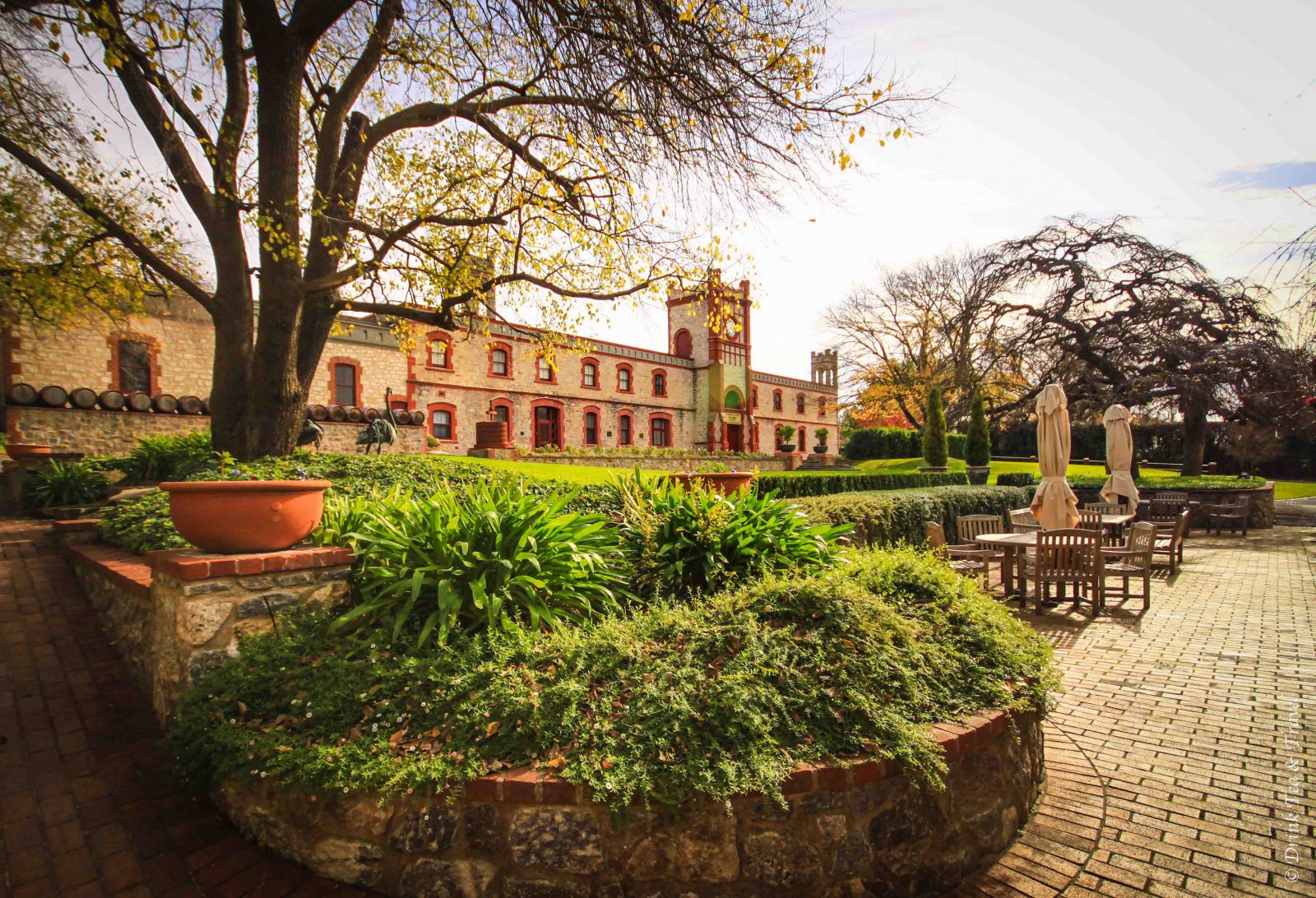
Yalumba in Angaston was founded by Samuel Smith in 1849 and is one of Australia’s oldest family-owned wineries, still run by his descendants. The winery has its own cooperage, and it was the first to plant Viognier in Australia, so try one alongside the Shiraz and Cabernet. The clock tower and stone buildings are worth a look even if you only stop briefly.
18. Henschke
Henschke at Keyneton in the Eden Valley is one of Australia’s most celebrated wineries, run by the sixth generation of the family. Its Hill of Grace Shiraz comes from vines planted in the 1860s and is one of the country’s most collected wines. There’s no restaurant, but the seated tastings walk you through single-vineyard wines and the stories behind them; book ahead.
19. Poonawatta
Poonawatta is a small Eden Valley estate among river gums in Flaxman Valley, working with a block of Shiraz vines dating from the 1880s and making fine Riesling. The tastings come with local cheese, and it’s a quiet, beautiful drive from Angaston.

How Tastings Work at Barossa Valley Wineries
A cellar door is a winery’s tasting room, where you try a flight of wines, usually four to eight small pours. Most charge a tasting fee, from free at the big brands to around A$50 for premium seated experiences, and many waive it if you buy a bottle. Walk-ins still work at larger wineries like Jacob’s Creek and Wolf Blass, but many smaller cellar doors now run seated tastings by booking, particularly on weekends and public holidays. Allow 30 to 60 minutes per tasting, and plan three or four wineries with lunch in the middle. Most cellar doors open from 10 or 11am until 4 or 5pm.
How to Get Around the Barossa Without Driving
South Australia has a 0.05 blood-alcohol limit and random breath testing, so the tasting-day question is who’s driving. A day tour from Adelaide is the easiest answer: it includes pick-up, three or four cellar doors and lunch. Private drivers can be booked in Tanunda, and a few operators rent bikes for the Barossa Trail, a sealed path that links Gawler, Lyndoch, Tanunda, Nuriootpa and Angaston.
The tour we’d pick has 1,500-plus reviews averaging 4.8 out of 5, with pick-up in Adelaide, several tastings, lunch and chocolate.
Door-to-door from Adelaide, with tastings, a long lunch and no one needing to drive.
Full day · Adelaide hotel pick-up · lunch included · rated 4.8/5
If you’d rather drive yourself with a designated driver, the Barossa is an easy hour from Adelaide airport, and a car also lets you combine it with the rest of South Australia.
Compares Adelaide airport rentals in one search, which is the quickest way to a good rate.
Pickup at Adelaide Airport · major suppliers compared · free cancellation on most rates
Barossa Valley Wineries and Cafes for Lunch
Food is as much a reason to visit as the wine. On one trip we picked up picnic fare and a cider at Maggie Beer’s Farm Shop near Nuriootpa, the shop of the South Australian cook famous for her pates, verjuice and quince paste.


For a sit-down lunch, these are the reliable choices.
| Restaurant | Style | Known for |
|---|---|---|
| Maggie Beer’s Farm Shop | Farm shop, picnic | Pates, cheese, cider |
| Hentley Farm | Fine dining | Degustation lunch |
| Seppeltsfield | Winery restaurant | Seasonal lunch after a tawny tasting |
| Artisans of Barossa | Cellar door | Cheese and charcuterie platters |
| Turkey Flat | Winery restaurant | Shared plates in Tanunda |
On an early trip we also had lunch at a cafe called Nosh, a reminder that the valley’s small-town cafes are worth a stop between tastings.

Best Time to Visit the Barossa Valley
Autumn, March to May, is harvest and vintage season: the vines turn gold, the days are mild, and wineries are busy crushing fruit. Spring, September to November, brings green vines and pleasant weather before the summer heat. Summer, December to February, is hot, often above 35C (95F), so taste in the morning and plan a long lunch in the shade. Winter, June to August, is cool and quiet, with open fires in the cellar doors. Barossa Vintage Festival runs in autumn in odd-numbered years.
Two Days in the Barossa
Day 1 (south and centre): Chateau Yaldara or Kies in the morning, lunch at Artisans of Barossa, then Langmeil and Rockford in the afternoon, and sunset from Mengler Hill. Day 2 (north and east): the palm avenue to Seppeltsfield, lunch at Hentley Farm, then either Two Hands and Greenock Creek, or Yalumba and Henschke in the Eden Valley.
Where to Stay in the Barossa
On our most recent trip we stayed at Barossa Valley Apartments in the centre of Tanunda. On our first, we stayed at the Light Pass House, a restored cottage B&B in the hamlet of Light Pass near Nuriootpa, with its own kitchen, though it isn’t listed on the main booking sites. Stonewell Cottages, Barossa House and Jacob’s Creek Retreat are highly rated alternatives around the valley.


| Hotel | Area | Price | Best For |
|---|---|---|---|
| Barossa Valley Apartments | Tanunda | $$ | Where we stayed; self-catering, walk to town |
| Stonewell Cottages | Marananga | $$$ | Couples, vineyard views |
| Barossa House | Barossa Valley | $$ | Breakfast, wineries nearby |
| Jacob’s Creek Retreat | Rowland Flat | $$$ | Luxury, winery estate |
Barossa Valley Apartments
Barossa Valley Apartments is where we stayed on our 2023 trip: self-contained two-bedroom apartments on Murray Street in the middle of Tanunda, with a kitchen, a pool and barbecues. You can walk to the town’s cafes and bakeries, and Langmeil and several other cellar doors are a few minutes’ drive away. It’s a good base for a group or a longer stay.
Stonewell Cottages
Stonewell Cottages are private cottages on a working vineyard near Marananga, a short drive from Seppeltsfield and Two Hands, and one of the best-reviewed stays in the Barossa.
Barossa House
Barossa House is a small, highly rated B&B in the valley, with breakfast included and cellar doors a short drive away.
Jacob’s Creek Retreat
Jacob’s Creek Retreat is a luxury stay on the Jacob’s Creek estate at Rowland Flat, well placed for the southern wineries.
Frequently Asked Questions
How many wineries are in the Barossa Valley?
There are more than 150 Barossa Valley wineries, with around 80 cellar doors open to visitors across the Barossa and Eden valleys.
What is the best winery in the Barossa Valley?
It depends what you want. Henschke and Yalumba for heritage, Seppeltsfield for history and its century-old tawny, and Artisans of Barossa for tasting several small producers in one place.
Do you need to book wine tastings in the Barossa?
At many smaller cellar doors, yes, especially on weekends. Larger wineries like Jacob’s Creek and Wolf Blass still take walk-ins.
How far is the Barossa Valley from Adelaide?
About 70 km (45 mi), roughly an hour’s drive north-east of the city.
How many wineries can you visit in a day?
Three or four Barossa Valley wineries at a relaxed pace, with lunch. Each tasting takes 30 to 60 minutes.
What is the Barossa Valley known for?
Shiraz, especially from old vines, plus Grenache, Eden Valley Riesling and fortified wines, and a food culture shaped by its 19th-century German settlers.
Can you visit the Barossa Valley without a car?
Yes. Day tours run from Adelaide, private drivers work within the valley, and the Barossa Trail is a sealed bike path linking the main towns.
Is the Barossa Valley worth visiting with kids who don’t drink?
Yes. Maggie Beer’s Farm Shop, the Barossa Sculpture Park on Mengler Hill and wineries with lawns and food, like Chateau Tanunda, make it a good family day out.
Final Thoughts
We’ve been coming back to the Barossa for ten years, and there’s still a list of cellar doors we haven’t reached. If you only have a day for the Barossa Valley wineries, pick one cluster, book a seated tasting at a small producer, leave room for a long lunch, and let someone else drive. With more time, the Barossa is the start of a bigger South Australia trip, whether that’s Kangaroo Island, the Flinders Ranges, the Oodnadatta Track, or an Eyre Peninsula road trip with oysters at Coffin Bay. For other wine trips, see our best wine regions in Australia, the Hunter Valley in New South Wales, and, closer to home, the best Canadian wine regions and wineries in Penticton. Which Barossa cellar door would you visit first?

Leave a Reply