

I grew up in Costa Rica, and my family is still there. Between trips, Oksana and I keep coming back, and the dishes I learned from my mom and aunts, gallo pinto in the morning, casado at lunch, end up on our table no matter where in the world we are living that month.
This guide is about cooking those dishes at home. If you are travelling to Costa Rica and want to know what to order at a soda, see our companion guide to traditional Costa Rican foods to try when visiting. This article is for the home cook.
We have tested all 13 of these recipes in our own kitchen, in Costa Rica and abroad, and the notes below come from that. You will find ingredient swaps for what you cannot easily get outside Latin America, the small tricks that make each dish taste right, and links to the recipes we trust. For the official Costa Rican view on the country’s food culture, the Costa Rica Tourism Board gastronomy page is a good starting point.
Key Ingredients in Costa Rican Cooking
Costa Rican food leans on a small set of pantry staples that show up again and again. Stock these and you can cook most of the dishes below without a special trip.
- Salsa Lizano, the essential brown sauce. Comparable to Worcestershire but tangier and sweeter. You can order it online if you cannot find it locally.
- Black beans (frijoles negros), used whole or refried, the backbone of gallo pinto and casado.
- White rice, cooked plain, then mixed with beans. Day-old rice works best for gallo pinto.
- Chayote (Costa Rican squash), used in picadillo, soups, and sides. Substitute with zucchini if unavailable.
- Culantro (recao), similar to cilantro but stronger. The two are used interchangeably in most recipes.
- Achiote paste, adds colour and mild earthiness to arroz con pollo and stews.
- Green plantains, for patacones. They must be unripe (green), not yellow.
Most of these are available at Latin grocery stores. For sourcing in Costa Rica itself, see our guide to Costa Rica grocery stores.
If you want to explore Costa Rican fruits used in drinks and desserts, we have a full guide to those too.
Best Traditional Costa Rican Dishes
Costa Rican cuisine sometimes gets a bad rap for being all about rice and beans, but there is more variety than first appearances suggest. The three dishes most often called the heart of the cuisine are gallo pinto, casado, and arroz con pollo, and all three are below, along with ten more we cook at home regularly.
Whether you like savoury or sweet, and whether you are vegetarian, vegan, or a carnivore, there is a Costa Rican dish here for you.
1. Gallo Pinto
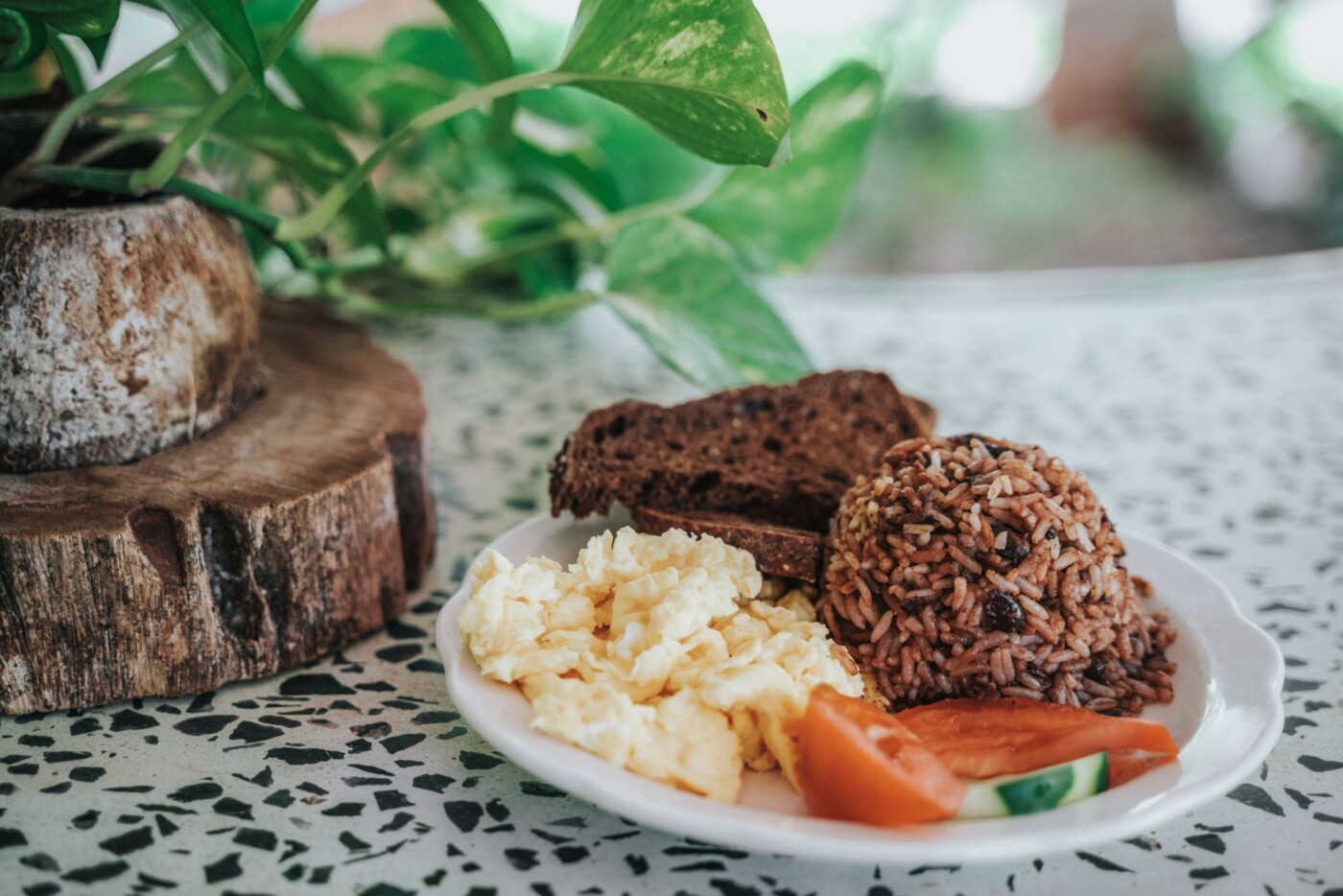
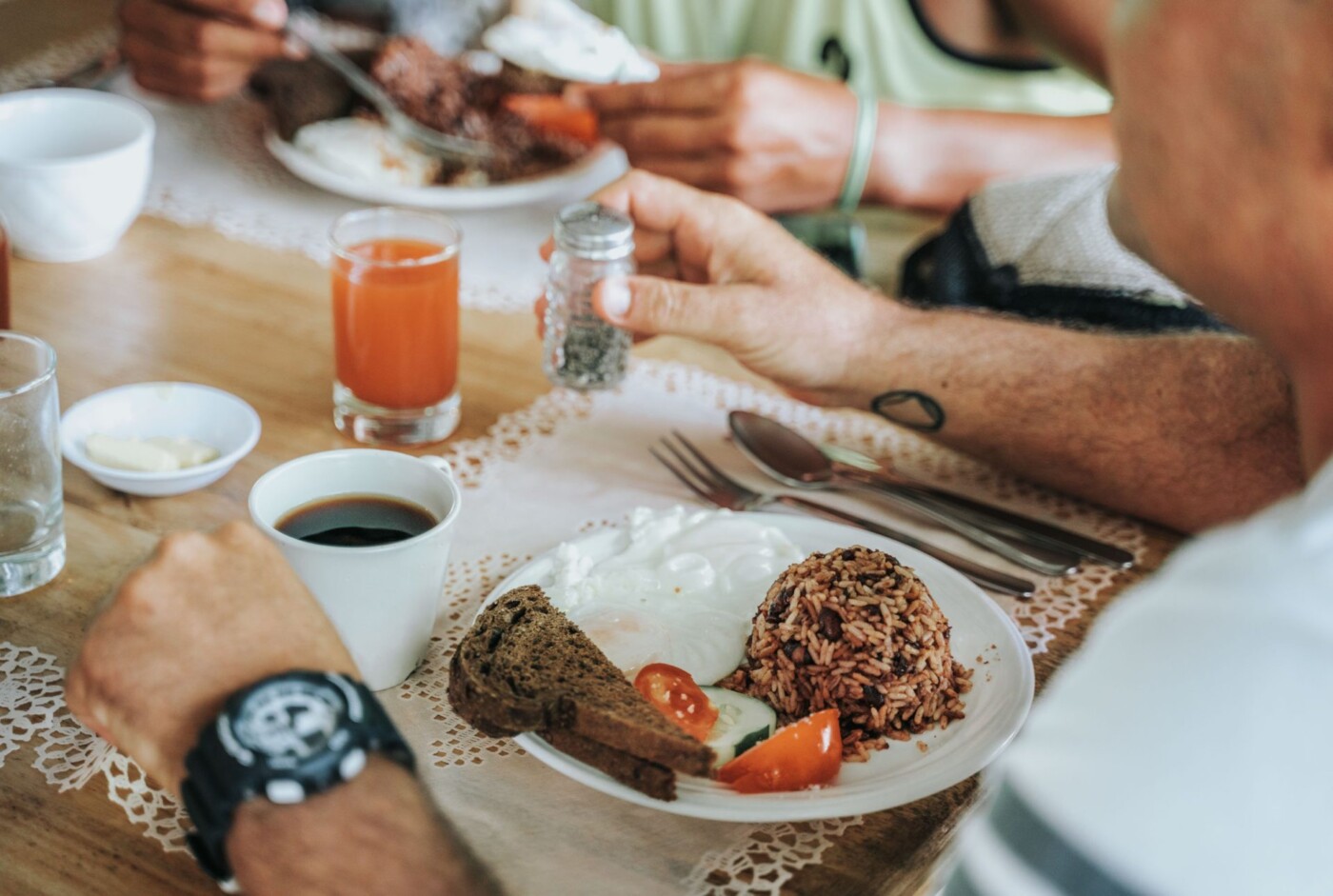
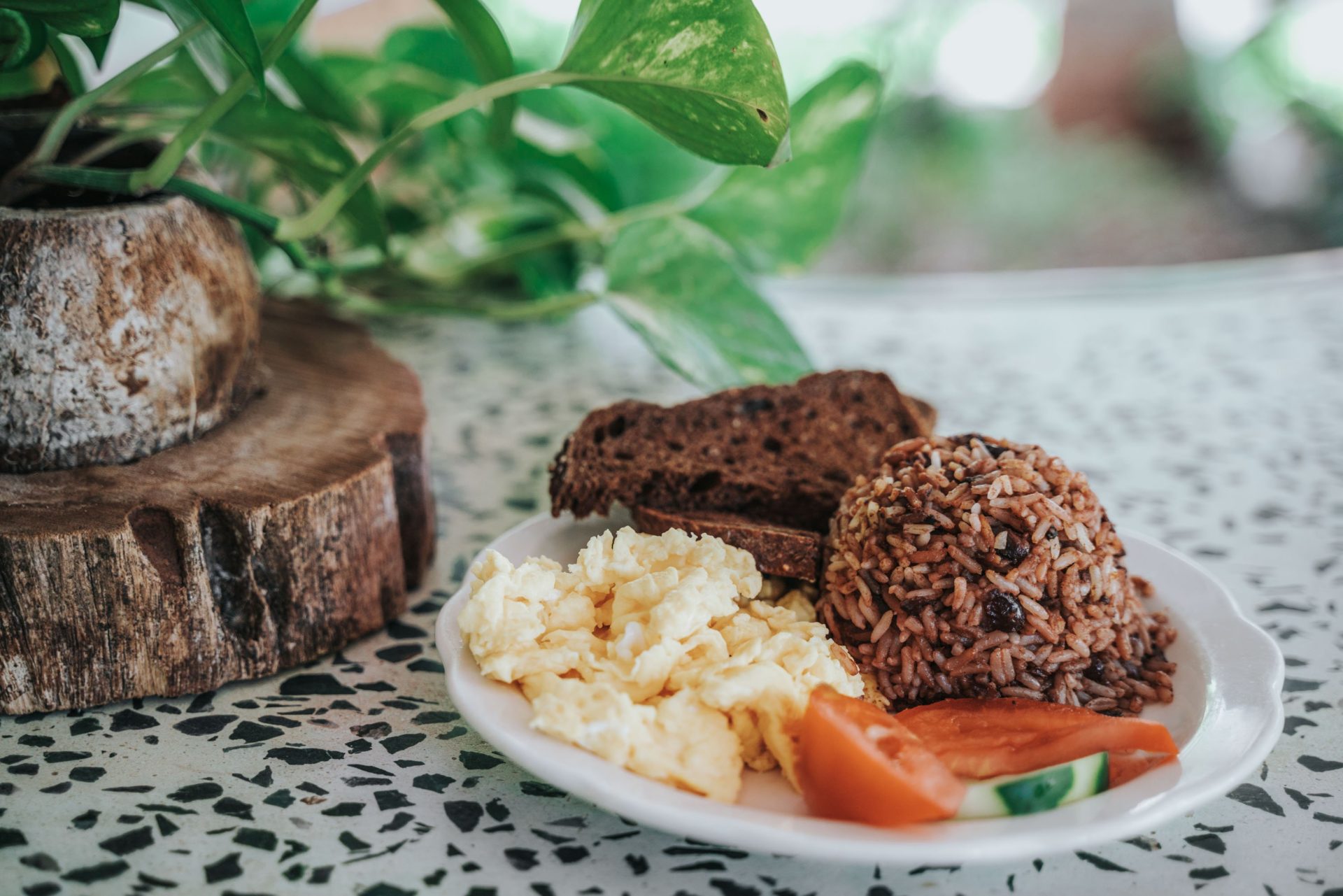
Gallo pinto is Costa Rica’s national dish, a breakfast staple of rice and black beans fried together with onion, sweet pepper, cilantro, and Salsa Lizano. It is eaten in Tico households every single morning, and I grew up eating it most days before school.
There is a long-running rivalry with Nicaragua over its origins. Costa Rica claims the dish was created in the early 1900s in a suburb of San Jose, while Nicaragua believes gallo pinto was created on its Caribbean shores. Either way, both countries eat it daily.
The dish typically gets served with eggs, sausage, sour cream, and a side of corn tortillas. The base is white rice (some modern recipes swap in brown), black beans, red bell pepper, cilantro, onion, and a generous splash of Lizano.
The leftover-rice trick: day-old rice fries better than fresh. It is drier, the grains stay separate, and it picks up the bean colour without turning to mush. This is why Tico families cook extra rice at dinner.
If you cannot find Lizano: mix Worcestershire sauce with a little water and a pinch of cumin. It is not identical, but it gets you most of the way there for everyday cooking.
Find the complete Gallo Pinto Recipe here.
2. Tamales
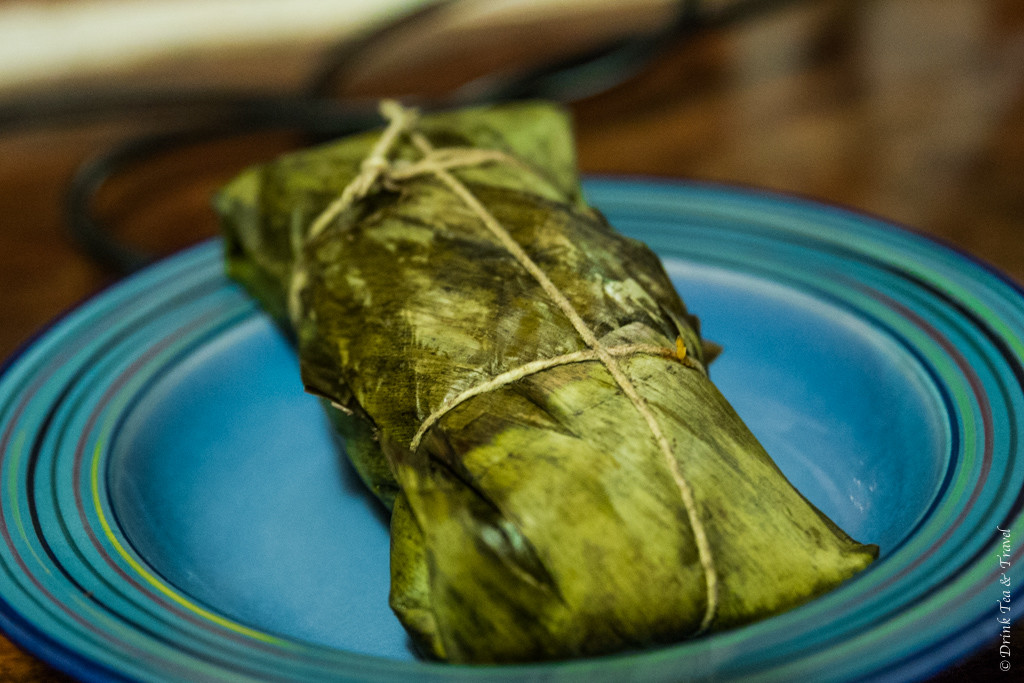
You find tamales all over Latin America, but in Costa Rica they are tied to Christmas. For most Ticos, the smell of banana leaves cooking signals the holiday season, not a roadside snack.
Tamales are made of a corn-based dough called masa, mixed with vegetables, meat or cheese, then wrapped in a banana leaf and steamed or boiled.
Growing up, making tamales at Christmas was a family event in our house. Aunts, cousins, and grandparents would all gather at the kitchen table, one person mixing masa, another folding leaves, another tying. It took most of a day and the kitchen was loud the whole time. It is one of the food memories I associate most strongly with Costa Rica.
The dough alone takes work, especially if you make the masa from scratch, so this is one of those Costa Rican recipes best tackled with help. It is the cooking equivalent of how families in North America gather to bake Christmas cookies.
Find the Costa Rican Tamale Recipe here.
3. Casado
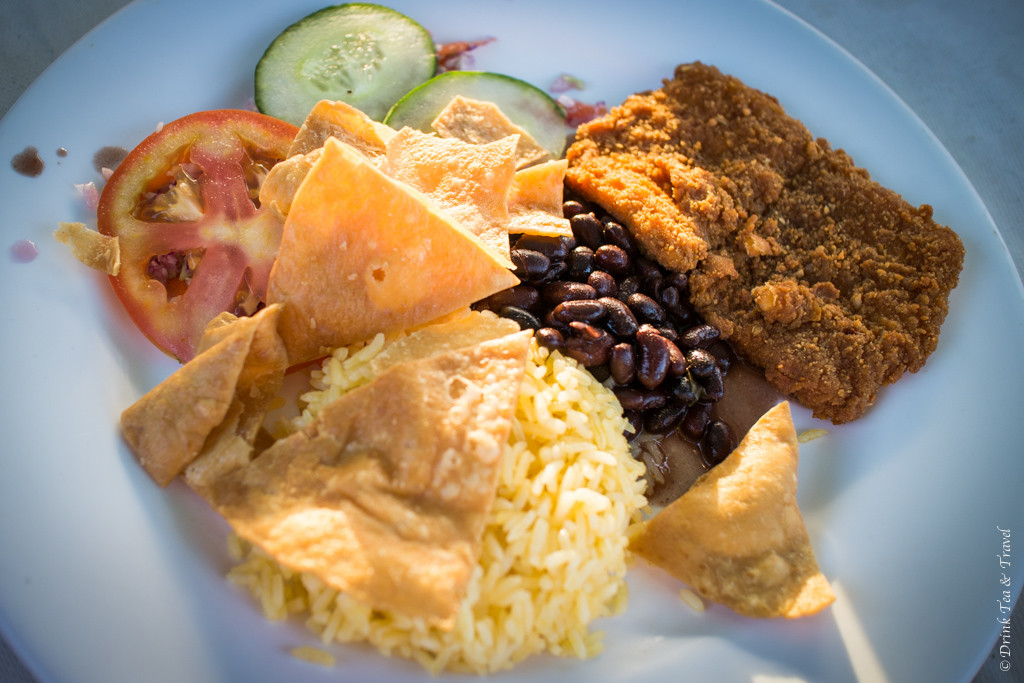
Casado, which translates to “married man,” is Costa Rica’s classic lunch plate, rice, beans, meat or fish, a simple salad, and often patacones or fried plantains on the side. You will find it on every soda menu in the country.
The name has a couple of origin stories, but the most common one is that home-cooked meals like this were what a married man ate at home, so when restaurant customers wanted “the home-style plate” they would ask to be served like a casado.
Casado is the assembly dish of Tico cooking. What goes on the plate depends on what is in season and what the cook has on hand. A typical version includes white rice, black beans, a piece of grilled chicken or fish, a small salad of cabbage and tomato, fried sweet plantains (maduros) or patacones, and a tortilla.
The leftovers trick: when locals make casado, they cook far more rice and beans than the meal needs. The next morning, those leftovers go straight into the pan for gallo pinto. If you cook casado at home, plan for two meals and you are halfway to breakfast already.
Find the Casado Costa Rica Recipe here.
4. Chifrijo
Chifrijo shows up in bars and canteens across the country. It is one of Costa Rica’s most popular appetizers, though it works fine as a main meal too.
The dish only started gaining popularity in the 1990s and gets its name from combining its two main ingredients: chicharrones (fried pork rinds) and frijoles (beans).
Beyond pork and beans, the dish usually includes pico de gallo, chillies, tortillas, and vegetables like avocado and cabbage. As a bar specialty, it pairs naturally with an ice-cold Costa Rican beer.
Find the Costa Rican Chifrijo Recipe here.
5. Ceviche
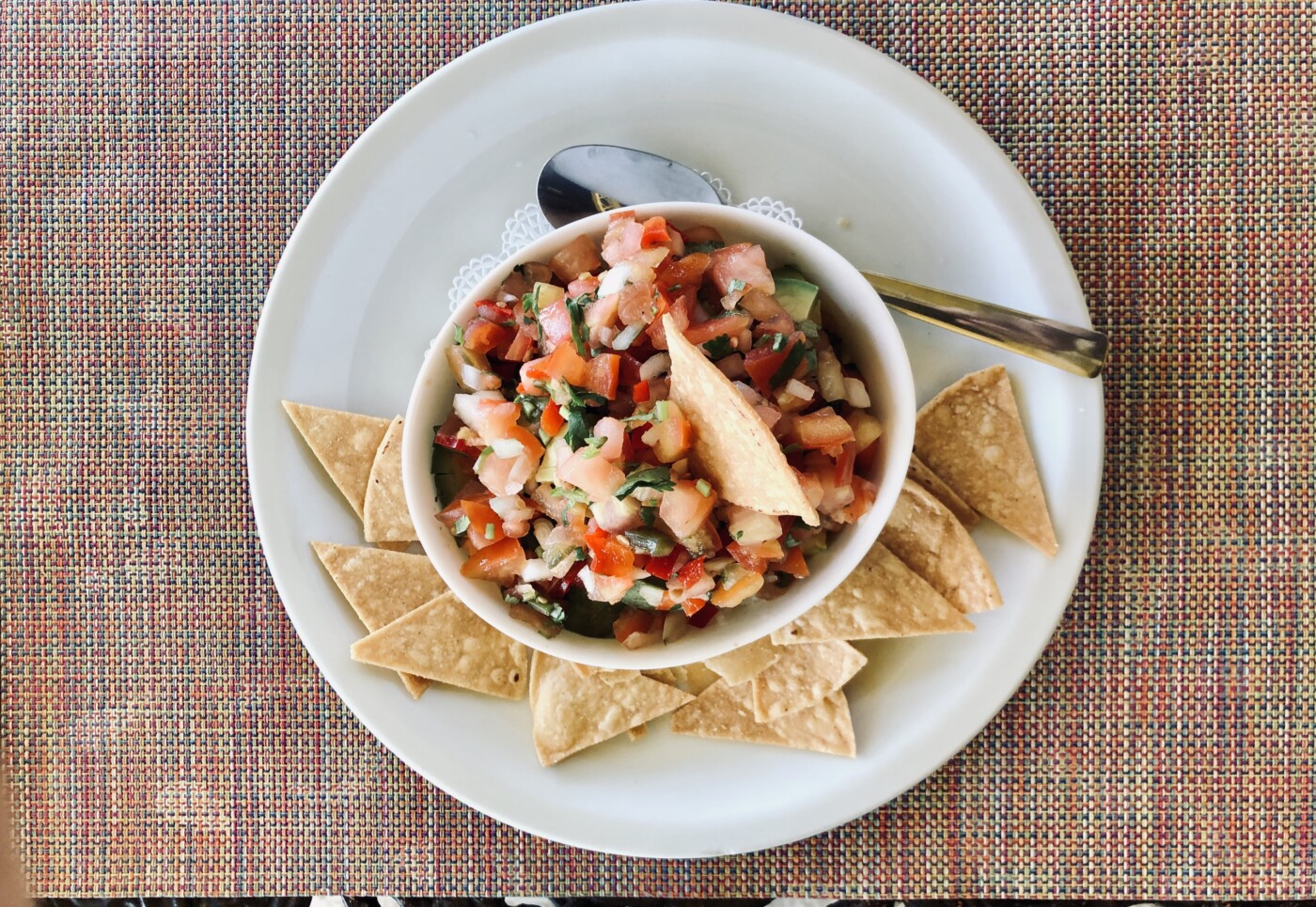
If you think ceviche belongs to Peru, we would push back. Costa Rican-style ceviche holds its own, thanks in part to two not-so-secret ingredients: ginger ale and club soda. They give the dish a light sweetness you do not find in the Peruvian version.
Costa Rican ceviche is usually served with crackers or tortillas. It crosses categories, working as both an appetizer and a light main meal, especially on a hot day at the coast.
The base is raw white fish (corvina is traditional), though shrimp or clams work too. The fish marinates in lime juice for at least an hour, then gets mixed with onion, cilantro, and sweet pepper. Serve with crackers or patacones.
Find the Costa Rica Ceviche Recipe here.

6. Patacones
One of our favourite sides in Costa Rican cooking is patacones, twice-fried green plantains. Plantains come in two stages: green (starchy, like a potato) and yellow (sweet). Patacones only work with the green ones.
Patacones get served on their own, topped with meat or pico de gallo, or alongside almost any Costa Rican meal. They are especially good with ceviche, the crisp salty edge balancing the lime.
The trick is the double-fry. First fry to soften, then smash flat and fry again until golden and crisp at the edges. Soybean or palm oil is traditional, but olive oil works for a slightly lighter version.
For a full breakdown of how to get them perfectly crispy, see our dedicated guide to making patacones.
7. Arroz Con Pollo
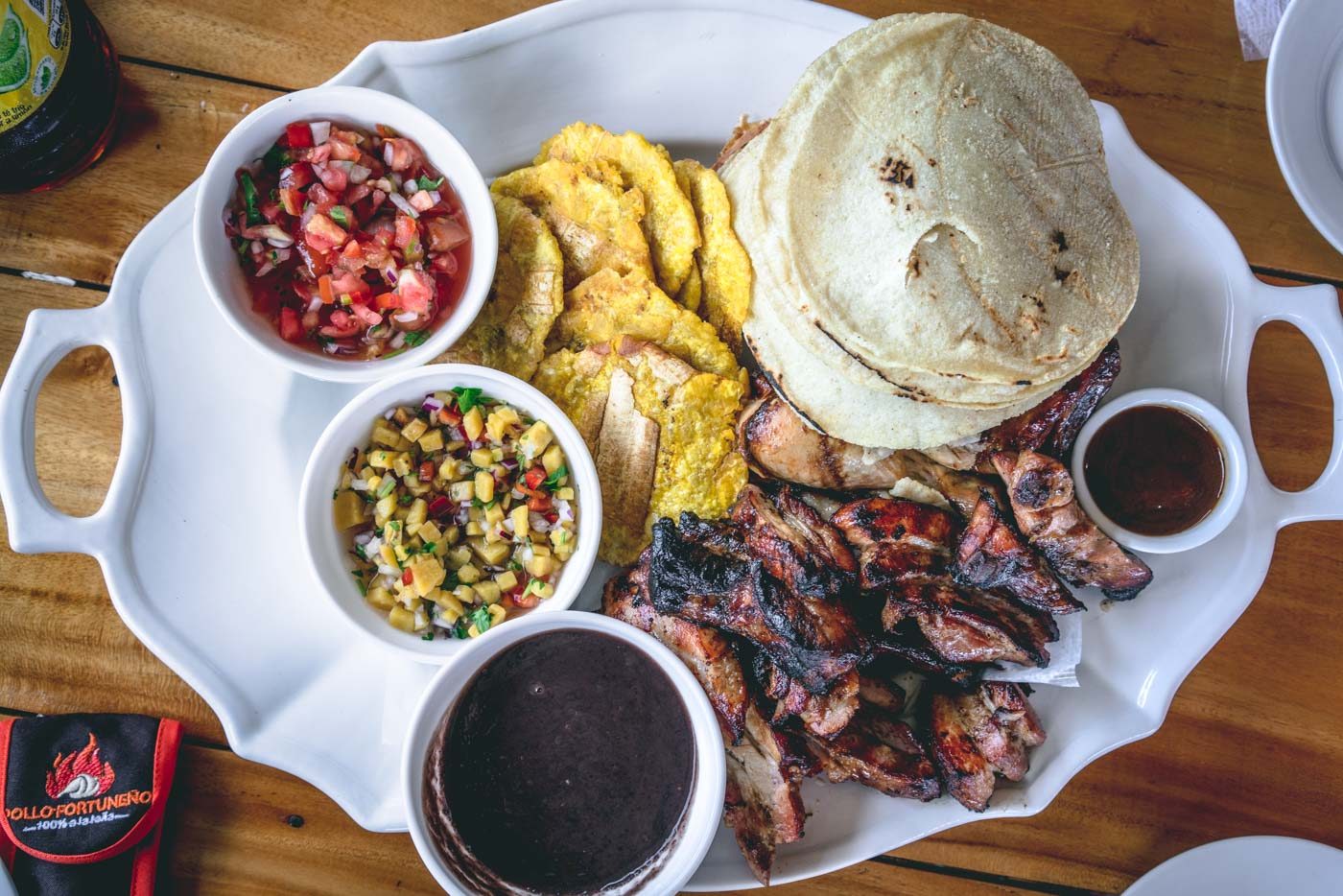
Arroz con pollo translates simply to “chicken and rice.” It is not the most vegetarian-friendly Costa Rican dish, but it is one of the most common, showing up on almost every soda menu.
You usually find it at lunch or dinner. It also shows up at fiestas, birthday parties, and family gatherings, often in a large communal tray.
The two main ingredients are obvious from the name, with roots tracing back to Spanish paella. Achiote gives the rice its yellow-orange colour, and the spice mix varies from family to family. Most cooks add sweet pepper, peas, carrots, and a splash of Lizano.
Find the Costa Rica Arroz con Pollo Recipe here.

8. Empanada
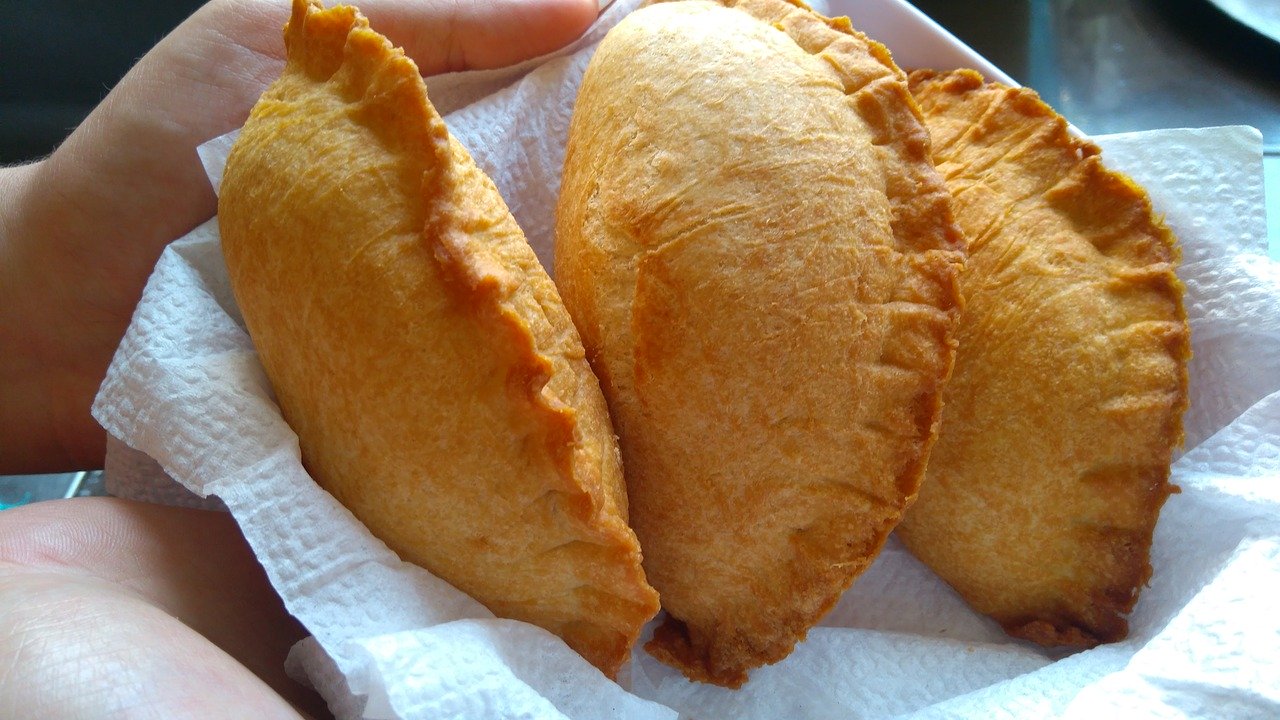
Empanadas are the go-to Costa Rican street food. The half-moon snacks date back to medieval Europe and were brought to the region by Spanish colonists.
Modern empanadas come with a wide range of fillings. Meat fillings are common, but cheese, potato, and bean versions are easy to find too. Empanadas are a great vegan-friendly option in Costa Rica if you choose the potato or bean filling.
Find the Costa Rica Street Food Empanada Recipe here.
9. Picadillo
Costa Rican picadillo is a chopped vegetable dish, usually with a small amount of ground meat mixed in. What sets the Tico version apart from other Latin American picadillos is the use of chayote, the local squash.
It is a versatile, unfussy dish served at home or in a restaurant for lunch or dinner. We especially like it on cooler evenings or while spending time in the mountain areas of Costa Rica. Do not forget a dollop of Lizano.
Find the Costa Rica Picadillo Recipe here.
10. Yuca Fries
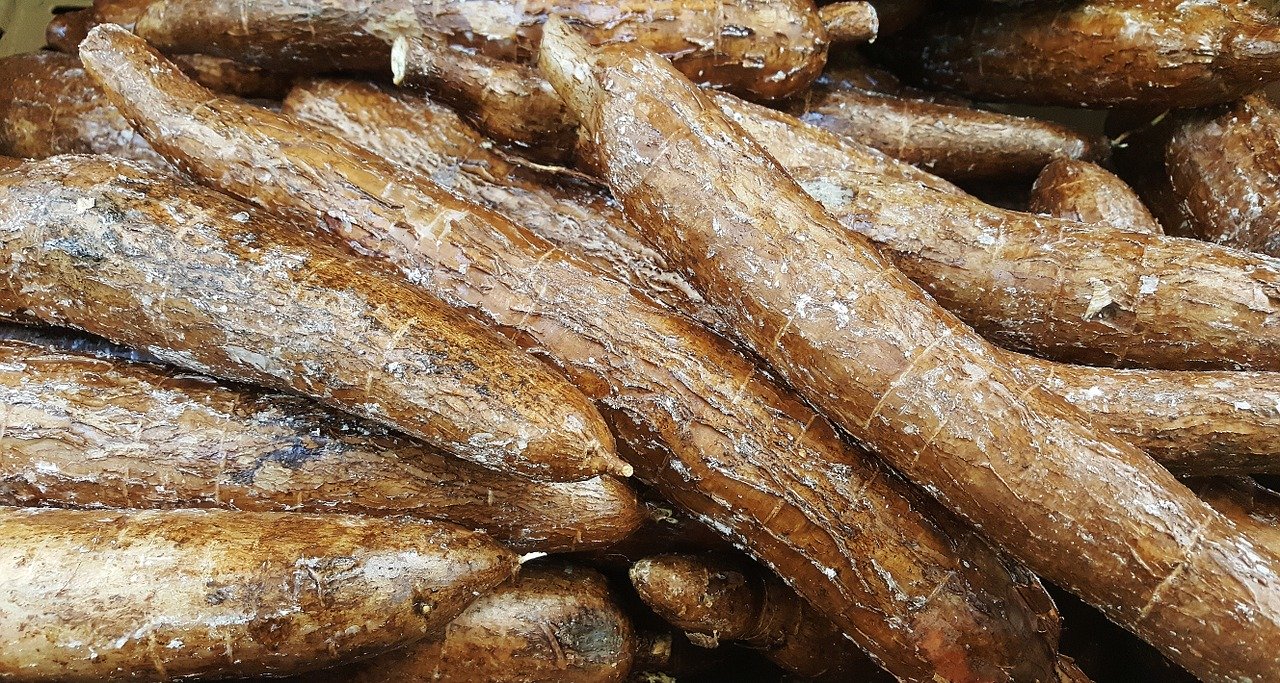
Yuca (cassava) is high in fibre and one of the primary sources of carbohydrates in Central America, alongside rice and beans. When fried, it makes an excellent alternative to regular potato fries, denser, slightly sweeter, with a crisper crust.
You will find yuca fries served in sodas and restaurants across the country, either alongside a main, as part of a soup like olla de carne, or as a snack on their own. They are also one of the easier Costa Rican recipes to make at home.
Find the Costa Rica Yuca Fries Recipe here.
11. Black Bean Soup
Black bean soup, or sopa negra, is one of the few Costa Rican dishes you do not find everywhere. It is popular in the Central Valley and almost unheard of on the beaches of Guanacaste. It suits cooler days.
Often called just “black soup,” the dish is also common across other parts of Latin America. The base is black beans, onion, bell pepper, and garlic, with a poached egg dropped in at the end and cilantro on top.
Find the Black Bean Soup Costa Rica Recipe here.
Desserts From Costa Rica
Desserts may not be the loudest part of Costa Rican cooking, but they have a real place in Tico family life. Sweets come out at birthday parties, after Sunday lunches, and at every Christmas gathering I can remember. Beyond the two big ones below, you will also see arroz con dulce (rice cooked with cinnamon, coconut, and panela) and cajetas de leche (small milk fudge candies) on most family dessert tables.
12. Tres Leches
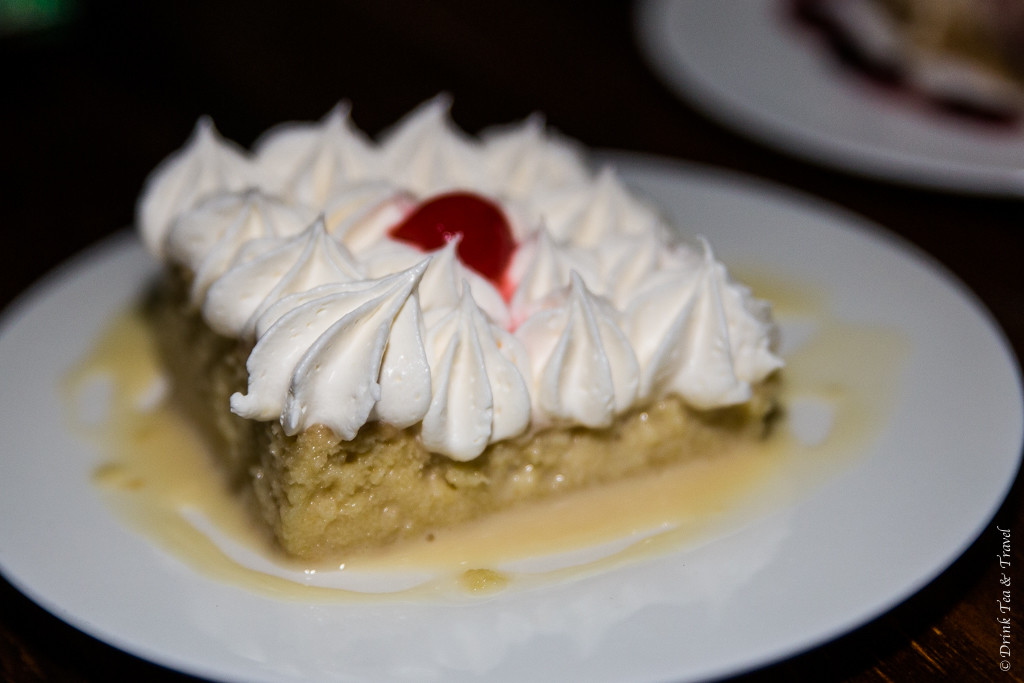
Tres leches traces its origins to Mexico, but over the past century the sponge cake has become a fixture in Costa Rica too. Today it is a crowd favourite, served as a restaurant dessert and at local parties and fiestas.
The name “tres leches” means “three milks.” It refers to the fact that the sponge gets soaked in evaporated milk, sweetened condensed milk, and whole milk or cream. It is rich, wet, and sweet, the way a celebration cake should be.
Find the Costa Rica Tres Leches Recipe here.
13. Rice Pudding Or Arroz Con Leche
Another classic Costa Rican dessert is rice pudding. Yes, Ticos eat rice even for dessert. Households make this as a quick after-dinner sweet, and you also see it on the menu at some local sodas.
Arroz con leche is a hearty, simple dessert of rice and sweet milk, flavoured with cinnamon, vanilla, and sometimes raisins. It is not tied to any one region, so you can find it across the country.
Find the Costa Rica Rice Pudding Recipe here.
Tips for Cooking Costa Rican Food at Home
A few practical notes from cooking these dishes in our own kitchen, both in Costa Rica and abroad:
- Use day-old rice for gallo pinto. Freshly cooked rice turns mushy when fried. Cook extra at dinner and refrigerate it for breakfast.
- Always keep Salsa Lizano in the pantry. It elevates gallo pinto, picadillo, and ceviche. Order it online if you cannot find it locally.
- Make a sofrito base in bulk. Onion, sweet pepper, garlic, and cilantro show up in almost every savoury Tico dish. Blend a large batch and keep it in the fridge for the week.
- Green plantains, not yellow, for patacones. Yellow ones are too sweet and will not crisp up properly. The skin should be hard and the fruit firm.
- Chayote is the home cook’s friend. It is widely available at Latin grocery stores. If you cannot find it, zucchini is the best substitute.
Frequently Asked Questions
What is the national dish of Costa Rica?
Gallo pinto is widely considered the national dish of Costa Rica. It is a savoury mix of rice and black beans fried with onion, sweet pepper, cilantro, and Salsa Lizano, and it is eaten for breakfast across the country every day. I grew up eating it most mornings, and it is still the dish we make most often when cooking Costa Rican food at home.
Can you make Costa Rican food without Salsa Lizano?
You can, though Lizano is hard to replace exactly. A workable substitute is Worcestershire sauce thinned with a little water and a pinch of cumin and brown sugar. We keep a bottle of Lizano at home, but the substitute holds up well for everyday cooking.
Final Thoughts
Costa Rican cooking is about simple ingredients, treated with care, and shared at a busy table. The dishes here are the ones I grew up with and the ones Oksana and I cook most often when we are missing Costa Rica.
Start with gallo pinto on a Saturday morning, work your way to a full casado, and save the tamales for a long afternoon when you have help in the kitchen. The recipes are forgiving, the pantry is small, and the results taste like home.

Leave a Reply