
Costa Rica is one of the most popular vacation destinations in the world – and with good reason. Its lush green forests, incredible outdoor adventure opportunities, impressive wildlife watching, and pristine beaches can yield the perfect holiday for anyone.
*This post may contain affiliate links, as a result, we may receive a small commission (at no extra cost to you) on any bookings/purchases you make through the links in this post. As an Amazon Associate, we earn from qualifying purchases. Read our full disclosure
With tourism booming year round, it can feel like you’re constantly bumping elbows with other visitors, but luckily, that’s not the case for every destination in the country!
Don’t leave your home without Travel Insurance!
From the US? We recommend Allianz Travel Insurance, a world leader in travel protection and our trusted Travel Insurance partner for the last 5 years. Allianz offers Single Trip and Annual Travel Insurance Policies that include medical coverage, trip cancellation, rental car insurance and more! (Benefits vary by state and by plan, so read your policy carefully!)
Not a US resident? Consider Safety Wing, a budget friendly travel insurance provider with travel insurance plans for Digital Nomads and travelers from all around the world.
Rincón de la Vieja National Park is one of the least visited national parks in Costa Rica, but it is also one of the most spectacular.
Every hiking trail within the park offers a unique, breathtaking trek through one of Costa Rica’s only dry tropical forests. And if you’re more interested in relaxing and (literally) soaking up all that nature has to offer, the park boasts incredible natural mud pools, steam vents, and hot springs!
Traveling Soon? Here is a list of our favourite travel providers and accessories to help get you ready for your upcoming trip!
About Rincón de la Vieja National Park (Parque Nacional Rincon de la Vieja)
Rincon de la Vieja is an active volcano located about an hour away from Liberia in the northern portion of the Guanacaste province. “Rincon de la Vieja” translates to “Corner of the Old Woman,” and locals say the volcano was named after a powerful healer who lived nearby.
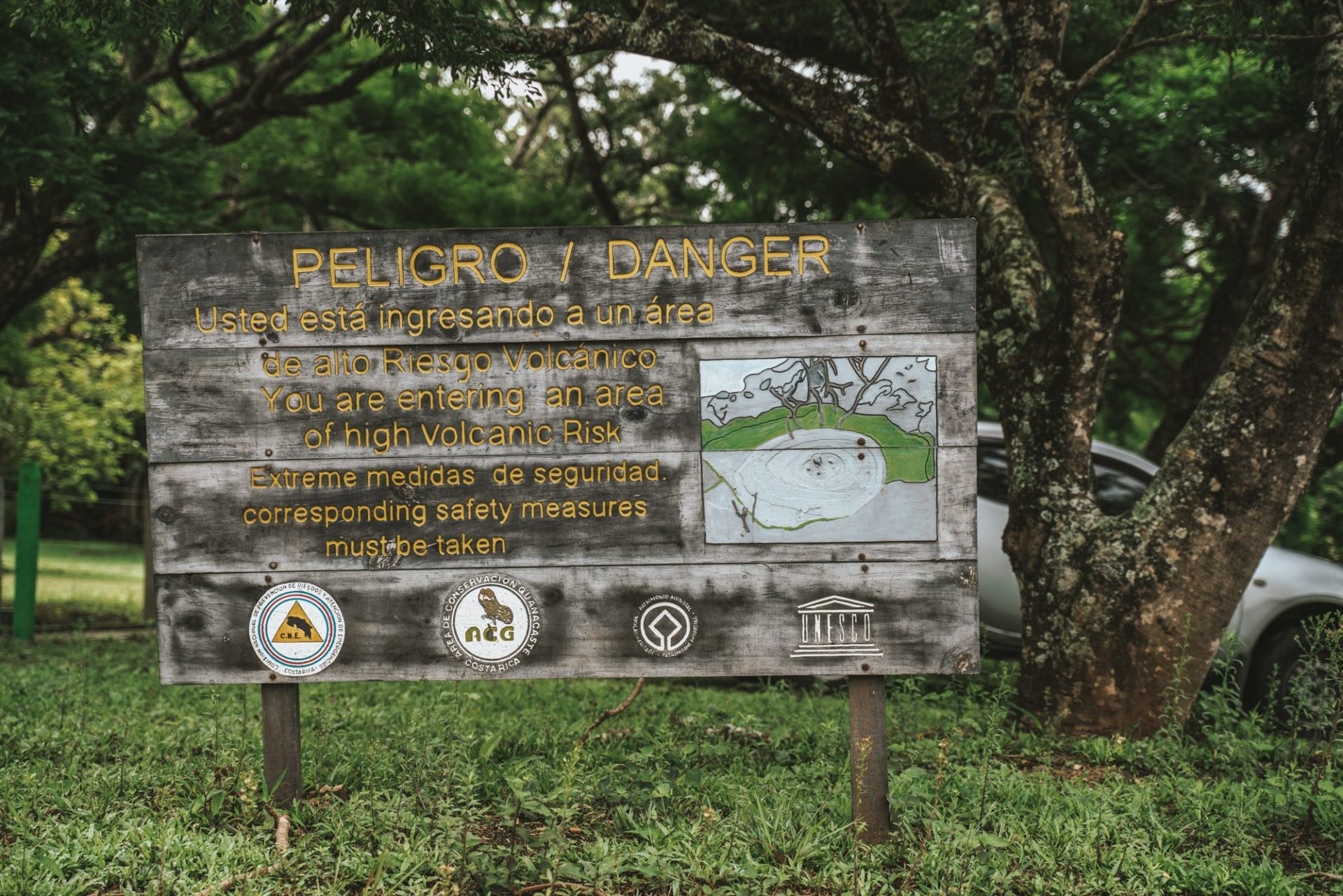
Though the volcano is considered active, it is safe to visit. The national park encompasses the volcano and the surrounding geothermal landscape. The entire area makes up part of the UNESCO World Heritage Site known as the Guanacaste Conservation Area.
Book the Best Car Rental in Costa Rica
Renting a car in Costa Rica can be one of the most challenging parts of your visit! Unfortunately, car rentals in Costa Rica often come with significant hidden insurance fees, result in many frustrations at pick-up. The experience has ruined many trips and ballooned trip budgets for friends, family and followers. After years of not having a good solution, we finally found an honest car rental company that we proudly recommend to our readers.
We recommend booking with Vamos Costa Rica – a local car rental company that offers fantastic service and NO HIDDEN FEES and get 10% of your rental rate plus FREE additional driver, FREE child seat and other perks and benefits when booking through our link below!
Book early as rental car availability all across Costa Rica is currently lower than demand!
CHECK RATES NOW
Traveling To Rincón de la Vieja
How To Get There
Coming from Liberia Airport, drive into the town of Liberia. At the main intersection, turn left, and you will start seeing signs for the Las Pailas sector of the national park. To visit the Las Pailas sector, turn right at the entrance and continue for 20 km (12 miles).
To visit the Santa Maria sector, don’t make the turn into the first park entrance – instead, continue along the main road, and you will start seeing signs for Santa Maria Ranger Station. (Reminder: the roads to Santa Maria are accessible only with vehicles with 4-wheel drive, as they are mostly unpaved.)
There are two sections of the park – the Las Pailas and the Santa María sections. If you’re driving in yourself, we recommend entering from the Las Pailas entrance, as the roads leading to the Santa Maria entrance are mostly unpaved and require an all-wheel-drive vehicle.
To access the Las Pailas Zone, you enter the park and follow the Interamericana highway north a few miles until Guadalupe. The road then becomes gravel for the rest of your trip.
Best Time to Go
There’s no bad time to visit Rincon de la Vieja, but it’s better to know what you can expect from the seasons. The dry season is from December to April, and with it comes warm weather and low chances of rain, making it ideal for outdoor activities. However, this is also peak season in Costa Rica. Not only will prices for accommodations and tours be higher, but the crowds will be significantly higher as well.
Meanwhile, the green season or rainy season is from May to November, with the wettest months being September and October. Heavy rainfall means muddy trails and flooded areas throughout the park, so it’s important to check the forecast before you go. But it’s not all bad – the rainforest comes to life during this season. More animals are active, too, and it’s the best time to catch the magnificent waterfalls. Despite the rain, the park gives you a lush and refreshing landscape during the green season.
November offers a great middle-ground since this is when the rainy season tapers off and the dry season kicks in. Rainfall isn’t as heavy as September or October, and you can still experience the park’s vibrant rainforest.
Entrance Fees & Hours
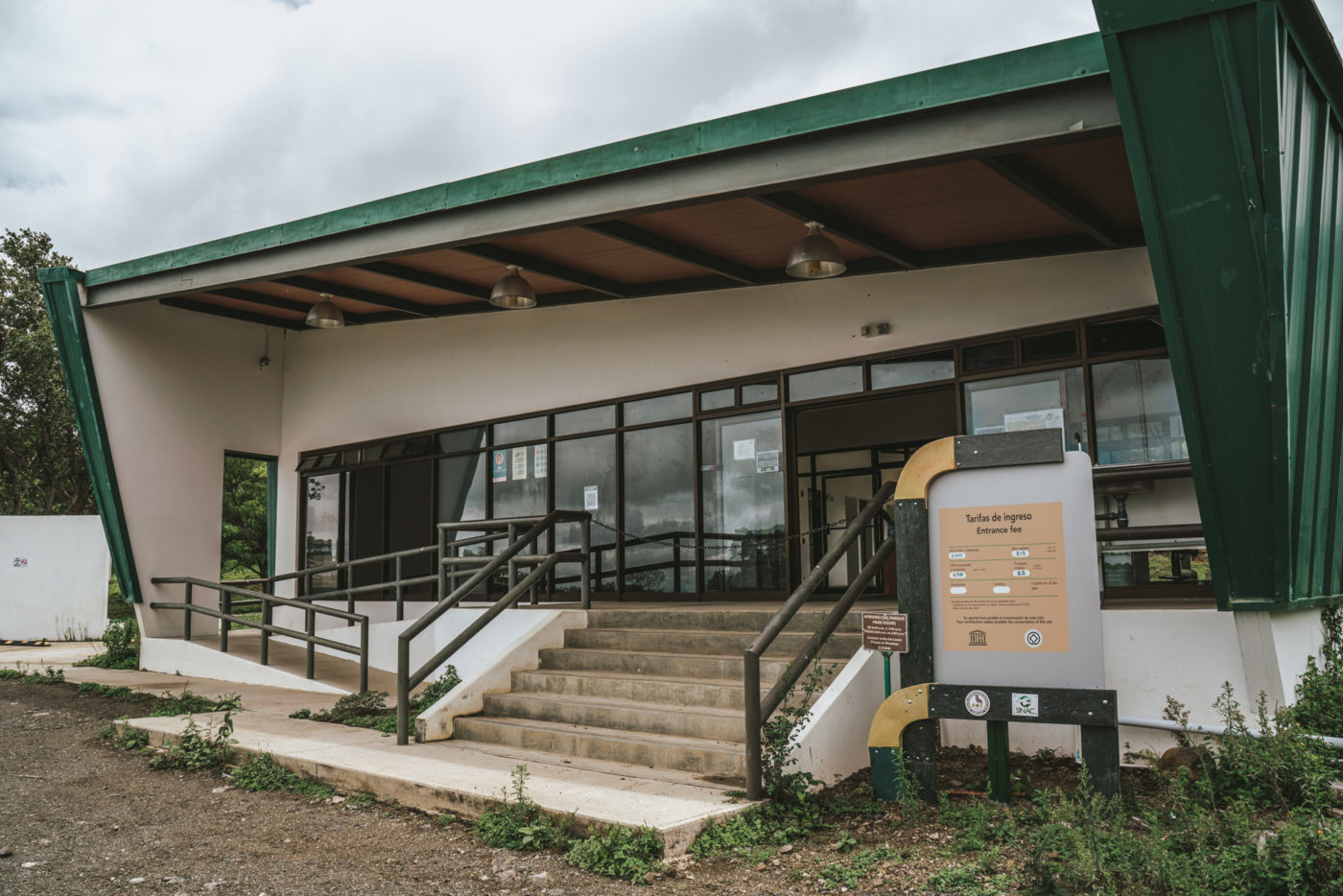
The park is open from Tuesdays to Sundays from 8 am to 3:00 pm and closed on Mondays. An entrance fee of USD $15 is required for adults and USD $5 for children. As of August 2023, all park tickets must be purchased online on the SINAC Website. Parks no longer sell tickets at the national park entrance, so make sure to get your tickets online ahead of time.
There are two sectors of the park, and these allow entrance at different times. If you’re planning to hike the La Cangreja Waterfall or the Escondido Waterfall, start before noon as the entrance paths to these trails are blocked after 12pm. After 12pm, only the Boiling Mud Pots Trail is open.
Hiking Trails In Rincón de la Vieja, Costa Rica
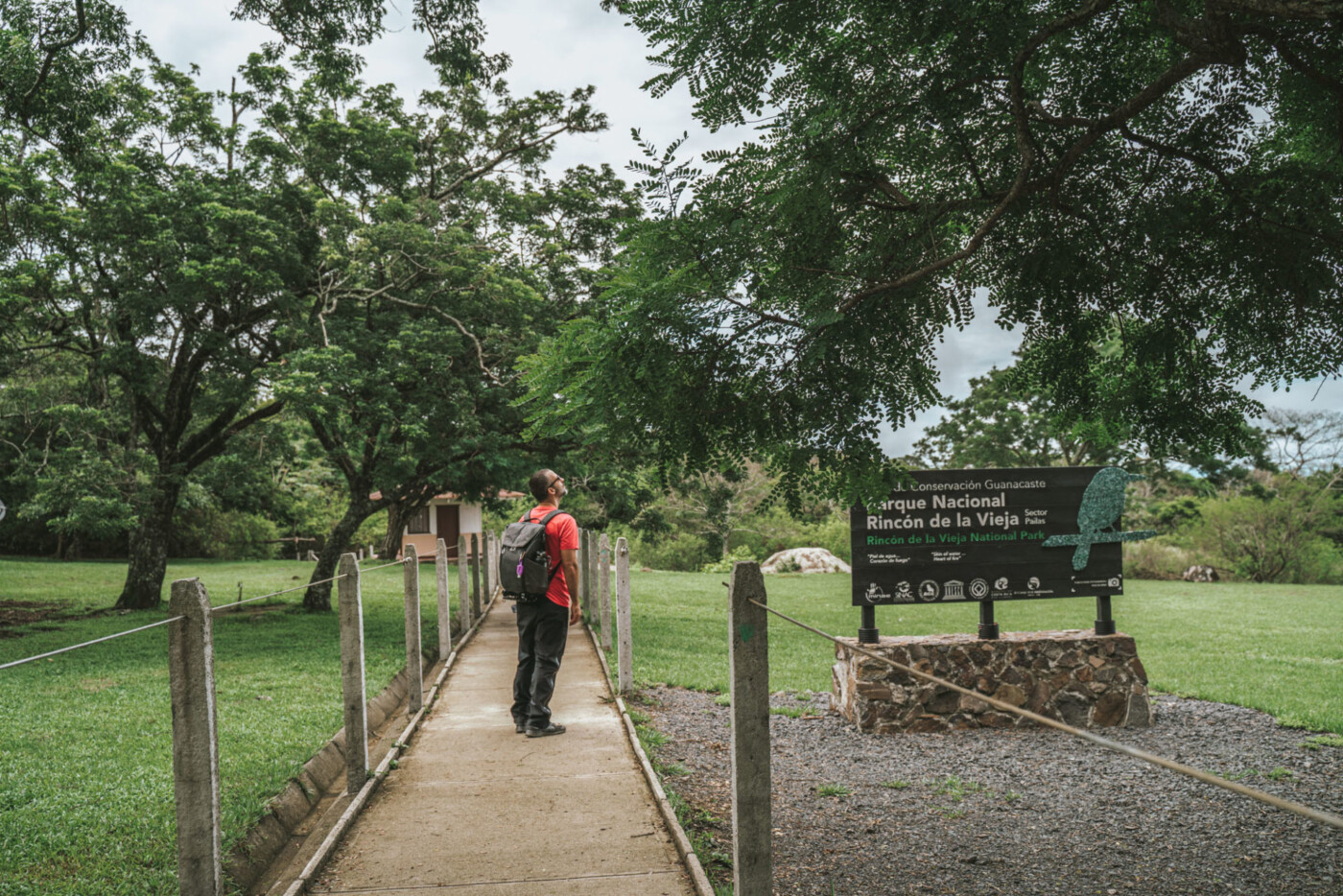
There are seven major trails within the park ranging in difficulty, length, and terrain. Which trails you end up exploring will depend on the section of the park and ranger station that you start at!
Las Pailas Trail
Las Pailas Circular Sector Trail
Length: 3km (2 miles)
Difficulty: High
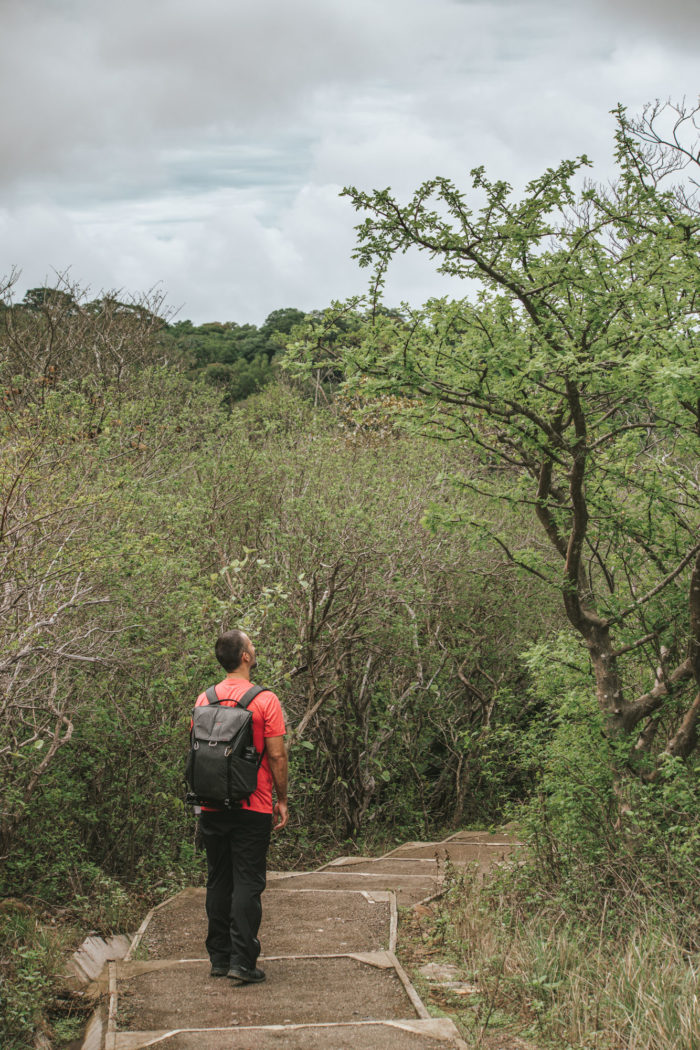
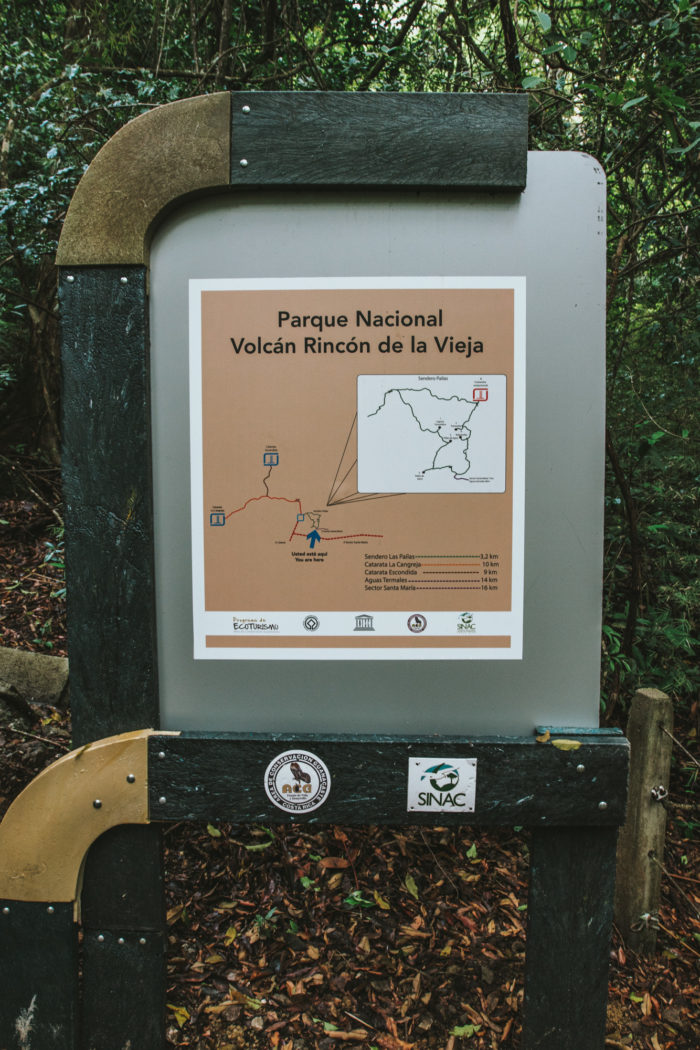
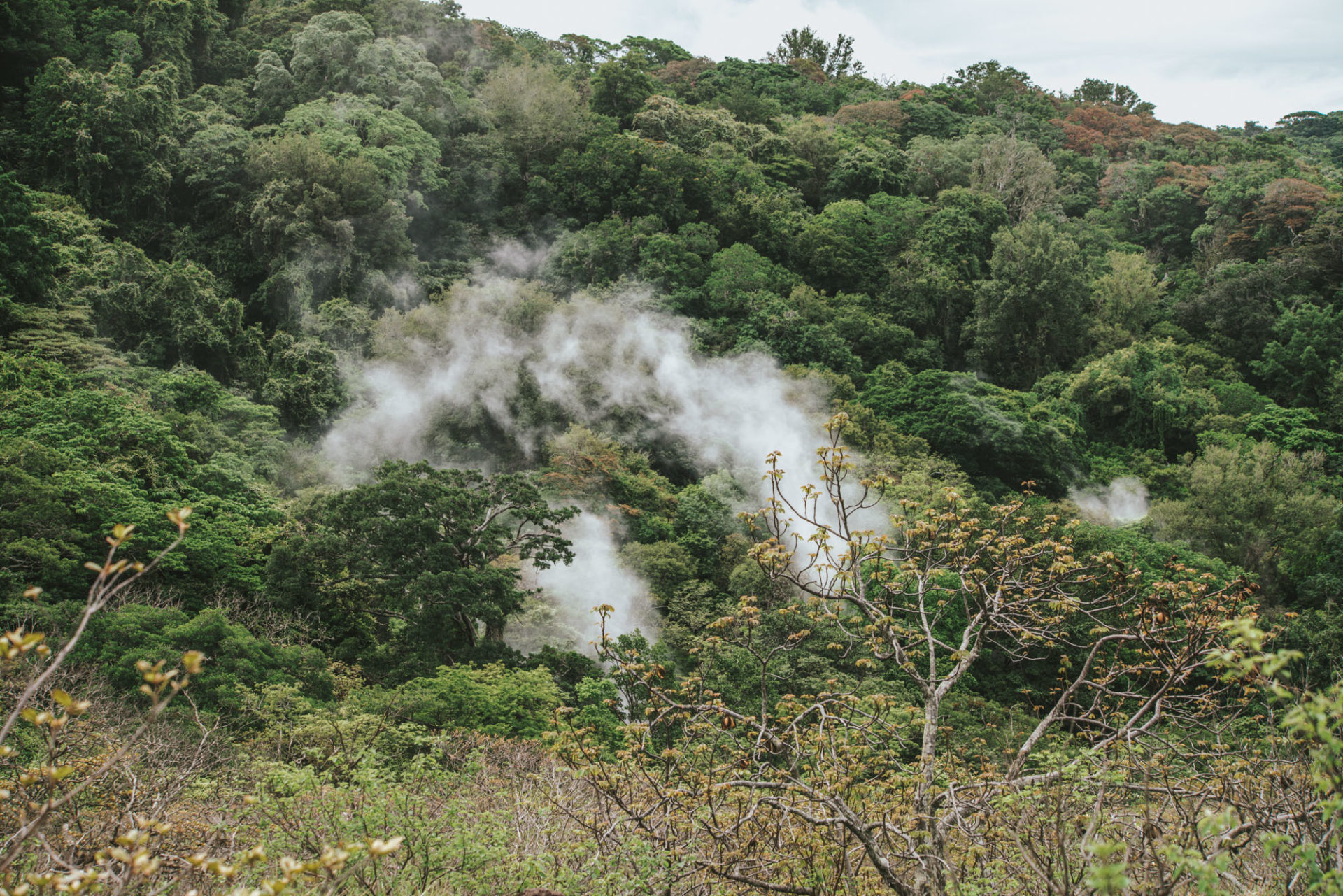
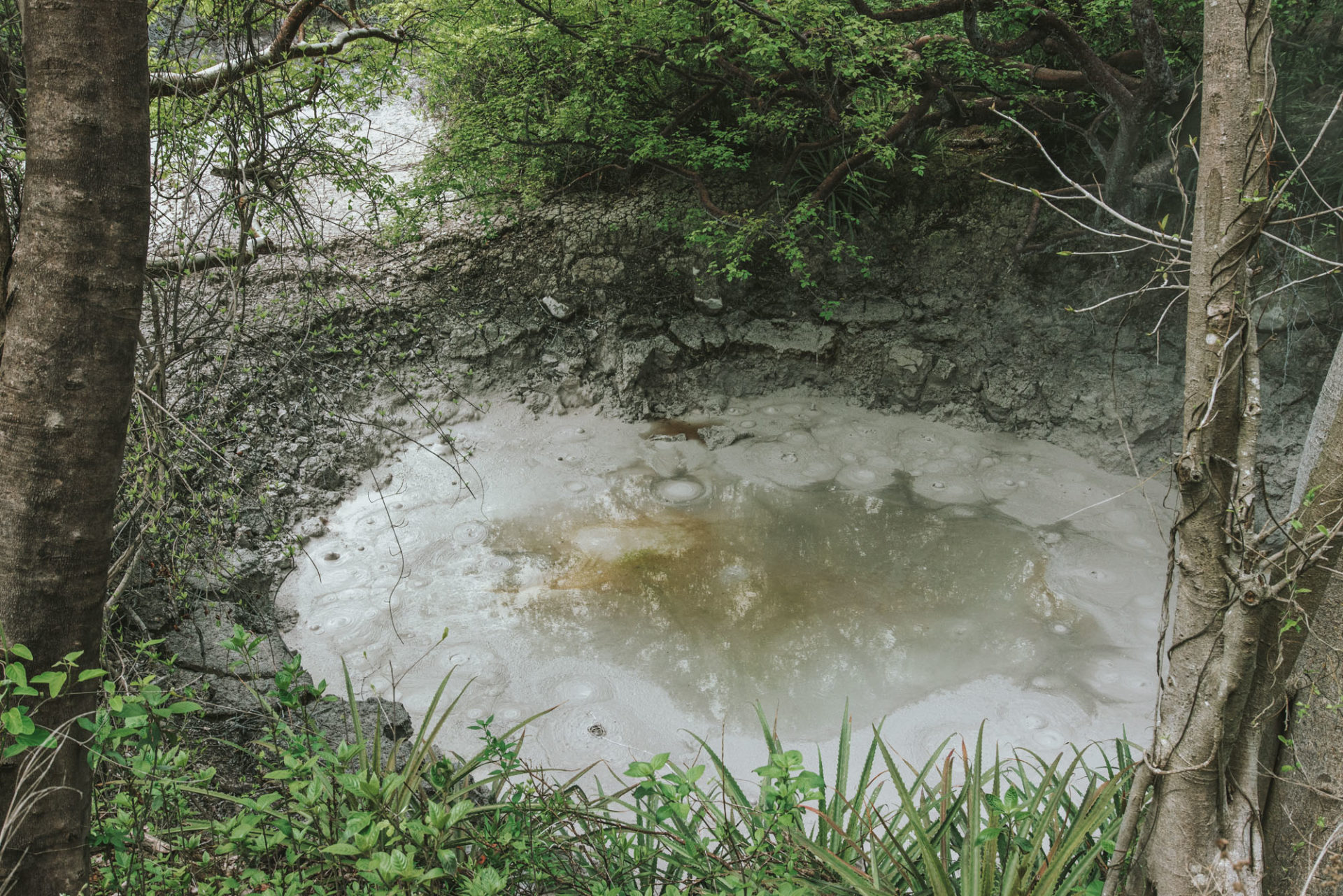
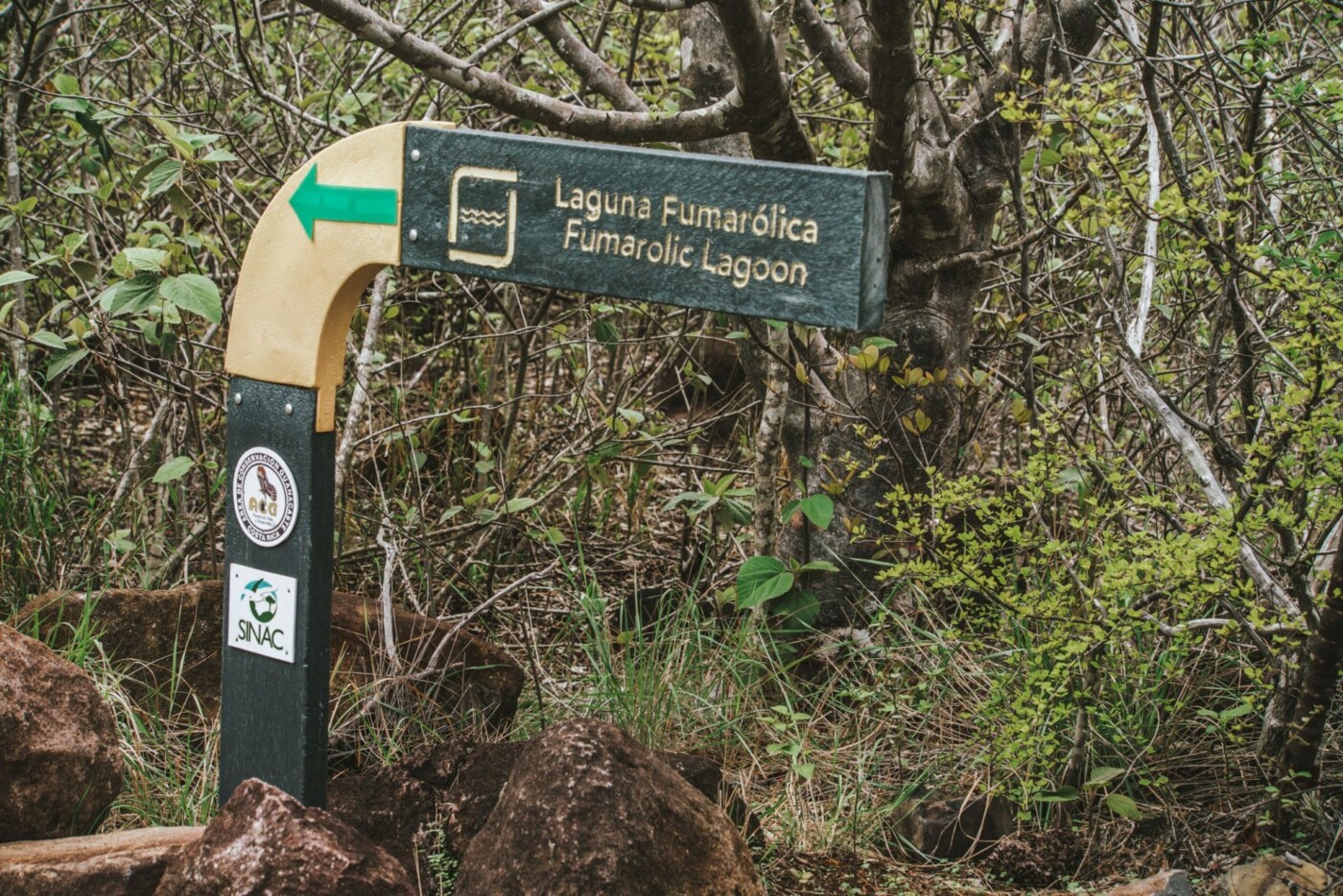
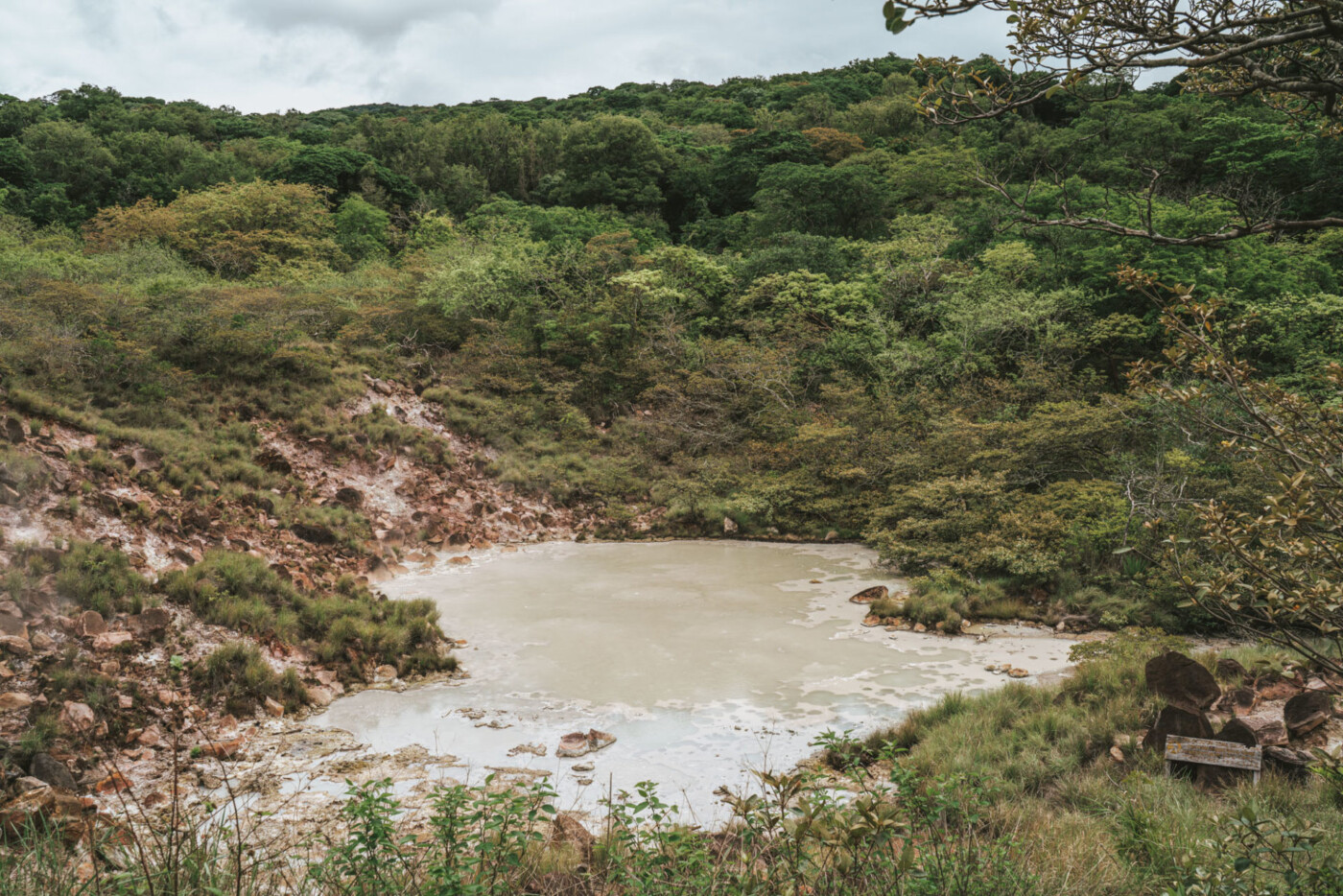
This Las Pailas loop trail starts at the Las Pailas ranger station and winds through the extensive geothermal landscape. You’ll see impressive volcanic activity like bubbling volcanic mud pits, volcanic craters, and fumaroles, and if you visit during the rainy season, you can see the seasonal waterfall.
Rio Blanco Spring Trail
Length: 800 m (0.5 miles)
Difficulty: Moderate
This is a quick hike to the Poza del Rio Blanco – the river spring! You can swim here, so make sure to pack your bathing suit.
Escondidas Waterfall Trail
Length: 4.3km (3 miles)
Difficulty: High
This is another hike that leads to a swimming hole! This trail leads to 3 beautiful waterfalls, but the hike there will have some steep inclines in both directions.
Rincon de la Vieja Crater Trail (CURRENTLY CLOSED)
Length: 8km (5 miles)
Difficulty: High
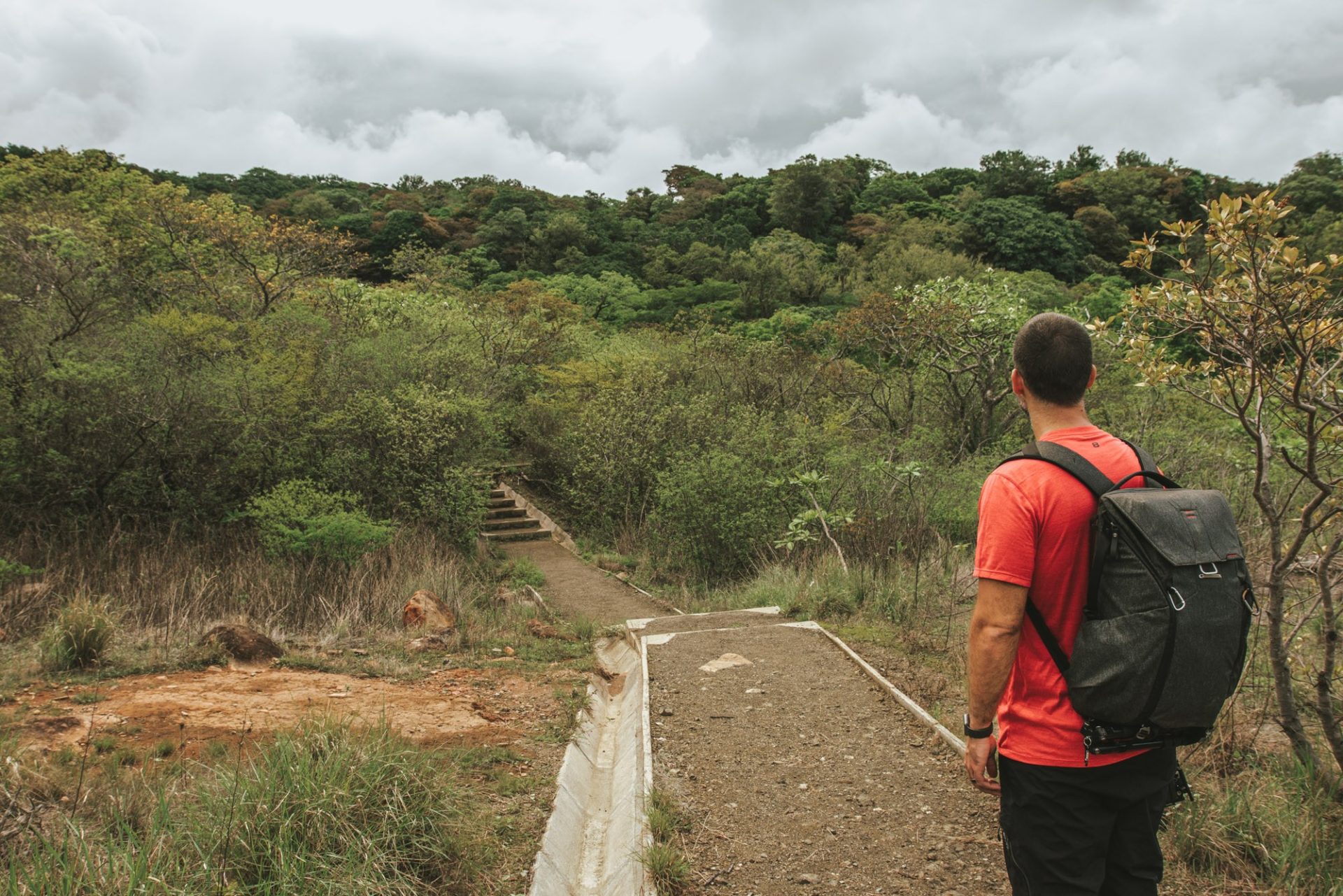
The hike to the crater rim was one of the park’s most popular trails, but unfortunately, it’s been closed since 2019 due to volcanic activity. This trail leads to the highest point in the park, which has an amazing vista at the summit. The trail can be extremely challenging at times – especially during the rainy season.
Von Seebach Trail (CURRENTLY CLOSED)
Length: 8km (5 miles)
Difficulty: High
Partway through the hike to the Volcan Rincon de la Vieja crater, there is a fork in the trail at the timberline. The left takes you to that volcano’s summit, right takes you to the Von Seebach summit. This trail is also currently closed as the volcano is considered active! It emits steam regularly and sometimes bubbles up.
Santa María Trails
Colibri Trail
Length: 500 meters (0.3 miles)
Difficulty: Moderate
This is a short trail, but it’s packed with wildlife! It’s perfect for people interested in seeing agouti, peacocks and pizotes indigenous to the area. There is also the remnants of a sugarcane mill.
BONUS: Pailas – Santa Maria Trail
Length: 8km (5 miles)
Difficulty: High
If you want to pick just one trail to hike in Rincon de la Vieja, it should be this one! The Pailas – Santa Maria trail connects the two ranger stations within the park and traverses the mountains in between. Along the trail, there will be several opportunities to veer off and experience the untamed beauty of the park – from pristine waterfalls to natural hot springs you can take a dip in.
Waterfalls at Rincon de la Vieja, Costa Rica
La Cangreja Waterfall Trail
Length: 5km (3 miles)
Difficulty: High
La Cangreja Waterfall and The Escondidas Waterfall trails start in the same place, and the paths cross a couple of kilometres in from the ranger station. While historically, La Cangreja has been the more popular of the two because of its sparkly blue waters (it’s been dubbed the “blue lagoon” of Rincon de la Vieja), unfortunately, you can no longer swim here. It’s still a beautiful hike and an incredible waterfall, and still very worth the trek in our opinion!
Chorreras Waterfall
Length: 2km (1.25miles)
Difficulty: Moderate
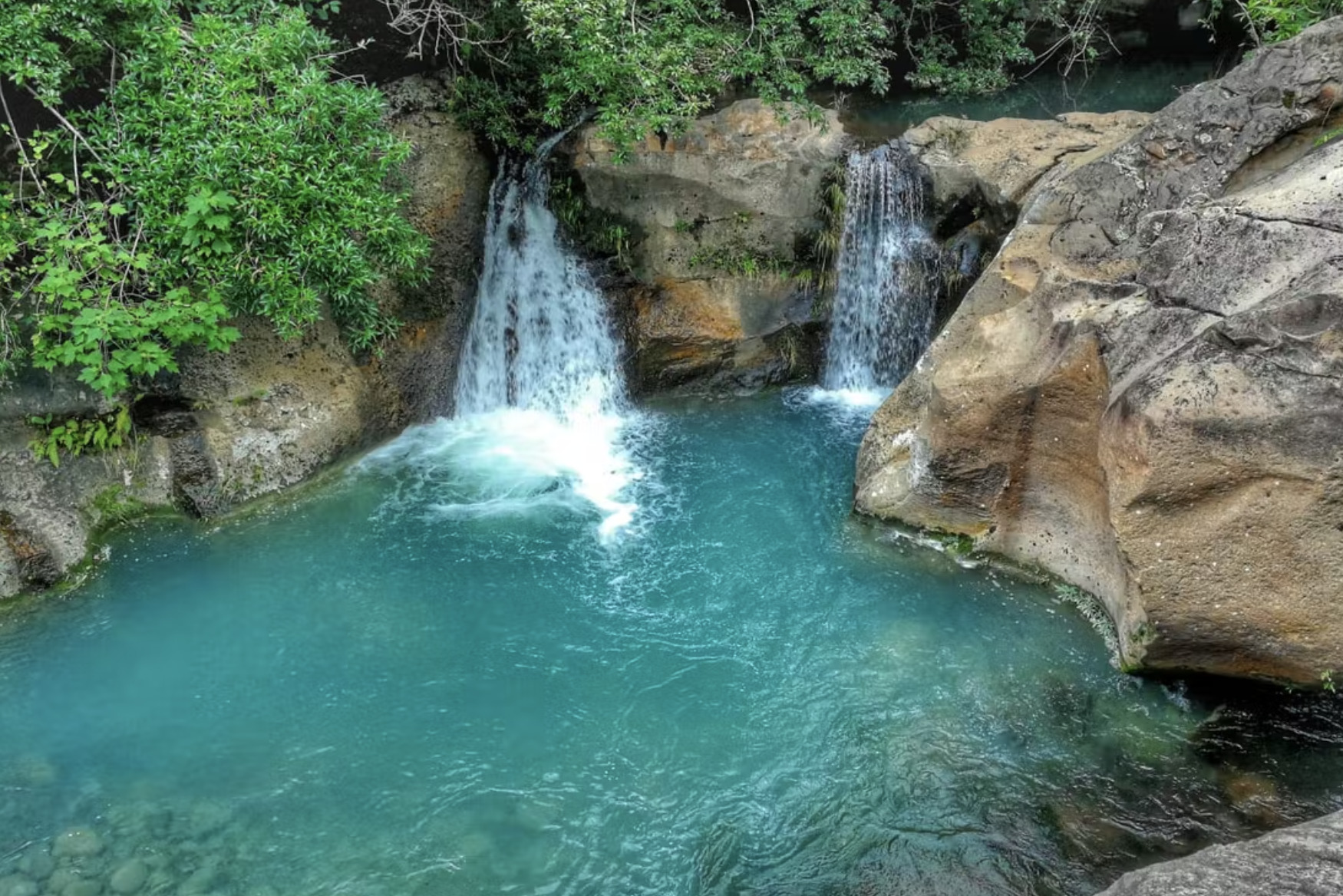
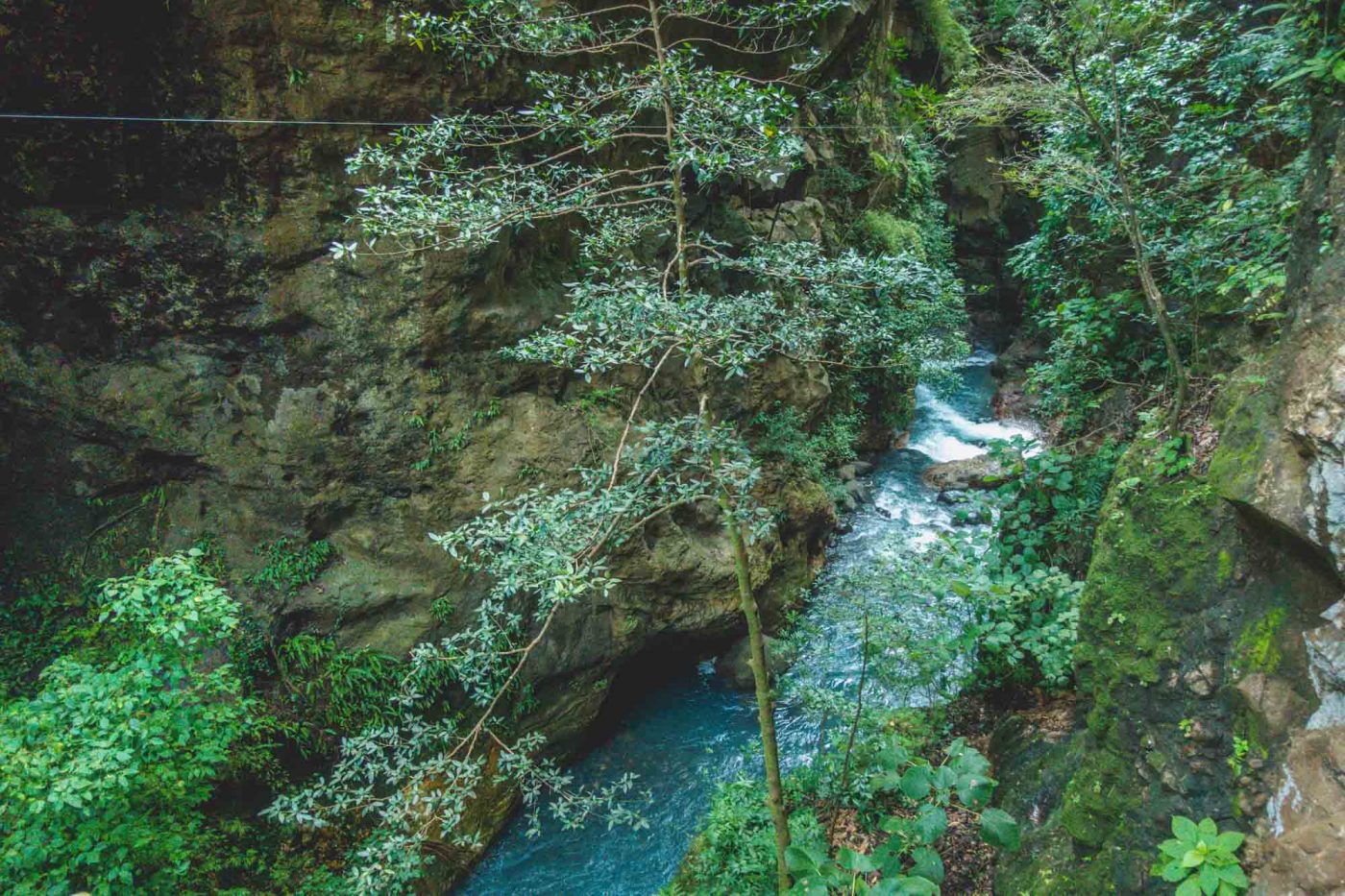
This is the closest waterfall to Hacienda Guachipelín that’s easily reached on foot or horseback over roughly 25 minutes each way. The canyon is a lovely place to take a dip or just admire the incredible nature. This cascading waterfall is perfect for those wanting a short walk with impressive views.
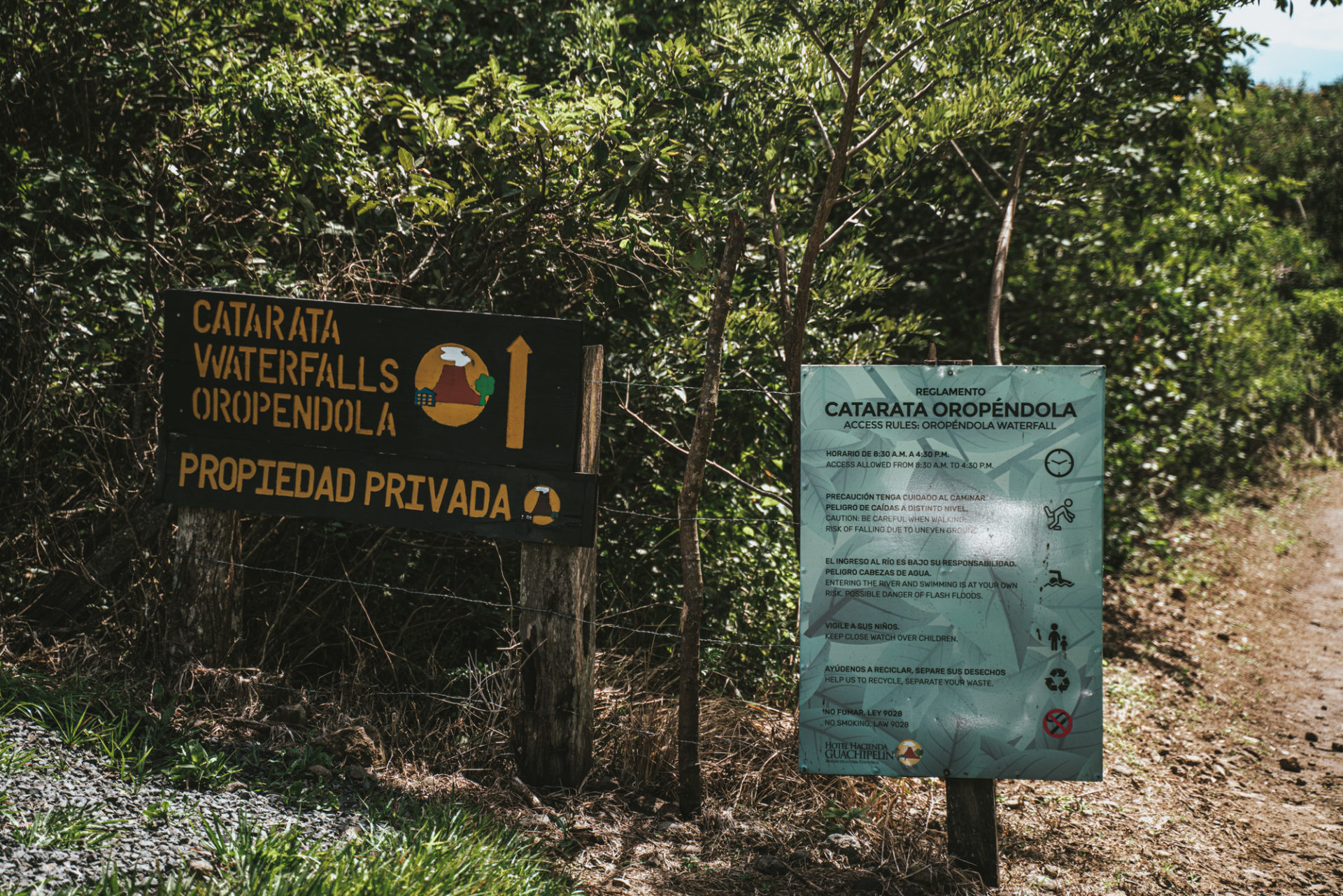
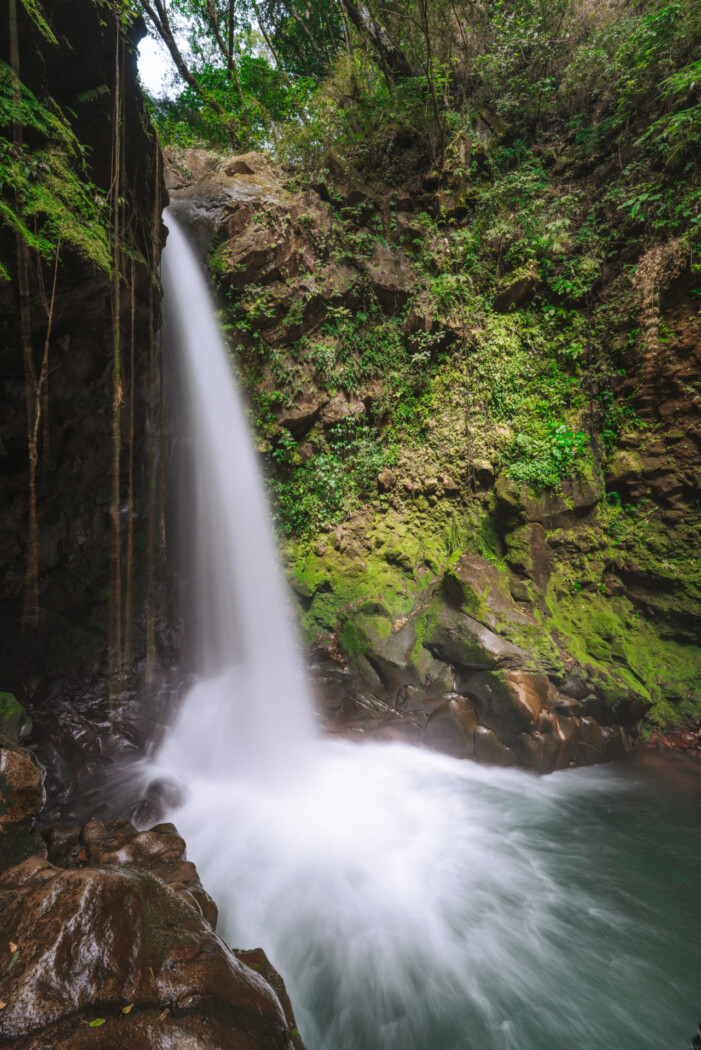
Oropéndola Waterfall
Length: 4km (2.5 miles)
Difficulty: Moderate
The sister waterfall to Chorreras. Upon entering the Rincon de la Vieja National Park via the Las Pailas section, you will find the trailhead to this impressively high waterfall plunging into the pool below. The trail winds along the River Blanco, making for a peaceful walk.

Victoria Waterfall
Length: 4km (2.5 miles)
Difficulty: High
You can reach the crystal blue water of Victoria falls by starting at Hacienda Guachipelín. Be aware there is a steep descent to get down to the falls. It is well worth it but make sure you bring plenty of food and water if you plan on spending some time here. If you hike down, you have to hike back up!
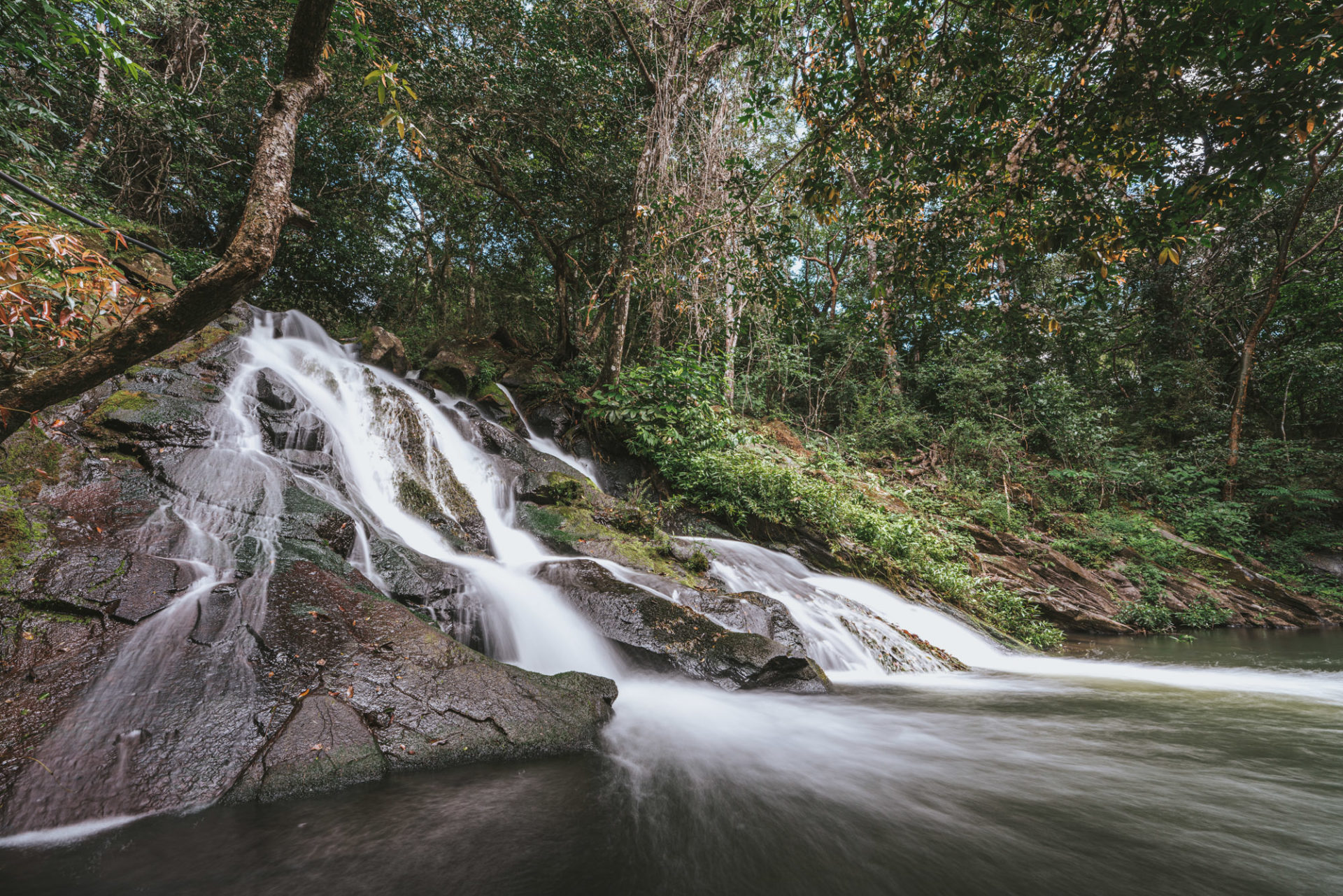
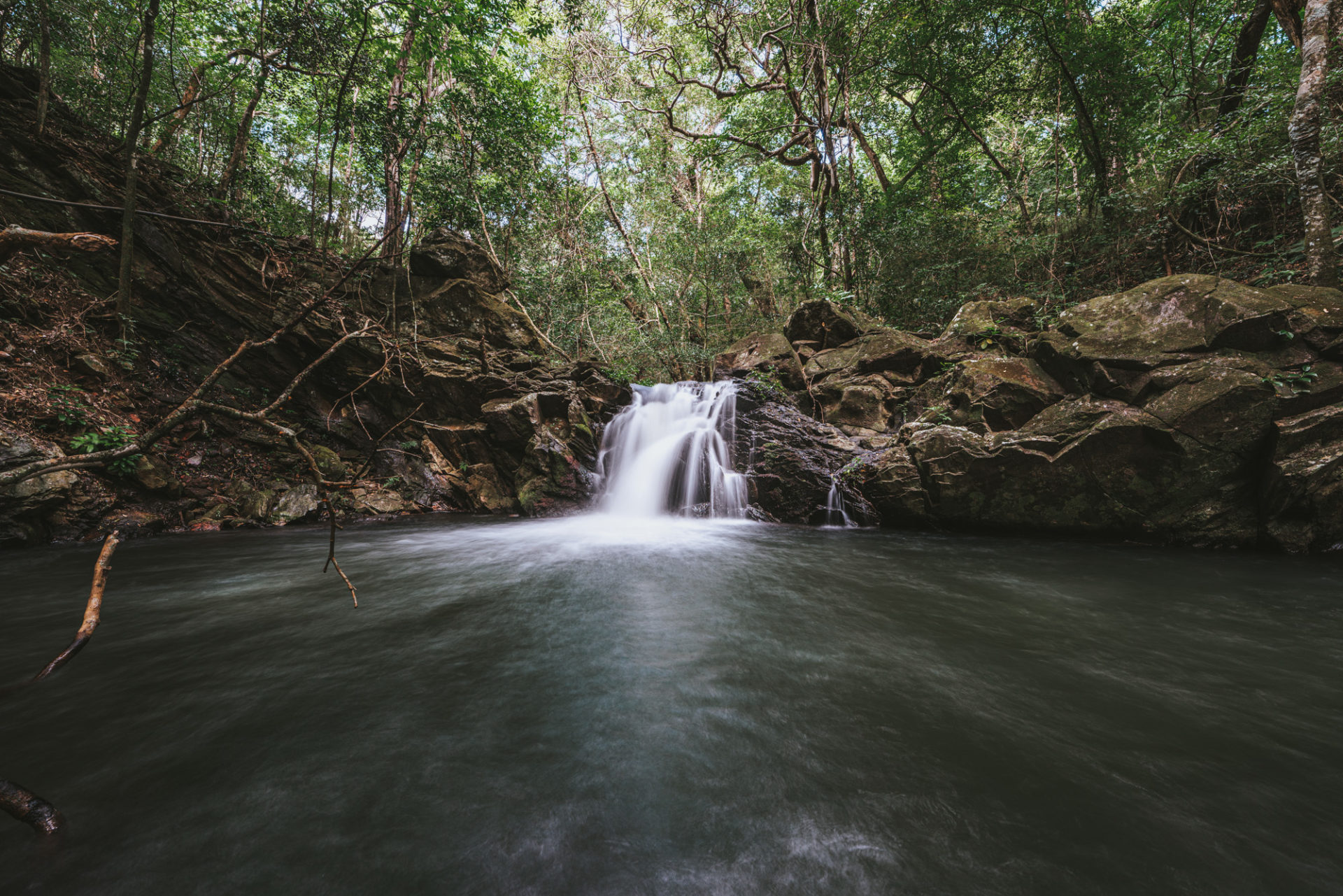
Rio Negro Waterfalls
Length: 1.3 km (0.8 miles)
Difficulty: Moderate
If you’re planning to enjoy the healing powers of the Rio Negro hot springs, be sure to check out the waterfalls as well. The waterfall trail follows the Rio Negro river to four different waterfalls, each with a small pool for swimming. It’s a nice way to explore the trails before enjoying a soak in the sulfur springs.
Hot Springs at Rincón de la Vieja, Costa Rica
Length: Varies
Difficulty: Easy to Moderate
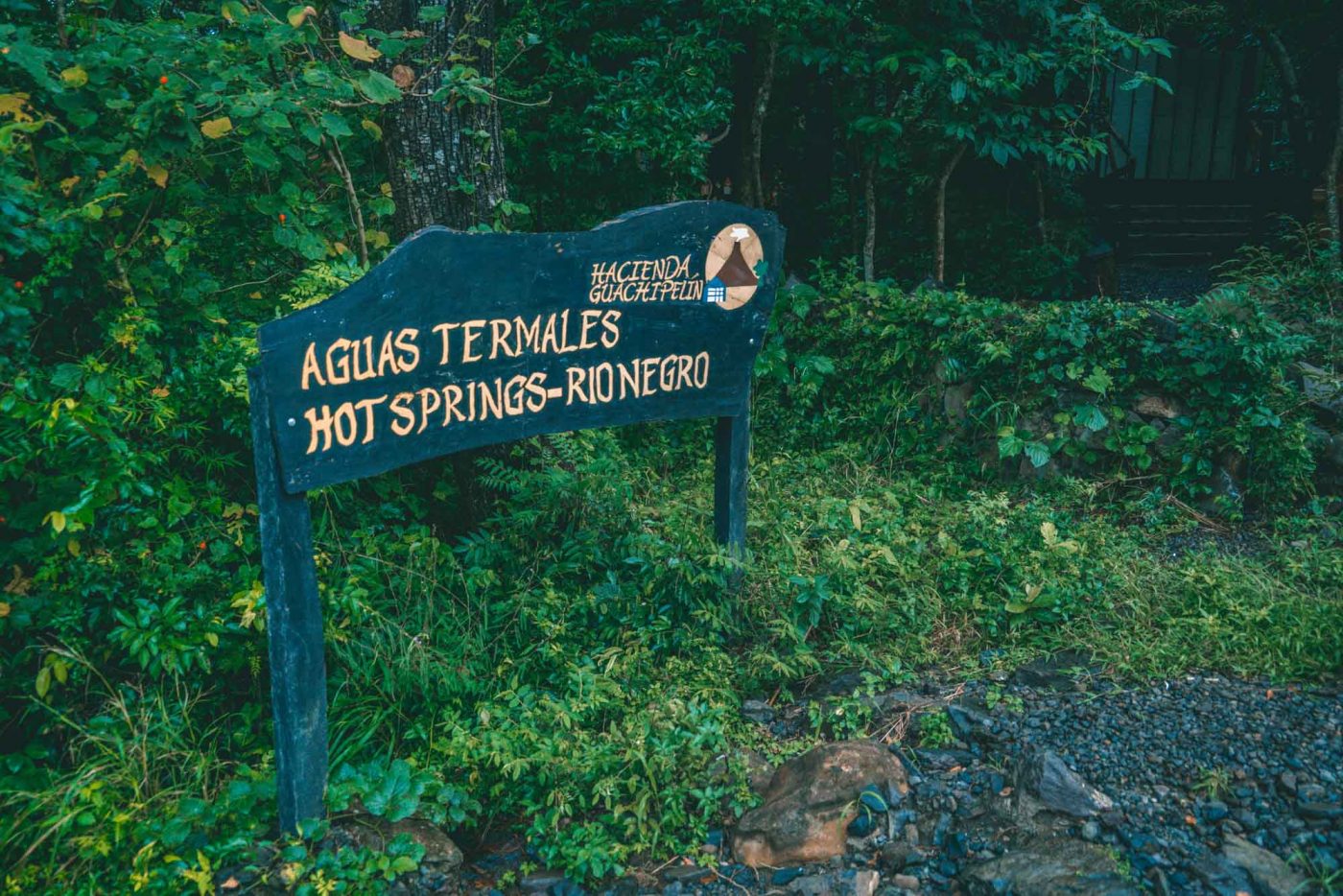
Due to the area’s high levels of geothermal activity, natural thermal springs can be found all around Rincon de la Vieja! Our top pick is the hot springs of Rio Negro, accessible from the Las Pailas section. The waters are rich in minerals and known to have rejuvenating and therapeutic properties. You can soak all day or lather up with a mud mask to treat your pores to a spa body masque. There are 10 different pools open from 9 AM – 5 PM daily. Entrance is USD $30 per person for adults and $25 for kids, and can be booked through Guachipelin.
Wildlife And Vegetation in Rincon de la Vieja
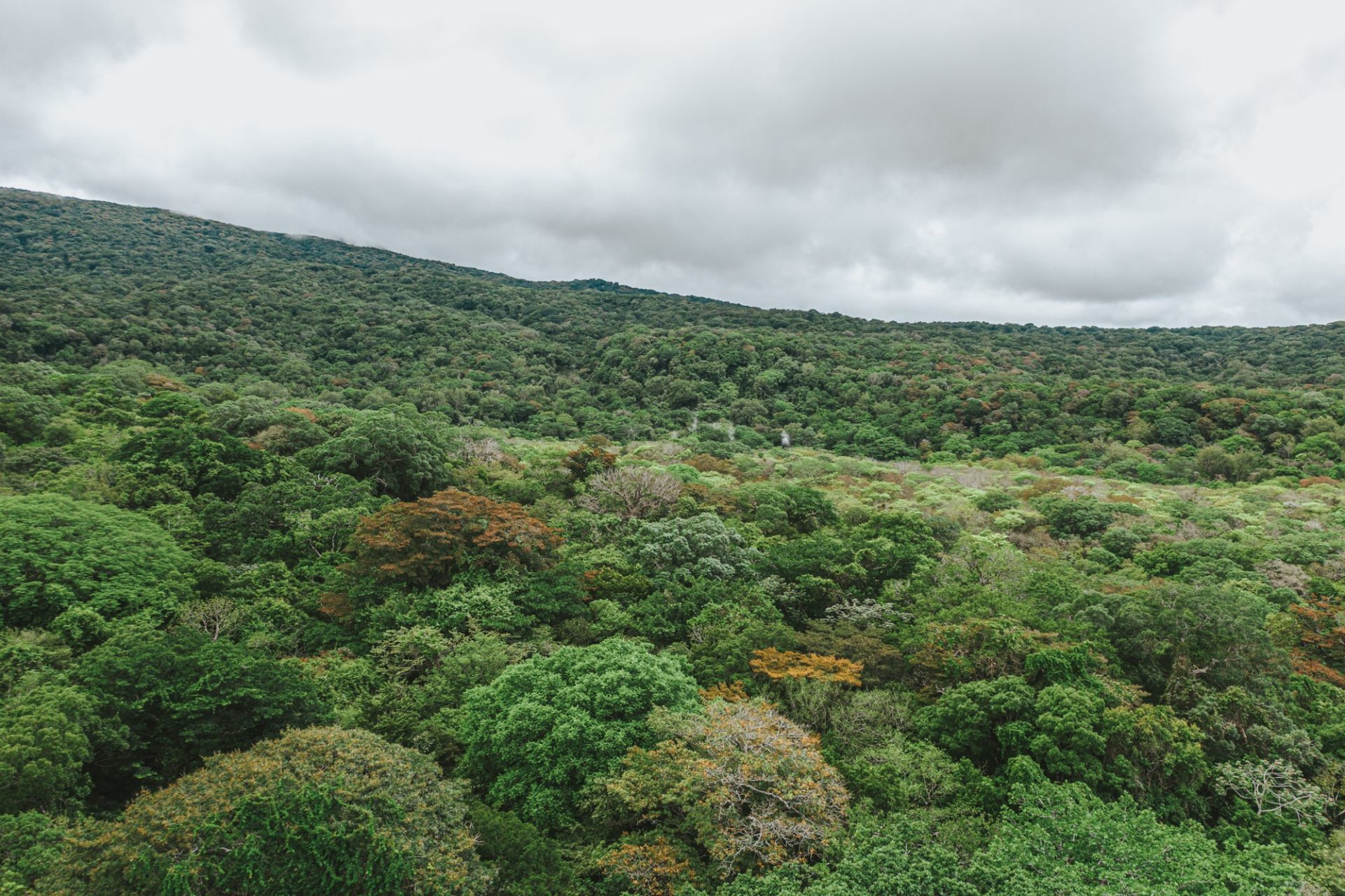
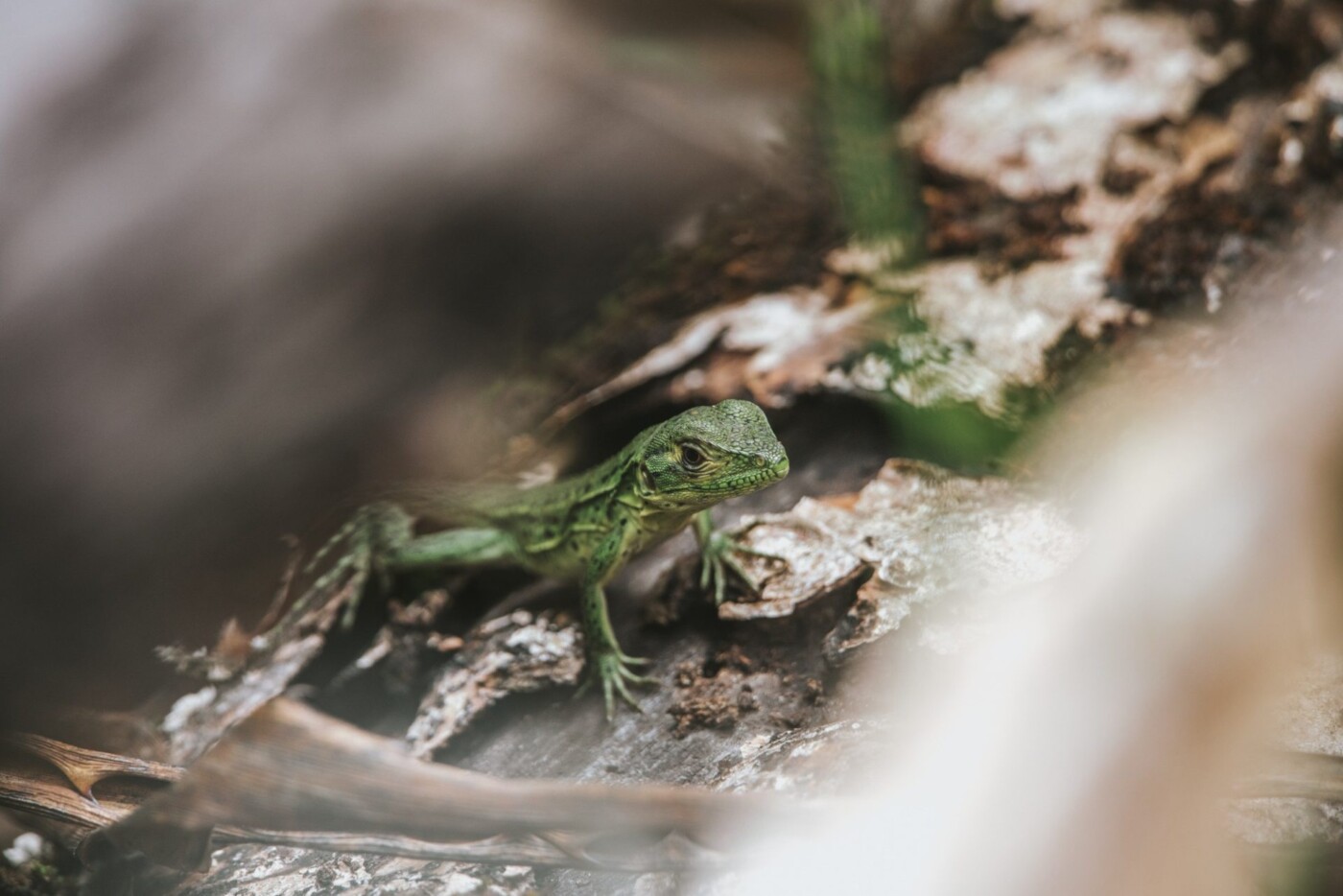
Because this national park is located within a tropical rainforest, you’ll encounter more unique wildlife and the vegetation here than you would anywhere else in the country. Instead of your typical Costa Rican rainforest – full of lush green trees and unfathomable biodiversity – this part of the country is characterized by rolling hills and trees sprouting yellow, red, and orange flowers.
This area is also home to unique creatures like the agouti, nine-banded armadillo, white-nosed coatis, spider monkeys, and 300 different bird species.
Activities And Adventure Centres In Rincon de la Vieja
There are loads of things to do in Rincon de la Vieja. Adventure centres are scattered all around the park, with different tours and passes that let you choose between quick or full-day activities.
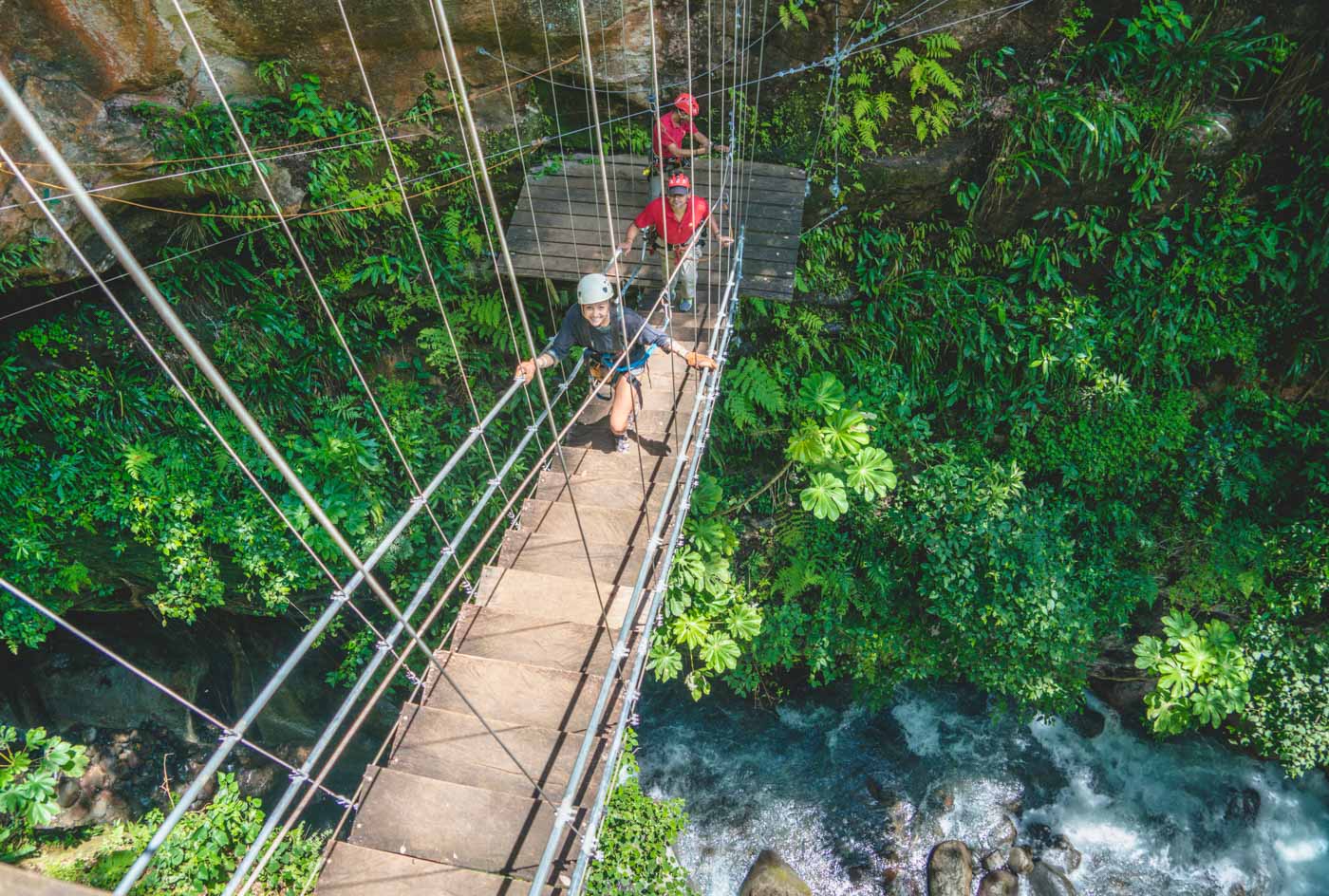
Each adventure centre has its own offering that usually includes a variation of ziplining, tubing, horseback riding, mountain biking, canyoning, and river tubing. For relaxation, some have spas that offer treatments, massages, and mud baths. There are also several hiking trails, wildlife-watching tours, and other outdoor activities that the whole family can try together.
Here are some of the best adventure centres in Rincón de la Vieja:
Hacienda Guachipelin
Without a doubt, Hacienda Guachipelin is our favourite adventure centre and has been a
staple on all of our visits. The hacienda has over 20 different tours to choose from and is a one-stop destination for accommodation, dining, adventure, and relaxation.
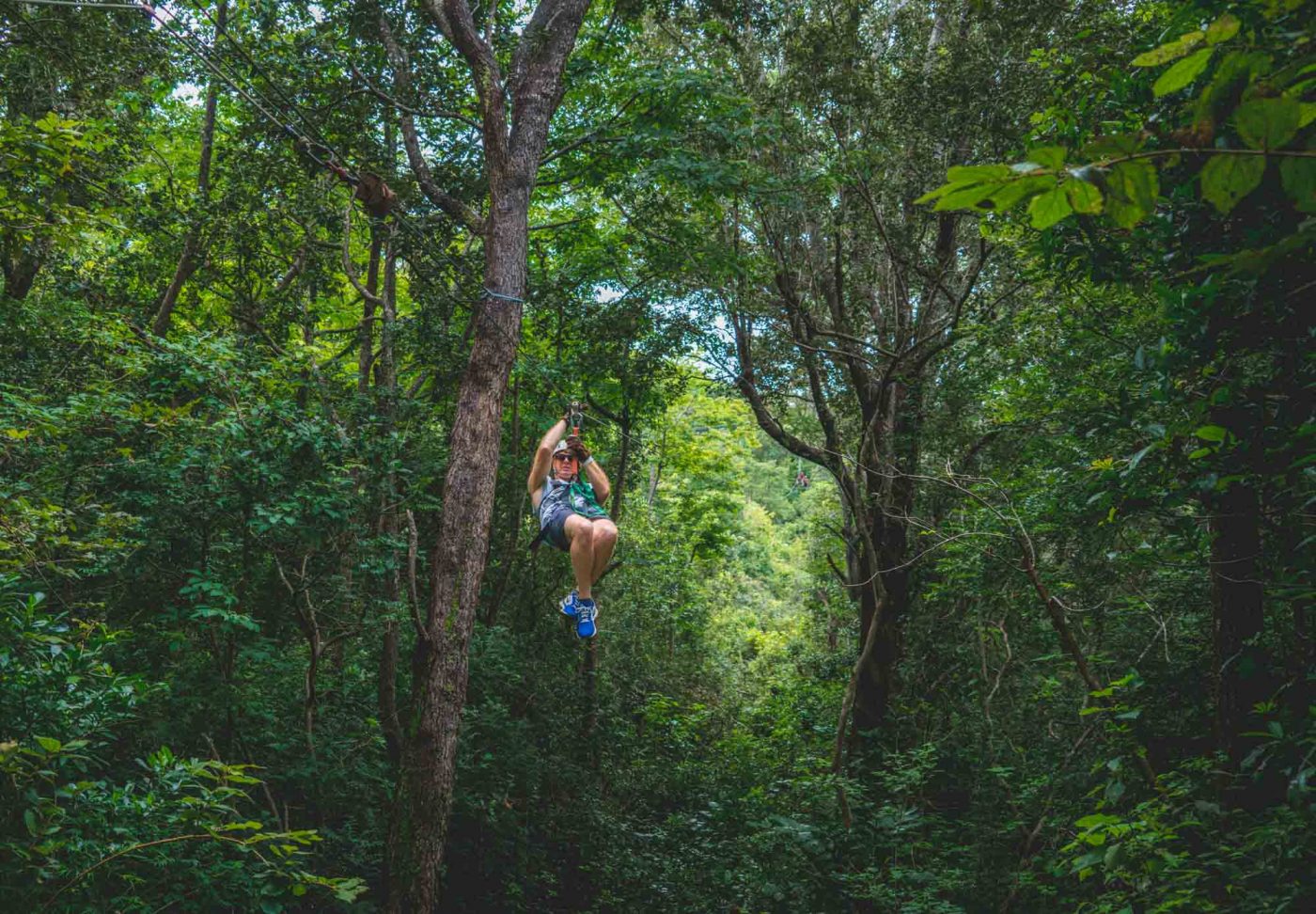
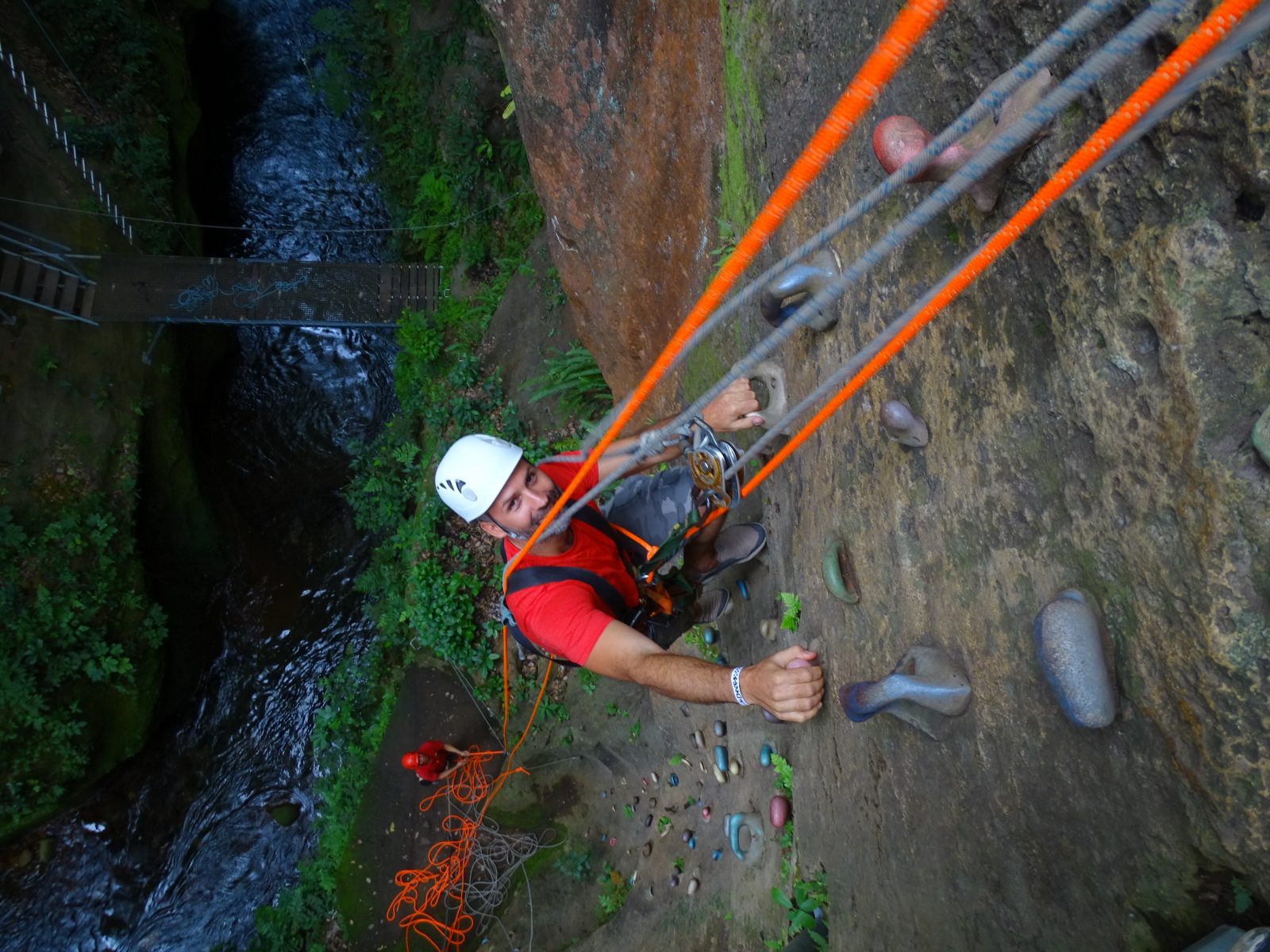
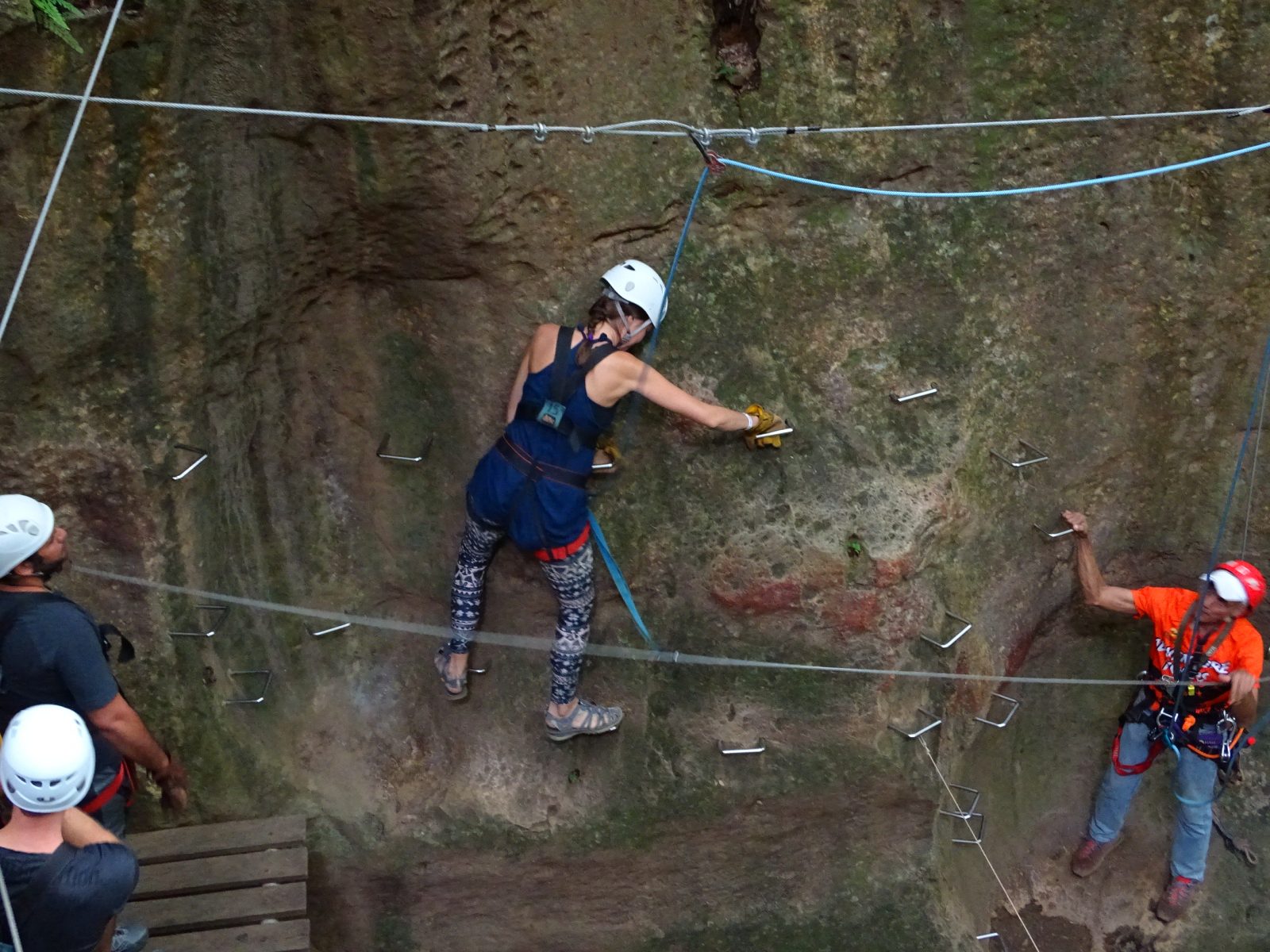
Their One-Day Adventure Pass is by far our favourite combo package, which is a 4-in-1 that includes canyoning, tubing, hot springs, and a horseback ride. We recommend this to those wanting to experience all that the park has to offer. If you want to try zipping through the forest, they also have one of the best zip lines in Costa Rica! Book their highly-rated Canyon Canopy Tour to get your heart pumping.
Other tours at Hacienda Guachipelin we recommend include:
- One Day Waterfalls Expedition
- Horseback Riding to the Rio Negro Hot Springs
- Rio Negro Tubing Adventure
- Riding to Las Chorreras Waterfall
- One-Day Nature Tour
- Private Full-Day Bird-Watching Tour
- Simbiosis Spa
READ NEXT: Hacienda Guachipelin – Hub of Adventure in Costa Rica
Vandará Hot Springs & Adventures
Vandará blends adventure and relaxation with ziplining, horseback riding, and a relaxing spa. Vandará offers 7 different packages that showcase the unique nature and culture of the Rincón de la Vieja area. Enjoy the park’s lush grounds while swinging through the trees or splashing down the 400m (1313 ft) waterslide before relaxing with a mud mask.
Vida Aventura Nature Park
The 400 acres at Vida Aventura are all about nature, adventure, and relaxation. They offer outdoor activities like horseback riding and ziplining, along with relaxation massages and an invigorating thermal pool. Plus, if you stay in one of their apartments, you’ll get to enjoy each activity for only $35 per person.
Blue River Resort
Stop by for a 1-day eco-adventure tour or spend the week in a tropical cabana. Blue River Resort has great packages for tubing, hiking, horseback riding, and even a dinosaur park. The on-site thermal springs are perfect for a relaxing soak or plunge into the swimming pool on the exhilarating bullet water slide.
Buena Vista Del Rincon Eco Adventure Park, Hotel & Spa
Another great adventure centre celebrating nature, culture, adventure, wellness, and sustainability. Experience hanging bridges, bird watching, waterfall hiking trails, and more at Buena Vista Del Rincon. The tours are complemented by rustic wooden cabins set in a picturesque garden with a sun-soaked swimming pool.
Other Tips And Essential Travel Details
- Make sure to bring a sizable water bottle to stay hydrated. There is a filling station at the admission office, but not within the park.
- Mosquitos aren’t a huge problem here as it is a dry forest, so you can wear shorts while hiking.
- We think the best time to visit Rincón de la Vieja is during the green season when volcanic activity is at its peak. You’ll see the most boiling mud pots, mini geysers, and powerful waterfalls in the forest.
- Make sure to use the toilet at the admission office – there are none inside the park!
Where To Stay While Exploring The Park
Hotel Hacienda Guachipelín
Hotel Hacienda Guachipelín is an eco-hotel/ranch right outside of the park, offers beautiful rooms with complimentary breakfast, and can help you organize any kind of tour you’d like to do in the area.
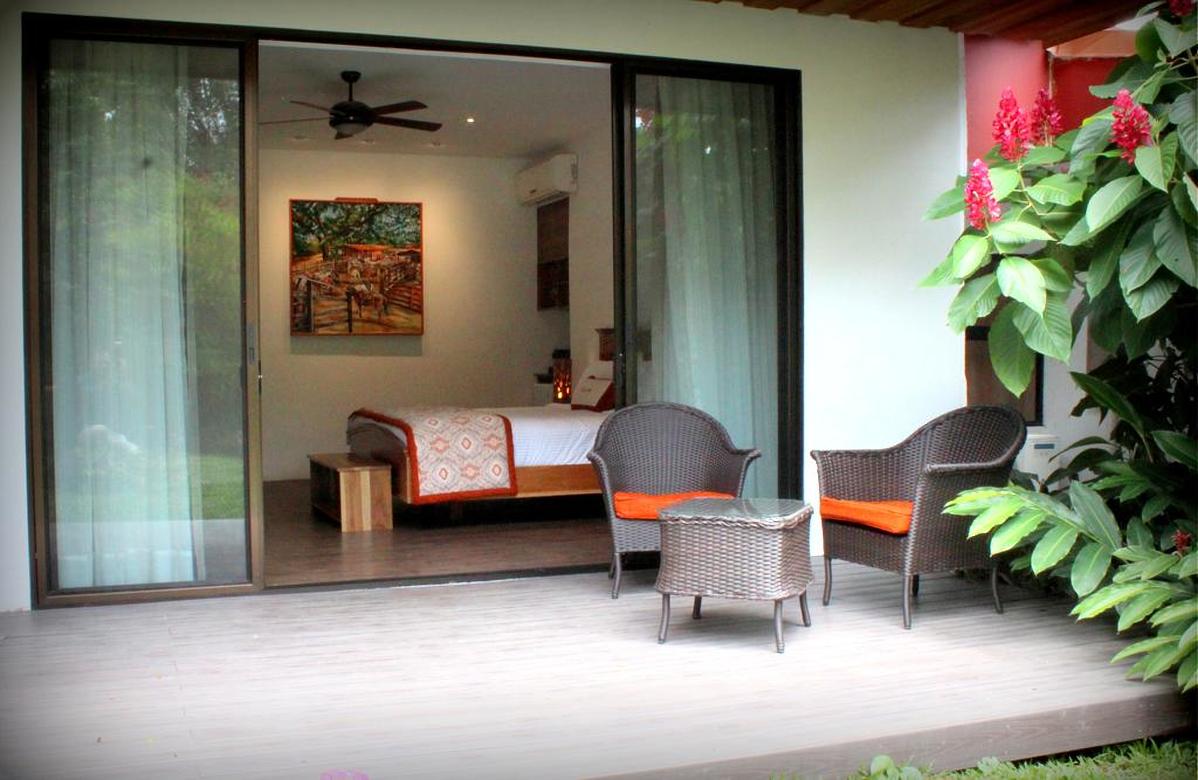
Borinquen Mountain Resort And Spa
Also located just outside of the park, Borinquen Mountain Resort and Spa is an eco-resort is another great option for all kinds of travelers. Their rooms are beautiful, they offer epic tour packages, and their on-site spa will help you relax and unwind after a long day of adventure.
Rinconcito Lodge
Just 15 minutes away from the Santa María ranger station, Rinconcito Lodge is the perfect launchpad to explore Rincón de la Vieja. They have lovely garden and mountain view rooms with an on-site restaurant, relaxing pool, and fantastic tours.


Thank you so much for this article! It really clarified some things for me as this time around I will have my kids and we hope to take a different trail!
Enjoy the hike!
Thank you for the detailed explanation, we are planning to spend several days hanging out in Rincón De La Vieja national park, and your page will make planning so much easier!
AJ
Do you have to pay every time you enter the park or can we purchase multi-day passes if we wanted to hike there on more than one occasion?
As far as we know, entrance tickets are issued daily.