Ethiopian Food: A Beginner’s Guide to the Best Dishes

·

·

·

,

Before our trip in 2018, we knew almost nothing about Ethiopian food, and discovering it became one of the happiest surprises of nearly a month spent travelling the country. Most westerners have little sense of what the cuisine involves, and unless you have happened upon an Ethiopian restaurant at home, the names, the spices and the spongy bread you eat everything with are a complete unknown. We started in Addis Ababa with a food tour of the capital run by Go Addis, learned the traditions behind the dishes, sat through our first coffee ceremony, and then spent the next three weeks eating our way around the rest of the country.

*This post may contain affiliate links. We may earn a small commission at no extra cost to you. As an Amazon Associate, we earn from qualifying purchases. Read our full disclosure.

This guide is everything we wish we had known before that first meal: what the dishes are, whether it is spicy, how it is eaten, and the many vegetarian options to look for. If you are curious about this east African cuisine, here are the best Ethiopian dishes to try and how to enjoy them like a local.

Key Takeaways

  • Injera is the foundation of every meal, a large, spongy sourdough flatbread made from teff that doubles as both your plate and your utensil.
  • Ethiopian food is well seasoned rather than punishingly hot. The signature berbere blend brings warmth and depth more than fierce heat, and many dishes are genuinely mild.
  • It is one of the most vegetarian and vegan friendly cuisines in the world, thanks to the Orthodox Christian fasting tradition.
  • You eat with your right hand from a shared platter, tearing off pieces of injera to scoop up the stews and salads.
  • No meal is complete without a coffee ceremony, one of the most memorable rituals you will experience anywhere in the country.
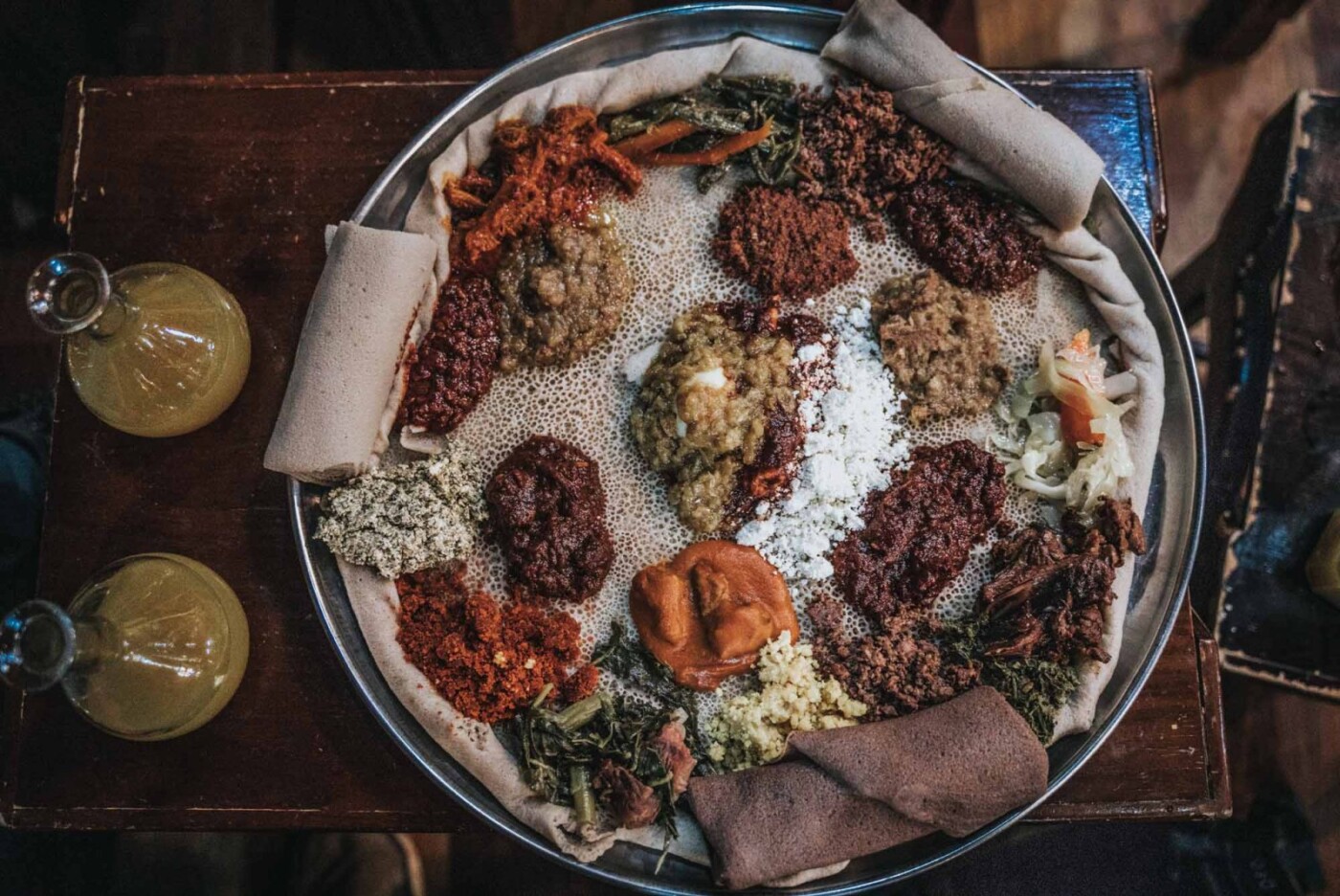
Our first Ethiopian feast, on a food tour in Addis Ababa
Ethiopian feast!

Ethiopian Food at a Glance

At a Glance

StapleInjera, a spongy sourdough flatbread made from teff
Key spiceBerbere, a fragrant chilli-and-spice blend
Spice levelWell seasoned and warming rather than blisteringly hot
Vegetarian-friendlyExcellent; among the most vegan-friendly cuisines anywhere
How to eat itWith your right hand, scooping with injera from a shared platter
National dishDoro wat, a rich, slow-cooked chicken stew
Must-try dishesBeyaynetu, shiro, tibs, kitfo and the coffee ceremony

Ethiopian cuisine is unlike anything else in Africa, built on fermented flatbread, deeply spiced stews and a strong culture of sharing. The sections below break down whether it is spicy, how to eat it, the fasting tradition that makes it so vegetarian-friendly, and the best dishes to order, before finishing with the coffee ceremony that ends every important meal.

Is Ethiopian Food Spicy?

This is the question we hear most often, and the honest answer is that Ethiopian food is well seasoned rather than blisteringly hot. The cuisine leans on a wide mixture of spices, but the goal is depth of flavour more than raw heat. Plenty of dishes carry a gentle warmth, and there is always a milder option on the table, so even travellers who do not love chilli tend to eat very happily here.

Two words are worth learning. A wat is the spicier, berbere-based stew, while an alicha is its mild, turmeric-based cousin with little or no chilli. Order an alicha or lean on the vegetarian fasting dishes and you can keep the heat low all day. We found the spice built slowly and pleasantly across a meal rather than overwhelming any single dish.

Berbere: The Spice Behind the Cuisine

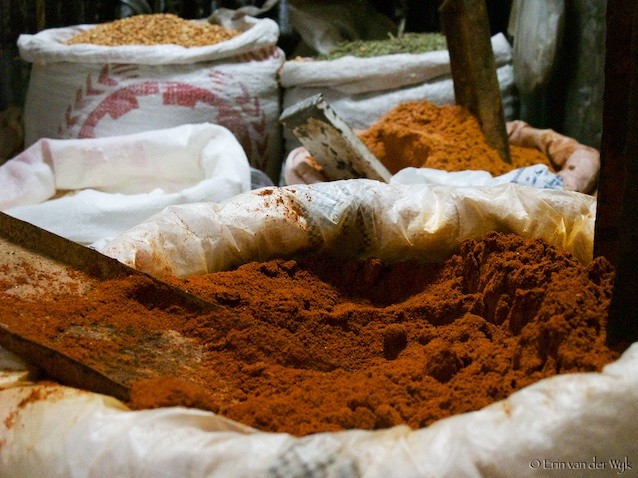
If one ingredient defines the flavour of Ethiopian food, it is berbere. This is the cornerstone spice blend, usually a fragrant mix of chilli, garlic, ginger, fenugreek and other warming spices, and it ranges from light orange to deep red in colour. It forms the base of countless stews and gives them their signature colour and complex, savoury taste. The other essential is niter kibbeh, a spiced clarified butter that carries the flavours and gives many dishes their richness.

Berbere Spice. Photo by Ethiopian Shop via Flickr CC

How to Eat Ethiopian Food

There is no cutlery in traditional Ethiopian dining, and learning to eat with your hands is half the fun. The food arrives on a single large round of injera, with the stews, salads and meats spooned directly onto it in colourful mounds. You tear off a piece of injera with your right hand, use it to pinch up a bite of stew, and eat the whole parcel in one go. The platter is shared, so everyone eats from the same plate, which makes a meal as social as it is delicious.

A few small customs are worth knowing. Eat with your right hand rather than your left, take from the section of the platter nearest you rather than reaching across, and watch for gursha, the affectionate gesture of feeding a tasty morsel directly to a friend or guest. By the end of the meal the injera underneath has soaked up all the sauces and becomes the best bite of all.

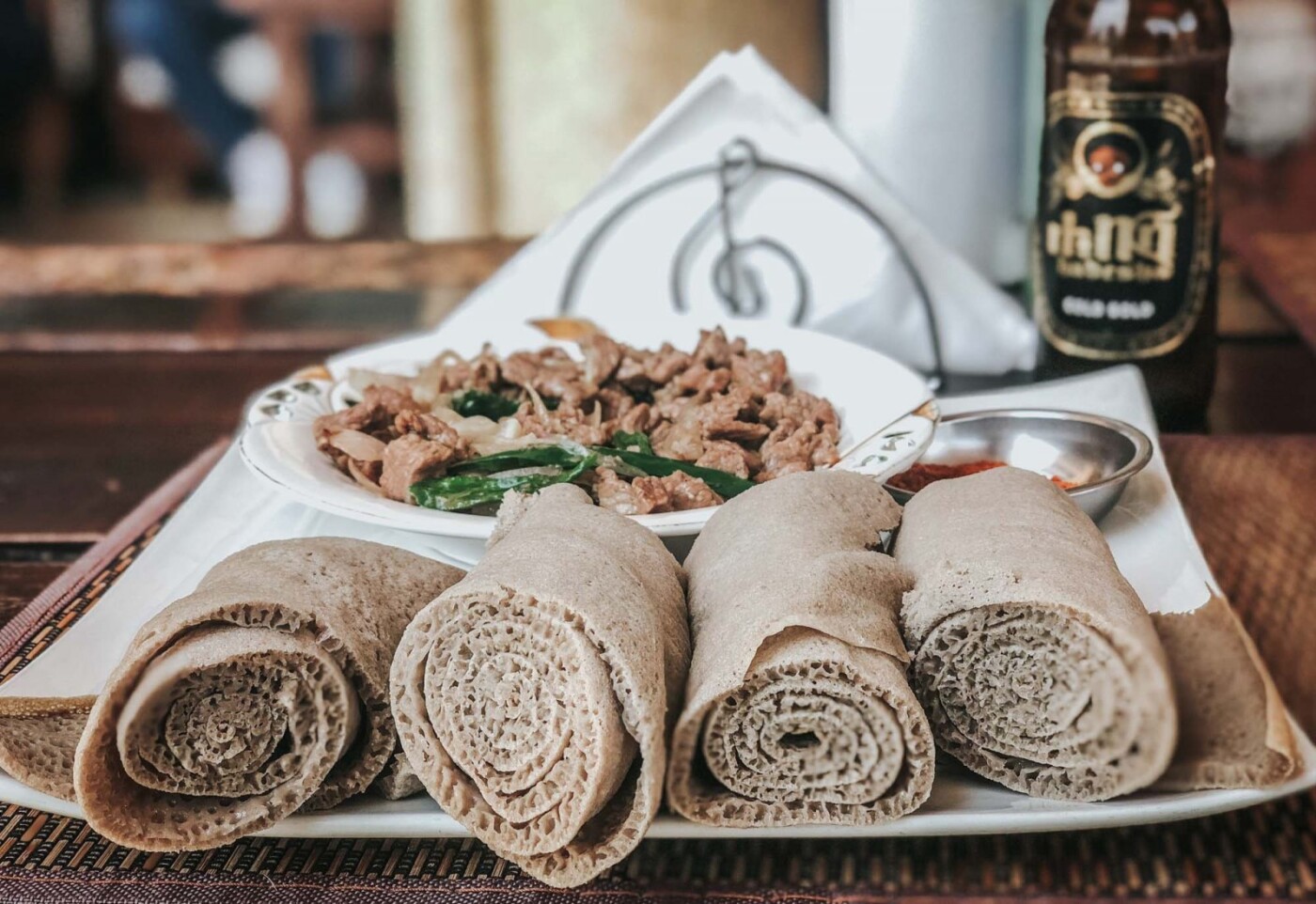
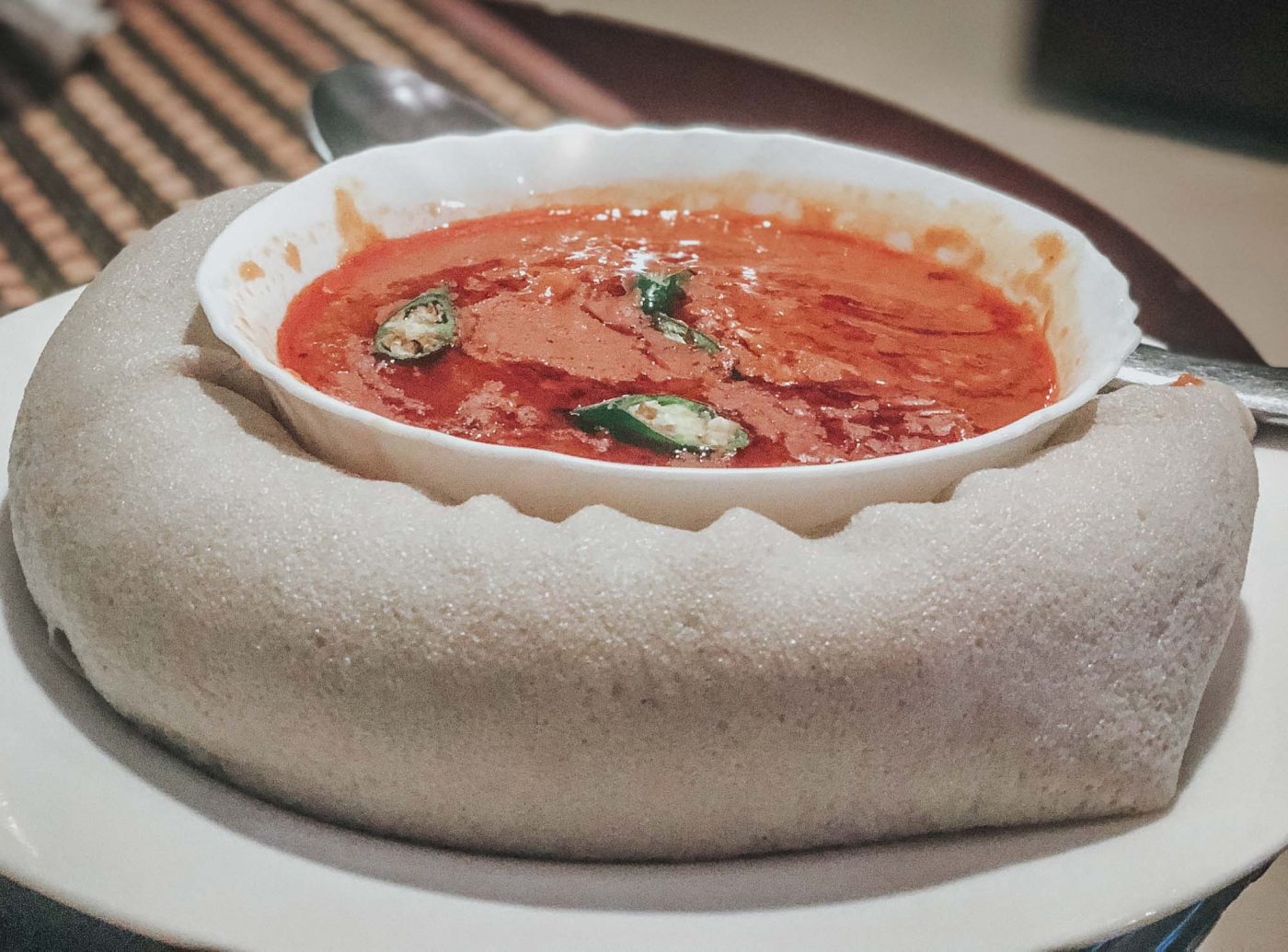
Injera, the flatbread that is the foundation of every Ethiopian meal
Injera, the main ingredient in every Ethiopian dish

What Is Injera?

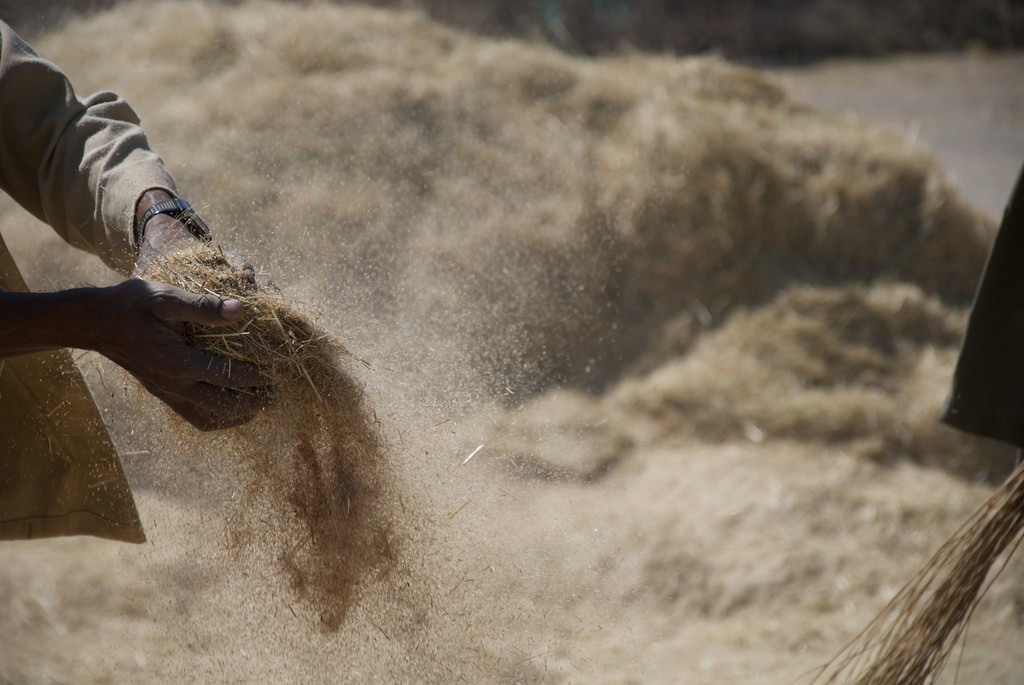
Injera is the lifeblood of Ethiopian cuisine, a large flatbread with a soft, foamy, slightly spongy texture and a distinctive sourdough tang. It is made from the ground seeds of teff, a tiny ancient grain native to Ethiopia and Eritrea, although wheat, barley or corn flour are sometimes substituted. In most cases the batter is nothing more than teff flour and water, mixed and left to ferment for a few days, which is where the signature sourness comes from.

When the batter is ready it is poured onto a wide, flat clay or metal pan called a mitad in a spiral motion, then covered to steam-cook into a single thin round about 50 centimetres across. The top sets into a delicate honeycomb of tiny holes that soak up sauce beautifully. Teff is naturally gluten-free and rich in iron and protein, which is part of why injera is both a staple and a genuinely nutritious one.

Men winnowing and sorting teff, the grain used to make injera. Photo by Ryan Kilpatrick Via Flickr CC
Men winnowing and sorting teff, to make Injera. Photo by Ryan Kilpatrick Via Flickr CC

Fasting and Vegetarian Food in Ethiopia

Ethiopia is a deeply religious country, and religion shapes much of how and when people eat. The two largest faiths are Ethiopian Orthodox Christianity and Islam, and both observe significant fasting periods. In the Orthodox tradition, followers abstain from all animal products on Wednesdays and Fridays, throughout Lent, and during other fasting seasons across the year, while Muslims fast from dawn until dusk through the month of Ramadan.

Devout Orthodox Ethiopians can fast for somewhere between 165 and 250 days a year, and we quickly learned to plan around it. On Wednesdays and Fridays meat dishes were genuinely hard to find, which sounds like a problem but is really the opposite.

A fasting platter, a selection of vegetarian and vegan stews on injera
Fasting Ethiopian dish, a selection of vegetarian/vegan stews and injera

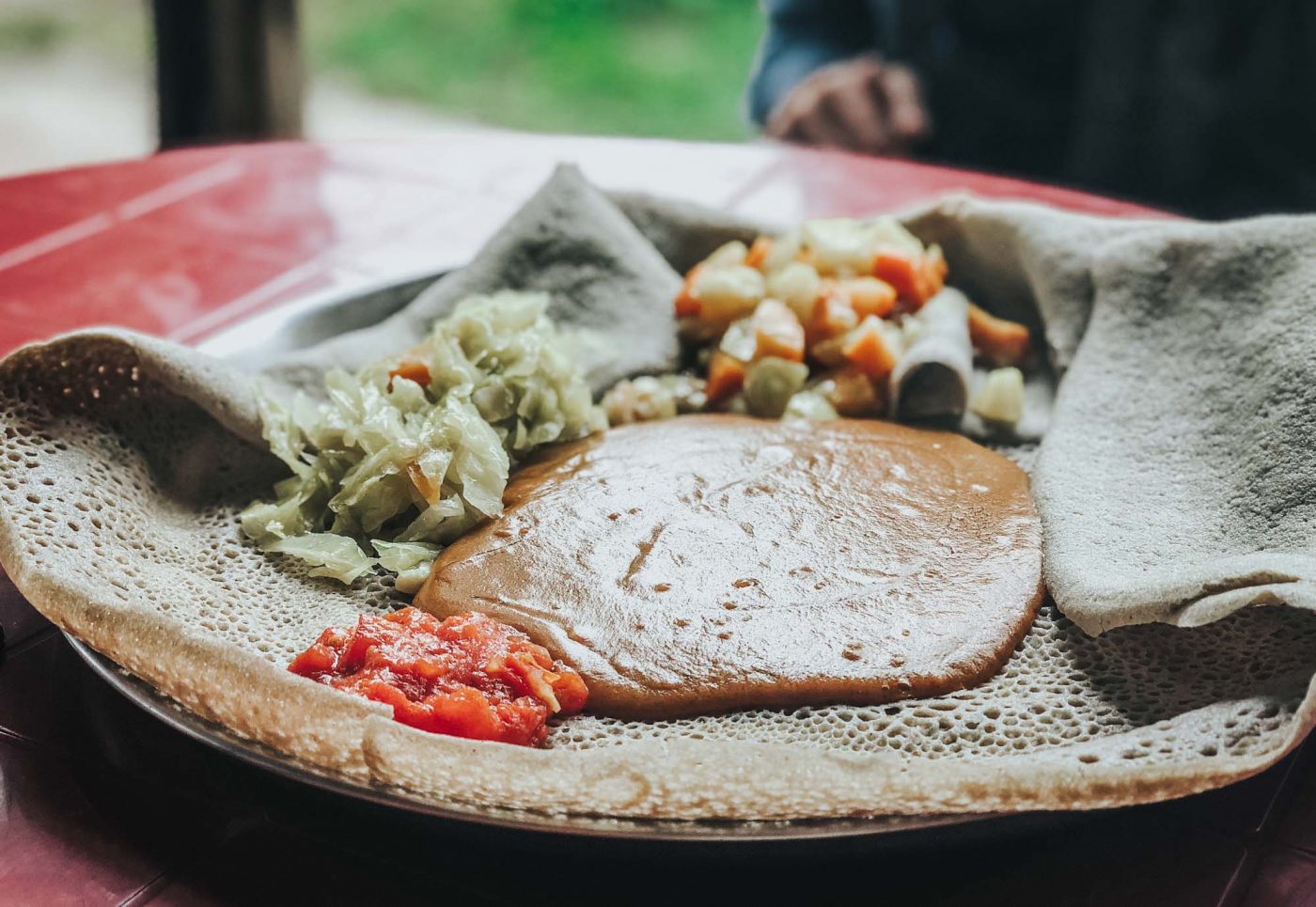
Because so much of the calendar is meat-free, Ethiopia has one of the richest vegetarian and vegan traditions on earth. Locals simply call a vegan meal “fasting food”, and everyone, from tiny roadside cafes to smart restaurants, understands the concept instantly. A vegan can travel here and eat extraordinarily well without ever having to explain themselves. The fasting platters of lentil stews, spiced vegetables and salads became some of our favourite meals of the whole trip.

A vegan
Vegan aka fasting meal in Ethiopia

What a Typical Ethiopian Meal Looks Like

A typical Ethiopian meal always starts with injera as the base, topped with one or more stews. These stews are savoury and gently spiced, and outside fasting days they often include beef, lamb, chicken or goat. Pork is almost never used, as it is avoided by Orthodox Christians and Muslims alike. Lentils, split peas and vegetables appear constantly, whether as the star of a fasting dish or alongside the meat.

Meals are unhurried and communal. Several dishes are served at once on the shared injera so that everyone tastes a little of everything, and there is no rush to clear the plate. And no important meal is truly complete without the coffee ceremony that follows it, which we cover at the end of this guide.

The Best Ethiopian Dishes to Try

These are the meat and signature dishes we returned to again and again. Most are served, as always, on a bed of injera.

Doro Wat

Doro wat is widely considered the national dish of Ethiopia, and it is the one to seek out if you only try a single stew. It is a rich, slow-cooked chicken stew simmered for hours in a deep berbere and onion sauce, traditionally served with a hard-boiled egg set in the middle. It is the dish that appears at holidays and celebrations, and the long, patient cooking gives it a depth that is hard to forget.

Wat

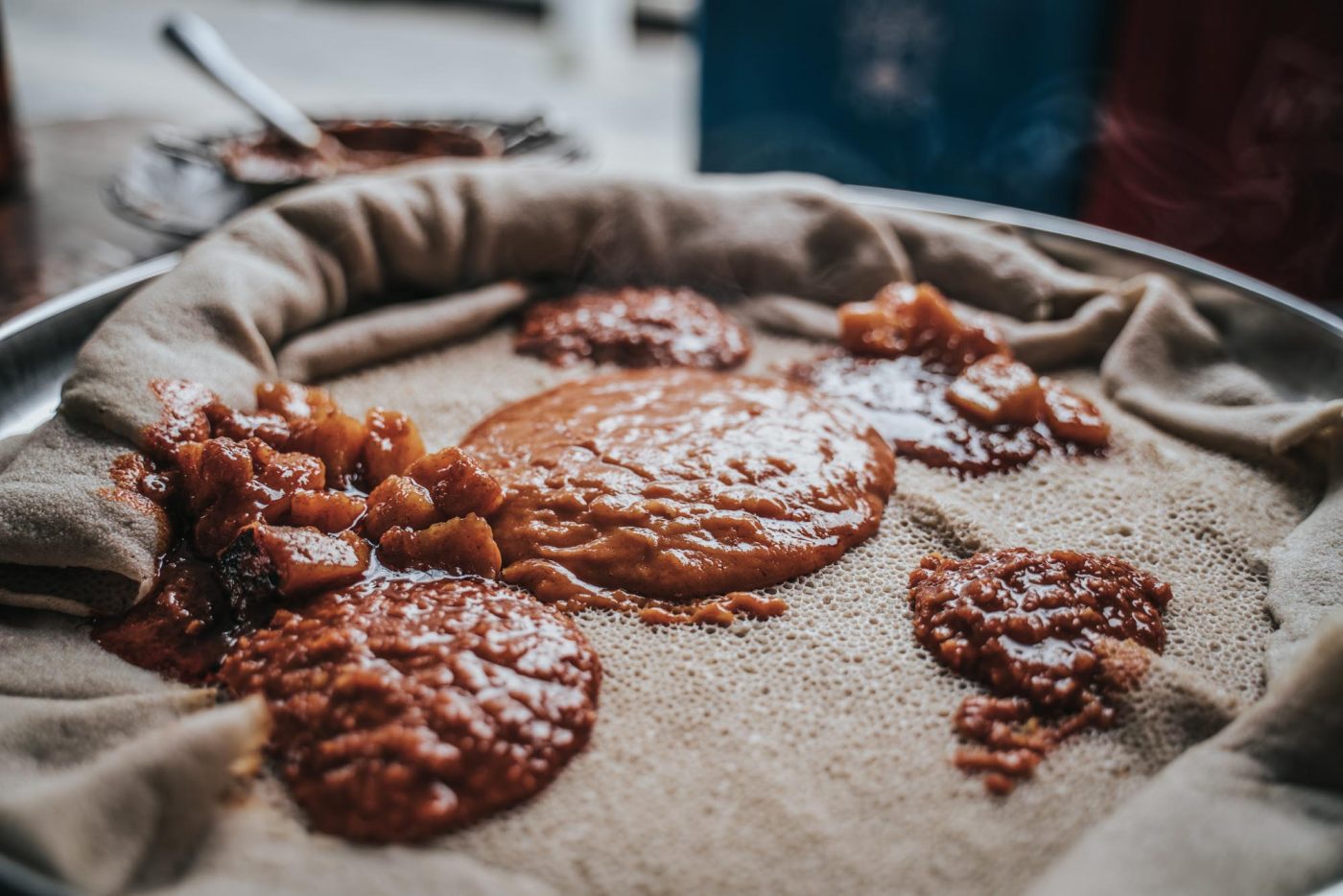
Wat is the broad family of traditional Ethiopian stews, all built on the same signature base of red onions slow-cooked down with oil and berbere until soft and jammy. From there it varies endlessly: add peas, potatoes and carrots for a vegetable wat, or beef, chicken, goat or fish for a meat version. Because every cook and every region makes it slightly differently, wat tastes a little different everywhere you go, but the soulful onion-and-berbere base is always there.

A selection of vegetarian wats
Selection of vegetarian wats

Tibs

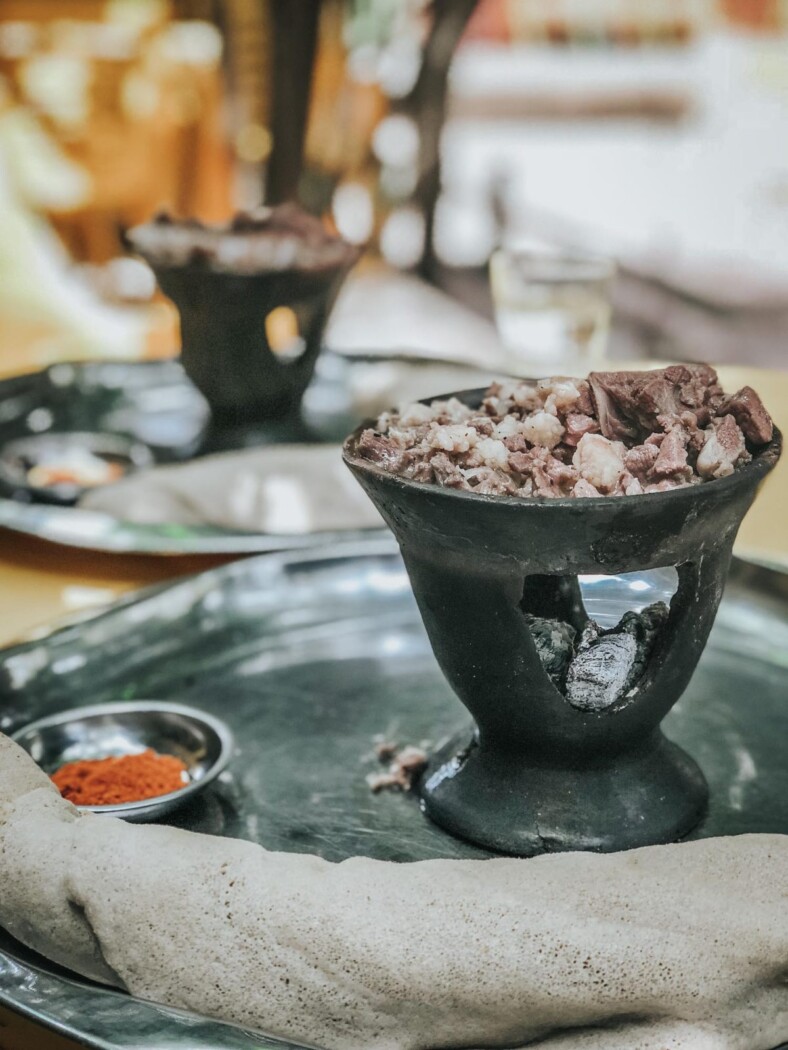
Tibs was one of our personal highlights. In essence it is a sizzling saute of meat with vegetables and spiced butter, somewhere between a stir-fry and a roast. It can be prepared mild or fiery, light or rich, and is served with injera, bread or rice. Order it and it often arrives still spitting on a small clay dish over hot coals, which makes it as much an event as a meal.

Tibs served with injera

The Best Vegetarian Ethiopian Dishes

Thanks to the fasting tradition, vegetarian and vegan dishes are everywhere in Ethiopia, and many of them were the standouts of our trip. Here are the meat-free dishes worth ordering.

Misir (Lentils)

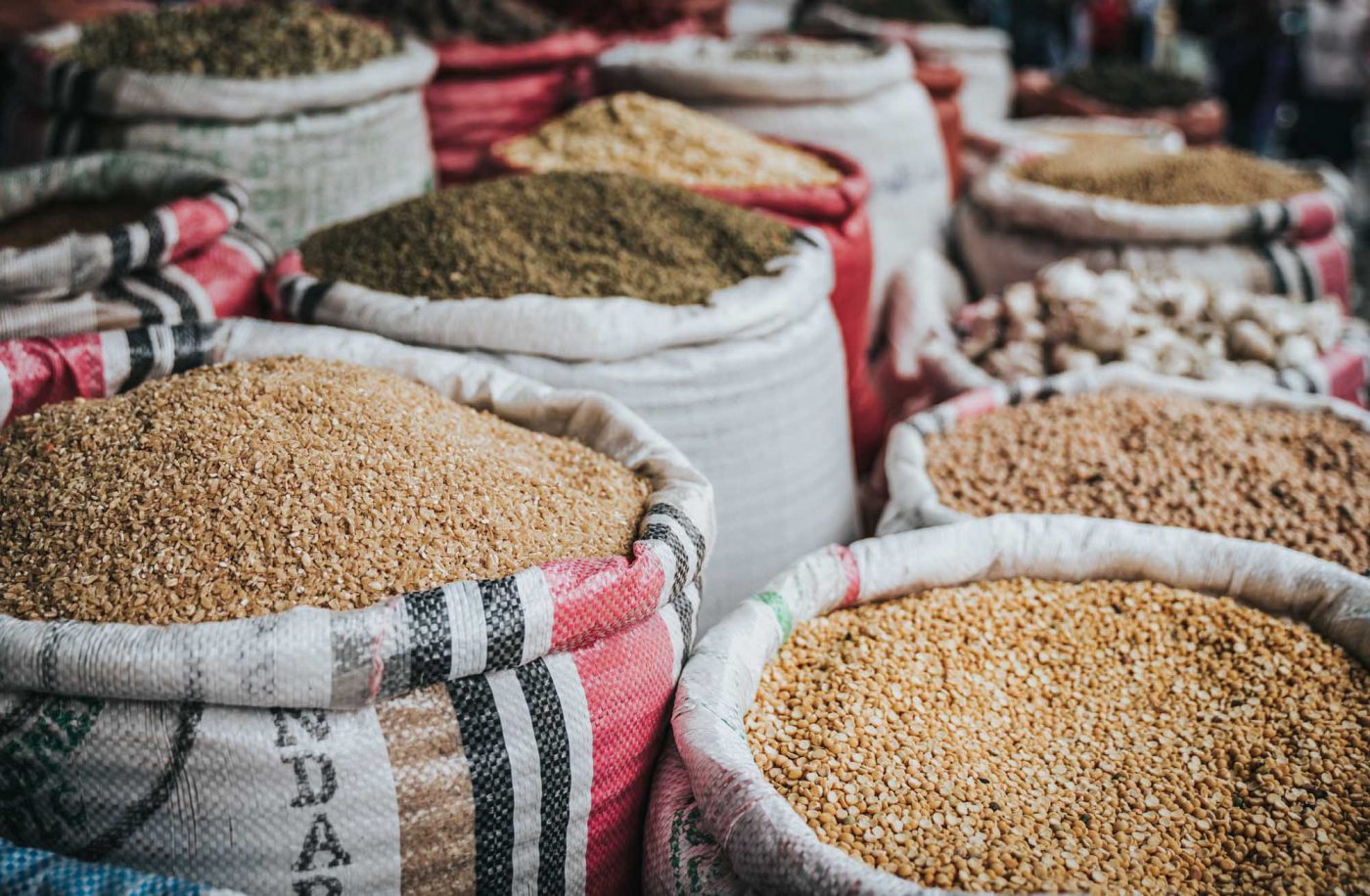
Misir, sometimes written messer, is the signature Ethiopian lentil dish, with red lentils simmered down in a spiced broth of onions and berbere until soft and warming. It is served piping hot and is a fasting-table staple. Lentils and other legumes provide much of the protein on meat-free days, which is why they turn up on almost every vegetarian platter.

Lentils and legumes provide much of the protein in Ethiopia's vegetarian fasting dishes
Lentils and other legumes provide much needed protein in vegetarian dishes serves around Ethiopia during fasting days

Shiro

Shiro was one of our favourite dishes in the whole country. It is a smooth, savoury stew made from ground chickpeas or beans, cooked with plenty of garlic and onion into something rich and comforting. It is pure fasting-food comfort, and we ordered it again and again whenever it appeared on a menu.

Shiro, a smooth chickpea stew
Shiro wat

Beyaynetu (Combination Platter)

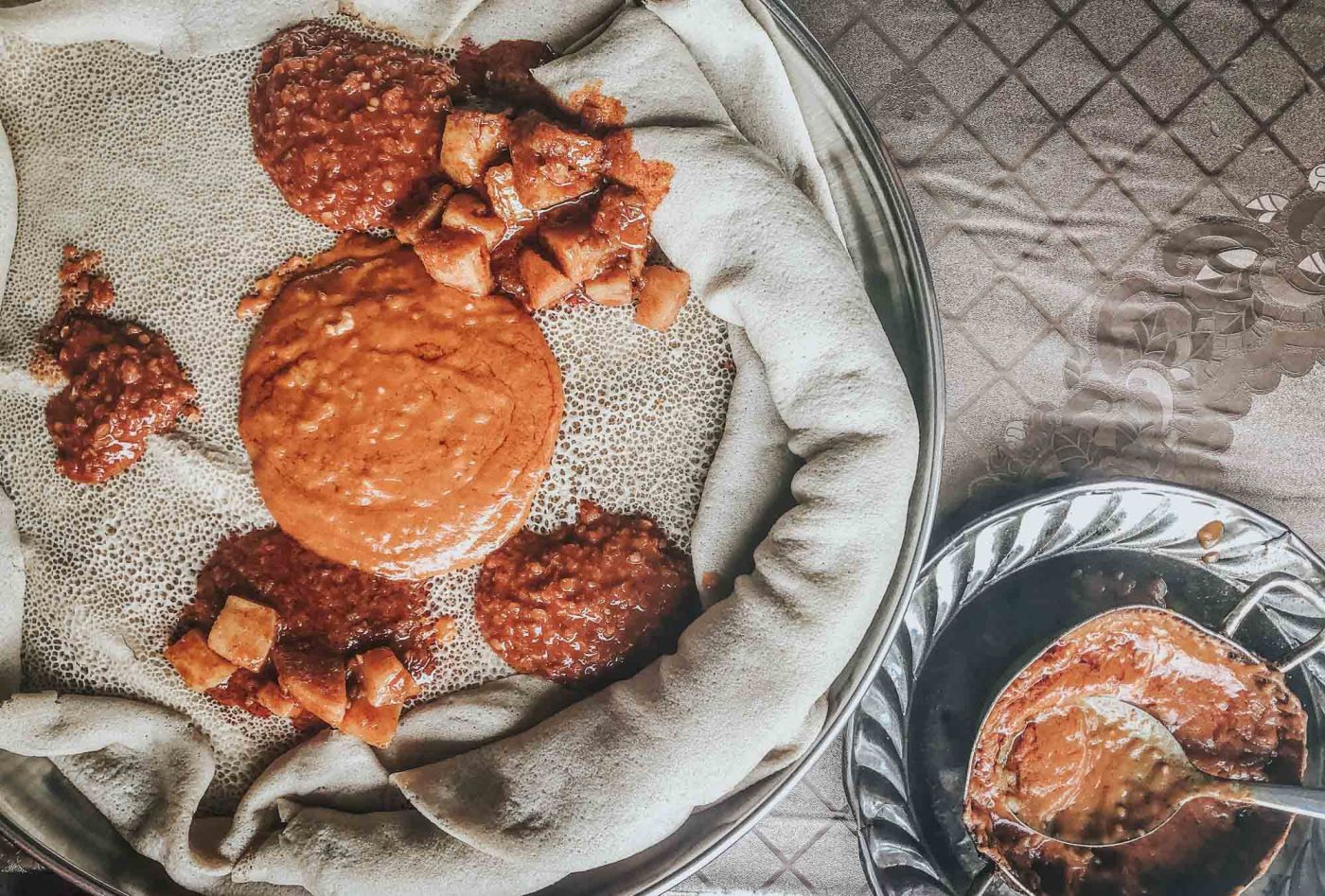
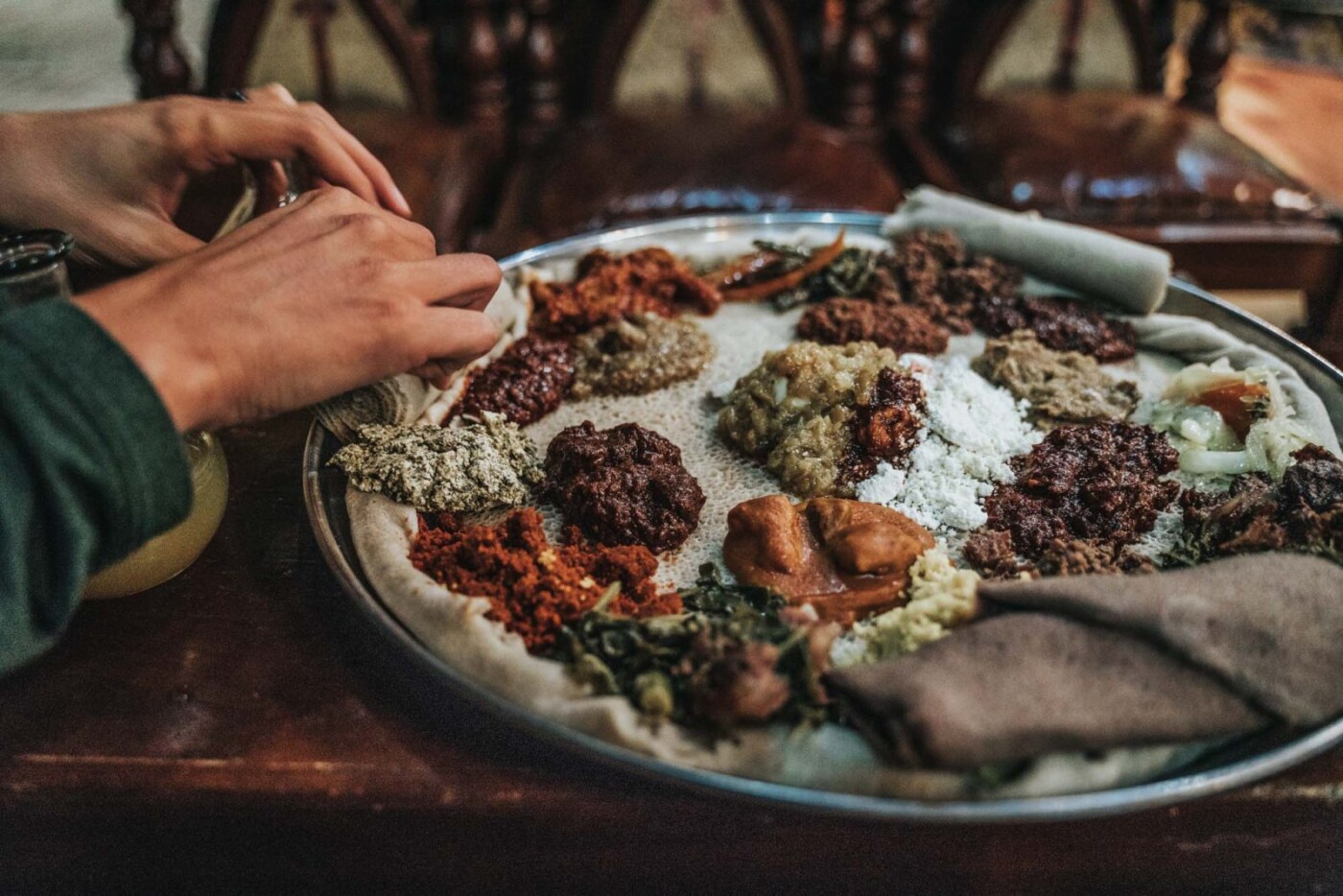
If you want a little of everything, order beyaynetu. It is a combination platter, a bed of injera arranged with small mounds of different stews, lentils, vegetables and salads so you can graze across the whole spread. It was by far our favourite way to eat in Ethiopia, both because it offers so many dishes at once and because it is almost always vegetarian. For first-timers, this is the single best dish to order.

Vegetarian beyaynetu, the Ethiopian combination platter
Vegetarian Beyaynetu (Ethiopian combination platter)

Atkilt

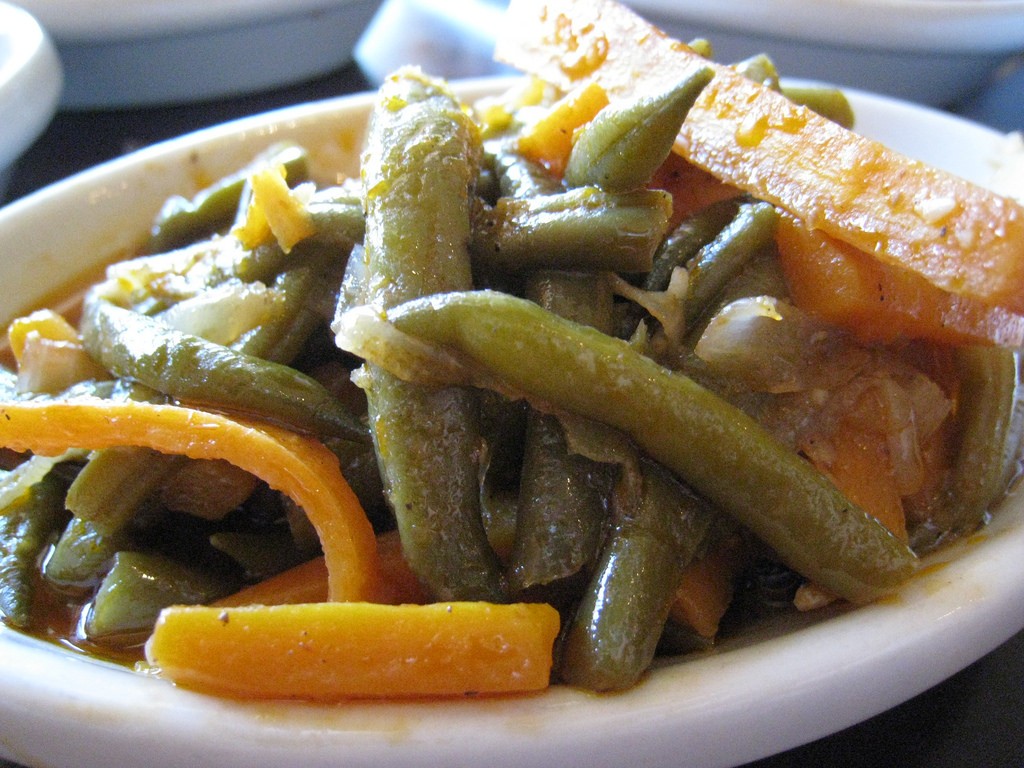
Atkilt is a gentle, lightly spiced wat of cabbage, carrots and potatoes. It is simple but savoury, usually mild rather than hot, and a reliable choice if you want something comforting and low on chilli.

Traditional Ethiopian food, atkilt. Photo by Mesob Restaurant via Flickr CC
Traditional Ethiopian food Atkilt. Photo by Mesob Restaurant via Flickr CC

Gomen

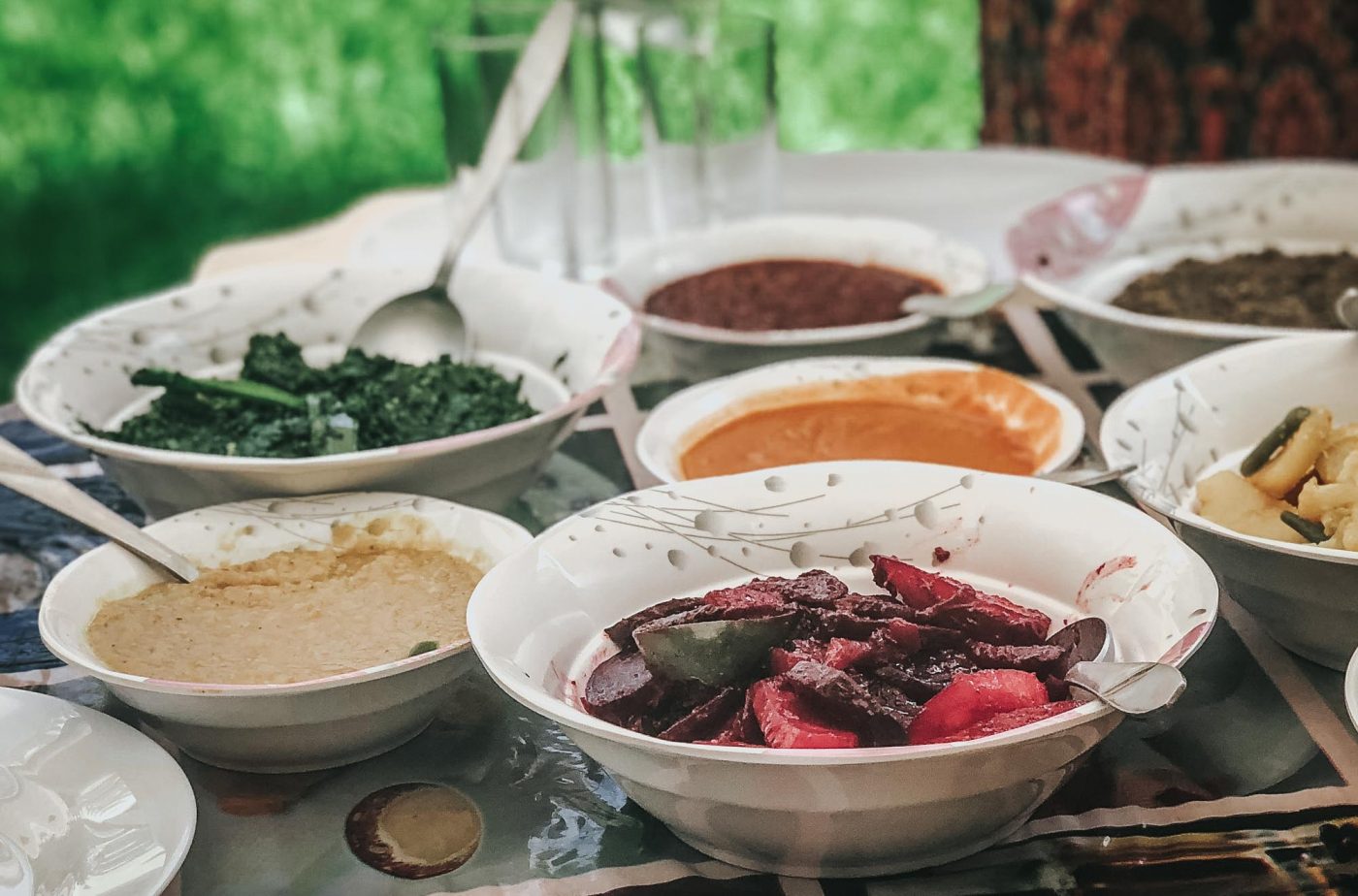
Gomen is made from collard greens, cooked down with butter and seasoned with cardamom and nigella seeds. Earthy and a little buttery, it adds a fresh, green note to the platter and pairs beautifully with the richer lentil stews.

A selection of fasting vegetarian dishes including gomen and shiro
Selection of fasting vegetarian dishes including gomen, shiro and others

Fir-Fir

Most often eaten at breakfast, fir-fir is a clever way of using up injera. The flatbread is shredded and tossed with spiced butter and berbere into a soft, spoonable dish. When injera is not used, kitcha, another unleavened bread, takes its place. It is hearty, warming and exactly the sort of thing you want first thing in the morning.

Azifa

Azifa is a cold lentil salad made with green lentils, onions, chilli and a mustardy dressing, sometimes with cabbage, lettuce and carrots mixed through. Served cool, it is a refreshing change from the hot stews and a welcome option on a warm day.

Key Sir Alicha

Key sir alicha is a gingery mixture of beetroot and potato, served warm with injera. The beetroot turns it a vivid pink, and the gentle, turmeric-led seasoning makes it another good choice when you want flavour without much heat.

Other Dishes and Drinks Worth Trying

Kitfo (Raw Beef)

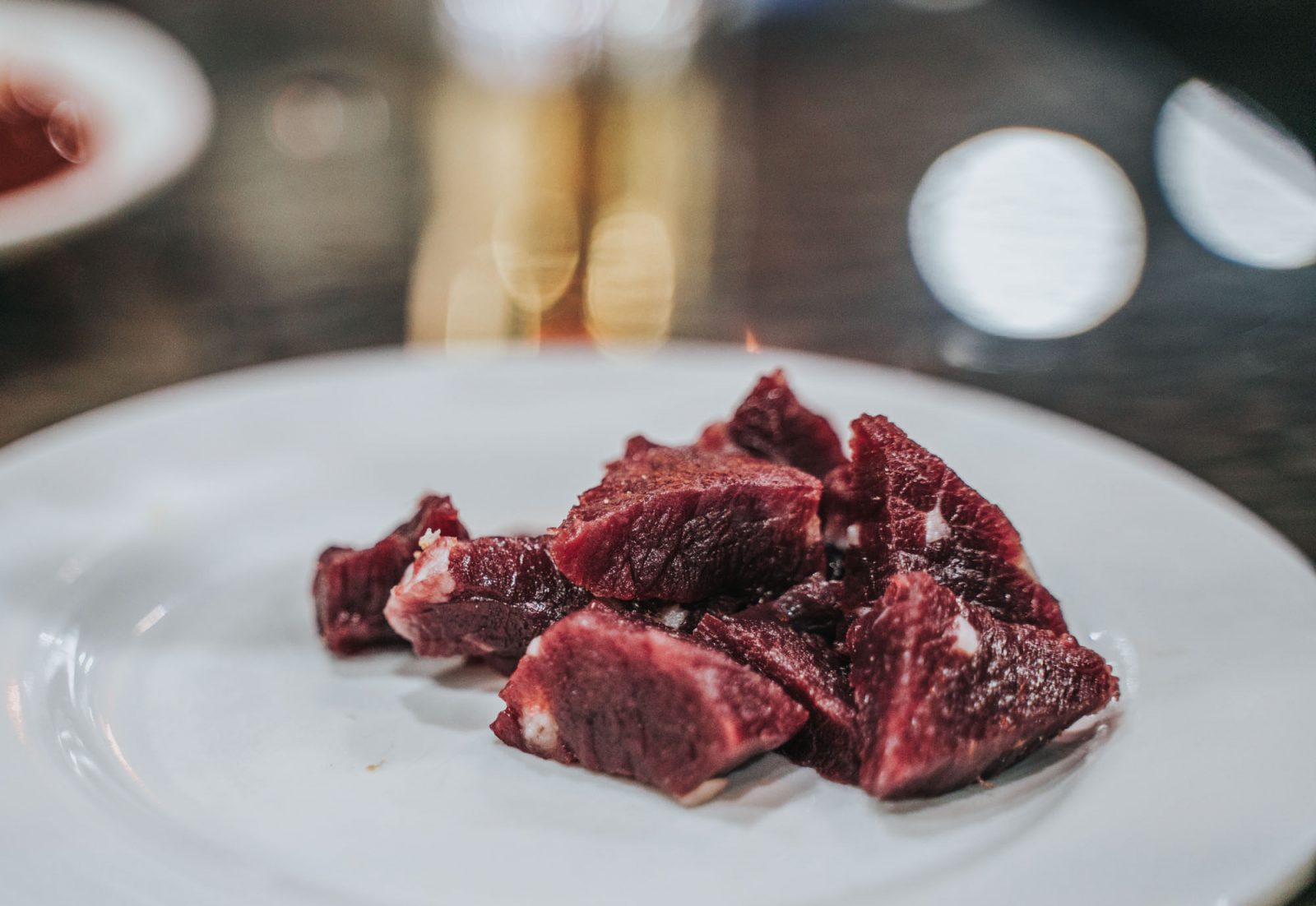
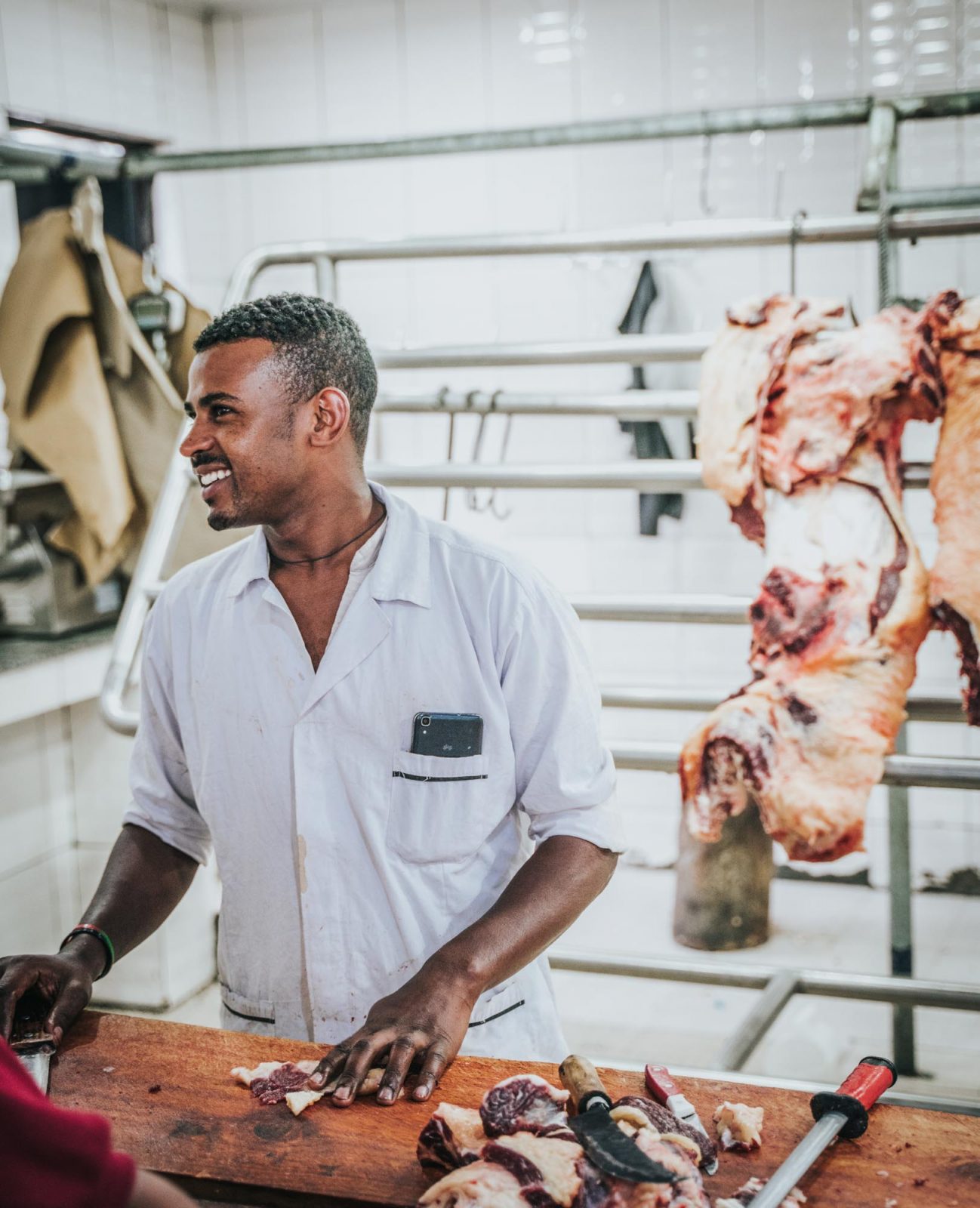
Eating raw meat is something of a delicacy in Ethiopia, and kitfo is the dish to know. It is finely minced raw beef seasoned with mitmita (a fierier chilli blend than berbere) and warm spiced butter, served either fully raw, lightly warmed (leb leb) or cooked through. At the meat markets you can watch master butchers prepare it to order. It is not for everyone, but it is a genuine local treat for the adventurous.

Fried Fish

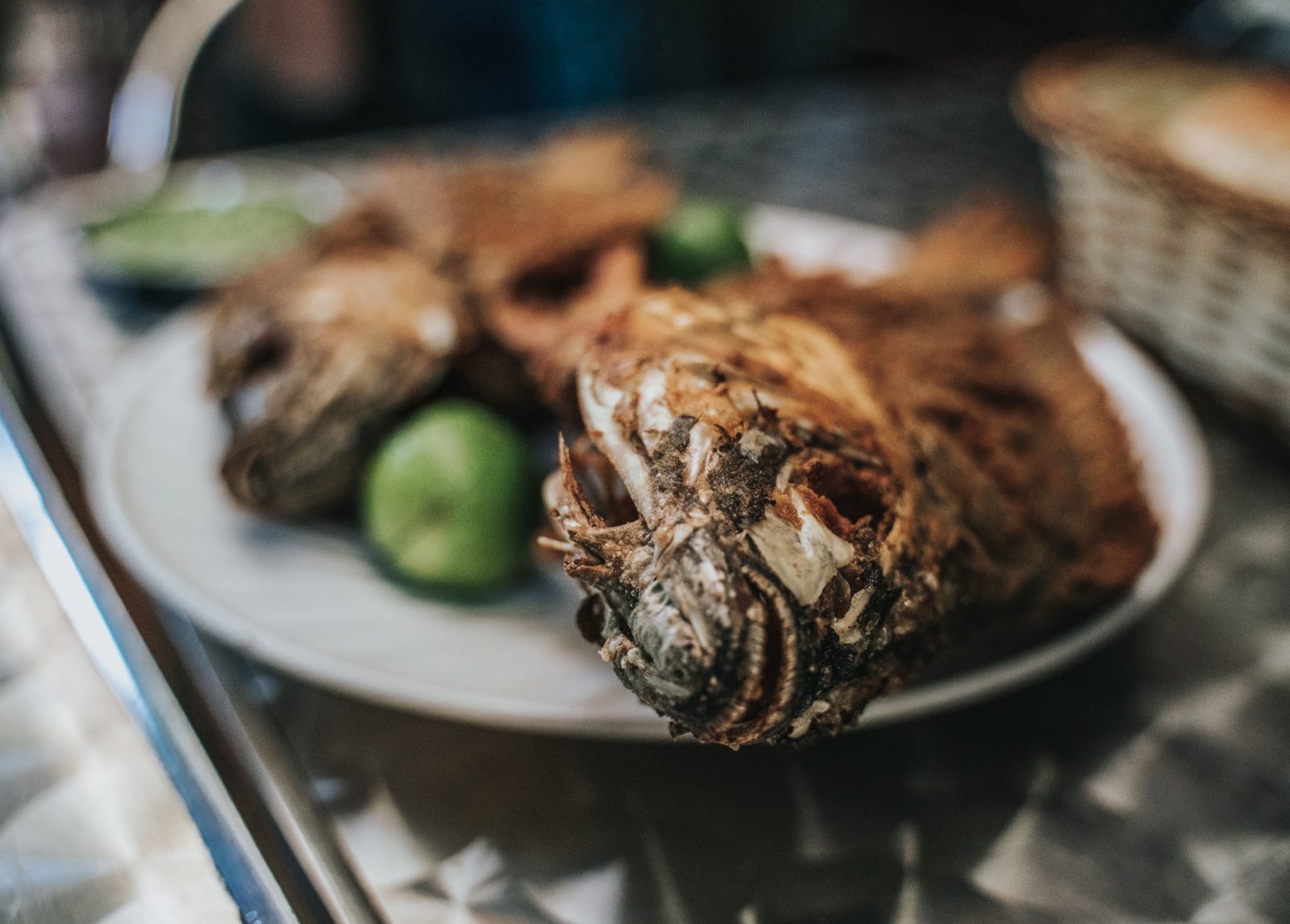
Particularly around the lakes and rivers, fried fish is a simple, classic Ethiopian dish. The fish is fried whole, or chopped and cooked with chilli, onion and garlic, and it makes a lighter change from the rich stews. It was a welcome plate after a run of berbere-heavy meals.

A fried fish dish in Ethiopia
Fried fish dish in Ethiopia

Tej (Honey Wine)

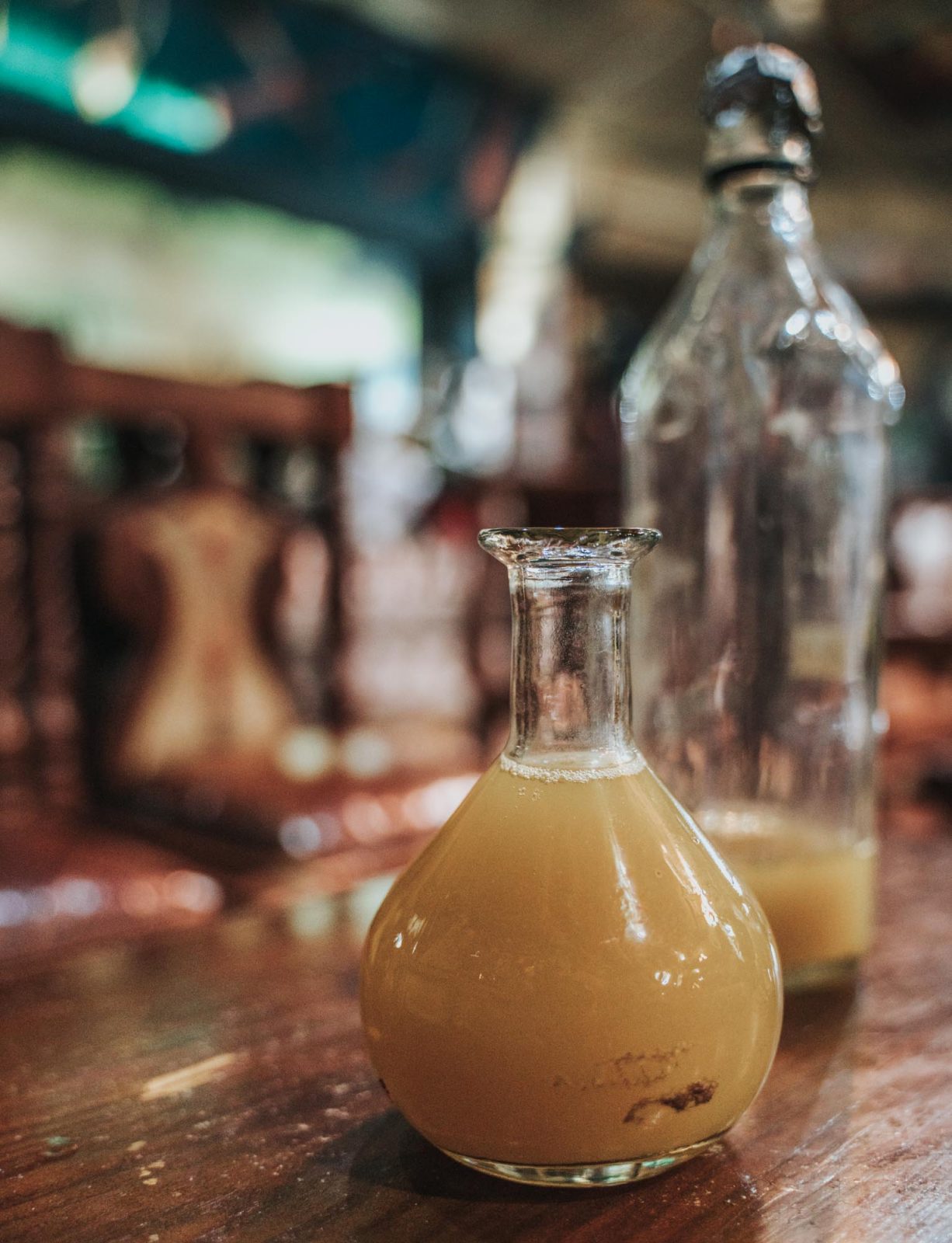
If you want to try something truly unique, order tej, an Ethiopian honey wine. To balance the sweetness of the honey, the leaves and twigs of a shrub called gesho are added to give it a slightly bitter, hoppy edge. It is traditionally served in a rounded flask called a berele, and a word of warning from experience: tej is deceptively strong, so go gently.

Tej, an Ethiopian honey wine
Tej, Ethiopian honey wine

The Ethiopian Coffee Ceremony

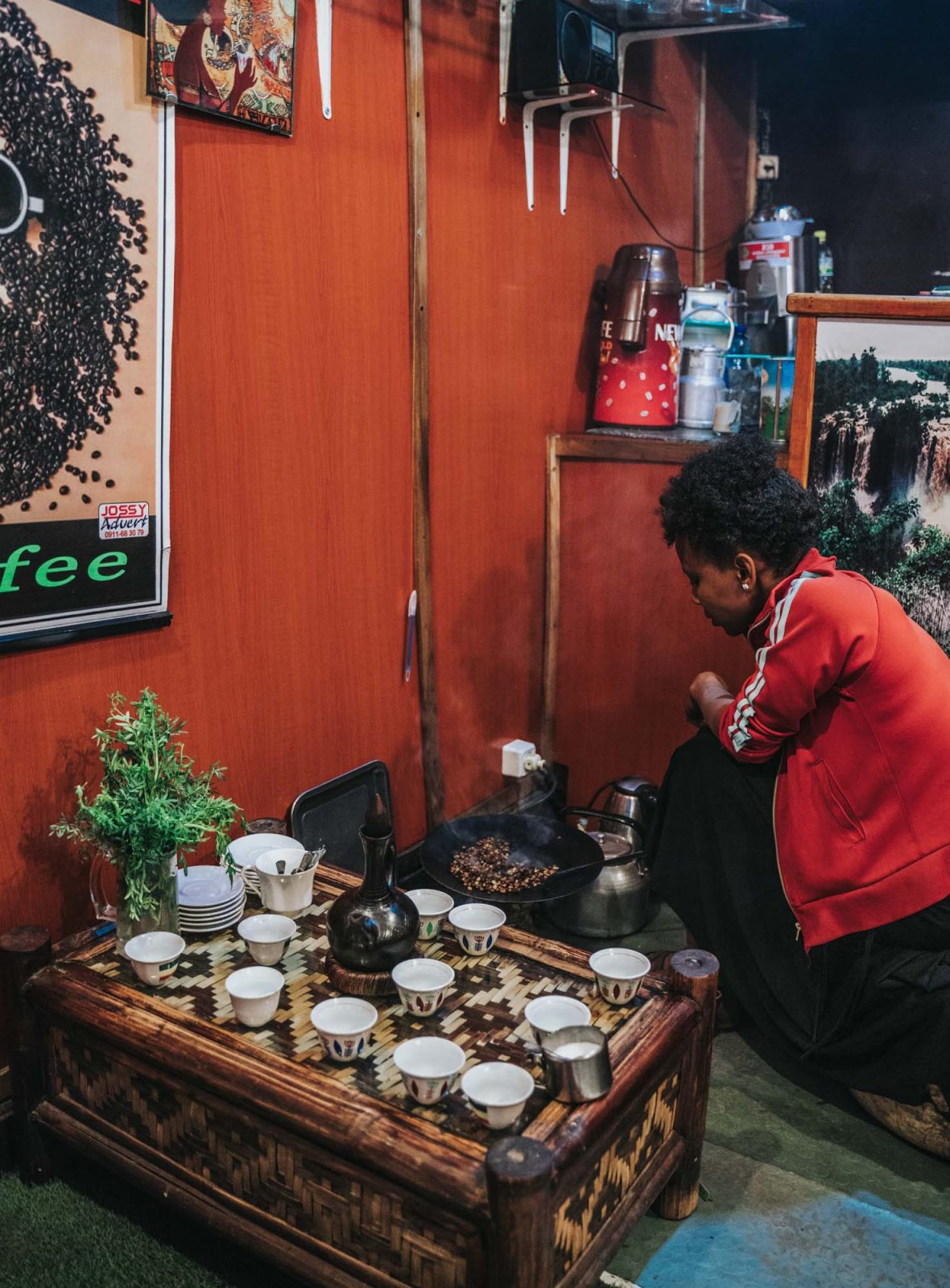
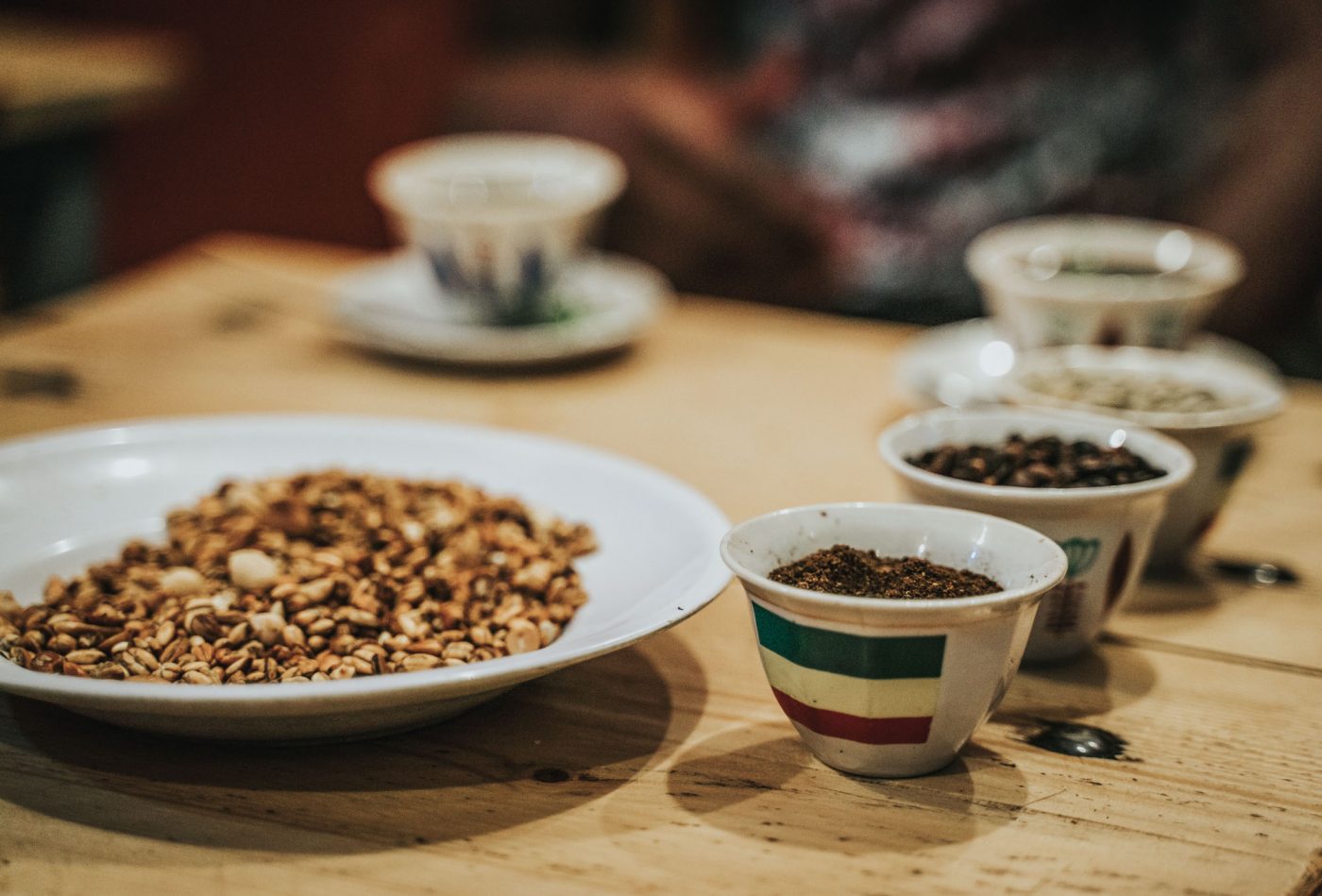
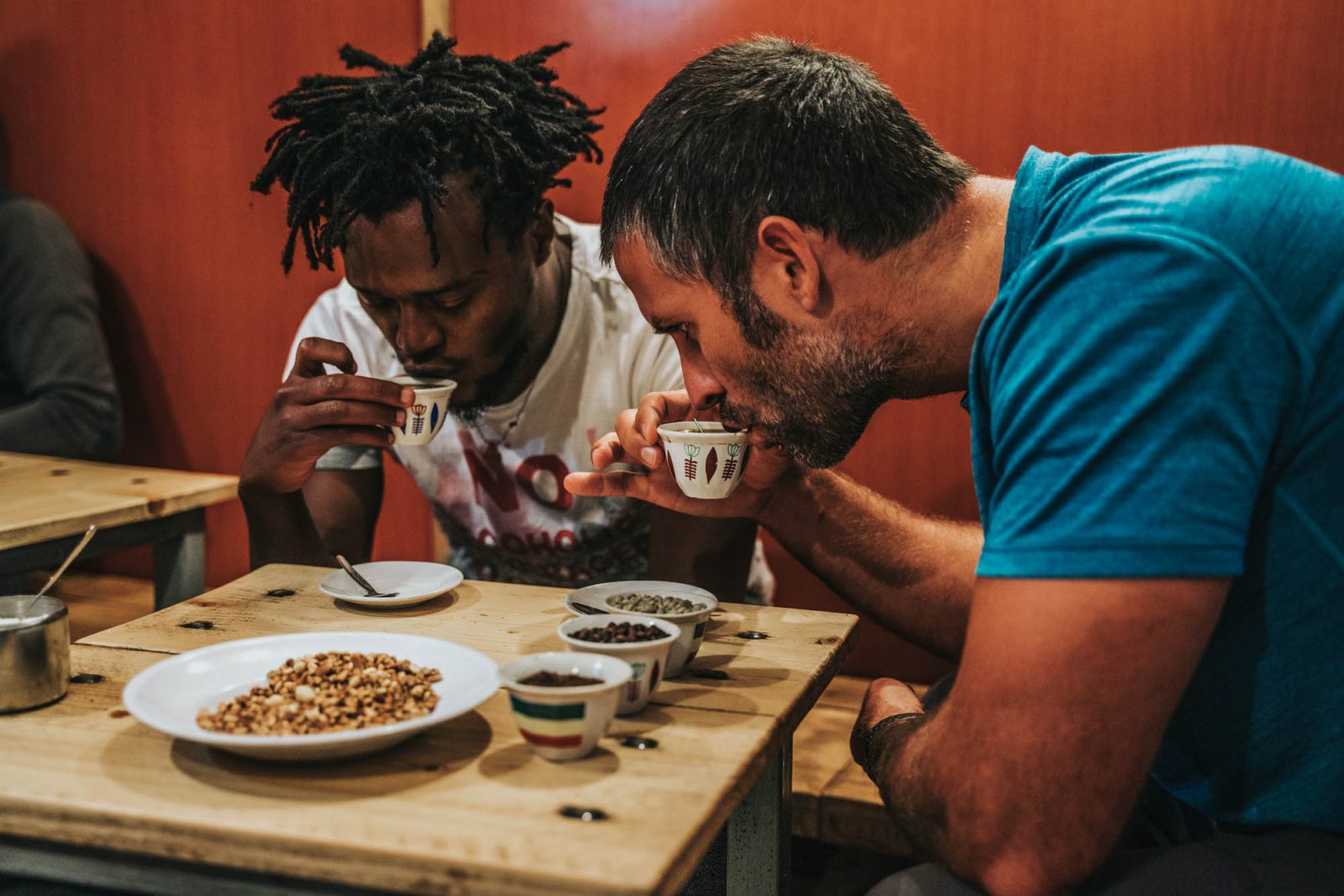
Ethiopia is the birthplace of coffee, and the coffee ceremony is one of the most memorable experiences the country offers. After any large or important meal, and often simply to welcome guests, green coffee beans are roasted fresh over coals in front of you, filling the room with fragrant smoke that you are invited to waft toward yourself and enjoy. We sat through our first ceremony on the Go Addis food tour, and it instantly became one of our favourite rituals anywhere in our travels.

Max learning the art of the coffee ceremony from a Go Addis guide in Addis Ababa

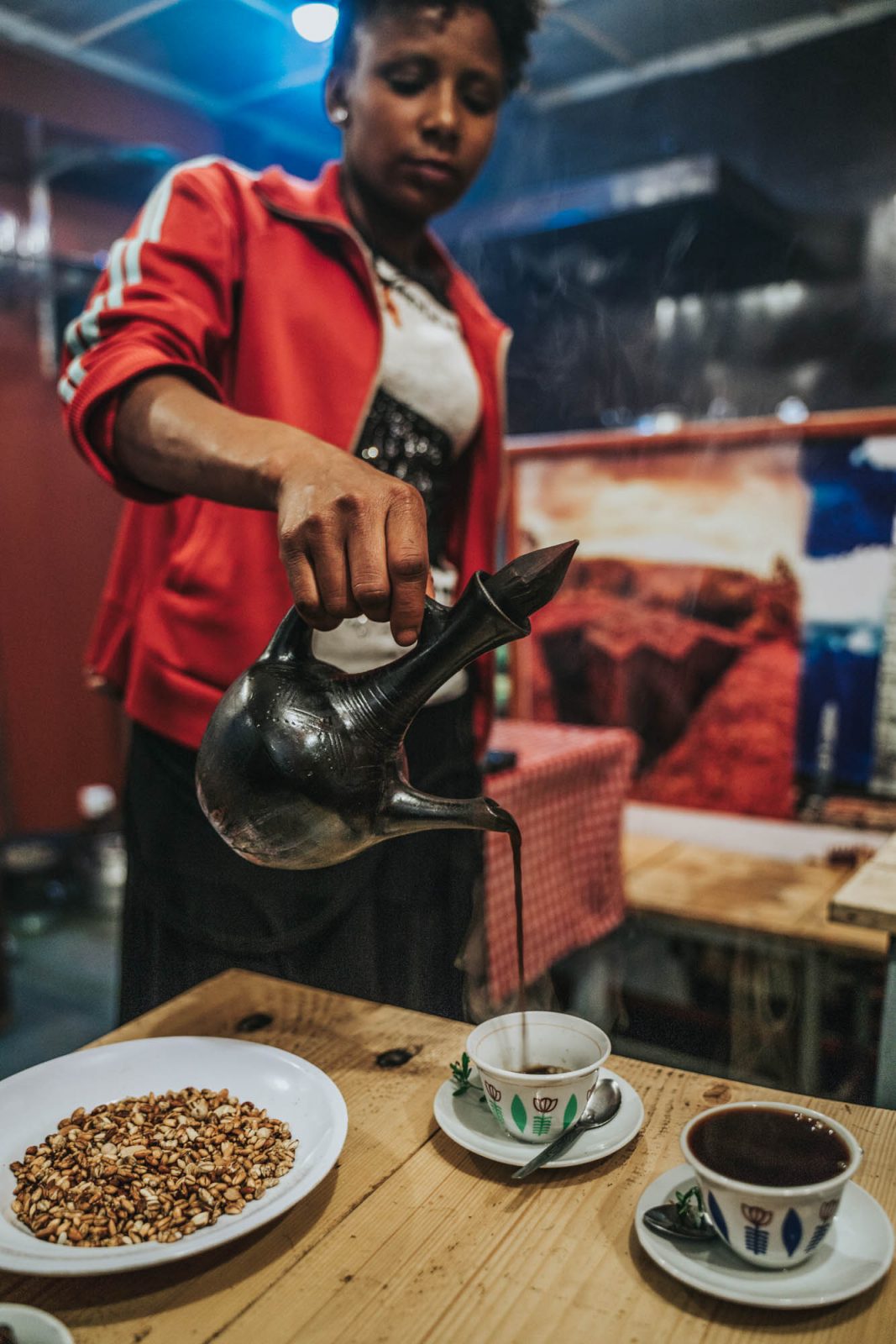
Once roasted, the beans are ground by hand and brewed in a traditional clay pot called a jebena, then poured from a height into small handleless cups known as si’ni. Coffee is served in three rounds, each with its own name and meaning, and it is considered polite to stay for all three. Sugar is common, salt appears in some regions, and the whole thing is usually accompanied by popcorn or roasted barley and clouds of incense. It is less a drink than a slow, social ceremony, and it is the perfect end to a meal.

Coffee time during our food tour in Addis Ababa
Coffee time!

Frequently Asked Questions

Is Ethiopian food spicy?

Ethiopian food is well seasoned rather than blisteringly hot. The signature spice blend, berbere, brings warmth and deep flavour more than intense heat, and many dishes, especially the milder “alicha” stews and the vegetarian fasting dishes, are gentle, so there is plenty for those who do not love chilli.

How do you eat Ethiopian food?

With your hands, using pieces of injera (the spongy sourdough flatbread) to scoop up the stews and salads from a shared platter. There is no cutlery: you tear off injera with your right hand, and sharing from one plate is central to the experience.

Is Ethiopian food vegetarian-friendly?

Very. Ethiopian Orthodox Christians fast (no animal products) on Wednesdays and Fridays and during longer fasting periods, so the cuisine has a rich tradition of vegan dishes: lentil stews like misir and shiro, spiced vegetables and salads, often served together as a beyaynetu platter.

What is injera made of?

Injera is a large, spongy sourdough flatbread made from teff, a tiny ancient grain native to Ethiopia, fermented for a few days to give it its signature tang. It doubles as both plate and utensil.

What is the most popular Ethiopian dish?

Doro wat, a rich, slow-cooked chicken stew in berbere sauce, is often considered the national dish, while beyaynetu (a combination platter of several stews and vegetables on injera) is the best way to sample a bit of everything.

What is berbere?

Berbere is the cornerstone Ethiopian spice blend, a fragrant mix of chilli, garlic, ginger, fenugreek and warming spices that gives many stews their deep red colour and complex flavour.

Is Ethiopian food healthy?

Generally yes: it is built around lentils, vegetables, lean meats and fermented teff injera, with plenty of plant-based, naturally vegan options, though some stews are rich with spiced butter (niter kibbeh).

Final Thoughts

Ethiopian food turned out to be one of the great surprises of our travels, and we would happily eat it every day. It is generous, deeply flavoured and built around sharing, and at its heart is injera, berbere and the unhurried ritual of the coffee ceremony. If you find yourself in the country, order widely, eat with your hands, and do not skip the fasting platters. Our favourites were shiro, misir and the glorious beyaynetu. We love discovering a new cuisine almost as much as the journey itself, and our guides to Moroccan food, Japanese food and Vietnamese dishes make a good next stop. Which Ethiopian dish would you most like to try?

READ NEXT: The Ultimate Ethiopia Tour: Top Things to Do in Ethiopia

About the Authors

4 responses to “Ethiopian Food: A Beginner’s Guide to the Best Dishes”
  1. Martin Tvede Larsen Avatar

    The Ethiopian cuisine is so far my favourite in Africa! Its tasty, spicy and mostly healthy – plus as you mention they have lots of vegetarian options which I like. My favourite dish there is the same as yours, the mixed one called Beyaynetu.

    I like your focus on sustainable travel, something we are trying to incorporate ourselves so will keep following your travels for sure!

    1. Oksana & Max St John Avatar

      Fantastic to hear that you too are trying to be more sustainable on your travels! It can be tough, but it’s a mission worth pursuing! Cheers and happy travels!

  2. Ana Katrina Lopez Avatar

    It’s fascinating to me how a simple coffee ceremony can become a time honored tradition. It seems otherworldly in a sense that normally we just purchase our coffee on the go these days. It must have been a fascinating experience to watch the whole process of the coffee ceremony. I hope to get to witness it one day! Looking forward to reading more about your travels.

    1. Oksana & Max St John Avatar

      It’s really lovely indeed and makes you appreciate that cup of coffee so much more!

Leave a Reply

Your email address will not be published. Required fields are marked *

This site uses Akismet to reduce spam. Learn how your comment data is processed.