
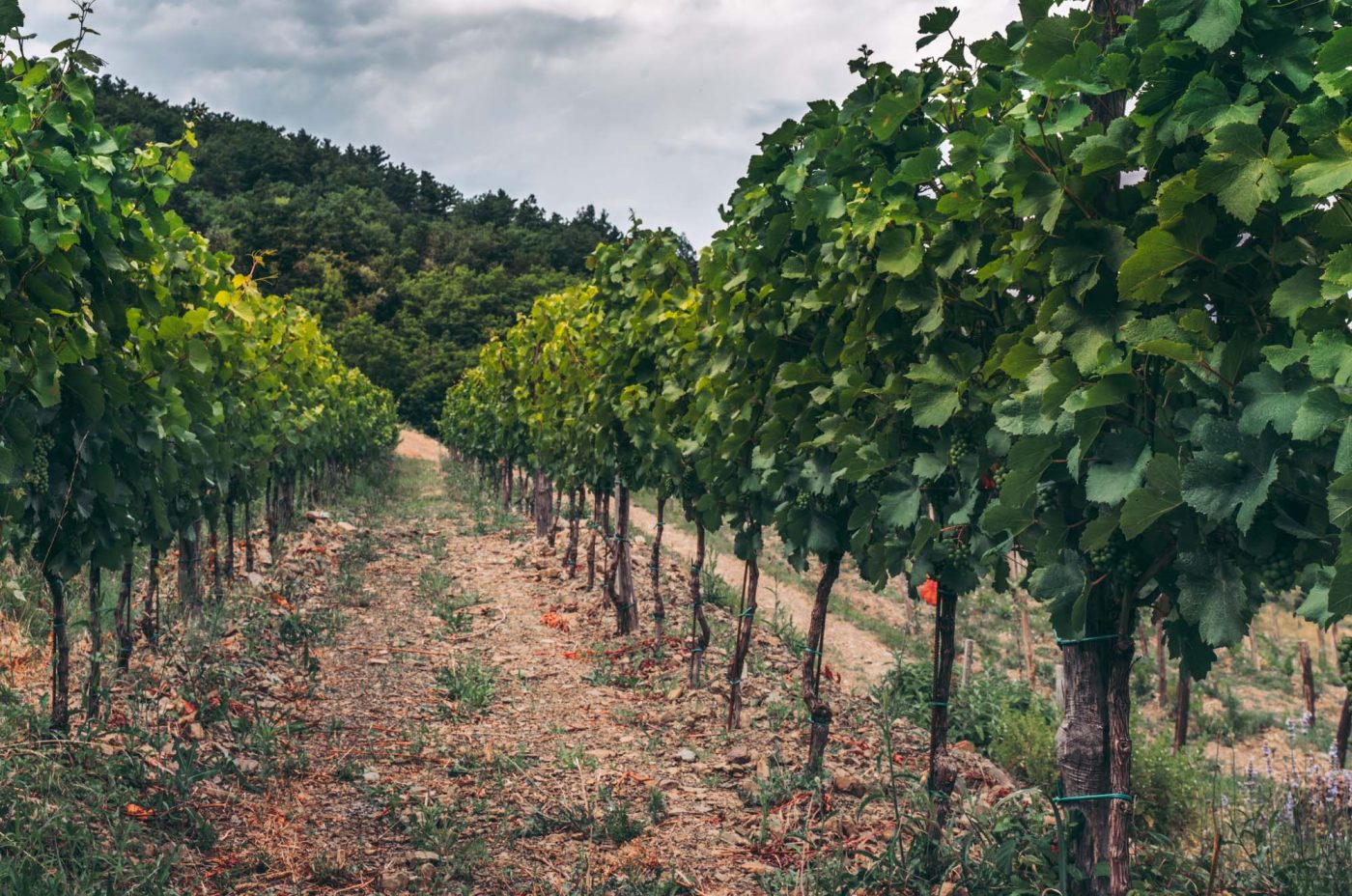
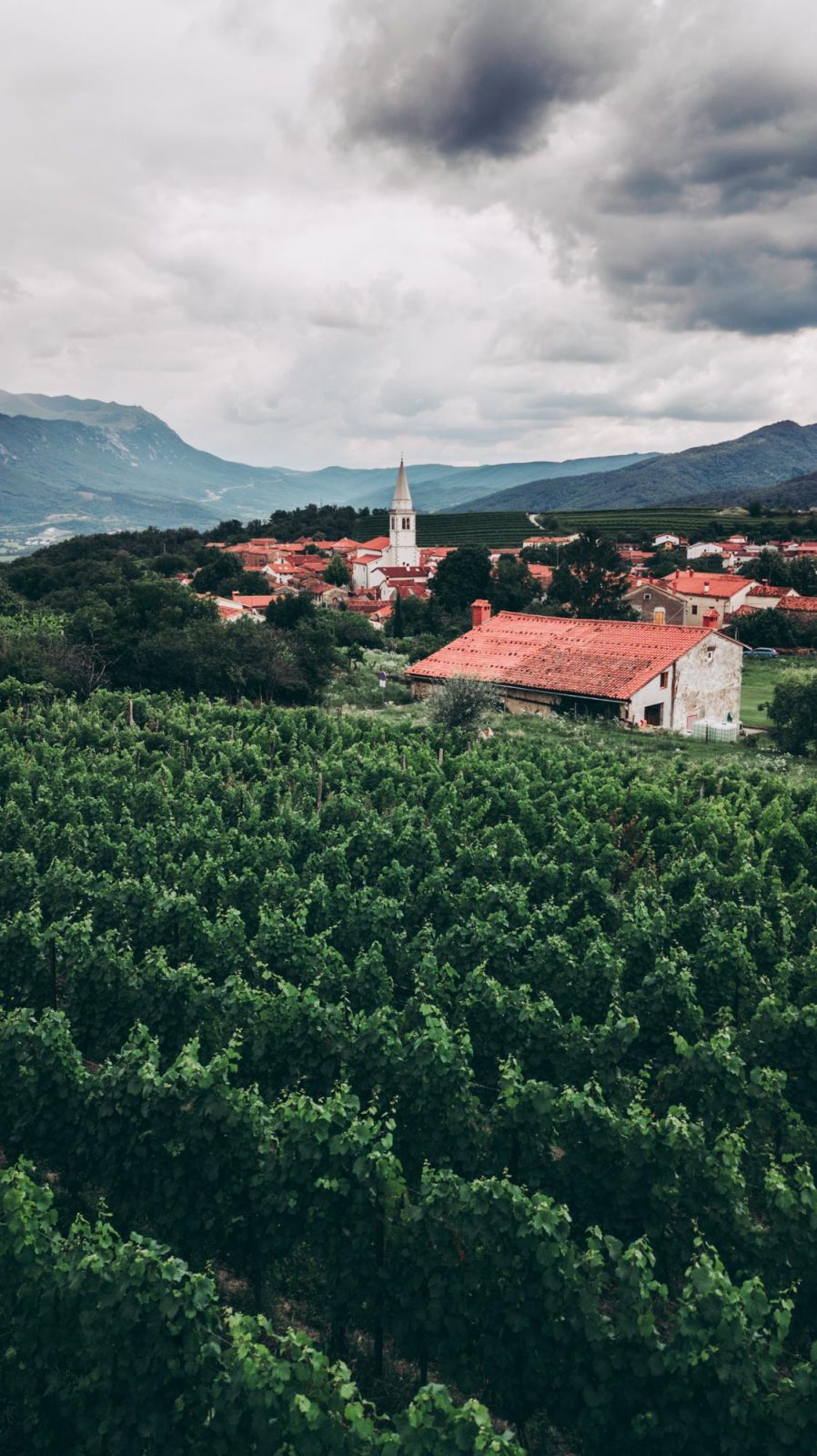
Rolling hills, rustic stone houses, medieval hilltop villages, and lush green vineyards…this is Vipava Valley, locally known as Vipavska Dolina. Slovenia’s best-kept secret and our favourite stop on a recent Slovenia holiday.
*This post may contain affiliate links, as a result, we may receive a small commission (at no extra cost to you) on any bookings/purchases you make through the links in this post. As an Amazon Associate, we earn from qualifying purchases. Read our full disclosure
Like the local Burja wind that reaches speeds of 200 km/hr, Vipava Valley blew us away. It was a region we almost missed, but one that proved to be an unforgettable destination with incredible food and wine experiences set in an idyllic, picture-perfect setting.
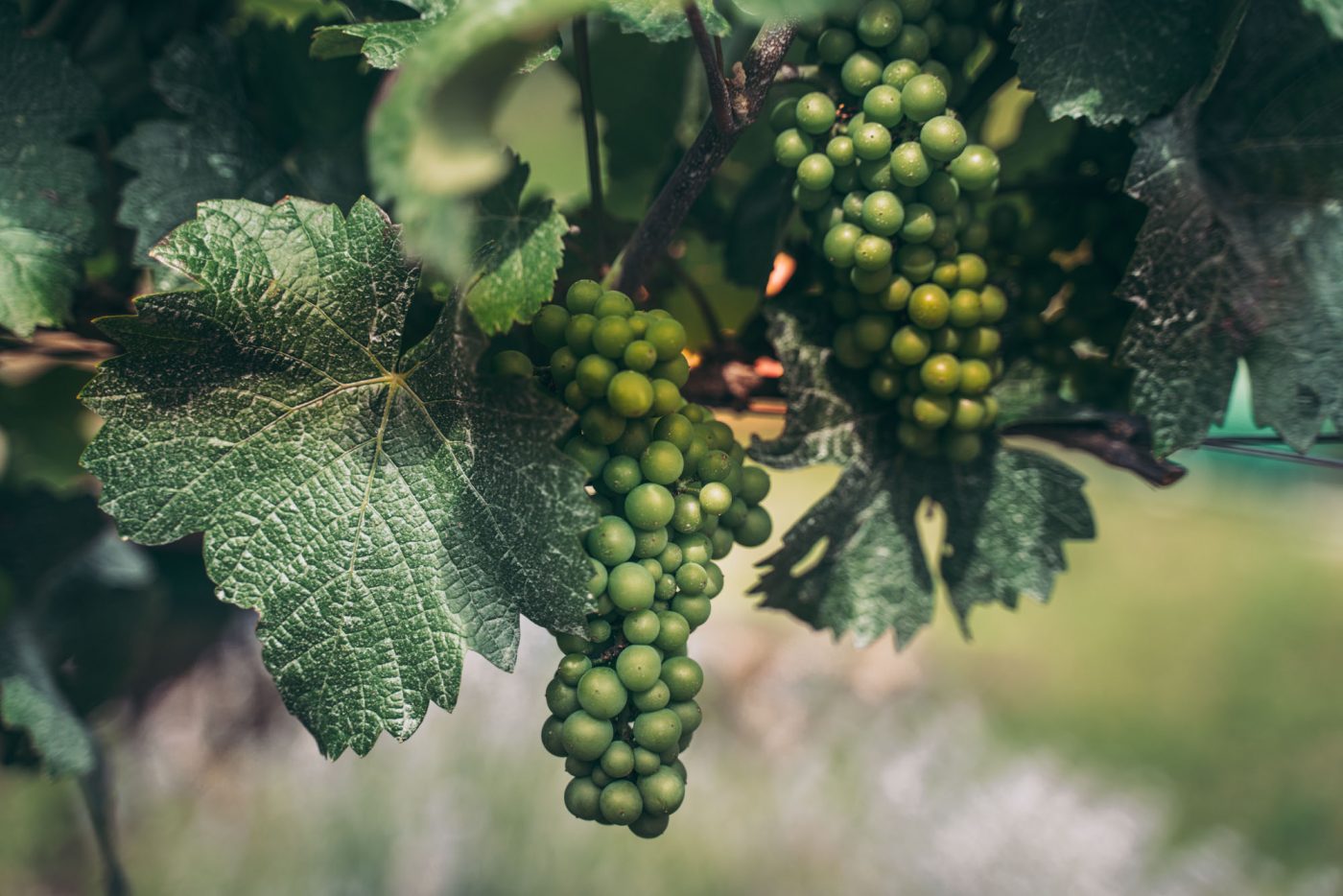
Nestled between the Italian border and the village of Podnanos, the valley is transected by the Vipava River, making this a prime location for fruit cultivation. The valley is particularly famous for its white and high-quality Chardonnays and Sauvignon Blancs.
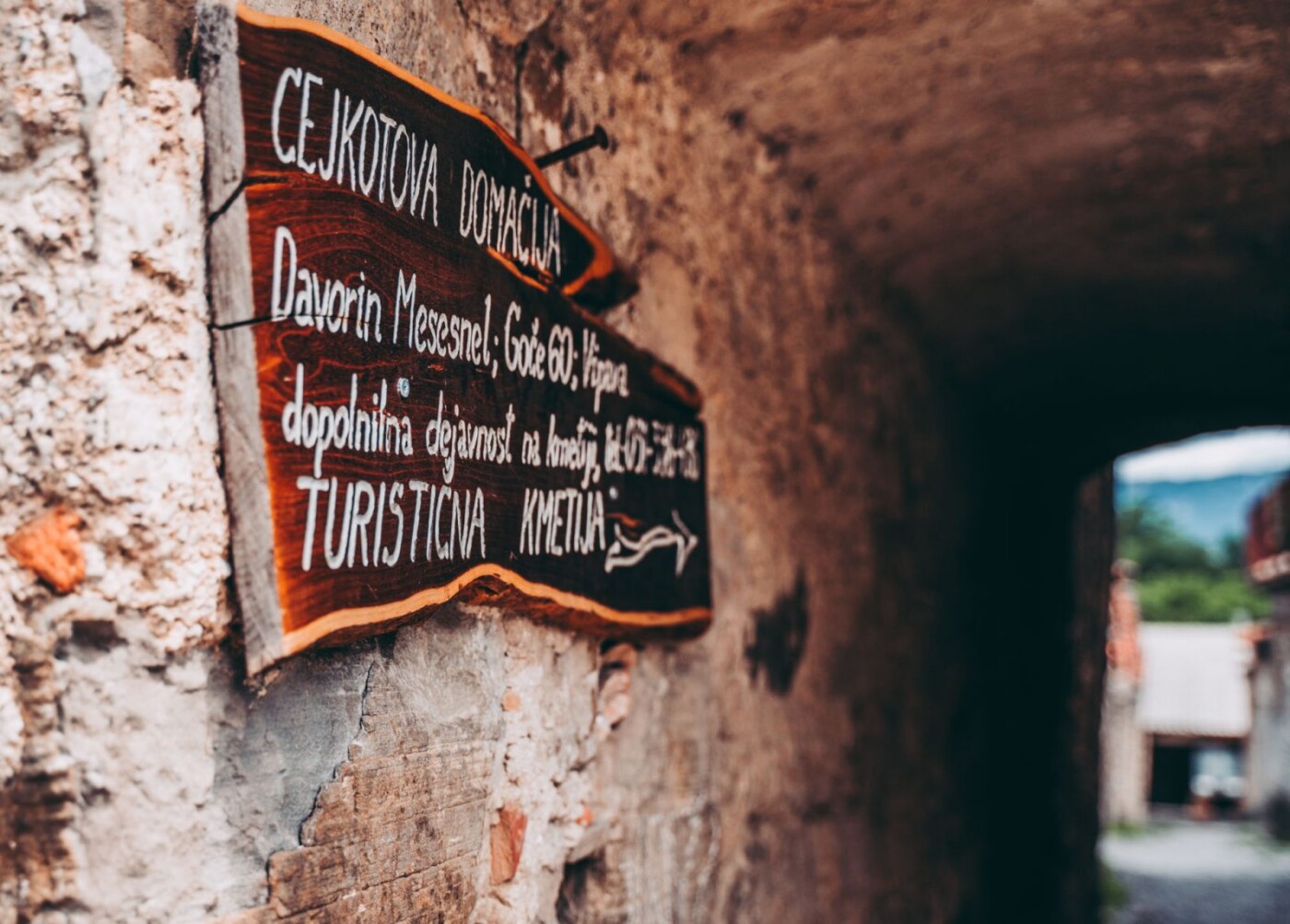
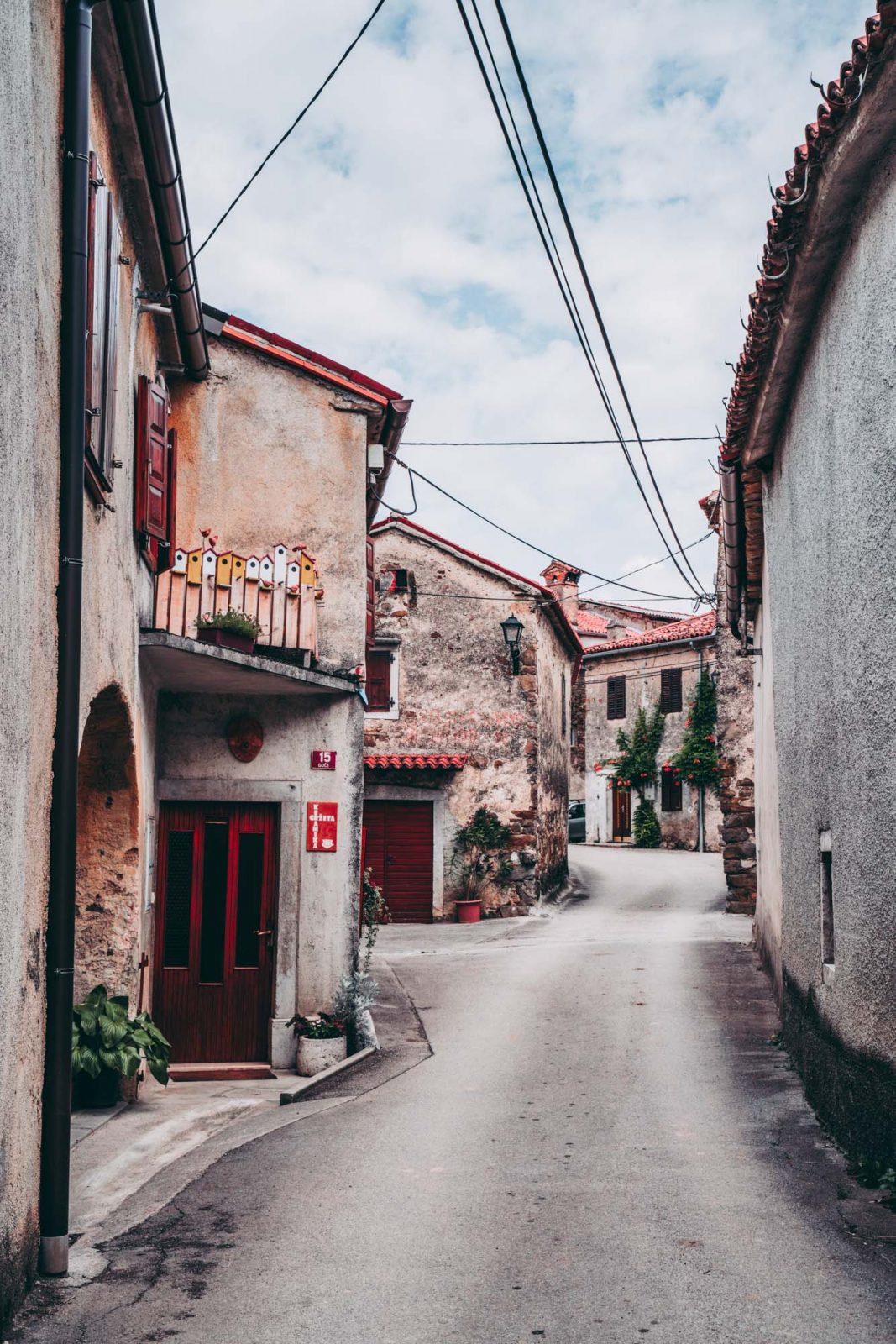
It didn’t take us long to fall in love with Vipava Valley, and it all began with a simple lunch at Cejkotova Domacija, an agrifarm tucked away in a tiny village of Goče in Vipava Valley. It was easy to see why this area is known as Paradise Valley – the natural beauty, lush orchards, and picturesque villages were out of this world and truly unexpected.
Traveling Soon? Here is a list of our favourite travel providers and accessories to help get you ready for your upcoming trip!
Incredible Food Experiences In Vipava Valley (Vipavska Dolina)
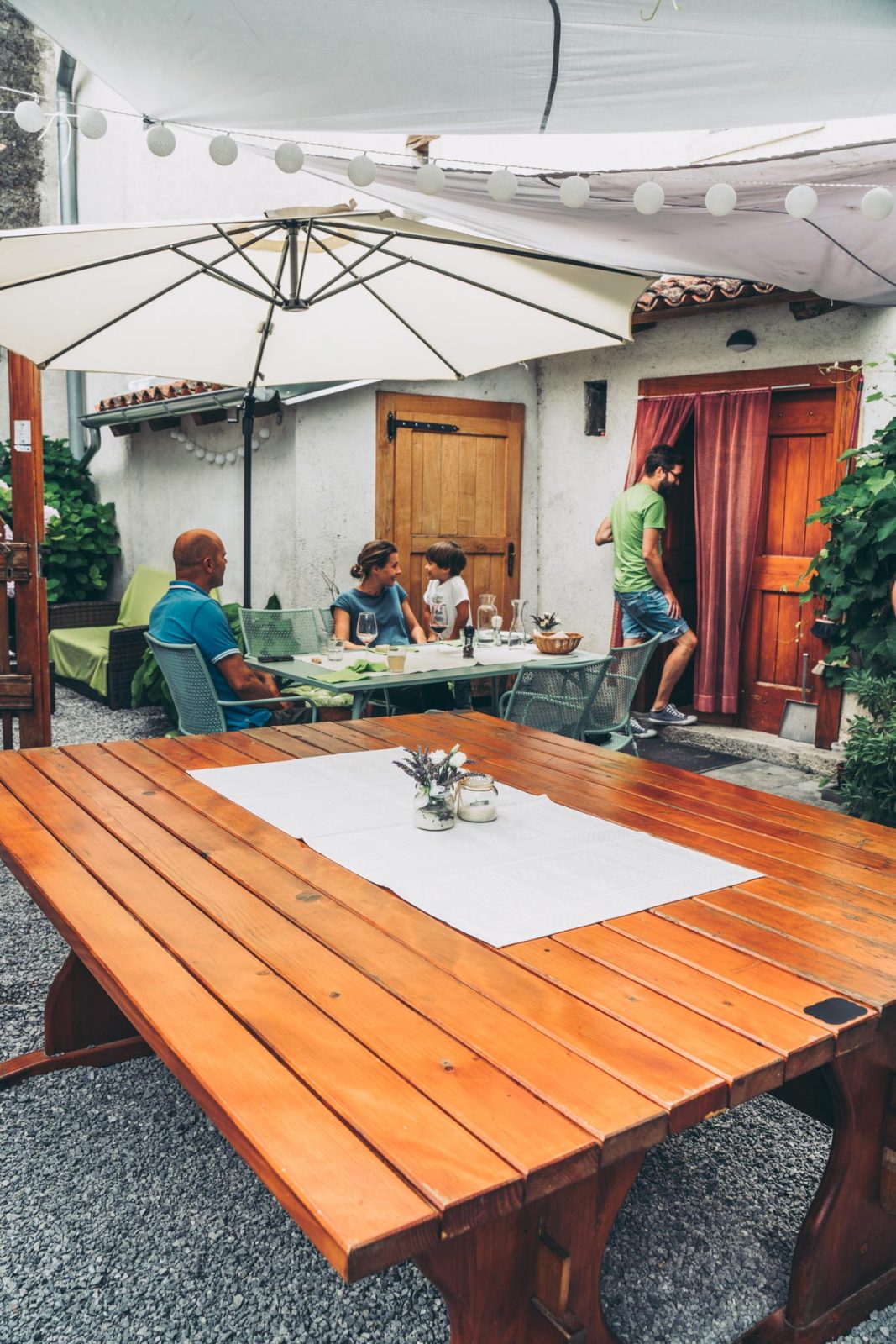
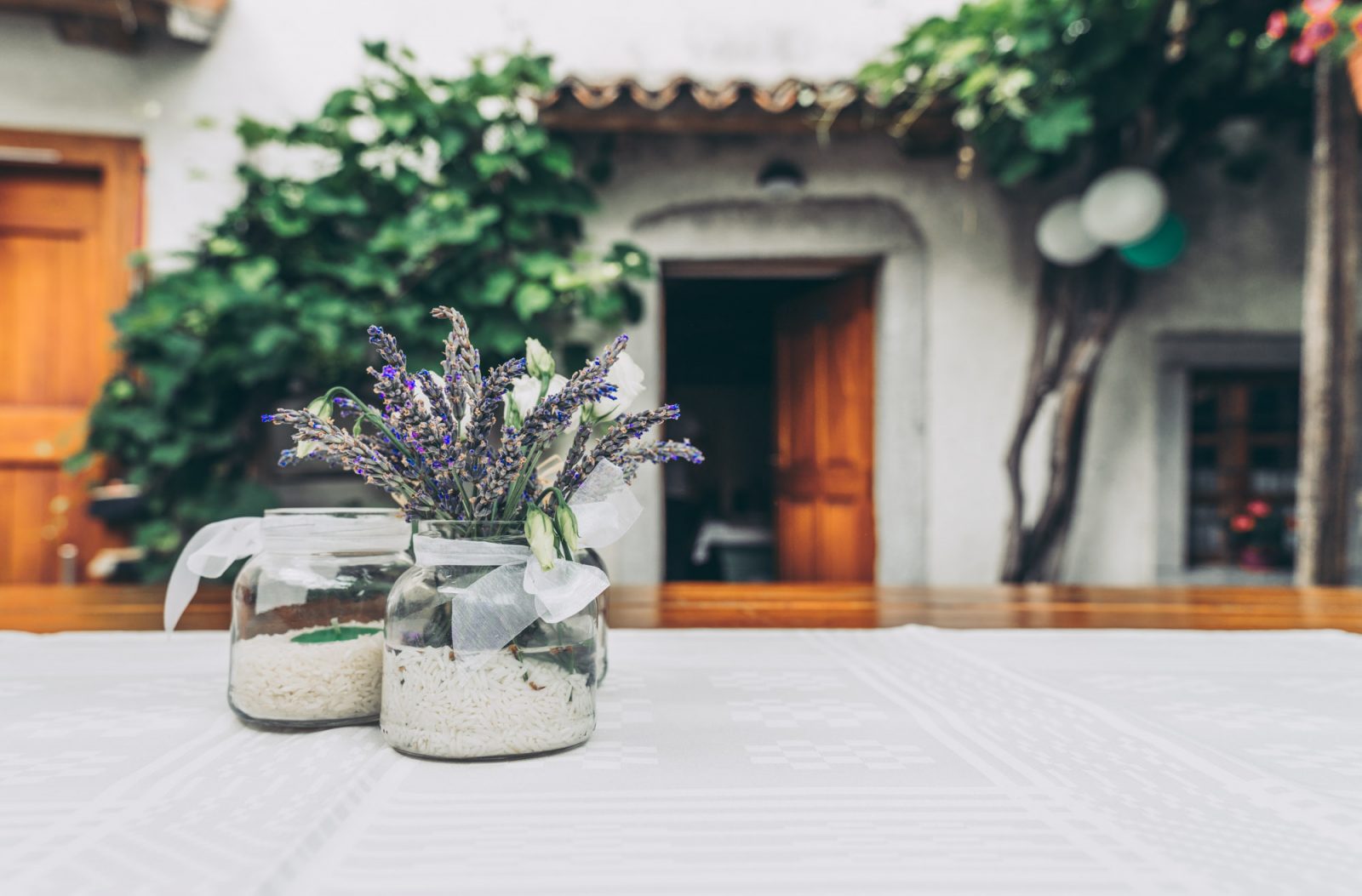
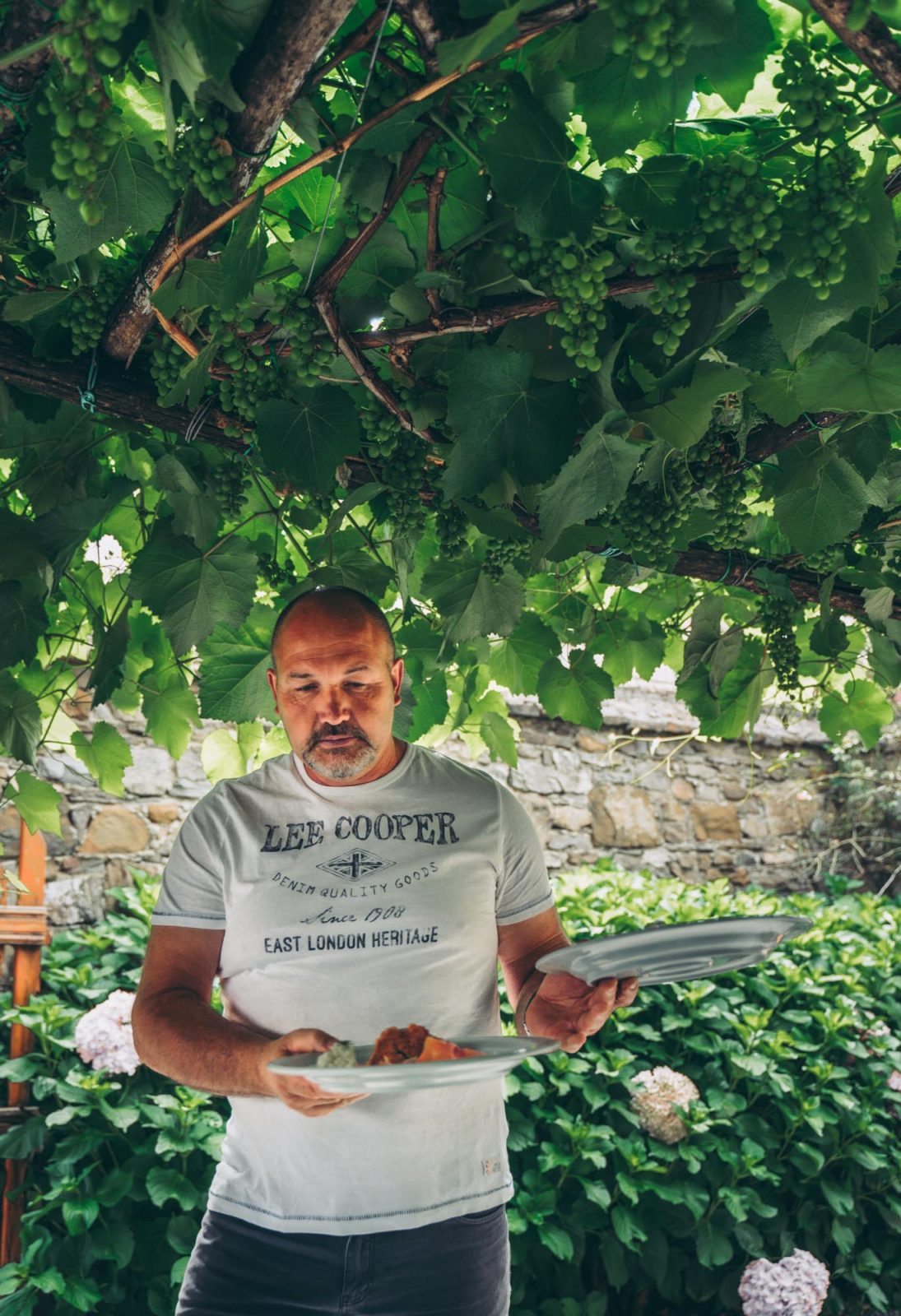
We dined under a grapevine canopy on the terrace of a 200-year-old recently restored traditional house. It was in this postcard-perfect setting that we met Davorin, the owner of the agrifarm and an incredible host with a contagious passion for local homemade food and wine production.
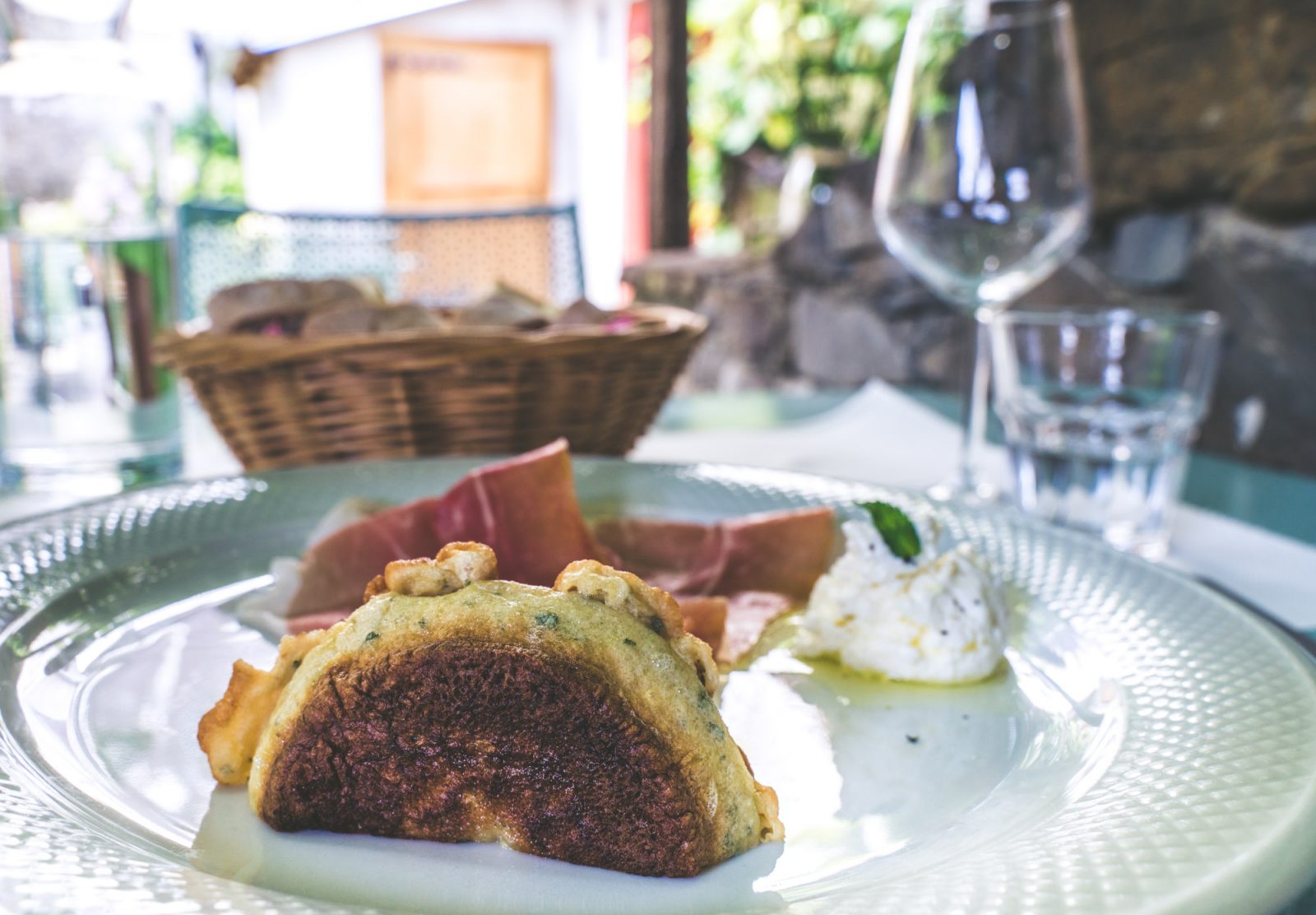
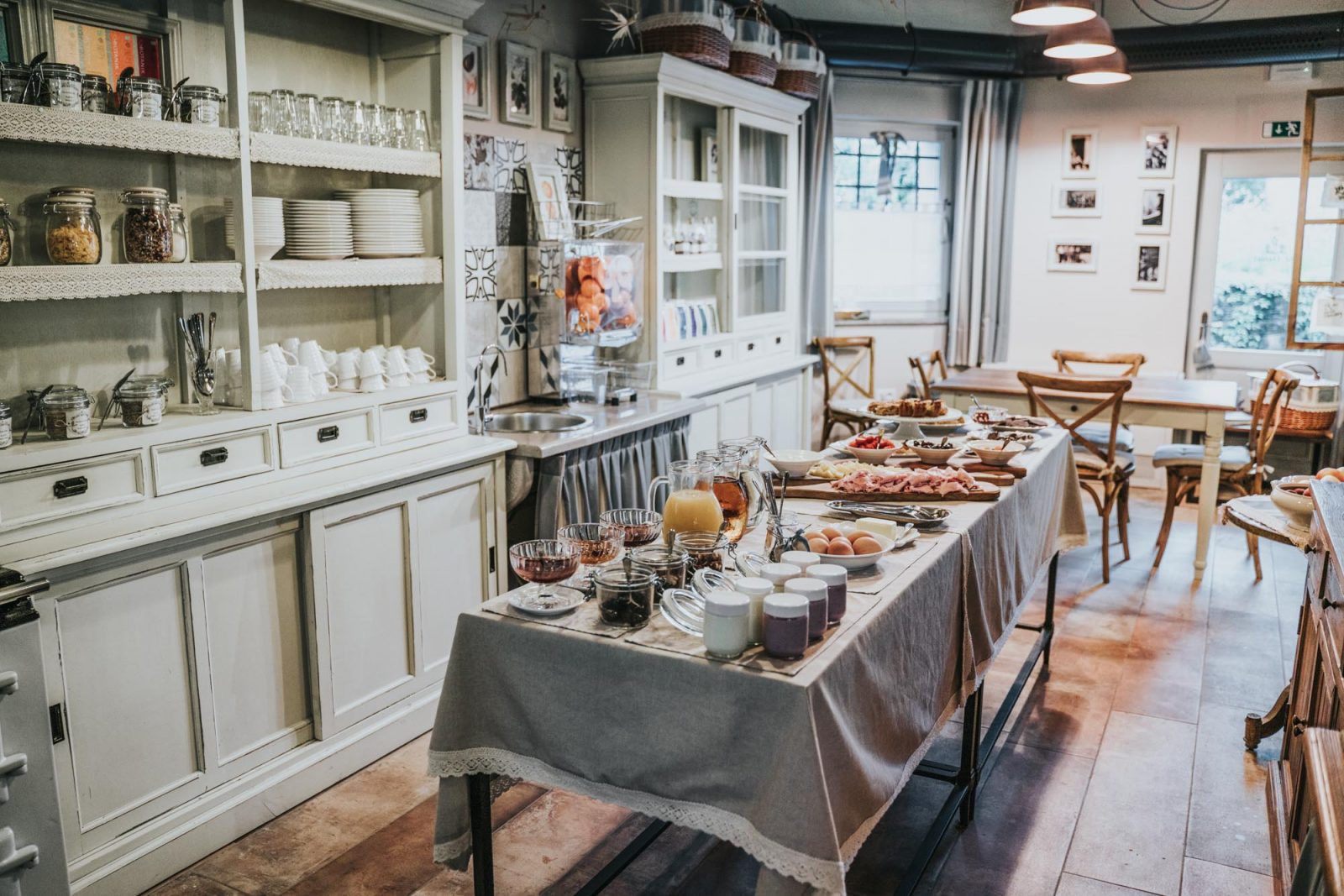
Our meal that afternoon was a perfect reflection of his farm-to-table values and the region’s flavours. Home-baked walnut and olive bread, herb cheese, wind-dried prsut (prosciutto, unique to the area) and a traditional frittata to start.
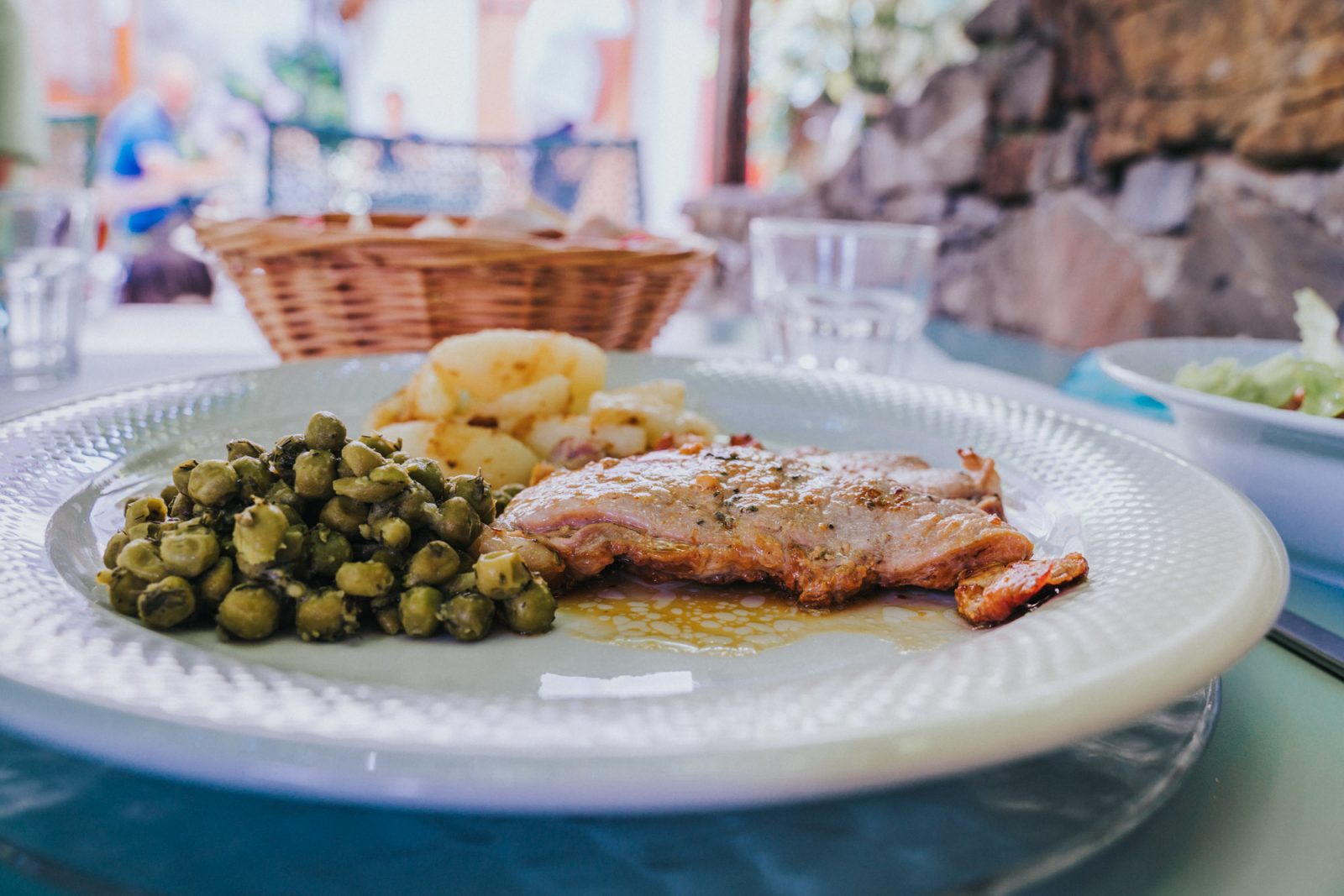
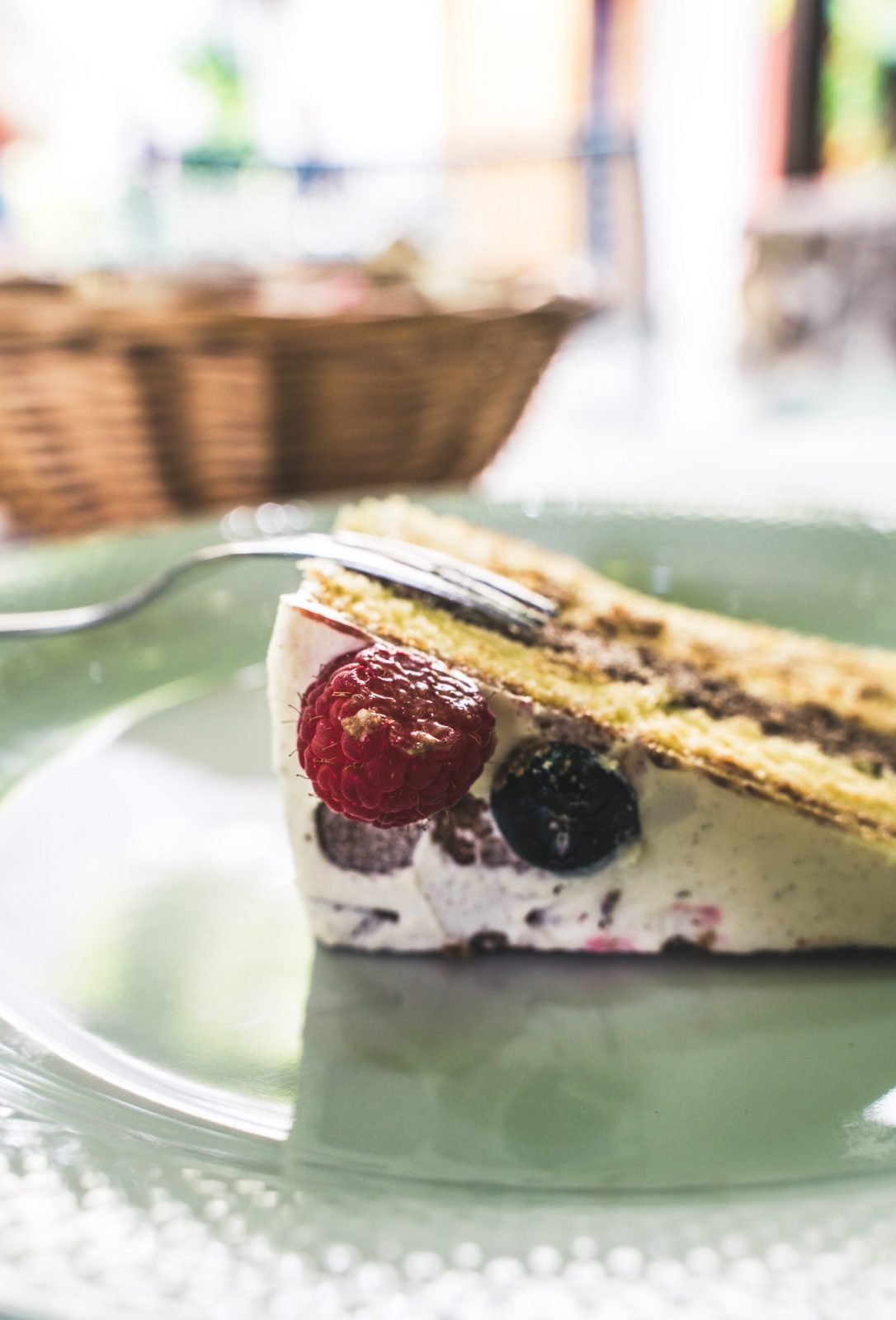
Followed by a plate of farm-raised pork, homegrown potatoes, and green peas, and a delicious cake baked fresh by Davorin’s daughter. The meal was simple but made with an abundance of flavour and oozing with local aromas
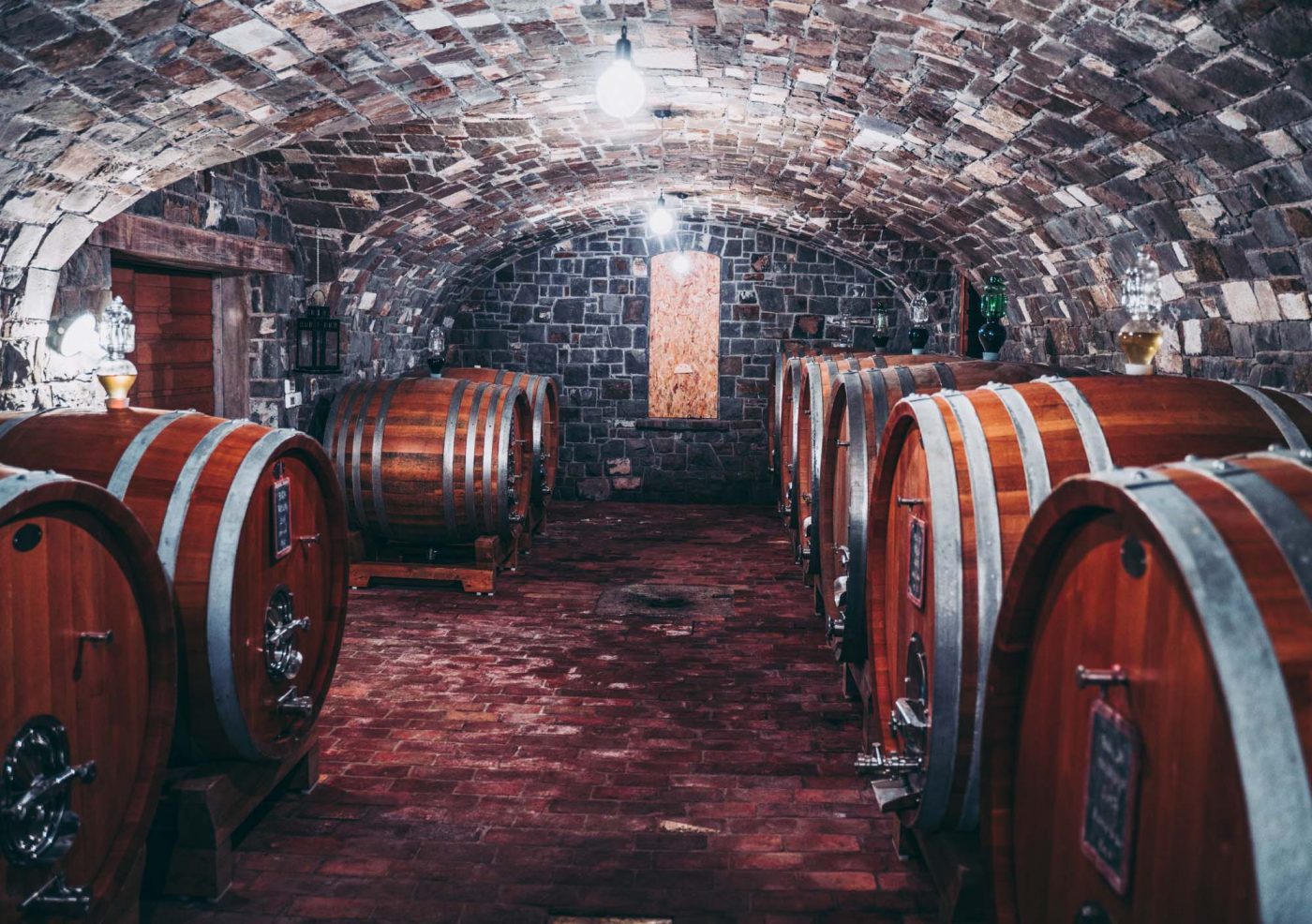
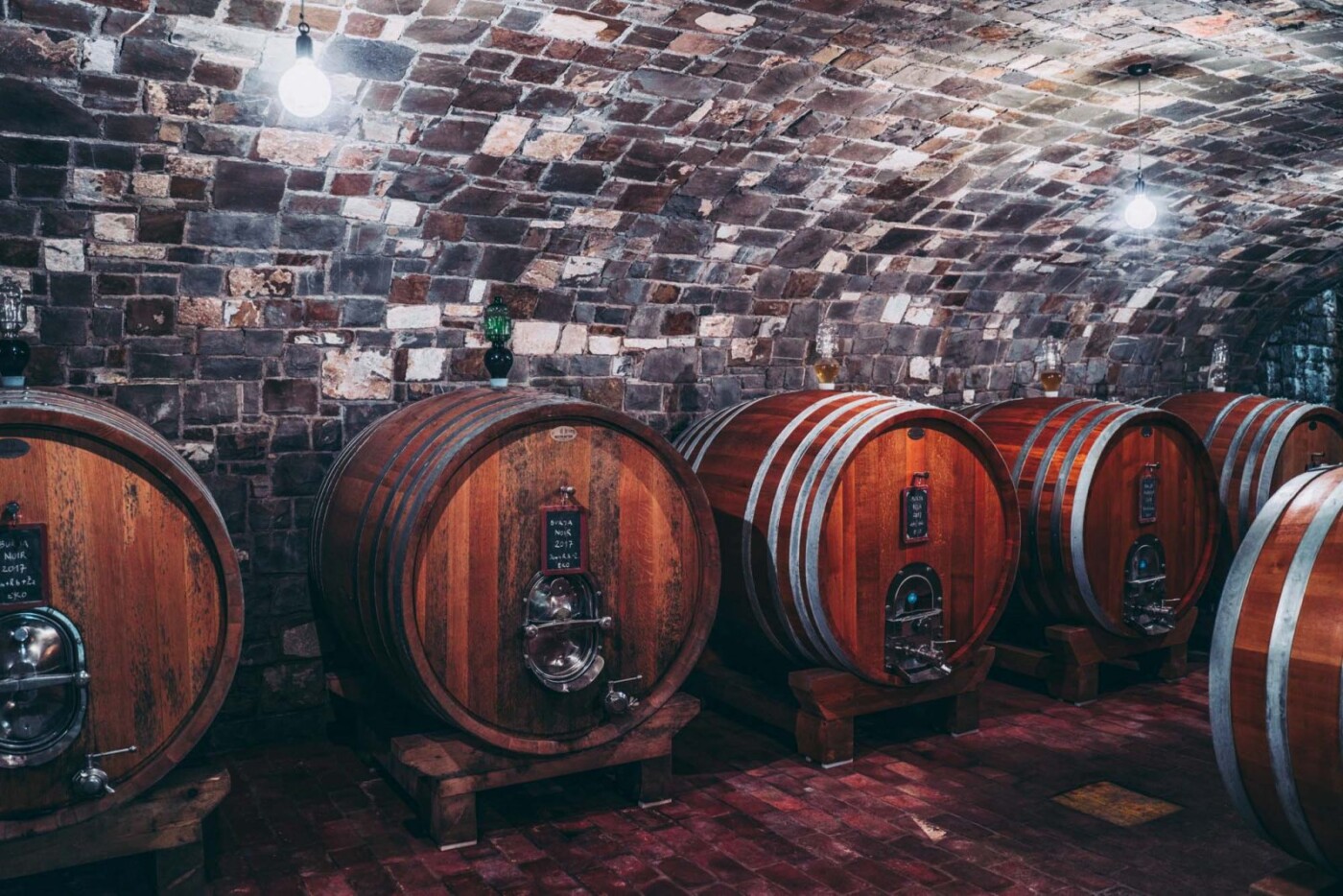
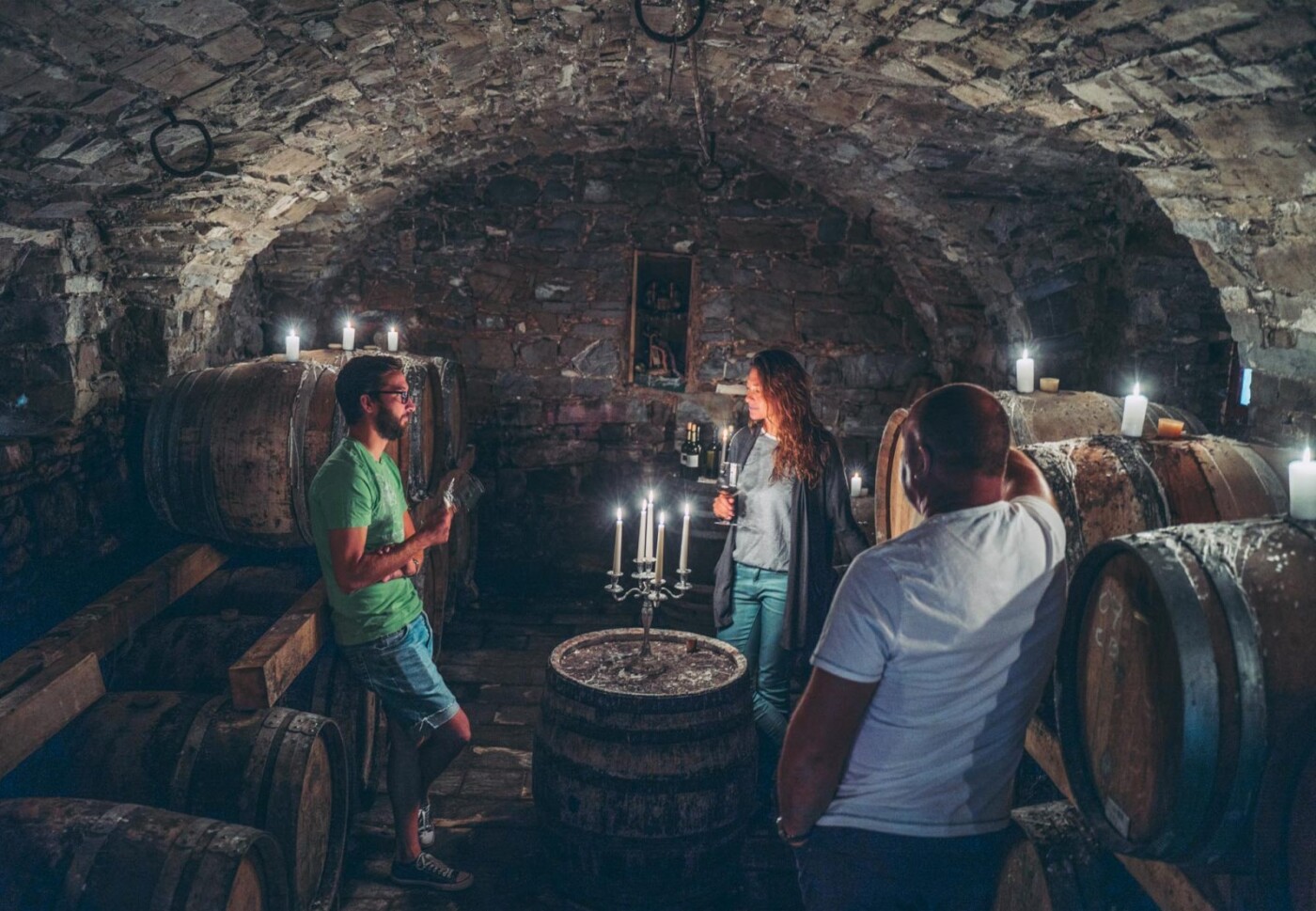
Every course was perfectly paired with local Zelen, Pinela, and Klarnica wines straight from Davorin’s cellar, which we had the pleasure of exploring during our visit. There, in a candlelit setting, we sampled a few varieties of reserve wines from the late 2000s while listening to Davorin’s tales of harsh winters and Burja winds that play a huge role in the winemaking craft in this region.
We weren’t sure if it was the wine, the authentic lunch fare, or the serene surroundings of our meal that left us infatuated with Vipava Valley.
Vipava Valley Wine Tastings
After lunch, we spent a bit of time meandering the narrow streets of Goče, admiring the perfectly preserved facades of 17th-century buildings that were built to withstand even the harshest gusts of Burja wind.
Then it was onwards to the countryside, where vineyard-clad hills fringed the roadside. We stopped at an inconspicuous mid-construction building perched on a hill overlooking the town. Burja Estates. One of the most well-known and highly praised wineries in the region, this is a fantastic destination for wine tourism.
Our private tour of the Estate was led by none other than Mr. Lavrencic, an expert winemaker and the mastermind behind Burja Estate.
“Mr. Lavrencic is a bit of a celebrity around here”, noted Jani, our guide and an ambassador for the region, the founder of the local tour company, Wajdusna. “He’s one of the most successful organic winemakers in the region, paving the way for a new variety of wines”.
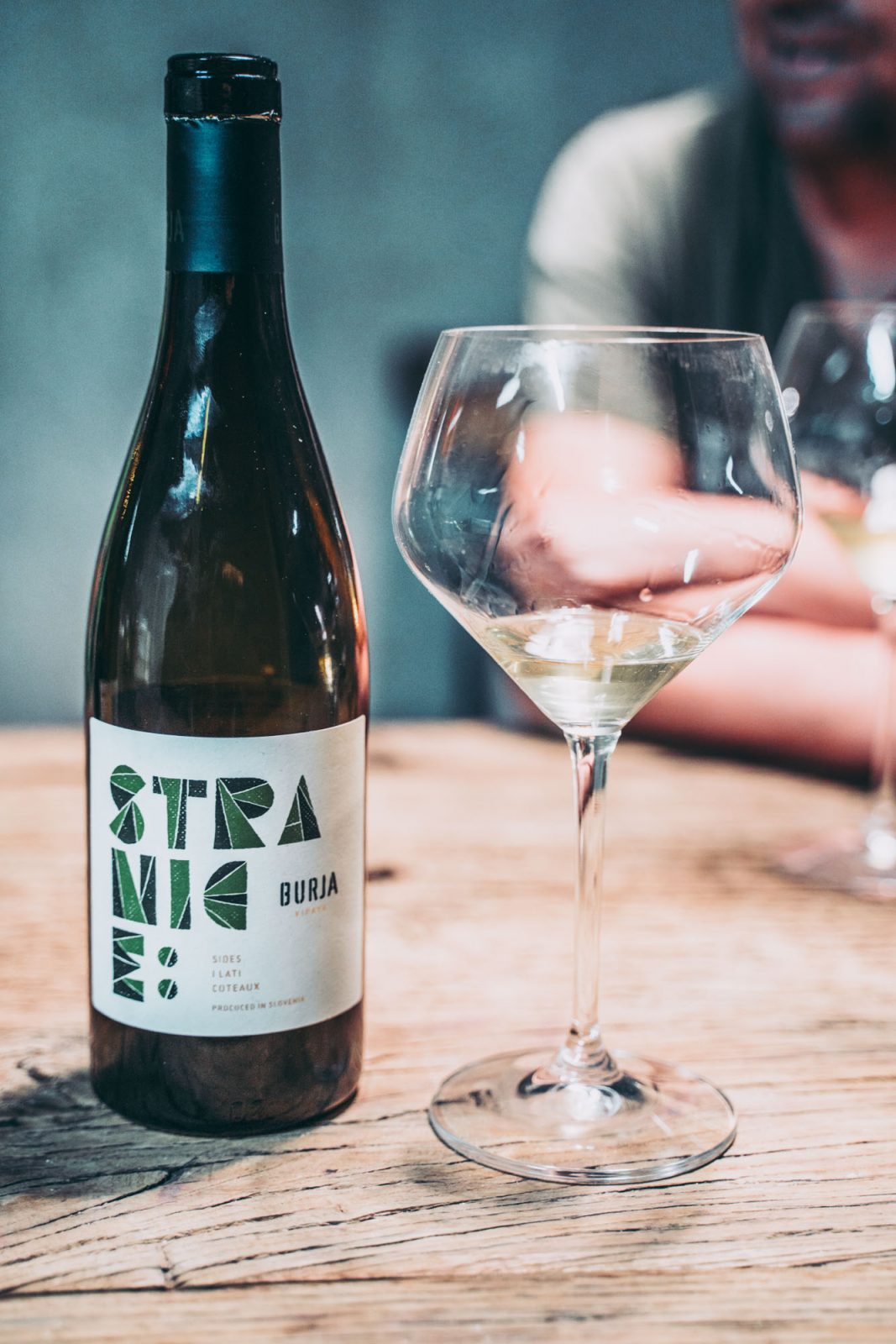
“The Burja wind is what makes our wine”, explained Mr. Lavrencic modestly as we sat around a table chatting, swirling Burja Estates Reddo wine in our glasses. “The persistent gusts keep the grapes free of insects, eliminating the need for pesticide use in our winemaking process”.
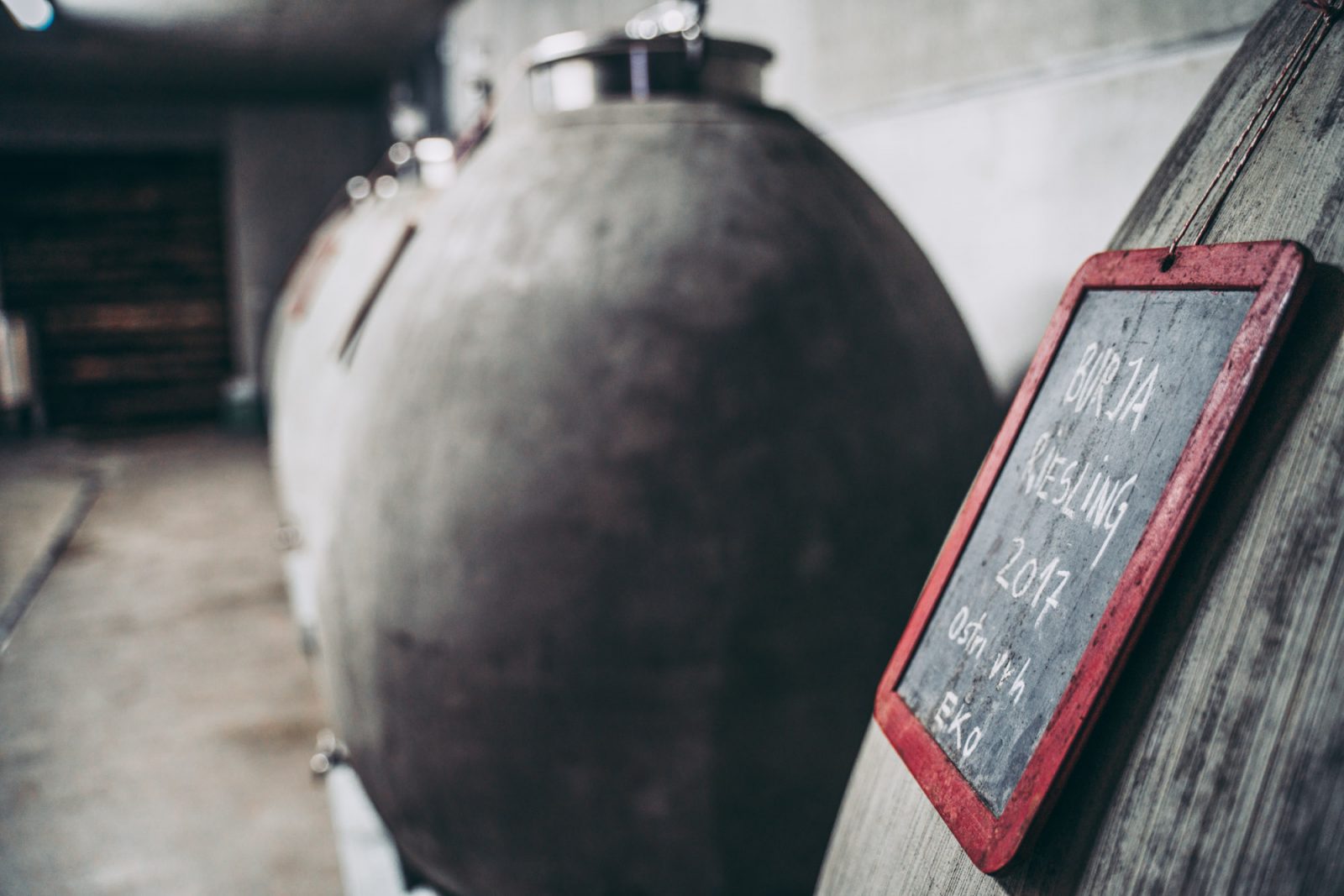
As we followed Mr. Lavrencic on a tour of the estate, our fascination with this amazing structure and the practices of the Burja Estate grew exponentially. Despite still being under construction, the exposed stone wall, modern elegant designs of the cellar and the future tasting room revealed what was soon going to be a top-notch wine-tasting space in the valley.
But it’s not just Burja Estates that’s putting Vipava Valley on the wine trail. The region is home to dozens of small family-owned and operated wineries that have recently started to open their doors to visitors in the area. Finding them, though, takes a bit more than a Google search, so companies like Wajdusna are paving the way for unique ways to experience the best this region has to offer.
Slovenian Hospitality At St Daniel Hotel In Vipava Valley
Accommodation options in Vipava Valley are not plentiful but ideal for those looking for an authentic stay and a taste of Slovenian hospitality. Most farmhouses now offer rooms for rent and a typical bed and breakfast experience.
But one hotel in the area stood out from the crowd, not just for its prestigious eco-friendly labels but for its holistic outlook on the guest experience.
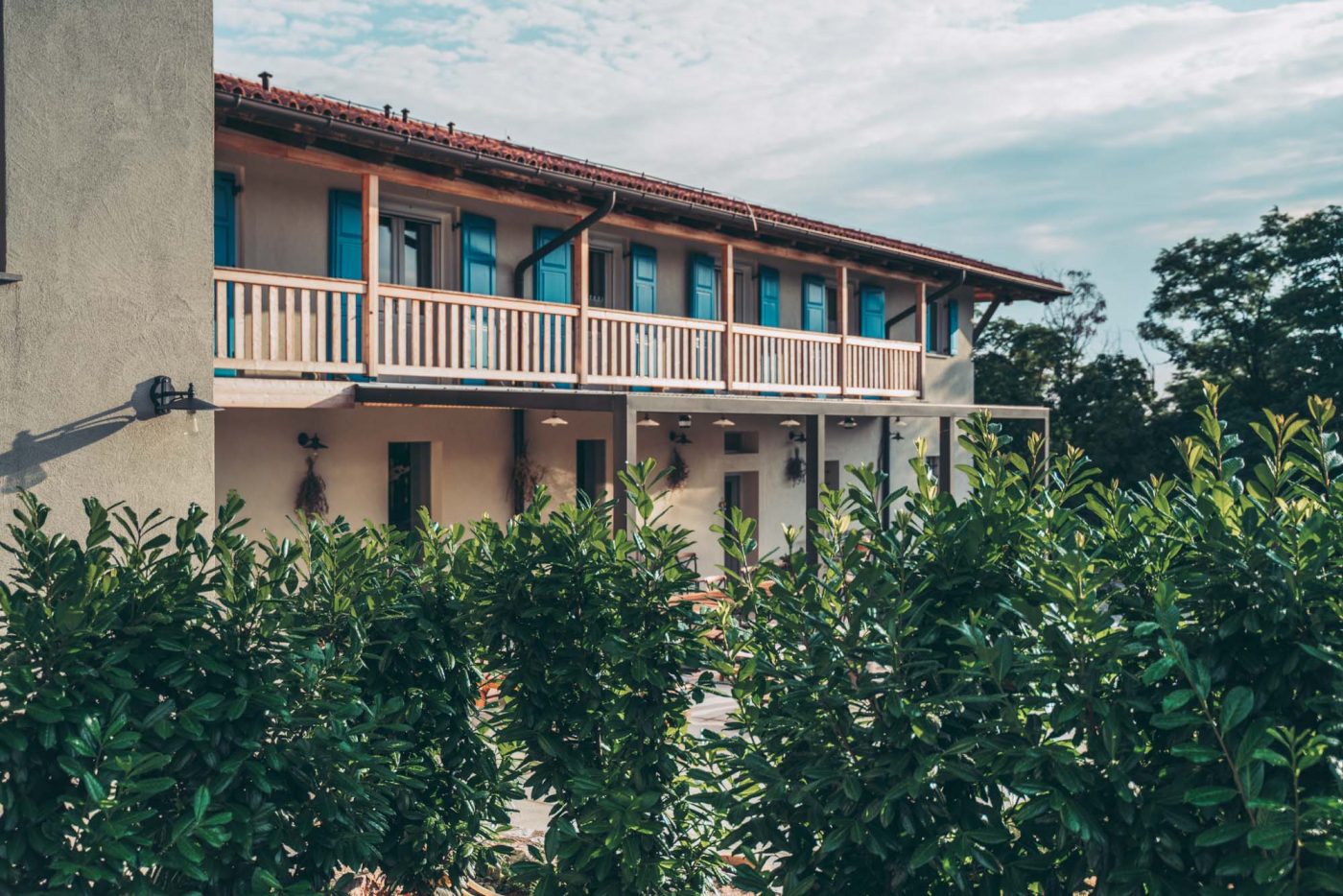
A love child of Nina Abramič and Miran Prodmik, Hotel St Daniel, is a charming boutique eco-hotel hidden amidst the vineyards and meadows just outside of the town of Stanjel.
The hotel began as an old farmhouse and took over 4 years to renovate. The owners believe that ECO is not just a label but a way of life, and their vision manifests itself into a space where guests feel well, eat well, sleep well, move well and think well.
Despite having perfectly decorated rooms, a restaurant, and even an on-site holistic wellness centre, Hotel St Daniel feels more like an old friend’s house than a typical hotel.
“We love details and thoughtful touches here”, smiled Nina, acknowledging our remark about the incredible decor in the reception area. “We love them until it comes time to spring clean…” she laughs, “and then we hate them!”
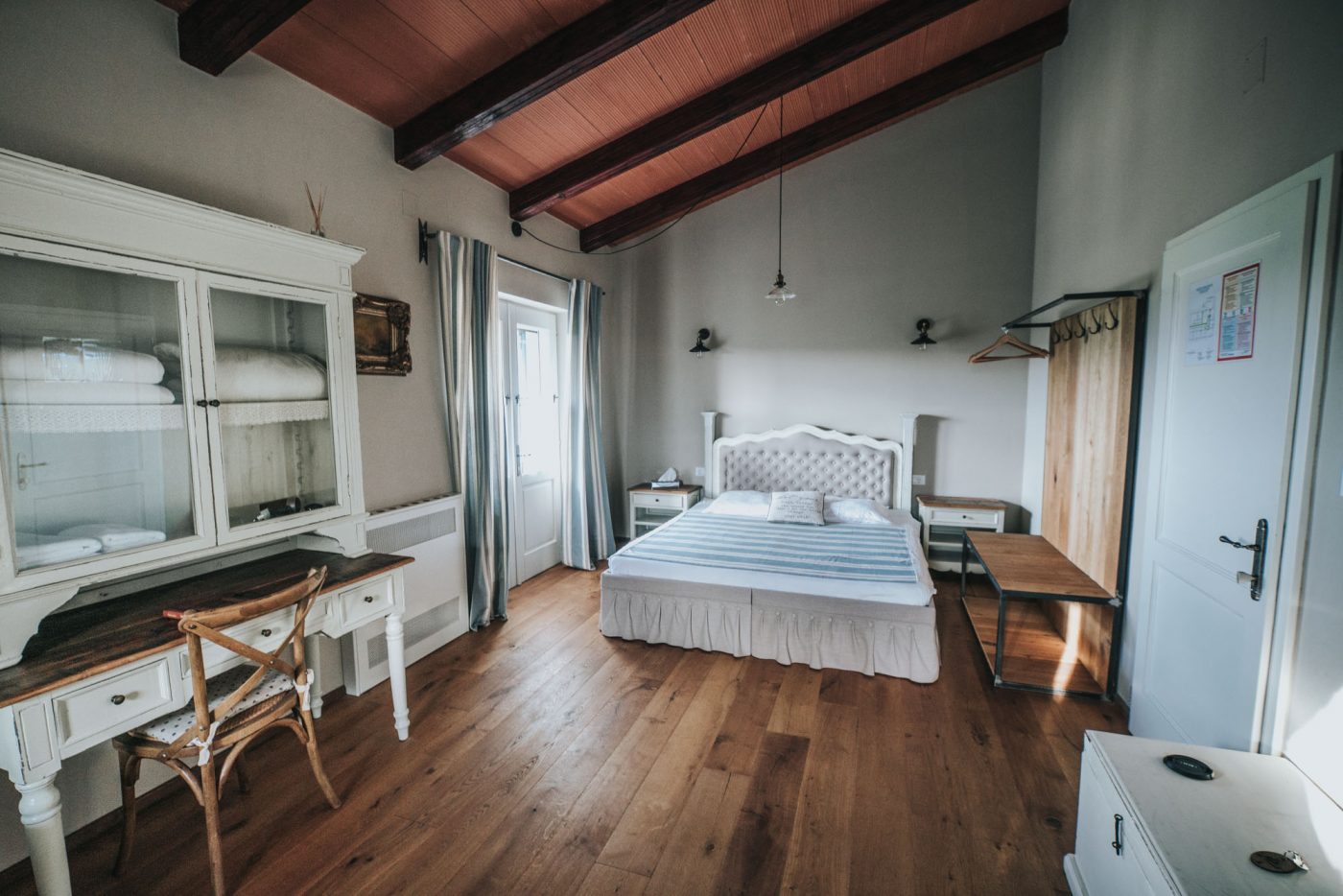
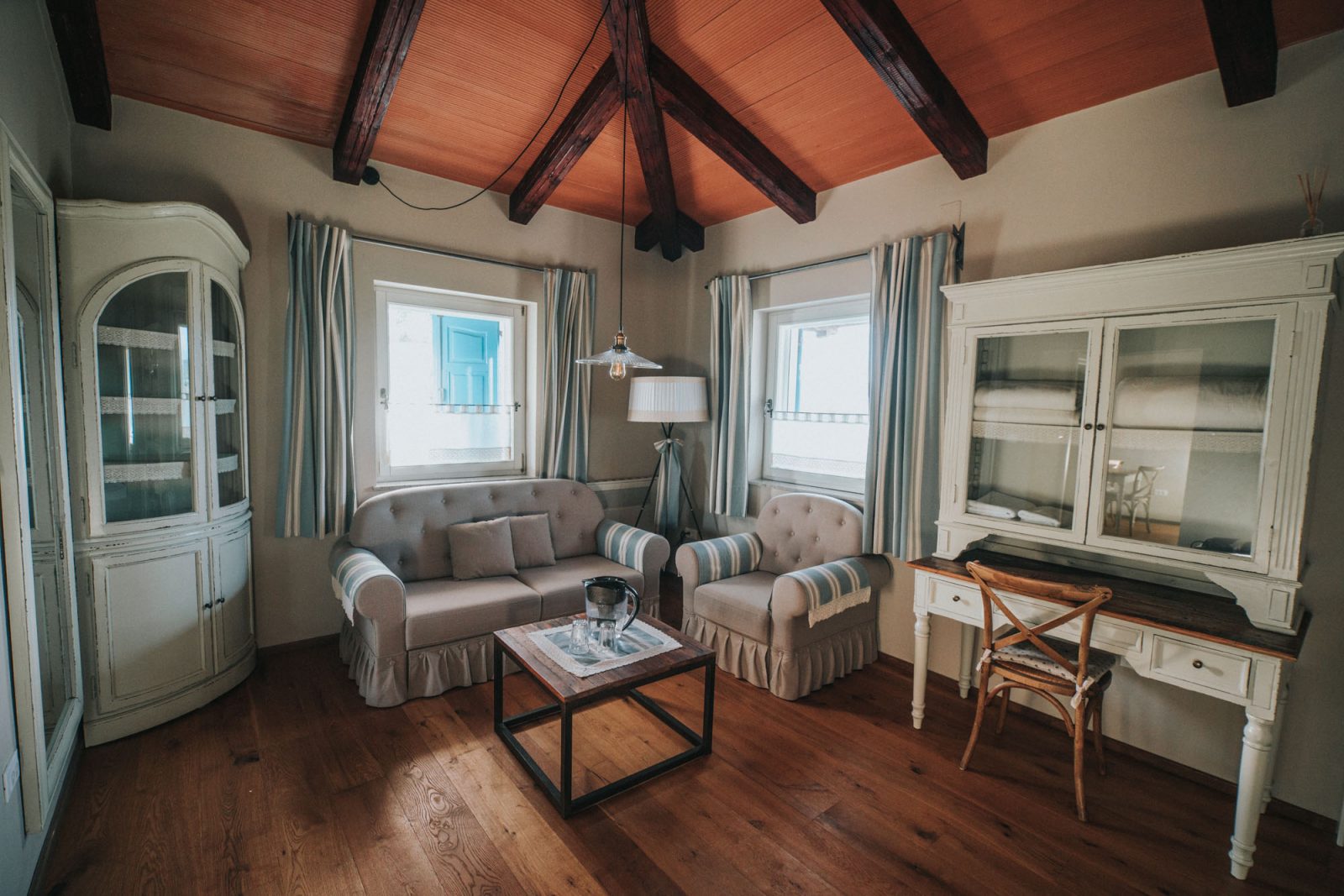
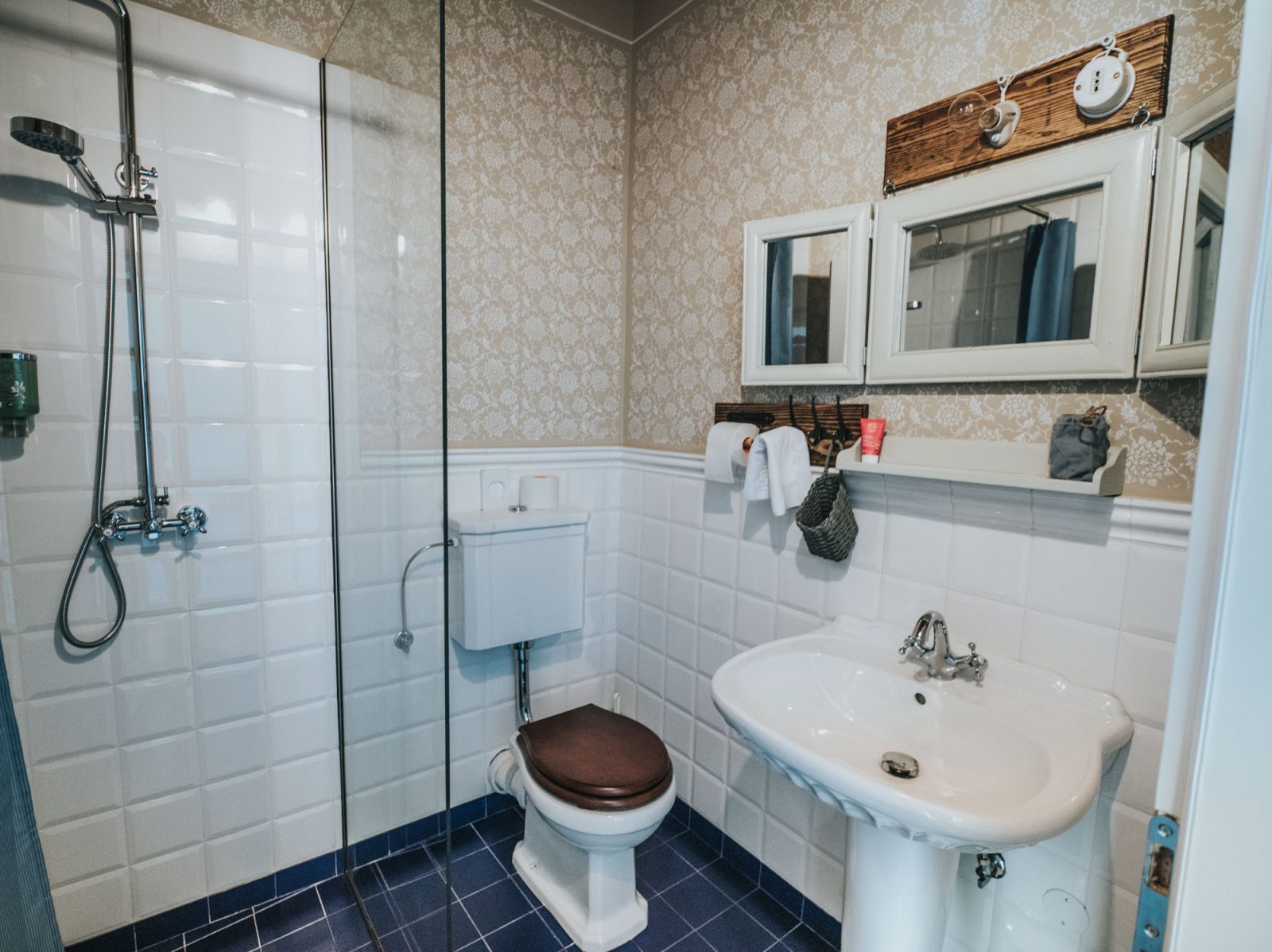
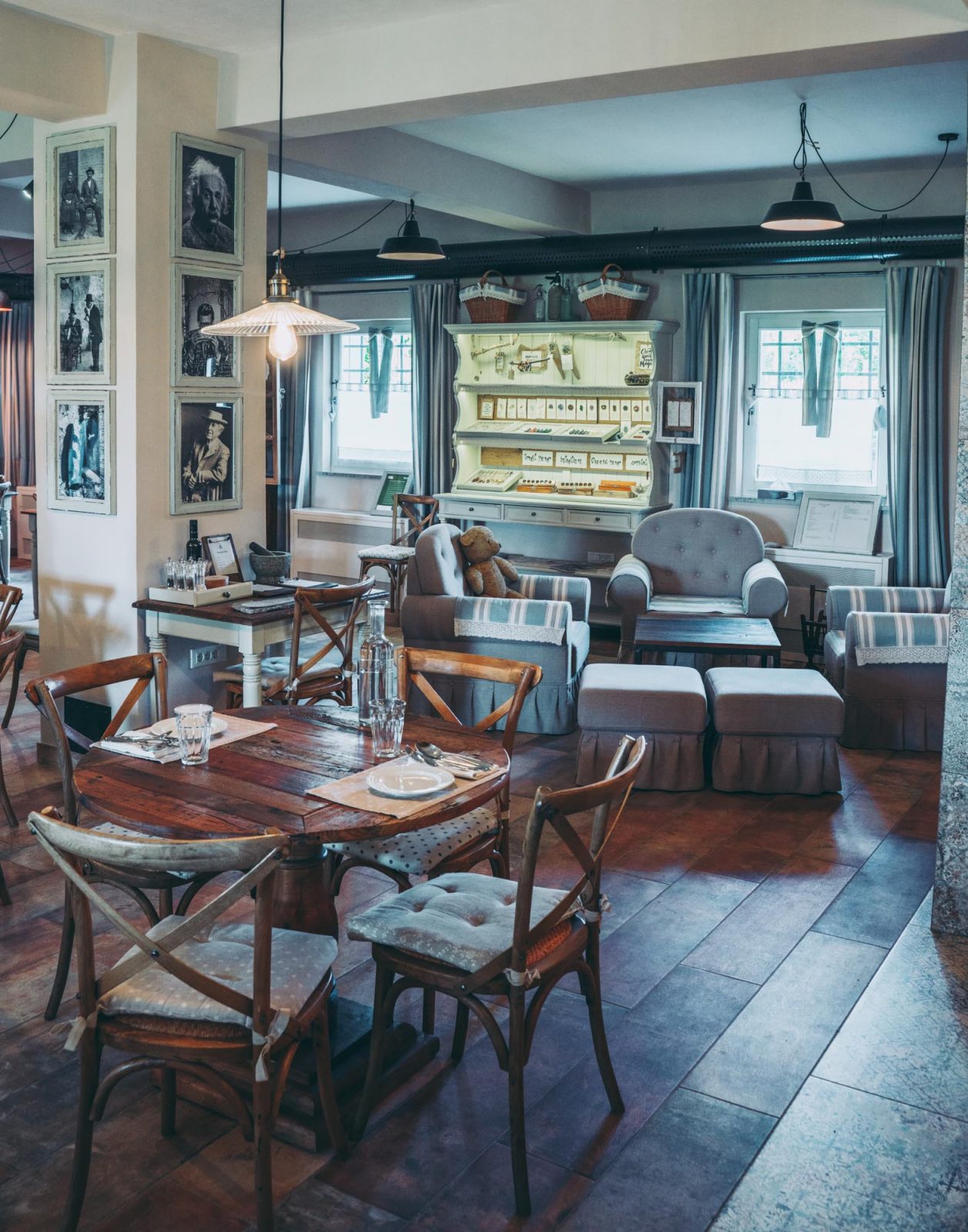
Dining Experience at Hotel St Daniel
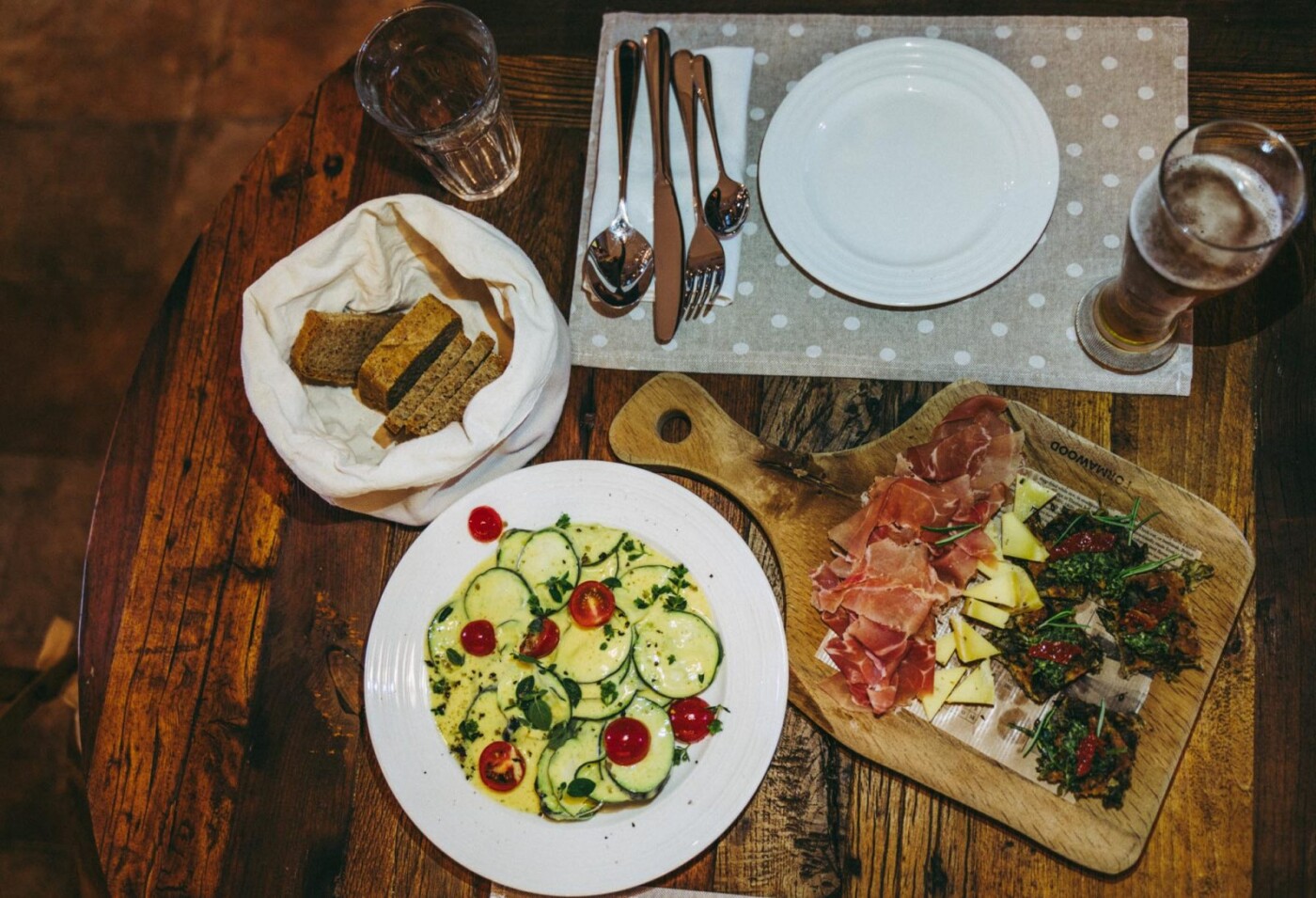
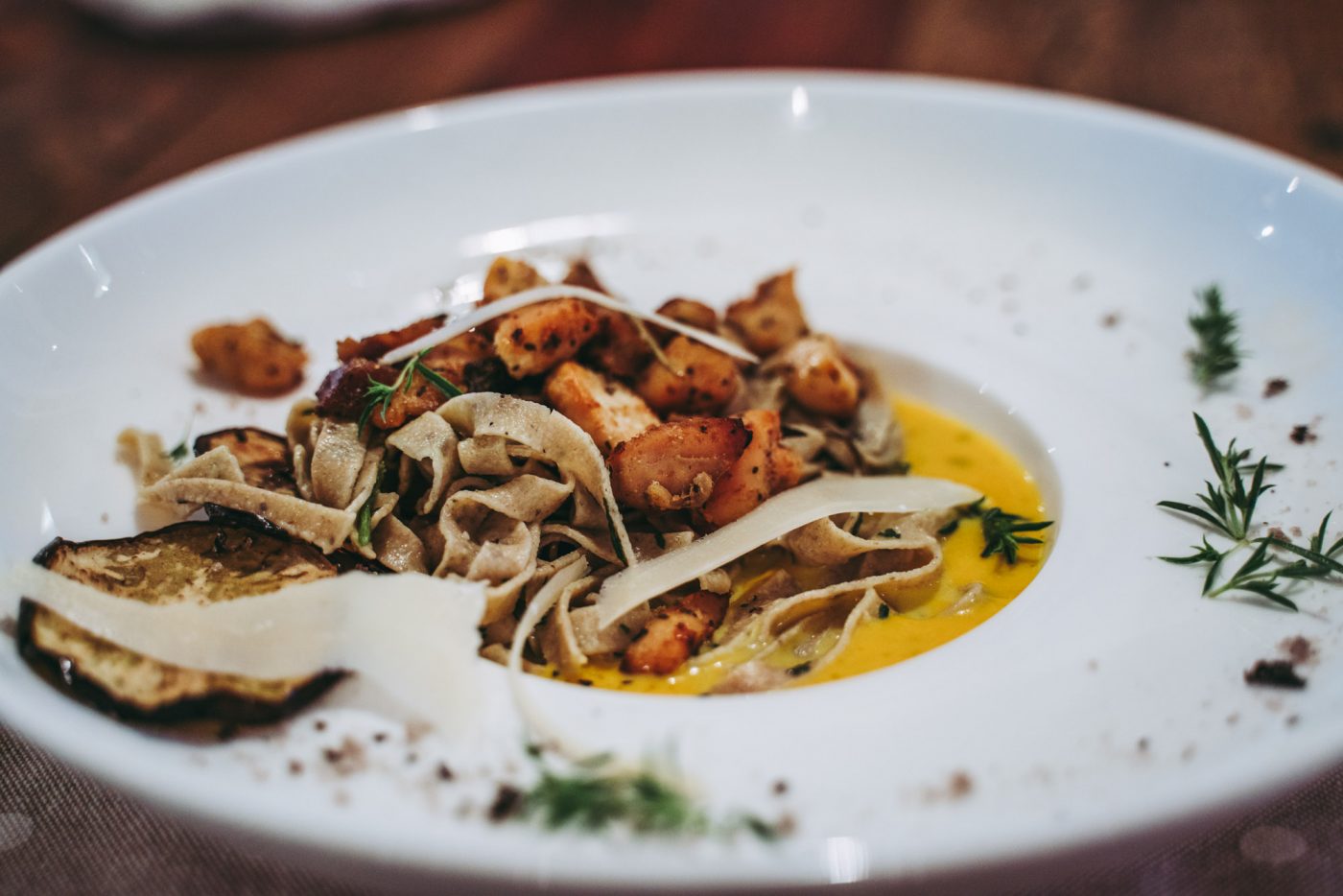
Our dinner here was spectacular. Simple recipes mingled with ingredients, creating the most incredible flavours. Zucchini tomato salad, buckwheat soup, and homemade pasta with chicken and pumpkin sauce tasted like heavenly creations.
For dessert, it was the highly acclaimed Teran wine from Derenda Estate which we shared in the company of Darko Derenda, the winemaker behind this unique Karst specialty.
“Our compliments to the chef, Nina”, we said.
“It’s just me and my mom in the kitchen”, blushed Nina humbly. “When you are working with fresh organic ingredients, you don’t need complicated recipes or fancy cooking degrees. No matter what you make, it will taste great!”
She was being modest, but we let it slide. It was hands down the best meal we’d had in Slovenia and a perfect ending to a perfect day in the beautiful Vipava Valley.
Things To Do In Vipava Valley
There is no shortage of ways to enjoy this gorgeous area. From hiking trails and biking paths to castle tours and culinary experiences, there is something for everyone here.
Hiking In Vipava Valley
You are really spoilt for choice when it comes to hiking trails – there are paths leading to sites like the Otlica Natural Window, or that trace the edge of the Trnovo Forest Plateau and lead along the Vipava River flowing through lower Vipava Valley.
The most popular trail for hiking in Vipava Valley is Nanos, featuring breathtaking views of the Adriatic Sea, the Ljubljana basin, and the Julian Alps after a three-hour climb to the summit. The well-marked trail is suitable for hikers of all experience levels.
Cycling Through Vipava Valley
The most eco-friendly way to cover as much ground as possible is by way of the valley’s many cycling trails. There are plenty of bicycle and e-bike rental shops in Vipava Valley, and some offer free drop-off and pick-up with their rentals.
You can go for a self-guided cycling trip, with this app taking the guesswork out of navigating the trails. There are also cycling tours on offer, with some including wine tastings and castle tours.
Food And Wine Tour
Foodies and wine lovers rejoice – there is much to explore and sample in Vipava Valley! Our experiences at Cejkotova Domacija and Hotel St. Daniel were amazing, and there are many more agrifarms and restaurants in the valley.
Whether it’s local dishes and cured meats that you’re after or an extensive tasting menu at a Michelin-starred restaurant, there is so much to choose from. For a combination of both, consider a visit to DAM Restaurant, where you can taste elevated dishes inspired by traditional dishes.
For the best wine-tasting experience, pick from one of the many family estates from around the valley, some dating back hundreds of years. We can’t recommend Burja Estates enough, and if we had had enough time, we would have visited more winemakers in the area. There are several guided Vipava tours that pick up from Ljubljana, but you can easily put your own together with a little bit of planning.
READ NEXT: Best Things to do in Slovenia
Explore The Historic Sites
The region’s largest towns in Vipava Valley are Ajdovscina, Nova Gorica, Vipavski Kriz, and Vipava Town. Some of these villages still have remnants of the original settlements going back to the medieval period or even earlier. There are castles, historic mansions, and museums that hold relics from the region’s extensive history.
Ajdovscina is the second largest town in the valley, and it might be the oldest. Ajdovscina was built from the foundations of a Roman fort intended to protect the eastern border of the Roman Empire. Walking around the town, you can see remnants of several more bygone eras, with narrow medieval alleys and an old town centre lined with 18th-century mansions. To go back even further, visit the nearby Ajdovščina museum collection, which traces the region’s history back to prehistory.
Located a 10-minute drive from Ajdovscina, Vipavski Kriz is another historic site to explore. Dating back to the 13th century, the ruins of the village castle are open to visitors, as is the 17th-century Capuchin monastery, home to ancient manuscripts and artworks.
Nova Gorica is the newest town in Vipava Valley, having been built after WWII as a result of the redefined border between Italy and Slovenia. Nova Gorica is famous for its green spaces, galleries, and splendid postwar architecture. It is definitely a youthful town, known as a foodie haven and social centre.
Have You Ever Visited Vipava Valley? What Drew You To This Unknown Destination In Slovenia?
Disclaimer: We travelled to Vipava Valley as guests of the Slovenia Tourism Board, but all opinions expressed in this article are our own.


Slovenia has never been top of my travel list but it looks beautiful! And you’re right about the hotel, it really does seem homely and friendly <3
Hi Max & Oksana, great article! Small correction – St. Daniel resides in the Karst wine region, to the west of the Vipava Valley.
Great blog post about Vipava Valley. Next time you should check Brda wine region as well.