

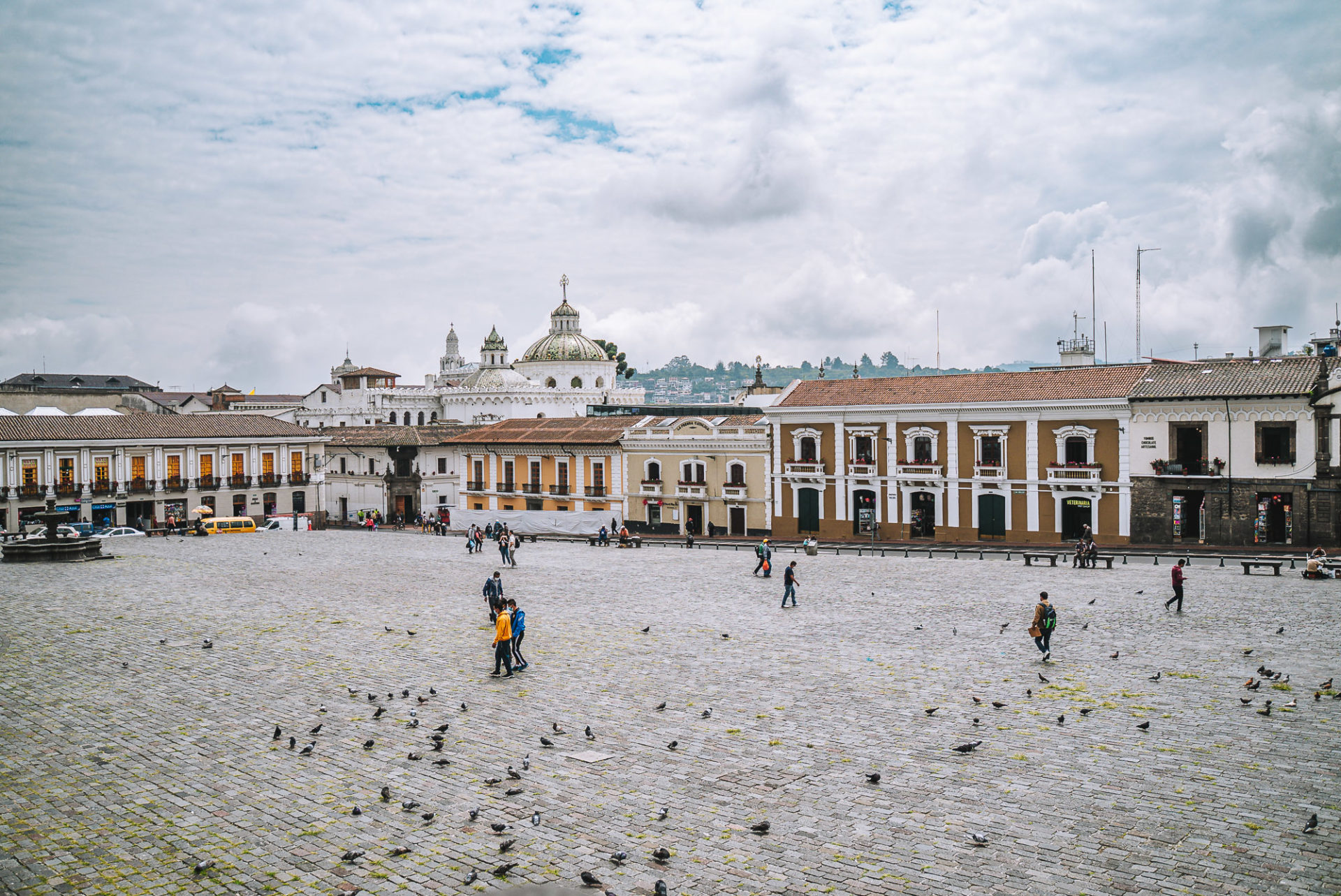
The best things to do in Quito take about two full days, which is roughly twice what most visitors give the city on their way to the Galapagos. Ecuador’s capital has one of the best-preserved colonial old towns in the Americas, a cable car to 4,000 metres, and the equator monument forty-five minutes north, and it repays a proper stop rather than an airport night.
We have come through Quito more than once as the mainland staging post for trips out to the islands, stayed in the historic centre, and eaten our way around a chocolate tour and the San Francisco market. This guide covers the seventeen things worth your time, how many days the city actually needs, the altitude and safety questions nobody else answers properly, and how Quito fits into a Galapagos trip.
Key Takeaways
- Two full days covers Quito properly. Three if you want a day trip to Otavalo, Cotopaxi or the hot springs at Papallacta.
- The old town is the reason to stay. It was one of the first two sites ever added to the UNESCO World Heritage list, and it is still a working city rather than a museum.
- You are at 2,850 metres and you will feel it. Day one is for walking slowly, drinking more water than usual and going easy on the alcohol.
- The famous equator monument is on the wrong line. Mitad del Mundo was placed before GPS; the actual equator runs through the Inti Nan museum next door.
- You cannot day trip to the Galapagos. The islands are a two-hour flight offshore and need several days of their own. Quito is where those trips start.

Things to Do in Quito at a Glance
Quito is a two-day city that most people give one night. Here is the shape of it before the detail.
Planning a Quito trip
| Where | Ecuador, high in the Andes at 2,850 m |
| How many days | 2 for the city, 3 with a day trip |
| Known for | The UNESCO old town, the equator, the TeleferiQo |
| Best months | June to September are driest; the city is year-round |
| Currency | US dollar |
| Altitude | 2,850 m; take the first day slowly |
| Airport | Mariscal Sucre, about 45 minutes from the old town |
| Galapagos flights | 2 hours to the islands, from Quito or Guayaquil |
Seventeen things worth doing, with a rough sense of what each one costs you in time. Quito’s old town is compact enough to walk; everything marked as a day trip needs a car, a bus or a tour.
17 Things to Do in Quito
| What | Area | Time needed | Worth it for |
|---|---|---|---|
| Historic centre and Plaza Grande | Old Town | Half a day | The reason Quito is UNESCO-listed |
| Basilica del Voto Nacional | Old Town | 1-2 hours | Climbing the towers, if you have a head for it |
| San Francisco church and market | Old Town | 1-2 hours | The oldest church in the city, and lunch |
| Calle La Ronda | Old Town | An evening | The restored street at night |
| Changing of the Guard | Old Town | 30 minutes | Free, Mondays, genuinely a spectacle |
| TeleferiQo cable car | West | Half a day | 4,000 m and the whole city below you |
| El Panecillo | Central | 1 hour | The winged Virgin and the best city view |
| Mitad del Mundo | North | Half a day | Standing on the equator, roughly |
| Inti Nan museum | North | 1 hour | The actual equator, next door |
| Mercado Artesanal La Mariscal | La Mariscal | 1-2 hours | Textiles without going to Otavalo |
| A chocolate tour | Old Town | 2 hours | Ecuadorian cacao, properly explained |
| La Floresta | East | Half a day | Street art, coffee, the city Quitenos use |
| Parque La Carolina | North | 1-2 hours | Sunday, when the whole city is in it |
| Otavalo market | Day trip | Full day | South America’s best-known craft market |
| Cotopaxi National Park | Day trip | Full day | A 5,897 m volcano two hours away |
| Papallacta hot springs | Day trip | Full day | Thermal pools at altitude |
| Quilotoa crater lake | Day trip | Long day | A green crater lake, best with an overnight |
What to Know Before You Go
Two questions dominate what people ask about Quito and almost nothing written about the city answers either properly. Here they are plainly.
Altitude. Quito sits at about 2,850 metres, higher than most visitors have been without hiking to it, and it is high enough to notice. The usual first-day experience is breathlessness on the old town’s hills, a headache by evening and broken sleep. It passes in a day or two. Take the first day slowly, drink more water than feels necessary, go easy on alcohol, and do not schedule the TeleferiQo, which tops out near 4,000 metres, for the morning you land.
Safety. Quito is manageable for visitors who take normal city precautions, and the usual problem is opportunistic theft rather than anything worse. The historic centre is heavily policed by day and empties after dark. La Mariscal has a reputation for late-night trouble and is the one area worth avoiding at night. Use registered taxis or a ride-hailing app rather than flagging cars, keep phones out of sight on the street, and check your government’s current travel advice before you go, because the national picture in Ecuador has moved in recent years.
Money and language. Ecuador uses the US dollar, which removes a whole category of hassle. Small notes are genuinely useful; taxis and markets rarely break a fifty. English is limited outside hotels and the main sights, and a translation app earns its place.
Things to Do in Quito’s Old Town
The old town is the reason to come and it is compact enough to walk, though “walk” at this altitude and on these gradients means something slower than you are used to. Give it a full day.
Wander the historic centre and Plaza Grande
Quito’s colonial centre was inscribed on the UNESCO World Heritage list in 1978, in the very first group of sites ever listed, alongside the Galapagos. It is roughly 320 hectares of largely unbroken sixteenth to eighteenth-century streets, and what makes it unusual is that it never became a museum quarter. People live and work here. Plaza Grande is the centre of it, ringed by the presidential palace, the cathedral and the archbishop’s palace, and it is where the city sits and watches itself.


Climb the Basilica del Voto Nacional
The Basilica is neo-Gothic, enormous, and decorated with gargoyles shaped like Galapagos wildlife rather than the usual grotesques, which is a better joke than it sounds. You can climb the towers, and the climb is the point: it finishes on open metal ladders and narrow planks above the nave with the city opening out below. It is not for anyone uneasy about heights, and it is the single best view in the old town.

See the San Francisco church and market
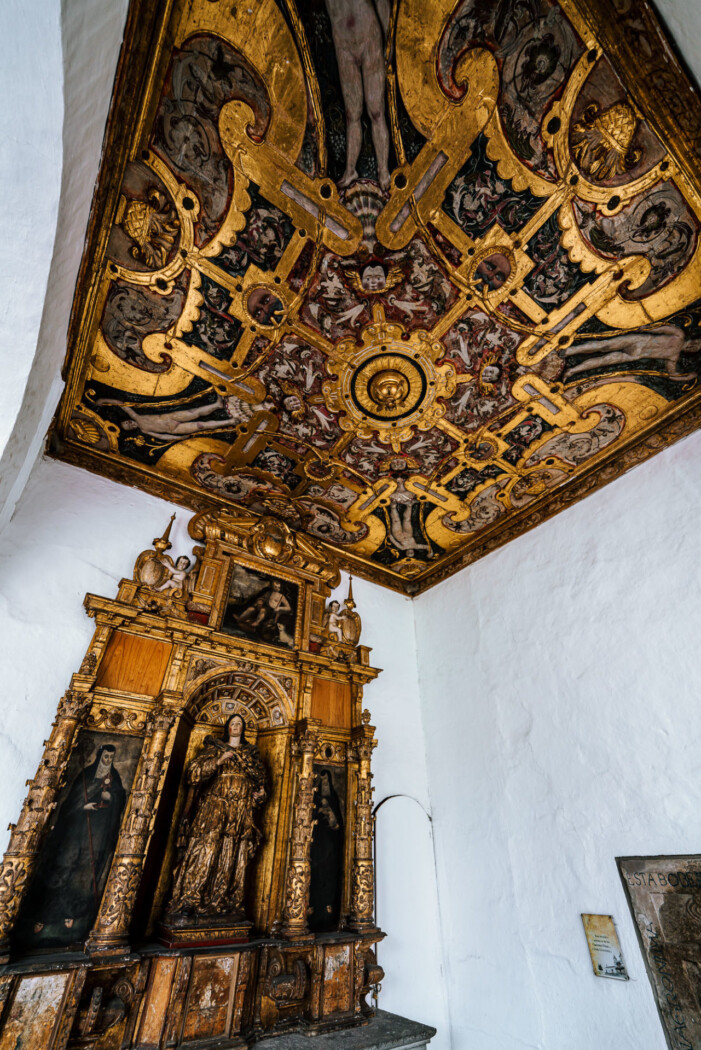
The church and convent of San Francisco is the oldest colonial building in Quito, begun within weeks of the Spanish founding of the city in 1534, and its scale is startling from the plaza. The market behind it is where we spent a genuinely good hour: fruit stalls stacked with things we could not name, juice counters, and set lunches being served to people on their way back to work.



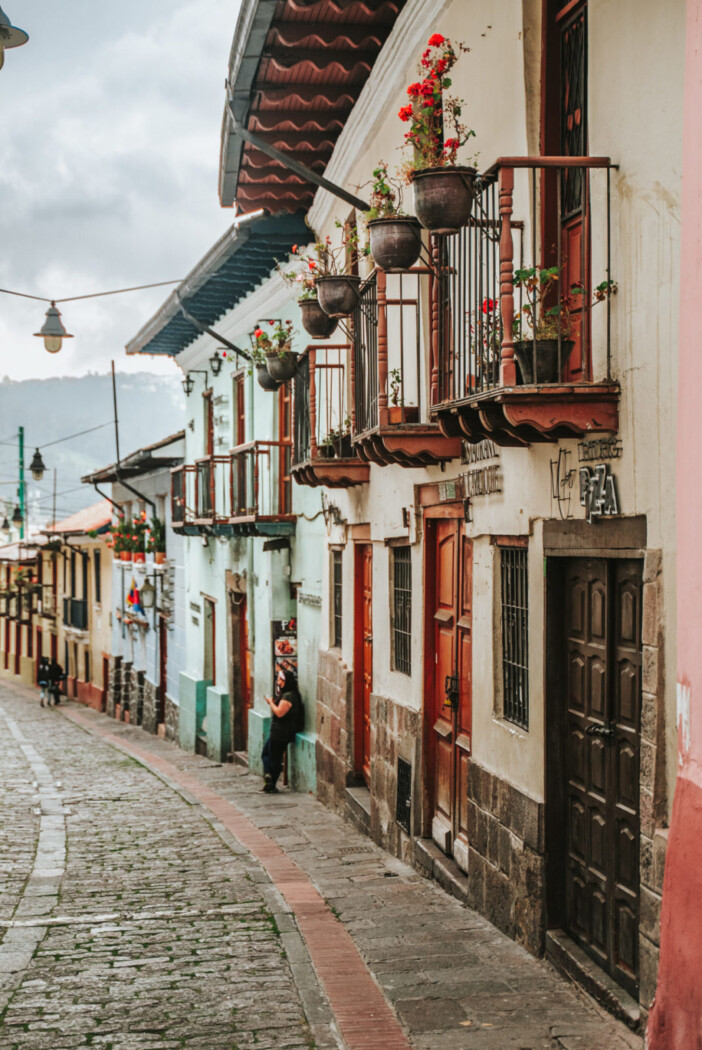
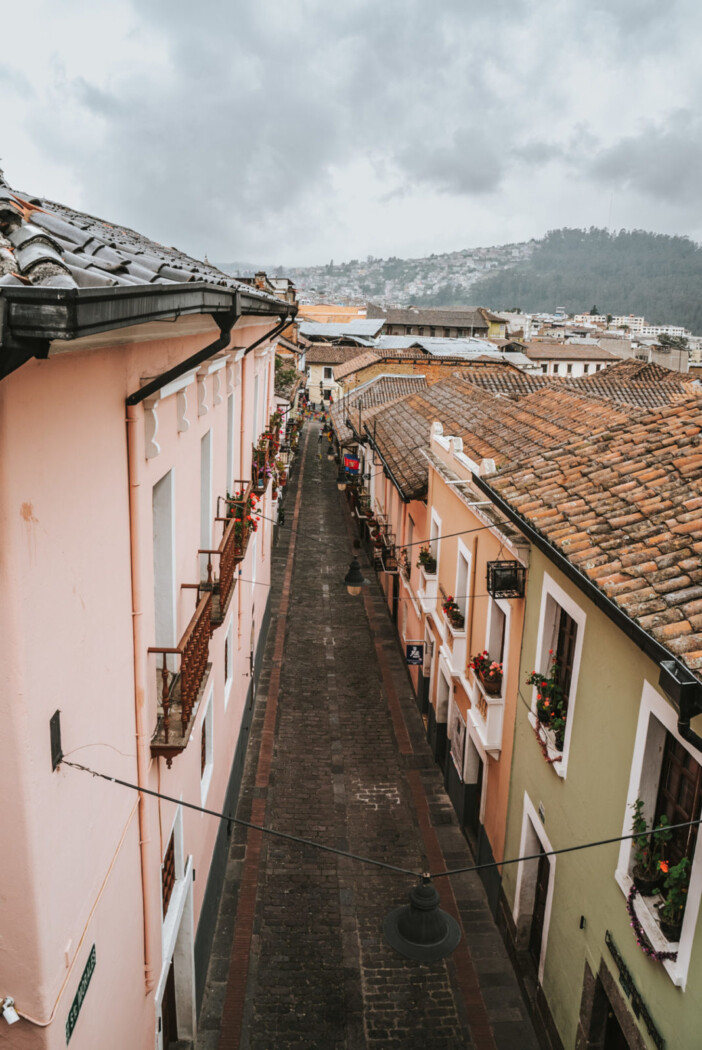
Walk Calle La Ronda after dark
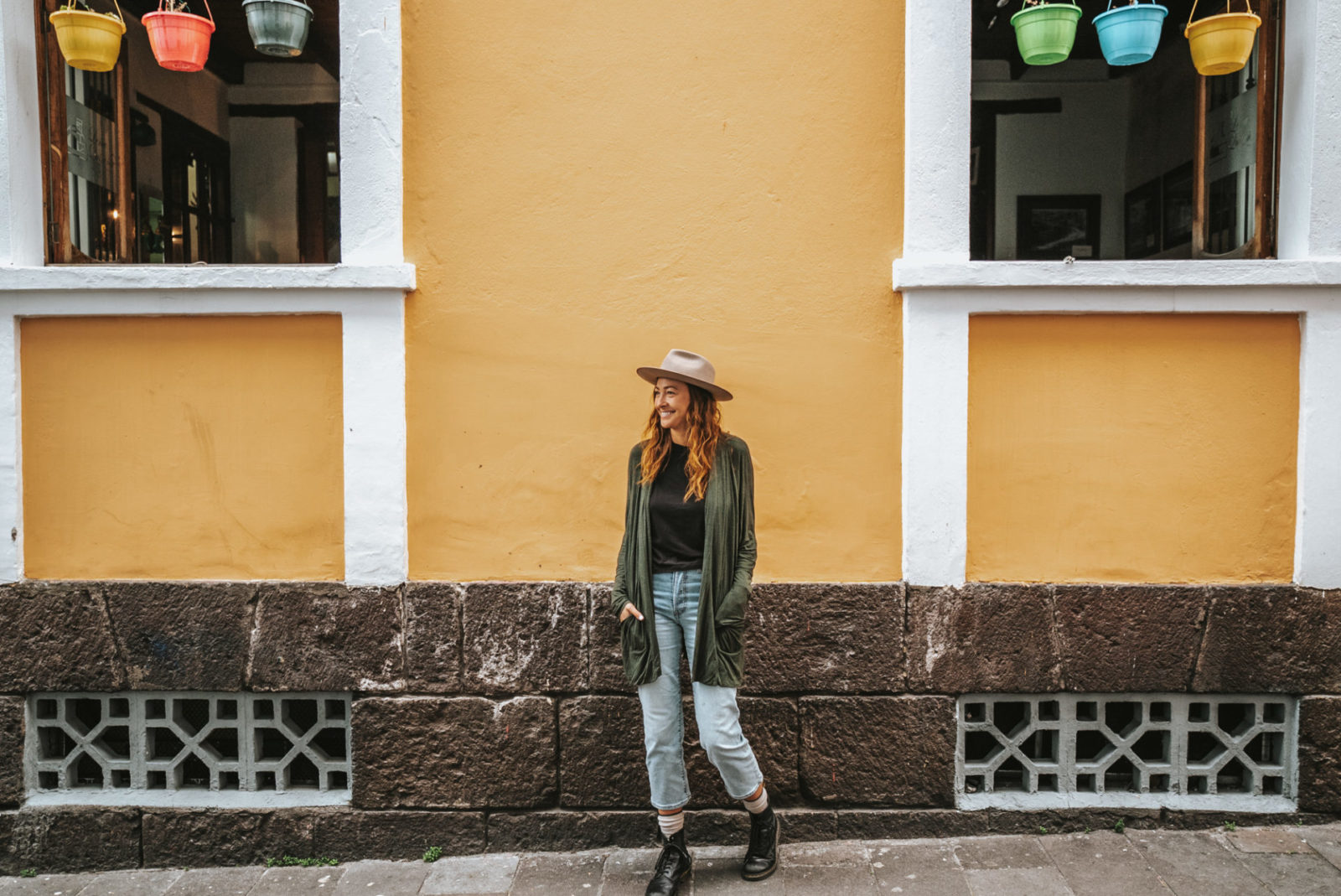
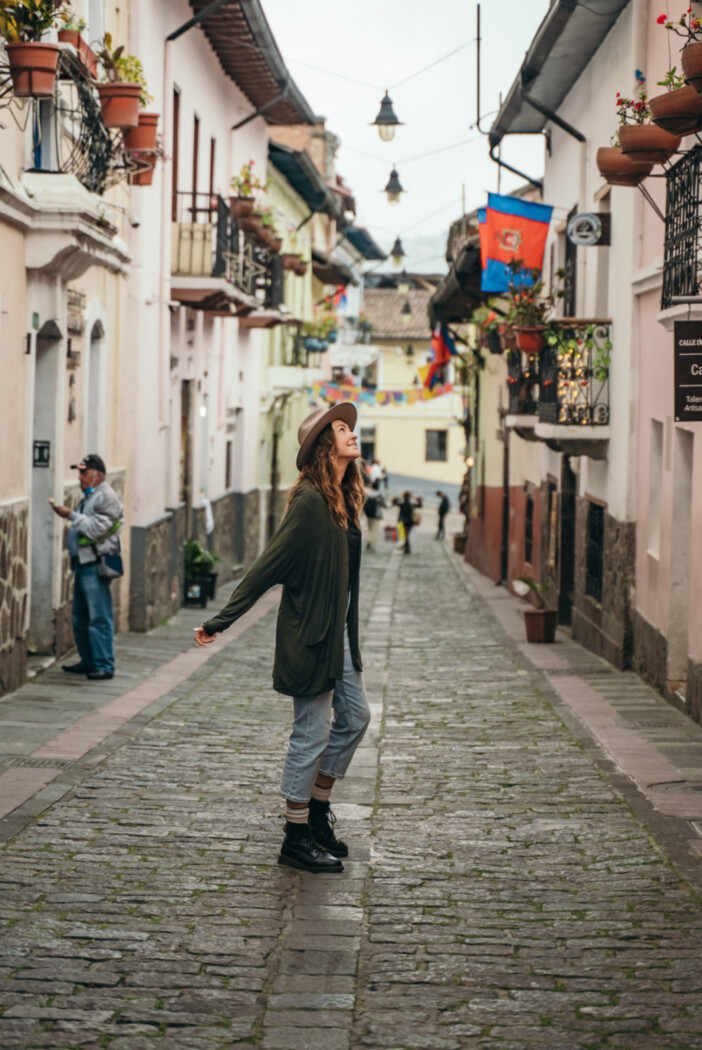
La Ronda is a restored colonial lane of workshops, bars and small restaurants, and it is one of the few parts of the old town that is better at night than during the day. Come for dinner and a canelazo, the hot sugarcane spirit with cinnamon that is the local answer to a cold evening at altitude.

Watch the Changing of the Guard
Every Monday at eleven, the presidential guard parades in Plaza Grande in nineteenth-century uniform, with horses, and the president has traditionally appeared on the balcony. It is free, it takes half an hour, and it is the most purely local thing on this list. Get there early for a position near the front; the plaza fills.
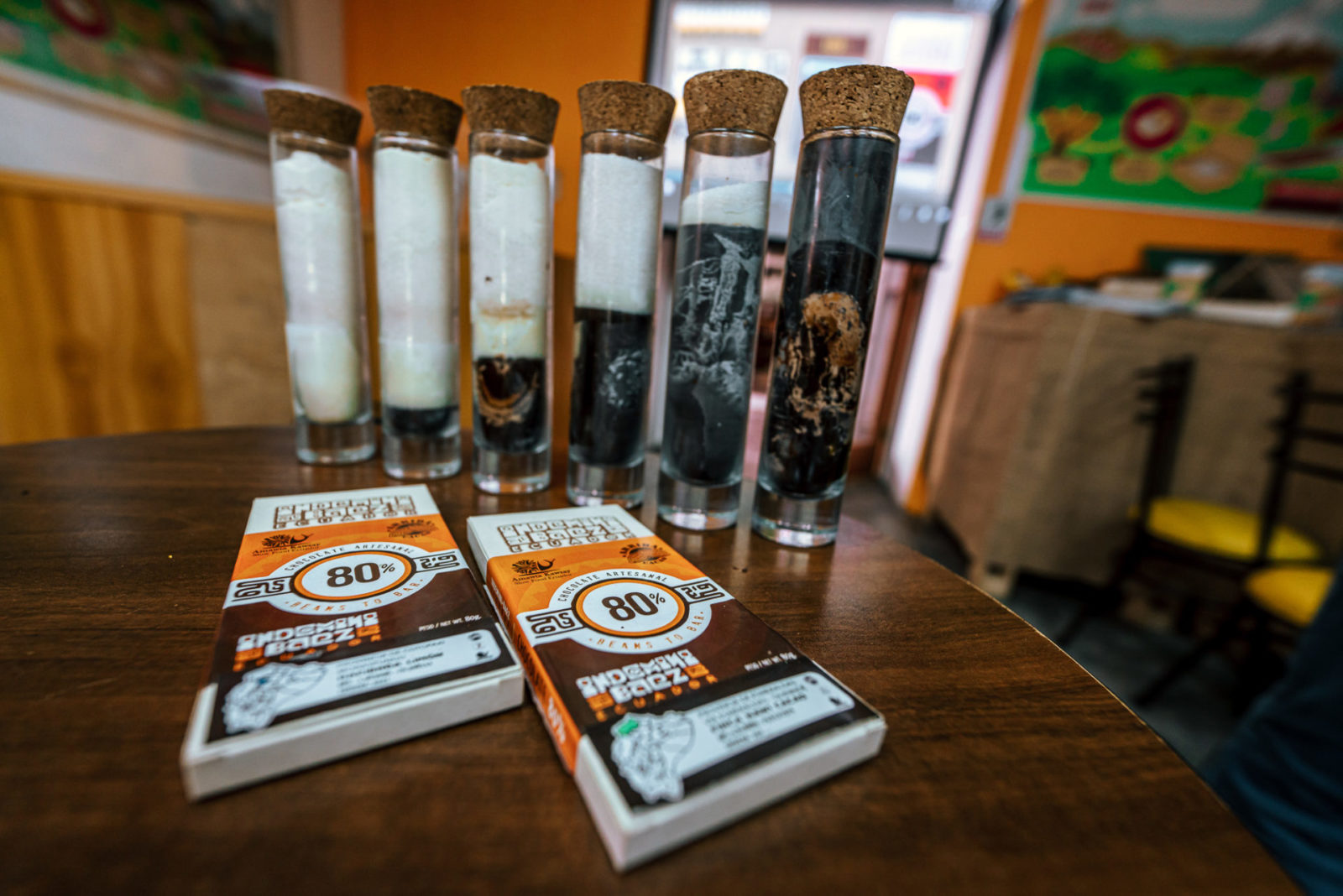
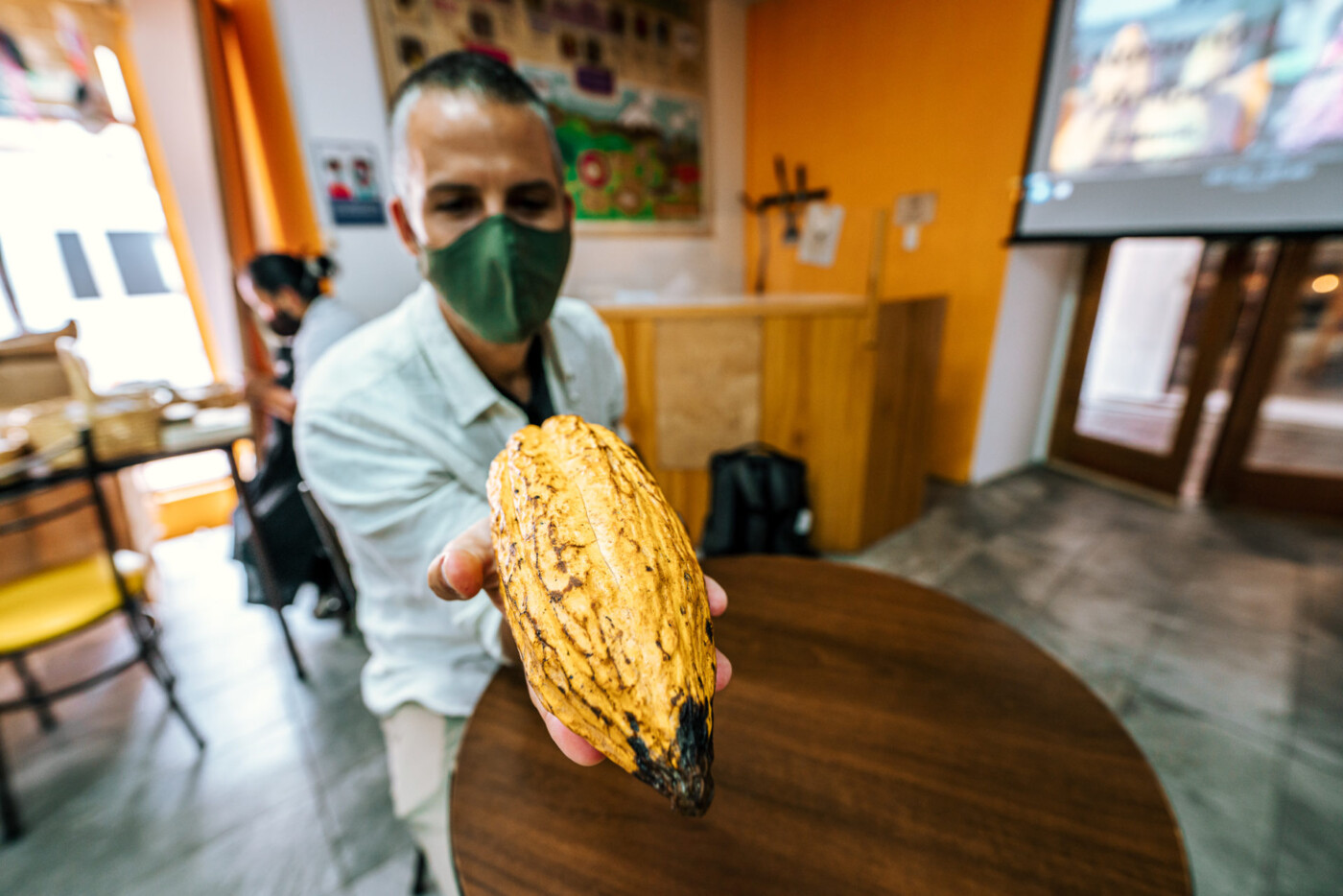
Take a chocolate tour
Ecuador grows some of the best cacao in the world and mostly exports it as raw beans, which is why a tasting here is a different proposition from buying a bar at home. The tours run from the old town, take a couple of hours, and go from pod to finished chocolate. We did one and it was the thing we talked about afterwards more than any of the churches.

Views, Volcanoes and the Equator
The second day belongs outside the old town: two viewpoints and the line the country is named after.
Ride the TeleferiQo
The TeleferiQo climbs the flank of Pichincha from about 3,000 metres to just over 4,000 in around twenty minutes, which makes it one of the highest aerial lifts in the world. On a clear morning you get the whole city laid out along its valley with Cotopaxi and Cayambe on the horizon. Go early, because cloud builds through the day, and remember you are adding 1,100 metres to a city that is already high. The walk up to Cruz Loma above the top station is short on a map and hard in practice.
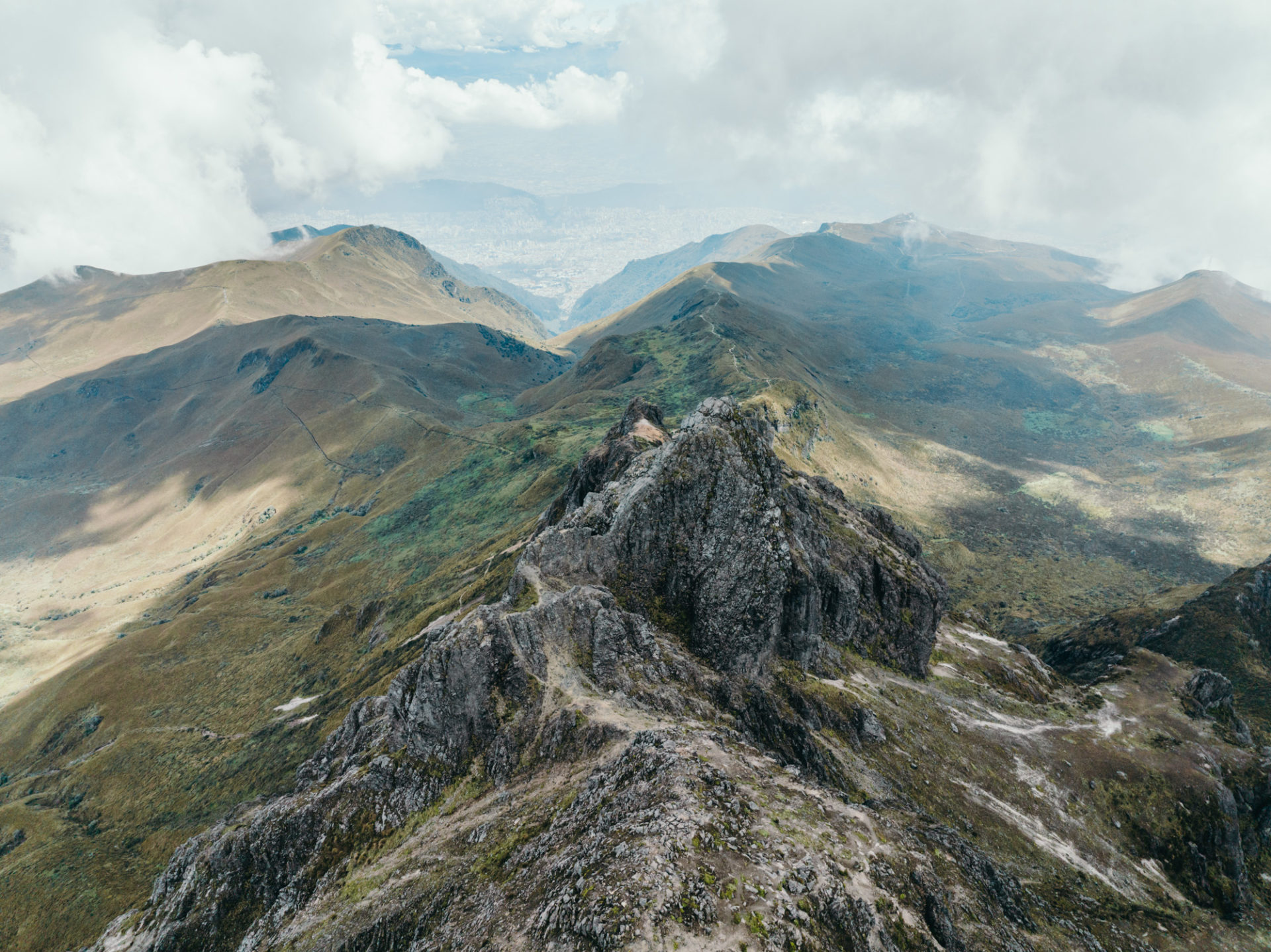


Go up to El Panecillo
The hill in the middle of the city is topped by a forty-one-metre aluminium statue of the winged Virgin of Quito, and it gives the best single view of the old town’s roofs. Take a taxi up rather than walking: the road passes through neighbourhoods where walking is not advised, and every local will tell you the same thing.
Stand on the equator at Mitad del Mundo, then on the real one
Mitad del Mundo is the thirty-metre monument marking the equator about forty-five minutes north of the city, with a yellow line painted across the plaza and a good deal of ceremony about standing on it. It is in the wrong place. The line was surveyed in the 1930s and GPS later put the true equator a couple of hundred metres away.
The actual line runs through the small Inti Nan museum next door, which leans into the discrepancy with water-draining demonstrations and balancing-an-egg tricks that are more folklore than physics. Do both. The monument is the photograph and the museum is the equator, and the pair of them together is a better hour than either alone.

Beyond the Old Town: La Floresta and La Mariscal
Two neighbourhoods worth the time if you have a third day, or an afternoon spare on the second.
La Floresta
The closest thing Quito has to a creative quarter: street art on a serious scale, independent coffee, a restored cinema, and the bars and restaurants that Quitenos actually use. It is a good antidote to two days of colonial churches and it is where we would stay on a return trip.
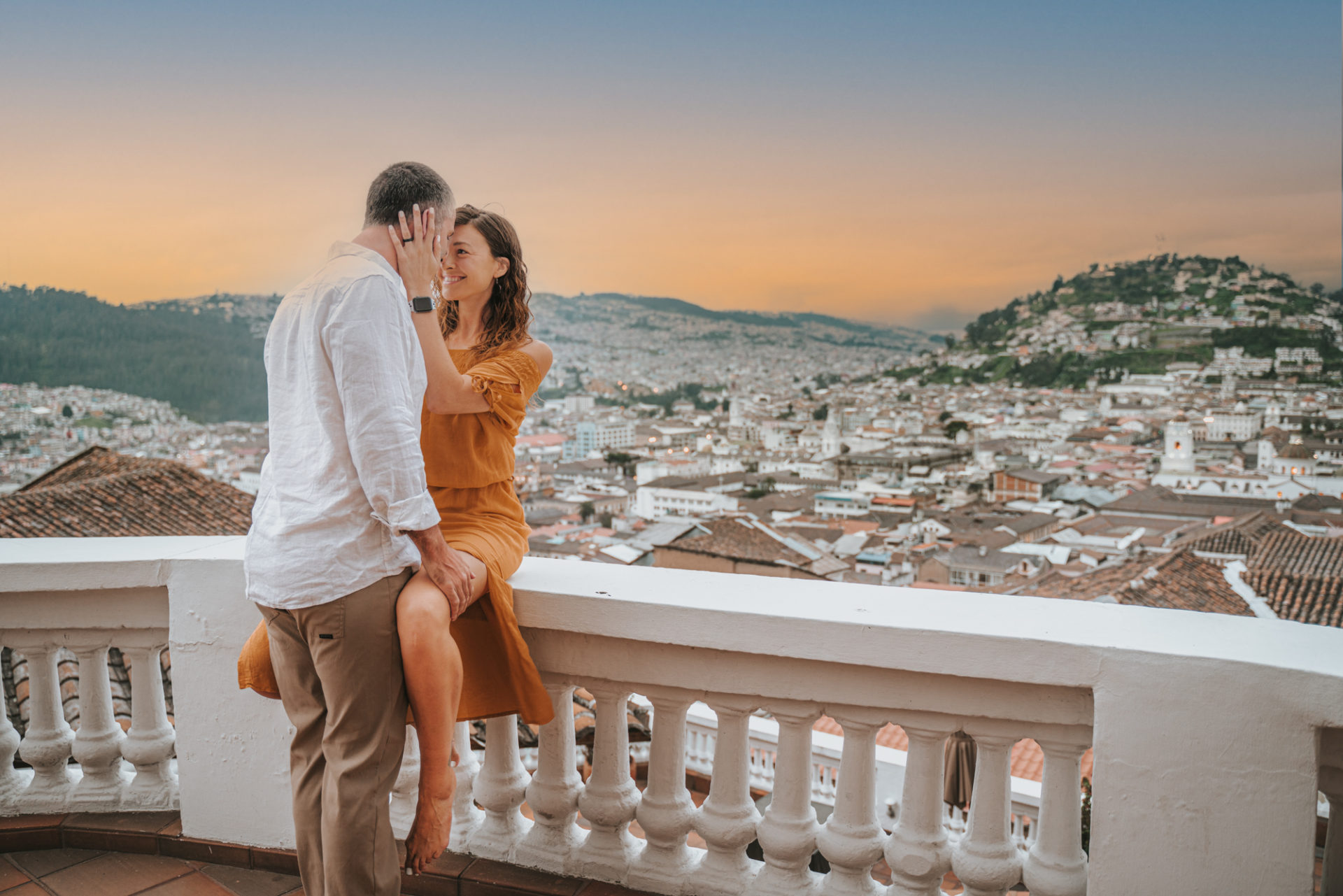
La Mariscal and the artisan market
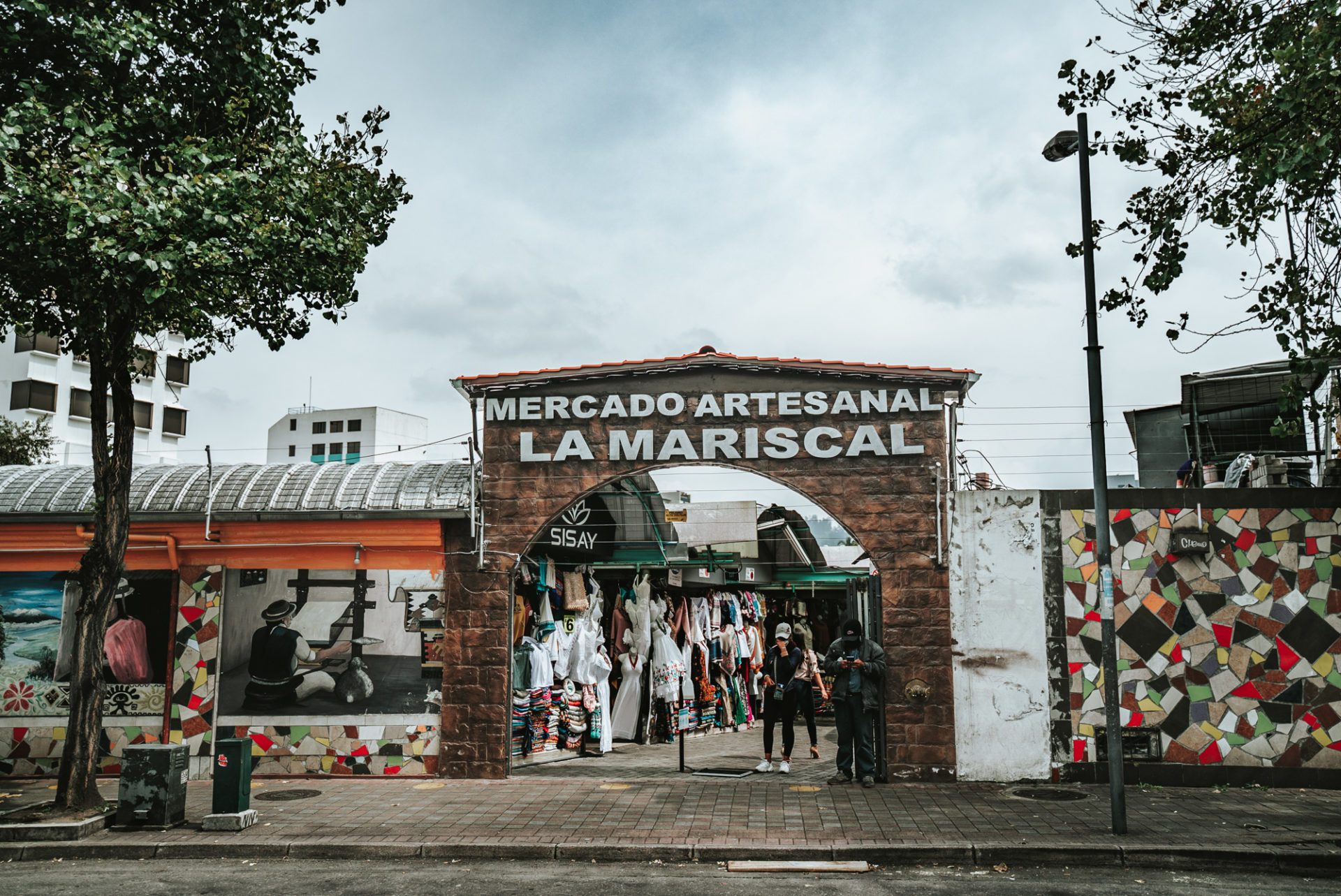
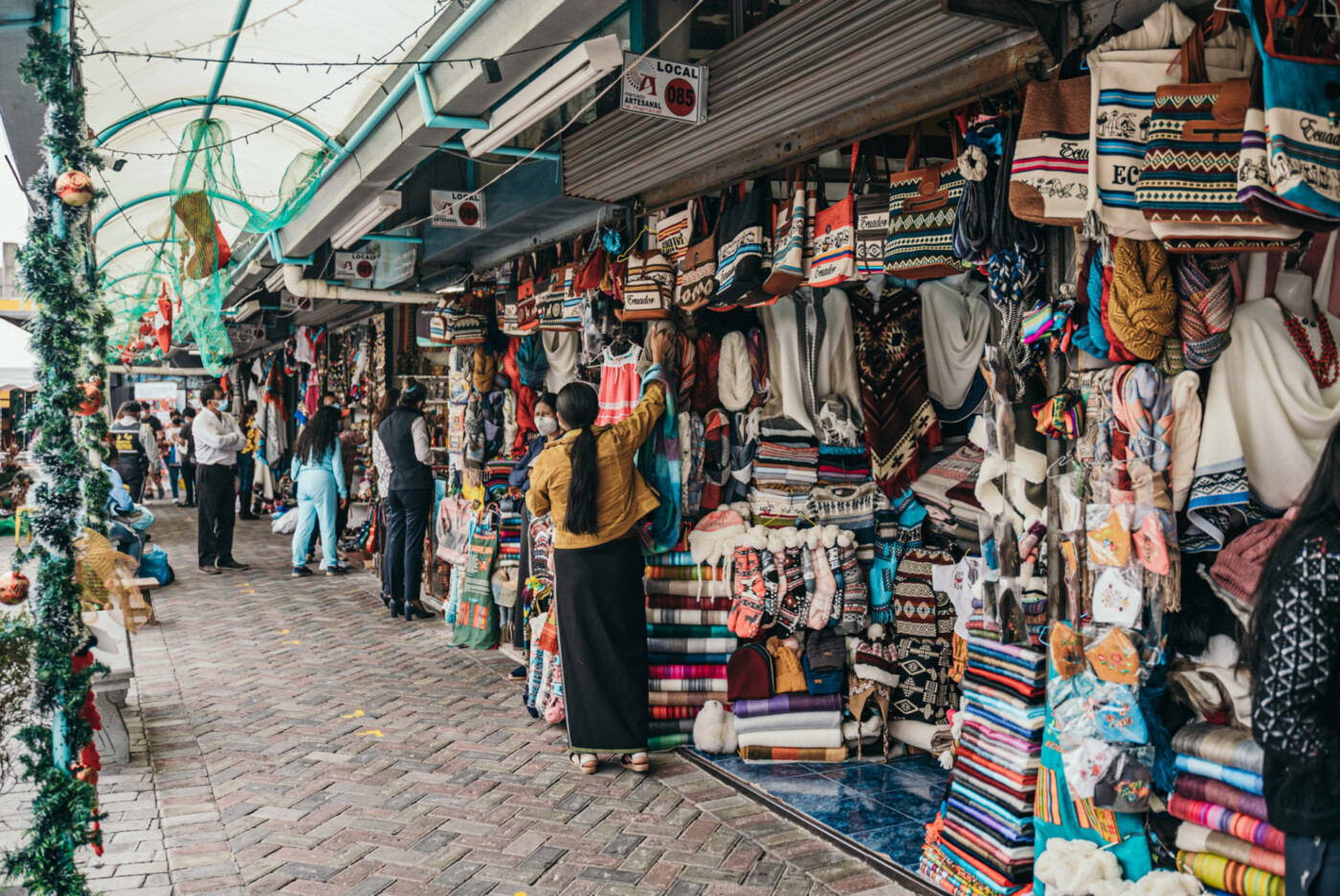
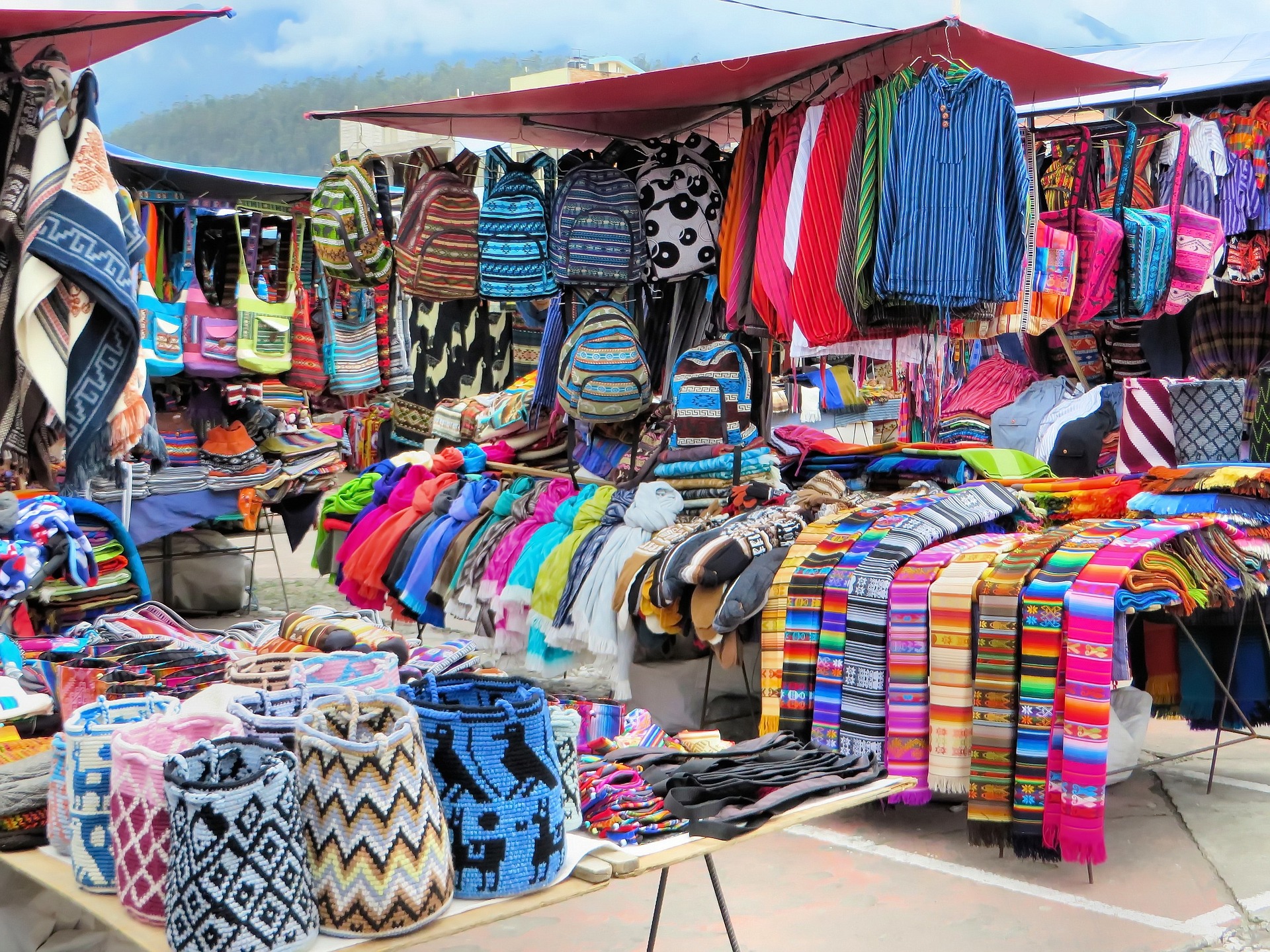
Mercado Artesanal La Mariscal is the city’s main craft market: alpaca, textiles, carvings and Panama hats, which are Ecuadorian rather than Panamanian and always have been. Prices are higher than Otavalo and the quality is comparable, so it is the sensible option if a day trip north is not happening. La Mariscal is also Quito’s nightlife district around Plaza Foch, lively and worth a look in the early evening, and the part of town to leave by taxi late at night.



Spend a Sunday in Parque La Carolina
Parque La Carolina is the big park in the modern north of the city and on a Sunday it is the whole of Quito at once: football, paddle boats, aerobics classes, families. Little of interest to a tourist and a great deal of interest to anyone who wants to see the city being itself.
Best Day Trips From Quito
Quito sits in the middle of the Andes and the day trips are genuinely better than the city’s second-tier sights. If you have a third day, spend it outside.
Otavalo market
Two hours north, the Otavalo market is the largest indigenous craft market in South America and it has been trading on the same site for centuries. Saturday is the main day and it takes over the town. The textiles are the reason to come and the Plaza de Ponchos is the centre of it.
Cotopaxi National Park
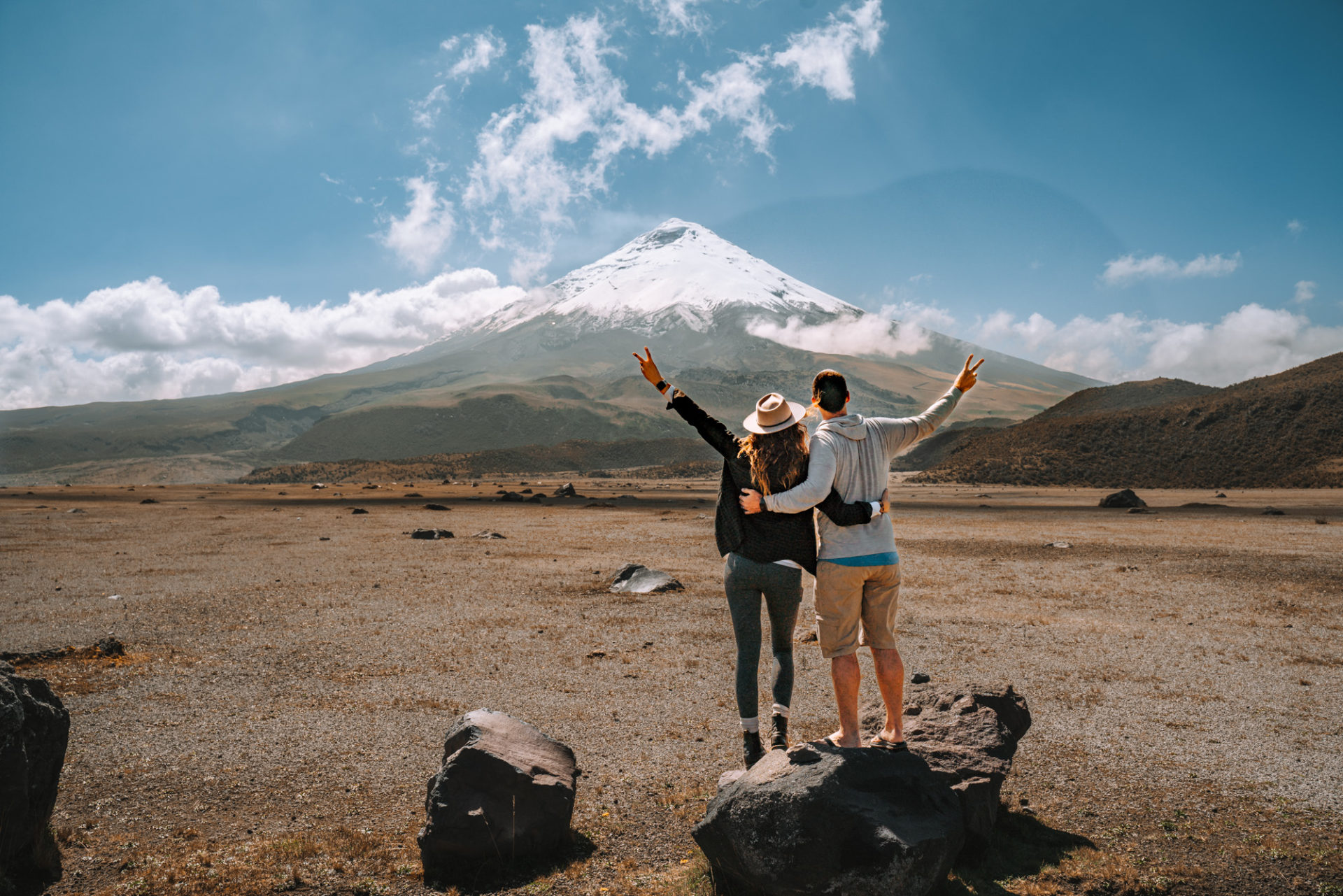


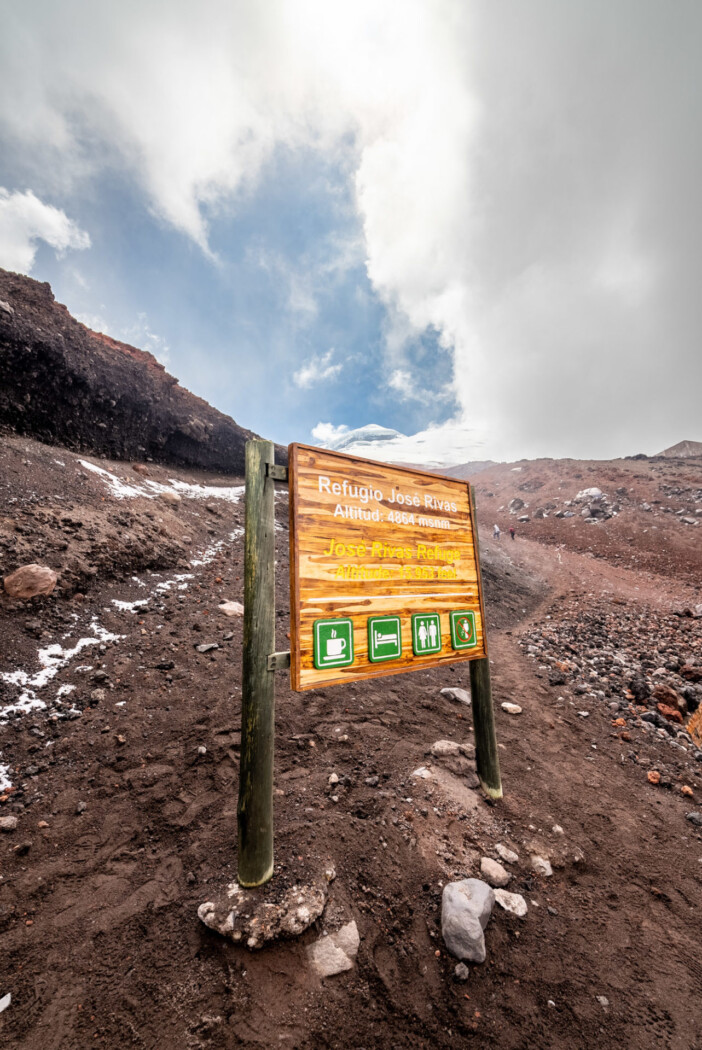

Cotopaxi is a near-perfect 5,897-metre cone about two hours south and one of the highest active volcanoes on earth. Most day trips drive to the car park at 4,500 metres and walk to the refuge at 4,800, which is hard work on lungs that arrived from sea level three days ago and worth doing anyway.
Banos and the Pailon del Diablo
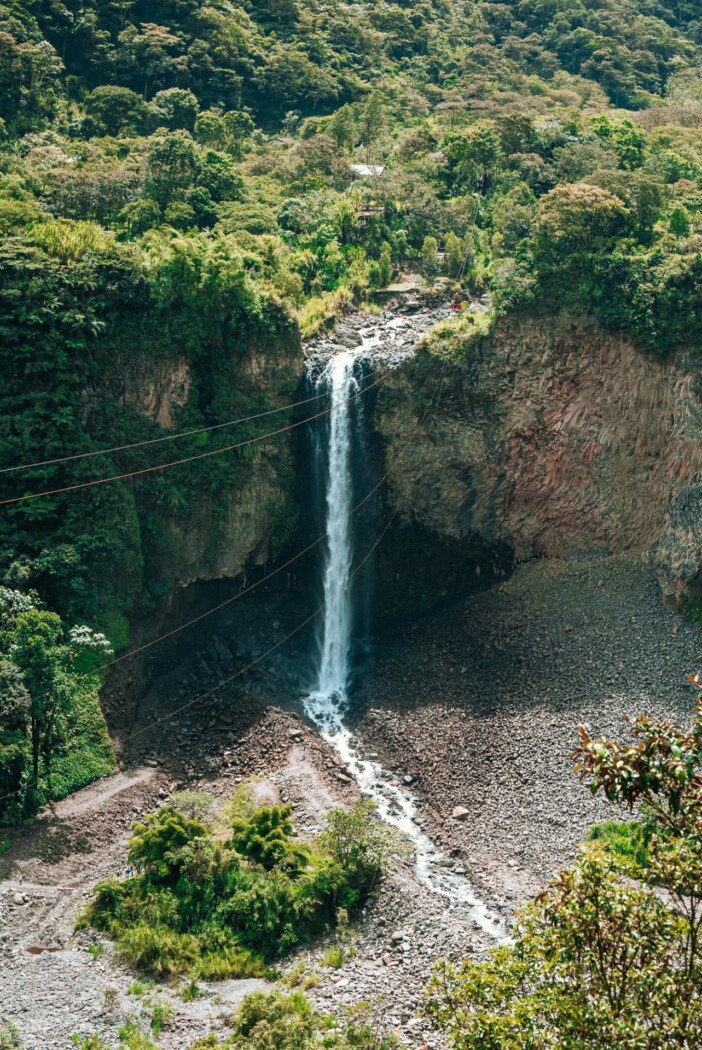
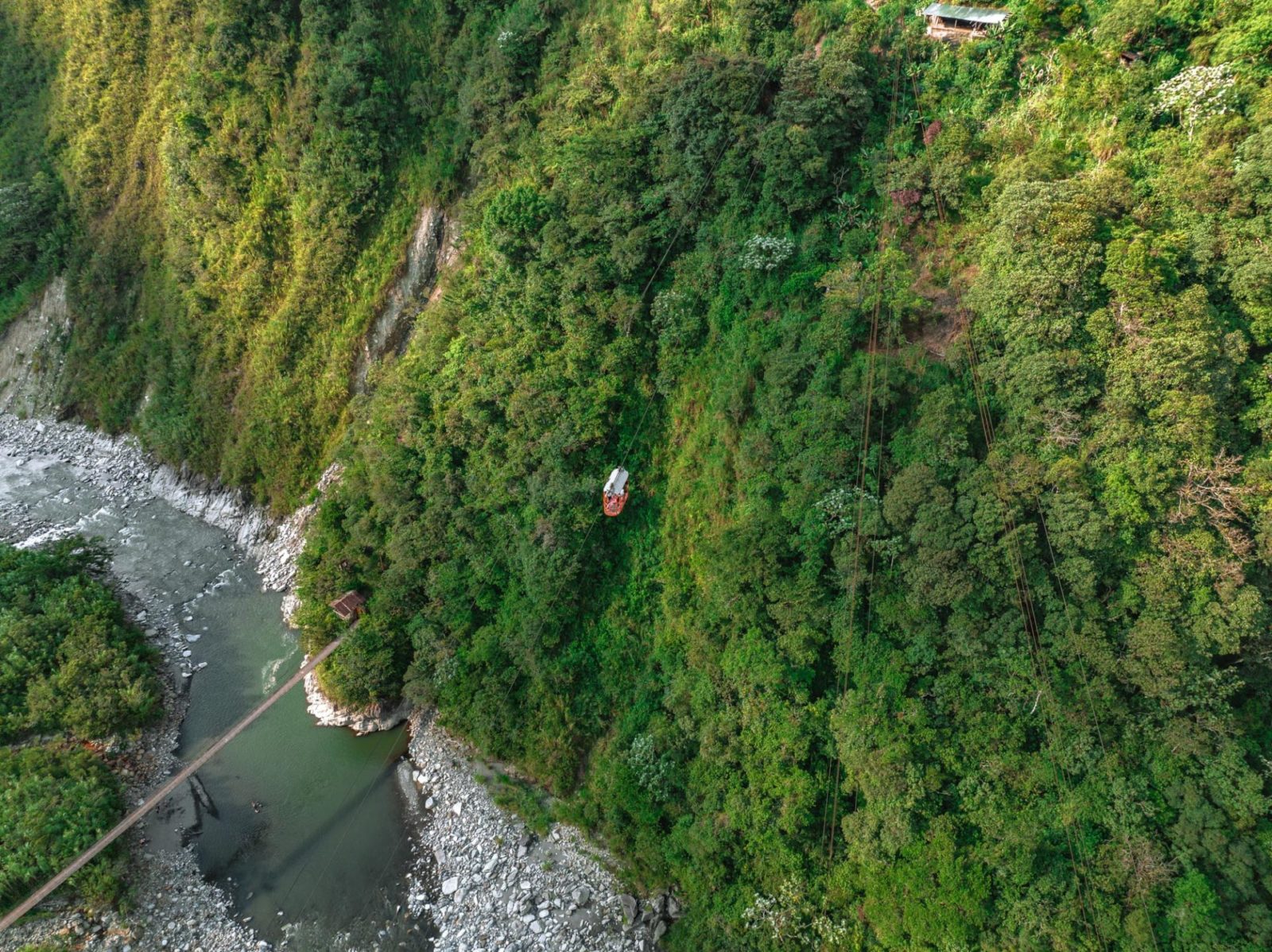
Three hours south, Banos sits below the active Tungurahua volcano and is Ecuador’s adventure-sports town: canyoning, cable cars strung across the gorge, and the Pailon del Diablo, a waterfall you can walk in behind. It is a long day trip and a much better overnight, and it is the single most popular onward stop from Quito for a reason.


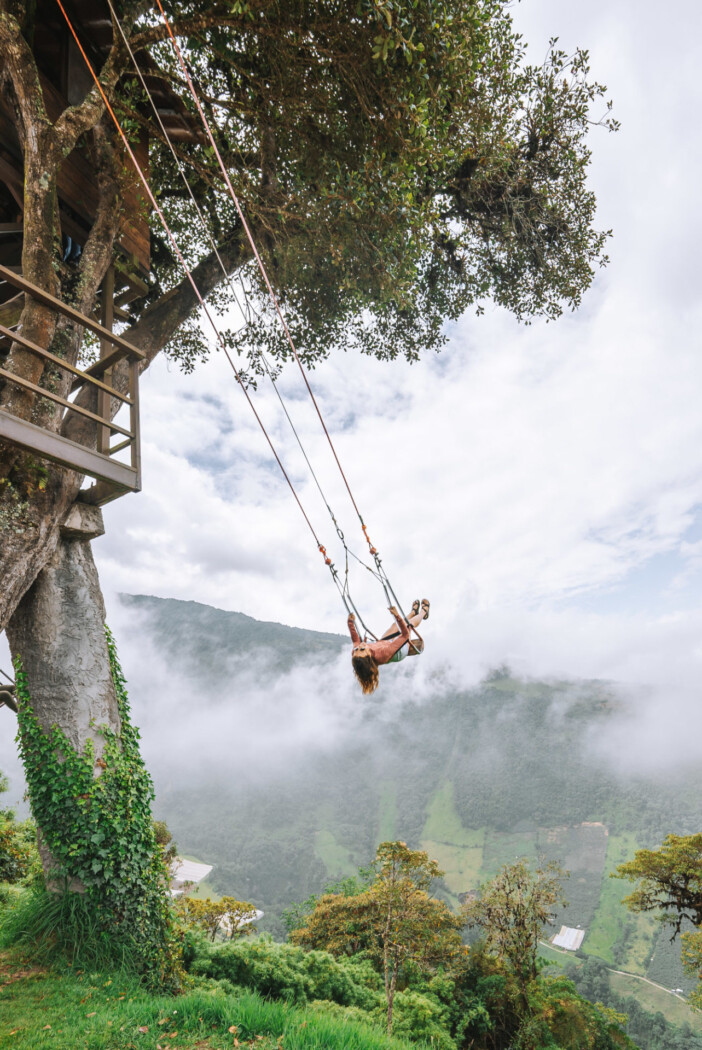
The cable cars across the Banos gorge are the town’s other signature, and they are a great deal more exposed than they look from the road.
Volcano Antisana
Less visited than Cotopaxi and closer to the city, the Antisana reserve is high paramo grassland with a good chance of seeing Andean condors. It is the quieter alternative on a weekend when Cotopaxi is busy.

Papallacta hot springs
Papallacta sits at 3,300 metres on the road east toward the Amazon, and the thermal pools there look out at the paramo. Ninety minutes from the city and the easiest of the day trips.


Quilotoa crater lake
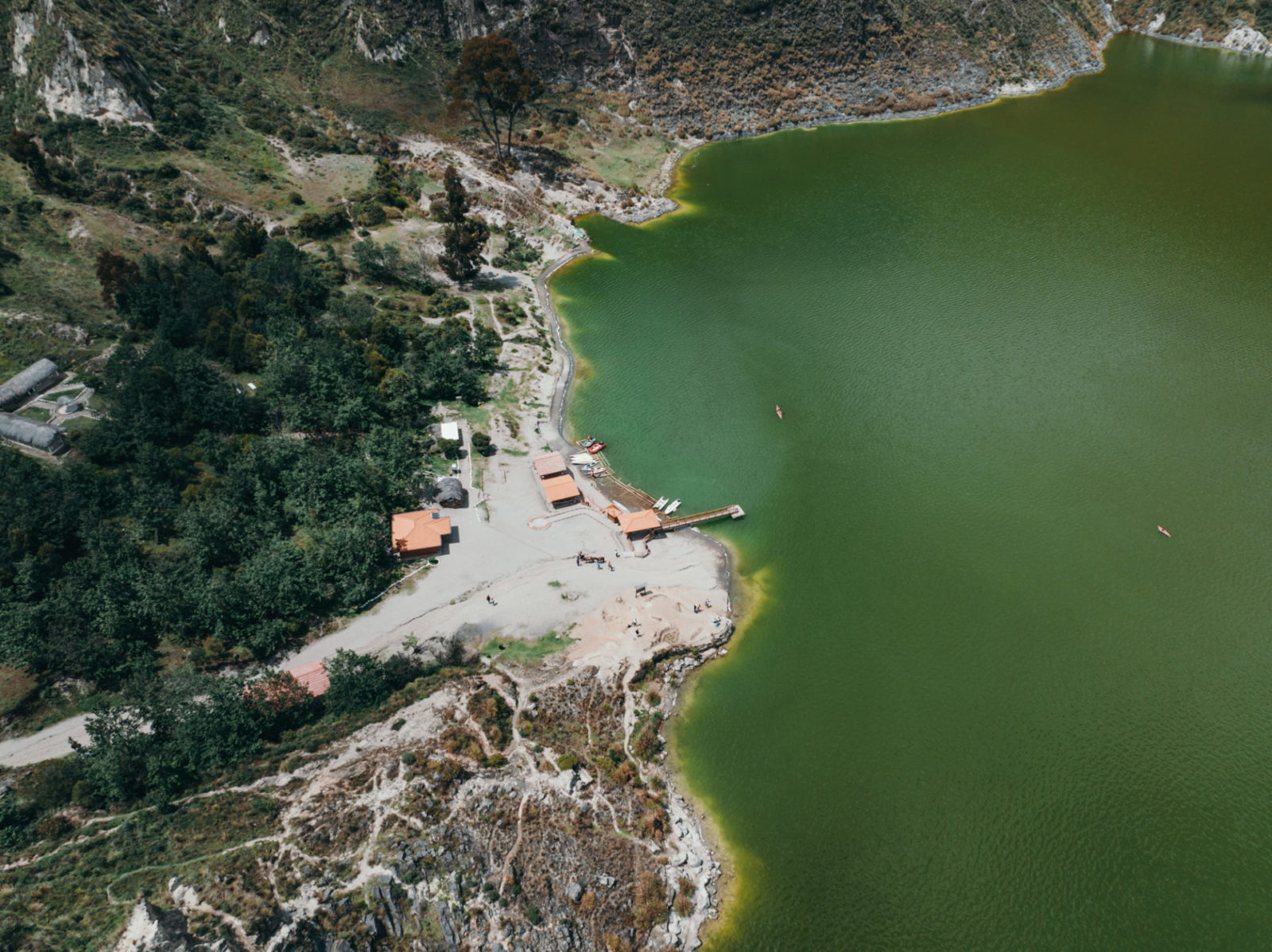
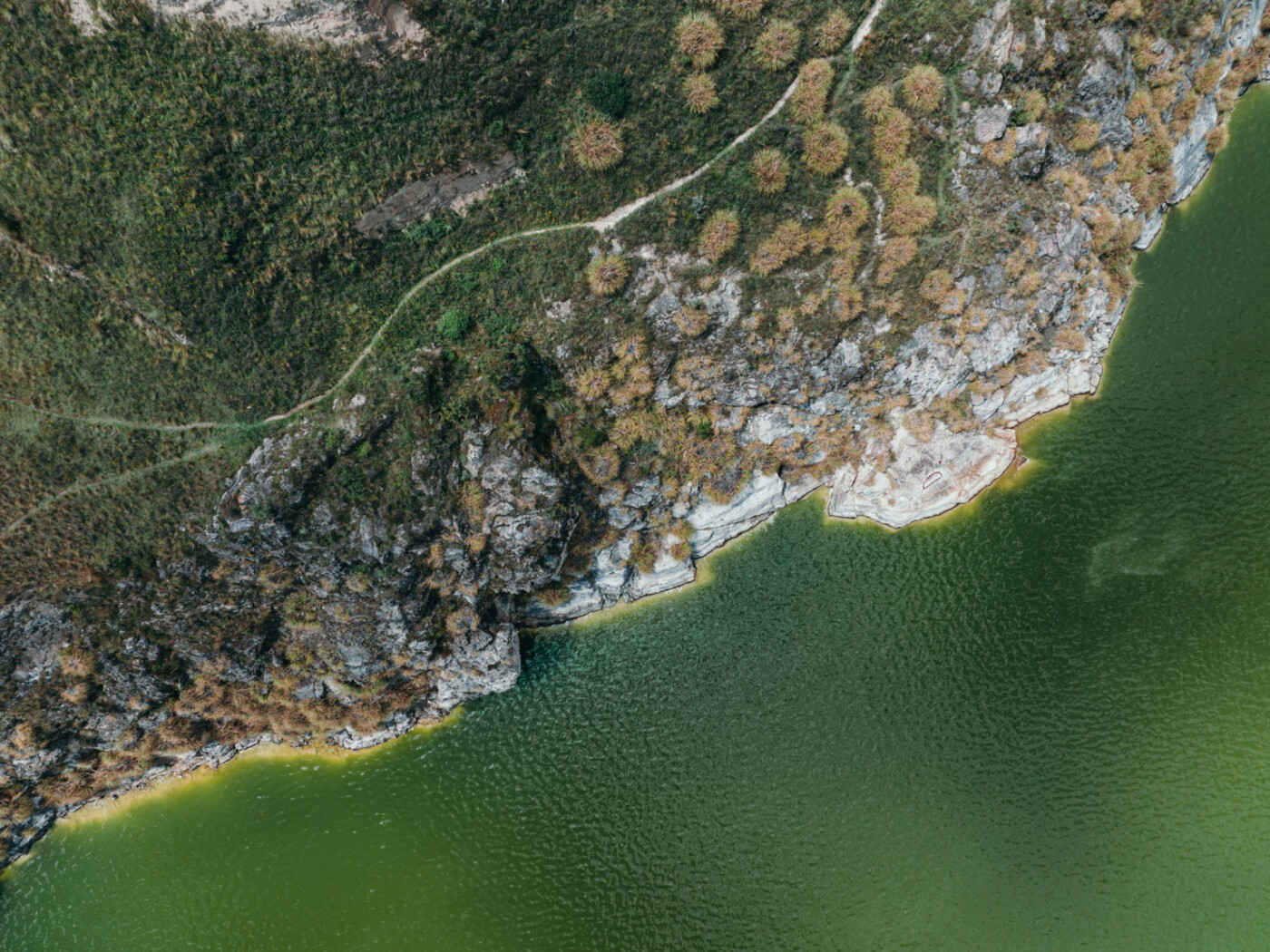
A flooded volcanic caldera with water an improbable green, about three and a half hours south. It is a long day as a return trip and much better as an overnight, which is the honest answer rather than the convenient one.



Mashpi and the cloud forest
Three hours north-west the Andes drop into cloud forest, and Mashpi Lodge sits in a private reserve there. We stayed and it remains one of the best places we have been in Ecuador. It is a stay rather than a day trip, but if you are choosing between a third day in Quito and two nights in the cloud forest, take the forest.
Quito as Your Galapagos Gateway
Most people reading this are in Quito because of the islands, so it is worth being direct about how the two fit together.
You cannot day trip to the Galapagos. The archipelago is roughly 1,000 kilometres offshore and reached by a two-hour flight. Every itinerary needs at least four or five days on the islands to be worth the airfare and the park fees, and most cruises run a week.
Quito or Guayaquil? Flights to the islands leave from both, and most Quito departures stop in Guayaquil anyway. Guayaquil is closer and shortens the flying day; Quito is much the better city to build a stopover around. If you are flying in from North America or Europe, coming through Quito and giving it two days at the front of the trip is the version we would repeat.
Build in a buffer. Flights to the islands leave early and the Galapagos transit-control paperwork happens at the mainland airport before you check in. Arriving in Ecuador the night before an island flight is cutting it fine; two nights is comfortable and gives you the old town.
Our guide to planning a responsible Galapagos trip covers the cruise-versus-island-hopping decision, the best time to visit handles the seasons, the eighteen islands explains which is which, and the packing list is the practical one. For what you will actually see, the wildlife photo essay is the honest preview. If you are choosing islands, Santa Cruz is the hub, Isabela the biggest and wildest, and San Cristobal the one with Kicker Rock.
Where to Eat in Quito
Quito’s restaurant scene has grown a great deal in the last decade, but the most characteristic eating here is cheaper and simpler than the tasting menus suggest.

Start with an almuerzo. The set lunch is the backbone of Ecuadorian eating: soup, a main of rice with meat or fish, a juice, sometimes a small dessert, for a few dollars. Every neighbourhood has them and the San Francisco market is a good place to try one. It is the single best-value meal in the city and most visitors never have one.
Where to Eat in Quito
| Restaurant | Area | Style | Been there |
|---|---|---|---|
| Casa Gangotena | Old Town | Contemporary Ecuadorian | Yes |
| Miskay | La Mariscal | Contemporary Ecuadorian | Yes |
| Urko | La Floresta | Fine dining, altitude-zone cooking | No |
| Zazu | New Town | Upmarket, long-established | No |
| La Purisima | Old Town | Traditional Ecuadorian | No |
| Bandido Brewing | Old Town | Craft brewery in a chapel | No |
Casa Gangotena
We stayed at Casa Gangotena on Plaza San Francisco and ate there, and the restaurant is a genuine destination rather than a hotel dining room. The cooking takes Ecuadorian ingredients seriously and the terrace looks straight out over the plaza. Our full review of the hotel covers the rooms.
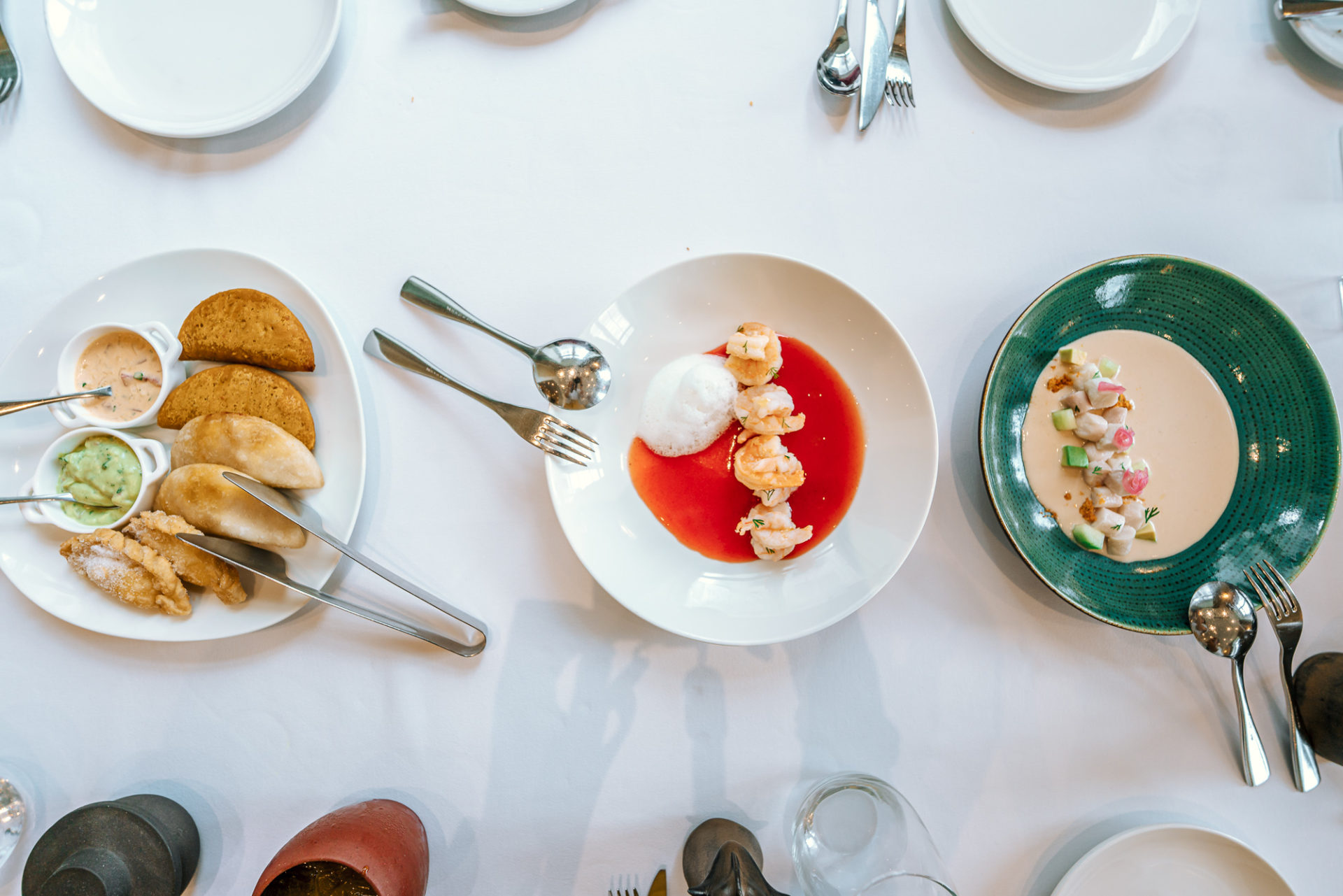


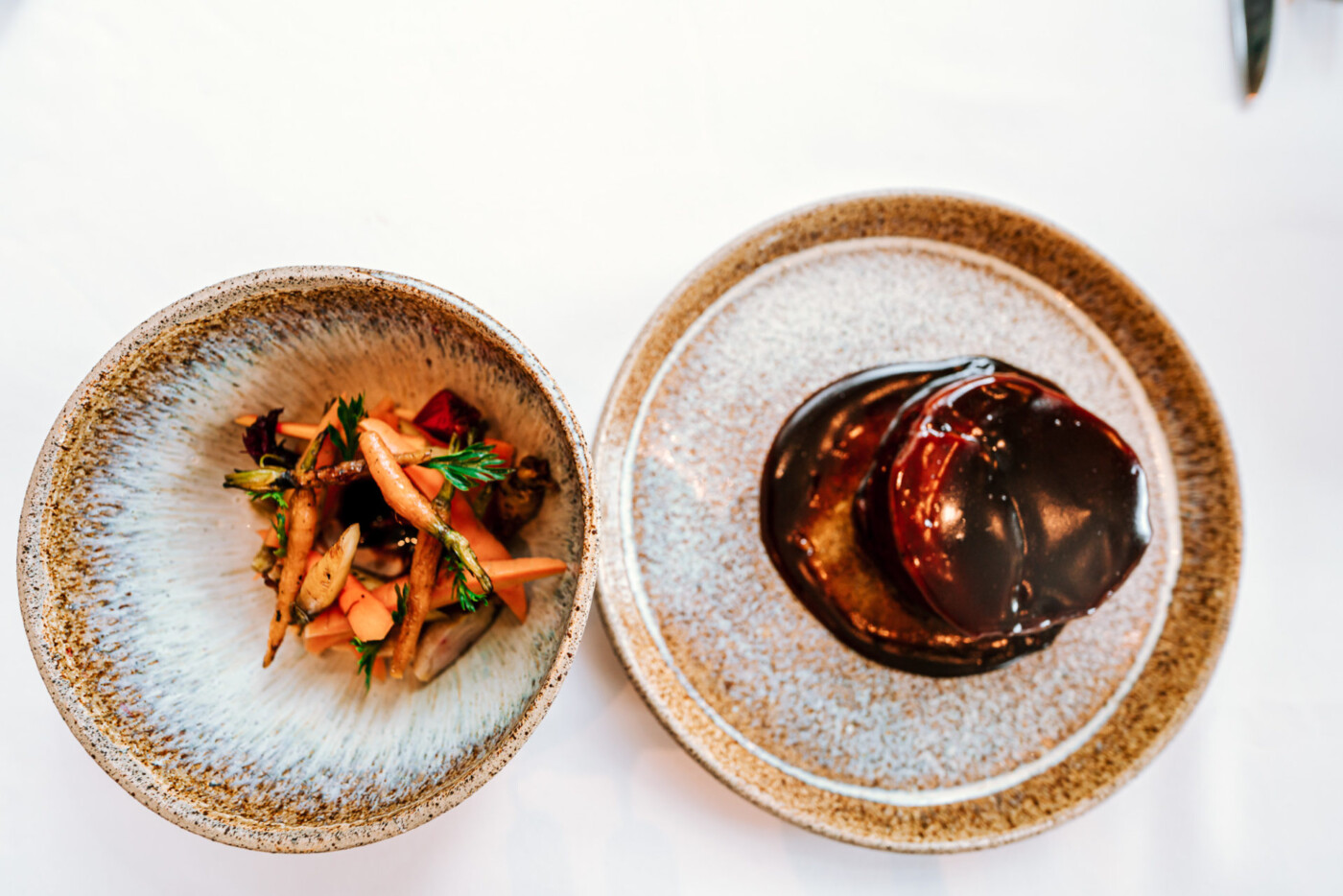
Miskay
In La Mariscal, and the meal we remember best from the new town. Contemporary Ecuadorian cooking, generous, and considerably cheaper than the old town’s headline restaurants. It holds 4.6 from more than a thousand reviews.


The rest of the shortlist
We have not eaten at these, but they are the names that come up consistently and all four are currently trading. Urko is the city’s best-known fine-dining room, built entirely on Ecuadorian ingredients and altitude-zone cooking, at 4.7 from over 750 reviews. Zazu is the long-established upmarket option at 4.6. La Purisima does traditional Ecuadorian dishes in the old town. Bandido Brewing is a craft brewery in a converted chapel, which is a better night out than it has any right to be.
Where to Stay in Quito
The choice is essentially old town or new town. The historic centre puts you inside the main sight and is quiet after dark. La Floresta and La Mariscal have the restaurants and the nightlife, with La Floresta the calmer of the two.
Where to Stay in Quito
| Where | Area | Best for | Been there |
|---|---|---|---|
| Casa Gangotena | Old Town, Plaza San Francisco | The best location in the historic centre | Yes |
| Hotel Finlandia | New Town | A quieter, simpler base | Yes |
| La Floresta guesthouses | La Floresta | A calmer stay with the restaurants nearby | No |
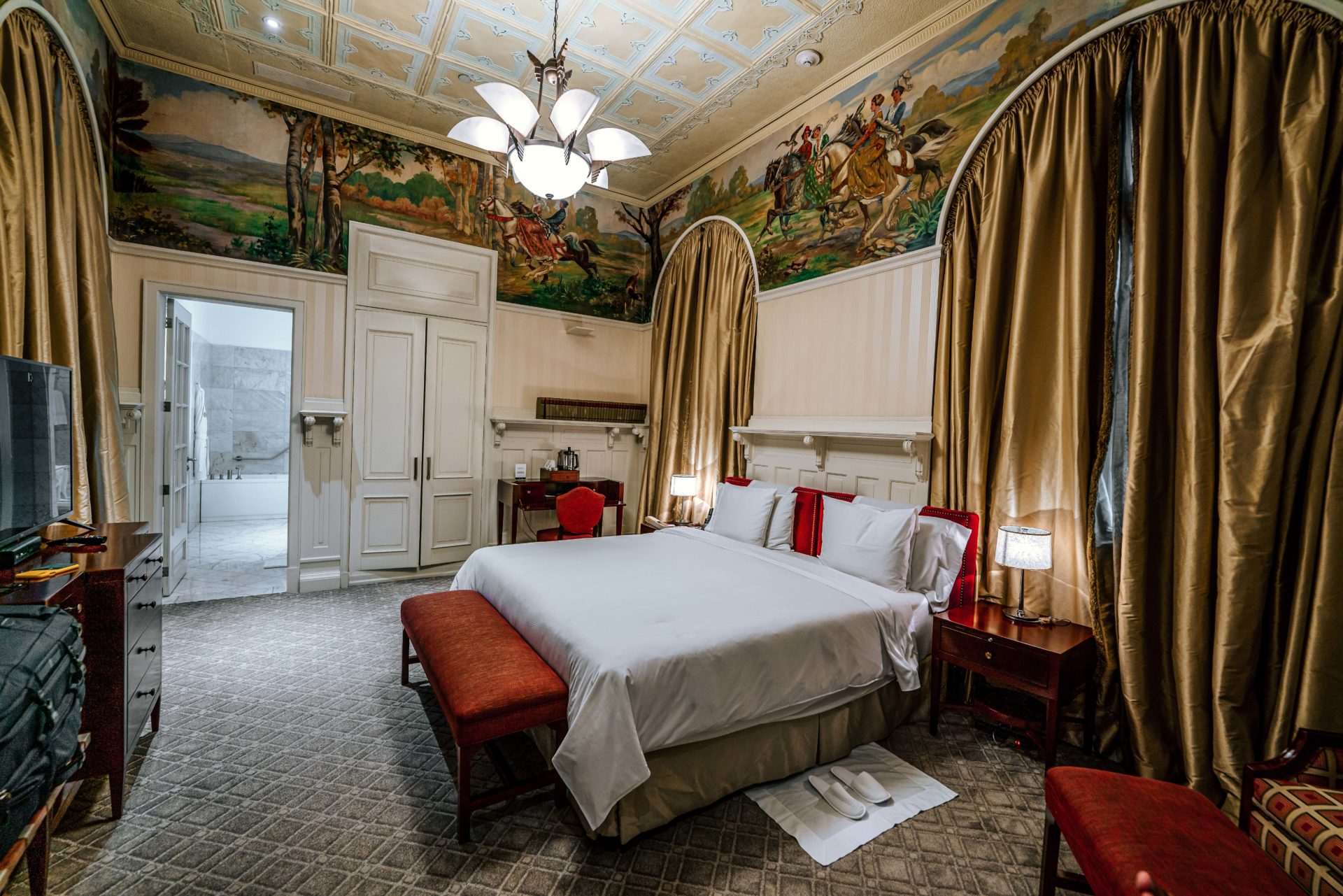
We have stayed at both ends. Casa Gangotena sits directly on Plaza San Francisco in a restored mansion and is the best-located hotel in the old town, and Hotel Finlandia in the new town is a quieter, more modest base with a good breakfast. Both are reviewed in full on the site.
Whichever end you choose, book earlier than feels necessary for July and August, and check what time your Galapagos flight leaves before you commit to a late arrival the night before.
Quito is as much a base as a destination, and the day trips out to Cotopaxi, Otavalo and the cloud forest are what justify giving it more than a night either side of a Galapagos flight.
City walking tours, Mitad del Mundo, Otavalo market and Cotopaxi day trips · free cancellation on most
Frequently Asked Questions
Is Quito worth visiting?
Yes, and for longer than most people allow. The historic centre is one of the best-preserved colonial old towns in the Americas and was among the first sites ever added to the UNESCO World Heritage list. Two full days covers the old town, the TeleferiQo and the equator comfortably.
How many days do you need in Quito?
Two full days covers the city itself. Three lets you add a day trip to Otavalo market, Cotopaxi or the Papallacta hot springs. One is enough only if you are passing through to the Galapagos and want the old town alone.
How high is Quito and will the altitude affect you?
Quito sits at about 2,850 metres, which is high enough that most visitors notice it on the first day as breathlessness on the old town’s hills and broken sleep. Taking the first day slowly, drinking more water than usual and going easy on alcohol is the standard advice.
Is Quito safe for tourists?
Quito is generally manageable for visitors who take normal city precautions, with opportunistic theft rather than violent crime being the usual issue. The historic centre is heavily policed by day and much quieter after dark, and La Mariscal has a reputation for late-night trouble. Check your government’s current travel advice before you travel.
What is Quito famous for?
Its colonial historic centre, which was one of the first two cities ever inscribed on the UNESCO World Heritage list, and its position on the equator, marked by the Mitad del Mundo monument about forty-five minutes north of the city.
Is the Mitad del Mundo monument actually on the equator?
No. The monument was placed using a 1930s survey and GPS later showed the true equator lies a couple of hundred metres away, running through the grounds of the Inti Nan museum next door. Most visitors do both, which takes about an hour in total.
Can you do a day trip to the Galapagos from Quito?
No. The Galapagos are roughly 1,000 km offshore and reached by a two-hour flight, and visitors need at least four or five days to make the journey worthwhile. Quito is where most Galapagos trips start and end, not somewhere you can day trip from.
Is it better to fly to the Galapagos from Quito or Guayaquil?
Both work, and most flights from Quito stop in Guayaquil anyway. Quito is the more interesting city to build a stopover around; Guayaquil is closer to the islands and shortens the flying day.
What is the best area to stay in Quito?
The historic centre puts you inside the main sight and is quiet in the evenings. La Mariscal and La Floresta are livelier and have most of the restaurants and nightlife, with La Floresta the better choice of the two for a calmer stay.
Final Thoughts
Quito is a city that people plan to endure and end up enjoying, and the reason is that the old town is the real thing rather than a preserved set. Give it two days, take the first one slowly because of the altitude, do the chocolate tour, and eat an almuerzo somewhere that does not have an English menu.
If you are heading onward, the wider country guide covers Ecuador from the Andes to the coast. And if the islands are the reason you are here at all, start with the Galapagos planning guide above and give the mainland its two days first.
What would you add to a second day in Quito? We are always looking for reasons to stay longer on the way through.

Leave a Reply