

We were three metres underwater in a steel cage off the Neptune Islands when the first great white came through, and neither of us said anything for a long time afterwards. That’s the headline reason people come here. But the thing that actually kept us on the Eyre Peninsula for a fortnight was quieter: a town of 15,000 people that lands more seafood than anywhere else in Australia, and where you can eat an oyster standing in the water it grew in.
Port Lincoln sits at the bottom of the Eyre Peninsula, an eight-hour drive or a 50-minute flight from Adelaide, and most Australians have never been. We spent two weeks here in Troopy, our four-wheel drive, and the best things to do in Port Lincoln turned out to split neatly into three: the wildlife you can get in the water with, the national parks either side of town, and the food. This guide covers all three, and it’s honest about the one experience we’re still not sure how we feel about.
Key Takeaways
- Port Lincoln is the only place in Australia where you can legally cage dive with great white sharks, operating out of the Neptune Islands about three hours offshore.
- Swimming with wild Australian sea lions at Hopkins Island was the better animal encounter of the two, and it costs less than half as much as the shark dive.
- The town lands more seafood by value than any other port in Australia, and Coffin Bay oysters are shucked about 45 minutes from the main street.
- Two national parks sit within an hour: Lincoln National Park to the south and Coffin Bay National Park to the west, both requiring four-wheel drive for the best parts.
- Plan four days minimum. Two get you the water activities, and the parks deserve the other two.
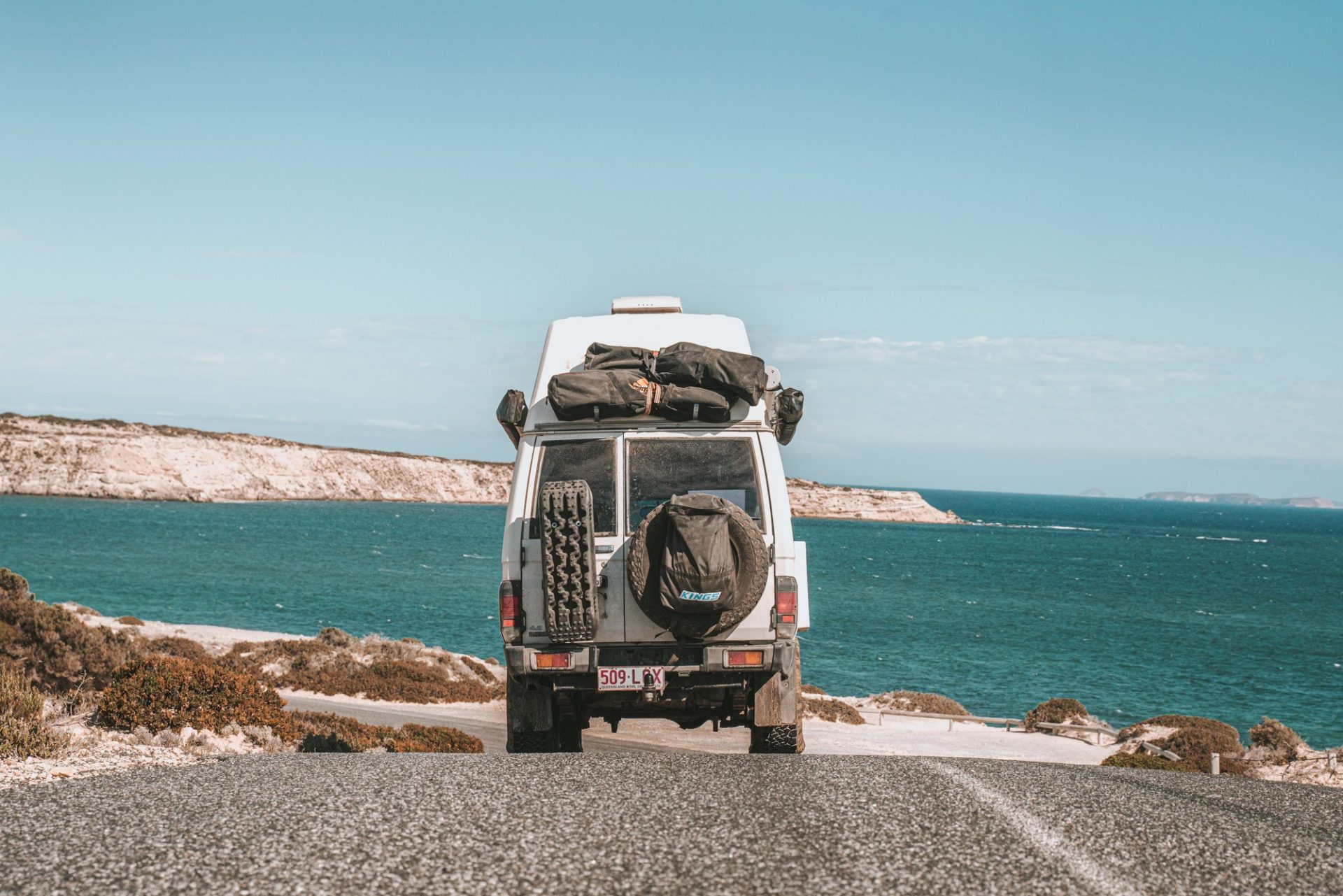
Port Lincoln at a Glance
The practical shape of a Port Lincoln trip, before the individual stops.
| Where | Eyre Peninsula, South Australia |
| Getting there | 8 hr drive from Adelaide, or a 50 min flight |
| How long | 4 days minimum; a week with the parks |
| Best months | March to May, and September to November |
| Shark cage diving | Year round; peak great white activity May to October |
| Sea lion swims | Year round, weather dependent |
| Known for | Australia’s largest commercial fishing fleet and Coffin Bay oysters |
| Getting around | Own vehicle essential; 4WD for the national parks |
| Park entry | Fees apply to both national parks; book Memory Cove permits ahead |
Why Port Lincoln Calls Itself the Seafood Capital of Australia
It isn’t marketing. Port Lincoln’s fleet lands more seafood by value than any other port in the country, and the town has more millionaires per capita than almost anywhere in Australia because of it. Southern bluefin tuna built that wealth, farmed in pens you can see from the road out to Boston Bay, and the industry still shapes the place. The pub conversations are about quota and water temperature.
For a visitor, that translates into something simple: the seafood here is better and cheaper than what you’ll eat in Adelaide or Sydney, because it hasn’t travelled. Coffin Bay oysters are graded and shucked 45 minutes away. Kingfish, whiting and tuna come off boats you can watch unload at the marina. If you eat one thing in Port Lincoln, make it a dozen oysters within sight of the water.

Best Things to Do in Port Lincoln
Here’s the whole list at a glance, with rough costs and how long each one takes, so you can build a few days around the two or three that matter most to you.
Things to Do in Port Lincoln Compared
| Experience | Time | Cost | Best for |
|---|---|---|---|
| Shark cage diving | Full day | $$$$ | The bucket-list dive; nothing else compares |
| Swimming with sea lions | Half day | $$ | The better wildlife encounter, and cheaper |
| Coffin Bay oysters | 2–3 hrs | $$ | Eating them standing in the water they grew in |
| Lincoln National Park | Full day | $ | Beaches, camping and 4WD tracks |
| Coffin Bay National Park | Full day | $ | Remote dunes and the Yangie Bay walks |
| Mikkira Station koalas | 2 hrs | $ | Wild koalas in manna gums, no enclosures |
| Whalers Way | Half day | $ | Cliffs, blowholes and a permit-only coastline |
| Parnkalla Walking Trail | 1–3 hrs | Free | Walking the foreshore without a car |
| Winter Hill Lookout | 30 min | Free | The whole of Boston Bay in one view |
| Glen-Forest Tourist Park | 2–3 hrs | $$ | Families and hand-feeding kangaroos |
| Fishery Bay | 2 hrs | Free | Surfing and an empty white beach |
| Boston Bay Wines | 1–2 hrs | $ | A cellar door looking over the tuna pens |
Cage dive with great white sharks
This is why most people come, and it’s genuinely extraordinary. The boat runs about three hours out to the Neptune Islands, where a resident population of great whites feeds on the fur seal colony, and you go down in a surface cage in a wetsuit. You don’t need a dive certification. The cage stays at the surface and you breathe through a hookah line from the boat.
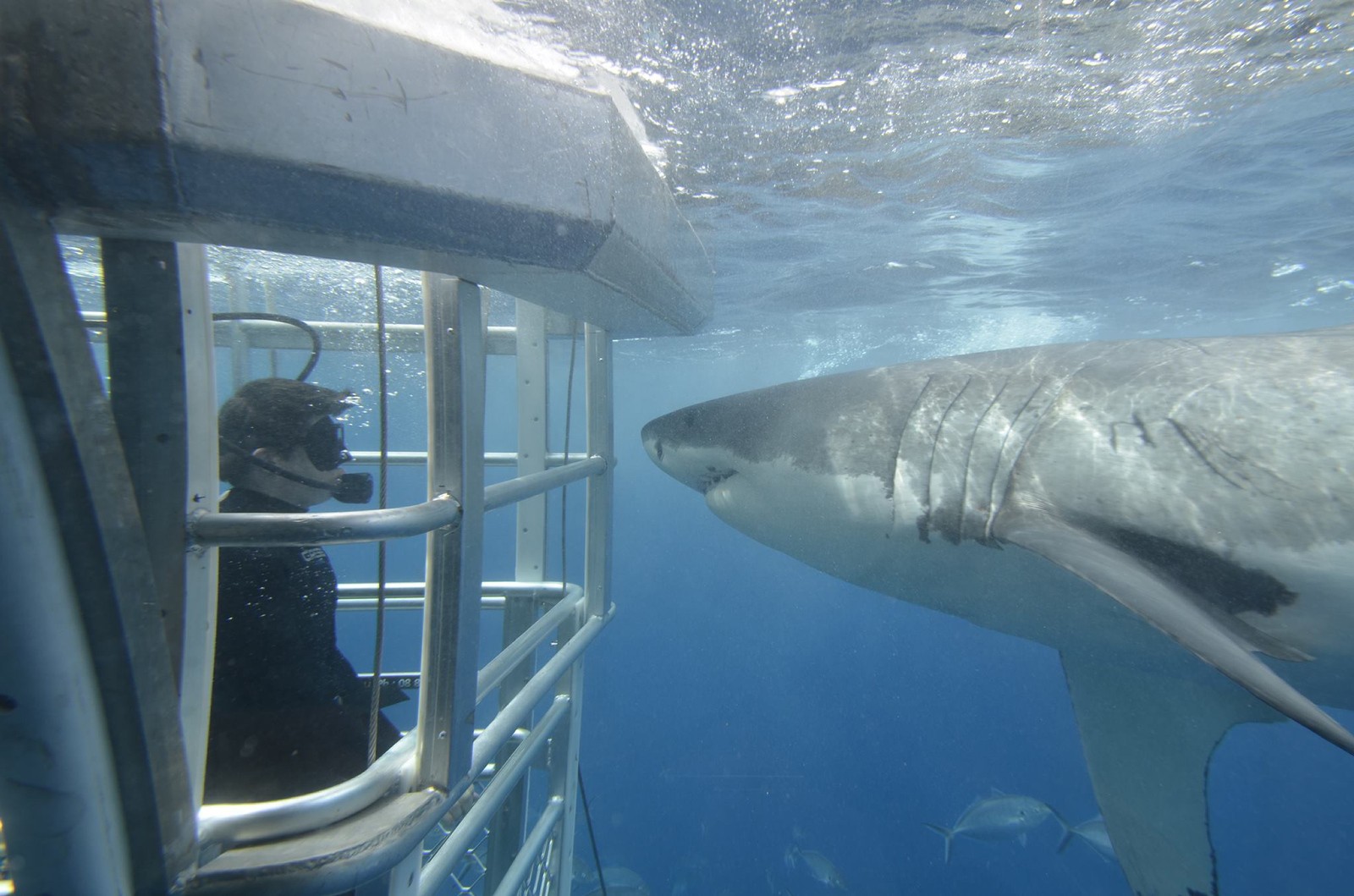
We dived with Adventure Bay Charters, who have since closed permanently. Calypso Star Charters is now the operator running Neptune Islands trips, and they’re the ones to book with. Trips run year round, with the most reliable great white activity between May and October. It’s a full day, it runs around AUD $520 a head plus a marine park fee, and it books out weeks ahead over the winter peak.
Swim with wild Australian sea lions
If we could only do one water activity here, we’d choose this one. Australian sea lions are among the rarest in the world, with maybe 12,000 left, and the colony at Hopkins Island lets you get in the water with them on their terms. Nobody feeds them and nobody herds them. You slip in off the back of the boat and they come to you if they feel like it, which they usually do, because juvenile sea lions are relentlessly nosy.


Ours spent twenty minutes doing barrel rolls a metre from Oksana’s mask and then mouthing her fins. It’s a half-day trip, it costs less than half the shark dive, and it was the thing we talked about on the drive home.
Eat oysters at Coffin Bay
Coffin Bay is 45 minutes west and the oysters that carry its name are graded in sheds you can walk into. Oyster Farm Tours runs the one to book: you pull on waders, walk out into the lease, and eat oysters shucked in front of you while standing in the shallows. It sounds like a gimmick and it isn’t. The water is knee deep, the oysters are minutes old, and the difference from a restaurant plate is real.

Book ahead in summer. If you’d rather just eat them sitting down, the town has several places doing exactly that at prices that will annoy you when you get home.
See wild koalas at Mikkira Station
Mikkira Station is a private property about 30 minutes from town with a stand of old manna gums that wild koalas actually live in. There are no enclosures, no keepers and no feeding. You pay a small entry fee at an honesty box, park, and walk around looking up.

We found four in about an hour, which the caretaker told us was a slow morning. Bring binoculars and look for the grey lumps in the forks of branches. Emus wander the property too, and there’s a picnic area by the old homestead ruins. It’s the most low-key wildlife experience on this list and one of the best.
Drive Whalers Way
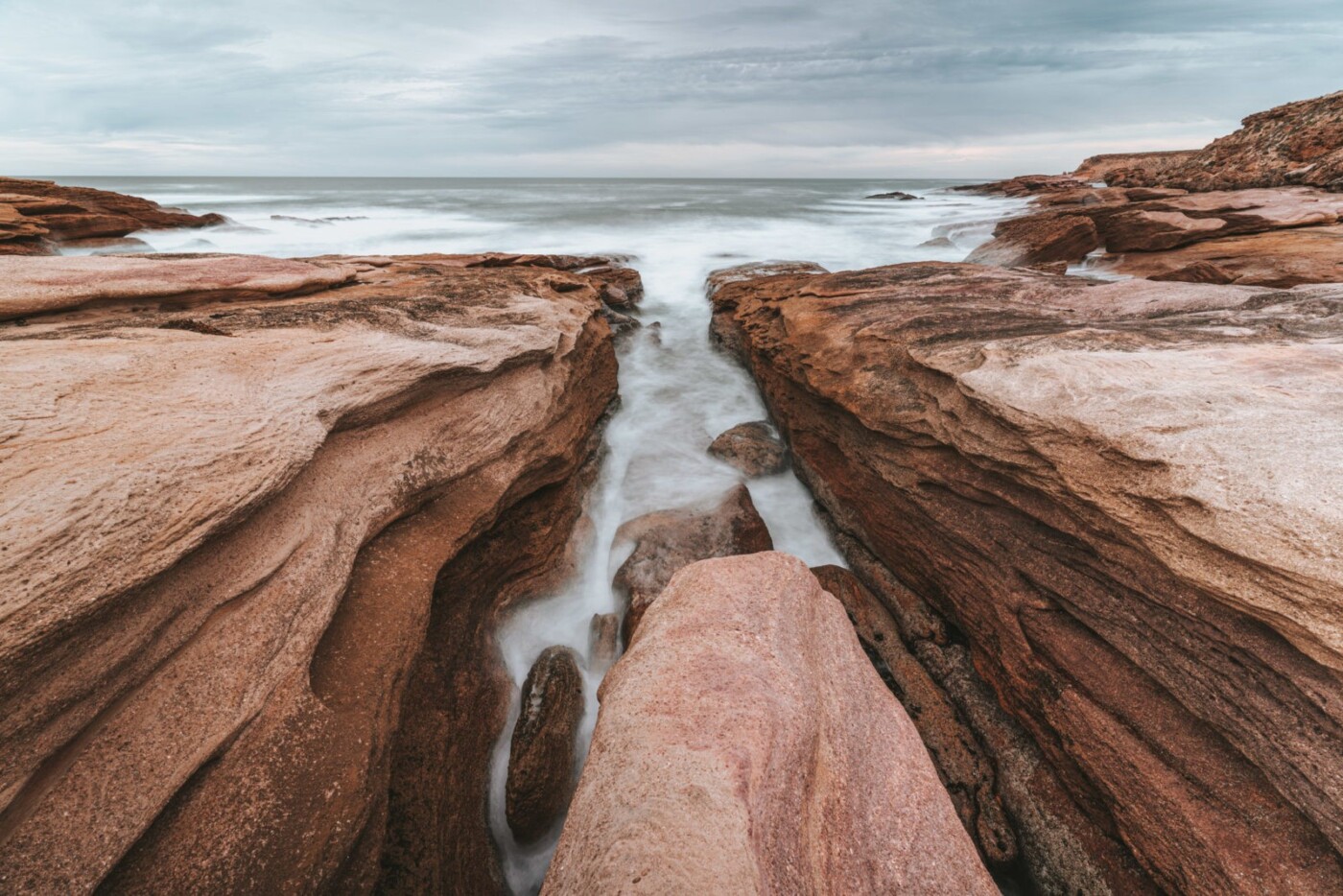
Whalers Way is a privately-owned stretch of coastline at the very southern tip of the peninsula, and you need a permit from the visitor centre to drive it. What you get for that is 14 kilometres (8.7 miles) of limestone cliffs, blowholes, a crevasse you can walk into and almost nobody else. The road is unsealed and rough in places but a two-wheel drive will manage it in dry weather.
Allow half a day and take food, because there’s nothing out there. The blowhole works best on a big swell, and the cliffs at Cape Wiles usually have a fur seal colony visible below.
Walk the Parnkalla Trail
The Parnkalla Walking Trail runs about 15 kilometres (9.3 miles) along the foreshore from the marina to Billy Lights Point, and it’s the best free thing in town. You don’t have to walk all of it. The stretch from the town jetty around to Porter Bay takes an hour and gives you the whole working harbour, and dolphins turn up in the bay often enough that locals stop noticing.

Take in the view from Winter Hill Lookout
Five minutes from the centre of town, Winter Hill gives you Boston Bay in one frame: the marina, the tuna pens, Boston Island and the whole sweep of coast. Go at sunset. It takes fifteen minutes including the drive and it’s the fastest way to understand the geography of the place.
Surf or swim at Fishery Bay
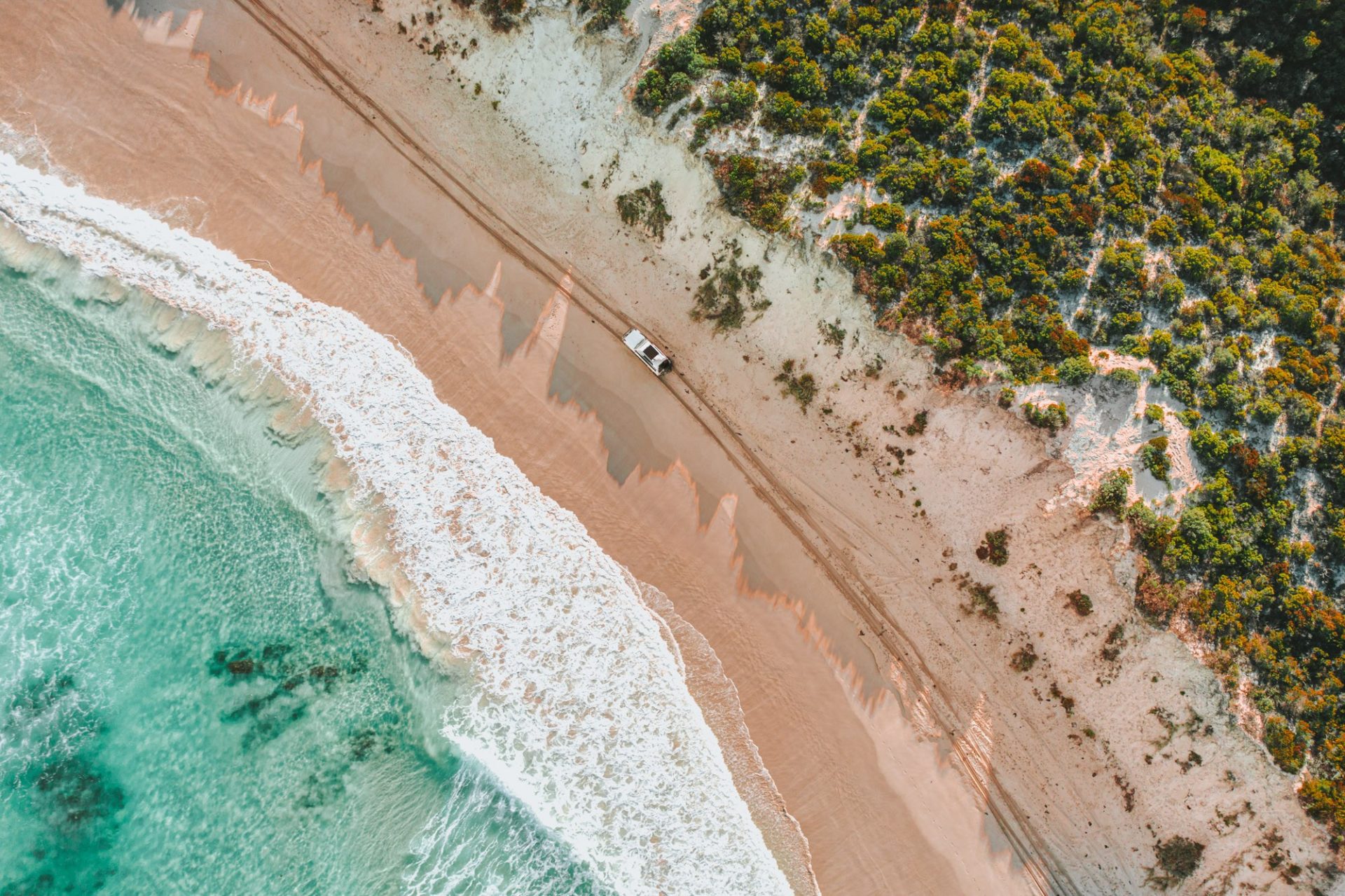
Fishery Bay is about 25 minutes south of town on the way to Whalers Way, and it’s a wide arc of white sand with a reliable break at the western end. Surfers have it mostly to themselves. We parked Troopy above the beach and had the whole bay to ourselves on a Tuesday in April.
Visit Glen-Forest Tourist Park
Glen-Forest Tourist Park is the one on this list built for families: hand-feeding kangaroos, a deer park, farm animals and a vineyard with a cellar door for the adults. It’s about 15 minutes from town and works well as a half-day when the weather has ruled out the boats.
Free Things to Do in Port Lincoln
The boats are expensive. Almost everything else here isn’t, and a few of the best days we had cost nothing at all.
Walk the Parnkalla Walking Trail along the foreshore, drive up to Winter Hill Lookout for sunset, and swim at Fishery Bay or Billy Lights Point. Watch the fleet unload at the marina in the late afternoon, which is free and more interesting than it sounds in a town where fishing is the whole economy. Both national parks charge only a modest vehicle entry fee, and the beaches inside them are among the best in Australia.
Port Lincoln also has a genuinely good public art trail through the town centre, and the foreshore playground and lawns are where the town actually spends its weekends. If you’re travelling on a tight budget, our guide to travelling Australia cheaply has more on making the Eyre Peninsula work without the tour costs.
The National Parks Either Side of Town
Two national parks bracket Port Lincoln, and they’re different enough that we’d give a day to each. Both need a park pass, and the best parts of both need four-wheel drive.
Lincoln National Park
Twenty minutes south of town, Lincoln National Park is a peninsula of white beaches, low scrub and sheltered campgrounds. Surfleet Cove and Spalding Cove are reachable in a normal car; Memory Cove, which is the one you’ll want, sits behind a locked gate with only 15 vehicle permits issued a day.


We camped at Surfleet and drove out to Memory Cove for a day, and it’s the most beautiful beach we saw on the Eyre Peninsula. Collect the permit and gate key from the visitor centre in town before you go. Our full guide to Lincoln National Park covers the campgrounds, the permit system and the 4WD tracks in detail.

Coffin Bay National Park
West of town past the oyster sheds, Coffin Bay National Park is bigger, emptier and sandier. Yangie Bay is the accessible end and you can walk the lookout trails from the car park in a normal vehicle. Everything beyond that, including Point Sir Isaac and Sensation Beach, is soft sand and genuinely requires four-wheel drive with lowered tyre pressures.


We spent two nights in there and saw more emus than people. The camping is basic and the wind is relentless, but Sensation Beach earns its name. Our Coffin Bay National Park guide has the track conditions, the campsites and what you need to get in.

Best Day Trips from Port Lincoln
The Eyre Peninsula rewards driving further than you planned. These three are all doable in a day from town, and all three convinced us to extend the trip.
Greenly Beach and the rock pools
About an hour northwest, Greenly Beach has a set of rock pools at the northern end that fill and warm on a falling tide. It’s a surf beach, so swim in the pools rather than the break unless you know what you’re doing. We had it entirely to ourselves on a warm afternoon in April.
Sheringa Beach
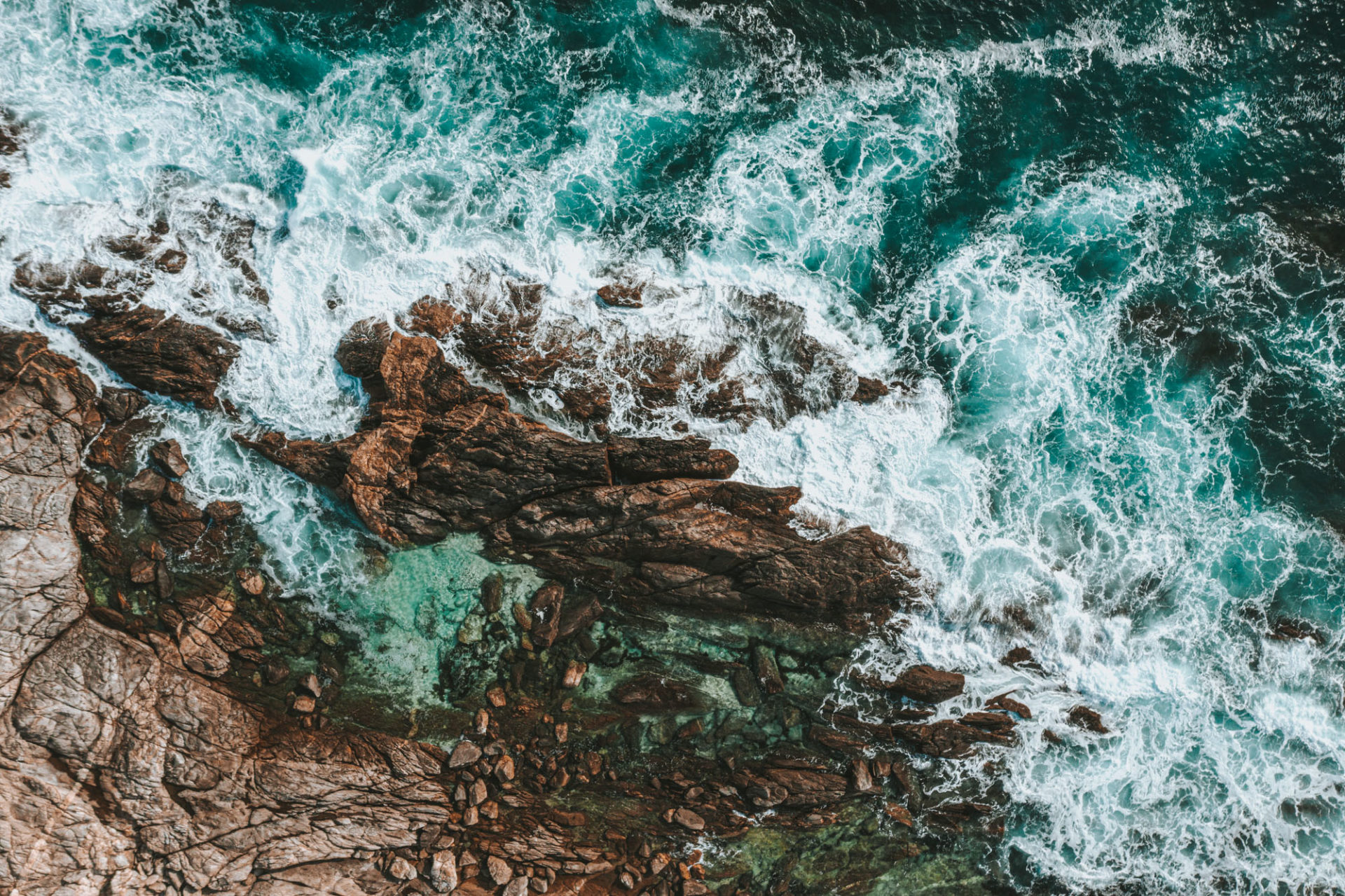
Ninety minutes north, Sheringa is a long empty stretch of sand with a lagoon behind the dunes and 4WD access onto the beach itself. It’s the kind of place where you’ll see one other vehicle in an afternoon.

Talia Caves
Talia is a longer run at about two and a half hours, but the Woolshed Cave and the Tub are worth the drive: a limestone cavern opening straight onto the Southern Ocean, and a collapsed granite sinkhole with the sea churning at the bottom. Combine it with Sheringa and make a full day of it, or better, carry on north up the peninsula and swim with the giant cuttlefish at Whyalla on the way back.


Cummins Monument
Closer to town, the Cummins Monument sits on a rise with a view back over the bay and takes ten minutes. It commemorates the first landing party and it’s a decent stop on the way in or out.

Where to Eat in Port Lincoln
For a town this size the food is disproportionately good, and it’s all built on the same thing: the boats are right there. These are the four places we’d send anyone.


| Restaurant | Style | Known for |
|---|---|---|
| The Fresh Fish Place | Fishmonger and cafe | Whatever came off the boat that morning |
| Del Giorno’s Cafe | Waterfront all-day dining | Coffin Bay oysters and the bay view |
| Boston Bay Wines | Cellar door with platters | Wine looking over the tuna pens |
| Port Lincoln Brewing Co | Brewery taproom | Local beer and a plate to go with it |
The Fresh Fish Place
The Fresh Fish Place is a working fish processor with a retail counter and a small cafe attached, and it is the most honest seafood in town. Order the fish and chips with whatever they landed that morning, usually King George whiting or garfish, and eat it at the tables out front. They also run seafood tours of the processing floor if you book ahead.
Del Giorno’s Cafe
Del Giorno’s Cafe sits on the foreshore and is where the town goes for breakfast and long lunches. Get a dozen Coffin Bay oysters natural and a coffee and take the outside table. It’s busy, it’s been there forever, and the bay view does a lot of the work.
Boston Bay Wines
Boston Bay Wines is a family cellar door about ten minutes north of town with a lawn looking straight down over Boston Bay and the tuna pens. Order a platter and a bottle of their riesling and stay for the afternoon. It’s the best-value couple of hours in Port Lincoln.
Port Lincoln Brewing Co
Port Lincoln Brewing Co brews on site and is where the town ends up on a Friday. It’s not a seafood restaurant, which is exactly why it’s on this list: after four days of oysters you will want a burger and a pale ale. Sit in the yard if the wind has dropped.
One correction to older guides, including our own: Peter Teakle Wines has closed permanently. Boston Bay is the cellar door to go to now.
Where to Stay in Port Lincoln
Port Lincoln is compact and almost everything in town is walkable to the foreshore. The choice is really between staying central and self-catering, or camping in the national parks, which is what we did for most of our fortnight.
| Hotel | Style | Best for |
|---|---|---|
| Port Lincoln Hotel | Waterfront hotel · $$$ | The main hotel in town, right on the foreshore with a heated pool and bay-view rooms. The obvious pick if you want to walk everywhere. |
| Marina Hotel | Marina-side hotel · $$$ | Out at the marina among the boats, with its own restaurant and bar. Quieter than the foreshore and good if you are diving. |
| Bay 10 Suites and Apartments | Beachfront apartments · $$$ | Self-contained apartments on the Lincoln Highway with parking and BBQ facilities. Well suited to longer stays. |
| Aart Apartments | Town apartments · $$ | The highest-rated place in town, a short walk from the main street, with laundry and free parking. |
| Best Western Port Lincoln | Motel · $$ | Straightforward, central and beachfront, with free parking. The dependable mid-range option. |
| Deco Beach Luxury Apartments | Beachfront apartments · $$$ | Apartments on Tasman Terrace with a seasonal pool and beach frontage, five minutes from the centre. |
For something different, Tanonga Luxury Eco Lodges sits on 96 hectares of regenerating bush about 20 minutes out, with two architect-designed lodges and Japanese-style baths. It books direct rather than through the booking sites, and it’s the standout choice if low-impact accommodation matters to you. Our guide to sustainable travel in Australia covers more places in that vein.
Camping in the national parks
Both parks have campgrounds and both are worth it. Port Lincoln Tourist Park is the in-town caravan park option if you want powered sites and hot showers. Inside Lincoln National Park, Surfleet Cove and September Beach are the easiest campgrounds to reach; book through Parks SA before you arrive, because sites are allocated rather than first-come. In Coffin Bay, Discovery Parks Coffin Bay sits in the township and the in-park campsites are basic and need booking too.

Planning Your Port Lincoln Trip
How to get to Port Lincoln
Driving from Adelaide takes about eight hours around the top of Spencer Gulf, roughly 650 kilometres (404 miles), and it’s a good drive if you make it part of a wider peninsula loop. Flying is 50 minutes from Adelaide with several services a day, and there are rental cars at the airport. You’ll want your own vehicle either way, and a four-wheel drive if the national parks are on your list.
Port Lincoln airport has a small rental desk and the good four-wheel drives go early, so comparing across suppliers before you fly is worth the ten minutes.
Free cancellation · Port Lincoln and Adelaide airport pickups · Filter for 4WD if you are driving into Coffin Bay
The best time to visit Port Lincoln
Autumn and spring are the sweet spots. Summer is hot and the town fills with South Australian holidaymakers; winter is cold, wet and windy, though it’s also when great white activity peaks. We went in April and had warm days, empty beaches and no trouble getting onto boats.
| Month | Weather | What it’s good for |
|---|---|---|
| Dec–Feb | Hot, 25–35°C (77–95°F) | Swimming and oysters; busiest and priciest |
| Mar–May | Warm days, cool nights | Our pick. Great conditions, thin crowds |
| Jun–Aug | Cold and windy, 8–17°C (46–63°F) | Peak great white activity; boats cancel more often |
| Sep–Nov | Mild and green, wildflowers | The other sweet spot; sea lions very active |
Boat trips cancel for weather more often than people expect, so build a spare day into your plan if the shark dive or the sea lion swim is the reason you came. If you’re fitting Port Lincoln into a bigger trip, our Australia itinerary and best Australian road trips both put the Eyre Peninsula in context, and the Flinders Ranges pairs well on the drive back to Adelaide.
Frequently Asked Questions About Port Lincoln
Is Port Lincoln worth visiting?
Yes, particularly if wildlife and seafood are what you travel for. It’s the only place in Australia you can cage dive with great whites, the sea lion swim is one of the best animal encounters in the country, and two good national parks sit within an hour. It’s remote enough that it stays quiet even in peak season.
How many days do you need in Port Lincoln?
Four days is the minimum: one for the shark dive, one for the sea lions and oysters, and one for each national park. A week lets you add Whalers Way, the northern beaches and Talia Caves without rushing.
How much does shark cage diving in Port Lincoln cost?
Calypso Star Charters charges around AUD $520 per person for the full-day Neptune Islands trip, plus a marine park visitor fee of roughly $43. That covers all food and dive equipment, surface cage time and the three-hour crossing each way. No dive certification is needed, and accommodation transfers in Port Lincoln cost about $10 extra.
Can you swim with sea lions in Port Lincoln?
Yes, on half-day boat trips to Hopkins Island. Australian sea lions are wild and unfed, and they approach swimmers out of curiosity. It costs less than half the shark dive and runs year round, weather permitting.
Do you need a 4WD in Port Lincoln?
Not for the town, the tours or Lincoln National Park’s main campgrounds. You do need one for Memory Cove and for most of Coffin Bay National Park beyond Yangie Bay, where the tracks are soft sand and require lowered tyre pressures.
What is Port Lincoln famous for?
Seafood and sharks. It’s home to Australia’s largest commercial fishing fleet, lands more seafood by value than any other Australian port, and is the country’s only great white cage-diving destination. Coffin Bay oysters come from just up the road.
How far is Coffin Bay from Port Lincoln?
About 45 minutes by road, roughly 50 kilometres (31 miles) west. The township, the oyster leases and the entrance to Coffin Bay National Park are all in the same place, so it works comfortably as a day trip.
Is Port Lincoln expensive?
The town itself is reasonable, and the seafood is cheaper than you’d pay for the same thing in a capital city. The boat trips are the expense: shark diving runs into the hundreds per person. Camping in the national parks keeps costs down considerably.
Final Thoughts
We came to Port Lincoln for the sharks and left talking about the sea lions. That’s the pattern here. The headline experience is the one that gets people onto the plane, and then the Eyre Peninsula quietly does something better: an empty beach at Sheringa, oysters eaten standing in knee-deep water, four koalas found in an hour on a property with an honesty box at the gate.
If you’re weighing it up, our honest advice is to give it longer than you think. Most people do Port Lincoln in two days on the way somewhere else, and the two days will be good. But the fortnight is what made us understand why people move here, and why the ones who do rarely leave.
Have you been to Port Lincoln, or is it on your list? We’d love to know what you’d add.


Leave a Reply