

While pop culture knows it for rum and cigars, those are far from Cuba’s only draw. This is a bright, colourful country of vintage cars, crumbling-grand architecture, world-class music and warm, resourceful people, and it rewards anyone curious enough to look past the cliches. Having visited Cuba ourselves, we have pulled together the most interesting facts about Cuba that genuinely help make sense of the island before a trip.
From a currency overhaul to 1950s cars kept alive by sheer ingenuity, here are 25 fun and surprising facts about Cuba, with honest, up-to-date context on what visiting looks like today. Whether you are planning a trip or just curious, this is the real, current picture.
Key Takeaways
- Cuba is the largest island in the Caribbean, home to around 11 million people and nine UNESCO World Heritage sites.
- Its 1950s American cars, cigars, music and dominoes are living parts of everyday Cuban culture, not just tourist photo-ops.
- Cuba is in a serious economic and energy crisis in 2026, with long blackouts and shortages, so it pays to travel prepared.
- The country dropped its confusing dual currency in 2021; the Cuban peso (CUP) is now the only official money, though cash US dollars and euros rule in practice.
- Free healthcare and education give Cuba world-leading literacy and doctor numbers, even as everyday wages stay strikingly low.
Cuba in 2026: What to Know Before You Go
Before the fun facts, an honest one. As of mid-2026 Cuba is in the worst economic and energy crisis in its modern history, and it shapes any trip. The island has suffered repeated nationwide blackouts, with some areas losing power for 18 hours or more a day, after fuel shortages left its ageing power plants unable to meet even half of demand. Empty shop shelves, scarce medicines and cash-access problems are part of daily life right now.
- Power blackouts are frequent and long: bring a power bank (or two) and a torch.
- Fuel shortages disrupt transport: book inter-city travel ahead and accept that buses are sometimes cancelled.
- Bring extra cash in euros or US dollars. ATMs and foreign cards are unreliable.
- Stay in casas particulares: they are the best way to experience Cuba and put money straight into local hands.
- Cuba is still worth visiting: go with realistic expectations, and your spending helps the families who host you.
None of this means you should not go. It means going informed. For the practical detail, see our Cuba travel tips. It is also worth checking the latest government travel advice for Cuba before booking.
Cuba at a Glance
A quick snapshot of the basics behind the facts below, handy whether you are planning a trip or researching the country.
Cuba: The Basics
| Capital | Havana |
| Population | Around 11 million |
| Area | 109,884 km² (largest Caribbean island) |
| Official language | Spanish |
| Currency | Cuban peso (CUP) |
| UNESCO sites | Nine |

Geography and Nature Facts About Cuba
1. Cuba is the largest island in the Caribbean
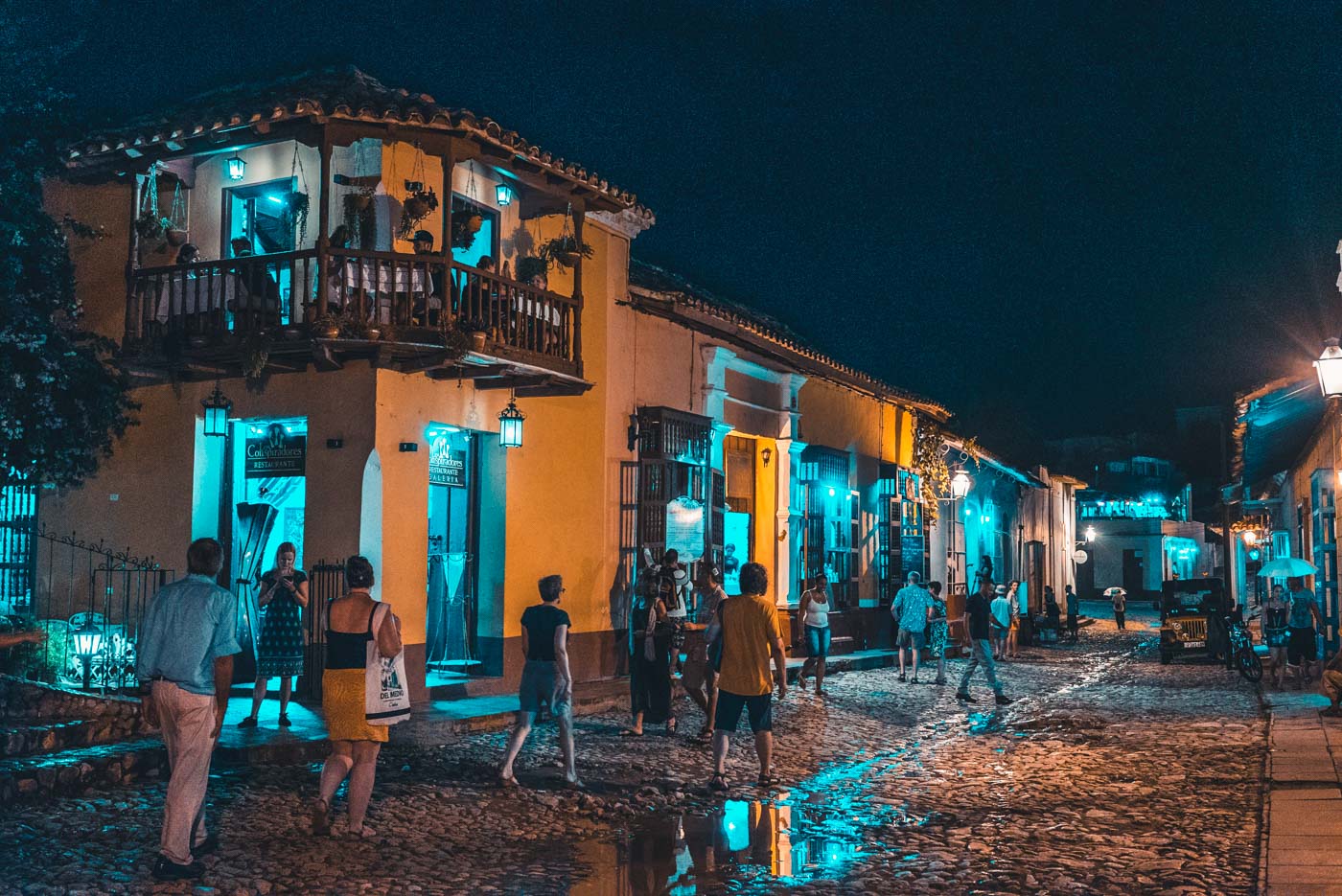
With an area of 109,884 km² and around 11 million people, Cuba is the largest and most populous country in the Caribbean. Long and narrow, it sits just 145 kilometres (90 miles) south of Florida, bordered by the Atlantic to the north and the Caribbean Sea to the south. Its capital, Havana, is a UNESCO World Heritage Site, and a one or two-week itinerary barely scratches the surface.
2. It is packed with diverse landscapes and endemic wildlife
Cuba is far more than beaches. Mountains, fertile valleys, plains, wetlands and long coastlines all pack into one island, and it shelters a remarkable number of endemic species found nowhere else, including the bee hummingbird, the world’s smallest bird. The tobacco-growing Vinales Valley and the wild, eastern town of Baracoa show just how varied the country’s scenery gets.

Culture and People: Fun Facts About Cuba
3. Cuba is famous for its 1950s American cars
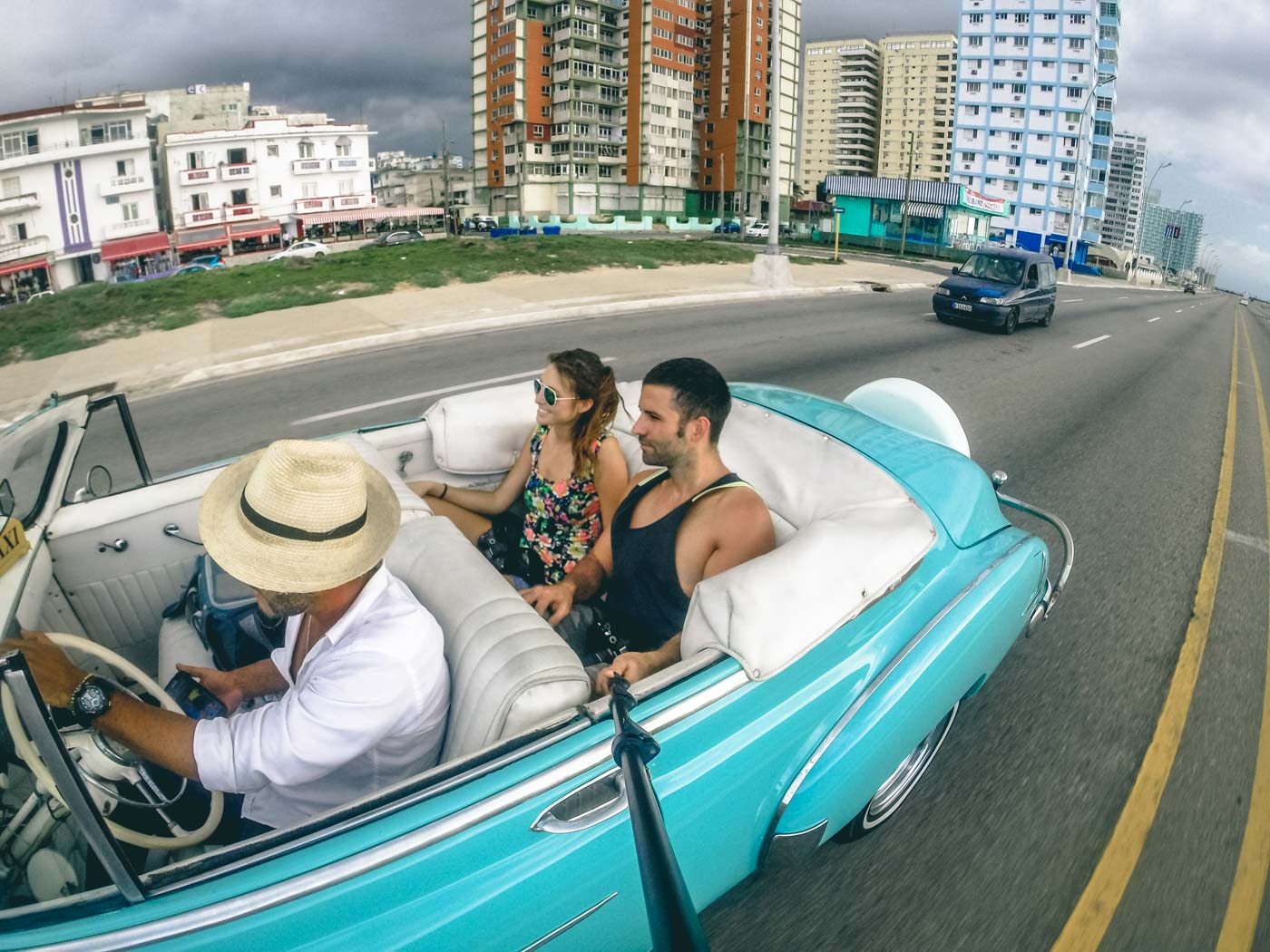
After the 1959 revolution and the US trade embargo that followed in 1960, no new American cars or parts could reach the island. Cubans simply kept the 1940s and 1950s cars they already had running, through decades of improvised repairs. The result is one of the most photographed fun facts about Cuba: streets full of lovingly maintained vintage Chevrolets, Fords and Buicks that have become a symbol of Cuban resilience.

4. Cubans love a game of dominoes
Dominoes is practically Cuba’s national pastime. You will see people gathered around small tables on porches and in plazas, playing by local rules that use ten tiles at a time rather than the usual seven. The habit dates back to the days before widespread electricity and endures today as a cheerful excuse to gather, talk and share a drink with friends and neighbours.

5. The Cuban sandwich is just called a sandwich
In Cuba, the “Cuban sandwich” the rest of the world knows is simply a sandwich. The traditional version, the mixto, layers ham and cheese on Cuban bread, and it became popular as a cheap, portable, sociable meal. Like so much Cuban food, it is tied up with hospitality and the easy warmth of eating together.

6. Music is the heartbeat of the country
Few places are as musical as Cuba. Son, salsa, rumba, mambo and cha-cha-cha all have Cuban roots, and live music spills out of bars, doorways and street corners across the island. The Buena Vista Social Club brought the country’s traditional son to the world, but the real magic is how woven music is into ordinary daily life here.
7. Santeria blends African and Catholic faith
One of the more fascinating Cuba culture facts is Santeria, an Afro-Cuban religion that fused the Yoruba beliefs of enslaved West Africans with Spanish Catholicism. Its saints, drumming, dance and white-clad initiates remain a visible, living part of Cuban spiritual life, especially in Havana and the east of the island.
8. Baseball, not football, is the national sport
While most of Latin America is football-mad, Cuba is devoted to baseball. Introduced in the 19th century, it became deeply woven into national identity, and you will find passionate fans debating teams in Havana’s Parque Central and kids playing improvised games with makeshift bats wherever there is space.
9. Cuban cigars are considered the best in the world
Even if you do not smoke, Cuban cigars are a genuine part of the culture. Grown in the fertile Vuelta Abajo region, the tobacco is aged for years and rolled entirely by hand through a meticulous, tightly regulated process. We learned about it on a tobacco-plantation tour in Vinales, and it is well worth doing for anyone curious about the craft.

Society Facts: Health, Education and the Economy
10. Cuban doctors are highly skilled and everywhere
Cuba has one of the highest doctor-to-patient ratios on earth, and famously sends medical teams overseas, both as aid and as a major source of national income. Healthcare is free for residents, and the country’s medical training has a strong international reputation despite its limited resources.

11. Medical tourism is on the rise
With so many skilled doctors and low costs, Cuba has become a destination for medical tourism, from dental work to specialist procedures. The government actively promotes it as a way to bring in foreign currency, and Cuba even developed its own COVID-19 vaccines, Soberana and Abdala, during the pandemic.
12. Education is free and compulsory
Education in Cuba is free at every level and compulsory for the first nine years, with further schooling and technical training also free afterward. The system was nationalised in the late 1950s, when fewer than half of Cuban children had access to school, a transformation that underpins the country’s literacy success.

13. Cuba has one of the highest literacy rates in the world
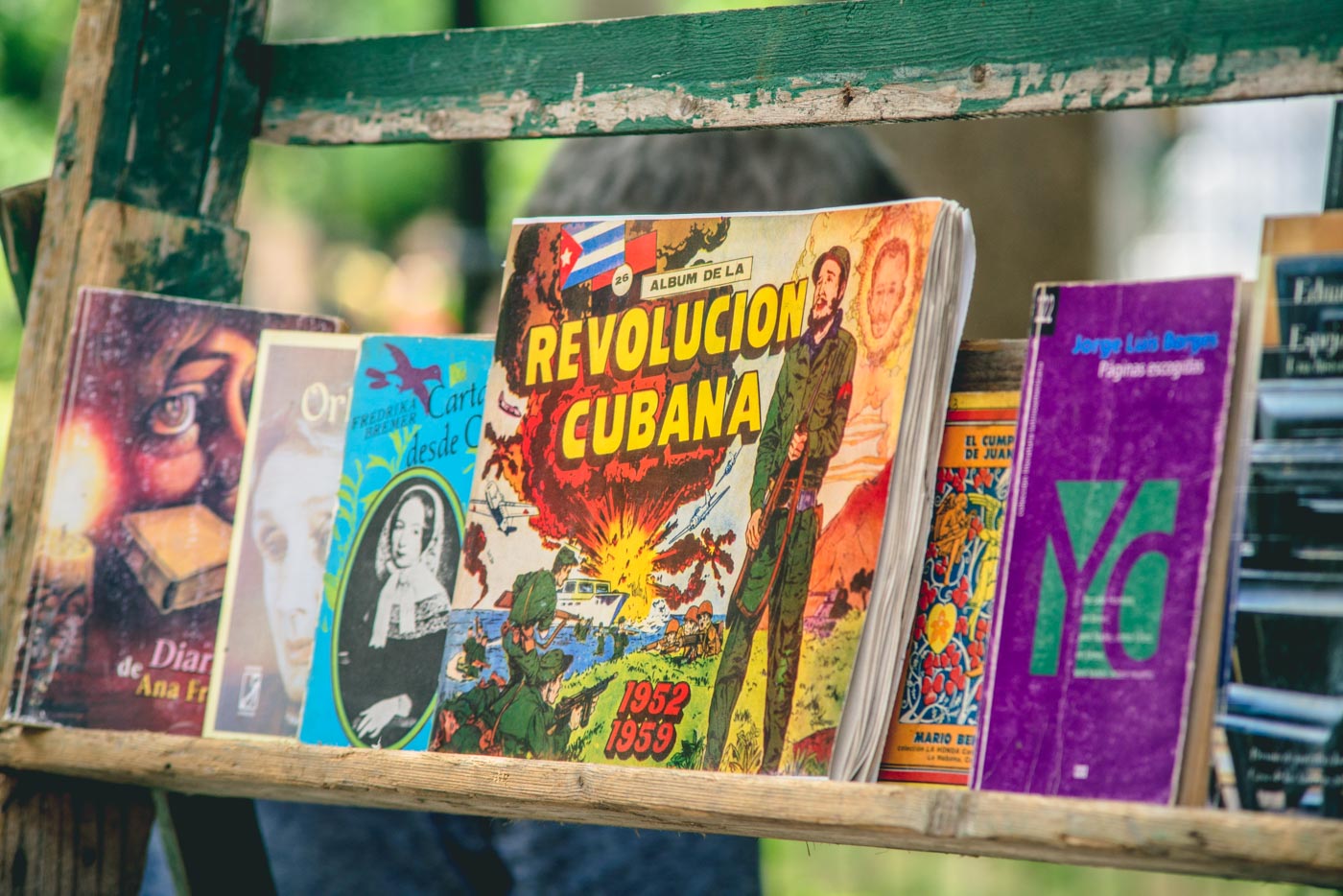
According to UNESCO, Cuba’s literacy rate sits above 99%, among the highest anywhere and the result of a sweeping 1961 literacy campaign. It is also one of the few countries where the female literacy rate edges out the male rate, a point of real national pride.
14. The average state salary is strikingly low
State wages in Cuba are very low by global standards, the equivalent of only a few thousand Cuban pesos a month, and the 2021 monetary reform plus heavy inflation have squeezed their real value further. Free healthcare, education and subsidised basics soften the blow, but making ends meet remains a daily challenge for most Cubans.

15. The government subsidises daily life, including a ration book
Because wages are so low, the state subsidises food, housing, healthcare, transport and education. Every household still receives a libreta, a ration book dating back to 1962 that provides staples like rice, beans, sugar and oil at heavily subsidised prices, one of the most distinctive facts about Cuba’s economy.
Practical Facts to Know Before You Visit Cuba
16. WiFi is limited, but improving
Internet access in Cuba is state-controlled and, for years, was only available at public WiFi hotspots in parks and plazas using prepaid ETECSA cards. Home internet and mobile data have expanded since 2018, and travellers increasingly use eSIMs, but connection remains slow, patchy and pricey. Our deep-dive on internet in Cuba covers how to get online.

17. The currency was overhauled in 2021
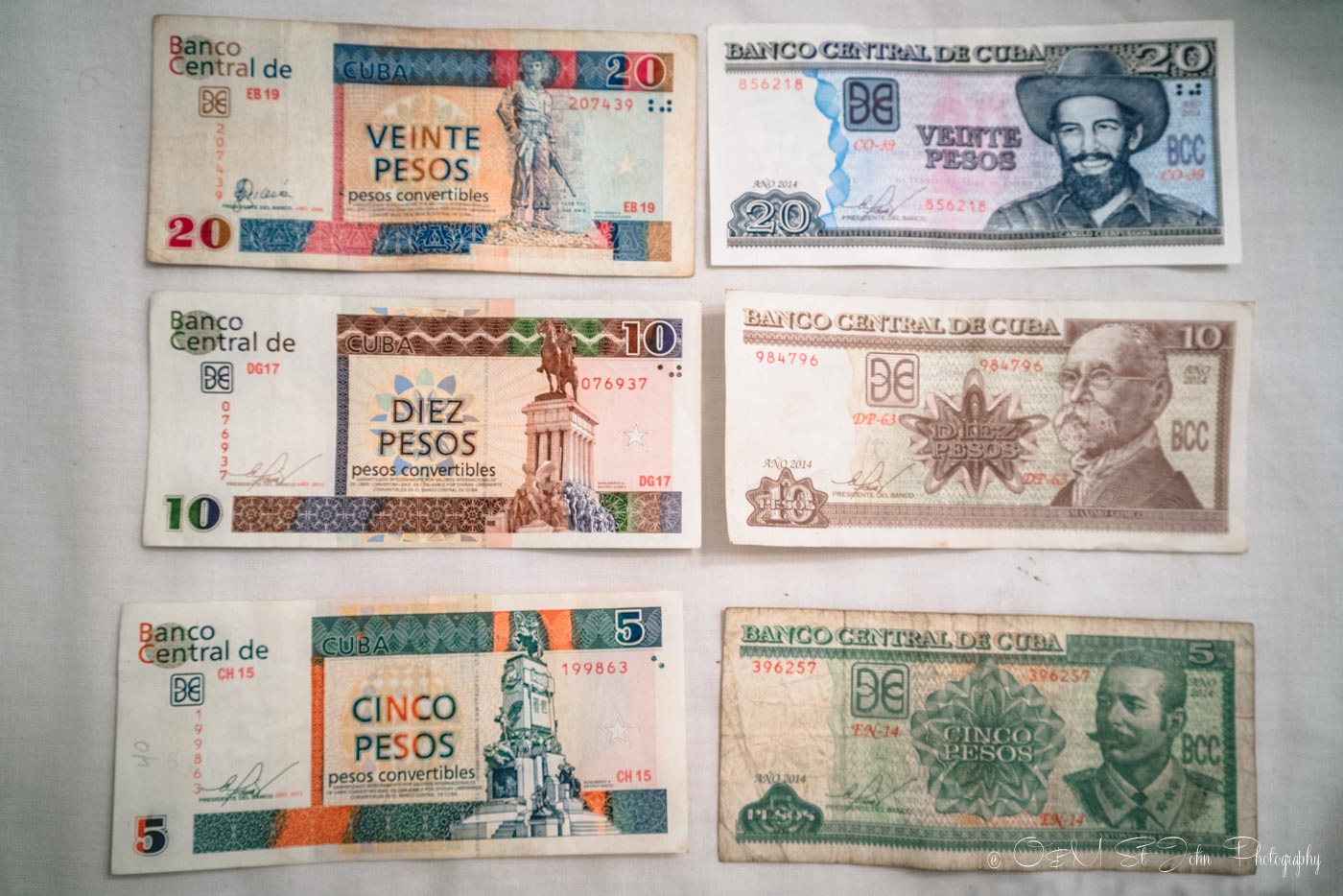
For years Cuba ran a confusing dual-currency system with the peso (CUP) and the convertible peso (CUC). That ended on 1 January 2021, when the CUC was abolished, leaving the Cuban peso (CUP) as the only official currency. In practice, tourists now rely heavily on cash US dollars and euros, as ATMs and cards are unreliable and informal exchange rates shift fast.
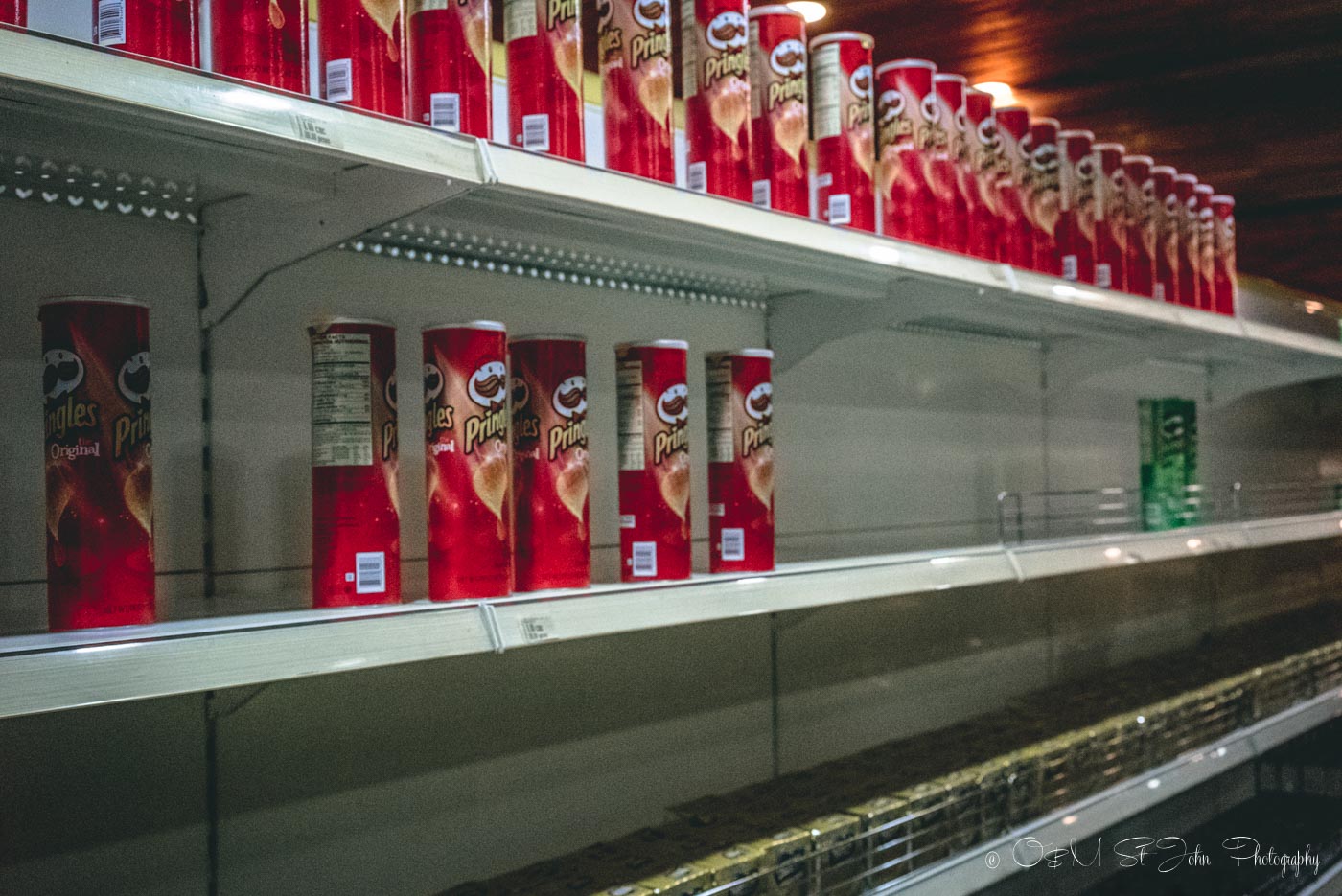
18. Empty shelves and shortages are common
Shortages of food, medicine and everyday goods are a long-running reality in Cuba, driven by the US embargo, a struggling economy and supply-chain strain, and they have worsened sharply in the current crisis. The state rationing system ensures everyone gets basic staples, but expect to see thin supermarket shelves and queues.
19. Hotels are scarce, so stay in a casa particular
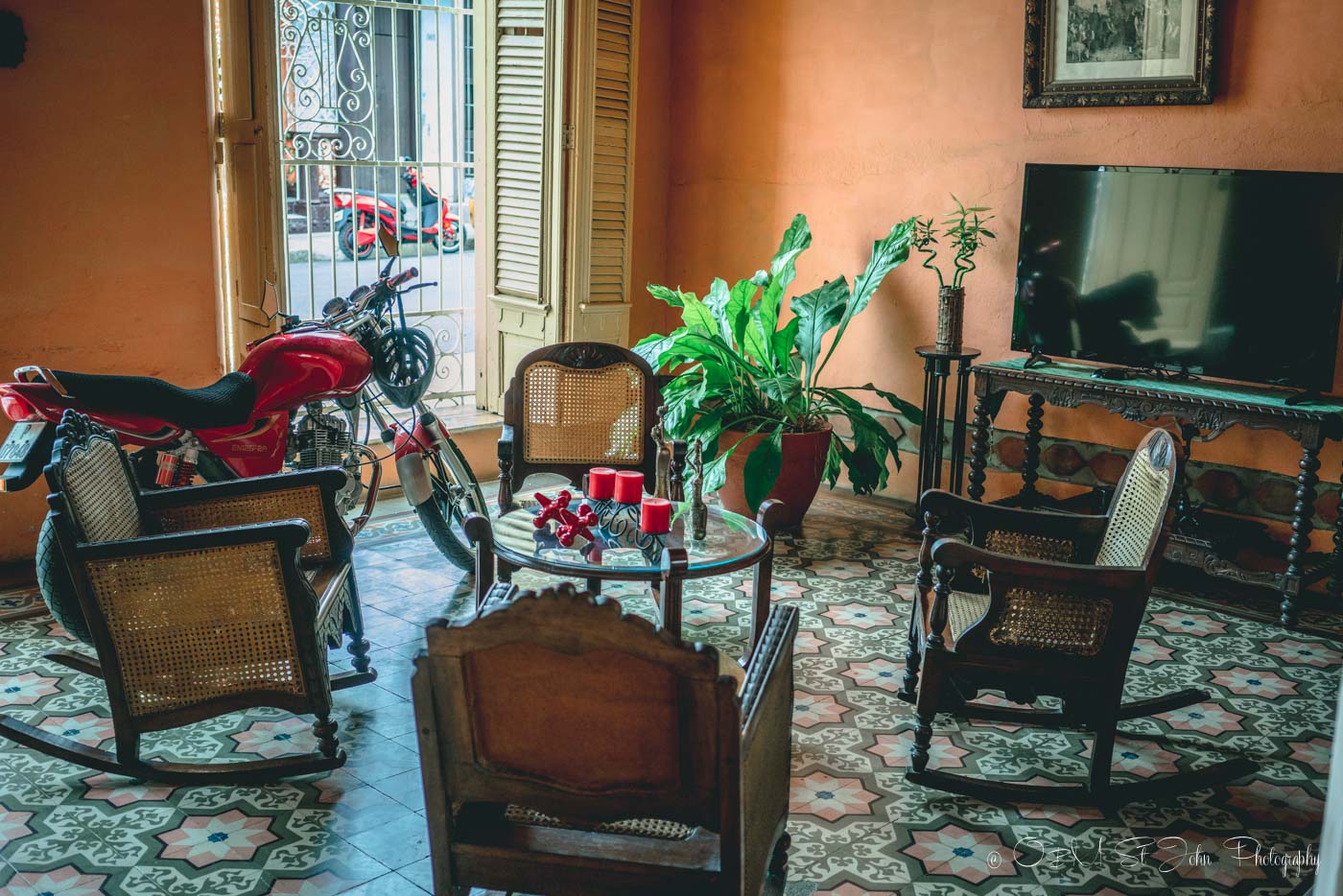
Outside Havana, Varadero and the big beach resorts, hotels can be hard to find, and many are state-owned and variable in quality. The better option is a casa particular, a licensed family-run guesthouse, effectively Cuba’s version of a homestay. You get home-cooked meals, local insight and the satisfaction of supporting a Cuban family directly.

20. There is (officially) no Coca-Cola
Cuba is one of only two countries in the world, alongside North Korea, where Coca-Cola is not officially sold, a direct result of the US trade embargo. You may spot a bottle in a discreet shop, but locals mostly drink homegrown alternatives like Tropicola and Cachito instead.

21. Travel insurance is a legal requirement
Cuba legally requires all visitors to have valid travel medical insurance, and immigration can ask for proof. The catch is that many US insurers will not cover Cuba because of the embargo, and some “worldwide” policies quietly exclude it, so it is worth confirming a policy specifically includes Cuba before travelling.
Cuba makes travel medical insurance a condition of entry, and plenty of standard policies exclude the island. We use SafetyWing, which covers Cuba, is straightforward to buy online and easy to extend if plans change.
Check the policy explicitly lists Cuba, then carry a printed copy in case immigration asks at the airport.
22. Americans can visit, but not as tourists
Straightforward tourism is still off-limits for US citizens, but Americans can legally visit Cuba under one of 12 authorised categories, most commonly “support for the Cuban people”. That means staying in private casas, eating at private restaurants and keeping records of your spending. Most visitors also need an e-visa or tourist card to enter.

Surprising Facts About Cuba
23. Cuba has nine UNESCO World Heritage sites
For its size, Cuba is extraordinarily rich in heritage, with nine UNESCO World Heritage sites. They range from Old Havana and the colonial town of Trinidad to the Vinales Valley, the Historic Centre of Cienfuegos and the wild Alejandro de Humboldt National Park, spanning the country’s history, architecture and nature.

24. The CIA plotted to kill Fidel Castro hundreds of times
Few leaders have been targeted as persistently as Fidel Castro. Cuban officials have claimed the CIA was behind hundreds of assassination plots against him over the decades, some genuinely outlandish, from an exploding cigar to a poisoned wetsuit. Castro outlived them all, dying of natural causes in 2016, and the saga remains one of the most surreal facts about Cuba.

25. Santiago hosts the biggest carnival in the Caribbean
Each July, the city of Santiago de Cuba throws the Carnaval de Santiago de Cuba, the largest carnival in the Caribbean. For about a week the streets fill with parades, floats, conga lines, live music and dancing, a riot of Afro-Cuban culture and one of the best times of year to experience the island’s spirit.

Frequently Asked Questions
What is Cuba most famous for?
Cuba is famous for its 1950s American cars, hand-rolled cigars, son and salsa music, rum, and the colonial streets of Old Havana, along with its Caribbean beaches and its free healthcare and education.
Is Cuba safe to visit right now?
Cuba has very low violent crime and is generally safe for tourists, but as of mid-2026 the country faces long power blackouts, fuel and supply shortages and cash-access problems, so it is best to travel prepared rather than be put off entirely.
What is Cuba’s currency?
Since the 2021 reform, Cuba uses a single currency, the Cuban peso (CUP). In practice tourists rely heavily on cash US dollars and euros, because ATMs and foreign cards are unreliable.
Can Americans travel to Cuba?
Yes, but not as ordinary tourists. Americans can visit legally under 12 authorised categories, most commonly “support for the Cuban people”, which means using private casas and restaurants and keeping records of spending.
Why is internet hard to get in Cuba?
Internet access is state-controlled and was long limited to public WiFi hotspots. It has improved through ETECSA home internet, mobile data and eSIMs, but remains slow, patchy and relatively expensive.
When is the best time to visit Cuba?
The dry season from November to April has the best weather; the green season is hotter and wetter, with hurricane risk highest between August and October.
Final Thoughts
Cuba is a country of contradictions: world-leading literacy beside empty shelves, gleaming vintage cars on blacked-out streets, deep warmth amid real hardship. That complexity is exactly what makes it so compelling, and why it stays with you long after you leave. These interesting facts about Cuba only sharpen the appeal of seeing it first-hand, especially while its singular character is so vividly intact. For more inspiration, see our reasons to visit Cuba. Which of these facts surprised you most?

Leave a Reply