

Your Cuba itinerary depends almost entirely on how many days you have. Three or four days is Havana and one day trip. A week covers Havana, Vinales and Trinidad. Two weeks reaches Cienfuegos and Santa Clara comfortably, and three or more gets you to Santiago and Baracoa in the east. This guide sets out all four, day by day where it matters, with the travel times between them.
With that said, the routing logic below has not changed, and neither have the distances. Here is the short version.
Key Takeaways
- Seven days is the realistic minimum to see Havana plus two other places without spending the trip in transit.
- Distances are longer than the map suggests. Havana to Santiago is around 860 km (534 miles) and 12+ hours by road.
- Cuba is effectively a cash economy for visitors. Foreign cards frequently do not work; bring what you need for the whole trip.
- Casas particulares beat hotels almost everywhere, and they are how most independent travellers move through the country.
- Three weeks or more is what the east actually needs. Baracoa and Santiago are the reason to take a long trip.
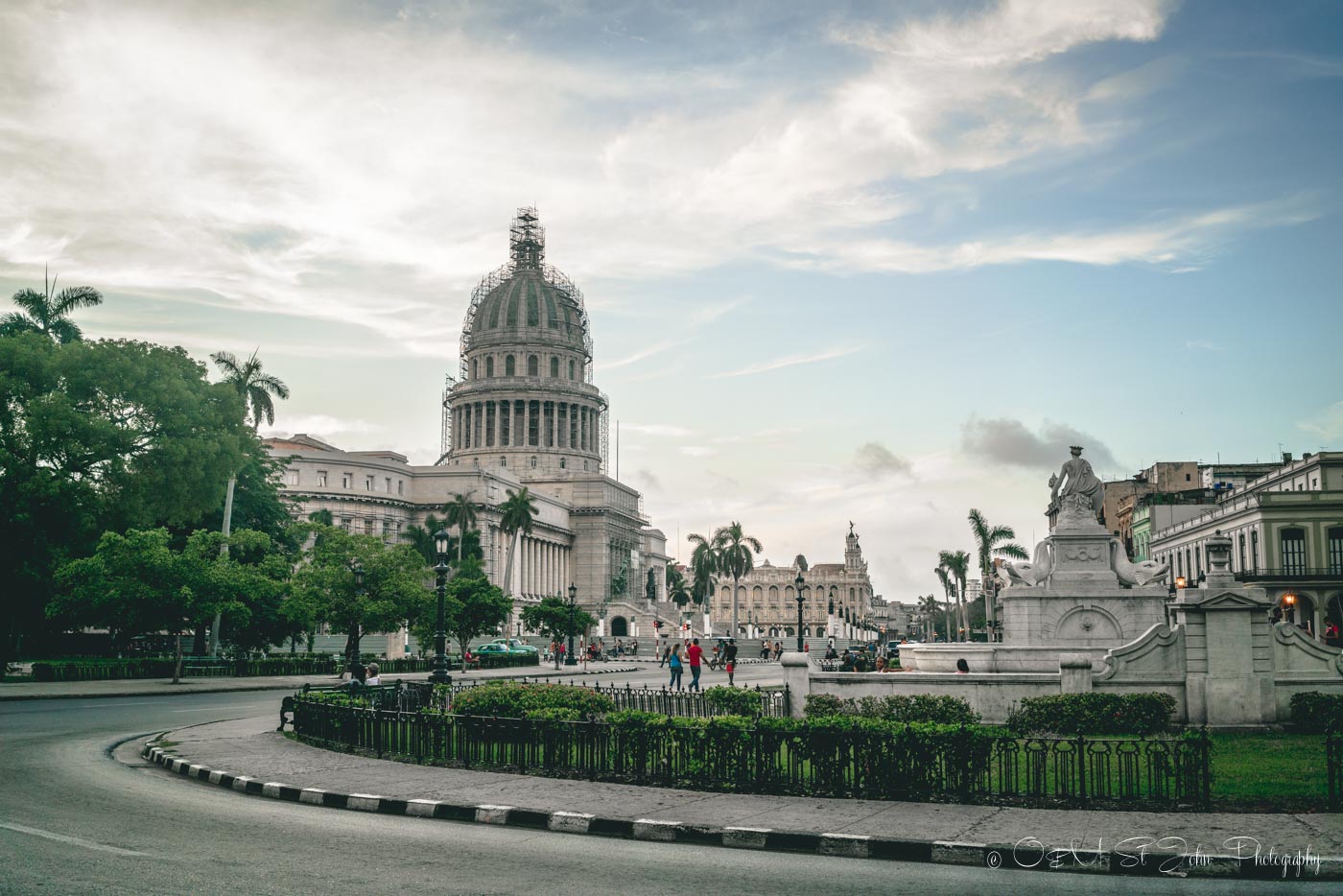
How Long Do You Need in Cuba?
Your Cuba itinerary length is the question to settle before anything else, because Cuba punishes over-ambitious routing. The country is roughly 1,250 km (777 miles) end to end and the roads are slow.
Cuba Itinerary Options by Length
| Length | Route | Pace | Best for |
|---|---|---|---|
| 3-4 days | Havana + one day trip | Relaxed | A long weekend or a stopover |
| 7 days | Havana, Vinales, Trinidad | Comfortable | Most first visits |
| 10-14 days | Adds Cienfuegos and Santa Clara | Comfortable | Seeing the centre properly |
| 3 weeks | Adds Camaguey and Santiago de Cuba | Busy | Reaching the east |
| 4 weeks | Adds Baracoa and the far east | Steady | The whole island, slowly |
The distances behind that table are what make the difference, so here they are alongside the practicalities.
| Country length | About 1,250 km (777 miles) end to end |
| Havana to Vinales | 3 hours by collectivo |
| Havana to Trinidad | 4.5 to 5 hours |
| Havana to Santiago | 12+ hours by road, or a domestic flight |
| Realistic minimum | 7 days |
| Currency reality | Cash only in practice; bring it with you |
| Accommodation | Casas particulares, roughly USD $25-45 a night |
| Best months | November to April (dry season) |
| Insurance | Medical insurance is required to enter Cuba |
Mapped out, the classic circuit runs west from Havana to Vinales and then south-east through Trinidad, with the eastern cities well beyond it.

3 to 4 Days in Cuba: A Long Weekend
For a Cuba itinerary this short, stay in Havana. The instinct to add Vinales and Trinidad on a four-day trip is the single most common planning mistake, and it turns a short break into two days of sitting in a taxi.
Day 1: Old Havana on foot. The four colonial squares, the Malecon at sunset. Day 2: Centro and Vedado, the Museum of the Revolution, and a night at a live music venue. Day 3: A day trip, either Vinales for the tobacco valley or the beaches at Playas del Este, half an hour east. Day 4: Whatever you missed, and the airport.
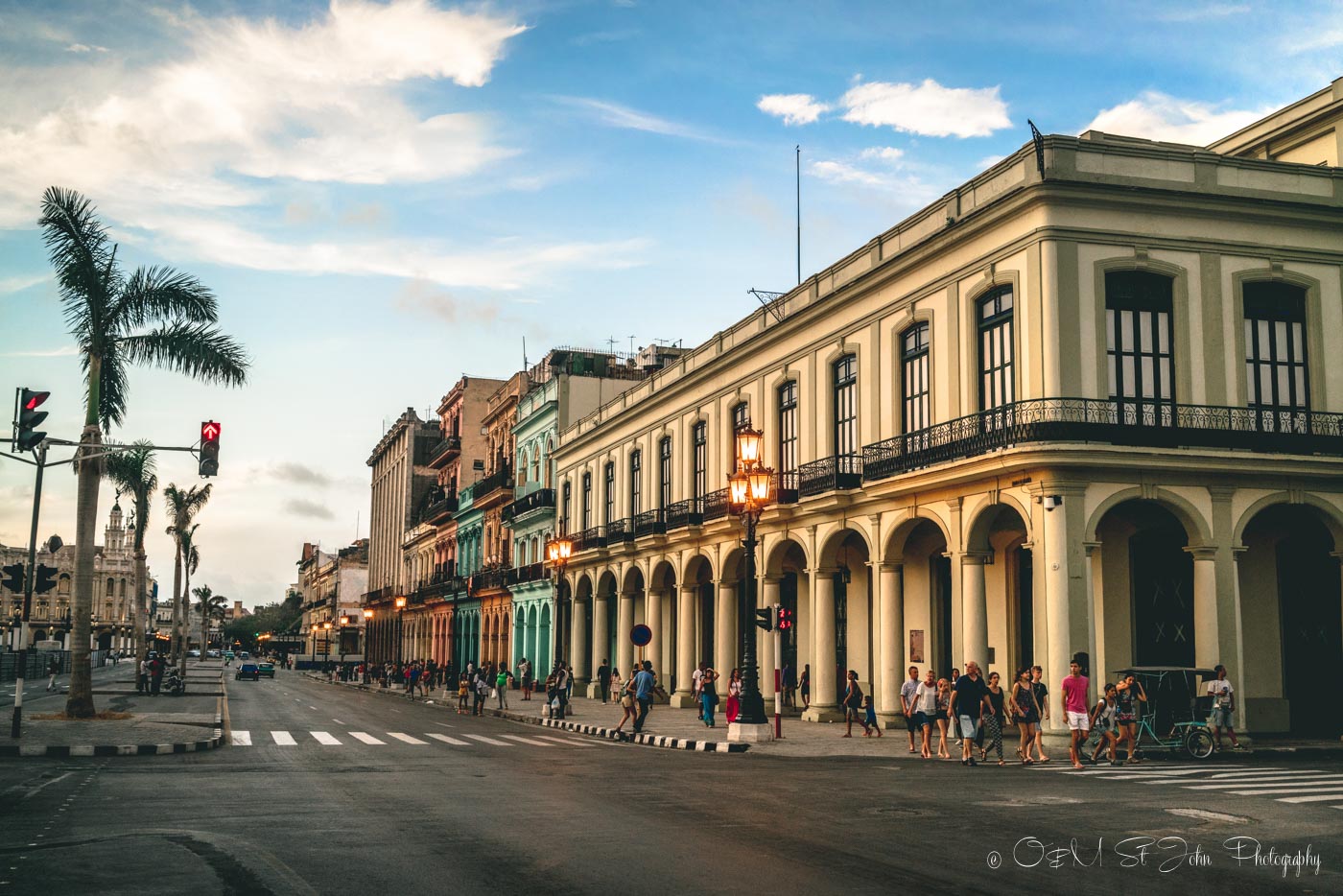

Our full Havana guide goes much deeper on the city itself. For a trip this short, book a casa in Old Havana or Centro and walk everywhere.
The one thing worth booking ahead on a short trip is the airport transfer. Taxis from Jose Marti airport into the city are a fixed-ish price negotiated at the rank, and arriving late at night with no cash and no Spanish is the worst possible introduction to the country. Ask your casa to send someone.
7 Days in Cuba: the One-Week Itinerary
A one-week Cuba itinerary is the shortest trip that feels like you have seen Cuba and not just a city in it. This is the route we would give almost anyone, and it works in either direction.
Days 1-3: Havana
Three nights gives you Old Havana, Centro and Vedado without rushing. Walk the four squares, spend an afternoon in the Museum of the Revolution, and give one evening to live music. UNESCO lists Old Havana for the density of colonial architecture, and it earns it.


If you only do one organised thing in Havana, make it a walking tour of the old town on the first morning. It orients you, and the four squares make far more sense once someone has explained what each was for. After that the city is best wandered.
Days 4-5: Vinales
Three hours west by collectivo. Vinales is tobacco country, a flat green valley punctuated by limestone mogotes, and it is where most people’s favourite day in Cuba happens. Hire horses or bikes, visit a working tobacco farm, and stay in a casa with a rocking chair on the porch. Our guide to Vinales has the detail.


Two nights is right for Vinales. One is enough to see the valley and not enough to enjoy it, and the second morning, when the tour groups have not arrived and the mist is still sitting between the mogotes, is the reason to stay. The tobacco farm visits are genuinely interesting and not a staged stop; the drying barns are working buildings and the farmers sell direct.
Days 6-7: Trinidad
Back through Havana and south-east to Trinidad, about five hours in total. Trinidad is the best-preserved colonial town in the Caribbean, all cobbles and pastel walls, with Playa Ancon fifteen minutes away for an afternoon on sand. Our Trinidad guide sets out what we would prioritise there.
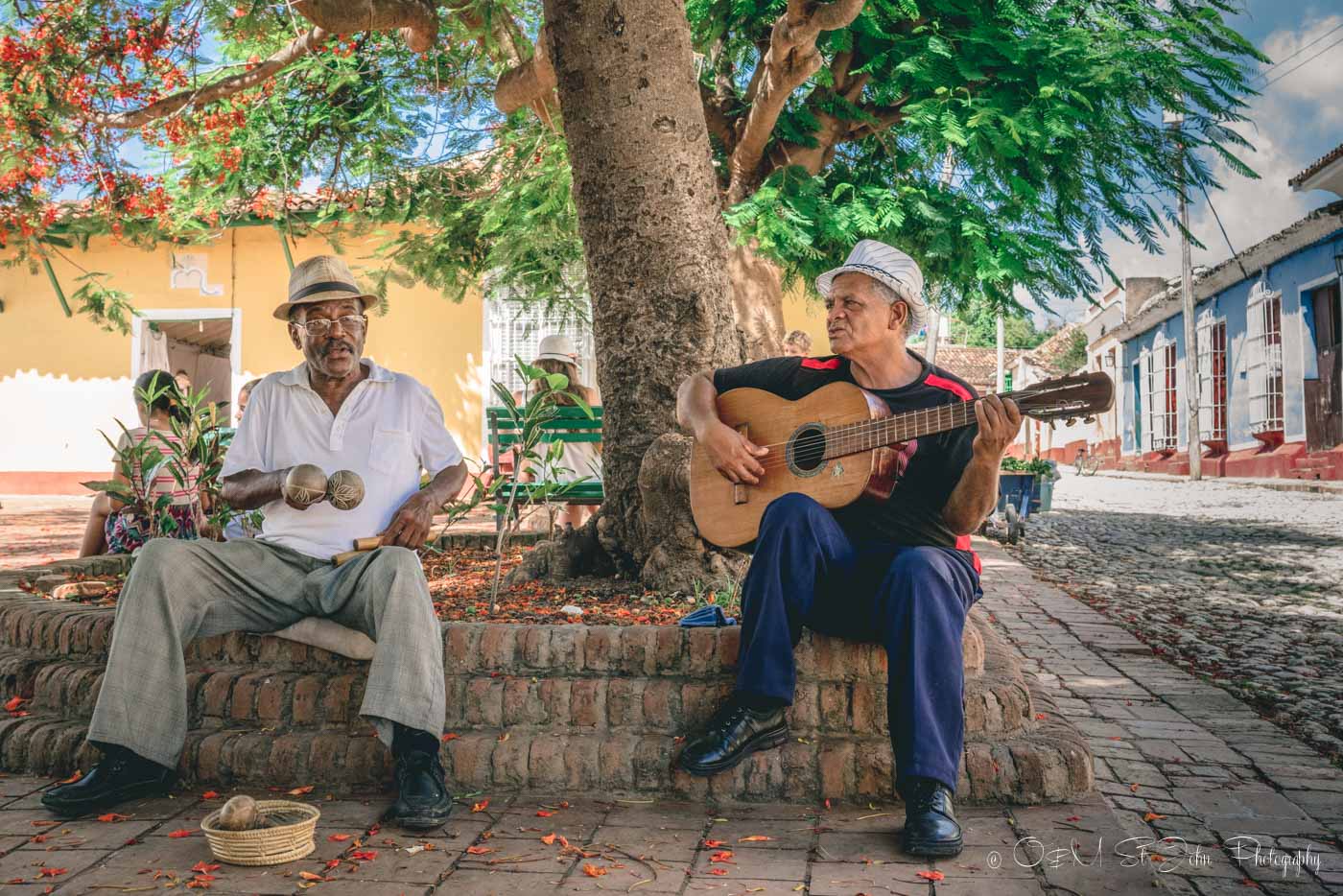


Fly home from Havana, which means a five-hour return leg on the last day. If your dates are flexible, flying out of Santa Clara instead saves several hours.
A note on the order. Running Havana first, then Vinales, then Trinidad is the shape we would keep, because Trinidad is the easiest place to slow down and it is better to end there than to start there. Reversing it works logistically but front-loads the two long transfers, and you will feel that on day two.
If you have eight or nine days instead of seven, add them to Trinidad instead of adding a fourth destination. Playa Ancon, the Valle de los Ingenios and the Topes de Collantes hills are all within an hour, and the town is a good place to do very little.
10 to 14 Days in Cuba
A two-week Cuba itinerary is where the country opens up. Run the seven-day route above, then continue east instead of doubling back.
Add Cienfuegos, a French-founded port on a wide bay about 80 km (50 miles) from Trinidad. It is the most architecturally coherent city in Cuba and the waterfront at dusk is worth the stop. Two nights.


Add Santa Clara, an hour and a half north-east, for the Che Guevara mausoleum and a university-town atmosphere that feels different from anywhere else on the route. One night is enough.

With fourteen days you can also slow the whole thing down, which is the better use of the extra days for most people: three nights in Trinidad instead of two, a full day doing nothing in Vinales.

3 to 4 Weeks in Cuba: Going East
Everything in the Cuba itinerary above happens in the western half. The east is where Cuba stops being a circuit and starts being a country, and almost no visitor gets there.
Camaguey breaks the long haul east, a maze of a colonial city built deliberately confusing to slow down pirates. Santiago de Cuba is the second city, hotter, more Caribbean, and the birthplace of son and of the revolution. We timed our trip for Carnaval de Santiago in late July, which is the biggest carnival in the Caribbean and completely takes over the city.

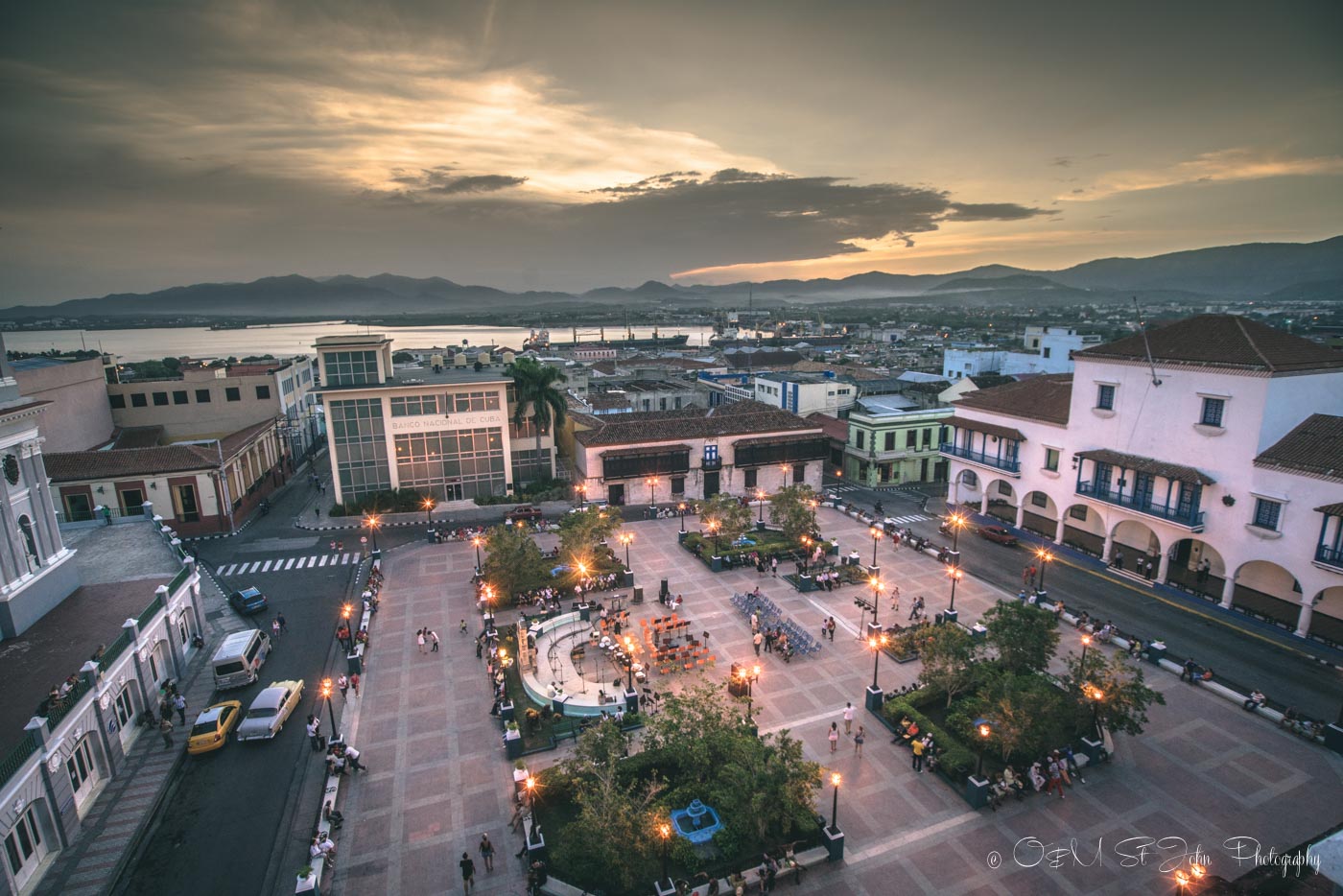

Baracoa, right at the eastern tip, is the reason to take four weeks. It was Cuba’s first Spanish settlement, it sits between rainforest and sea, and until the 1960s the only way in was by boat. The road over La Farola pass is one of the great drives in the Caribbean. Our reasons to visit Baracoa explains why it is worth the haul.


Be honest with yourself about the distances. Havana to Santiago is 860 km (534 miles) and twelve hours or more on the road. Most people doing the full east take a domestic flight one way and travel overland the other.
Getting Around Cuba
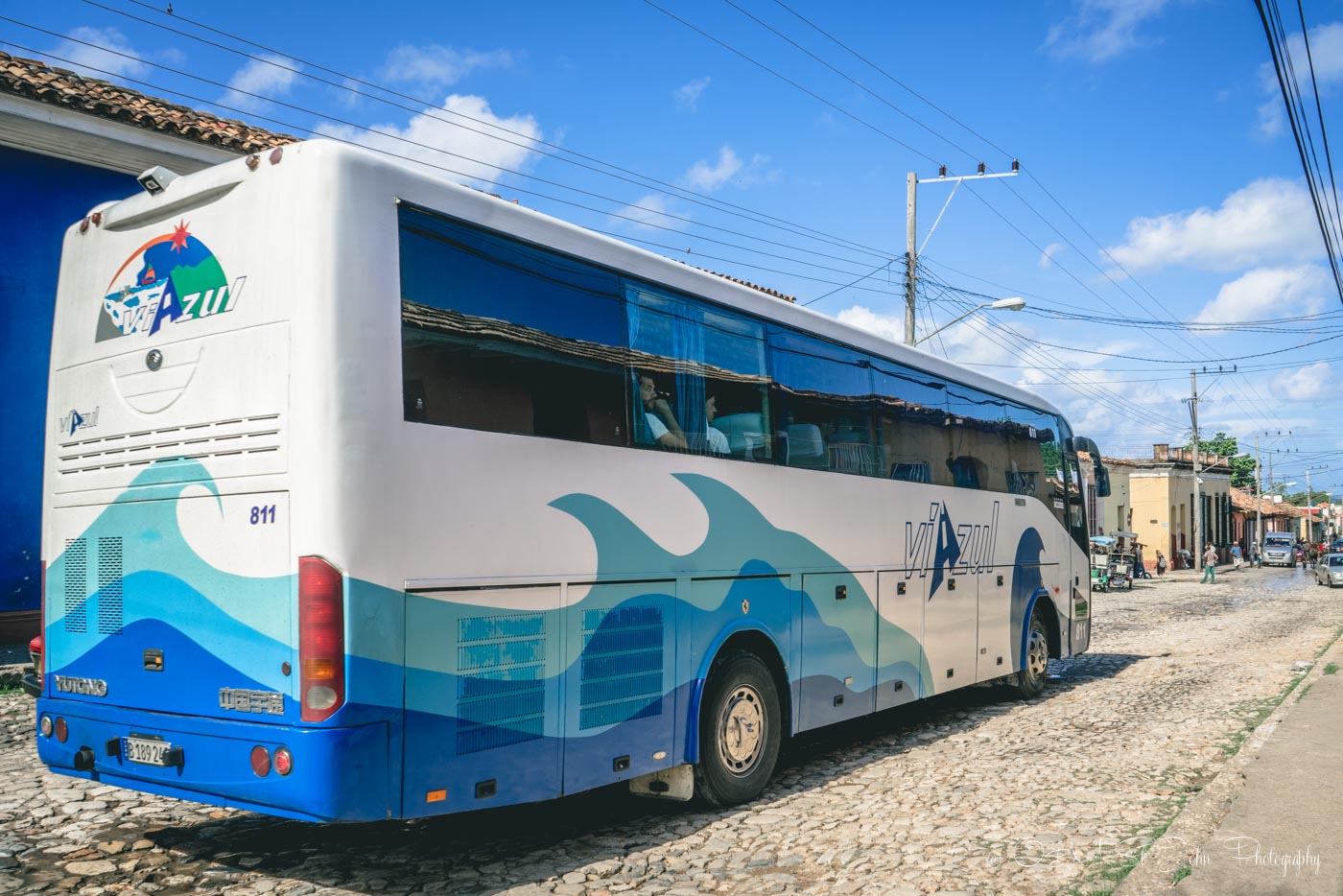
Three options shape any Cuba itinerary, and most trips use two of them. Collectivo taxis are shared cars running fixed intercity routes, and they are how we moved for most of the trip: faster than the bus, leave when full, and you negotiate the seat price at the casa the night before. Viazul coaches are cheaper, air-conditioned, slower and need booking ahead. Domestic flights only make sense for the far east.
The map traces the classic first-trip loop: Havana west to Vinales, back through Havana and south-east to Trinidad, returning via Santa Clara.


Renting a car is possible and we would not recommend it for a first trip. Fuel shortages are a real constraint, signage is poor, and the rental fleet is limited enough that bookings are sometimes not honoured.
Within towns, everything on this itinerary is walkable. Havana is where you are most likely to want transport across the city, and the classic-car taxis along the Malecon are a set-price tourist ride and not a way of getting anywhere. Bicitaxis and horse carts cover the gaps in Trinidad and Vinales.

Money in Cuba: Cash, Currency and What Actually Works
Cuba reformed its dual-currency system in 2021, retiring the CUC and leaving the Cuban peso (CUP). For a visitor the practical position is simpler than the economics: bring cash, in euros or Canadian dollars, and bring all of it.
Foreign cards frequently do not work, US-issued cards do not work at all, and ATMs are unreliable even when they are stocked. Casas, collectivos and most restaurants are cash transactions. Work out your daily budget, add a margin, and carry it. This is the single most common way trips to Cuba go wrong.
Staying in Casas Particulares
On any Cuba itinerary a casa particular, a licensed room in a family home, is the default, and in Cuba it is not a budget compromise, it is the best way to travel. Expect roughly USD $25 to $45 a night for a private room, usually with breakfast available for a few dollars more and dinner if you ask in the morning.
The system works by referral. Your host in Havana will phone ahead to a casa in Vinales, who will phone ahead to Trinidad, and the chain is generally reliable and quicker than booking online from abroad with patchy internet. Casas also arrange collectivos, which makes them the practical hub of the whole trip.
Dinner at your casa is usually the best meal you will eat that day, and in smaller towns it is often better than anything on the restaurant strip. Order it in the morning so they can shop for it. Given the current supply situation, that advance notice matters more than it used to.
The other advantage is the conversation. Staying in family homes for three weeks taught us more about how the economy actually works for Cubans than any museum did, and it is the part of the trip we would least want to have skipped.
Getting Online in Cuba
Connectivity is limited and it shapes a Cuba itinerary more than most people expect. Historically this meant buying ETECSA cards and standing in a public square with everybody else. That is no longer the best answer.
An eSIM running on Cubacel roaming is now the most workable option for visitors, and GigSky is the provider that supports it. Note that Airalo, which we use almost everywhere else, does not cover Cuba. Expect it to be slow and intermittent regardless. Our guide to internet in Cuba goes through the current options properly.

Best Time to Visit Cuba
November to April is the dry season and the best window for a Cuba itinerary. December and January are the busiest and priciest. July and August are hot and wet, and they are also when Carnaval happens in Santiago, which is why we went then and would again.
Hurricane season runs June to November, with the real risk concentrated in September and October. Those two months are the ones to avoid if your dates are flexible.
The power situation adds a seasonal wrinkle that did not exist when we visited. Cuts are worse in the summer heat when demand peaks, and casas in smaller towns are less likely to have a generator than hotels in Havana. If you are travelling between June and September, ask about backup power when you book, and pack a torch and a power bank.

Frequently Asked Questions
How many days do you need in Cuba?
Seven days is the realistic minimum to see Havana plus two other places without rushing. Ten to fourteen days lets you reach Trinidad, Vinales and Cienfuegos properly. Three weeks or more is what the eastern end needs.
What is the best one-week Cuba itinerary?
Three nights in Havana, two in Vinales, two in Trinidad, returning to Havana for the flight. It covers the city, the tobacco country and the colonial centre with minimal backtracking.
Can you visit Cuba in 3 or 4 days?
Yes, but keep it to Havana with at most one day trip. The distances between Cuban towns are longer in practice than they look on a map.
Do you need cash in Cuba?
Yes. Cuba is effectively a cash economy for travellers, foreign cards frequently do not work, US-issued cards do not work at all, and you should arrive with enough currency for the whole trip.
Is Cuba safe to visit?
Violent crime against visitors is low. The current difficulty is economic: shortages of fuel, food and medicine, and frequent power cuts. Check your government’s current advisory before booking.
What is the best way to get around Cuba?
Shared collectivo taxis for most intercity routes, arranged through your casa the night before. Viazul coaches are cheaper and slower. Domestic flights only make sense for Santiago and the far east.
How do you get internet in Cuba?
An eSIM using Cubacel roaming, such as GigSky, is the most workable option for visitors now. Airalo does not cover Cuba. Expect slow and intermittent service throughout.
When is the best time to visit Cuba?
November to April is the dry season and the most comfortable. July and August are hot and wet but carry the Santiago Carnaval, which is what we timed our own trip around.
Final Thoughts
The mistake we see most often on a Cuba itinerary is treating the island as compact. It is not. The routing above exists because the distances are real, and a week spent moving is worse than a week spent in three places properly.
If you have seven days, take the Havana-Vinales-Trinidad loop and do not apologise for it. If you have three weeks, go east, because Santiago and Baracoa are the parts of Cuba we still talk about ten years later. And go in with realistic expectations of what 2026 Cuba can supply: the country is short of a great deal, and the travelling is better when you have planned around that and not been surprised by it. Our background on the country is worth a read before you book, and the case for going at all still holds.
How long are you giving Cuba, and are you tempted east of Santa Clara? Tell us where you land on the length, because that one decision shapes everything else.


Leave a Reply