

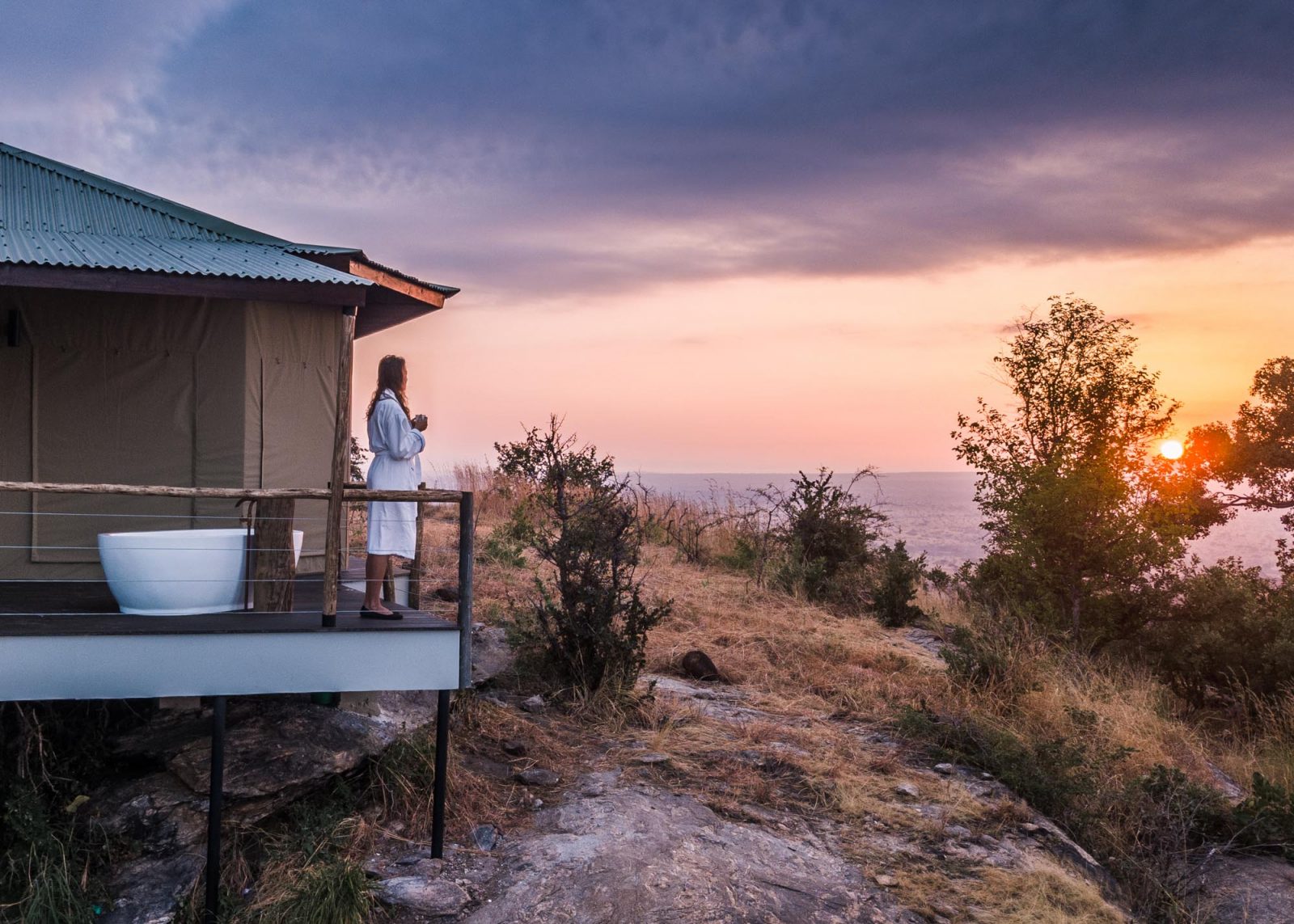
The best Serengeti lodges depend on where the wildebeest will be when you travel. From July to October, stay in the northern Serengeti near the Mara River for the crossings; from December to March, stay in the south around Ndutu for the calving season; from May to July, head for the Western Corridor; and in the central Serengeti around Seronera, the big cats are there all year. This guide compares the best Serengeti lodges and camps in each region, from tented camps to full luxury, with what each does best.
We know these camps first-hand. We photographed the Lemala camps on assignment in August 2018 and came back in 2019 to shoot the rest, staying at every one of them, and we returned to Lemala Ewanjan on a group trip in December 2024. Our driver-guide Frank found us a river crossing almost straight after we landed, and we watched another start from the lunch table at Lemala Mara.
Key Takeaways
- Choose your region by month. North for the July to October crossings, south for January to March calving, central for big cats year-round.
- Tented camps beat hotels for atmosphere. You hear lions at night and wake up in the middle of the action, with proper beds and bathrooms.
- Mobile camps follow the herds. Camps like Lemala Mara and Ndutu move with the seasons, so you’re always close to the migration.
- Most camps are all-inclusive. Rates usually cover meals and game drives; park fees are often extra.

Serengeti Lodges at a Glance
| Best region July to October | Northern Serengeti (Mara River crossings) |
| Best region December to March | Southern Serengeti around Ndutu (calving) |
| Best region May to July | Western Corridor and Grumeti |
| Year-round | Central Serengeti around Seronera |
| Price range | From a few hundred to well over US$1,500 per person per night |
| Getting there | Fly to Kilimanjaro or Arusha, then drive or fly to a park airstrip |
These are the lodges and camps in this guide, by region, the best months to stay and their style. Price levels run from $$ (mid-range) to $$$$$ (top luxury), per person per night in peak season.
| Lodge | Region | Best months | Style | Price |
|---|---|---|---|---|
| Lemala Kuria Hills | Northern Serengeti | July to October | Luxury lodge, plunge pools | $$$$ |
| Lemala Mara | Northern Serengeti | July to October | Seasonal tented camp | $$$ |
| Lemala Ndutu | Southern Serengeti | December to March | Seasonal tented camp | $$$ |
| Lemala Ewanjan | Central Serengeti | Year-round | Tented camp | $$$ |
| Lemala Nanyukie | Central and eastern Serengeti | Year-round | Luxury tented lodge | $$$$ |
| Four Seasons Safari Lodge Serengeti | Central Serengeti | Year-round | Luxury lodge, infinity pool | $$$$$ |
| Serengeti Serena Safari Lodge | Central Serengeti | Year-round | Classic lodge, pool | $$ |
| Singita Sasakwa | Grumeti, Western Corridor | May to July | Ultra-luxury manor | $$$$$ |
| Mwiba Lodge | Southern Serengeti (private reserve) | December to March | Ultra-luxury lodge | $$$$$ |
| Lamai Serengeti | Northern Serengeti | July to October | Luxury lodge | $$$$ |
| Asilia Sayari Camp | Northern Serengeti | July to October | Luxury tented camp | $$$$ |
| Kichakani (A&K Sanctuary) | Mobile: south and north | December to March, June to November | Mobile tented camp | $$$$ |
Rates vary hugely by season, and most of these camps are booked through safari operators as part of a package rather than directly.
Where to Stay in the Serengeti, by Season
The Serengeti covers about 14,750 square kilometres (5,700 square miles), and the herds move in a giant loop through it each year; it’s a UNESCO World Heritage site for exactly that reason. Being in the right place for your dates makes far more difference than which lodge you choose.
| Months | Where the herds are | Where to stay |
|---|---|---|
| December to March | Southern plains around Ndutu, calving | Lemala Ndutu, Mwiba, Kichakani (south) |
| April to May | Moving north and west (long rains) | Central Serengeti; many seasonal camps close |
| May to July | Western Corridor, Grumeti River crossings | Singita Grumeti, central camps |
| July to October | Northern Serengeti, Mara River crossings | Lemala Kuria Hills, Lemala Mara, Lamai, Sayari |
| November | Heading south again | Central Serengeti |
If you can only stay in one place, the central Serengeti around Seronera has resident wildlife all year, including some of the best big-cat viewing in Africa. Our wildebeest migration guide, linked at the end, has the full month-by-month picture.
The Best Serengeti Lodges for…
If you already know what kind of trip you want, these are the camps we’d shortlist.
| If you want… | Our pick | Why |
|---|---|---|
| River crossings | Lemala Mara | Closest to the crossing points, July to October |
| Calving season | Lemala Ndutu | In the southern plains, December to March |
| Big cats | Lemala Ewanjan | Cat city in the central Serengeti |
| A honeymoon | Lemala Kuria Hills | Private plunge pools and refined luxury |
| No crowds | Lemala Nanyukie | The newest and least crowded |
| Families | Four Seasons | Pool, kids’ club and family rooms |
| Better value | Serengeti Serena | A classic lodge at a lower price |
| No-limits luxury | Singita Grumeti or Mwiba | Private reserves, walking safaris |
For a first safari, we’d pair a central camp like Ewanjan with a northern or southern camp, depending on the month.
The Best Lodges in the Northern Serengeti
From July to October, the herds cross the Mara River near the Kenyan border, and this is where we watched the crossings. The northern camps are remote and most are reached by light aircraft to Kogatende airstrip.
Lemala Kuria Hills
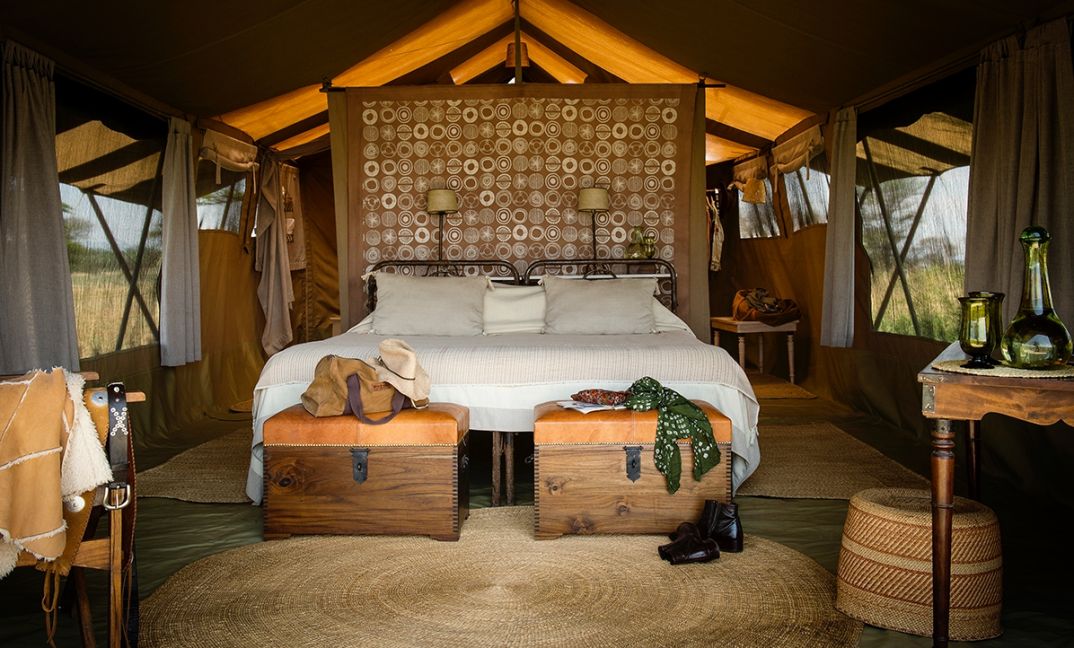
Lemala Kuria Hills is the refined option in the north: 15 glass-fronted tented suites among the kopjes (rocky outcrops), each with a balcony and its own plunge pool, plus a main pool, a fire pit and a spa tent. It sits right on the migration route and close to the crossing points, so you can be at the river quickly when the herds start to move, then come back to real comfort.

The lodge runs on solar power and suits couples who want luxury without losing the wilderness feel. Stars over the kopjes at night are spectacularly clear this far from any town.


Lemala Mara
Lemala Mara is a seasonal tented camp that’s super close to the Mara River crossings, so you spend less time driving and more time at the river. It’s where we were having lunch when we saw a huge herd start to cross, jumped into the Land Cruiser and raced down to watch. Tents are comfortable rather than lavish, which suits people who care most about being close to the action.

Because it moves with the seasons, the camp keeps a light footprint, and the guides know exactly where the herds are gathering each morning.


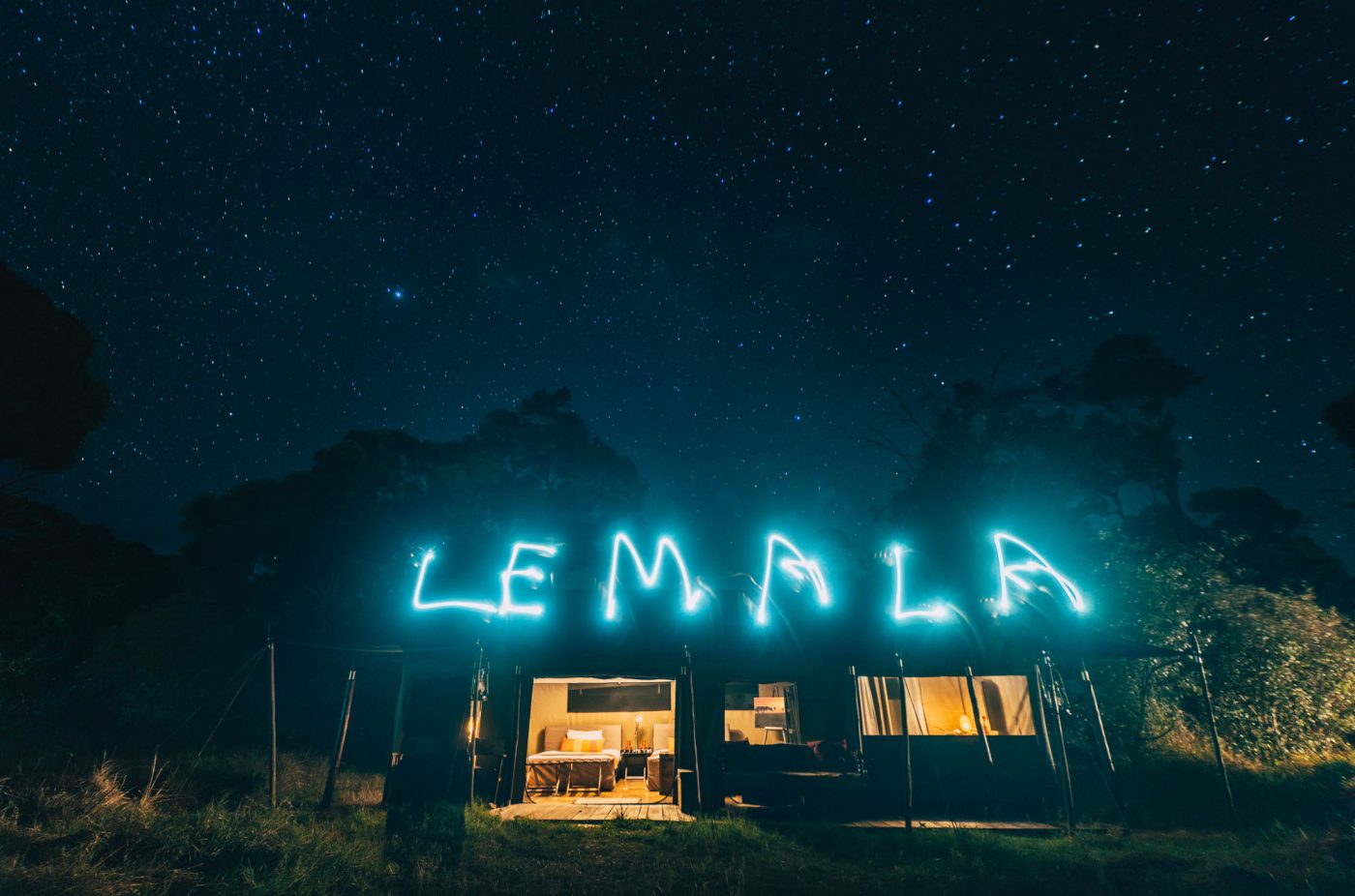
Lamai Serengeti and Asilia Sayari
Nomad’s Lamai Serengeti, built into a kopje overlooking the Mara River valley, and Asilia’s Sayari Camp, a luxury tented camp near the river, are two other well-regarded northern camps. Asilia also runs the Olakira mobile camp, which moves between the north and south with the herds. We haven’t stayed at these, but they’re consistently among the top-rated camps in the north.
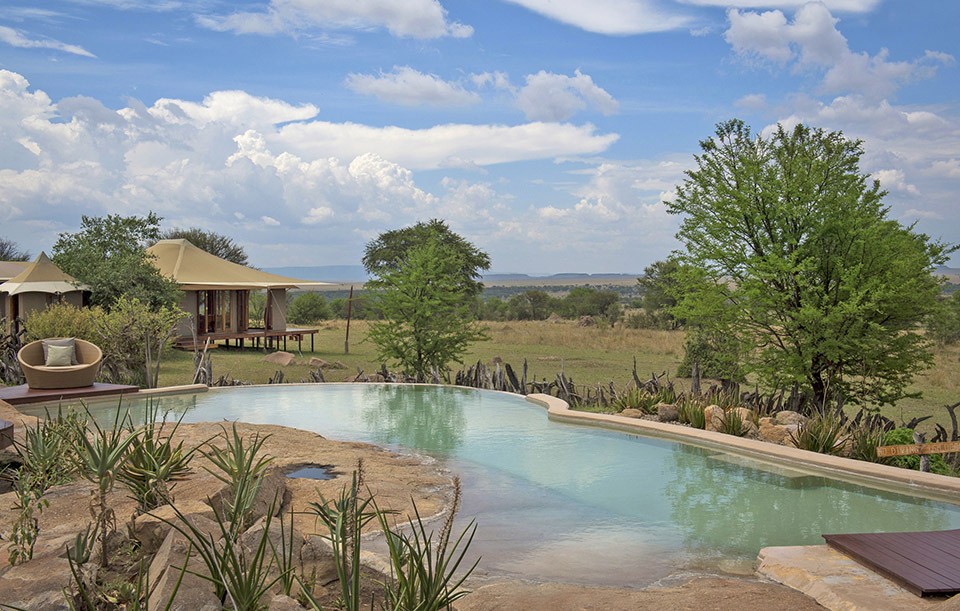
Asilia has a strong record on sustainability, supporting local schools and the Serengeti Cheetah Project, and its Dunia Camp in the central Serengeti made history as the park’s first camp run entirely by women. Its Namiri Plains camp, in the east, sits in prime cheetah country. Nomad Tanzania, which runs Lamai, funds de-snaring patrols, schools and clinics through its trust.
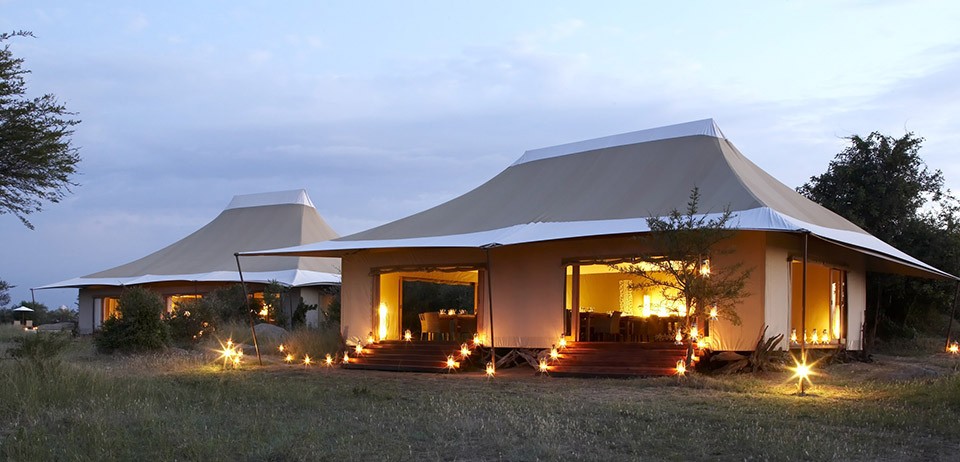

The Best Lodges in the Central Serengeti
Around Seronera, the central Serengeti has water and resident wildlife all year, which makes it the safest choice if your dates don’t line up with the migration.
Lemala Ewanjan
Lemala Ewanjan is what we call cat city: it sits in a prime area of the central Serengeti with excellent access to lions, leopards and cheetahs, and it’s the camp we returned to on our group trip in December 2024. The tented suites are spacious and comfortable, and it’s a great base for a first safari.

From Ewanjan you can also take a hot-air balloon flight over the plains at sunrise, followed by a bush breakfast.


Lemala Nanyukie
Lemala Nanyukie is Lemala’s newest lodge, in the eastern part of the central Serengeti, and by far the least crowded of the camps we’ve stayed at: you’ll often have sightings completely to yourself. It’s a luxury tented lodge with a pool, a spa and sundowners on the plains.

It’s a short drive from the Seronera area, so you can reach the central Serengeti’s cats and still come back to a quiet camp.


Four Seasons Safari Lodge Serengeti
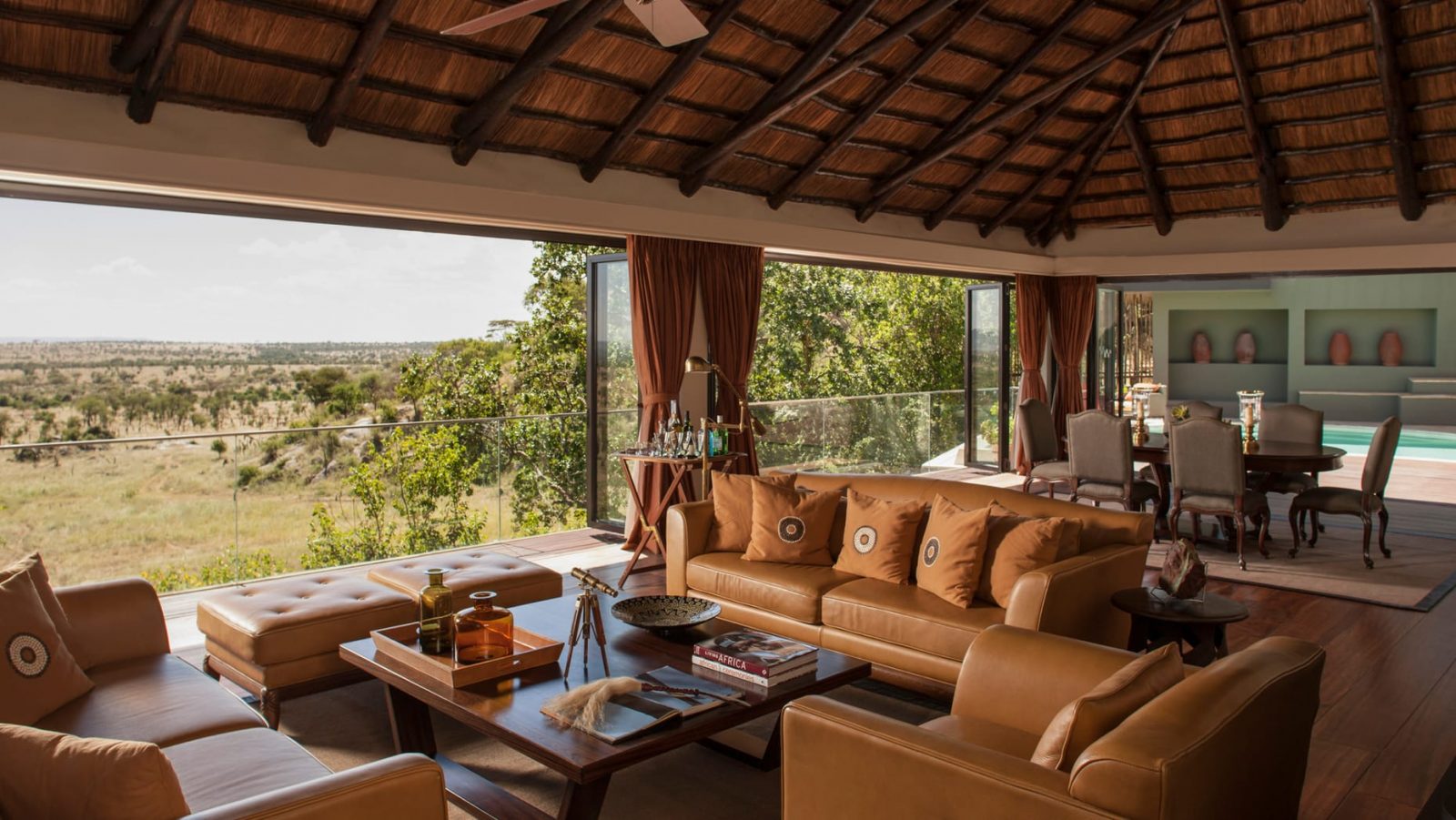
Four Seasons Safari Lodge Serengeti, rated 9.8 on Booking.com, is the most hotel-like option in the park: rooms with African-inspired design, an infinity pool overlooking a waterhole visited by elephants, a spa, several restaurants and a kids’ club. It also runs a discovery centre and works with local conservation projects. It’s the choice for families and anyone who wants full luxury and facilities.

Rates are among the highest in the park, but they include meals and many activities, and the lodge’s location in the centre of the park means good game viewing in every season.
Serengeti Serena Safari Lodge
Serengeti Serena Safari Lodge, rated 9.1 on Booking.com, is a classic lodge built in the style of a Maasai village, with a pool and sweeping views over the central plains. It’s one of the better-value options inside the park.


The Best Lodges in the Southern and Western Serengeti
Lemala Ndutu
Lemala Ndutu is the Mara camp’s counterpart for the opposite season: from December to March it sits near Ndutu in the southern Serengeti, where the herds gather to give birth. Calving season brings huge numbers of animals, newborn wildebeest and some of the most dramatic predator action of the year.

The camp closes outside the calving months, so book early for January and February, the peak of the season.


Mwiba Lodge
Mwiba Lodge, in a private reserve on the southern edge of the Serengeti, is an ultra-luxury lodge close to the calving grounds and the Ngorongoro Conservation Area, so it’s easy to combine with the Ngorongoro Crater. Being on private land, it can offer walking safaris and night drives that aren’t allowed in the national park.
Singita Grumeti
In the Grumeti Reserve, bordering the Western Corridor, Singita runs some of the most exclusive lodges in Africa, including Singita Sasakwa, an Edwardian-style manor with hilltop cottages and private pools, and the riverside Faru Faru. From May to July, the herds cross the Grumeti River nearby. If you’re after the top end of safari luxury, this is it; &Beyond also has a camp in Grumeti, and we wrote about our &Beyond Tanzania safari.
Mobile Camps That Follow the Migration
Mobile camps move several times a year to stay close to the herds, so you get front-row seats whatever the month. Kichakani, an A&K Sanctuary camp, is one of the best known: ten tents with private verandas and bucket showers, in the southern Serengeti from about December to March and the north from June to November. Asilia’s Olakira does the same.
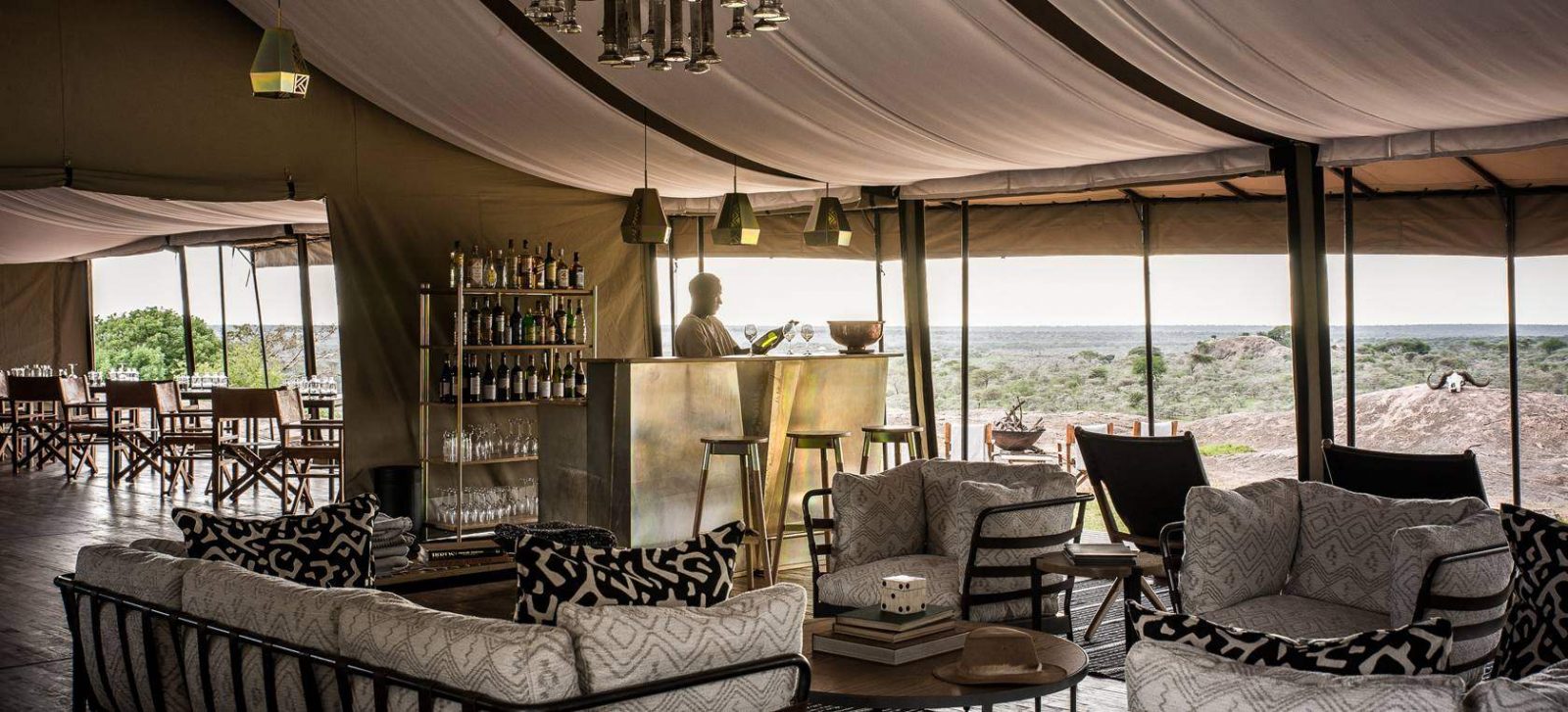
The trade-off is fewer facilities than permanent lodges, and some close during the April and May rains, but for migration-focused trips they’re hard to beat.
Lodges, Tented Camps and Mobile Camps: What’s the Difference?
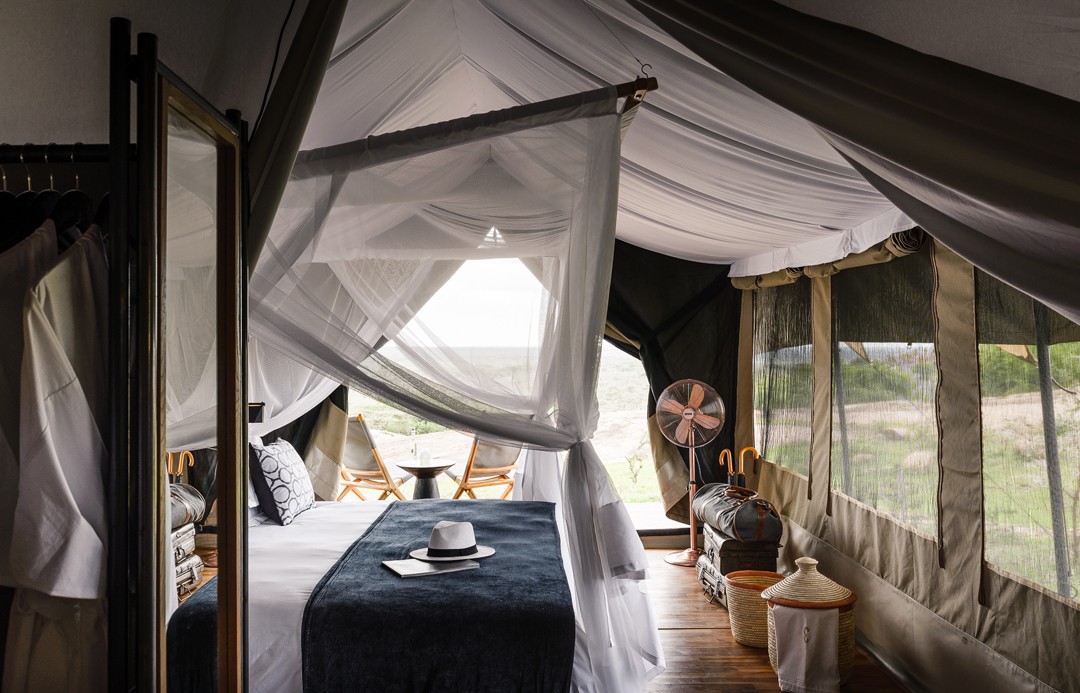
Lodges are permanent buildings with more facilities: pools, spas, Wi-Fi and restaurants. Four Seasons and Serena are the classic examples. Tented camps use canvas tents, but don’t expect camping: they have real beds, en suite bathrooms and often private decks, and the thin walls let you hear the bush at night. Mobile camps are tented camps that move with the migration.
For atmosphere, we prefer tented camps; there’s nothing like hearing lions roar in the dark from a comfortable bed. For families or anyone who wants a pool and air conditioning, a lodge is easier.
What a Day at a Serengeti Camp Looks Like
On our stays, the days followed a rhythm that’s similar at most camps. A wake-up call with coffee before dawn, then out on a game drive as the light comes up, when predators are most active. Breakfast is often a picnic in the bush, or back at camp mid-morning. The middle of the day is for lunch, a nap or the pool, while the animals shelter from the heat.
In the late afternoon you head out again, and the day ends with sundowners on a kopje as the sun drops over the plains, then dinner around a fire or under the stars. At night, you’re walked to your tent by a guide, because animals wander through unfenced camps; hearing lions or hyenas nearby from your bed is part of the experience. On migration days, all of this goes out the window when your guide gets word that a crossing is about to start.
How to Get to the Serengeti
Most visitors fly into Kilimanjaro International Airport or Arusha, then either drive or fly into the park. The drive from Arusha to the central Serengeti takes about seven to eight hours, usually broken with a night near the Ngorongoro Crater or Lake Manyara. Light aircraft fly daily from Arusha to airstrips across the park, including Seronera (central), Kogatende (north) and Ndutu (south), in about one to two hours, which is how most people reach the northern camps.
If you’re combining regions, flying between airstrips saves long drives, and many camps include airstrip transfers. Our Ngorongoro guide covers the drive in from the southeast.
Tips for Choosing a Serengeti Lodge
Location first, luxury second. A simple camp near the herds will give you a better safari than a palatial lodge in the wrong area for your month. Stay three nights or more per camp. Wildlife sightings are about time in the field, and moving every night wastes hours in transit. Combine two areas. On a week-long trip, splitting your nights between the central Serengeti and the north (July to October) or the south (December to March) gives you both cats and the migration.
Check the guiding. A great guide matters more than the thread count; ask about guide experience and vehicle sharing. Look at sustainability. Camps that run on solar power, employ local staff and fund conservation are better for the Serengeti. Check children’s policies. Many tented camps have minimum ages, often six or older, and some only allow children on private vehicles.
How Much Does a Serengeti Lodge Cost?
Serengeti lodges range from a few hundred US dollars per person per night at mid-range lodges to well over US$1,500 at the top luxury camps in peak season. Most tented camps are all-inclusive (meals, drinks and game drives), but national park and concession fees, set by Tanzania National Parks, are usually extra and can add a significant amount per person per day, so ask what your rate includes. Prices drop in the green season (November and April to May), and many camps offer stay-four-pay-three deals.
Most visitors book lodges as part of a safari package with an operator, which bundles the camps, flights or drives, and a guide. If you’d rather start with a shorter trip, the 3-day Serengeti and Ngorongoro safari from Arusha is rated 4.8 out of 5.
A small-group safari from Arusha to the Serengeti and the Ngorongoro Crater, rated 4.8 out of 5.
3 days · small group · a good taster before a longer camp stay
Whatever you book, make sure your travel insurance covers medical evacuation from remote areas; we use SafetyWing. Our safari packing guide covers what to bring.
Beyond the Serengeti
Most Serengeti safaris start in Arusha and combine the park with Tarangire, Lake Manyara and the Ngorongoro Crater on the northern circuit. Lake Manyara, a few hours’ drive from the Serengeti, is known for its tree-climbing lions and birdlife, and it’s an easy stop on the way in or out.


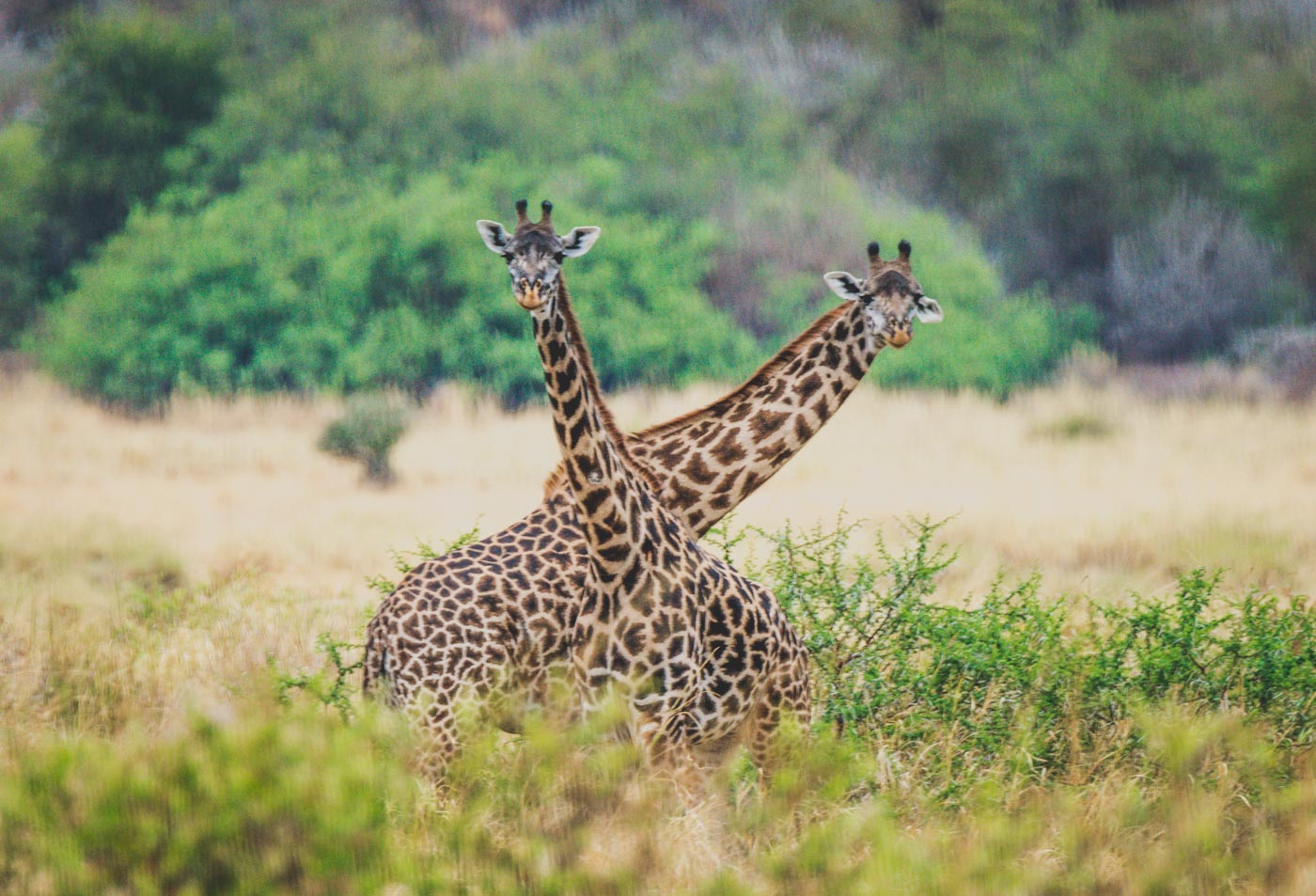
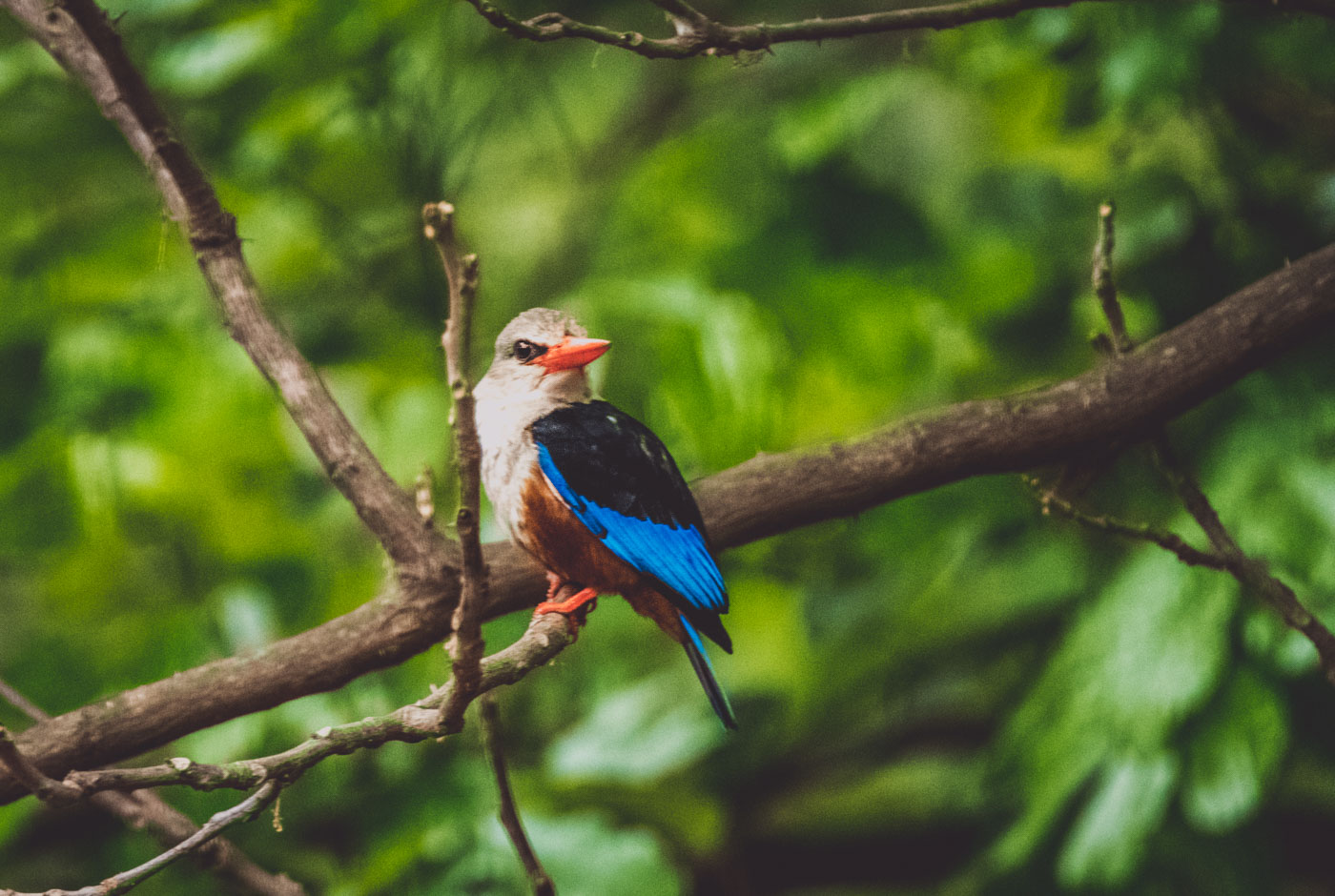
Many travellers finish with a few days on the beach in Zanzibar, where the diving at Mnemba Island is excellent, or tackle Kilimanjaro before the safari. For the wildlife to look for, see our guide to the Big Five in Tanzania.
Frequently Asked Questions
What is the best lodge in the Serengeti?
It depends on your month: Lemala Kuria Hills or Lemala Mara in the north from July to October, Lemala Ndutu or Mwiba in the south from December to March, and Lemala Ewanjan, Nanyukie or Four Seasons in the central Serengeti year-round.
Where should I stay in the Serengeti to see the migration?
The north (around Kogatende) from July to October for the river crossings, the south (Ndutu) from December to March for calving, and the Western Corridor from May to July for the Grumeti crossings.
How much does a Serengeti lodge cost?
From a few hundred US dollars per person per night for mid-range lodges to well over US$1,500 for top luxury camps, usually including meals and game drives; park fees are often extra.
What is the difference between a lodge and a tented camp?
Lodges are permanent buildings with more facilities; tented camps use canvas tents with real beds and bathrooms; mobile camps move to follow the migration.
Is it better to stay in the northern or southern Serengeti?
It depends on your dates: the north for July to October crossings, the south for December to March calving. The central Serengeti is good all year.
When is the best time to go on safari in the Serengeti?
June to October for dry-season game viewing and the river crossings; January to February for calving in the south.
Do Serengeti lodges include game drives?
Many all-inclusive camps do, while others charge separately; national park fees are usually extra. Check what your rate covers.
Which Serengeti lodges suit a family with young kids?
Lodges with pools and family rooms, such as Four Seasons, are easiest; many tented camps set minimum ages for children, so check before booking.
Final Thoughts
Having stayed at every Lemala camp across two years, we’ve learned that each has its own strengths: Mara for being close to the crossings, Ndutu for the calving season, Ewanjan for big cats, Kuria Hills for refined luxury and Nanyukie for having the plains to yourself. Pick the region first, then the camp, and you’ll be in the right place for the moment you came for. Nothing we’ve done on safari beats watching a crossing unfold from a few metres away.

If you’re still planning, read our guide to planning a safari in the Serengeti, our tips for a responsible East Africa safari, and our comparison of the best places for a safari in Africa. Which camp would you choose?

Whatever you choose, book early for July to October, when the best northern camps fill a year ahead.


Leave a Reply