
Guanacaste is known as the “sunny side of Costa Rica” due to the fact that it is sunny most of the year. For those in search of sunny skies and for a sandy vacation, head to the beautiful beaches in Guanacaste to get your fix.
*This post may contain affiliate links, as a result, we may receive a small commission (at no extra cost to you) on any bookings/purchases you make through the links in this post. As an Amazon Associate, we earn from qualifying purchases. Read our full disclosure
The province of Guanacaste, Costa Rica, really has it all, which makes it so popular with tourists and locals. Not only are Guanacaste beaches some of Costa Rica’s best, but they also offer plenty of activities, ranging from snorkelling, scuba diving, diving safaris, kayaking, jet skiing, fishing, surfing, and sailing.
Dozens of beaches span along the Pacific Coast of Guanacaste, Costa Rica and these are the best of them!
Traveling Soon? Here is a list of our favourite travel providers and accessories to help get you ready for your upcoming trip!
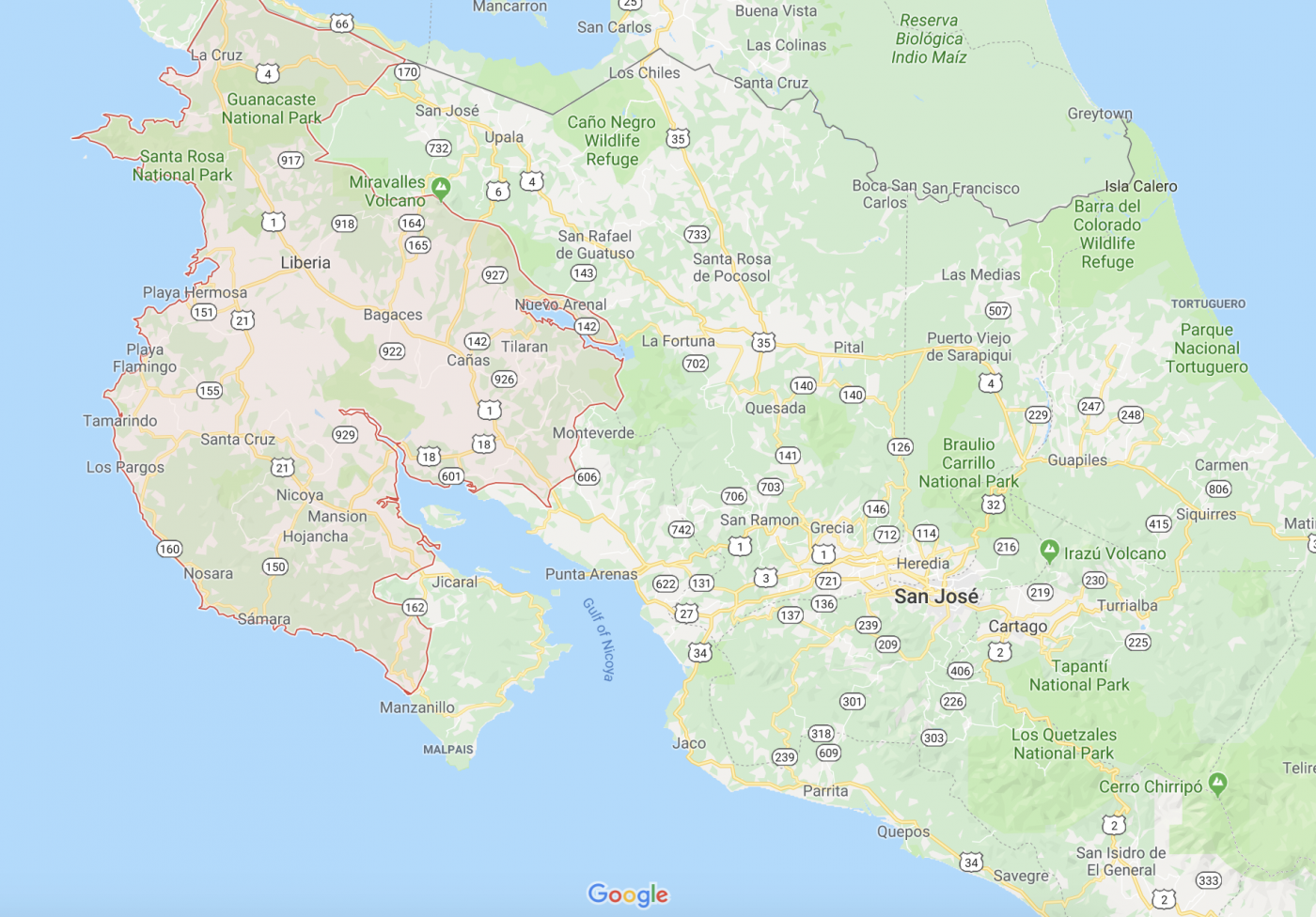
1. Playa Hermosa
Playa Hermosa is one of the more popular beaches in the North of Guanacaste. It’s about a 30-minute drive from the Daniel Oduber International Airport in Liberia, roughly 27km (17 miles) away. This is the type of beach to escape to if all you want to do is get some much-needed R&R.
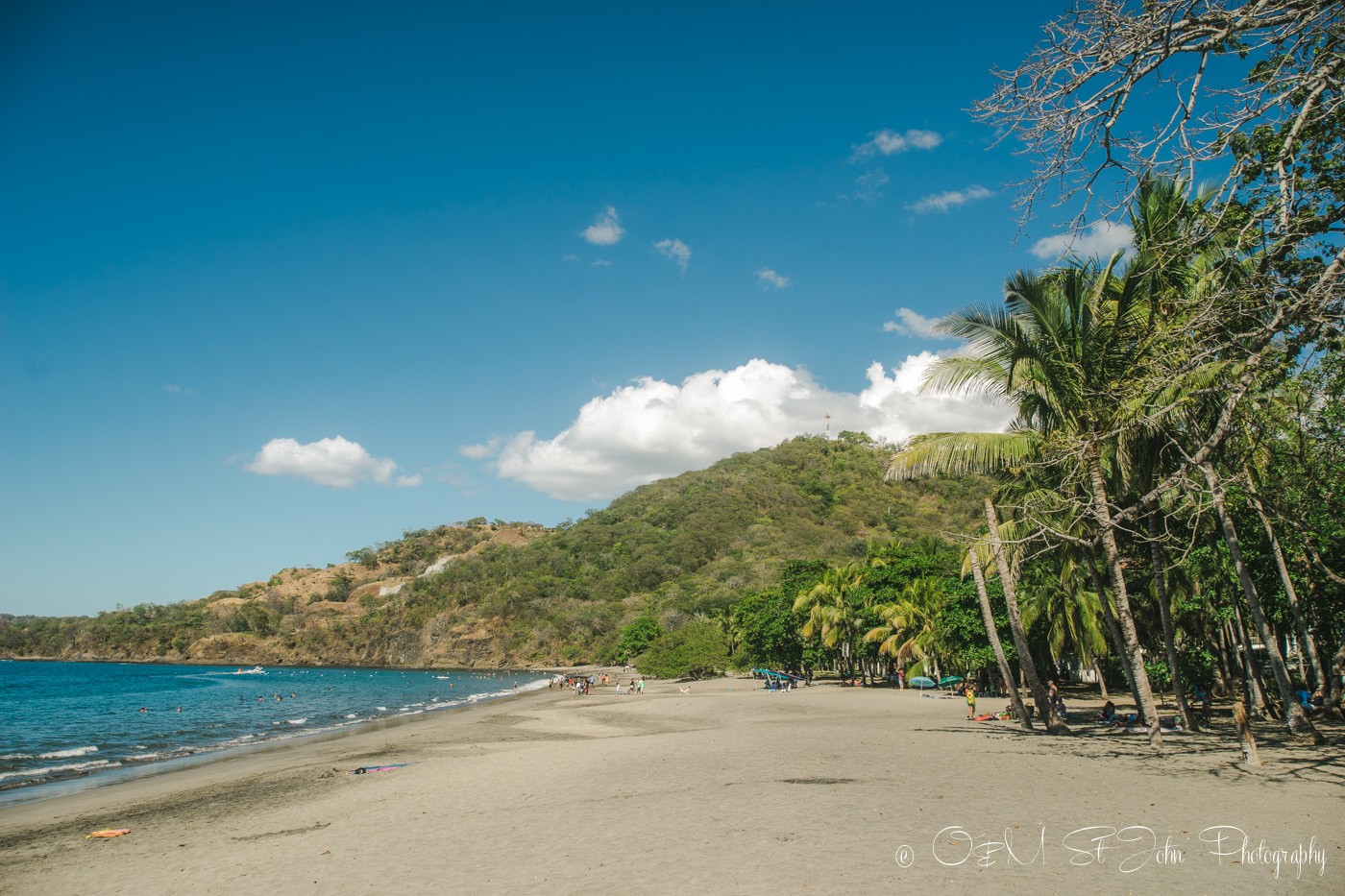
Hermosa means ‘beautiful’ in Spanish, which is a no-brainer to describe the beauty of this aquatic gem. Although located between Playas del Coco and Playa Panama, Hermosa doesn’t see as many crowds as its close neighbours. Stretching 2 km (1.25 miles) wide, Hermosa boasts plenty of trees for optimal shade.
There are lots to do on Playa Hermosa – including swimming, snorkelling and diving safaris, kayaking, jet skiing, and more – but the main activity on this beautiful beach is relaxing! However, if you are looking for some adventure in the area, you’ll find it just 1 hour away in Rincon de la Vieja National Park.
When it comes to sustainability, Playa Hermosa demonstrates high environmental standards and excellent safety facilities, making it a winner of the Bandera Azul or Blue Flag award. Hermosa has a small selection of dining options, which tend to be on the higher end in comparison to other spots in Costa Rica.
2. Playas Del Coco
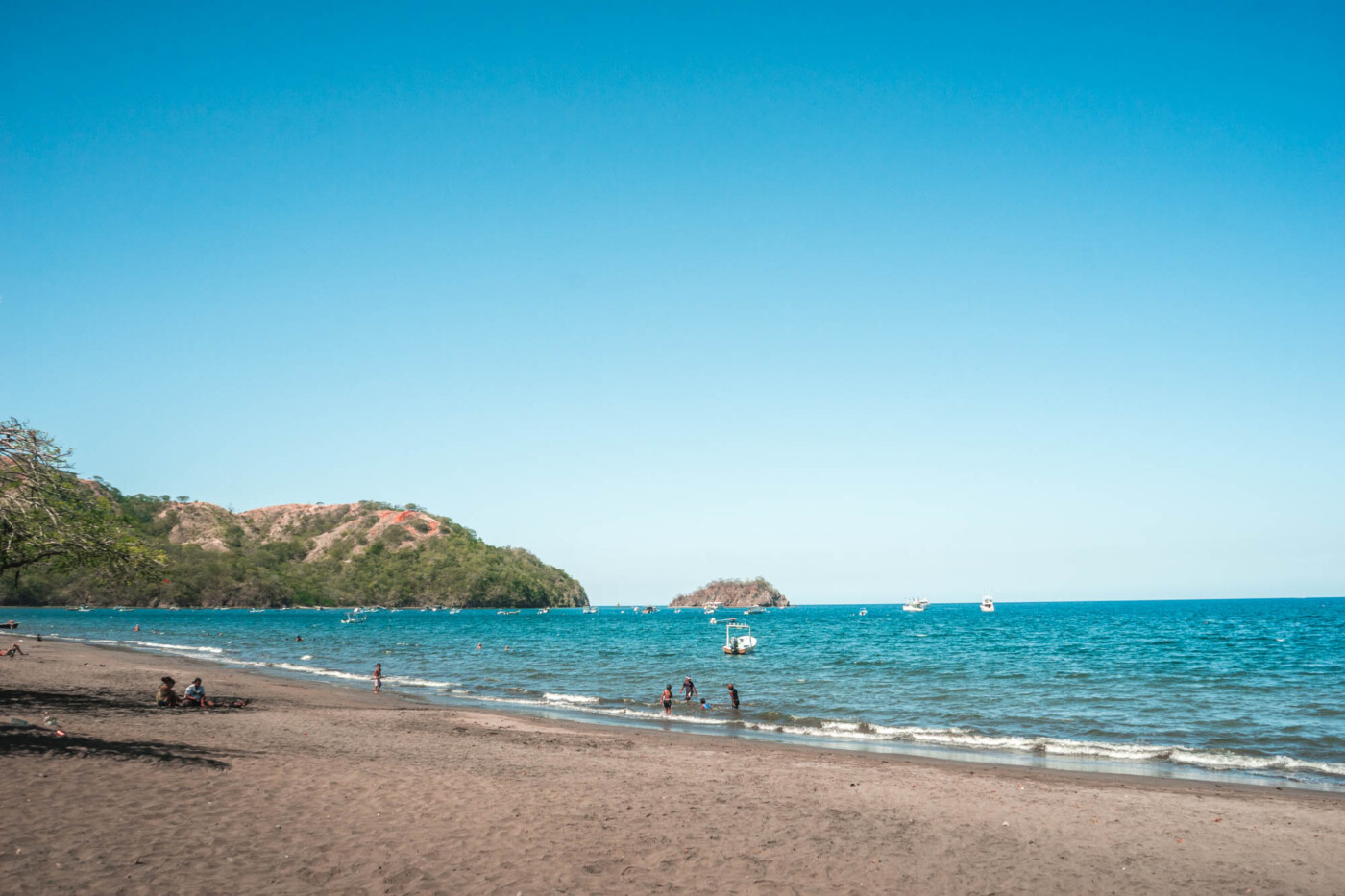
As one of the oldest Guanacaste beaches, Playas del Coco is known for drawing in foreign and local visitors seeking fun in the sun. Located only 30 minutes away from the Daniel Oduber International Airport in Liberia, Playas del Coco is well-situated close to many amenities. There are plenty of hotels, restaurants, markets, and shops in Playas del Coco, making it a popular destination to base yourself while exploring Guanacaste.
Despite the fact Costa Rica’s Pacific Coast is known for great surfing beaches, you won’t be able to find waves at Playa del Coco. But other water activities, like sports fishing, kayaking, sailing and more, are available in Playa del Coco.
READ NEXT: Guide to Visiting Playa del Coco
3. Playa Ocotal
3 km (1.85 miles) south of Playa del Coco lies Playa Ocotal, which is known to be one of the cleanest and quietest of Guanacaste beaches and another awardee of the ecological Blue Flag Program. From the Liberia Airport, this peaceful spot is only a 40-minute drive away.
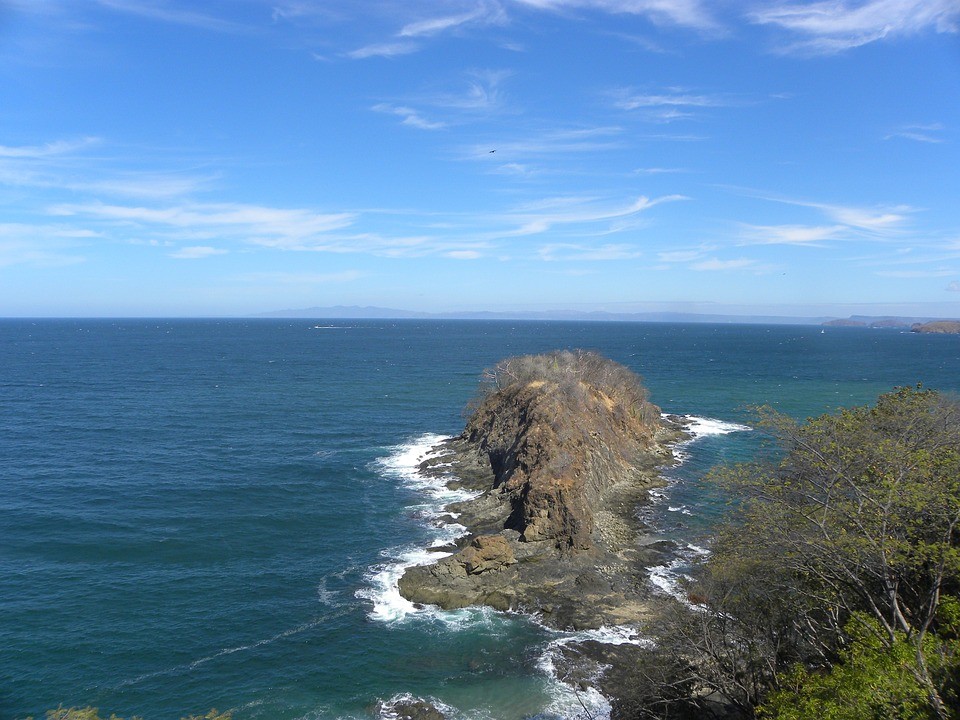
This hidden gem, located in the Guanacaste province, boasts soft, golden sands bordered by lush greenery and striking rock formations, creating a stunning backdrop against the azure waters of the Pacific Ocean.
Playa Ocotal is renowned for its clear, calm waters, making it an ideal spot for swimming, snorkelling, and diving enthusiasts. The underwater world teems with vibrant marine life, fish, turtles and even sharks, and colourful coral reefs, offering a peaceful experience for nature lovers.
4. Playa Grande
Environmental enthusiasts will love exploring the Blue Flag-awarded Playa Grande – a key area of the Marino Las Baulas National Park.
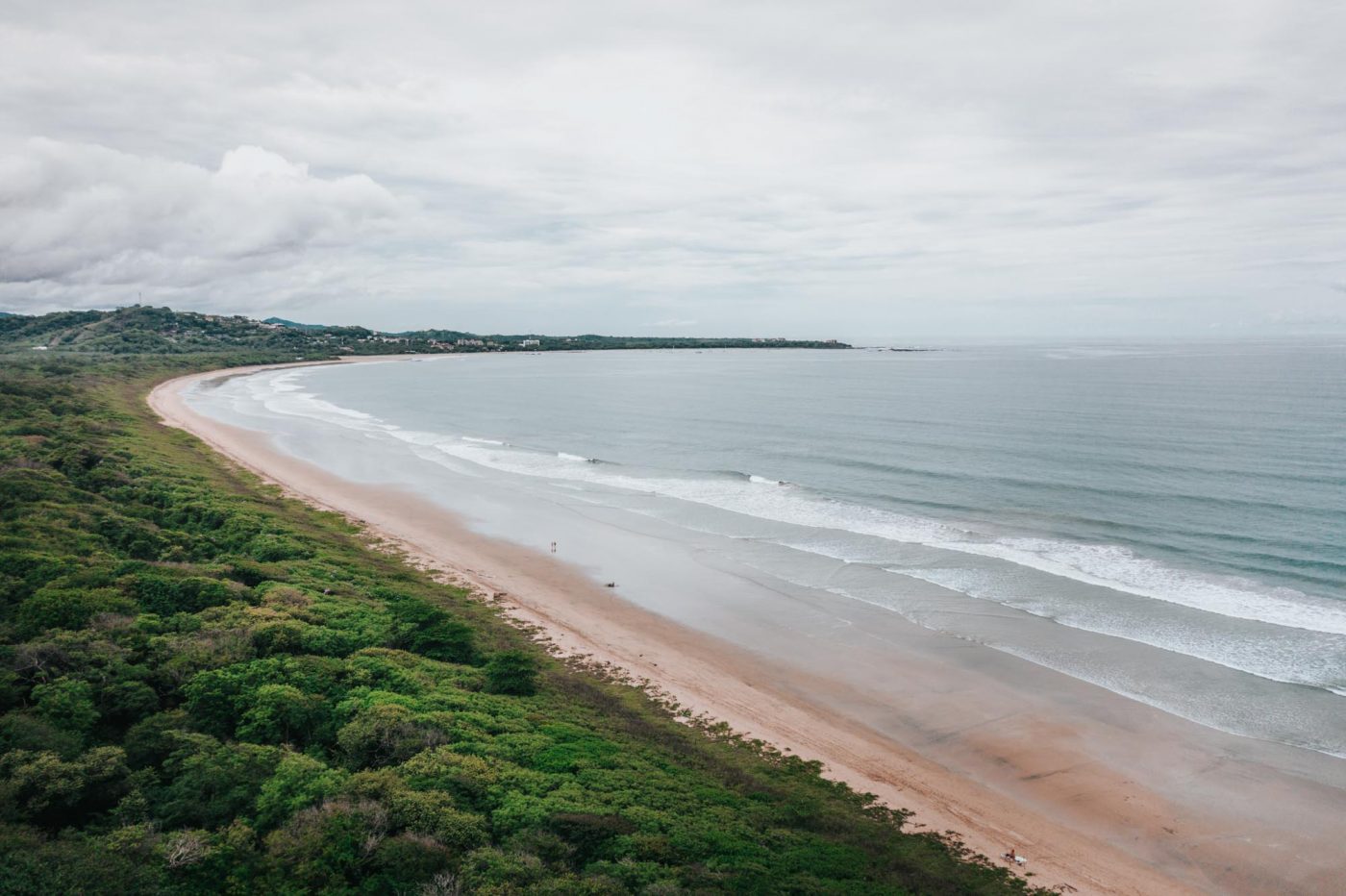
Playa Grande is only accessible in the daytime to help preserve the natural habitats of leatherback turtles that come ashore to build nesting sites and lay their eggs here between May and October. Driving to this side of the north Pacific Coast will take about 2 hours from the Liberia Airport.
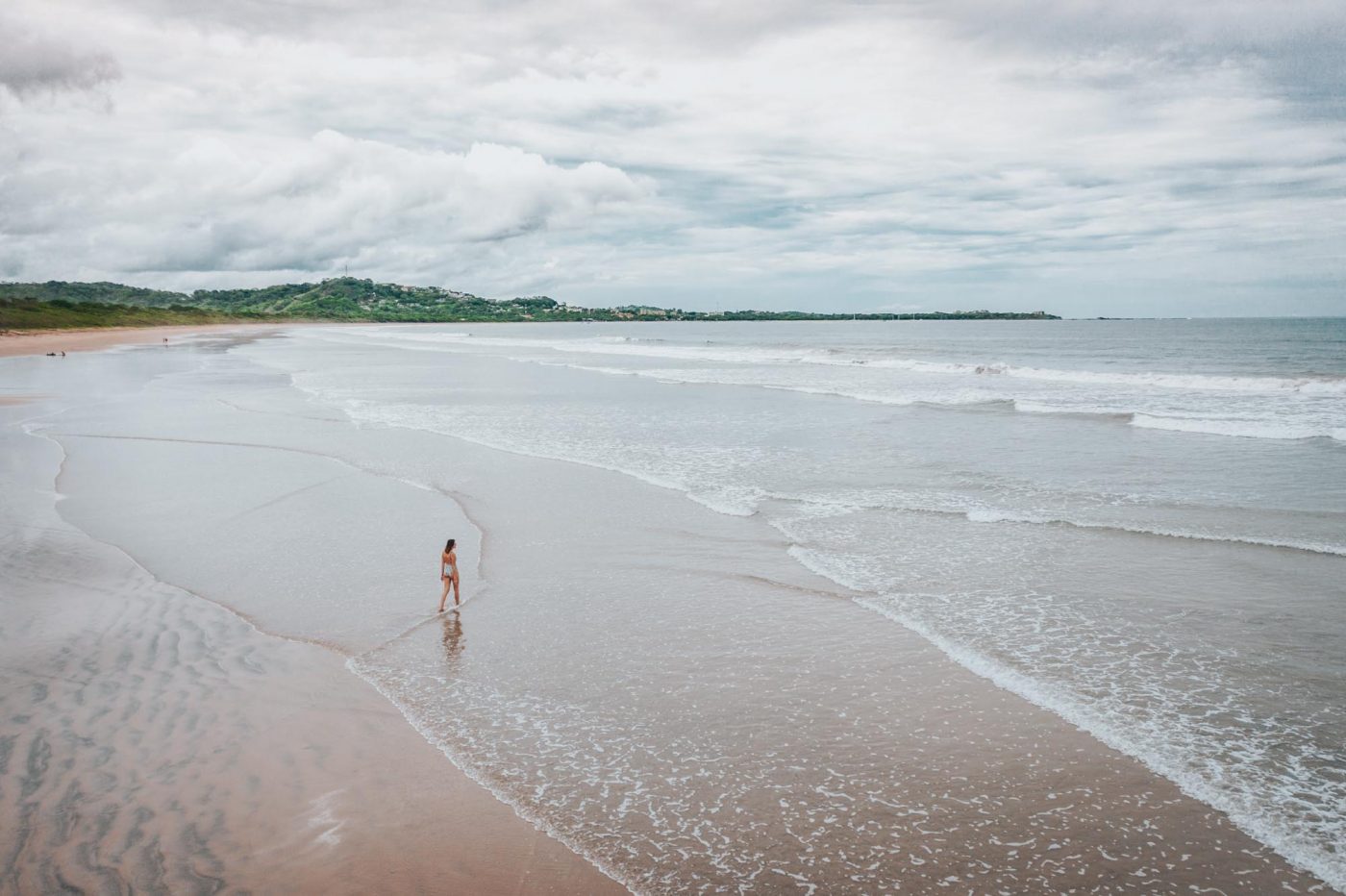
The locals take pride in preserving this beach to its most natural state and it is shown with its pristine sand and crystal clear waters. It creates a safe haven for the turtles to lay their eggs properly. The beach offers excellent surfing conditions. However, tough currents and steep sea bottom make it difficult to swim.
Another popular activity for nature lovers is to visit the Rio Matapalo Estuary for bird watching and to explore wildlife.
READ NEXT: Guide to Visiting Playa Grande, Costa Rica
5. Playa Flamingo
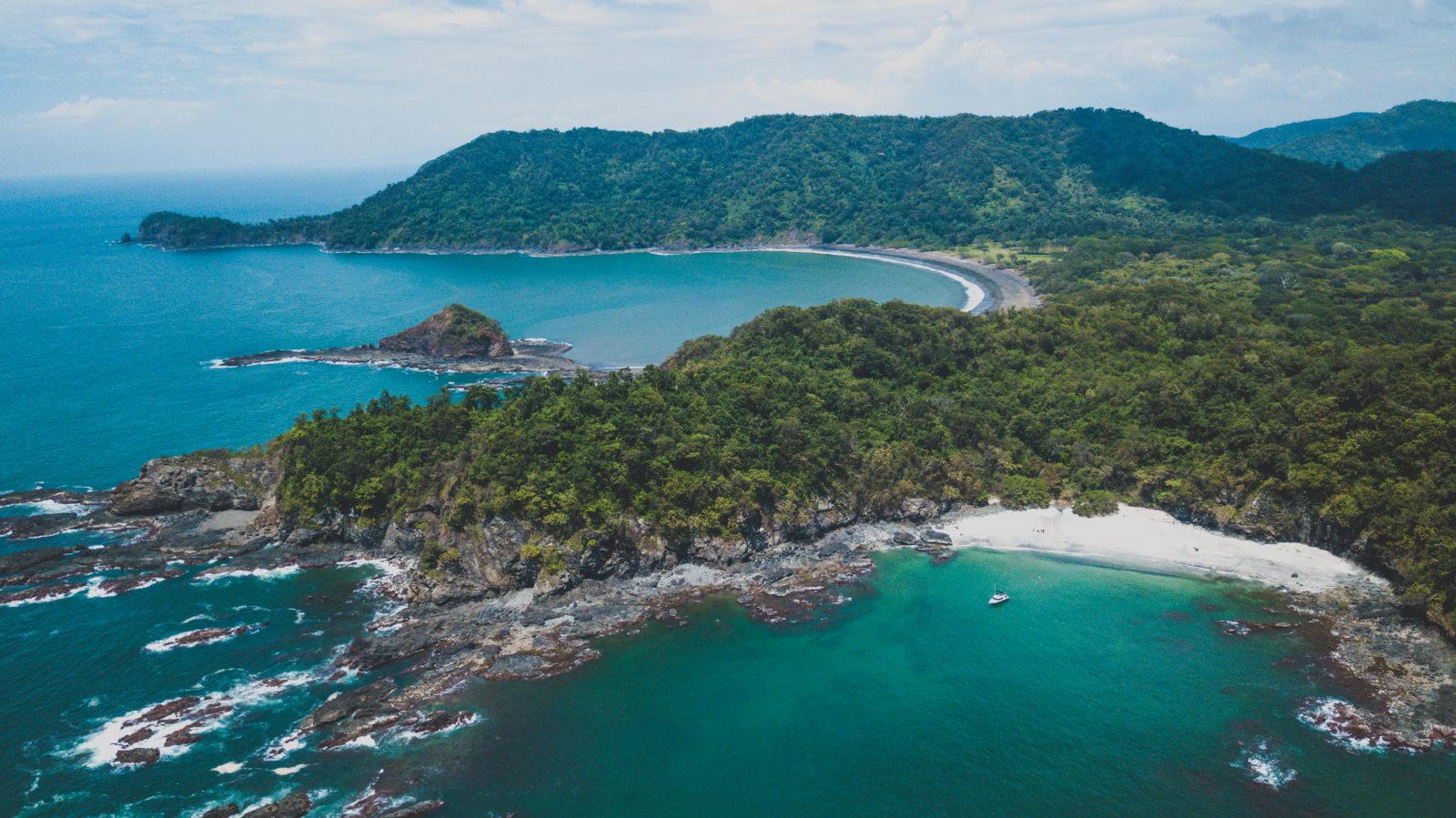
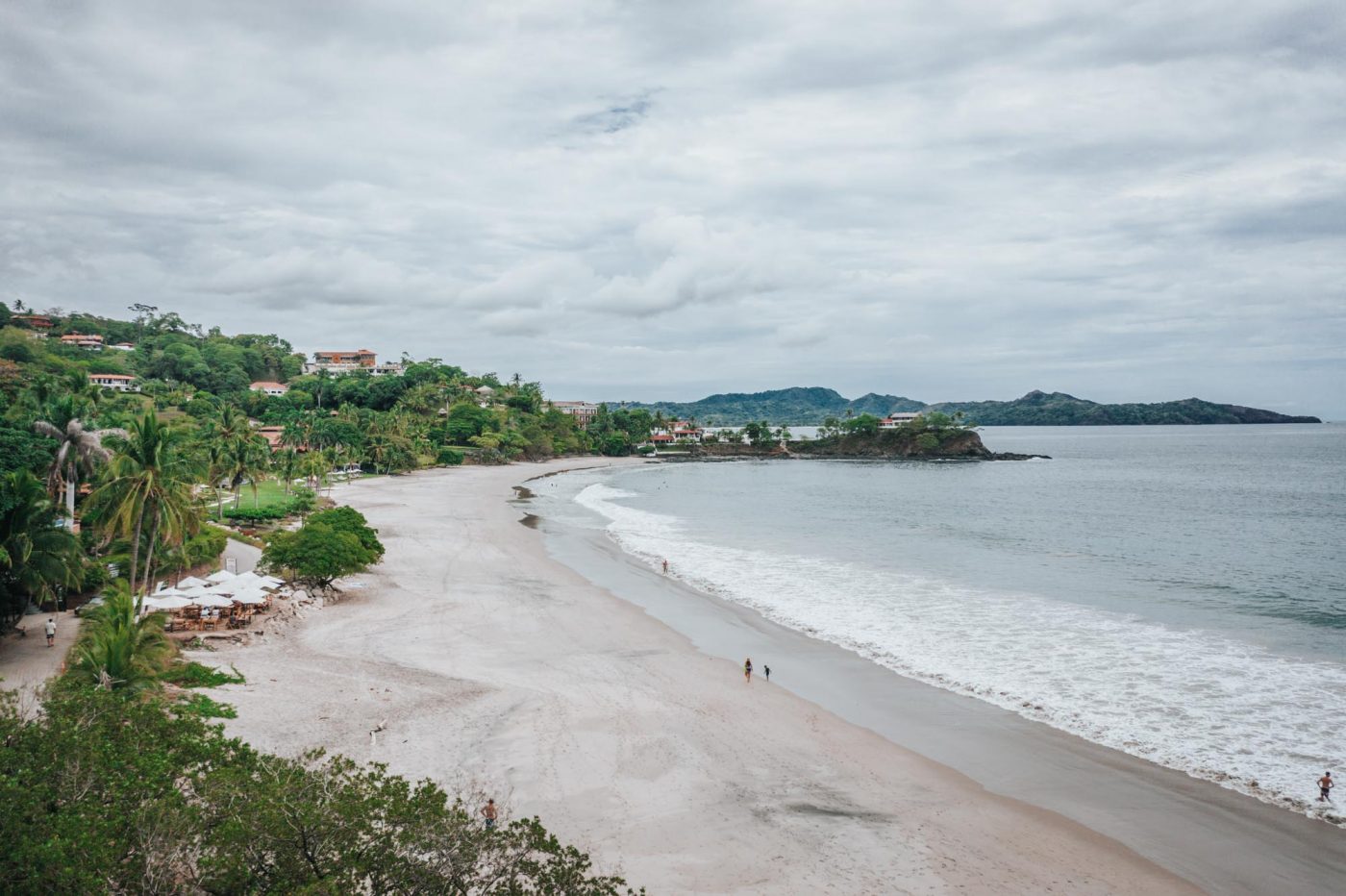
Playa Flamingo or Flamingo Beach is situated on Costa Rica’s Pacific coast in Guanacaste. It is a popular beach destination known for its wide, sandy shores and calm waters.
Unlike some of its more secluded counterparts, Playa Flamingo caters to a mix of tourists and locals, offering a range of accommodations, restaurants, and activities. The beach itself is expansive, providing ample space for sunbathing and casual strolls along the shoreline.
The waters are relatively calm, making the beach suitable for various water sports and activities, including swimming and boating.
Playa Flamingo’s marina is a hub for fishing excursions and boat tours, allowing visitors to explore the nearby coastal waters. The surrounding area features a mix of residential and commercial developments, providing convenient access to amenities.
READ NEXT: Visiting Playa Flamingo | Costa Rica Guide
6. Playa Conchal
Playa Conchal, situated on the Guanacaste coast of Costa Rica, offers a unique coastal experience distinct from its neighbouring beaches.
What sets Playa Conchal apart is its captivating shoreline, composed not of traditional sand but rather millions of crushed seashells, creating a distinctive and visually striking environment. The beach is known for its crystal-clear turquoise waters and gentle surf, making it an excellent spot for swimming and snorkelling.
Surrounded by lush greenery and nestled within a protected cove, Playa Conchal has a more secluded and natural ambiance compared to busier beaches in the region. Visitors can explore the nearby mangroves or take a leisurely walk along the shoreline, admiring the marine life visible through the clear waters. While the beach lacks the commercial development found in some other coastal areas, the exclusive W Conchal provides a luxurious accommodation option for those seeking a quieter and more nature-focused beach experience in Costa Rica.
It’s relatively easy to get here since the beach is conveniently close to two airports: the Tamarindo Airport (only a 20-minute drive away) and Liberia Airport (an hour away).
Note that unless you are staying at the W, Playa Conchal is not accessible by car, so if you want to spend a day enjoying its beautiful shores, plan to park at Playa Brasilito and walk for about 1km to reach the beautiful Playa Conchal!
7. Playa Brasilito
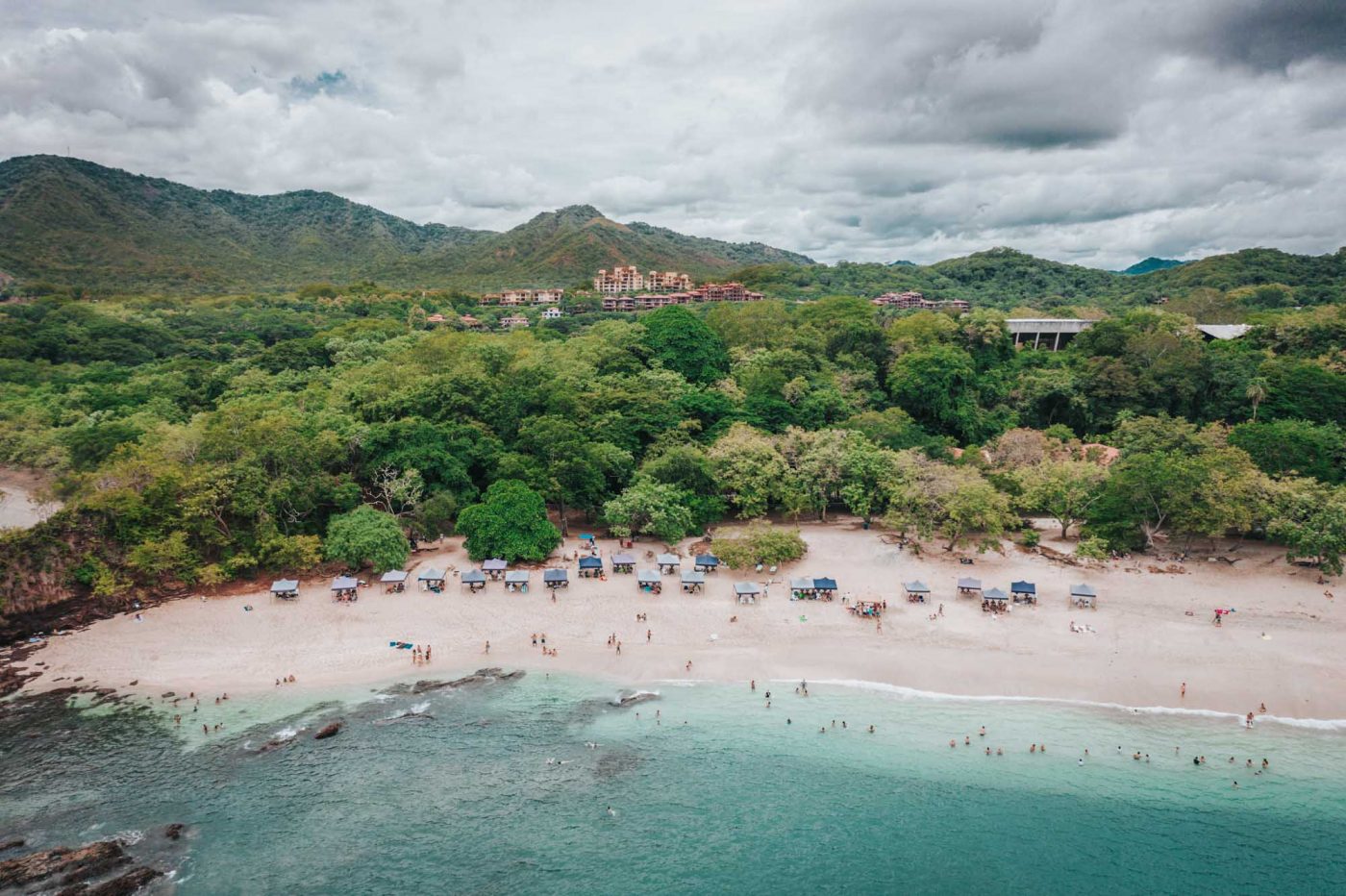
Unlike its neighbouring beaches, Playa Brasilito provides an authentic local vibe without the hustle and bustle of tourists.
Located 45 minutes away from the Liberia Airport and just a short distance from the town of the same name, Playa Brasilito, with its golden sands, is embraced by a local fishing community, creating a genuine and unpretentious atmosphere.
Unlike its more famous neighbours, this beach retains a rustic charm, with a small village feel and a handful of local restaurants serving delicious seafood dishes. The beach itself was awarded the Blue Flag status as one of the country’s cleanest and most well-maintained beaches. It is less crowded, providing a quieter setting for relaxation and reflection. While the surf is generally calm, it’s still suitable for swimming, and the beach offers a picturesque backdrop for leisurely walks at sunset.
8. Playa Tamarindo
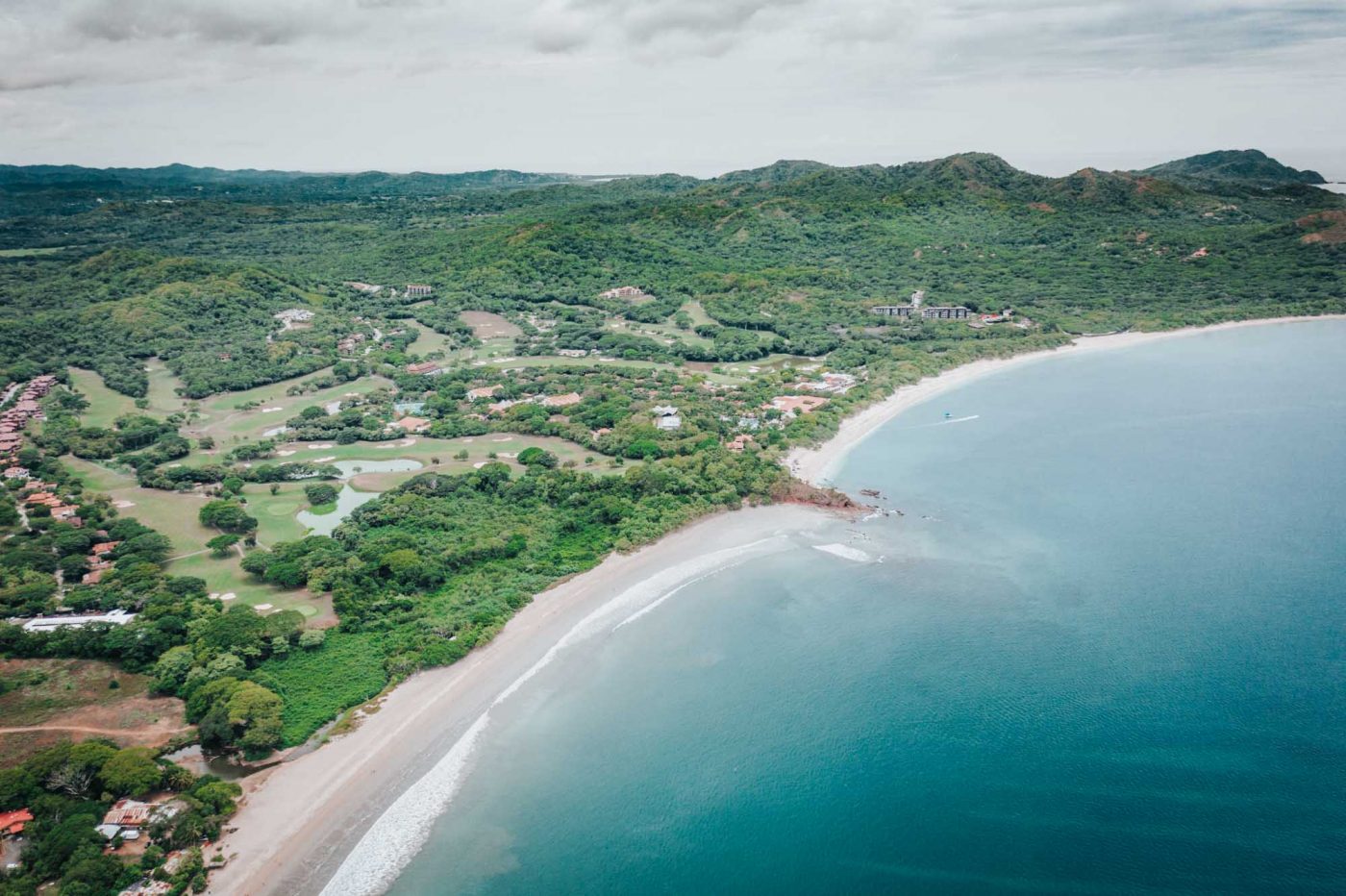
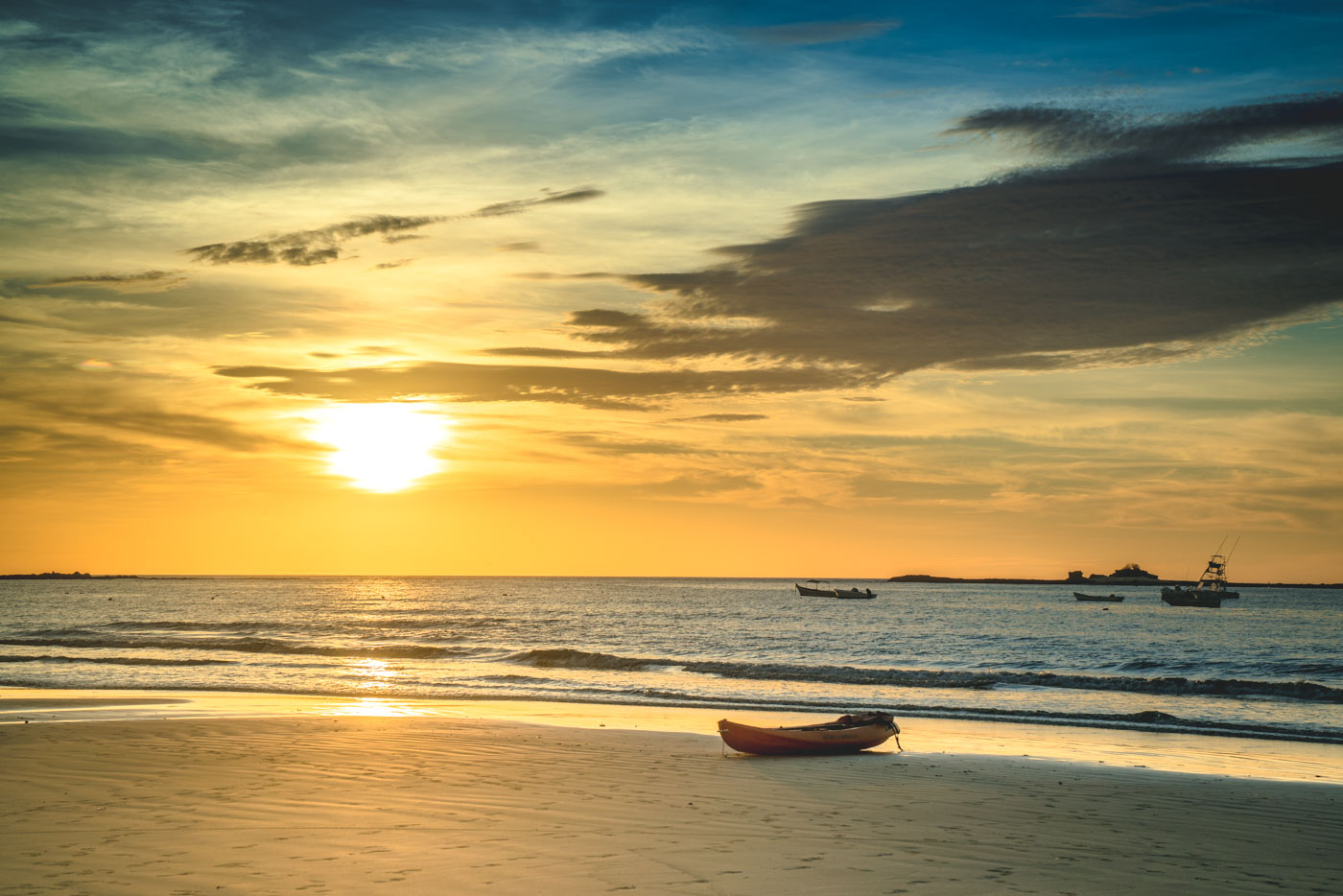
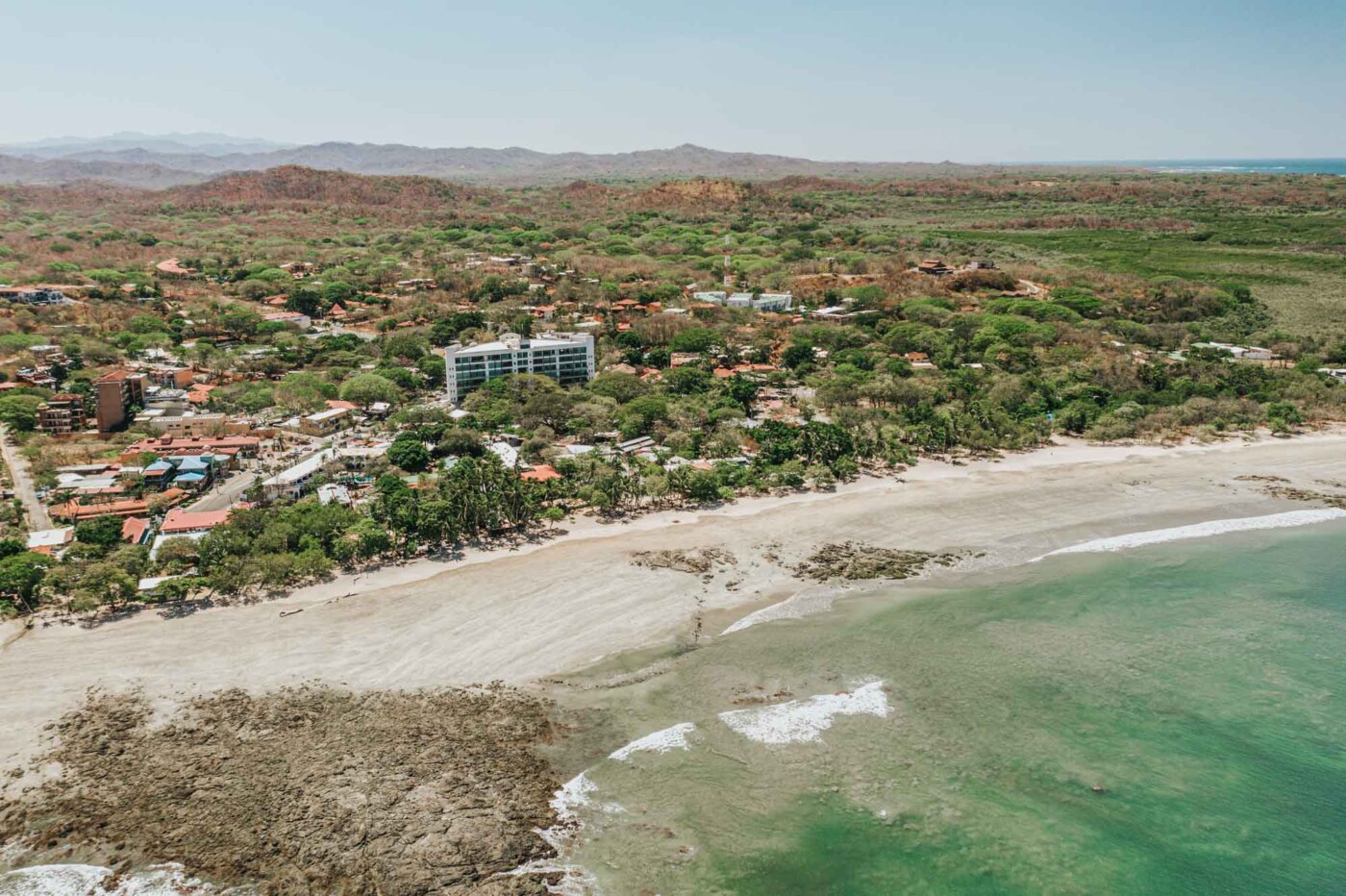
Playa Tamarindo, situated on the northwestern Pacific coast of Costa Rica, is a bustling and vibrant beach town known for its energetic atmosphere and diverse range of activities.
The beach features a long stretch of golden sand, attracting surfers, sunbathers, and beach enthusiasts alike. Tamarindo is renowned as a surfing hotspot, offering consistent waves suitable for both beginners and experienced surfers.
Playa Tamarindo is also perfect for swimming, relaxing, and sunbathing, with its 3.5km stretch of sandy, white beach.
But this Guanacaste beach offers more than just endless partying and surfing. Beyond the beach, the town is lined with a mix of surf shops, restaurants, and bars, creating a lively social scene.
Visitors can explore the estuary, home to diverse wildlife, or embark on boat tours for fishing or snorkelling excursions. While Playa Tamarindo is livelier compared to some of its tranquil counterparts, it remains a popular destination for those seeking a mix of beach relaxation, water sports, and vibrant nightlife.
READ NEXT: Best Things To Do In Tamarindo, Costa Rica
9. Playa Langosta
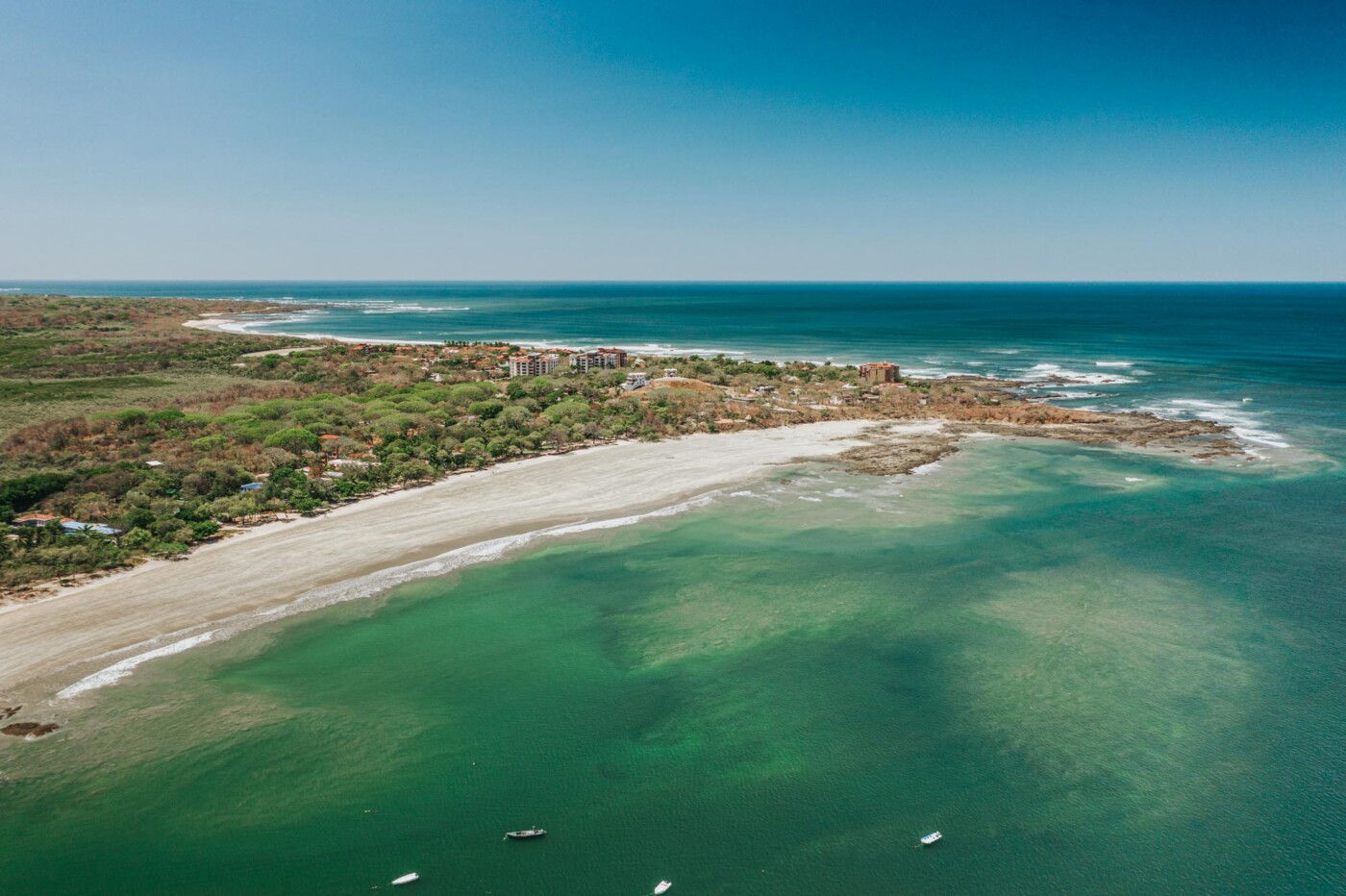
Located just south of Tamarindo and about 1 hour and 20 minutes from the Liberia Airport, Playa Langosta is one of the best beaches in Guanacaste to relax and unwind, even earning a Blue Flag for its shores.
Do some surfing, beach walking or boogie boarding, or simply lay on the sand with a good book and the sun shining down. There are only a few palm trees, which make for quality suntanning time. Here at Playa Langosta, you’ll find plenty of small bed and breakfasts and rental homes dotted along the shore. There are a few restaurants in Langosta, but more variety can be found in Tamarindo.
READ NEXT: Things to do in Playa Langosta, Costa Rica
10. Playa Avellanas
Surfers, get your boards ready and head to Playa Avellanas, also referred to by locals as “little Hawaii.” Playa Avellanas packs waves that reach up to eighteen feet high, making it the spot to check out for surfers of all experience levels (however, if you’re a novice, we’d recommend you do the smaller waves)! From the Liberia Airport, it’ll take you 1-2 hours to get here by car.
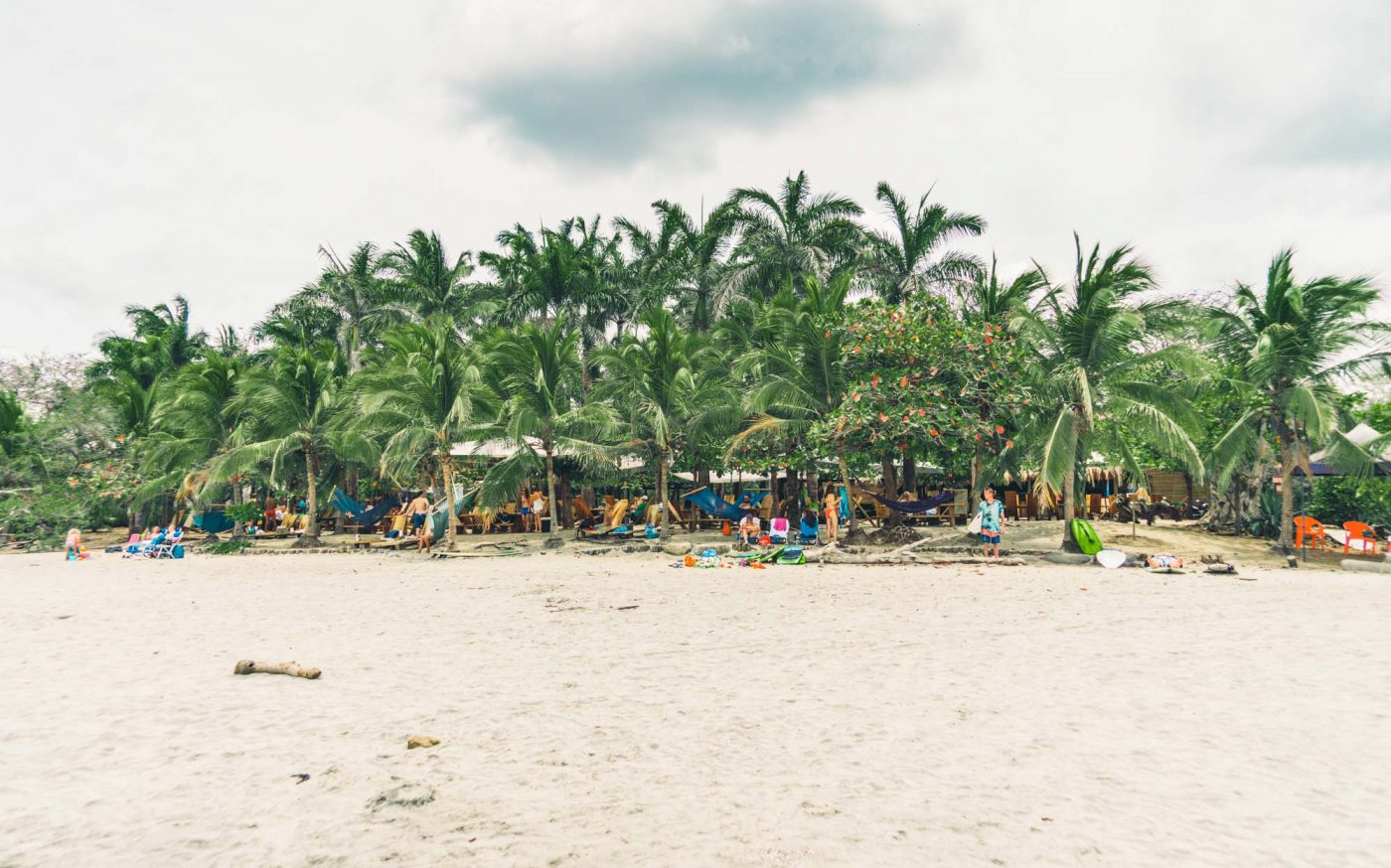
Playa Avellanas is a beautiful Blue Flag-status beach suitable not just for surfers, but for anyone looking to spend a day on the beach. The beach stretches for over 3 kms offering plenty of space to relax and catch some sun rays during the day.
The beachside restaurant, Lola’s, offers plenty of great food and drinks to keep you happily parked on this beach for hours on end!
READ NEXT: Best Things to do in Playa Avellanas
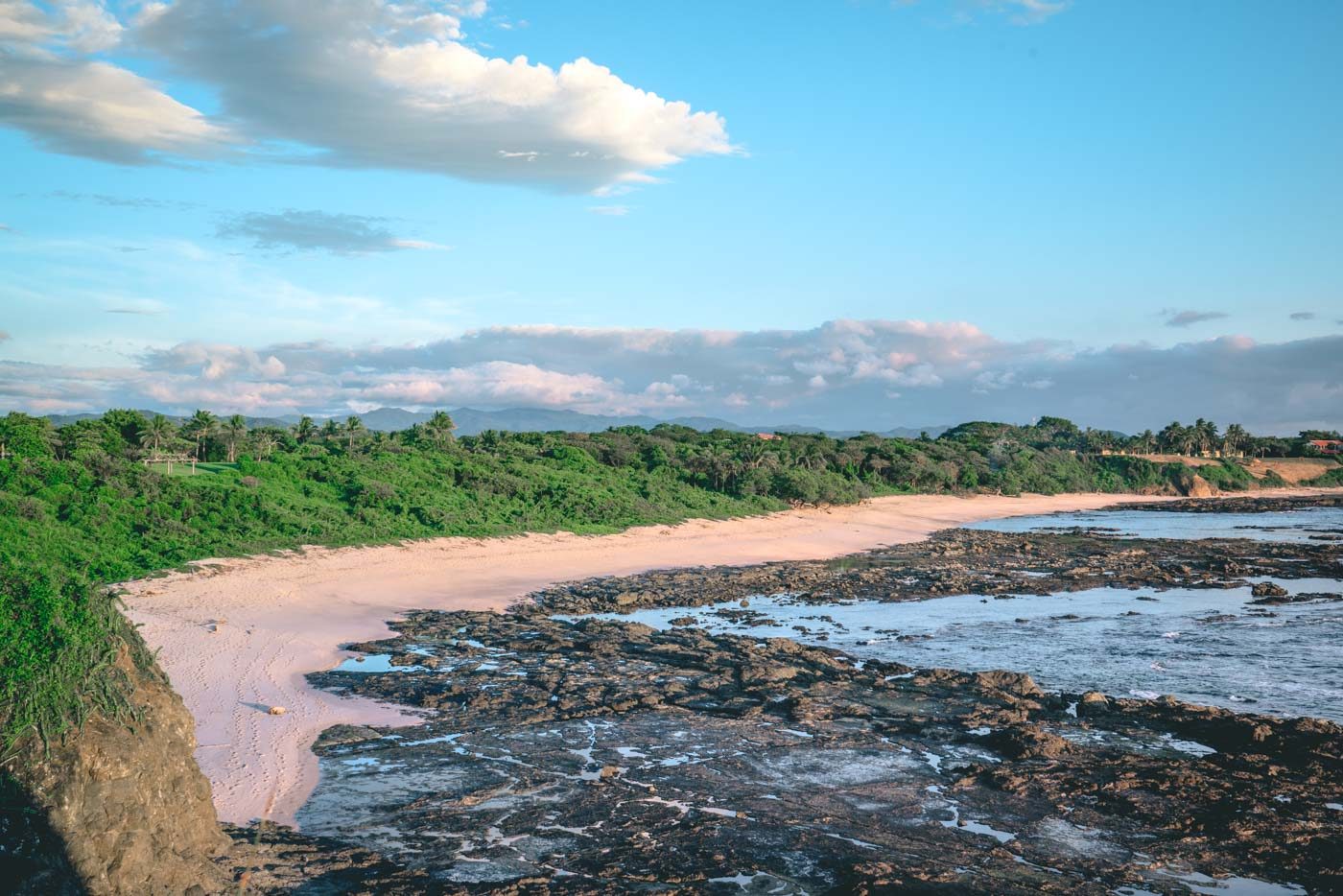
11. Playa Negra
Another surfer’s paradise awaits at Playa Negra, a relaxed dark-coloured sand beach known for its world-class waves.
But not only that, Playa Negra provides something for everyone, especially those who are looking for a laid-back lifestyle and to escape the bustle of the other surfing communities in Costa Rica. Playa Negra is about a 2-hour drive from the Liberia Airport and 45 minutes from the Tamarindo Airport.
READ NEXT: Local’s Guide to Visiting Playa Negra
12. Playa Junquillal
Looking for adventure? Look no further than Playa Junquillal, located 30 minutes south of Tamarindo. It’s another bearer of the prestigious Blue Flag and is one of the best beaches in Guanacaste to fill your adventure needs.
Aside from surfing – which we should add has some of the best waves to catch – the area offers activities including kayaking, snorkelling and deep-sea fishing. A drive down will take you 1hr and 15 min from Liberia Airport, and 45 minutes from Tamarindo. On land, you can partake in activities such as mountain bike riding, horseback riding and sightseeing.
Playa Junquillal offers some of the most stunning sunsets in this part of Costa Rica so make sure you take a moment while you stroll along the shores.
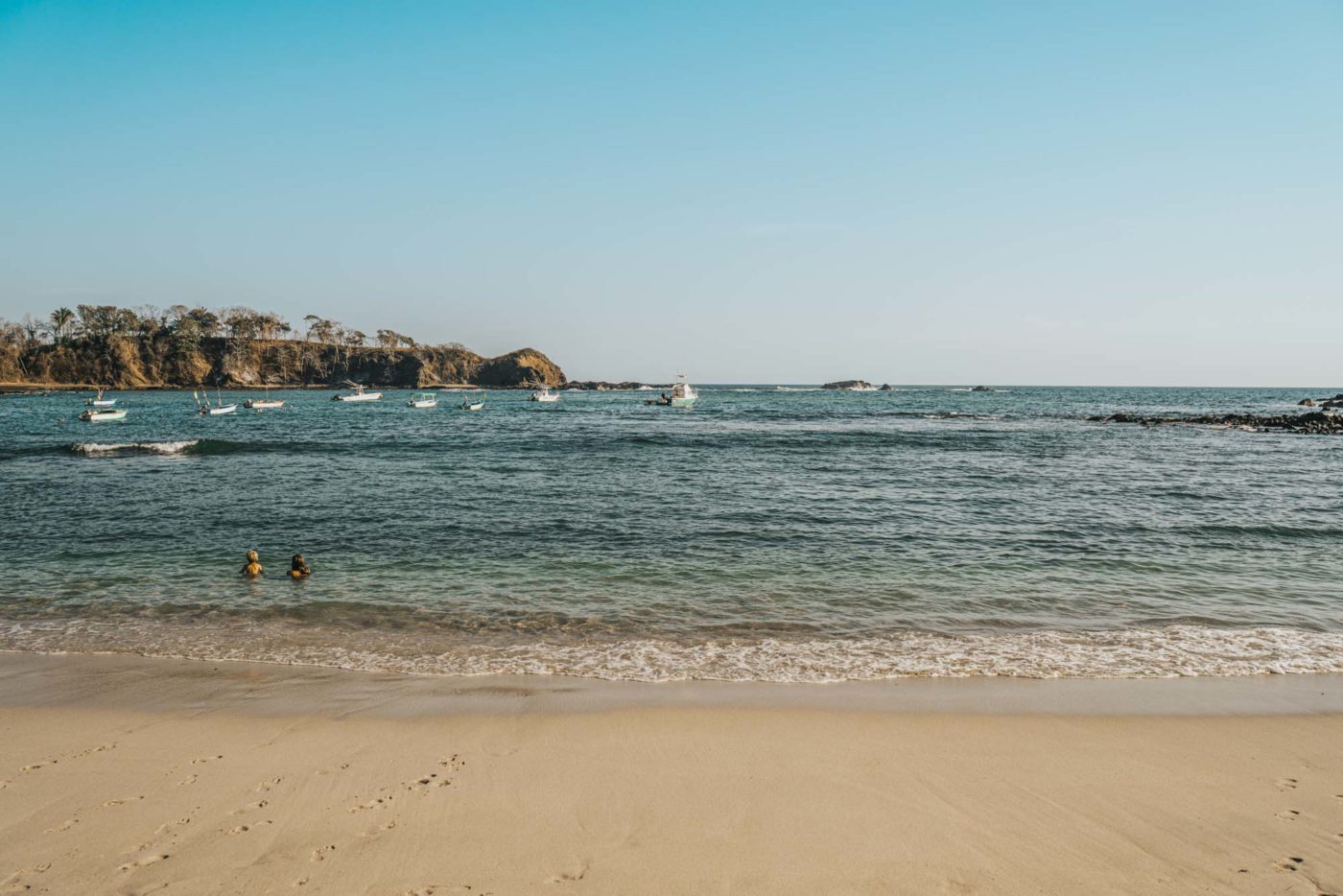
13. Playa San Juanillo
For those looking for a”‘true” Costa Rican experience should add Playa San Juanillo to their itinerary. From Liberia Airport, San Juanillo is 97km (61 miles) away which is roughly a 2-hour drive.
San Juanillo is known for its calm waters, making it an ideal spot for swimming and snorkelling. The underwater world near the shore boasts vibrant marine life and coral formations, providing an immersive experience for snorkelers. The beach is relatively undeveloped, with limited commercial establishments, maintaining a more rustic and untouched feel.
14. Playa Pelada
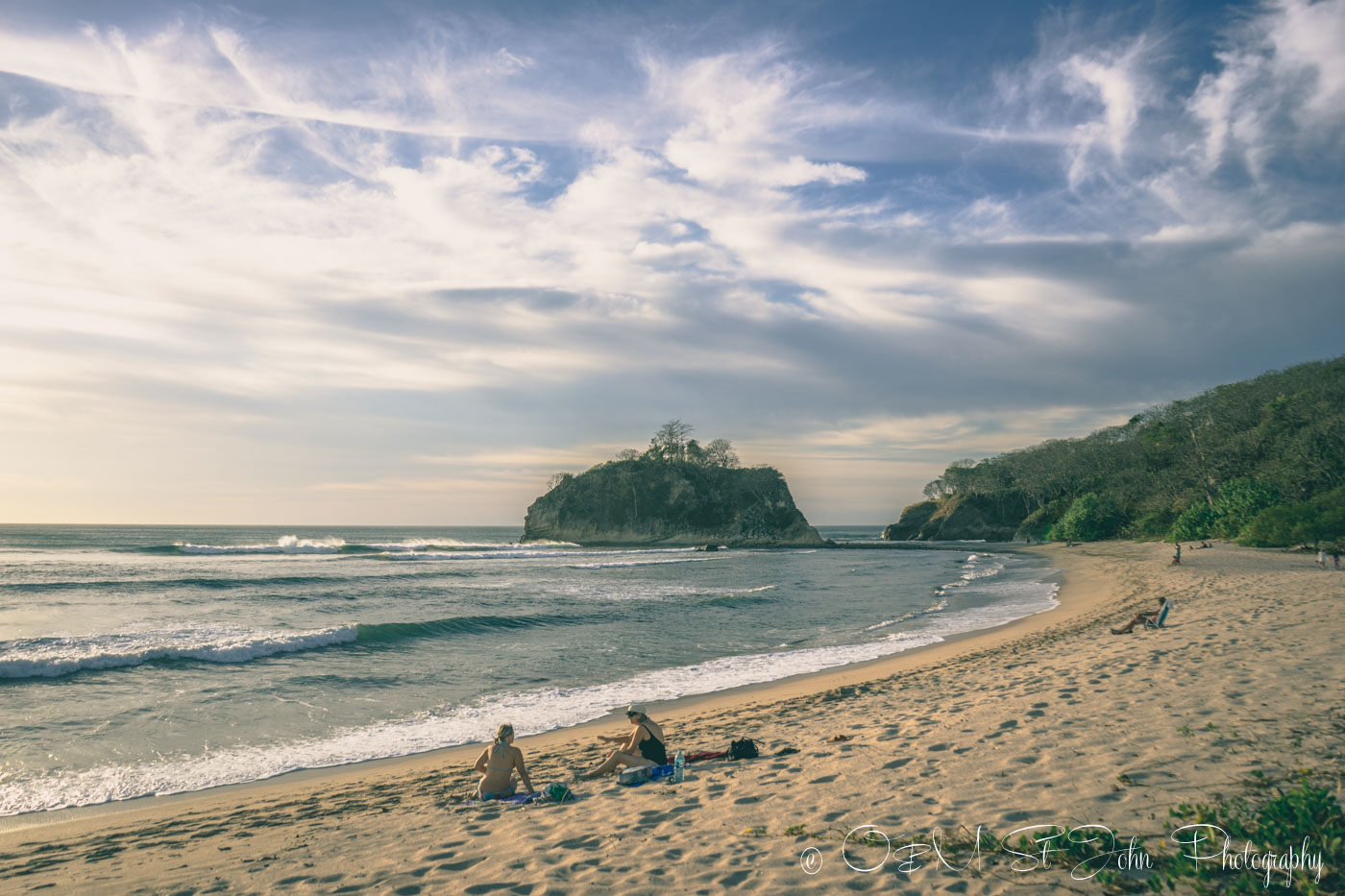
Playa Pelada, located near Nosara on the Nicoya Peninsula, offers a quieter and more secluded coastal experience. The beach, located 114km (71 miles) away or a 2.5-hour drive from Liberia Airport, is known for its raw and rugged beauty, characterized by dark volcanic sands and dramatic rocky formations.
Unlike some of the more developed beaches in the region, Playa Pelada maintains a natural and untouched ambiance, with limited infrastructure and a focus on preserving its pristine environment. It even has the Blue Flag seal of approval.
The shoreline is dotted with tide pools, providing an opportunity for exploration and the chance to observe marine life in its natural habitat. Playa Pelada is surrounded by lush coastal vegetation, creating a picturesque backdrop for beachgoers.
While the waves here can be more robust, it remains a favourite spot for surfers seeking a less crowded break. The beach is adjacent to the town of Nosara, offering a laid-back atmosphere and a mix of local charm with a few beachfront restaurants and cafes.
15. Playa Guiones
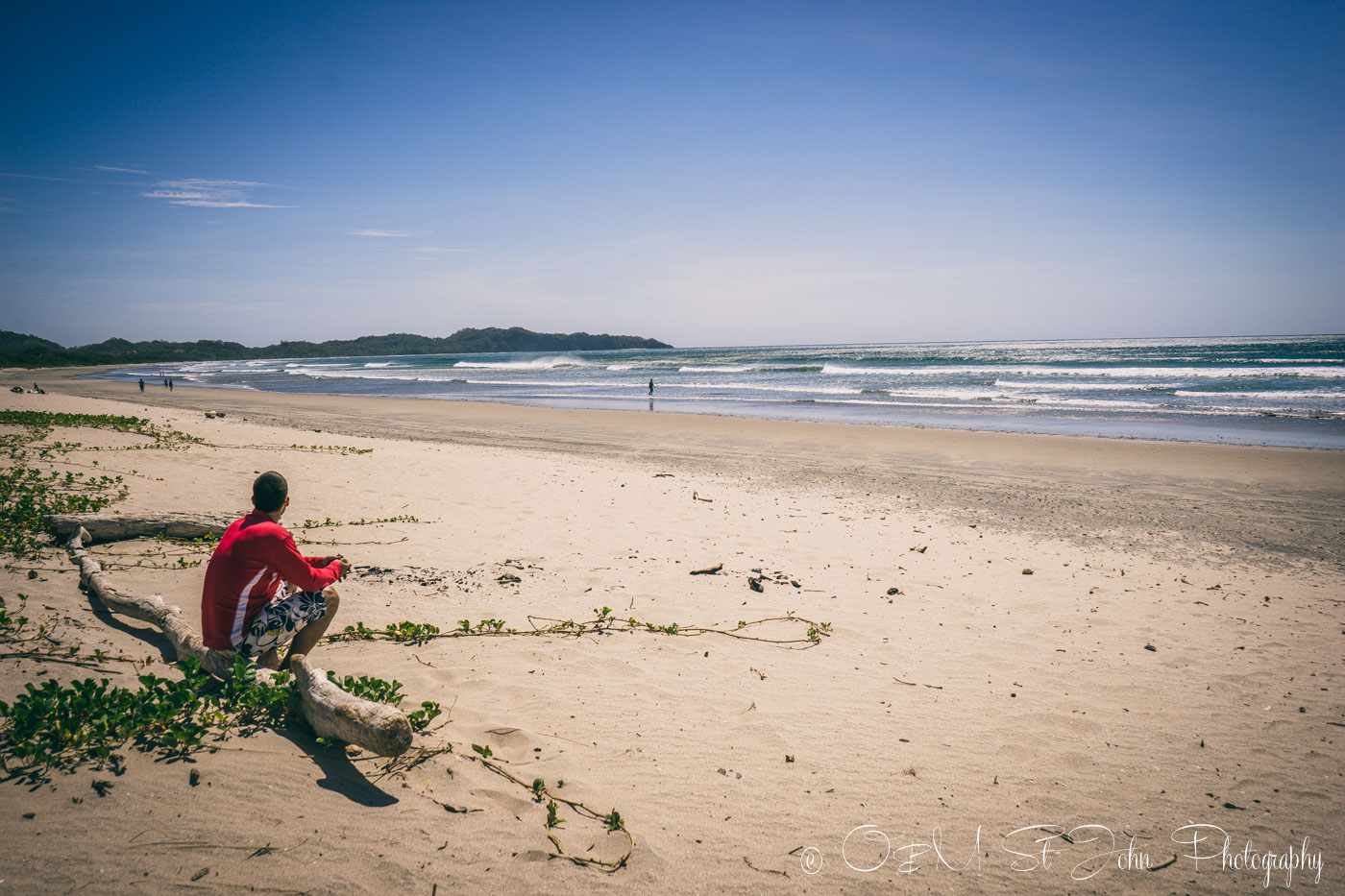
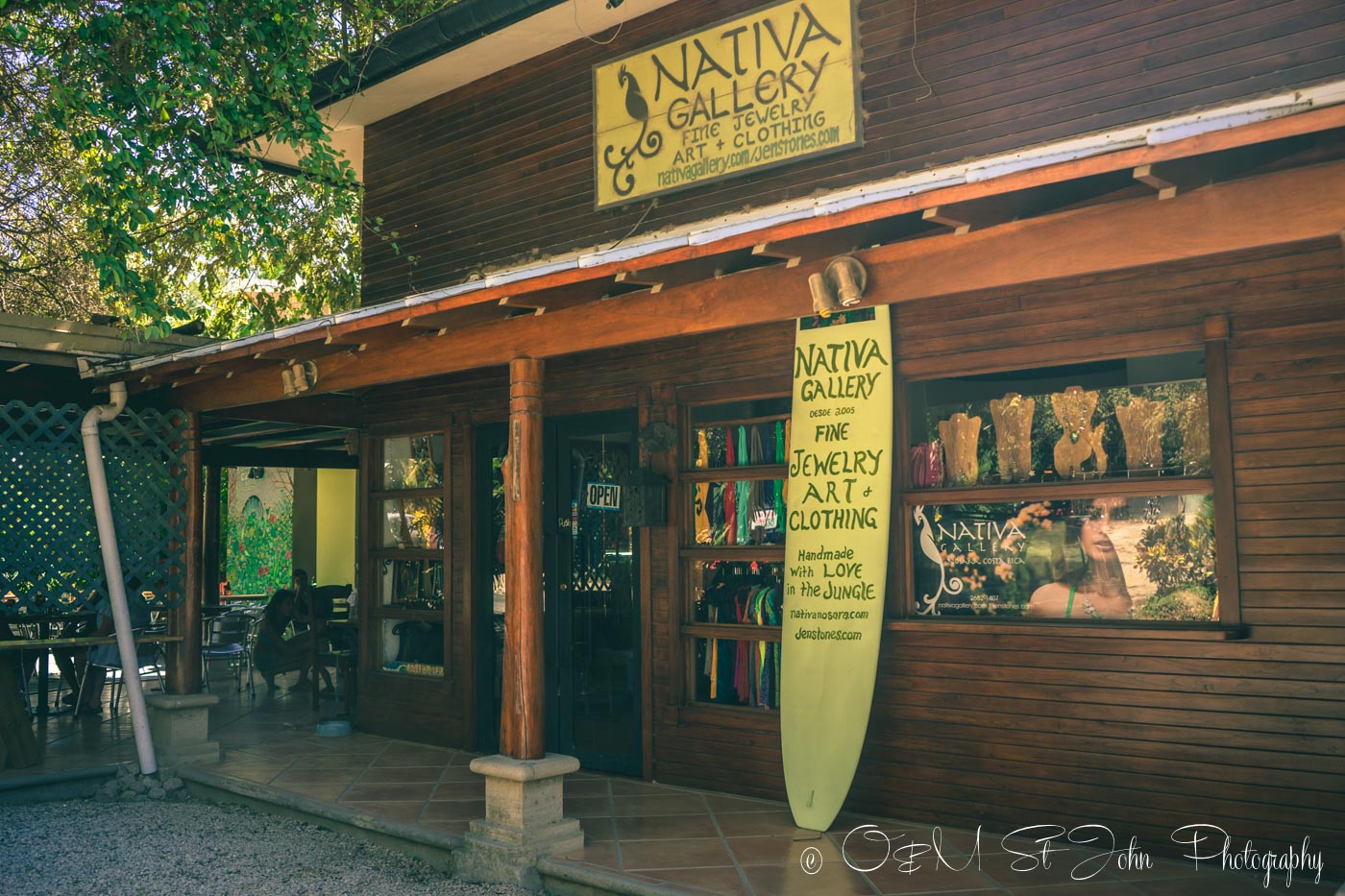
There’s something about Playa Guiones that usually draws hundreds of tourists to its shores. It could be its beautiful powder-white sands. Or maybe it’s the water perfect for surfers – both beginner and expert – to catch a wave.
Or perhaps it’s because some of the shorelines received a Blue Flag for its pristine, eco-friendly and well-maintained beaches, making this one of the cleanest Guanacaste beaches. Whatever your reasoning, Playa Guiones is another beautiful beach located in the town of Nosara.
When the tide is low, consider trekking the entire 7 km (4.34 miles) of the beach by foot or by vehicle. And, if timed correctly with the tides, you can visit nearby Playa Rosada (Pink Beach). For beginners wanting a taste of the surf life, there are many surf schools in Playa Guiones and it’s a great place to learn how to surf.
READ NEXT: Guide to Visiting Playa Guiones, Costa Rica
16. Playa Samara
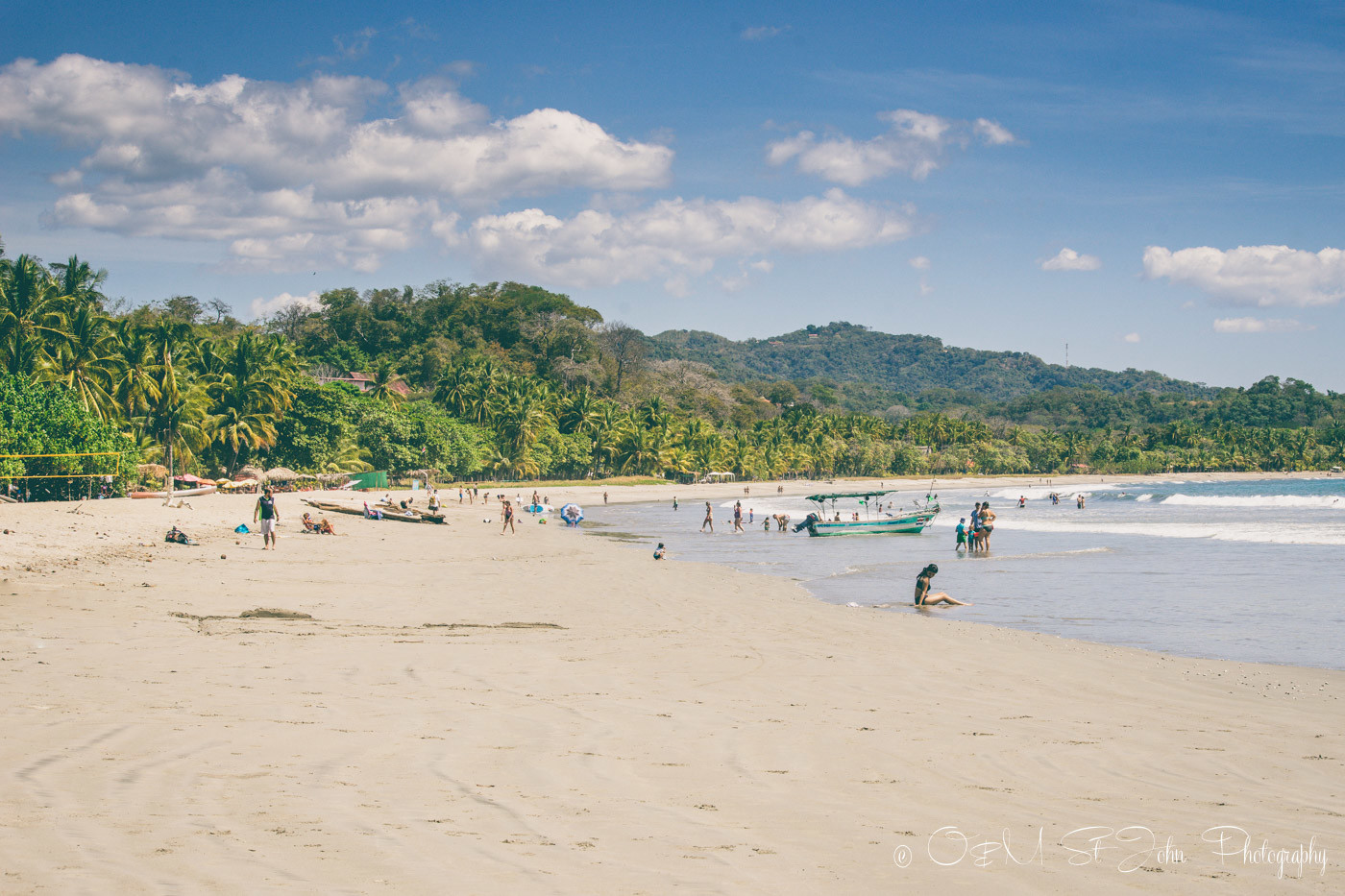
Playa Samara, located on the Nicoya Peninsula of Costa Rica, is a prime destination for families and easy-going travellers.
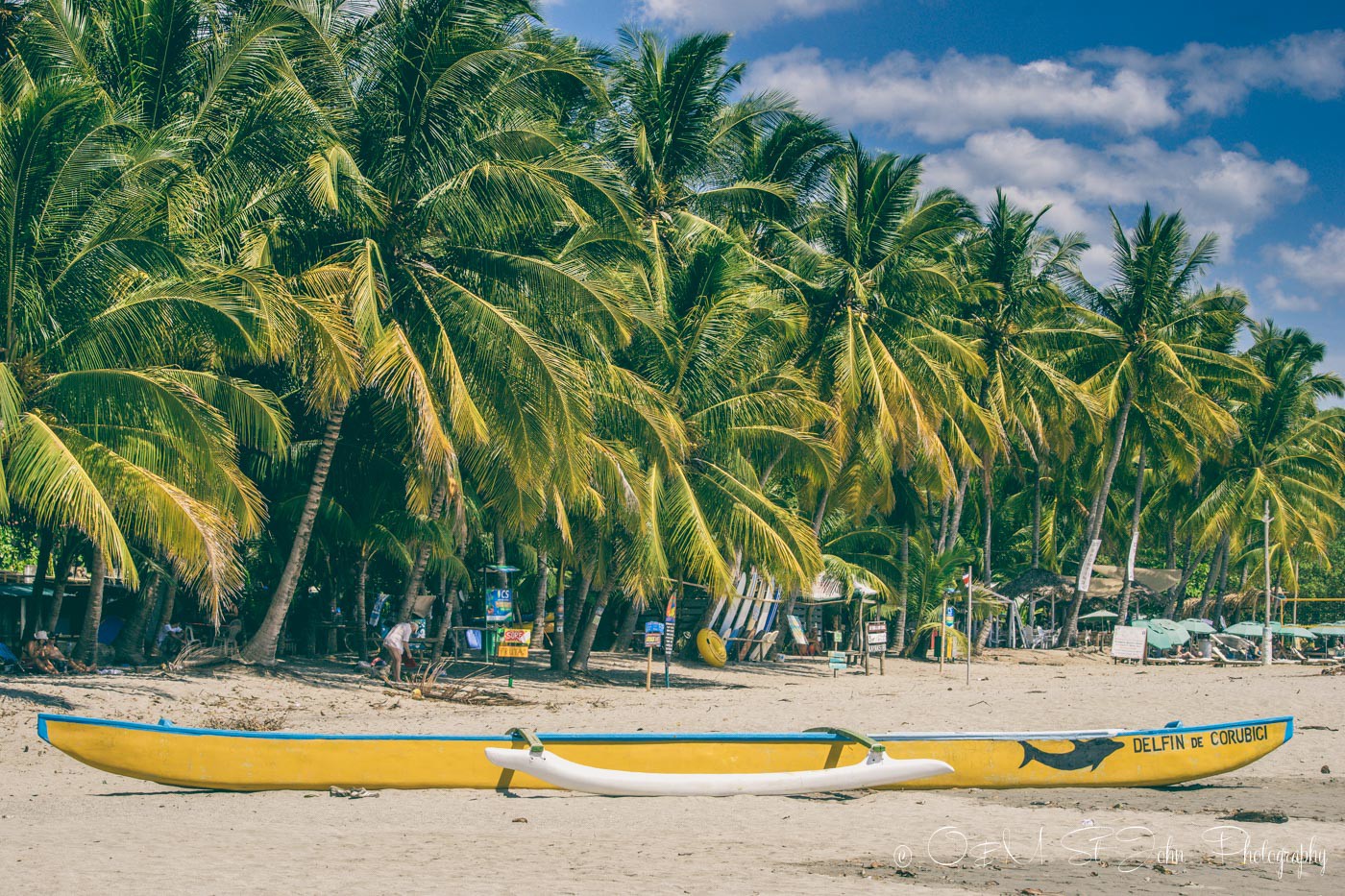
The beach itself boasts a wide expanse of soft, pale sand and gentle waves, making it an inviting destination for both swimmers and novice surfers. Palm trees line the shore, providing pockets of shade and a tropical ambiance.
Samara town, adjacent to the beach, offers a laid-back vibe with a mix of local shops, restaurants, and accommodations. Driving to the small town will take you about 2.5 hours from Liberia Airport. On the beach, you can take your pick of many activities like horseback riding, stand up paddleboarding, yoga, kayaking and more.
READ NEXT: Exploring the beach town of Playa Samara
17. Playa Carillo
Just a short distance away from Playa Samara is Playa Carillo, located about 2.5 hours from Liberia Airport. Similar to its sister town of Samara, Carillo offers the same rest and relaxation but on a much smaller scale. This means hotel, restaurant and nightlife options are limited in this town.
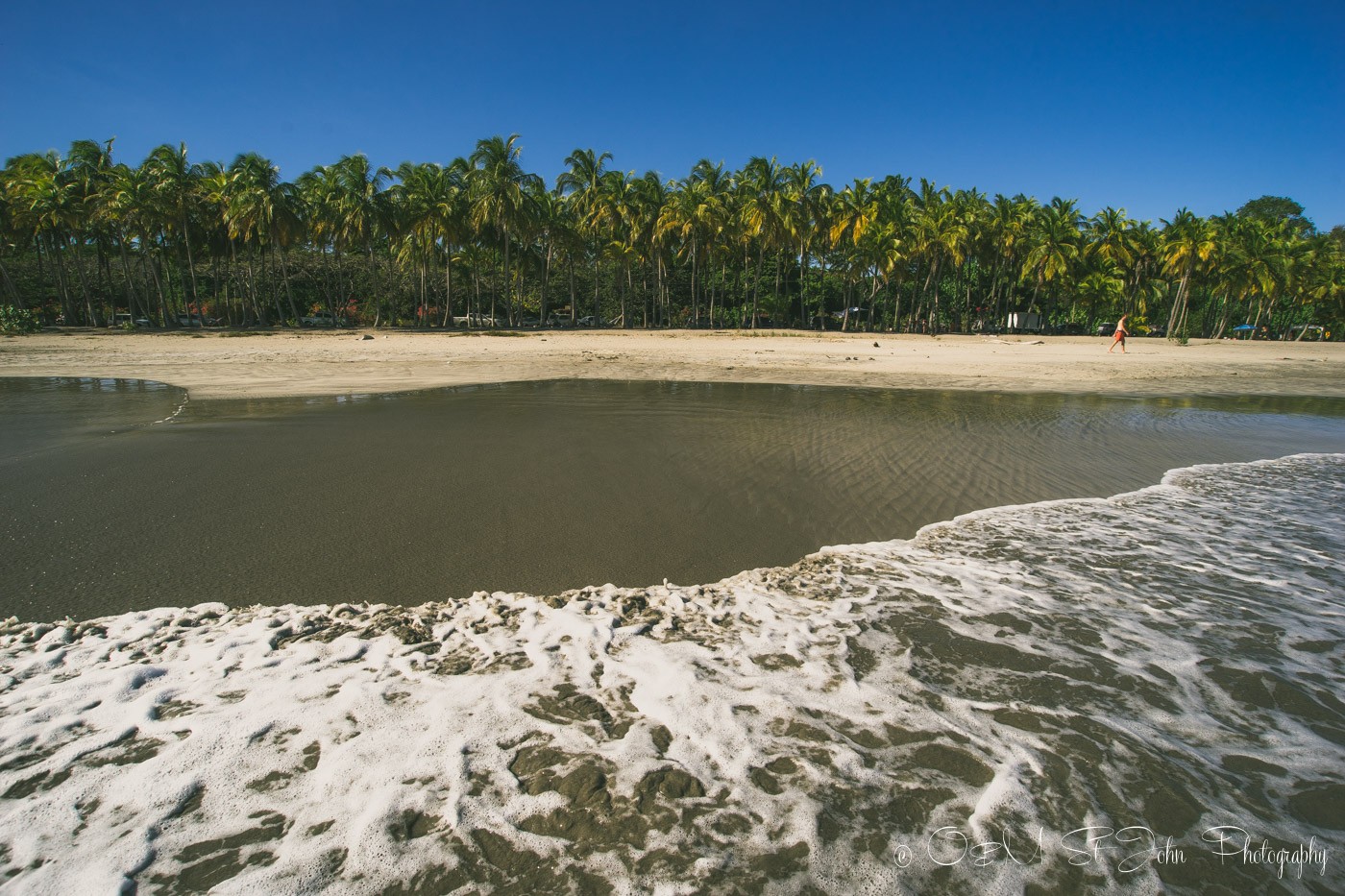
Many palm trees dot the shores of Playa Carillo. Making it one of Guanacaste beaches perfectly suited for travellers who want the warm weather mixed with shade to cool off.Carillo is quite rugged and only becoming more developed after the expansion of a paved road running south between Samara and Carillo.
Despite its rugged appeal, Carillo remains one of the most untouched and cleanest beaches in Costa Rica (thus rewarding it with the Blue Flag award), and still makes a great location for activities like swimming and snorkelling.
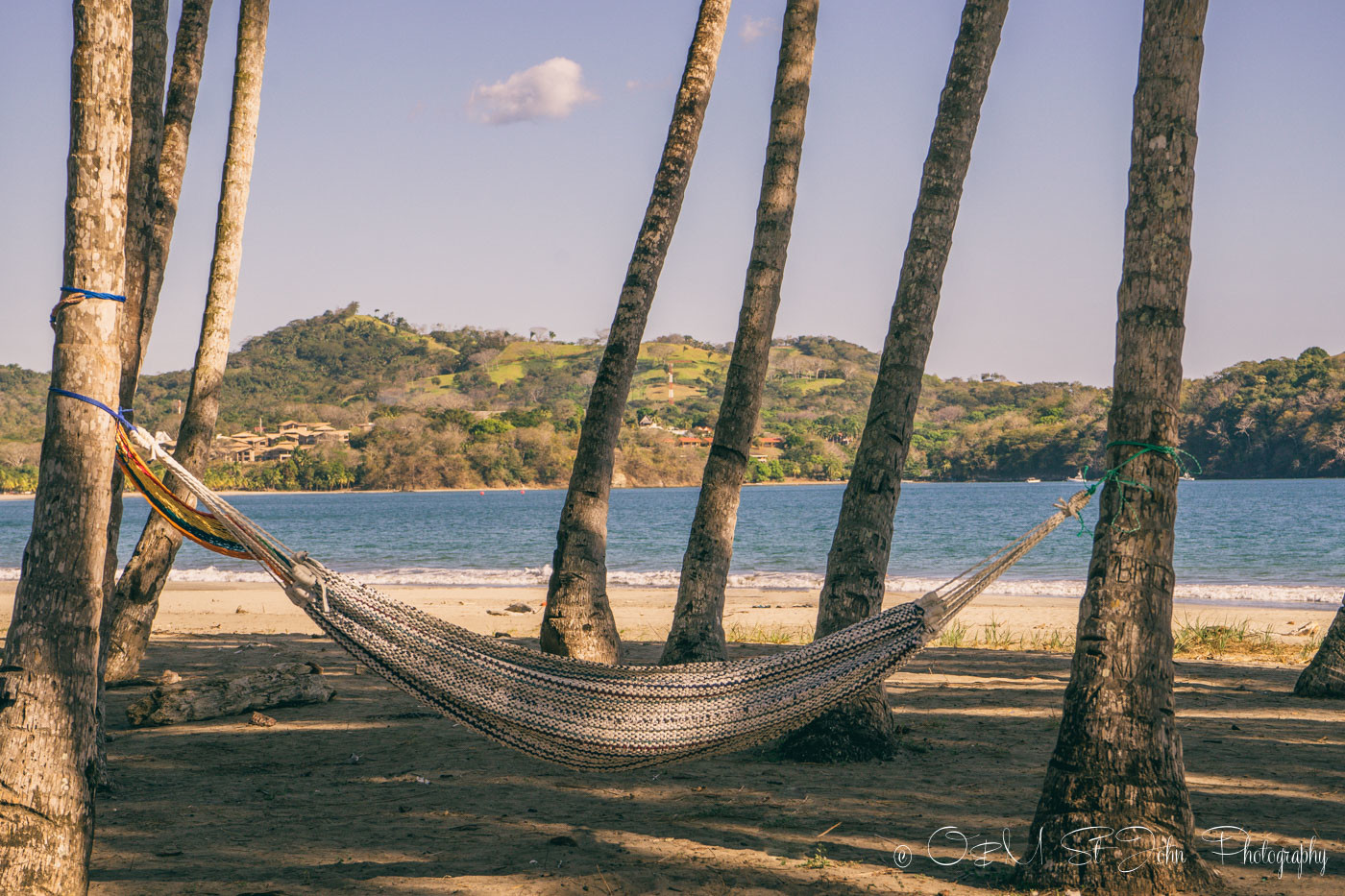
Each offers something different to everyone, but it is safe to say you can not go wrong in choosing which of the beautiful beaches in Guanacaste to visit. Whether you’re looking for some adventure, a great surfing beach or a relaxing beach for the family, Guanacaste beaches have got you sorted.
READ NEXT: Best Beaches In Costa Rica

