
When we first arrived in Australia, trying local food wasn’t really on our to-do list. Unlike many other countries around the world, Australia just didn’t strike us as a destination for amazing cuisine. So, we certainly didn’t have a list of Australian food to try in Australia.
*This post may contain affiliate links, as a result, we may receive a small commission (at no extra cost to you) on any bookings/purchases you make through the links in this post. As an Amazon Associate, we earn from qualifying purchases. Read our full disclosure
Don’t leave your home without Travel Insurance!
From the US? We recommend Allianz Travel Insurance, a world leader in travel protection and our trusted Travel Insurance partner for the last 5 years. Allianz offers Single Trip and Annual Travel Insurance Policies that include medical coverage, trip cancellation, rental car insurance and more! (Benefits vary by state and by plan, so read your policy carefully!)
Not a US resident? Consider Safety Wing, a budget friendly travel insurance provider with travel insurance plans for Digital Nomads and travelers from all around the world.
We’ll be honest: Australian food is really not that different from what you might be used to in North America or in the UK. After all, not so long ago (well, in the 1800s), Australia was still a British colony, so a lot of its culinary habits and tastes are strongly influenced by British traditions.
Don’t get us wrong, Australian food is really good. A lot of it is fresh, local, and sustainably sourced from farmlands around the country. Seafood, cheese, wine, and certain cuts of beef (ever heard of wagyu beef) are particularly renowned for their high quality and great taste. But it’s nothing new or particularly different.
Traveling Soon? Here is a list of our favourite travel providers and accessories to help get you ready for your upcoming trip!
Best Australian Foods
It took us over 2 years to discover the true gems of Australian cuisine. Most of this stuff is so authentically Australian it hurts, and it makes no sense! Keep reading, and you’ll start to understand what we mean.
If you are visiting Australia and want to taste some local favourites and a list of popular Australian food to try, here is what you should look for. Let’s start with the most obvious and well-known Australian food.
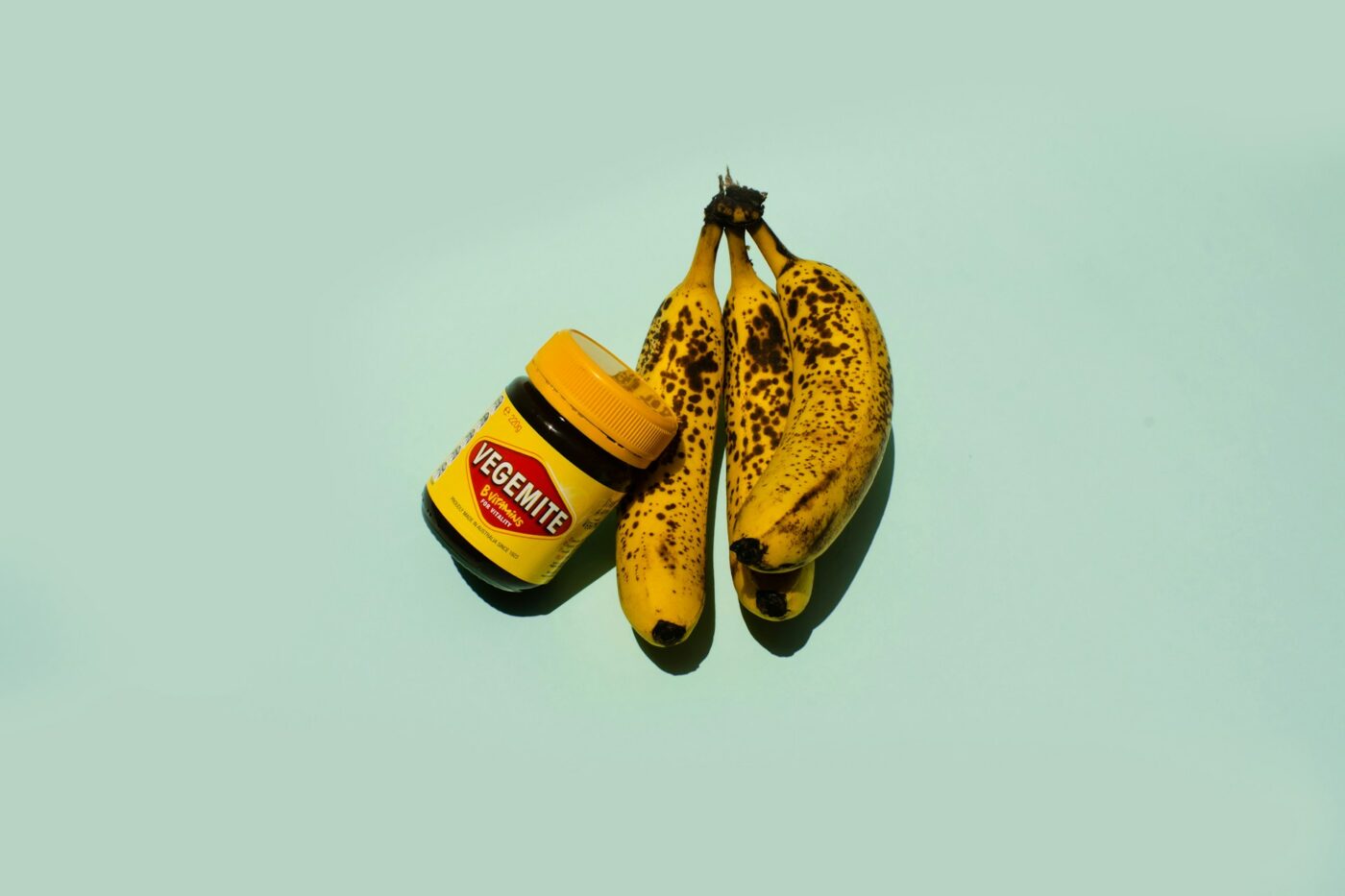
Vegemite
A dark brown food paste made out of brewer’s yeast extract. This Australian favourite is as polarising as it gets. People either love it or hate it; there is no in-between. It looks rich, and it doesn’t really smell bad, which is probably why a lot of first-timers often confuse it for an alternative to Nutella.
It’s not. In fact, it’s quite the opposite. It’s really salty, slightly bitter and malty. Best consumed in a thin layer of toast with butter and some avocado on top. It’s similar to the English version of Marmite.
We love it.
Chocolate And Vegemite?
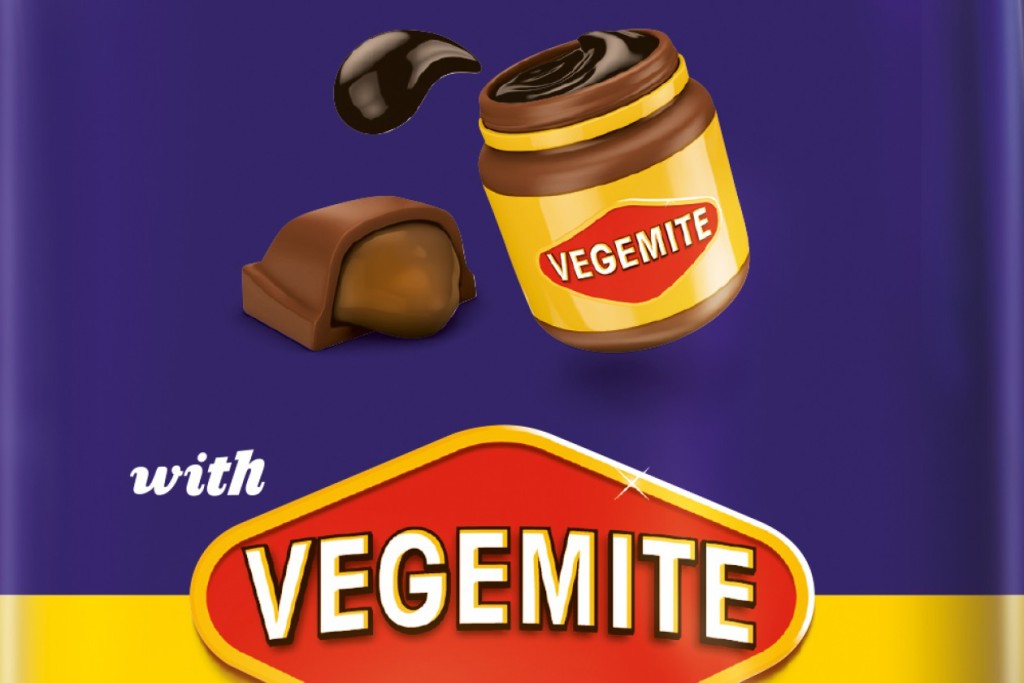
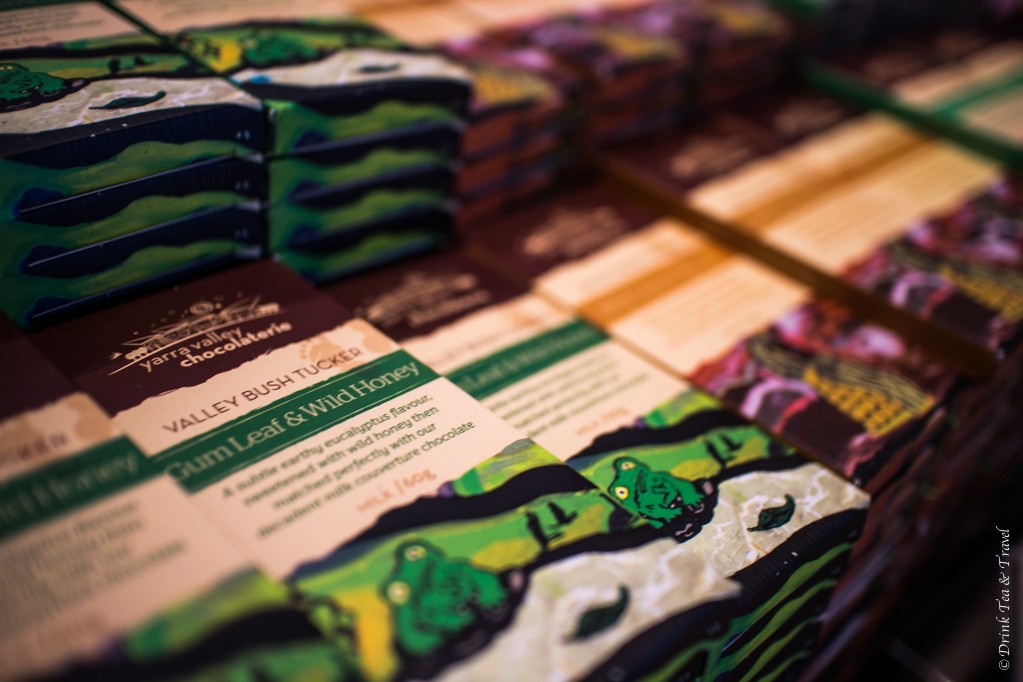
In 2015, Australia took their Vegemite obsession a bit too far. They combined this savoury ingredient with chocolate in a new Cadbury creation: a vegemite-flavoured block of chocolate.
Sweet on the inside, salty on the outside…or at least, that was the thought. Supposedly, critics described the taste as “similar to salted caramel with a pleasant aftertaste.”
We weren’t able to bring ourselves to try it, and the product has since been discontinued but you can always give it a go at home with a tub of Vegemite and a bar of chocolate. Let us know what you think.
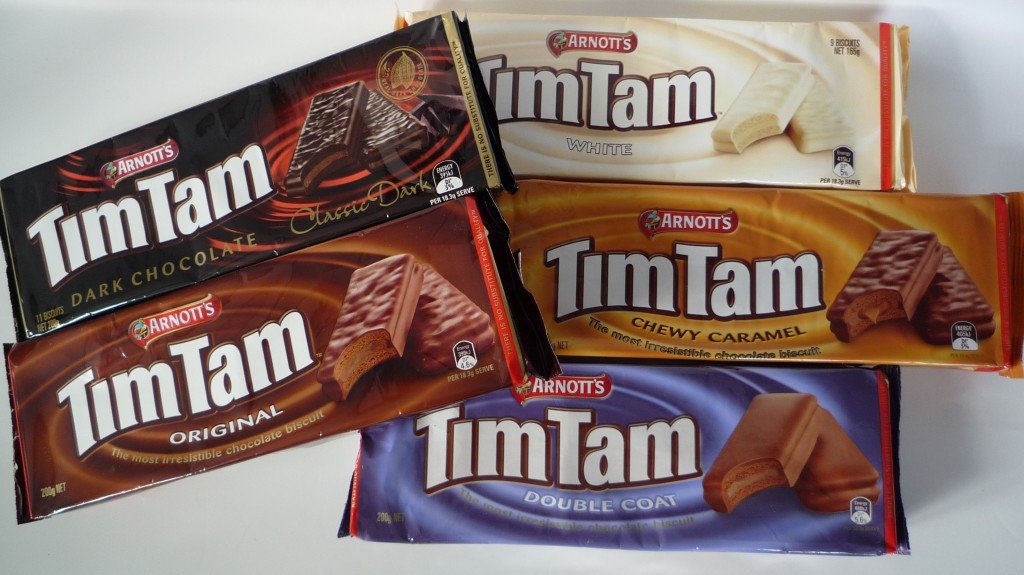
Tim Tams
Speaking of chocolate, Tim Tams are possibly THE BEST CHOCOLATE bars on earth. We’re not even kidding. Made by an Australian food company, Arnott’s, Tim Tams are composed of 2 layers of chocolate cream filling and coated with a thin layer of chocolate. Anyone who has travelled through Australia will have tried this Australia’s favourite chocolate biscuit!
Oksana doesn’t even like chocolate, but if you put a box of Tim Tams in front of her, she will eat it all! And we’re not the only ones with a Tim Tam obsession.
Supposedly, there are over 35 million packs of Tim Tams sold every year in Australia!
The Tim Tam Slam
But what makes Tim Tams especially amazing is the magical combination of the gooey goodness of a Tim Tam combined with a hot cup of tea or hot chocolate (or coffee, we guess). They call it a Tim Tam Slam, a way of drinking a hot beverage through a Tim Tam.
Bite off the opposite corners of the Tim Tam, submerge one end into your drink and suck the drink using the Tim Tam as a straw. The inside of the Tim Tam melts in your mouth, creating a perfect blend of sweet goo and hot tea. We’re salivating just thinking about it.
Best enjoyed on a beach after a long swim or a great surf, or at a campsite after a long day of trekking.

Lamington
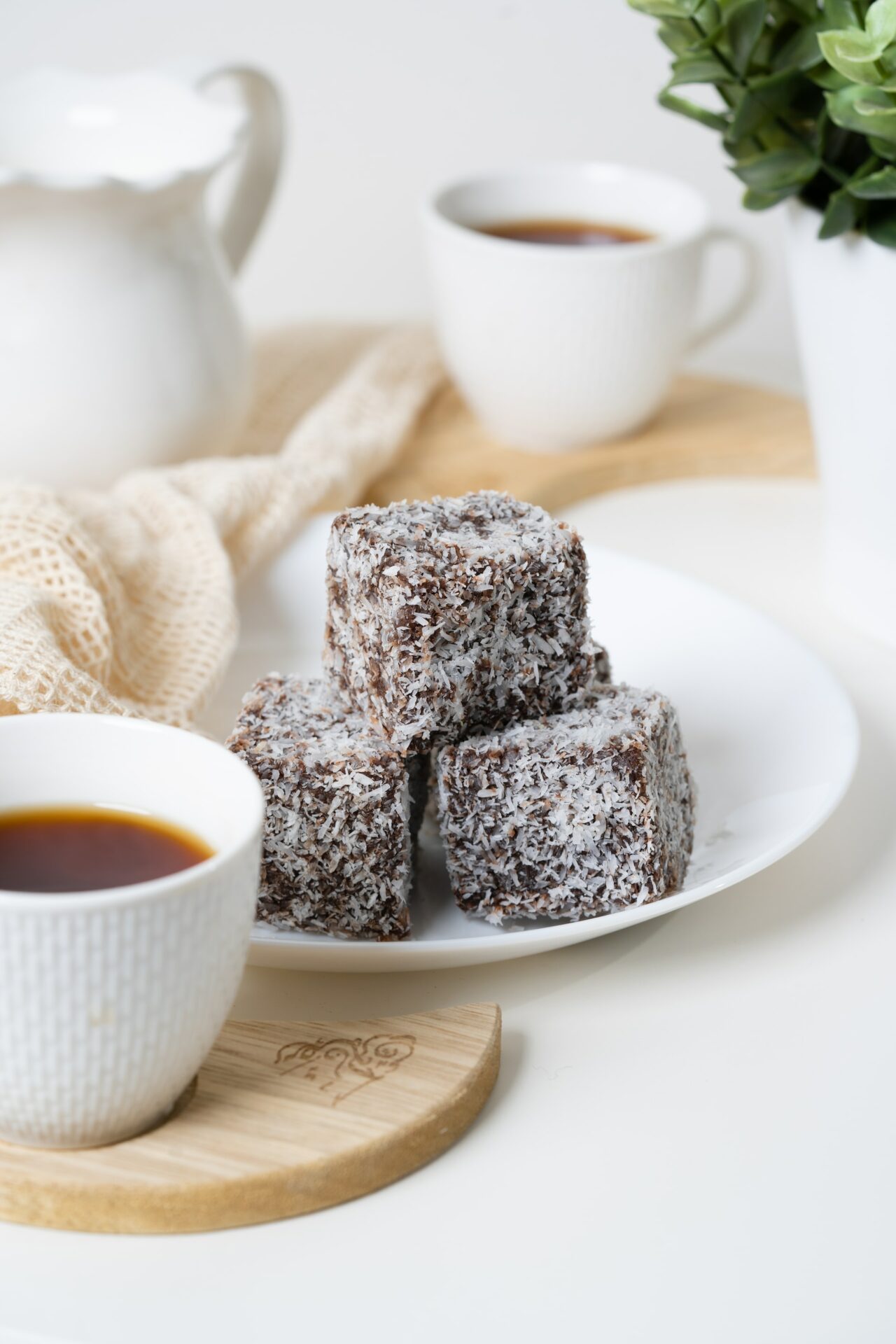
Sticking with the sweet theme, next up is Lamington, one of Australia’s favourite desserts. Lamington consists of squares of sponge cake coated with a layer of chocolate sauce and desiccated coconut.
The dessert is often served as 2 halves with a layer of cream or strawberry jam between. It’s a pleasant little treat, simple and down to earth, one that a sweet tooth traveller will definitely love.
Where To Buy Lamingtons
Lamington is often sold in bakeries across the country, can be found at various markets and are especially popular at local bake sales.
Pavlova
Pavlova is a meringue dessert with a crispy outside and a moist marshmallow center and is often topped with whipped cream and fresh fruit. It was named after the Russian ballerina who visited Australia and New Zealand on a tour back in the 1920s thus the origin of the recipe has been a source of argument between the two countries for almost a century.
Despite its historical roots, Pavlova remains a popular dish and an important part of both Australian and New Zealand culture. It’s a light and fresh dessert often consumed during summertime at typical Aussie barbecues and family gatherings. It’s worth a try, but it’s nothing to write home about. (Yet, here we are writing about it).

Avocado Smash
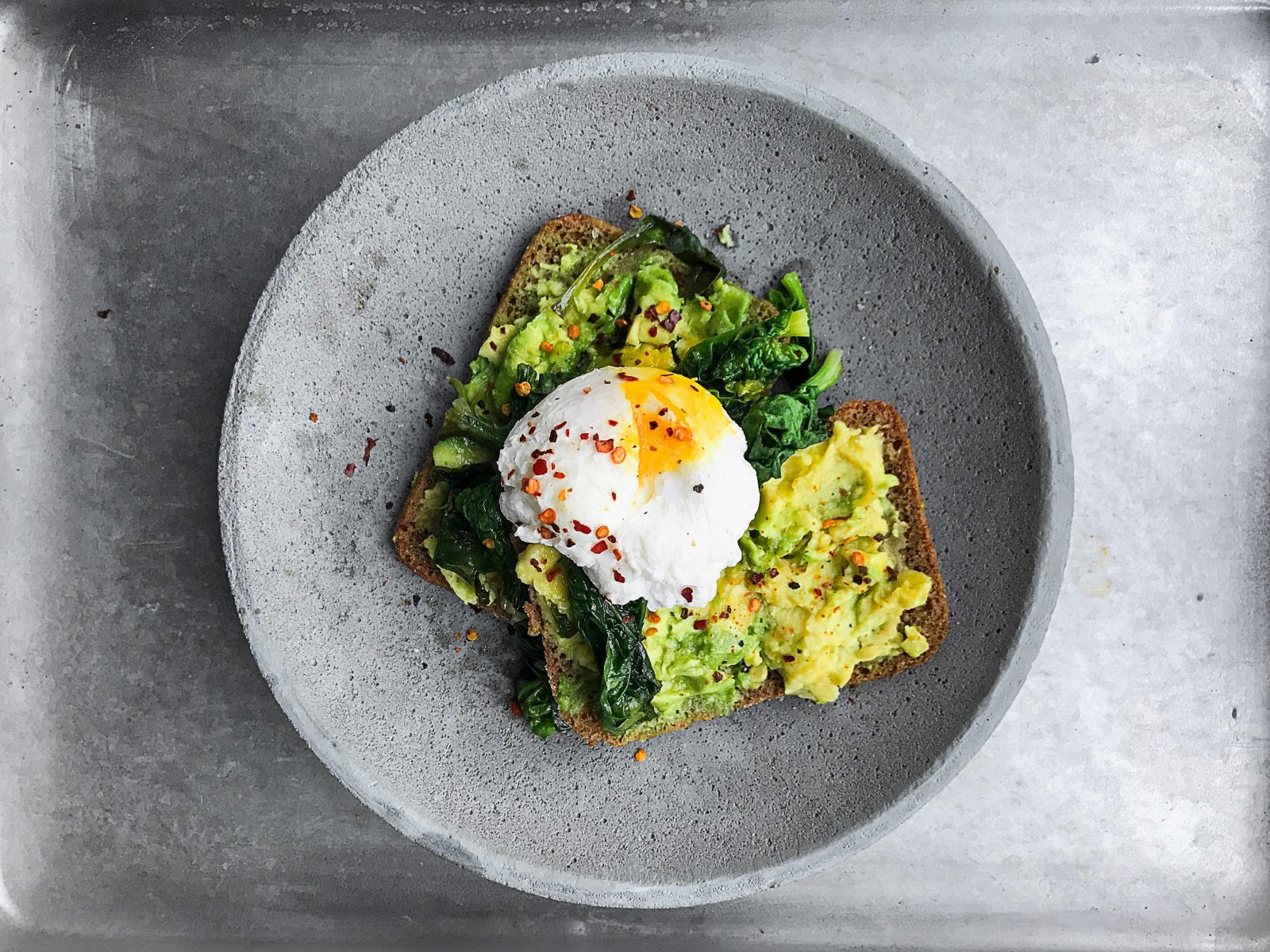
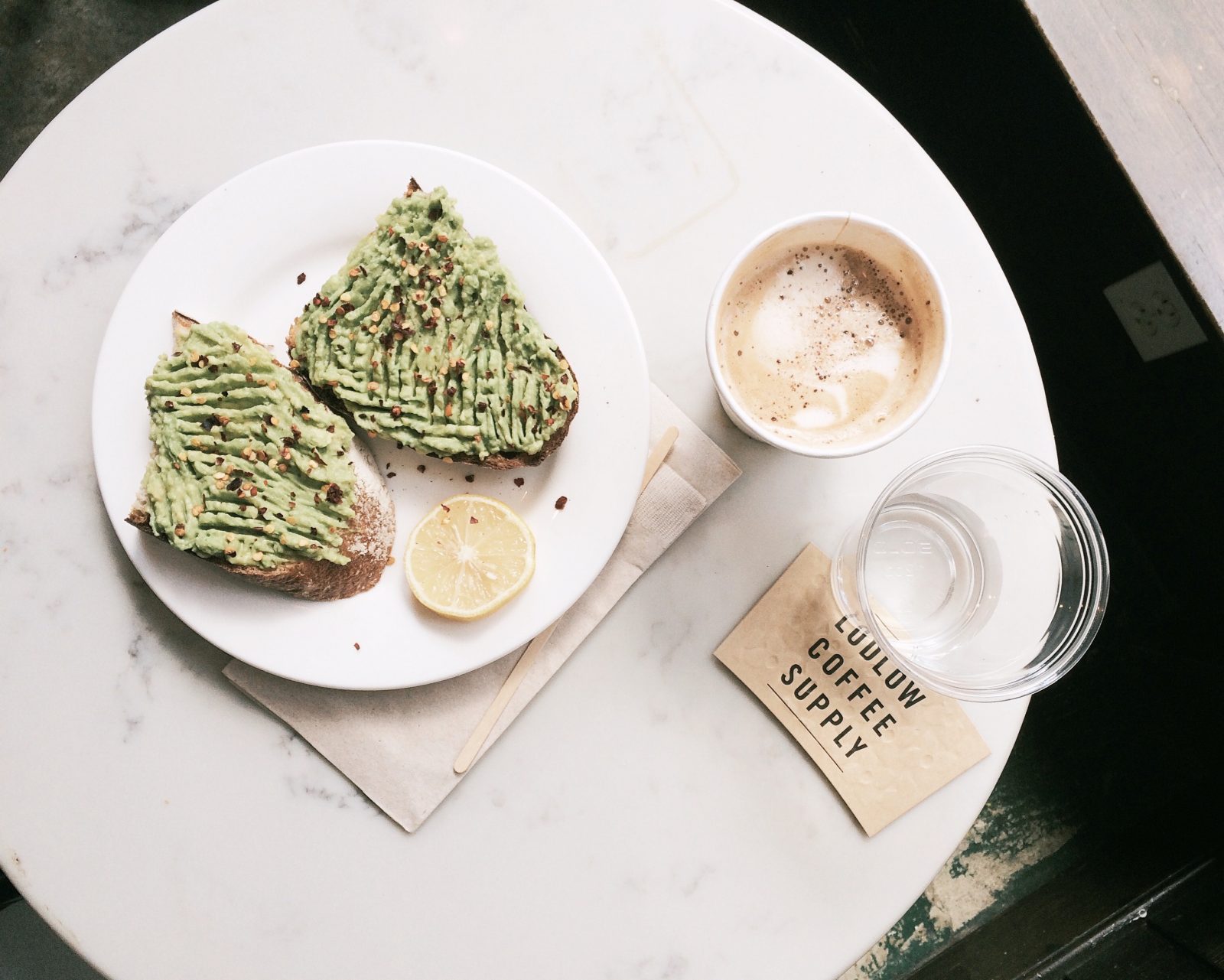
We fell in love with avocado smash when we discovered it on a brunch menu in Melbourne. It seemed to be a bit of a Melbourne obsession that has now made its way along the coast and across the country.
It’s healthy, it’s nutritious, and it is to die for! Avocado is mashed with feta cheese or goat cheese along with chilli and other spices mixed with it, then served on rye toast under a poached egg.
You’ll find avo smash on brunch recipes across the country.
Kangaroo Meat
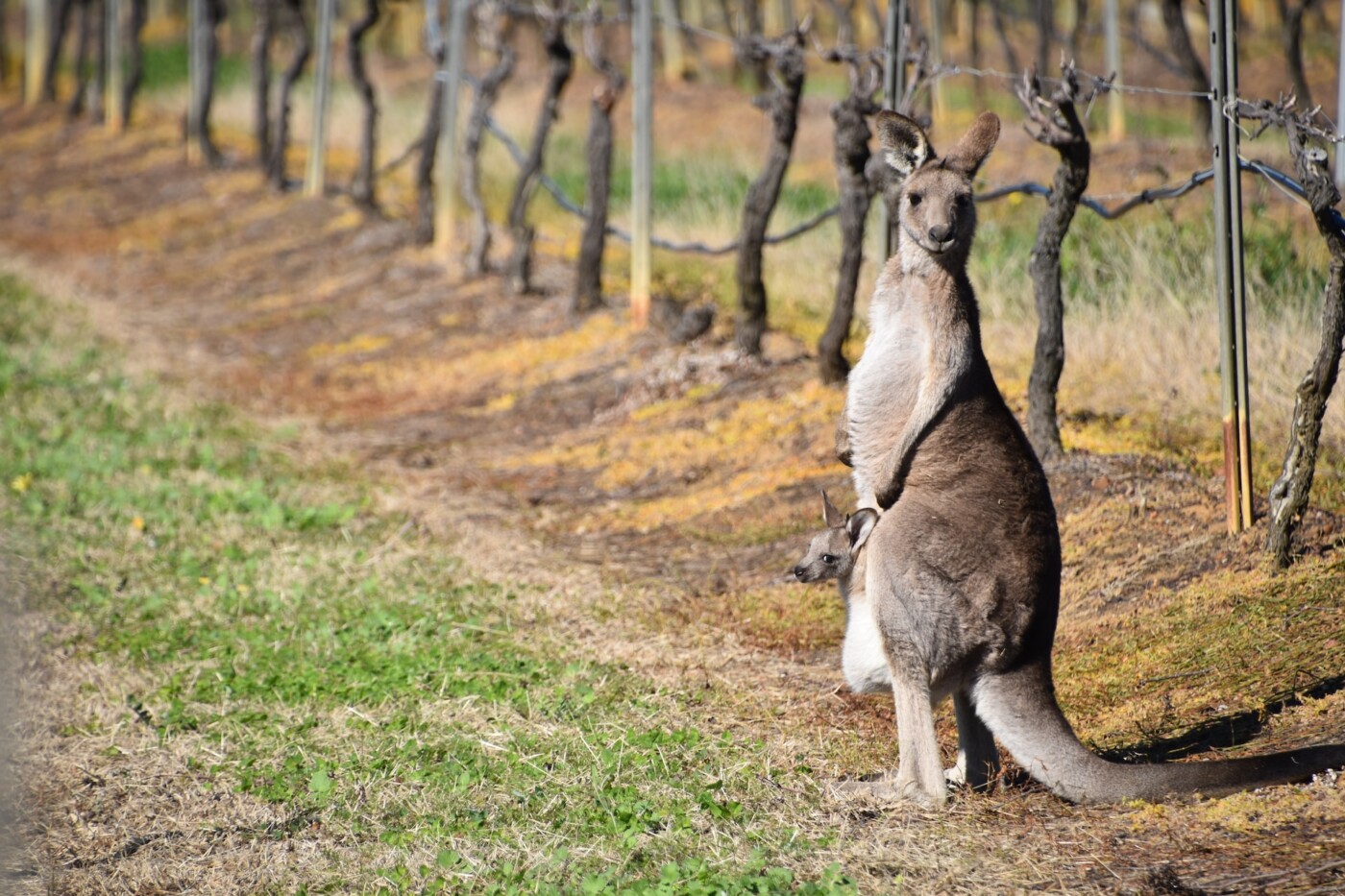
The fact that Australians eat their national animal is a bizarre fact. But if you can get over the fact that Roo has made its way from the outback to your plate, you might really enjoy its gamey taste and its high nutritional value.
You can buy kangaroo meat at any supermarket and chuck it on the BBQ (don’t overcook it, it’s best-enjoyed medium rare), or try to eat Kangaroo meat at one of the many restaurants across the country.
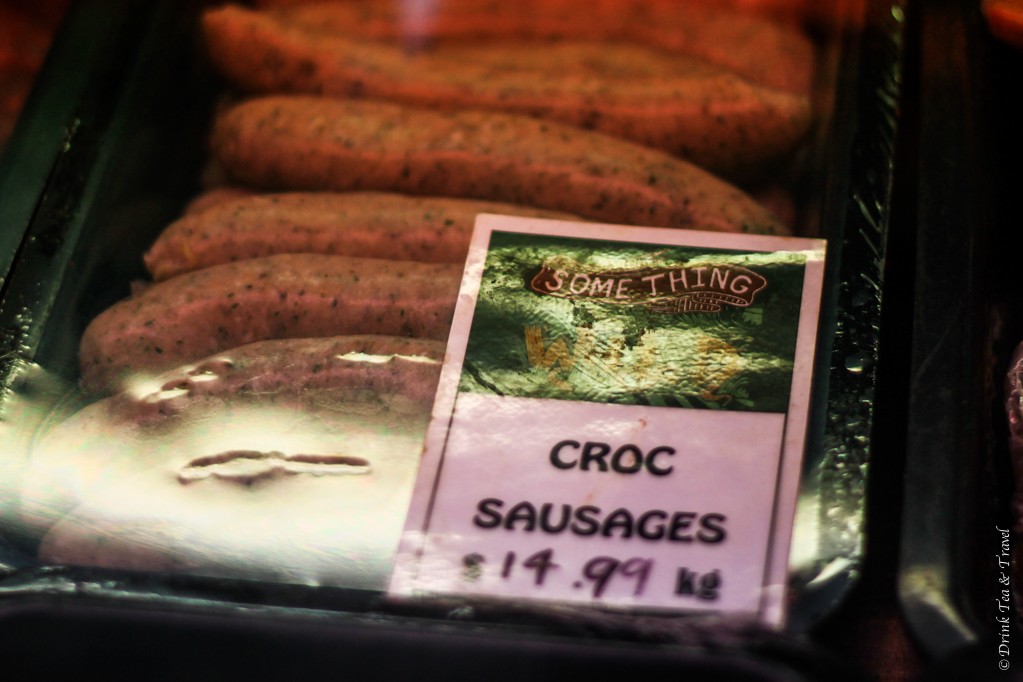
It won’t be on every menu, especially not at cheap restaurants, but if you find a spot that serves authentic Australian fare, Roo lean red meat will definitely be on the menu. Another proper Aussie bush tucker food you should try is the emu meat and crocodile meat.
When we lived in Australia, we used to love the nutritional benefits of kangaroo and found many delicious ways to incorporate it into our diets.
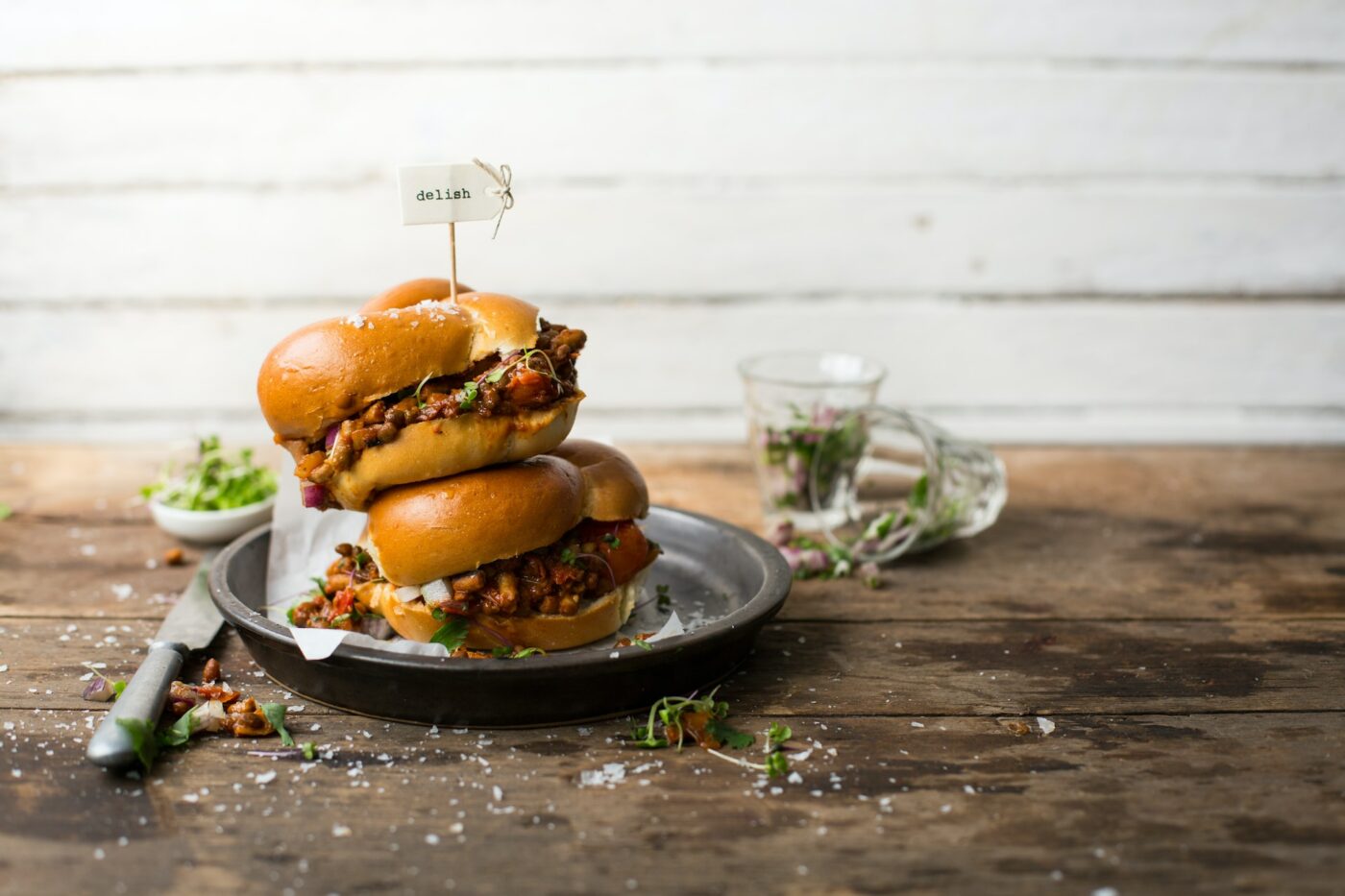
The Aussie Burger
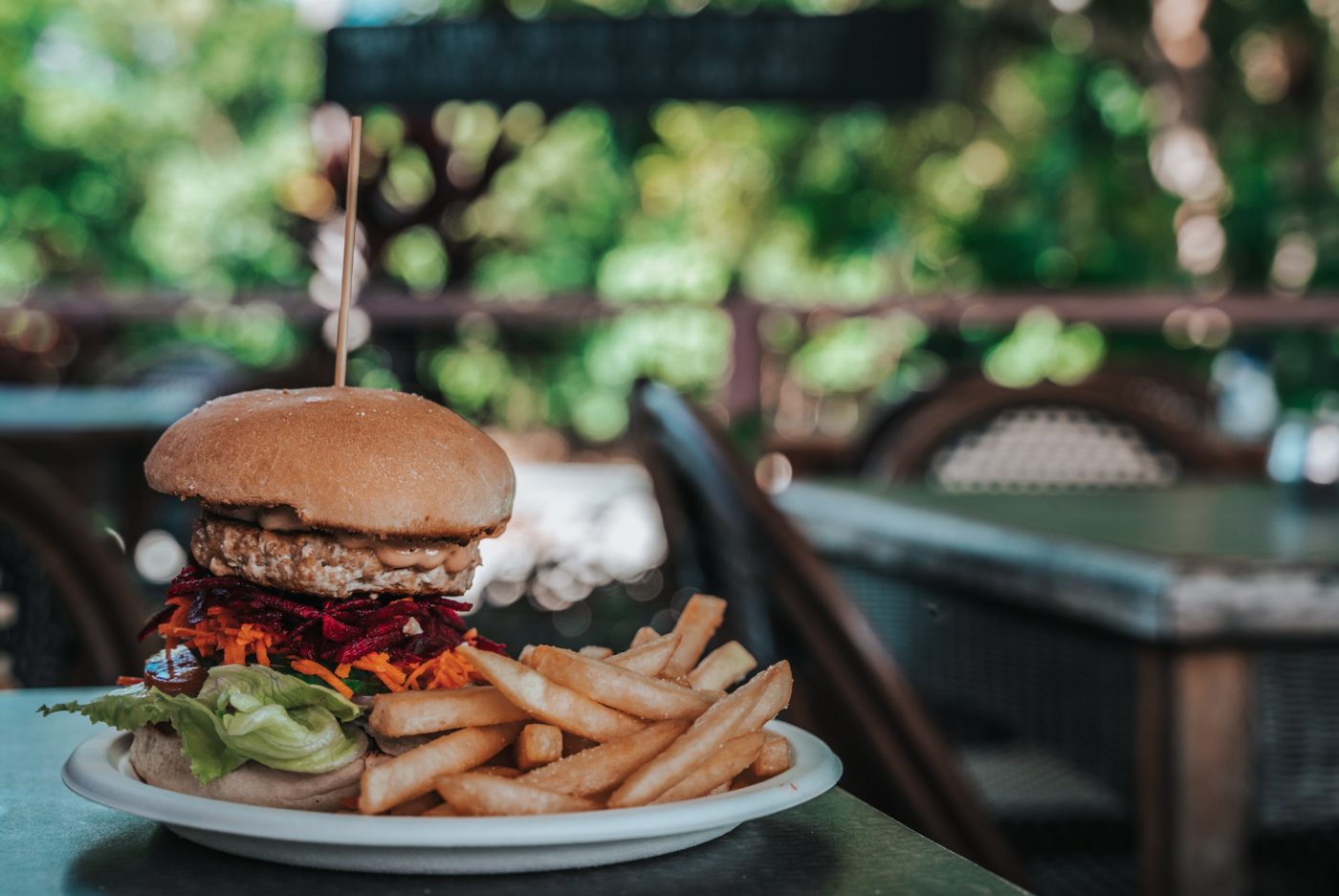
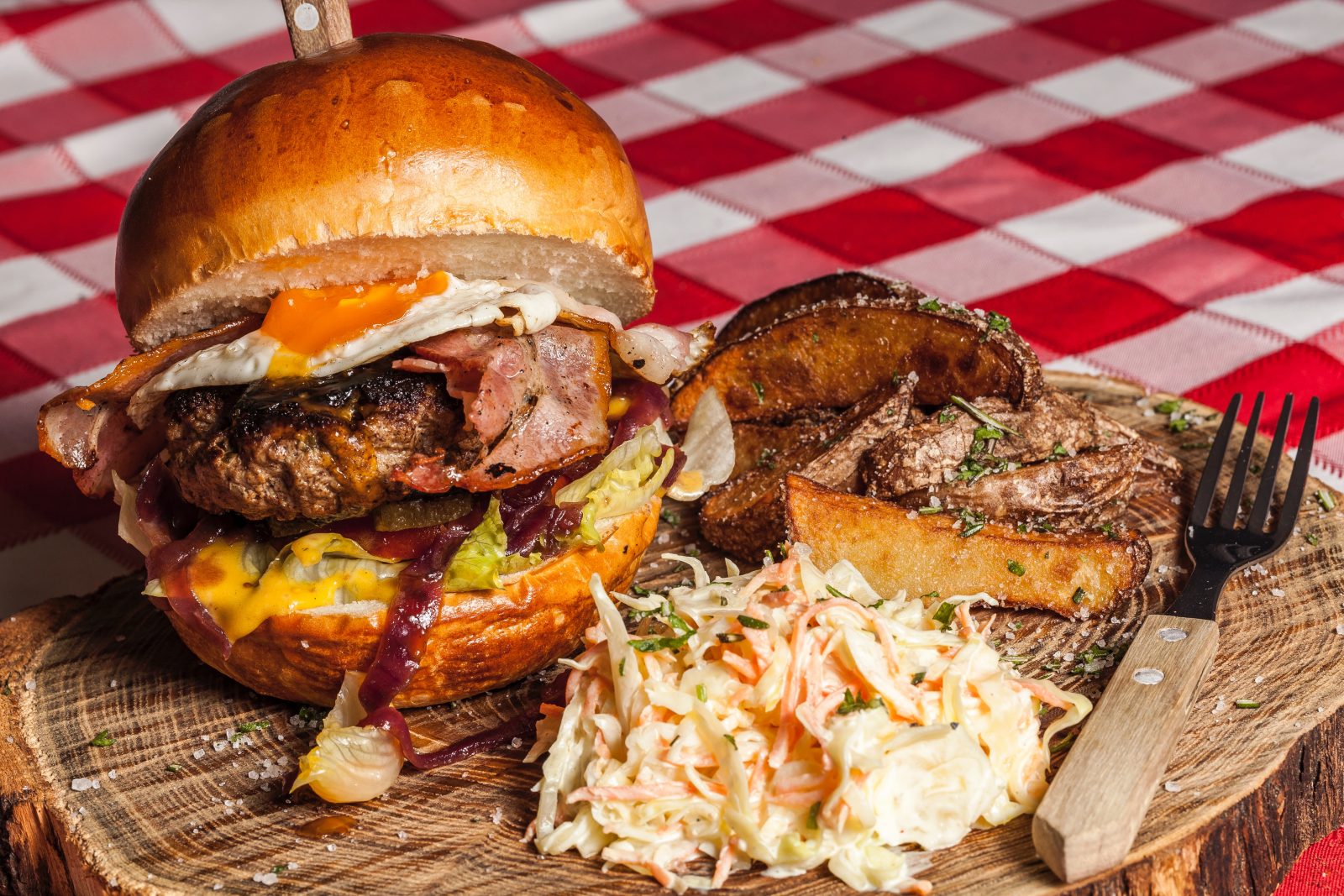
Australians have a way of making many things their own, and their twist on a classic burger is by far the best example. They take a regular burger and top it with an egg and beetroot slices.
They call it a “Burger with the Lot”. It’s just about the most bizarre rendition of the American favourite, and of course, the locals loved it. We can do with an egg, it adds a bit of “gooeyiness” sometimes, but the beetroot is just odd.
Meat Pies
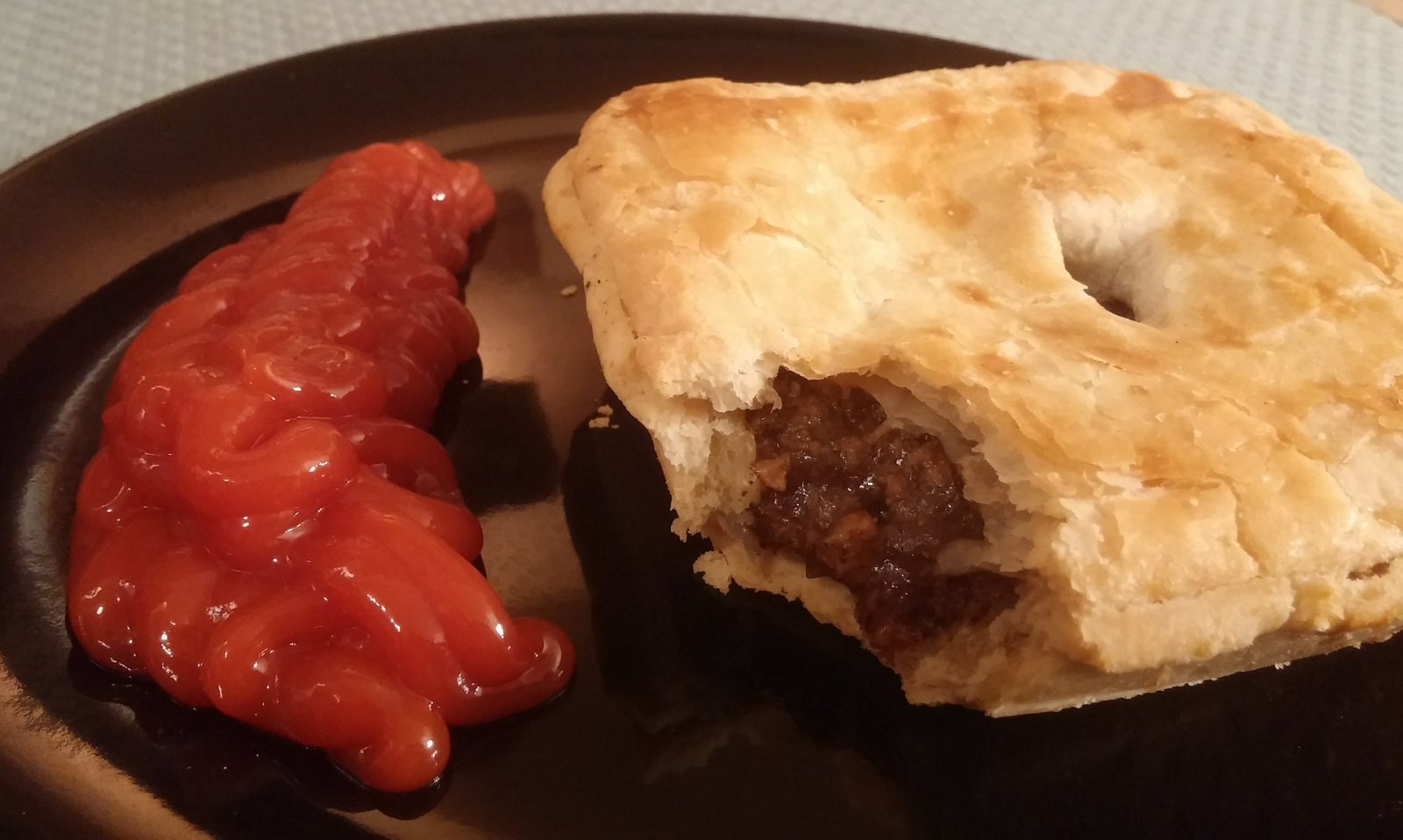
Meat pies have got to be the most popular snack in Australia. You can grab one on-the-go at most bakeries, markets, and sometimes even gas stations; there are even specialty pie shops! These savoury, handheld pastries are typical Australian food popular at weekend sporting events like cricket or footy.
The most typical pie is the hot meaty pies and gravy variety, but steak & mushroom, and veggie are also popular choices. Most Aussies like meat pies loaded up with tomato or barbecue sauce.
Weet-Bix
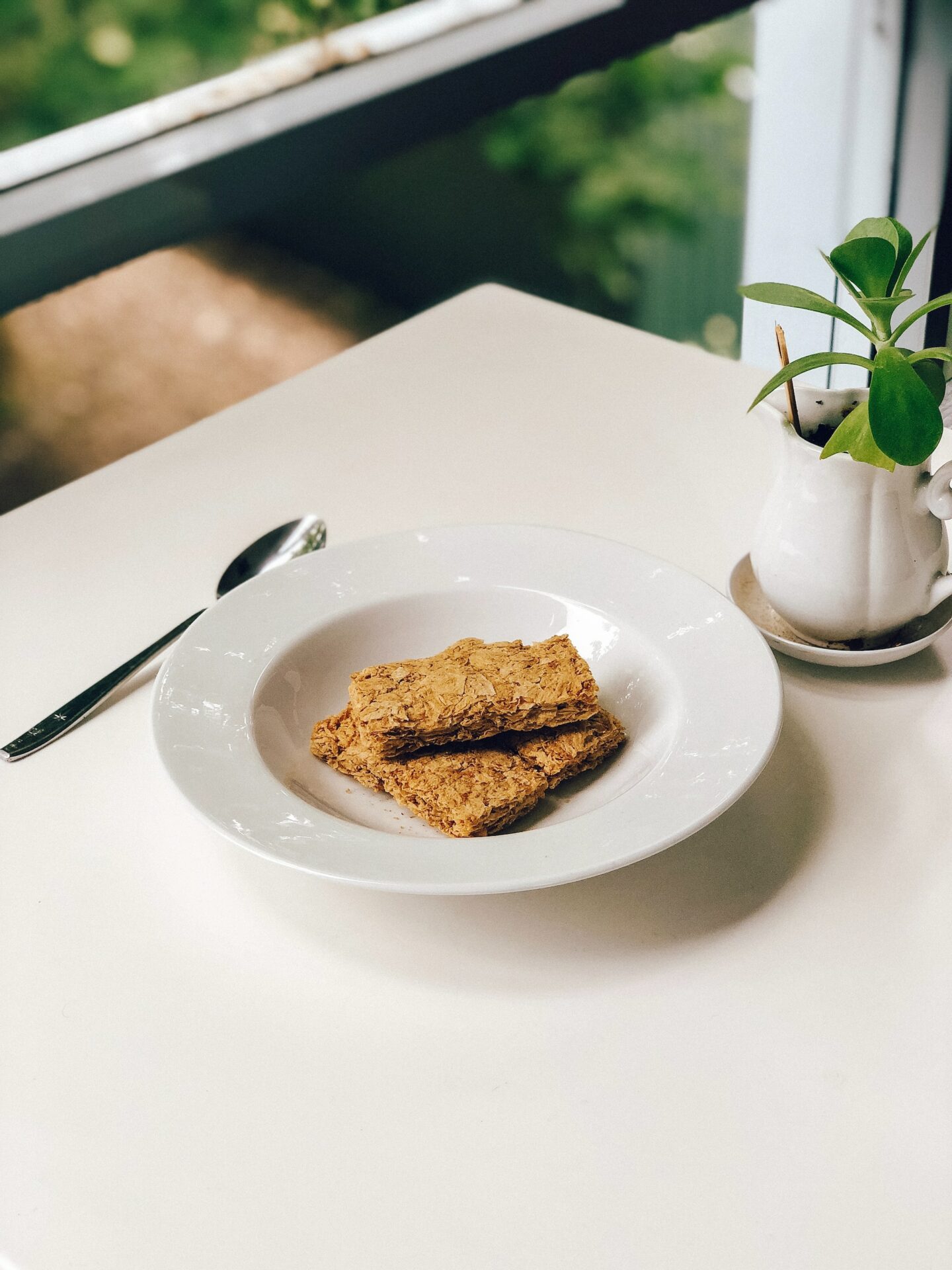
This iconic breakfast food will remind most Aussies of their childhoods. The dry whole-wheat cakes need a good dousing of milk to soften them up, but they are packed with fibre and are truly nutritious. Often, Aussies will top their Weet-bix up with berries or sugar.
The Aussie invention is marketed as Australia’s number-one breakfast cereal and tends to be a staple of most Australian households.
Chicken Parm
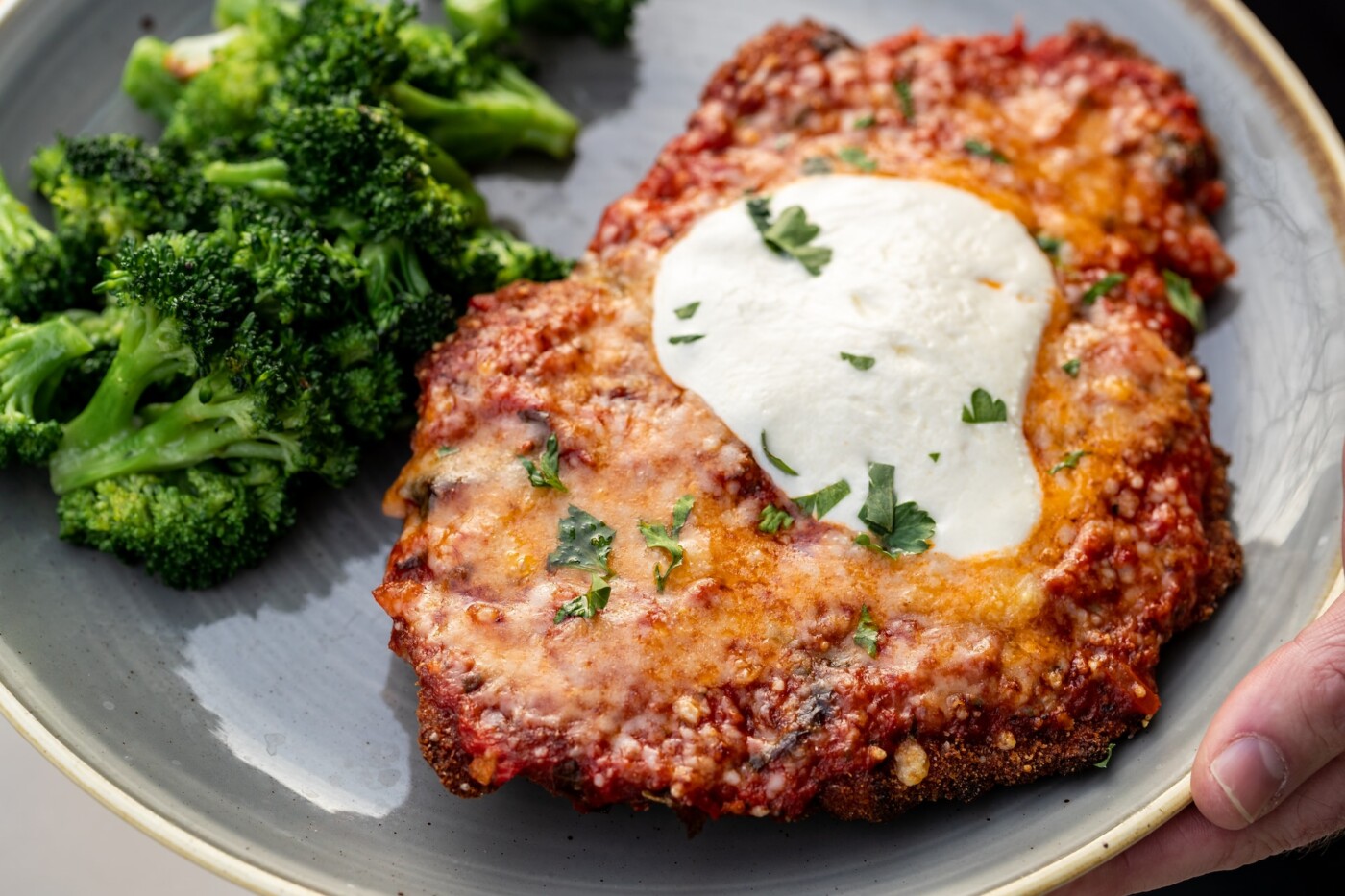
While not classically an Australian dish, the Aussies have definitely put their own twist on the Chicken Parmigiana. It is quintessential pub fare, and loads of pubs have a parma night where you can get decent-priced Chicken Parma. Sometimes offering a pot of beer paired with it.
The dish consists of a chicken schnitzel topped with ham, tomato sauce, and tasty melted cheese. We challenge you to find a pub in Australia that doesn’t have Chicken Parm on their menu!
Tea
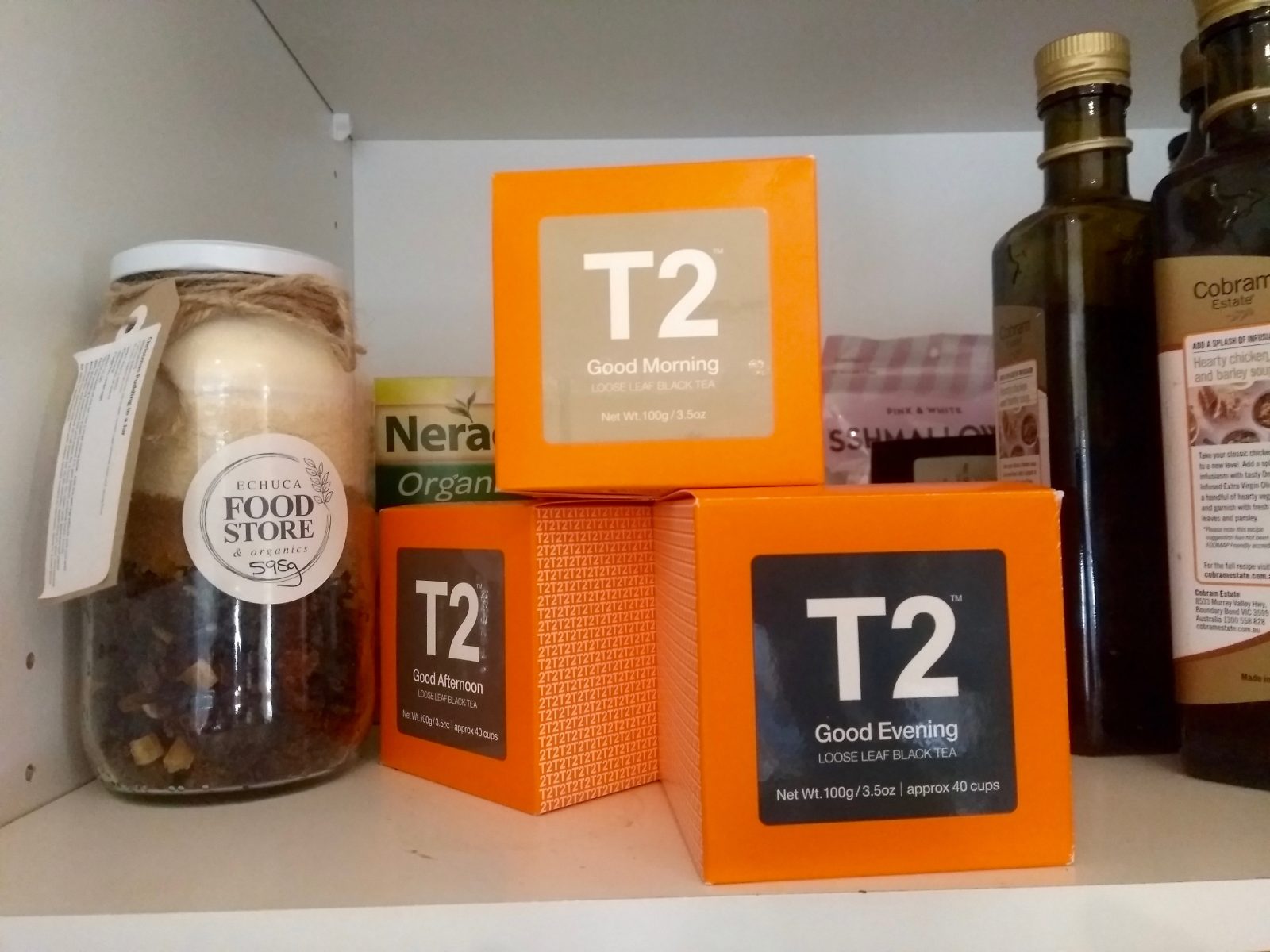
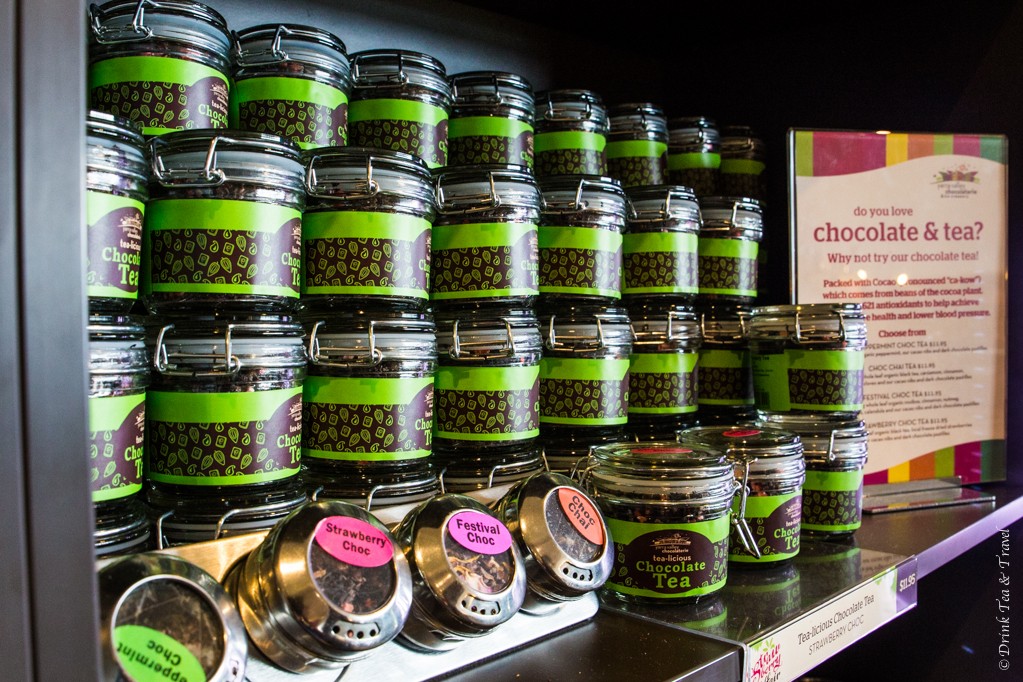
Of course, tea is not a food, but you didn’t think we’d miss out on the opportunity to talk about tea, did you? Well, the unfortunate truth is there is really nothing special about tea in Australia. T2 is the biggest Australian tea brand, offering the largest range of loose-leaf tea, herbal tisanes (their word, not ours), and amazing tea wares.
T2 has shops across the country (brace yourselves, the prices are a bit steep), with each one carrying more tea varieties than you could try during your time here. Some of it is good, but most of it is just like any other tea you can buy at the supermarket.
The award of our favourite tea in Australia goes to The Art of Tea, a small Tasmanian tea brand we discovered on our recent trip to Tassie. Their Tasmanian Breakfast blend, a full-flavoured, strong black tea is the one we reach for in the morning and all throughout the day.
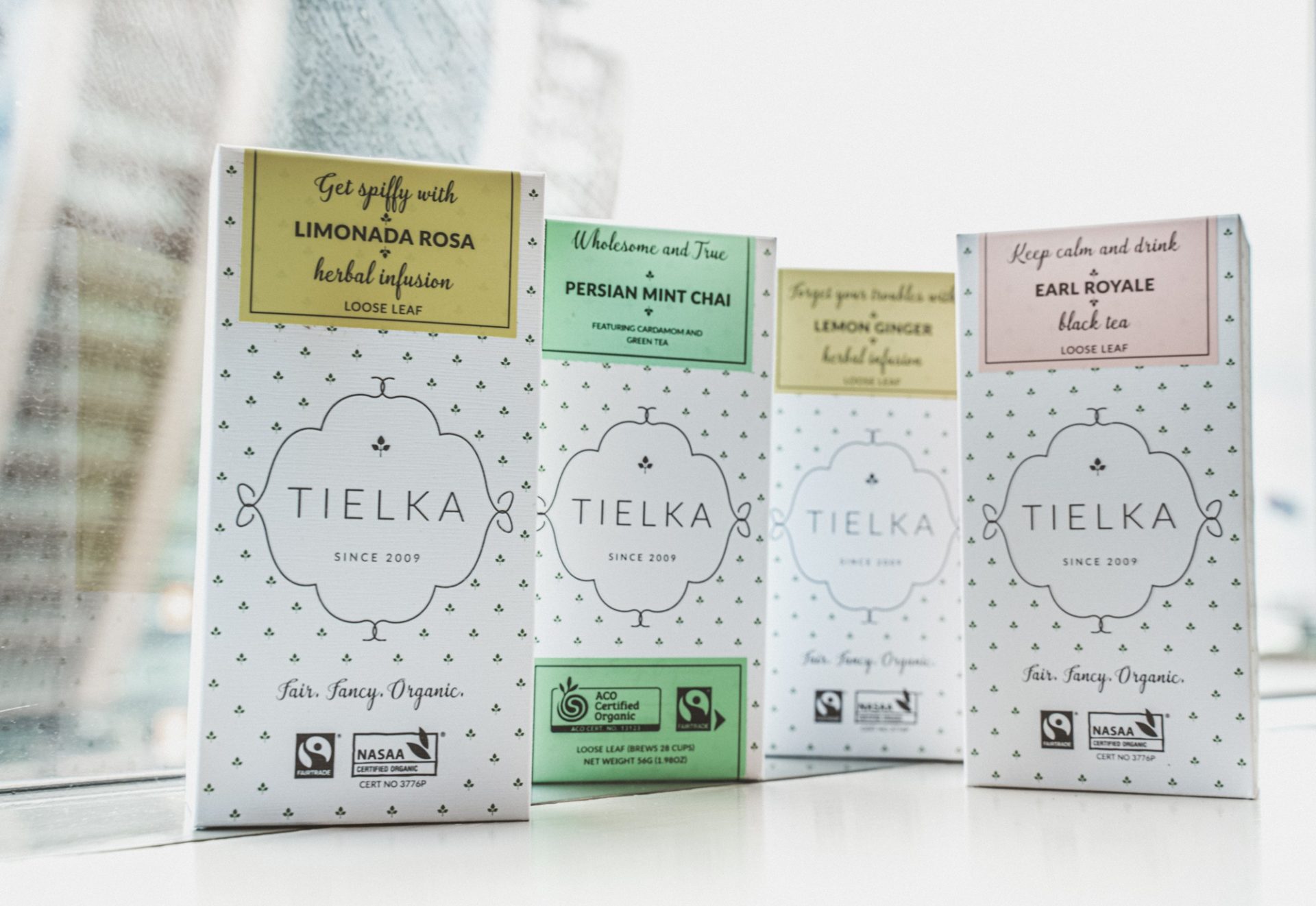
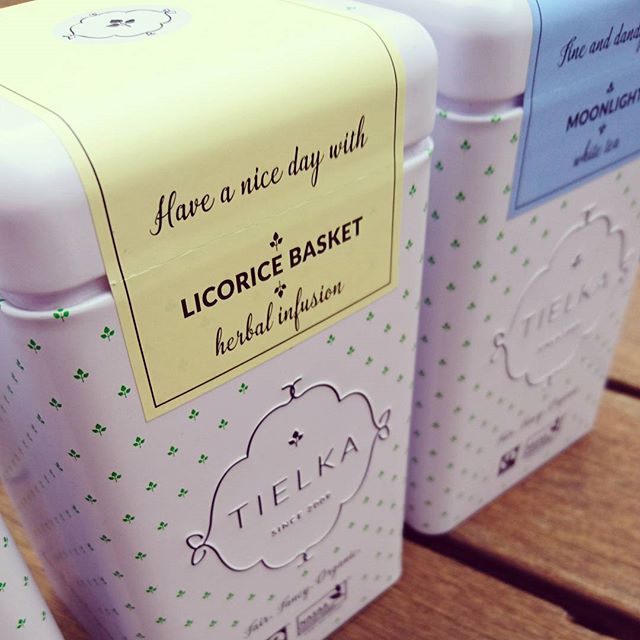
Another favourite is Tielka Tea: Established in 2009 in Queensland, Australia, Tielka is a family-owned, Fairtrade organic certified business committed to sustainability and ethical sourcing. Over the past decade, it has become Australia’s most-awarded organic tea brand, winning 18 Golden Leaf Awards, including “Best Boutique Organic Tea Company 2021.” Tielka offers a diverse collection of organic loose-leaf and pyramid tea bag blends featuring innovative combinations and Australian-grown ingredients. Their online store provides tea subscriptions and wholesale options, reflecting their dedication to quality and eco-friendly packaging

Bush Tucker
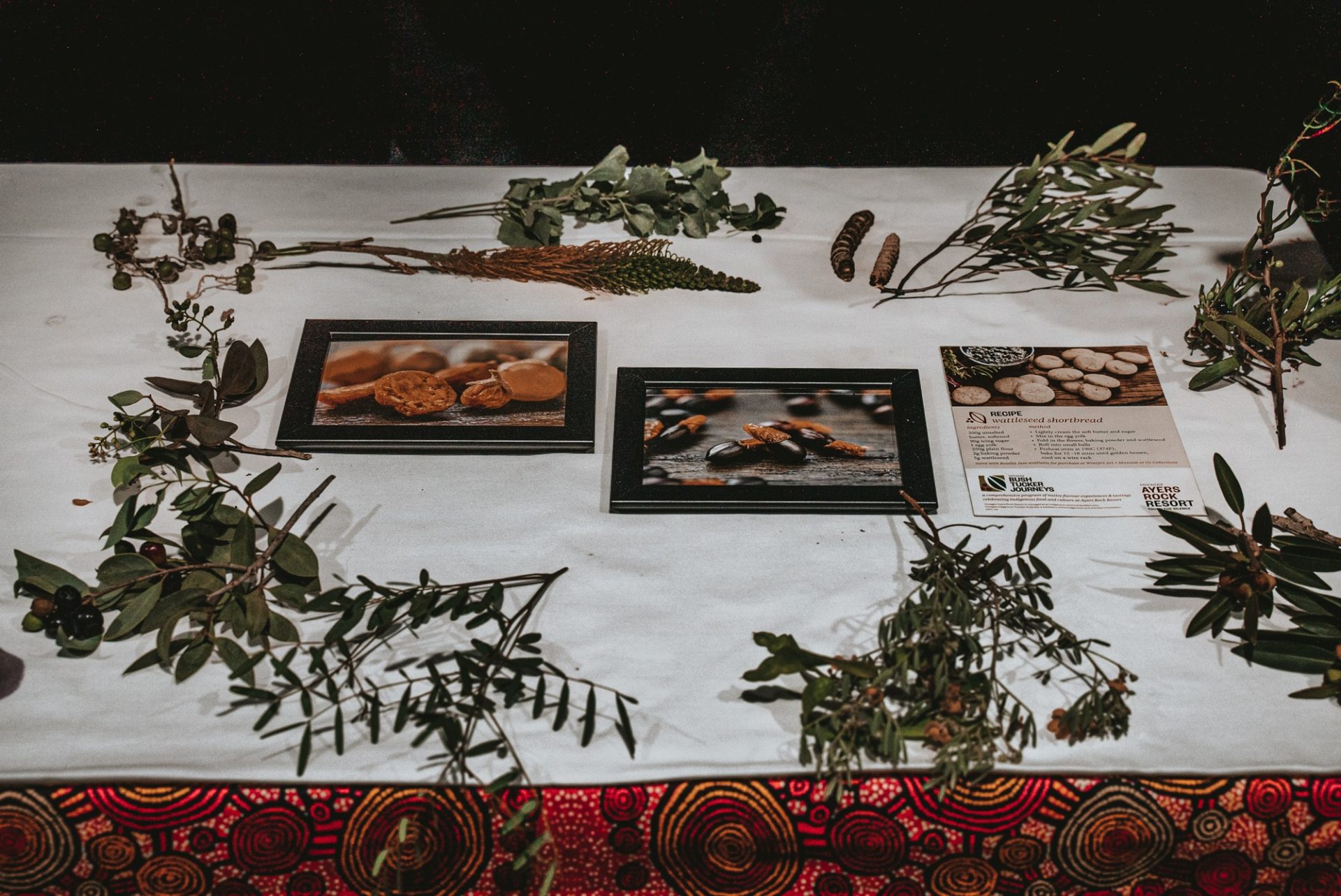
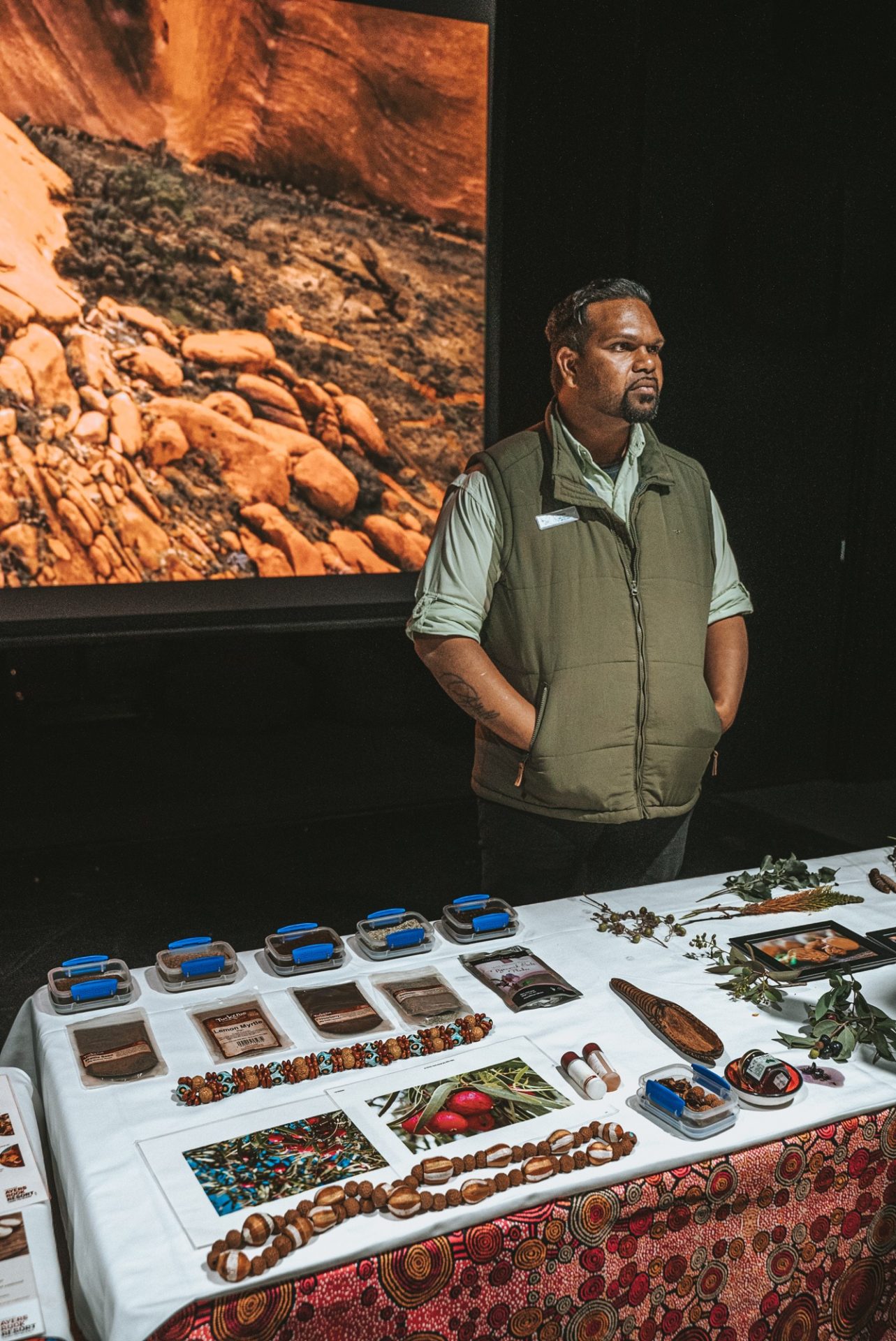
Bush tucker, or bush food, refers to native Australian food traditionally consumed by Indigenous Australians. For a true Aussie Bush Tucker experience, try a Witchetty Grub; they taste a bit like chicken and pack the protein punch of a steak!
If you’re in Sydney and eager to taste Australia’s indigenous foods, consider joining this Botanic Gardens Bush Tucker tour. Learn about the secrets of Indigenous bush foods and modern adaptations of these unique foods, all while treating you to some tasty samples!
Wines
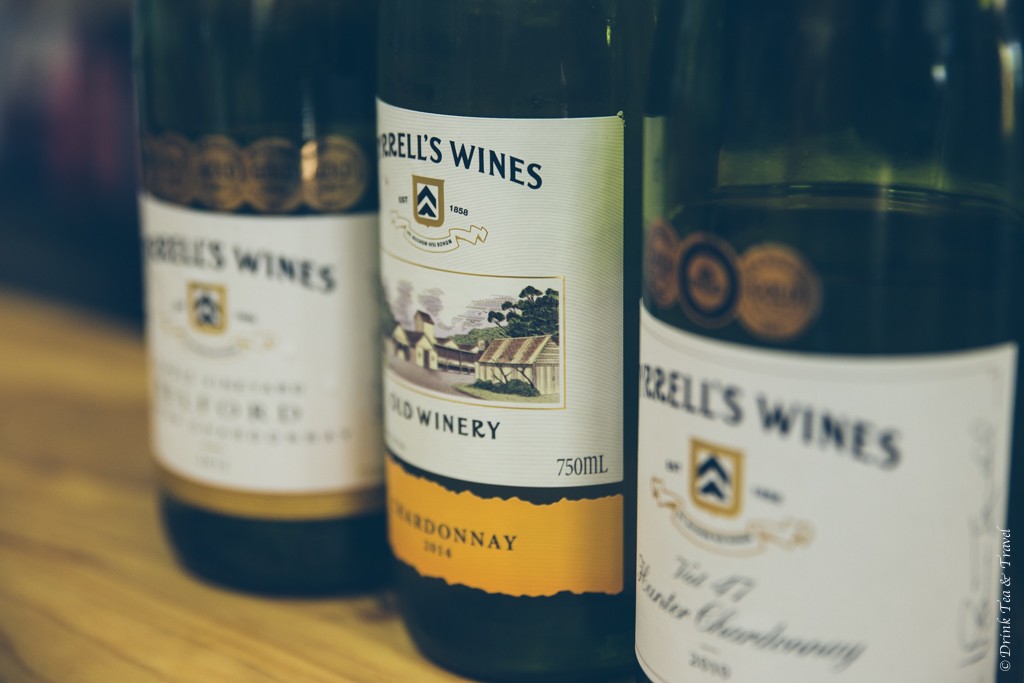
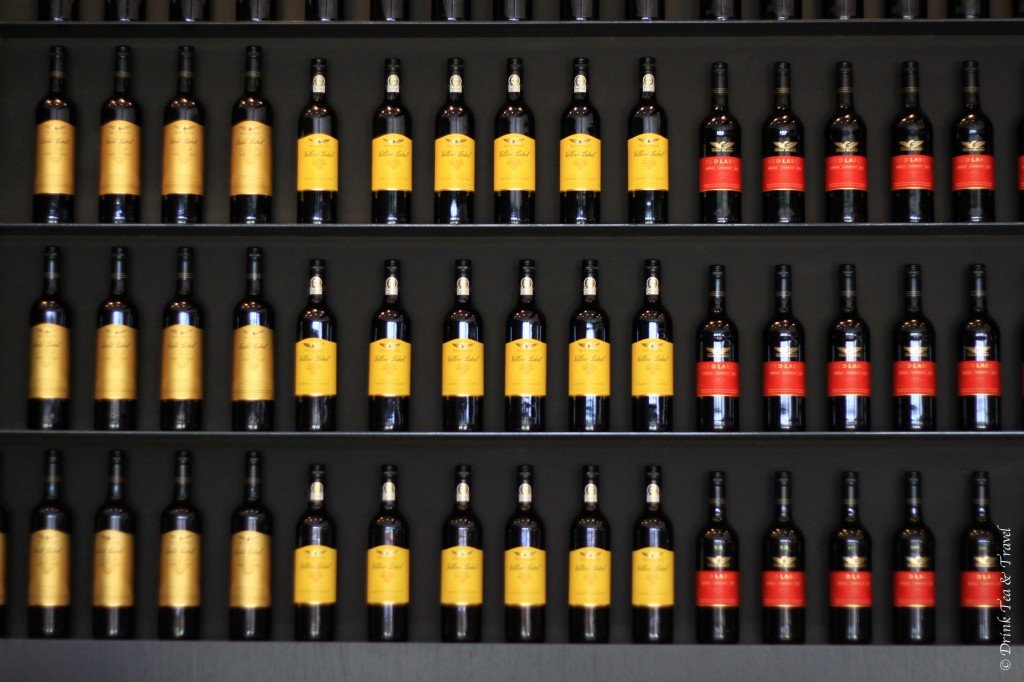
Australia is renowned globally for its vibrant and diverse wine industry. The distinctive terroirs in wine regions across Australia yield wines of exceptional quality.
The country’s wine culture has evolved over centuries, with European settlers planting the first vines in the late 18th century. Today, Australia is recognized as one of the New World wine leaders, with regions like Barossa Valley, Margaret River, and Hunter Valley earning international acclaim. Shiraz, a bold and robust red varietal, has become an Australian signature, producing wines with deep, concentrated flavours and characteristic spiciness. Additionally, the country is celebrated for its crisp and aromatic white wines, particularly the Sauvignon Blanc and Chardonnay varieties, which thrive in the cool climates of regions like Adelaide Hills and Tasmania.
Australian winemakers are known for their innovative approaches, incorporating modern techniques while respecting traditional practices. Sustainability is a key focus in many vineyards, reflecting a commitment to preserving the environment and producing wines that express the unique characteristics of the land.
There are a number of fantastic wine regions all around the country, so be sure to visit a few or join a wine-tasting tour during your time in Australia!
Read NEXT:Best Wine Regions In Australia


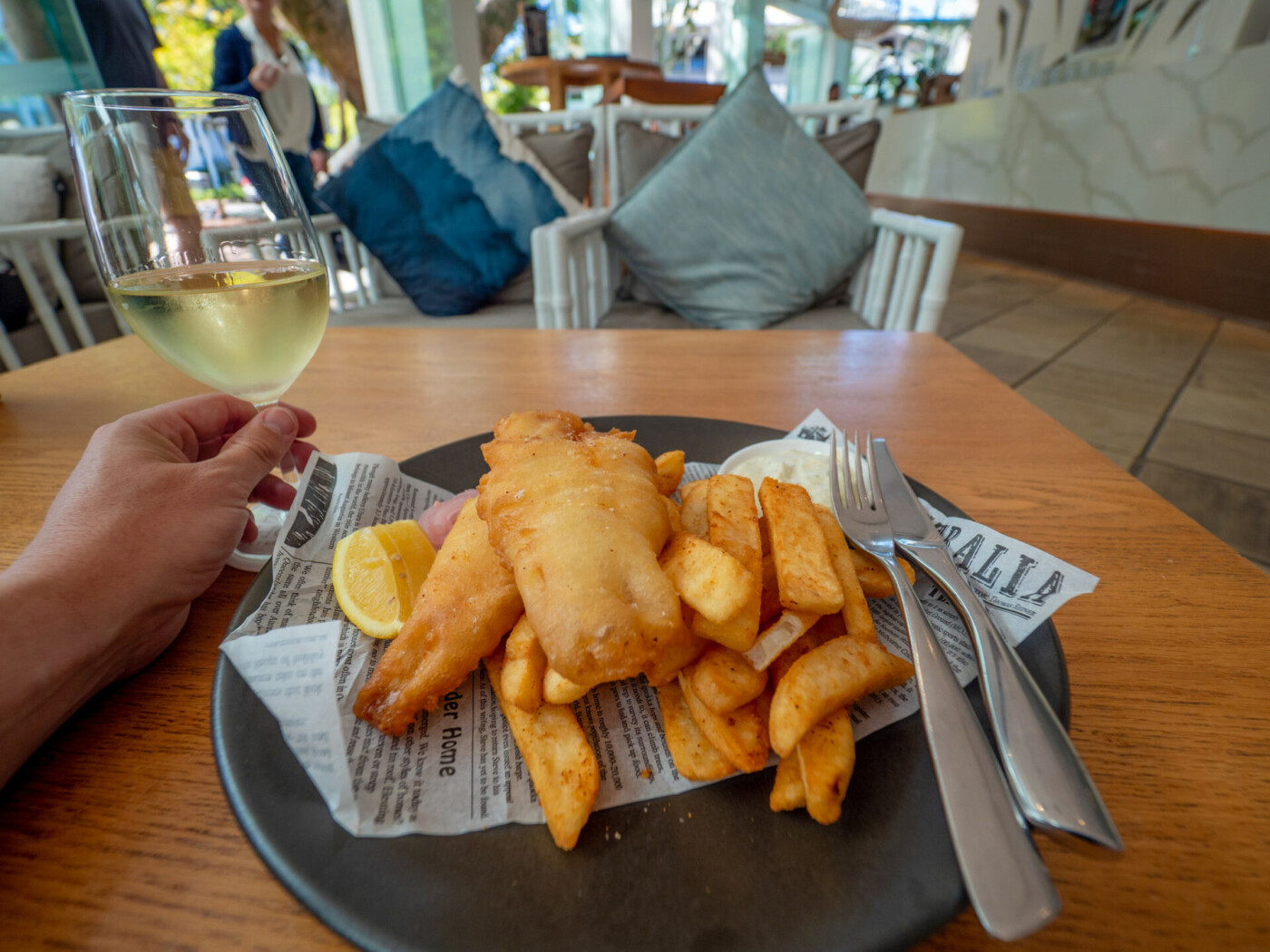
Fish & Chips
Craving the Aussie version of this iconic traditional Australian food? Fish and chips shops are plentiful all over the country, but not all fish and chips are the same. From the oil used to cook it to the salt and pepper batter, fish, chips, and tartare sauce, there are big variations.
Barramundi fish and chips are a must-try traditional Australian cuisine. The name Barramundi comes from the Aboriginal language, meaning “large scaled river fish,” or, as we like to call it, delicious! It’s the most popular Australian fish, likely because it’s versatile, perfect for frying, baking, grilling, or barbecuing. Most Aussies pair it with deep-fried salt and pepper calamari or prawn cocktail.


ANZAC Biscuits
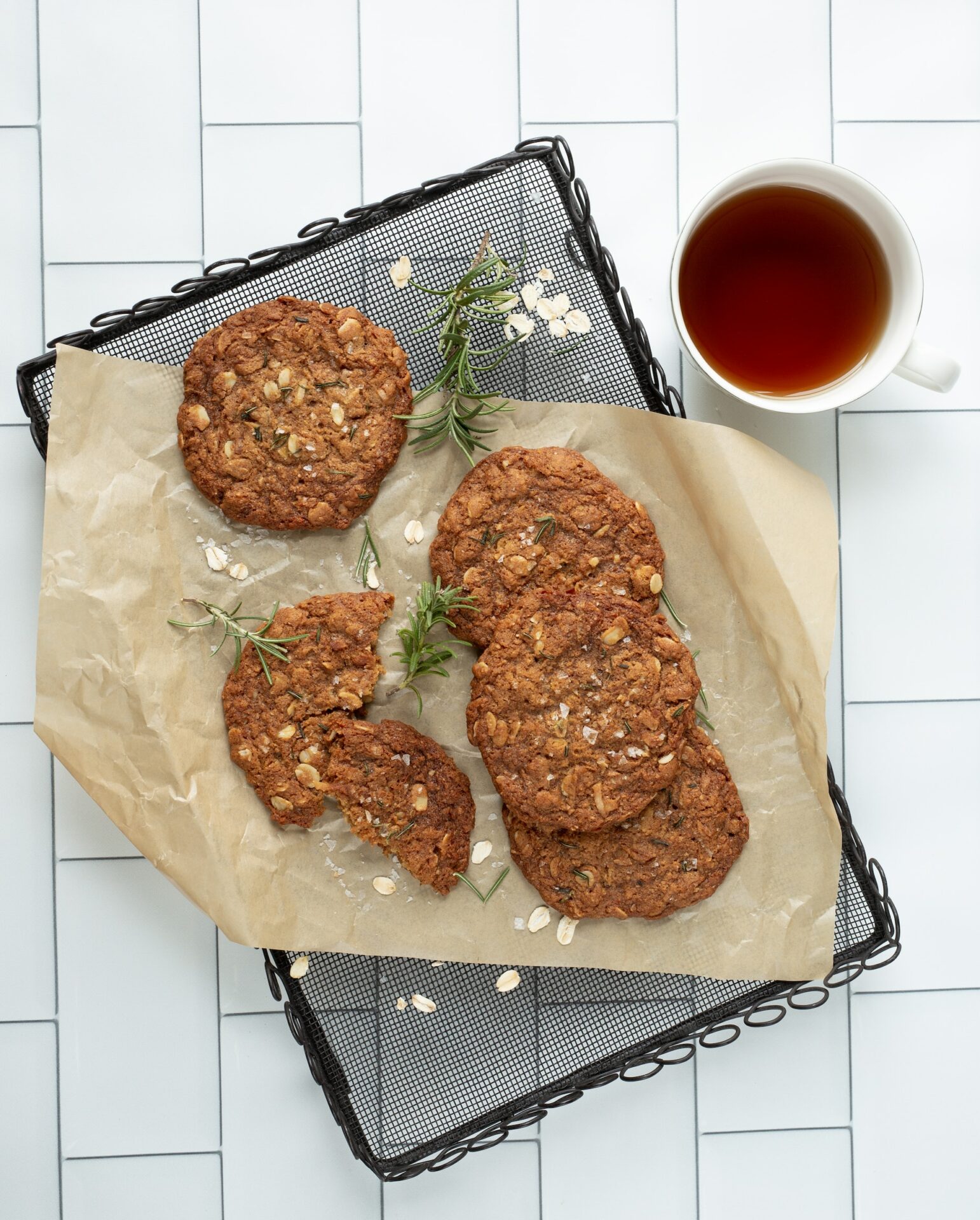
We learned that Anzac biscuits are about as prevalent and popular as chocolate chip cookies in the U.S., though they’ve been around a bit longer (don’t confuse it with fairy bread on Australia Day). These sweet golden syrup biscuits were originally made by the wives of the ANZACs (Australian and New Zealand Army Corps) during World War I. The baked goods were sent to the front lines or sold to raise money for the war efforts.
Although those delicious Anzac biscuits were quite sturdy, even rock hard, today these biscuits are peacefully enjoyed during tea time and to commemorate ANZAC Day on April 25. To many, this date is also a good excuse to eat Anzac Biscuits, which are just awesome if you haven’t tried them yet!
So there you have it. This list should give you something to look forward to and a list of food to try in Australia while you’re visiting.


It seems that for a chocolate obsessed traveller like me Australia is the place to be. Tim Tams are very popular in New Zealand too and it was one of the first things that was introduced to me from the ‘local cuisine’
I just have to hope that my application for working holiday visa to Australia will be approved, so I can hop over and try it out!
Good luck with your application, Marta! Hope you get approved as well. You’ll love it here, not just because of the chocolate but more so the photo ops! Loving your latest NZ shots! 🙂
Australia doesn’t have much local original cuisine. However, the food here (both in Teresita St and grocery stores) is of superb quality! Contrary to popular belief, it’s also not too expensive. The portion sizes are very generous, and one can pay very little for food of great quality.
We found the cheapest and best way to get high-quality food in Australia was to shop at local farmers markets, butchers, and other small mom and pop shops and cook it yourself!
Missing are aussie meat pies, fresh passion fruit, aussie bacon and flat whites
Definitely some good additions to the list. As we travel outside of Australia more and more, I notice nobody else calls it a flat white. It’s all about the latte’s (Poor mans flat white in my opinion).
Perfect list! Lamington’s are SO great and luckily I can find Tim Tams at home here in Canada!
Tim Tams in Canada? Where did you find them?
what about our native foods? davidson plums (can be found in jams), finger limes are also now appearing in supermarkets. emu eggs. camel meat, because we have the largest camel population in the world and even export camels to arab countries, you wont find that cheaper anywhere else i think. though not native we have some imports from indonesia like the durian. you can buy seeds for “bush tucker” plants in some places but they arent really catching on much in mainsteam cuisine. they are however some of the most unique things youll eat.
I live in Queensland for about 4 years now (originally from the Netherlands). Funny how you say that beetroot ruins the burgers. I always say that, but can’t seem to convince my Australian partner also in Queensland they add mashed peas and Worcestershire sauce into their pies and with ‘tea’ they actually mean dinner the liquid tea, they call ‘a cuppa’. Australians are so confusing